Middletown's #1 Tree Expert Company
FREE Inspection & Estimate | Certified Arborists | Trimming, Pruning, Removal, More!
Sponsored
The Forest That Talks Without Words
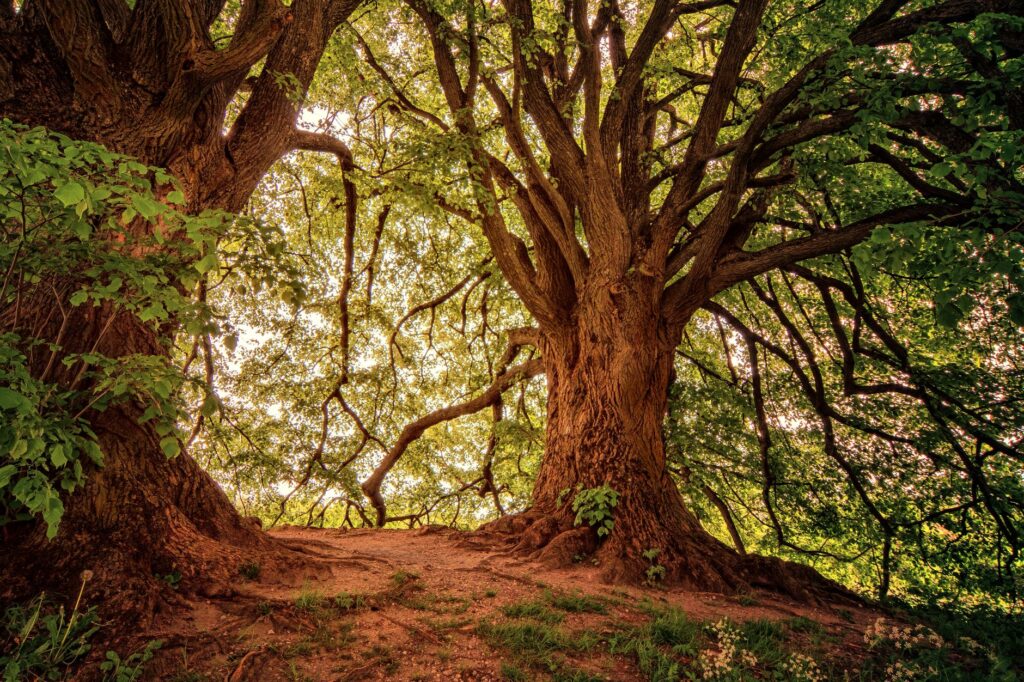
Walk the loop trail at Hartshorne Woods Park on a cool September morning and the tulip poplars (Liriodendron tulipifera) and red oaks (Quercus rubra) along the ridge look like they’re doing fine on their own, each one rooted in its own patch of ground. They aren’t. Underneath that trail, a web of fungal threads finer than human hair links root to root, tree to tree, species to species, moving water, sugars, and warning signals back and forth in a slow, constant trade. Foresters have taken to calling it the “wood wide web,” and while the phrase gets thrown around loosely, the underlying biology is real and well documented.
Compare that ridge to a young red maple (Acer rubrum) planted alone in a Middletown front lawn, ringed by turf, mulched with a volcano of bark, and treated with broad-spectrum fungicide every spring. That tree isn’t just missing shade and shelter. In a lot of cases, it’s missing the underground partnership that helps forest trees find water in a dry August and fight off stress they can’t handle alone. Understanding what’s happening below the soil line explains a lot about why some Middletown trees seem to sail through tough seasons while nearly identical trees two blocks over struggle.
What's Actually Happening Underground
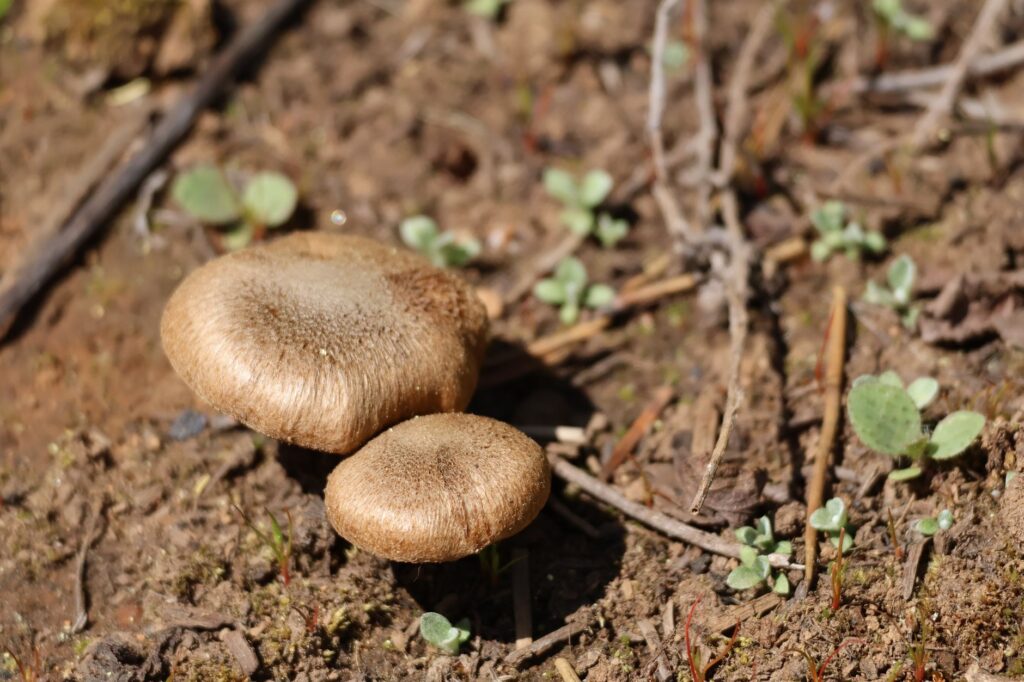
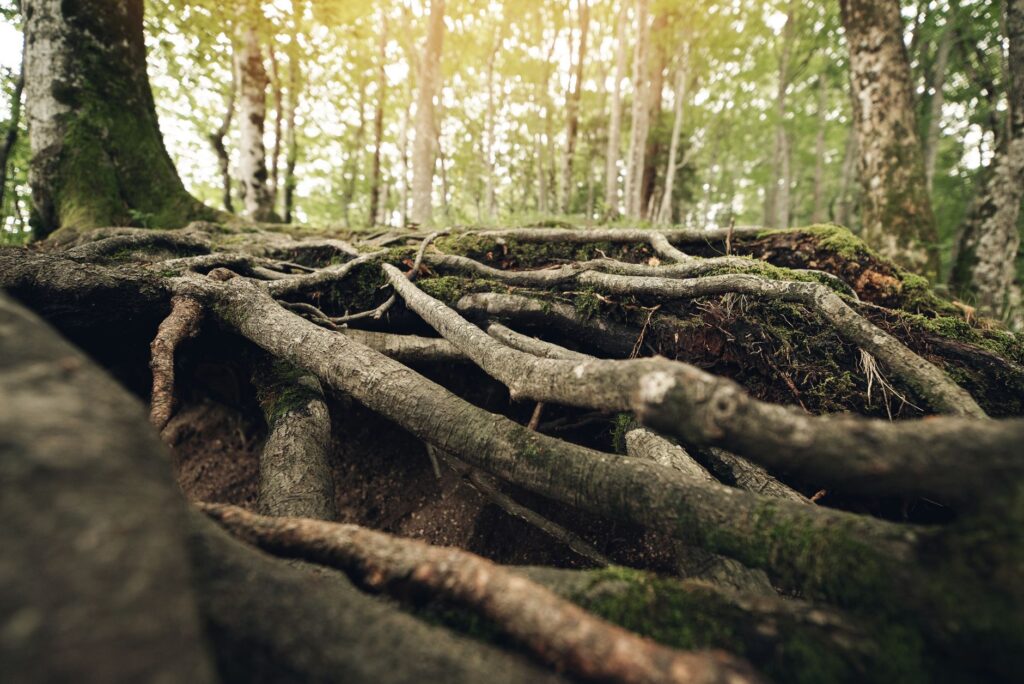
Most of the trees common to Monmouth County — oaks, beeches, hickories, pines — form partnerships with mycorrhizal fungi, a relationship that’s been evolving for roughly 400 million years. The fungus colonizes the tree’s fine root tips, then extends a network of thread-like hyphae out into the soil far beyond where the tree’s own roots reach. In exchange for a share of the sugars the tree produces through photosynthesis, the fungus dramatically expands the tree’s effective root surface area, pulling in water and hard-to-reach nutrients like phosphorus that the tree’s roots alone would struggle to find.
There are two broad categories at work locally. Ectomycorrhizal fungi wrap around the outside of oak, beech, and pine root tips and are often the source of the mushrooms that pop up under a mature oak after a rain. Arbuscular mycorrhizal fungi, by contrast, actually penetrate root cells and partner with maples, ash, and most fruit trees. Rutgers Cooperative Extension has documented how heavily many landscape species depend on these fungal partners, particularly in the compacted, nutrient-poor soils typical of suburban development — which describes a fair amount of Middletown Township outside the older, undisturbed woodlots.
How Trees Share Resources and Signal Stress
The fungal network doesn’t just move nutrients from soil to tree. Research over the past two decades has shown it can move carbon between trees of the same and even different species, with larger, more established trees sometimes subsidizing the growth of shaded seedlings nearby. Older forestry and mycology researchers have documented these mother-tree dynamics extensively, and while the popular press sometimes overstates how deliberate or communicative the process is, the underlying resource transfer through shared fungal networks is well supported.
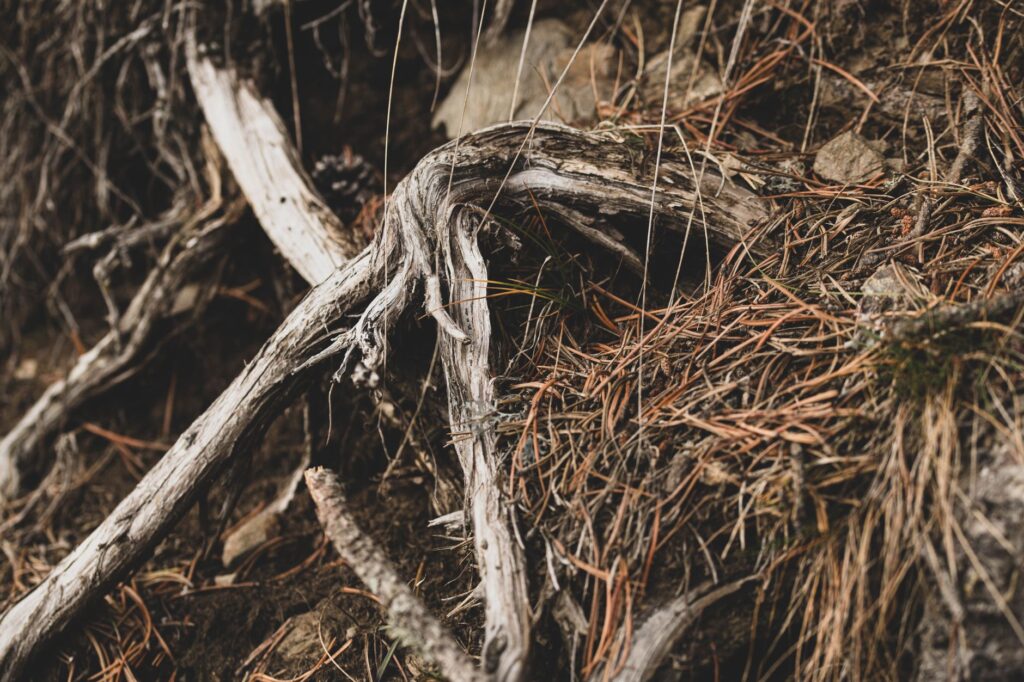
Trees also have a second, more direct way of staying in contact: root grafting. Two trees of the same species growing close together, like a row of street pin oaks or a cluster of pines at Cheesequake State Park, will frequently fuse roots where they cross underground, creating a physical connection that can share water and even, in some documented cases, help sustain a stump after the trunk is cut. Above ground, trees under insect attack release volatile organic compounds that can prime nearby trees to ramp up their own chemical defenses before the pest arrives. The International Society of Arboriculture notes this kind of chemical signaling as one more reason a diverse, interconnected planting tends to weather pest and disease pressure better than isolated specimens.
Middletown's #1 Tree Expert Company
FREE Inspection & Estimate | Certified Arborists | Trimming, Pruning, Removal, More!
Sponsored
Why So Many of Middletown's Yard and Street Trees Are Cut Off

Here’s the practical problem: a lot of what suburban landscaping does severs these connections before they can form. Fill dirt trucked in during construction usually carries none of the native fungal partners a young tree needs. Heavy equipment compacts soil to the point where fungal hyphae can’t spread through it. Turf grass, which forms its own arbuscular mycorrhizal relationships but doesn’t share the same fungal species that oaks and beeches rely on, dominates most residential soil and can crowd out tree-compatible fungi entirely.
Broad-spectrum fungicides, applied to control lawn disease or ornamental problems, don’t distinguish between a harmful pathogen and the beneficial mycorrhizal fungi living in the same few inches of soil. A single street tree planted in a narrow cutout surrounded by sidewalk and asphalt is about as isolated as a tree can get — cut off from any neighboring root system, working with a soil volume a fraction of what an equivalent forest tree would have access to. It’s a big part of why street trees in Port Monmouth and Belford tend to show stress years before comparable trees in an established, undisturbed yard in Lincroft.
What a Homeowner Can Do to Support the Network
None of this means a yard tree is doomed to go it alone. A few practical habits make a real difference:
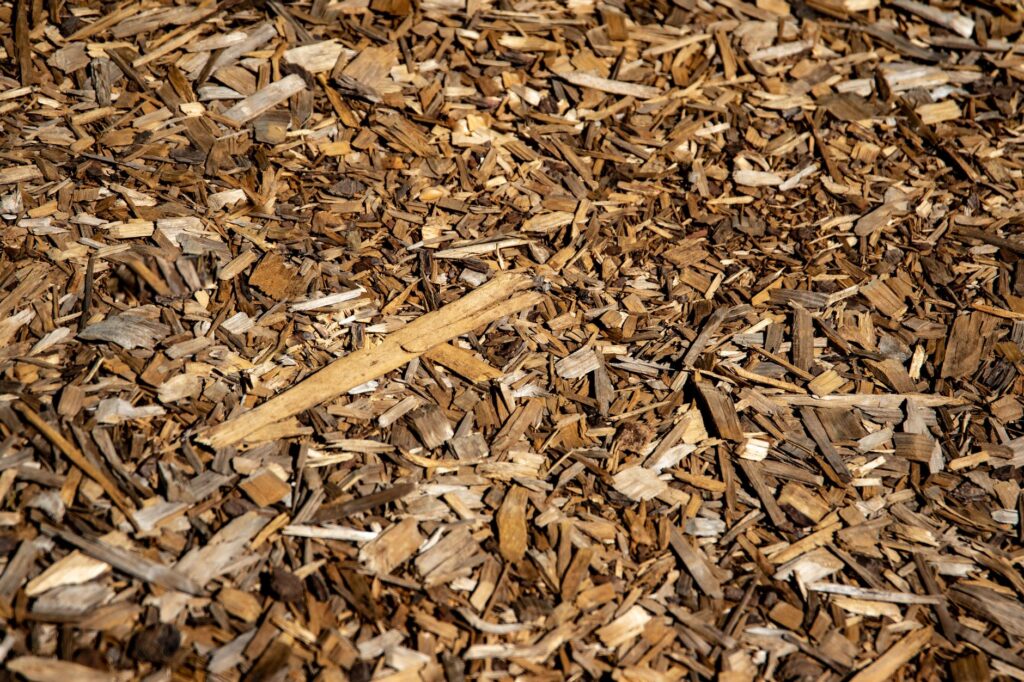
- Mulch with arborist wood chips, not bagged bark, spread in a flat ring rather than a volcano. Wood chips slowly break down and feed the same fungal communities a tree depends on, where dyed bark mulch offers almost nothing to soil biology.
- Skip the fungicide on lawn areas near tree root zones unless there’s a diagnosed, specific problem that requires it.
- Minimize soil compaction from parked vehicles, storage sheds, or heavy equipment anywhere near a tree’s root spread, which usually extends well past the edge of the canopy.
- Group new plantings near existing trees when the layout allows it, rather than isolating a single specimen in the middle of open turf — this gives new roots a shot at tapping into fungal networks already established nearby.
- Leave some leaf litter in planting beds instead of stripping it every fall; decomposing leaves are a primary food source for the soil fungi and organisms that sustain the network.
These are small changes, but they compound over years, and they cost far less than fighting drought stress or decline in a tree that’s already struggling.
Where Middletown Still Has Healthy Networks
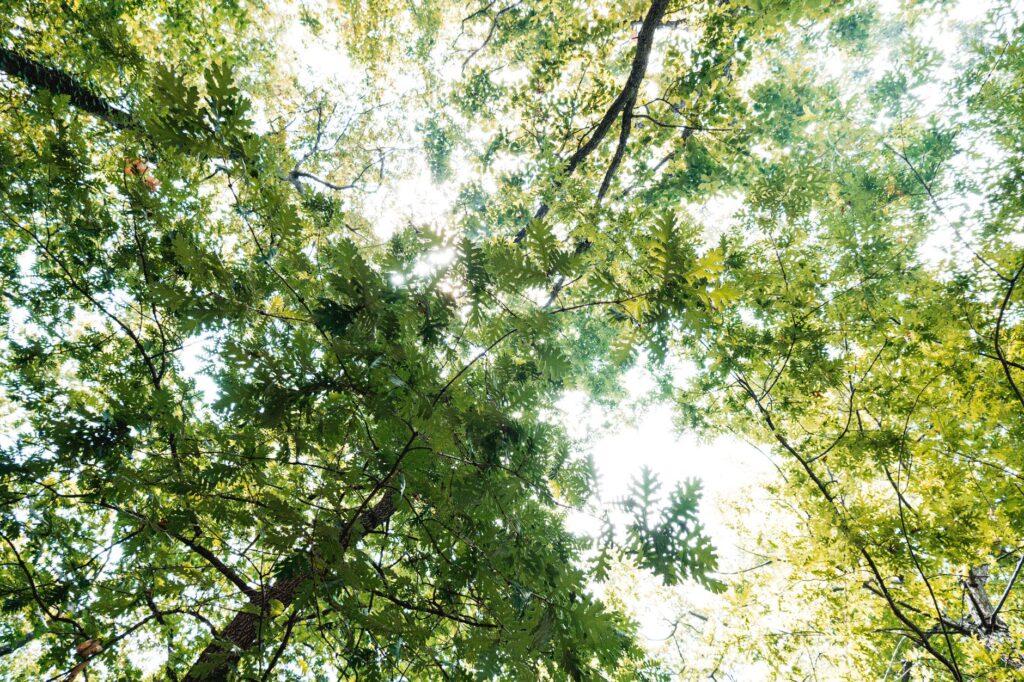
The good news is that Middletown Township isn’t short on examples of what an intact system looks like. The mature oak-beech stands at Poricy Park and the mixed hardwood forest at Hartshorne Woods Park have never been graded, compacted, or treated with lawn chemicals, and the difference shows in canopy density and how quickly those woods recover after a storm. Tatum Park’s older plantings offer a similar, if smaller-scale, picture. The Monmouth County Park System manages these areas specifically to preserve that undisturbed soil structure, which is a big part of why the trees there tend to outlast and outperform their suburban counterparts.
Homeowners near these preserved tracts have a natural advantage — soil fungal communities can migrate from an adjacent woodlot into a neighboring yard over time, especially if that yard isn’t actively working against them with compaction and chemical treatments. It’s one more reason a hedgerow or naturalized buffer along a property line bordering parkland is worth more than it might look.
Middletown's #1 Tree Expert Company
FREE Inspection & Estimate | Certified Arborists | Trimming, Pruning, Removal, More!
Sponsored
When to Call a Certified Arborist
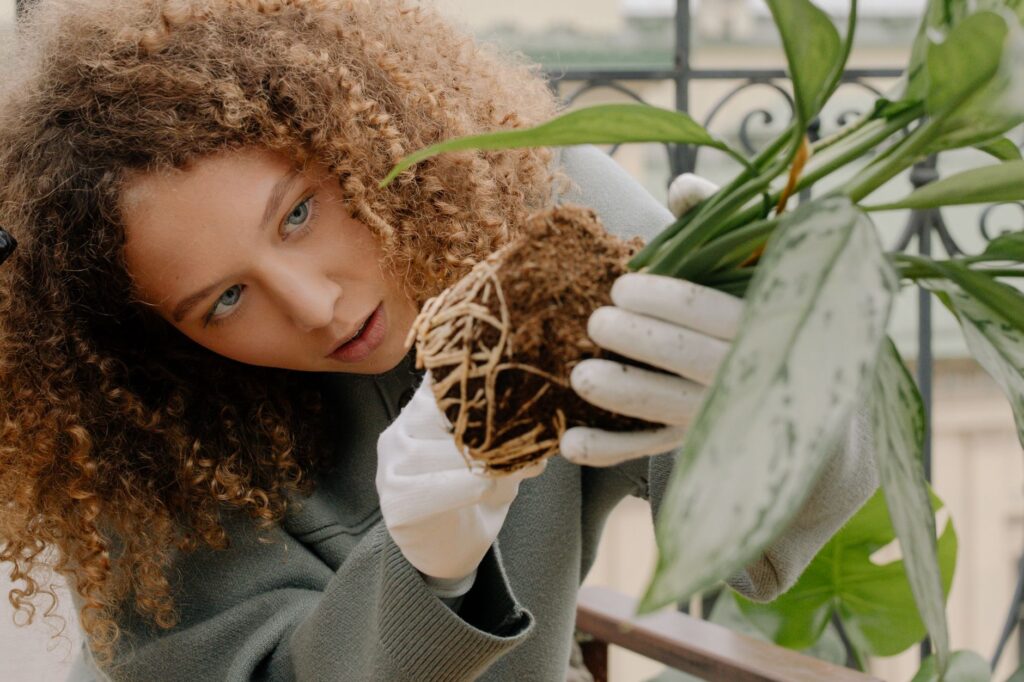
Most of what supports a tree’s fungal partnerships is within a homeowner’s reach: better mulch, less compaction, less unnecessary fungicide. But if a tree is already showing signs of decline — thinning canopy, dieback in the upper crown, stunted new growth despite adequate water — the soil biology may need more targeted help than a mulch ring can provide. A certified arborist can assess whether compaction has become severe enough to warrant air spading, whether a root collar is buried too deep to function properly, or whether a struggling tree would benefit from a professional mycorrhizal inoculation rather than a retail product of uncertain quality. Given how much of a tree’s resilience depends on what’s happening in soil no homeowner can see, an on-site evaluation is often the fastest way to tell whether a stressed tree just needs time, or needs intervention now.
Photo credits: Featured image by Robin Godefridi on Pexels; Section 1 by Johannes Plenio on Pexels; Section 2 by Liz D on Pexels; Section 3 by Walter Cunha on Pexels; Section 4 by Jenkin Shen on Pexels; Section 5 by Magda Ehlers on Pexels; Section 6 by Abdulvahap Demir on Pexels; Section 7 by cottonbro studio on Pexels.