
Middletown's #1 Tree Expert Company
FREE Inspection & Estimate | Certified Arborists | Trimming, Pruning, Removal, More!
Sponsored
That Maple in Your Yard Might Not Be What You Think
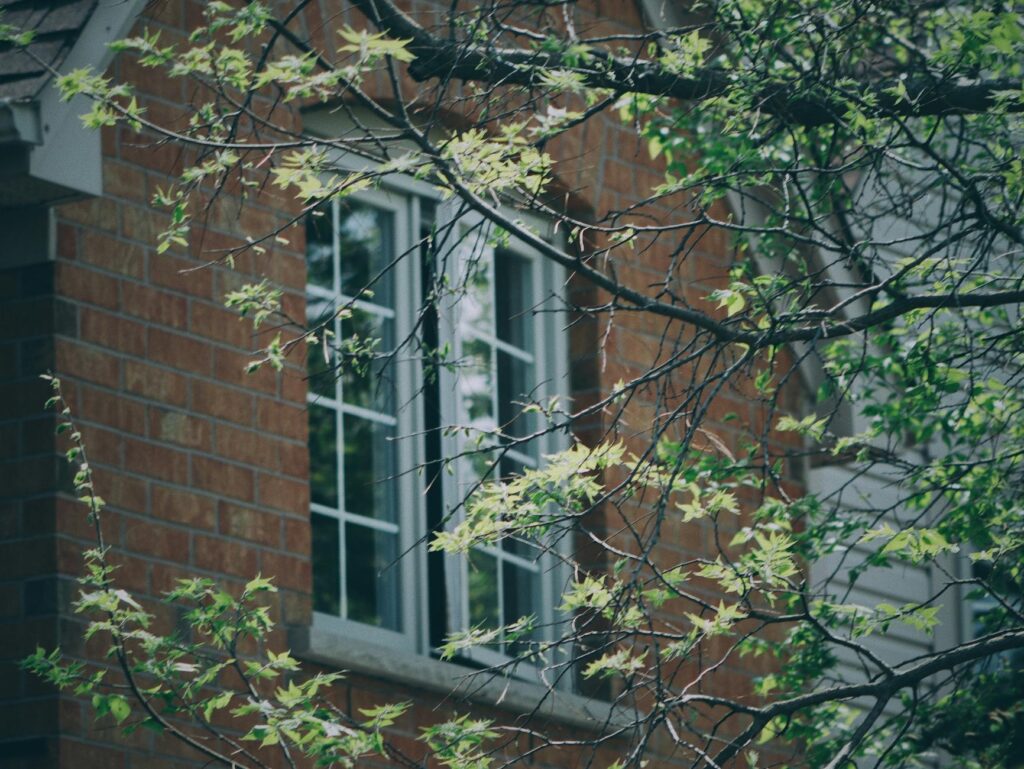
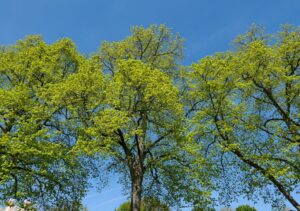
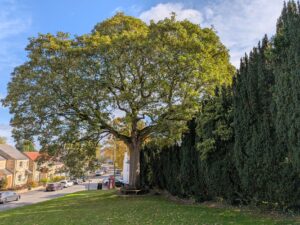
Late April in Middletown, the maples are leafing out all across the township — from the older neighborhoods of Lincroft to the newer builds along Route 35, from Bayshore properties near Port Monmouth to the hillside streets above the Navesink River. Most homeowners glance up at that spreading canopy and see a shade tree, the same one that’s been there since the house was built. But I’d estimate that one in four of those trees — maybe more in some neighborhoods — is actually Norway maple (Acer platanoides), a European species that was planted heavily as a tough street and yard tree for decades and is now one of the most aggressively invasive trees in New Jersey.
The challenge is that Norway maple looks nearly identical to our native sugar maple (Acer saccharum). Same general leaf shape, similar silhouette, respectable shade. Homeowners rarely question it — why would you? It leafs out, it shades the deck, and it doesn’t look sick. But beneath that familiar canopy, something troubling is often happening, and it has real consequences not just for your yard, but for the natural areas that make Middletown one of the greenest townships in Monmouth County.
This time of year — late April, when the sap is still running strong and fresh leaves are emerging — is actually the easiest time to catch one. All you need is a leaf stem and ten seconds.
The April ID Test Every Middletown Homeowner Should Try
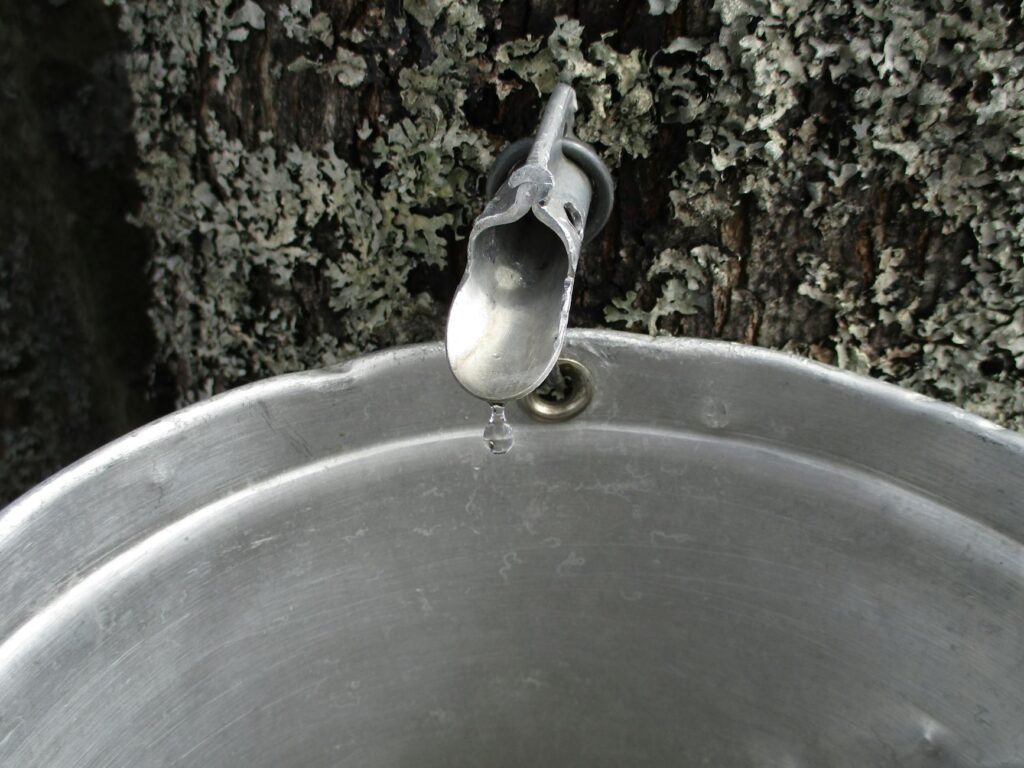
Here’s the field test: snap a leaf stem — the petiole — off the tree and look at the break. If it oozes milky white sap, you almost certainly have a Norway maple. Our native sugar maple produces completely clear sap at the break. That milky latex is the single most reliable quick-ID for Acer platanoides and requires no tools, no app, and no prior tree knowledge. Do it right now, while the sap is actively running.
A few other visual cues worth noting:
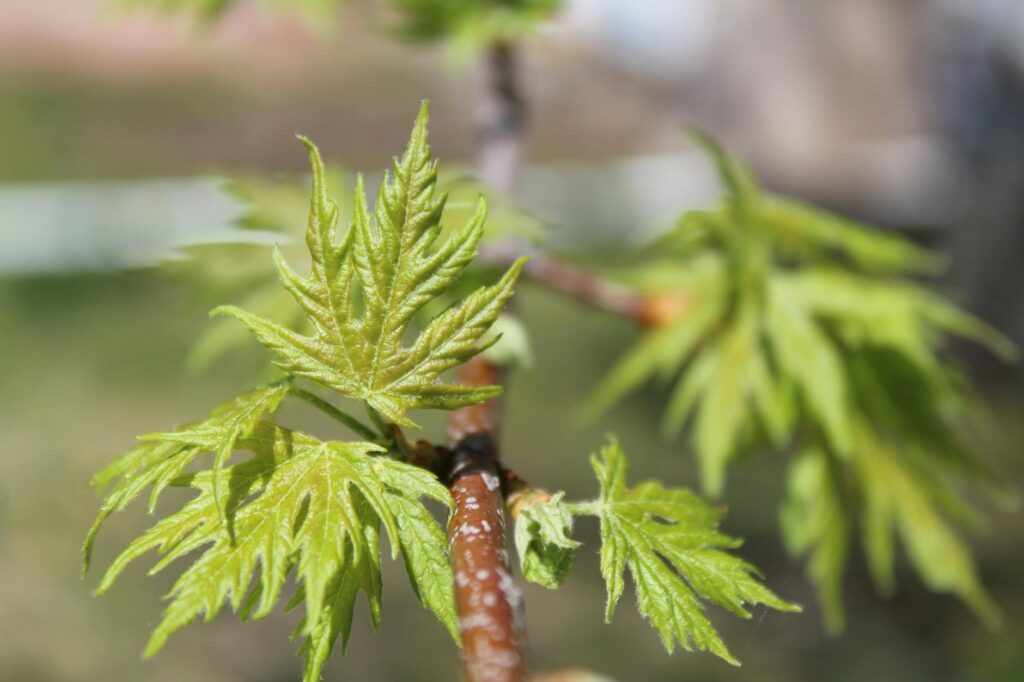
- Leaf tips: Norway maple leaves have sharper, more finely pointed lobe tips than sugar maple. The sinuses — the gaps between lobes — tend to be smoother and shallower in cut.
- Samaras (the helicopter seeds): Norway maple produces wide, nearly flat paired seeds with wings spreading at almost 180 degrees from each other. Sugar maple seeds form a tighter V-shape. You’ll find last year’s seeds still scattered under the tree right now.
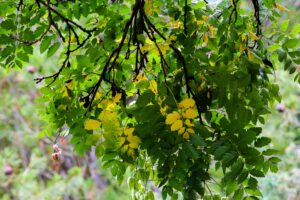
- Emergence color: Norway maple leaves often emerge with a slight reddish or purplish tinge before turning a glossy, darker green. The undersides of mature leaves are typically shiny, not matte.
- Fall color timing: Norway maple holds its green well into September before turning yellow — not the brilliant orange-red that makes sugar maples famous in Monmouth County autumns.
Rutgers Cooperative Extension maintains detailed resources on invasive plants in New Jersey, including species-by-species identification guides that can help you confirm a suspected Norway maple before deciding on next steps. Their county-level Master Gardener program also offers free plant ID assistance for Monmouth County residents.
Why Norway Maple Crowds Out Everything Beneath It
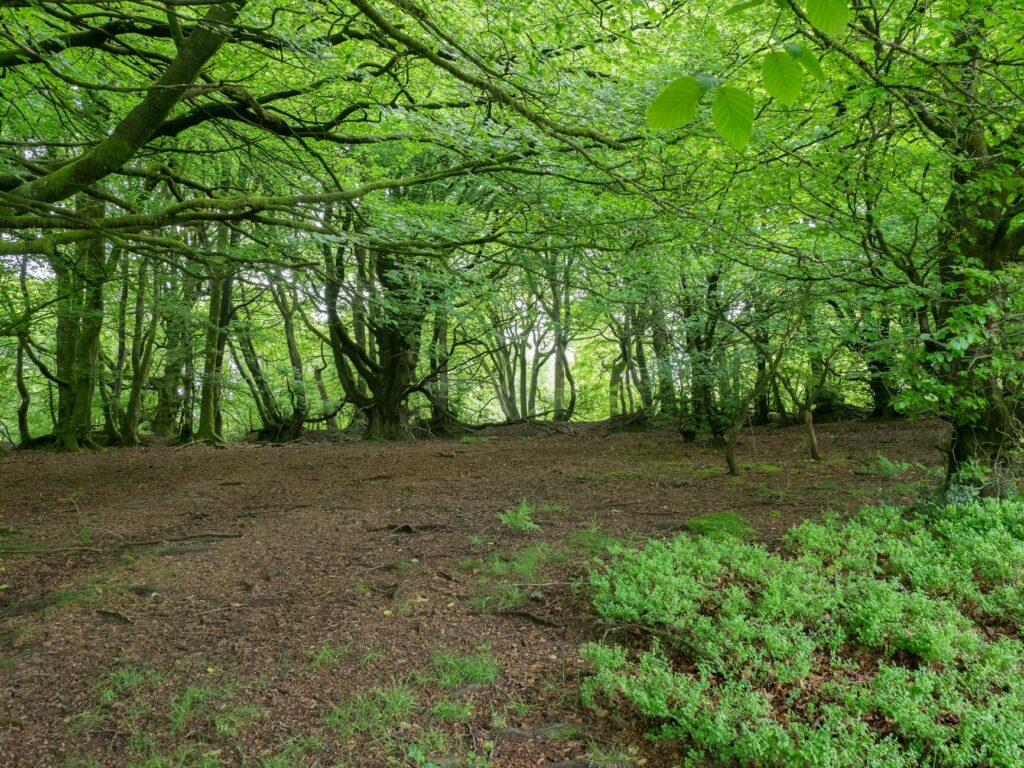
The core problem with Norway maple isn’t that it looks foreign — it’s what it does to the ground beneath it. This tree produces a dense, low canopy that blocks an extraordinary amount of light. Beneath a mature Norway maple, almost nothing grows. No native ferns, no wildflowers, no understory shrubs, no tree seedlings of any kind. If you have a patch of your yard that’s been bare dirt year after year despite every attempt to establish groundcover, look up — a Norway maple overhead is very likely the reason.
Research has documented what arborists observe in the field: Norway maple suppresses native plant regeneration through deep shade and possibly through allelopathic root chemistry that inhibits competitor germination. The practical result in natural areas — the buffer zones around Poricy Park, the riparian edges along the Navesink River, the woodland margins of Hartshorne Woods Park — is a creeping monoculture that gradually crowds out native wildflowers like trout lily, wild ginger, and jack-in-the-pulpit that have grown in these soils for centuries.
The NJ DEP Forest Service lists Norway maple as an invasive species of concern in New Jersey and actively discourages planting it. The species appears on management priority lists for parks and natural areas throughout Monmouth County, where land managers are working to remove established populations and restore native understory communities.
Middletown's #1 Tree Expert Company
FREE Inspection & Estimate | Certified Arborists | Trimming, Pruning, Removal, More!
Sponsored
How One Yard Tree Becomes a Woodland Problem
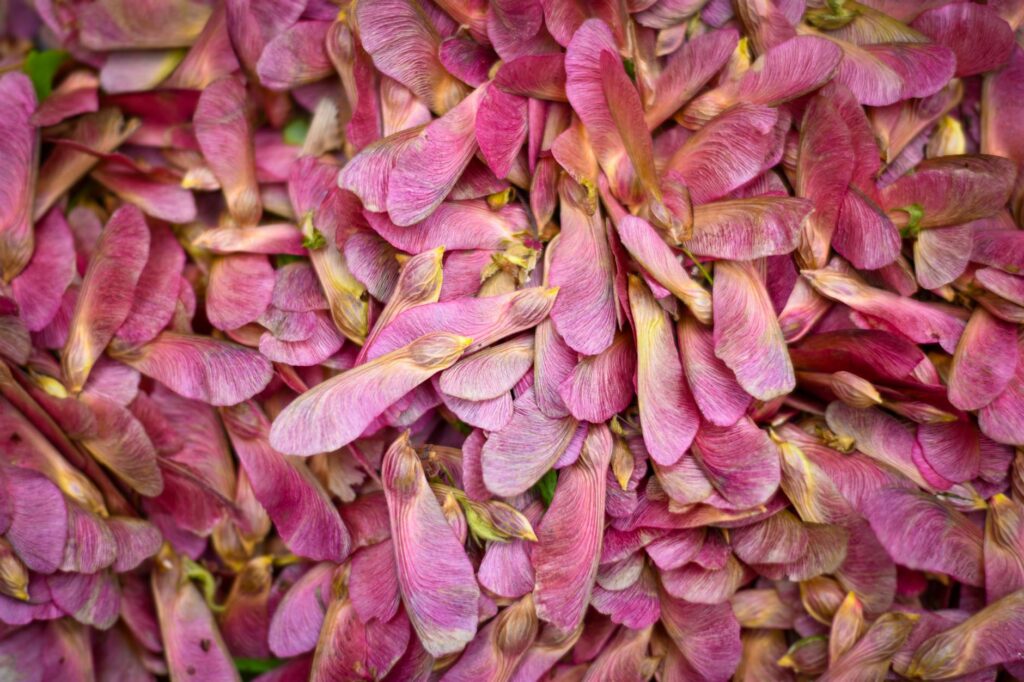
Norway maple isn’t shy about reproducing. A single mature tree produces hundreds — sometimes thousands — of viable seeds in a single season. Those wide, flat samaras are built for long-distance wind dispersal. They drift off the tree on the slightest breeze and germinate readily in disturbed soils, lawn edges, pavement cracks, and forest understories alike. Germination rates for Norway maple are high compared to most native trees.
One Norway maple in a Lincroft or Leonardo front yard isn’t an isolated problem — its seeds drift into neighboring woodlots, along fence lines, into unmaintained areas, and into the natural buffers surrounding our parks. This is how a common yard tree becomes a woodland management challenge. Walk along any forest-edge trail in Middletown this time of year and look at the flush of pale-green seedlings coming up at the tree line. A significant portion of them are Norway maple, not native vegetation.
The species is also exceptionally tolerant of urban stress: compacted soils, drought, air pollution, deep shade, and road salt. This tolerance is exactly why municipalities and landscapers planted it so heavily from the 1950s through the 1990s — it survived conditions that killed other trees. But that same toughness makes it fiercely competitive against native species that are less adapted to disturbed growing conditions. It is, in that respect, a victim of its own success.
What to Know Before You Remove a Norway Maple in Middletown
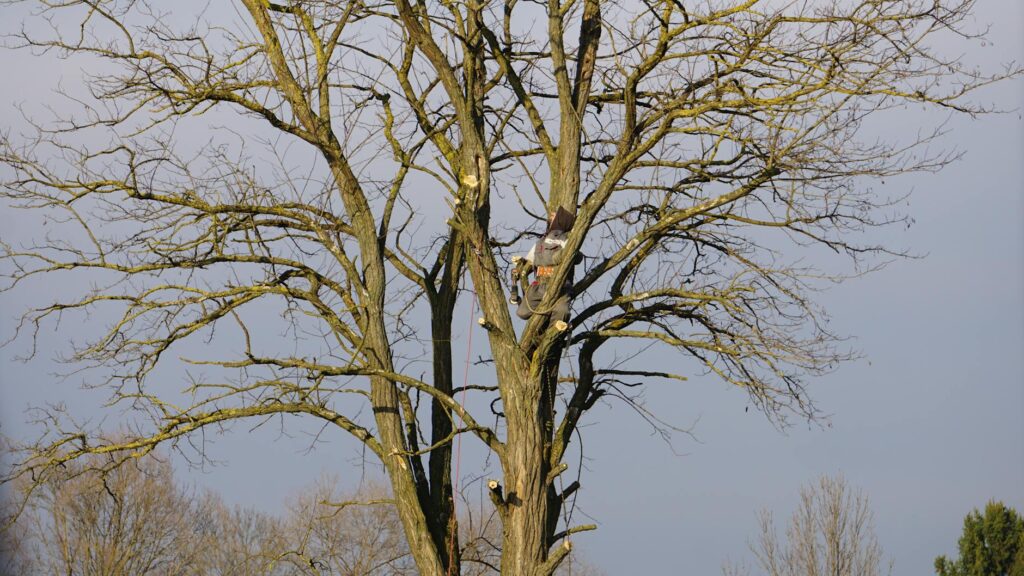
If the petiole test confirmed Norway maple and you’re thinking about removal, it helps to understand the scope of the job first. These trees grow large — 40 to 60 feet tall and nearly as wide — with wide, surface-spreading root systems that can complicate work near driveways, foundations, walkways, and underground utilities. This isn’t a species you can easily top and call it resolved; topping creates new structural hazards without solving the underlying problem, and it leaves a stump that sends up vigorous sprouts all season.
Under Middletown Township’s tree ordinance, removal of significant trees may require a permit, especially for trees on or near public rights-of-way. A certified arborist can assess your specific site, advise on stump treatment or grinding options, and coordinate any permitting requirements before work begins. Done correctly, Norway maple removal creates an opening to replant with a native species that actually supports local wildlife and improves your soil over time. Done as a weekend DIY project on a 50-foot tree near a house, it becomes a serious hazard situation very quickly.
The International Society of Arboriculture’s tree owner resources include practical guidance on both evaluating existing trees and selecting appropriate replacements for your region and site conditions — worth a read before committing to any significant tree work this spring.
Native Alternatives Worth Planting This Spring
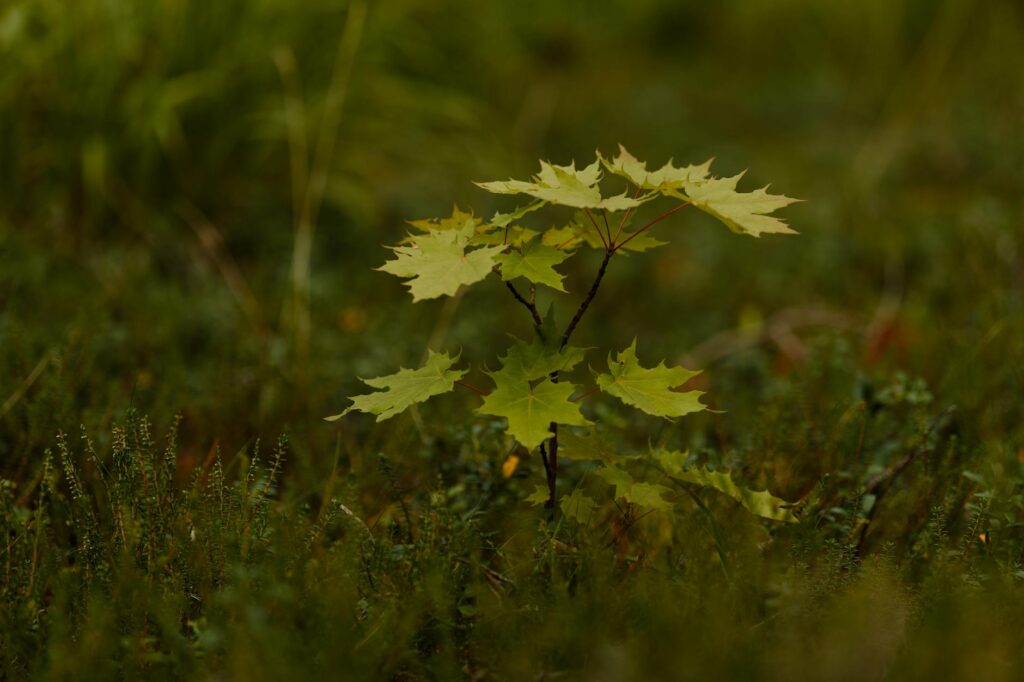
If you’re removing a Norway maple — or simply want to add a quality shade tree — late April through mid-May is a workable planting window in Monmouth County, particularly for balled-and-burlapped nursery stock. Here are the native alternatives I recommend most often as direct replacements in a Middletown landscape:
- Red maple (Acer rubrum): Native throughout New Jersey and adaptable to a wide range of soils, including the wet clay common in lower-lying Middletown neighborhoods. Red maple supports more than 285 species of native caterpillars — an ecological function Norway maple, as a non-native, provides almost none of. Fall color runs orange to deep red and arrives earlier than Norway maple’s dull yellow.
- Sugar maple (Acer saccharum): Better suited to the well-drained loam soils on Middletown’s higher ground — the slopes above the Navesink River, Lincroft, and Chapel Hill areas. The classic orange-red fall display is unmatched by almost any other species. Slower growing than red maple but structurally superior over time.
- Sweetgum (Liquidambar styraciflua): A fast-growing native that tolerates a wide range of moisture conditions and provides spectacular multi-color fall foliage. A strong choice for larger properties where canopy coverage is the priority.
The USDA Forest Service maintains native plant databases and regional species guides that can help match tree selection to your specific soil type, drainage, and light conditions — useful tools whether you’re working with an arborist or doing preliminary research on your own.
Middletown's #1 Tree Expert Company
FREE Inspection & Estimate | Certified Arborists | Trimming, Pruning, Removal, More!
Sponsored
Summary / When to Call a Pro
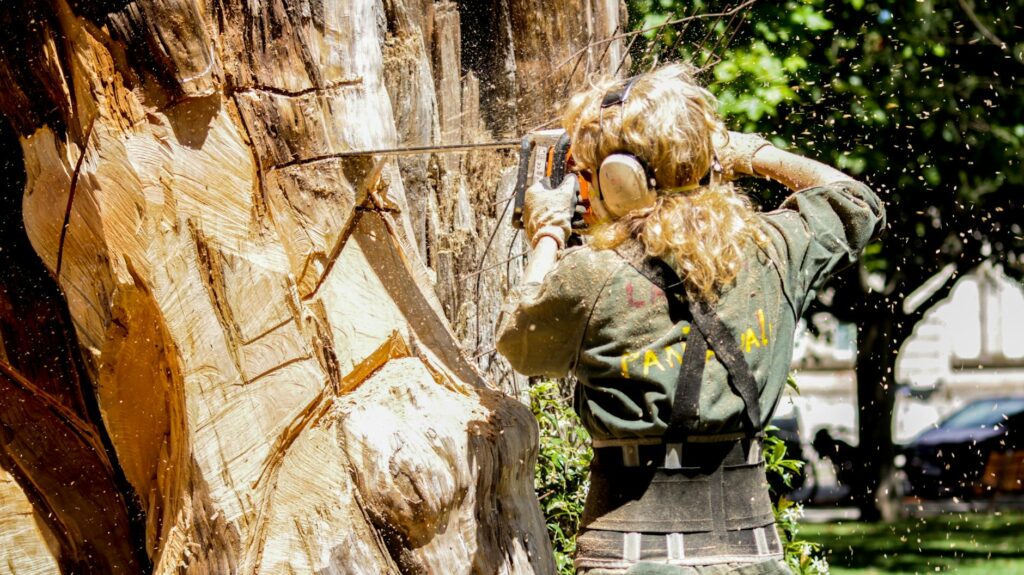
Norway maple is one of those quiet problems in Middletown landscapes. It looks fine, provides shade, and doesn’t wave a red flag the way a dead or failing tree does. The harm is more systemic: to native plant communities, to local biodiversity, and over time to the ecological character of the parks, stream corridors, and natural areas that define this part of Monmouth County.
If you’ve never done the petiole test, do it this week while the sap is running. Snap a leaf stem and look for milky white at the break — ten seconds, no tools. If you confirm a Norway maple, the right next step depends on your site: the tree’s size, its proximity to structures, and your goals for the property. Leaving a mature specimen in place while resolving not to plant any more is a reasonable choice for some homeowners. Planning a removal and replacement this year is the right call for others.
Either way, the conversation is worth having with a certified arborist who knows Middletown’s soils, drainage patterns, and permit requirements. An arborist can develop a realistic removal and replanting plan — not just for the tree you’re taking out, but for the native species that should replace it — so your property ends up with a tree that serves your family and supports the broader landscape you’re part of.
Photo credits: Featured image by Eve R on Pexels; Section 1 by Dalia Al-Refai on Pexels; Section 2 by Salomé Maydron on Pexels; Section 3 by Brett Jordan on Pexels; Section 4 by Andrew Lafferty on Pexels; Section 5 by Dmytro Glazunov on Pexels; Section 6 by Lauri Poldre on Pexels; Section 7 by Gastón Mousist on Pexels.