Middletown's #1 Tree Expert Company
FREE Inspection & Estimate | Certified Arborists | Trimming, Pruning, Removal, More!
Sponsored
The Tree Behind the Dead Tomato Plants
Every few years a Middletown homeowner describes the same puzzle. The vegetable bed has good sun and good soil, the neighbors grow great tomatoes, and yet the plants in this one corner wilt in midsummer and never recover. Then someone walks the property line and notices a tall, dark-barked tree on the far side of the fence that nobody ever bothered to identify.
More often than not it is a black walnut (Juglans nigra), a native tree that grows naturally in the moist, deep soils of the Monmouth County coastal plain. It is a handsome, valuable tree, and nothing about it is a problem in the woods. In a small suburban yard, though, it behaves like a chemical neighbor that your garden never invited.
Late November is actually a good time to sort this out. The heavy green husks have rotted or been raked away, the leaves are down, and the bare branches show the structure you need for identification. This guide covers how to recognize a black walnut in winter, what it does to the plants around it, which plants cope well, and what to do if you are weighing removal.
Why a Walnut Changes What Grows Beneath It
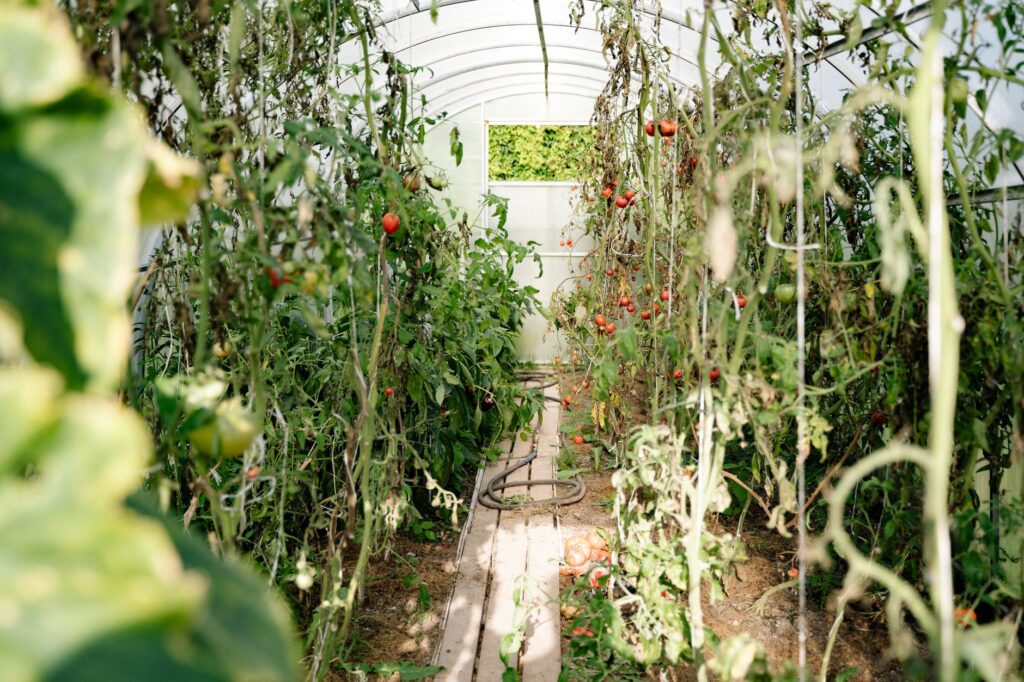
The reason is a compound called juglone, a natural chemical the tree produces and stores in its roots, leaves, bark and husks. Rutgers Cooperative Extension describes it as capable of injuring many other plants, and notes that plants growing inside the root zone of a black walnut usually begin to wilt within a month or two of planting and may die outright. You can read the details in the Rutgers NJAES fact sheet on nut trees for New Jersey.
Juglone is concentrated most heavily in the roots and the husks, which is why the damage tends to follow the root system rather than a neat circle on the ground. A walnut’s roots reach well beyond the edge of its canopy, so a bed that sits well outside the shade can still be affected. Rutgers guidance puts the typical zone of concern at roughly 50 to 60 feet from a mature trunk, and the effect is usually strongest nearest the tree.
This is a form of allelopathy, meaning one plant releases chemicals that influence its neighbors. The USDA Forest Service fire effects database entry on black walnut summarizes the research on how the compound moves through the soil and how different species react.
One point surprises people. Juglone does not vanish when the leaves drop, and it does not vanish quickly when the tree is cut down. Decaying roots keep releasing it, so a stump or a former walnut site can stay unfriendly to sensitive plants for years.
How to Recognize a Black Walnut in Winter
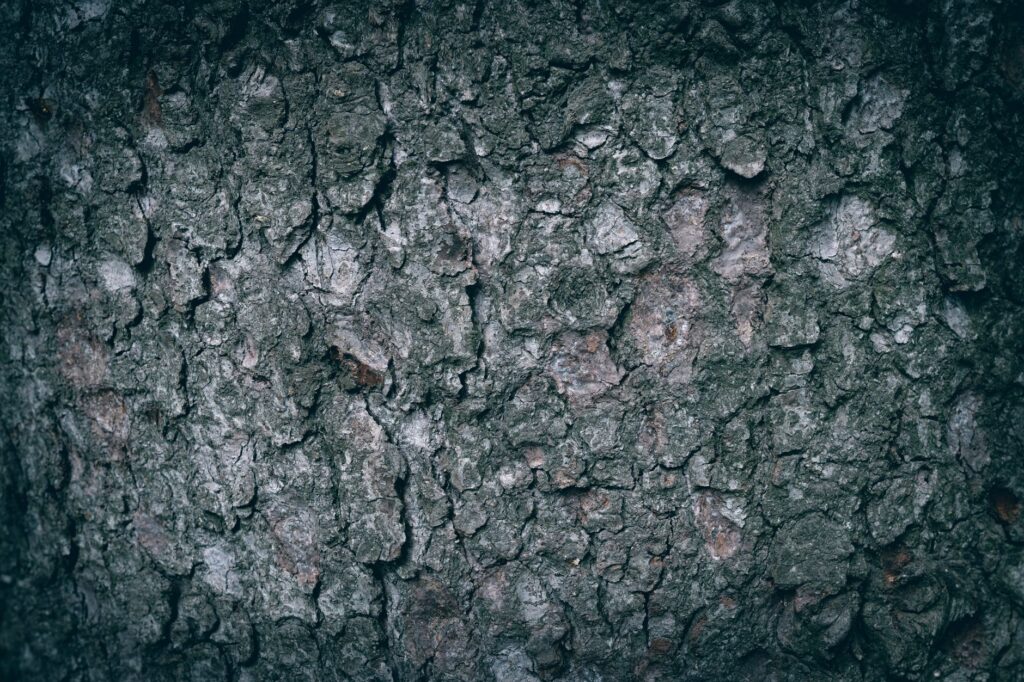
In summer the long compound leaves, with 15 to 23 narrow leaflets on a single stalk, make the tree easy to spot. In late November you have to read other clues. Here is what an arborist looks at on a bare tree:
- Bark: dark gray-brown to nearly black, with deep, interlacing ridges that form a diamond pattern on mature trunks.
- Twigs: thick and stout, with large, shield-shaped leaf scars that sometimes look like a little monkey face, complete with a pair of buds for eyebrows.
- Buds: short, blunt and tan-colored with a fuzzy look.
- Pith: if you snip a one-year-old twig and split it lengthwise with a knife, black walnut shows a chambered pith, tan and divided into thin plates like a tiny ladder.
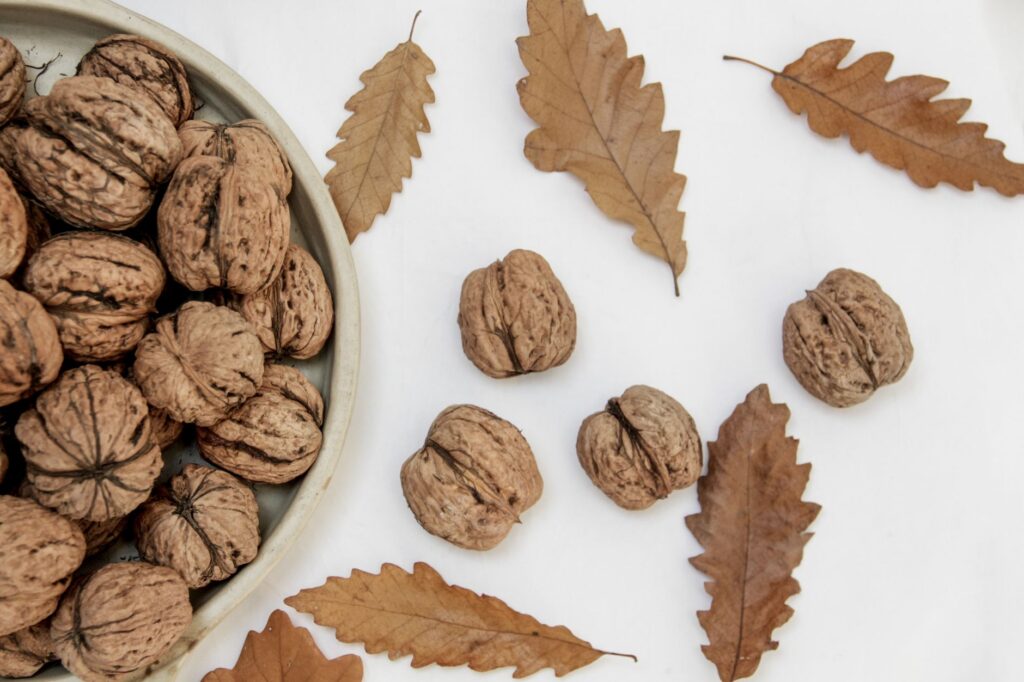
- Fruit on the ground: round, tennis-ball-sized husks that stain hands, driveways and the soles of shoes a deep brown; the shell inside is hard and deeply furrowed.
The pith test is the most reliable single check, and it helps separate black walnut from look-alikes such as hickory and ash, whose pith is solid. Butternut, a relative, also has a chambered pith and also produces juglone, though it has become uncommon. If you are not sure, a certified arborist can identify the tree in a few minutes, and you can find one through the Trees Are Good consumer site from the International Society of Arboriculture.
Middletown's #1 Tree Expert Company
FREE Inspection & Estimate | Certified Arborists | Trimming, Pruning, Removal, More!
Sponsored
Plants That Struggle and Plants That Shrug It Off
Walnut toxicity is real, but it is also sometimes overstated. Plenty of landscape plants grow right next to a black walnut without trouble, and knowing which ones lets you keep a productive yard instead of ripping everything out.
Plants that commonly suffer near a black walnut include tomatoes, potatoes, peppers and eggplant in the vegetable garden, apples, blueberries and grapes among the fruit, and azaleas, rhododendrons, mountain laurel and several pines and spruces in the ornamental beds. If you inherited a corner of the yard with a struggling azalea, a walnut within about 50 feet is a fair suspect.
Plants that tolerate juglone include many that suit a Middletown yard well:
- Trees and shrubs: maples, redbud, dogwood, honeylocust, sweetgum, witch hazel, viburnum, forsythia, juniper, hemlock and arborvitae.
- Vegetables: beans, corn, squash, melons, onions and parsnips.
- Turf and groundcovers: fescue and Kentucky bluegrass, plus many shade perennials.
These lists come from extension research and from many years of field observation, but individual plants vary. Treat them as a starting point, and test with an inexpensive plant before you commit a whole bed. If you want ideas beyond the usual suspects, our earlier posts on fall planting and on matching trees to soil across Middletown pair well with the tolerant lists above.
Practical Fixes If You Garden Near a Walnut
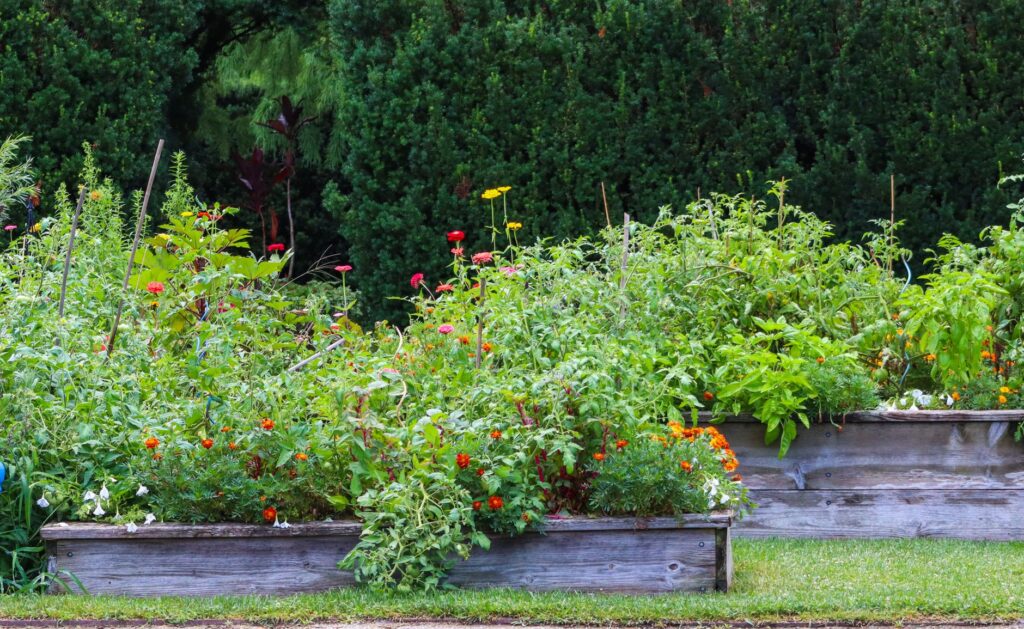
You rarely have to give up growing food or flowers. A few ordinary habits manage the problem well enough for most households.
First, move the sensitive plants. Raised beds with a solid bottom or a thick barrier, placed as far from the trunk as the yard allows, keep the roots of tomatoes and peppers away from walnut feeder roots. A raised bed that sits directly on soil, with walnut roots running underneath, only slows the problem down.
Second, clean up the debris. Rake the leaves and husks promptly, and do not use fresh black walnut chips or sawdust as mulch around sensitive plants. Rutgers also cautions against walnut shavings as bedding for horses, which can react badly to it. Well-aged compost is far less of a concern than fresh material because juglone breaks down once the material is warm, moist and aerated, but give it a good long season before you use it near a tomato bed.
Third, mind the drainage. Juglone can move with water through the soil, so a bed at the bottom of a slope below a walnut gets more exposure than one uphill. Poor drainage makes it worse, and the clay-loam soils common around Middletown can hold water in low spots.
Finally, give the tree itself some respect. Cutting into walnut roots to protect a garden harms the tree and rarely helps the garden, so do not trench through the root zone with a spade or a stump grinder.
Thinking About Taking the Walnut Down?
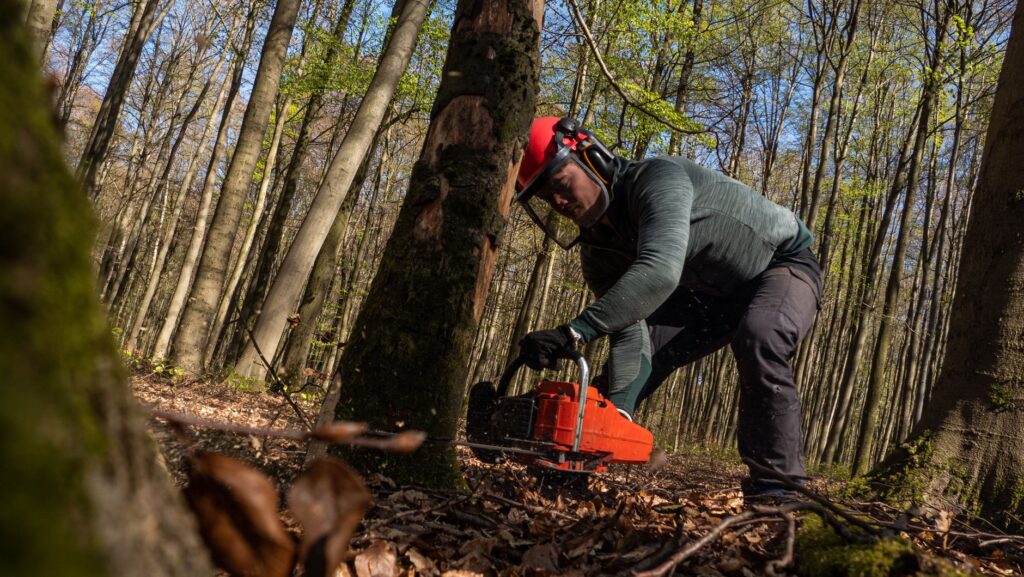
Some owners eventually decide the tree has to go, and that is a reasonable call when it is dying, leaning, or planted directly over a house or utility line. It should not be a reflex based on garden trouble alone, because a healthy black walnut is valuable for wildlife and its wood is worth real money. Squirrels and other animals depend on the nuts through the winter.
If you are weighing it, consider these points:
- Check the permit rules. Middletown Township regulates removal of larger trees on many properties, so confirm what applies to your lot before work begins.
- Expect lingering effects. Roots left in the ground keep releasing juglone as they decay, so plan sensitive plantings for a distant corner for the first couple of years after removal.
- Grinding helps. Removing the stump and as much root material as practical shortens the wait, though it will not erase it immediately.
- Ask about the lumber. A straight, sound trunk has real value to sawyers and woodworkers, so ask before you pay to haul it away.
Compare the cost of the tree service, the value of the wood and the cost of simply re-siting your garden before deciding. For many households the cheapest fix is a new bed on the other side of the yard.
Middletown's #1 Tree Expert Company
FREE Inspection & Estimate | Certified Arborists | Trimming, Pruning, Removal, More!
Sponsored
When to Call a Certified Arborist
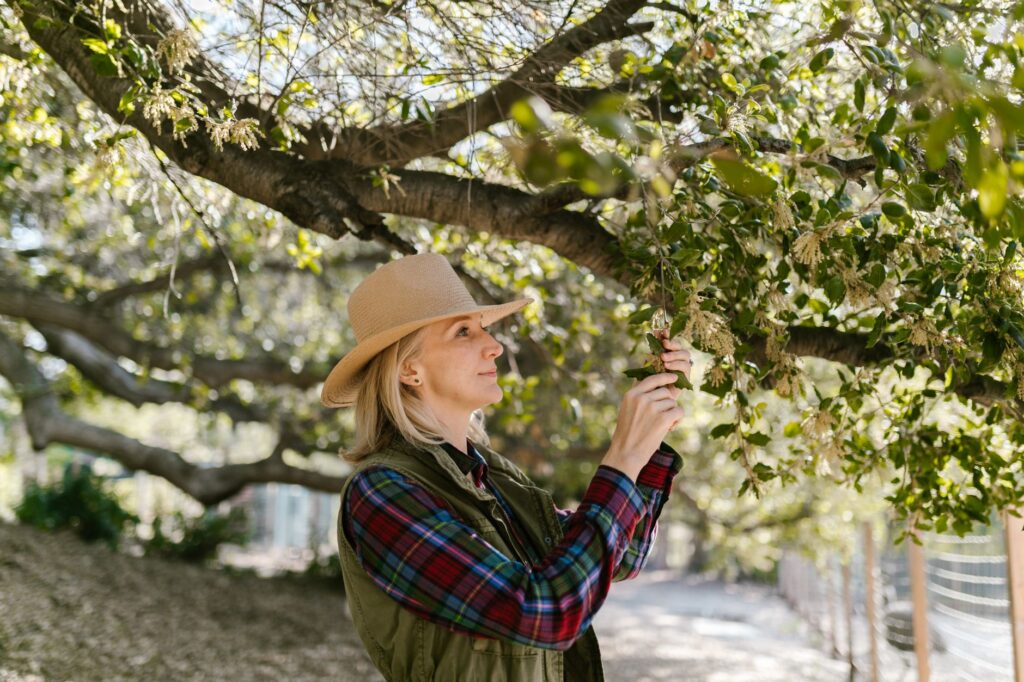
Identification is where most walnut stories begin, and it is a very good reason to bring in a professional. An ISA certified arborist can confirm whether the tree in question is a black walnut, a butternut or something harmless, and can tell you how far its root zone probably reaches across your property line.
Call one as well when the tree itself shows warning signs. A black walnut is a large, long-lived tree, and an old one can drop heavy limbs. Look for dead branches, cracks in the trunk, mushrooms or conks at the base, or a sudden thinning of the canopy, and treat those the way you would for any big shade tree. Our posts on mushrooms at the base of a tree and on judging a cavity cover the signs to watch for.
If the walnut belongs to a neighbor, start with a friendly conversation and a photograph of the affected plants. Neighbor tree questions can get complicated, and a written assessment from a certified arborist is often the calmest way to settle them.
In the meantime, enjoy what the tree offers. Stand under it this week and look up at the structure of the bare crown, then move the tomatoes next spring. A little planning lets the garden and the walnut coexist.
Photo credits: Featured image by Right Light on Pexels; Section 1 by Juber Ahmed Sahel on Pexels; Section 2 by Yan Krukau on Pexels; Section 3 by Wyxina Tresse on Pexels; Section 4 by Nadejda Bostanova on Pexels; Section 5 by Karen F on Pexels; Section 6 by Fabian Köhler on Pexels; Section 7 by RDNE Stock project on Pexels.