

Middletown's #1 Tree Expert Company
FREE Inspection & Estimate | Certified Arborists | Trimming, Pruning, Removal, More!
Sponsored
Why a Swing Branch Is Not Just Any Branch
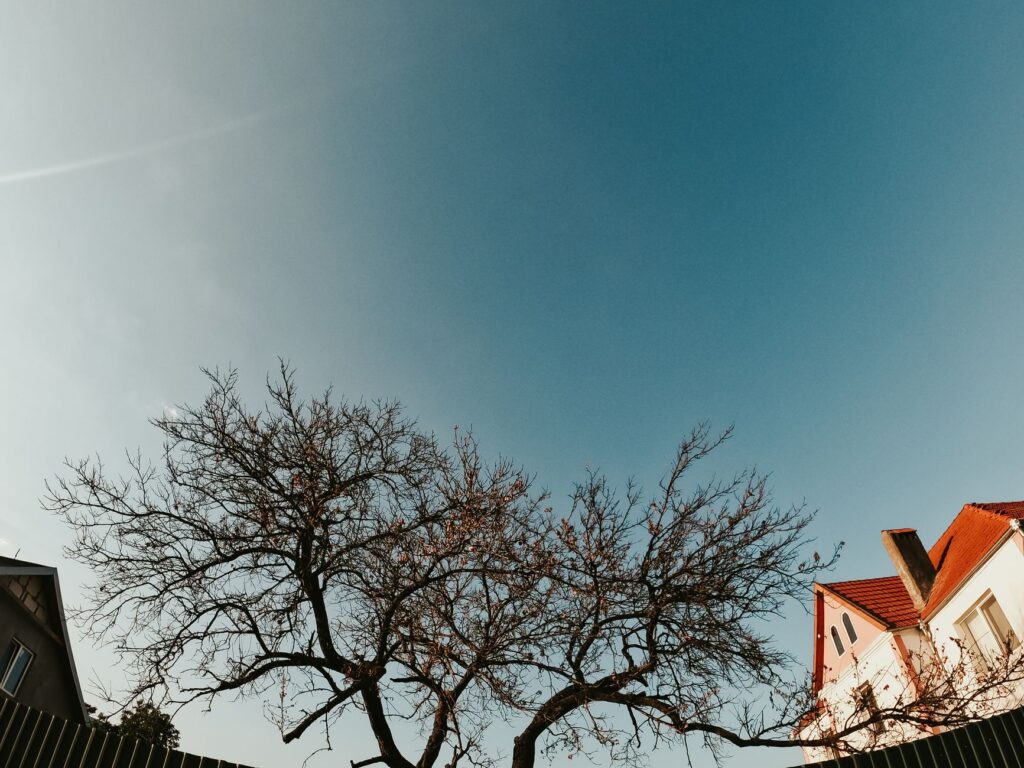
Around Thanksgiving, when the leaves are down and the yard is quiet, a lot of Middletown homeowners look up at the big limb over the back lawn and think the same thing: that would hold a swing. Or a hammock next summer, or a heavy bird feeder, or a string of winter lights. It is a natural thought, and in many cases a fine one. But a branch that looks like a thick, solid arm of timber is already doing a job, holding up its own leaves, twigs and the weight of wind and snow, and any hardware you add has to fit inside what is left of that margin.
A swing is also a different kind of load than the tree is used to. Leaf weight is spread out and shifts slowly. A child on a swing is a concentrated weight, moving back and forth, that snaps the branch downward at the end of every arc. Engineers call that dynamic loading, and a limb that carries a quiet 150 pounds all day can fail under the repeated jerk of a 70 pound kid swinging hard.
It is worth sorting out the question before you hang anything, and late fall is a good time to do it. With the canopy bare you can actually see the branch structure, the old wounds, the crossing limbs and the dead twigs that summer foliage hides. Here on the Bayshore, where nor’easters push through every few weeks from October to March, a branch has to survive more than a gentle summer afternoon.
Reading the Branch Before You Trust It
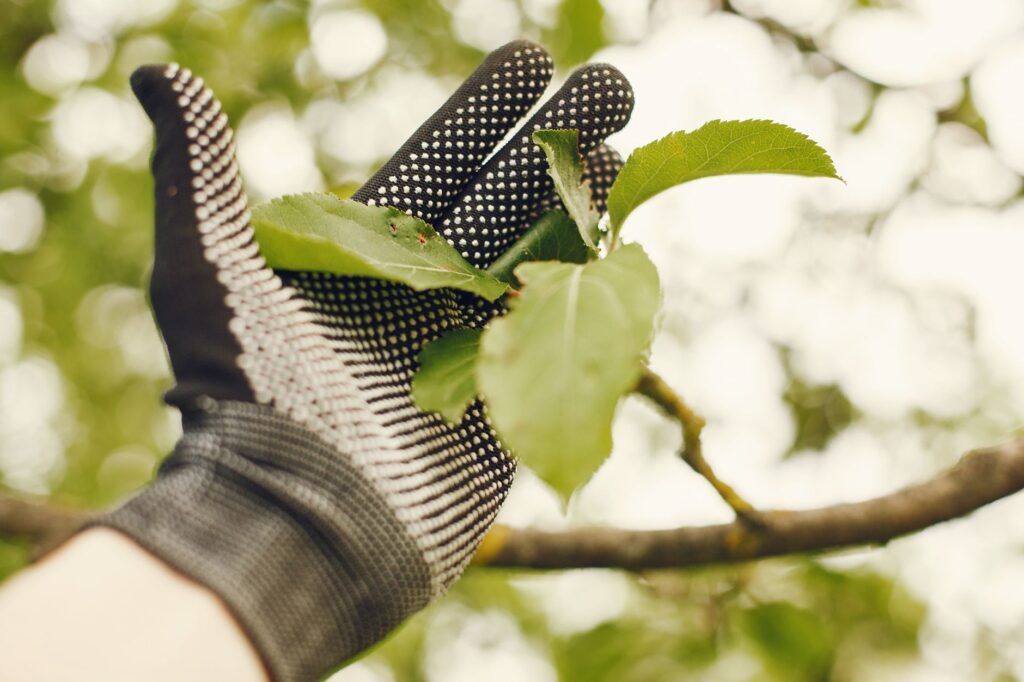
Start by looking, not climbing. From the ground, with binoculars if you have them, check the candidate limb from the trunk out to the tip. You are looking for signs that the branch is a poor bet, however thick it looks.
- Dead or hanging wood. Bark that is loose, a limb with no buds on the tips, or small dead stubs along the branch all point to internal decline.
- Cracks and seams. A split along the top of a branch, or a seam where bark folds in, can mean a weak attachment that will spread under load.
- Fungal growth. Conks, shelves or clusters of mushrooms on the limb or at its base often mean decay is working inside.
- Narrow forks. A branch that joins the trunk with bark squeezed tight in the crotch, called included bark, is a known weak point.
- A long, thin reach. A limb that stretches far out with little taper acts like a diving board, with much more leverage at the trunk than its size suggests.
Species matters here too. White oak (Quercus alba), sugar maple (Acer saccharum) and beech have a strong reputation for holding load, though old trees of any species can hide decay. Silver maple, Bradford pear, willow and many fast-growing ornamentals are brittle, and their limbs tend to snap without much warning. In the older neighborhoods around Lincroft and Navesink, a silver maple may look like the biggest shade tree on the lot and still be the worst choice for a swing.
The International Society of Arboriculture’s guidance on hazard trees lists the same structural defects and explains why a tree with them deserves a closer look before anything is hung from it. If the branch shows any of the signs above, the honest answer is to pick another tree or build a freestanding frame instead.
Branch Size, Height and Angle: Rough Numbers That Help

There is no single number that makes a branch safe, because strength depends on species, health, angle and age. That said, arborists use a few rules of thumb that keep homeowners out of obvious trouble.
For a child’s swing, most guidance asks for a healthy, live limb at least 8 inches across, and a bigger one if the swing will be used by teenagers or adults. The branch should be fairly level, since a steeply angled limb loads unevenly, and it should be high enough that the rope or chain hangs well above the ground, with plenty of free swing space in both directions and clear of fences, other branches and the trunk itself.
Closer to the trunk is stronger. A swing hung near the trunk puts less leverage on the limb than one hung out near the branch tip, though you also need room for the swing to move. Many owners find the best spot is a few feet out from the trunk on a branch that stays thick at that point.
A hammock is a bigger demand than it looks. It pulls inward from two points, and with a person in it the pull on each tree can be several times body weight. A hammock strung between two small ornamental trees, a dogwood and a crabapple for example, is a common cause of cracked trunks. If you plan to use one, anchor it to a freestanding post set in concrete, or to two mature, healthy trunks, never to limbs.
Bird feeders and lights are light by comparison, but they still deserve thought. A heavy feeder on the end of a thin twig, loaded with wet seed and then hit by an ice storm, can snap that twig and take bark with it.
Middletown's #1 Tree Expert Company
FREE Inspection & Estimate | Certified Arborists | Trimming, Pruning, Removal, More!
Sponsored
Ropes, Chains and Hardware That Spare the Bark
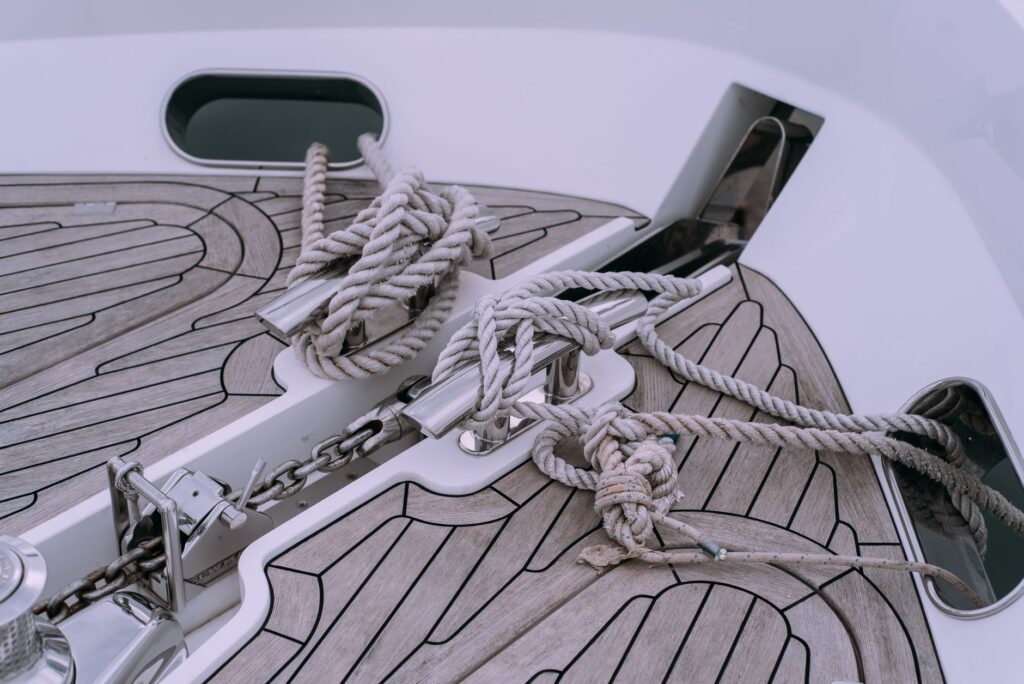
The way a swing is attached often does more harm to a tree than the weight does. A rope looped once around a limb and left there turns into a slow girdling device. Trees grow outward as well as upward, and a fixed rope or wire gets swallowed by new wood, squeezing the layer under the bark that carries water and sugars. Over a few years the limb above the rope can decline and eventually die.
The better approach, which arborists and the Trees Are Good tree owner resources both point toward, is to use hardware that allows for growth and protects the bark.
- Wide, soft straps over bare rope or wire, so pressure is spread across the bark instead of cutting into it.
- A sleeve or a section of old garden hose between a rope and the bark, which cuts abrasion as the swing moves.
- Hanging hardware that swivels and can be adjusted or loosened each season.
- Avoid screws, nails and eye bolts driven into the trunk or limb unless a certified arborist says it is the right method. Each one is a wound, and decay can follow.
Whatever you choose, plan to check it twice a year. Every spring and every late fall, take the load off, loosen the hardware and look at the bark underneath. If the rope has left a groove, shift it a foot along the branch or retire the swing. Loosening the attachment in time costs a few minutes; replacing a girdled limb costs the limb.
What Happens to a Loaded Branch in a Nor'easter
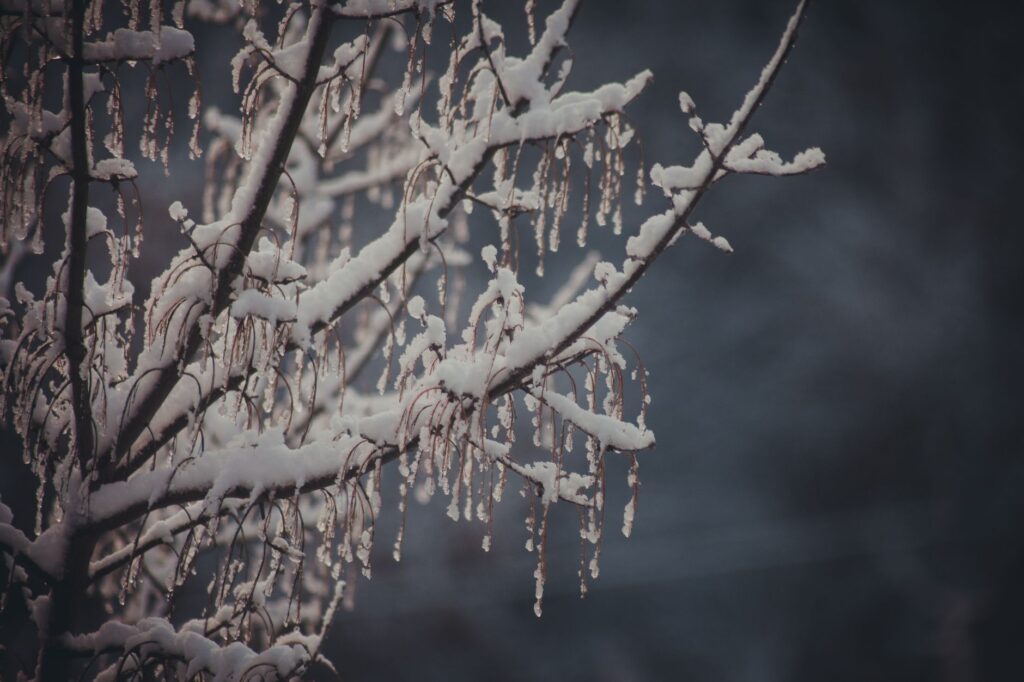
Even a branch that carries a swing fine on a summer afternoon faces a harder season ahead. Winter along Raritan Bay and the Shrewsbury River brings sustained wind, wet snow and the occasional coating of ice. Each one adds load to a limb that already has something hanging from it.
Ice is the unpredictable one. A half inch of ice on a branch can multiply its weight many times over, and a swing seat, a feeder or a bundle of lights adds its own pounds and also catches more wind and ice. If a storm warning is in the forecast, the simplest precaution is to take things down. Pull the seat and hang the ropes up out of the way, bring in the feeder, and let the tree face the storm without extra freight.
After any big blow, look the limb over again. Cracks, a sagging angle, or a fresh scar where bark has split should end the swing’s season until someone with training has checked it. The USDA Forest Service urban forest resources describe how storms and added stresses affect the long-term health of landscape trees, and why damage that looks minor in winter can show up as dieback the next summer.
It also helps to remember what the wood does over time. A tree responds to repeated load by growing thicker where it is needed, which is one reason an old, used limb is sometimes stronger than a new one. But wounds and rot move in the other direction, and from the ground you cannot always tell which one is winning.
When a Tree Is the Wrong Choice, and What to Do Instead
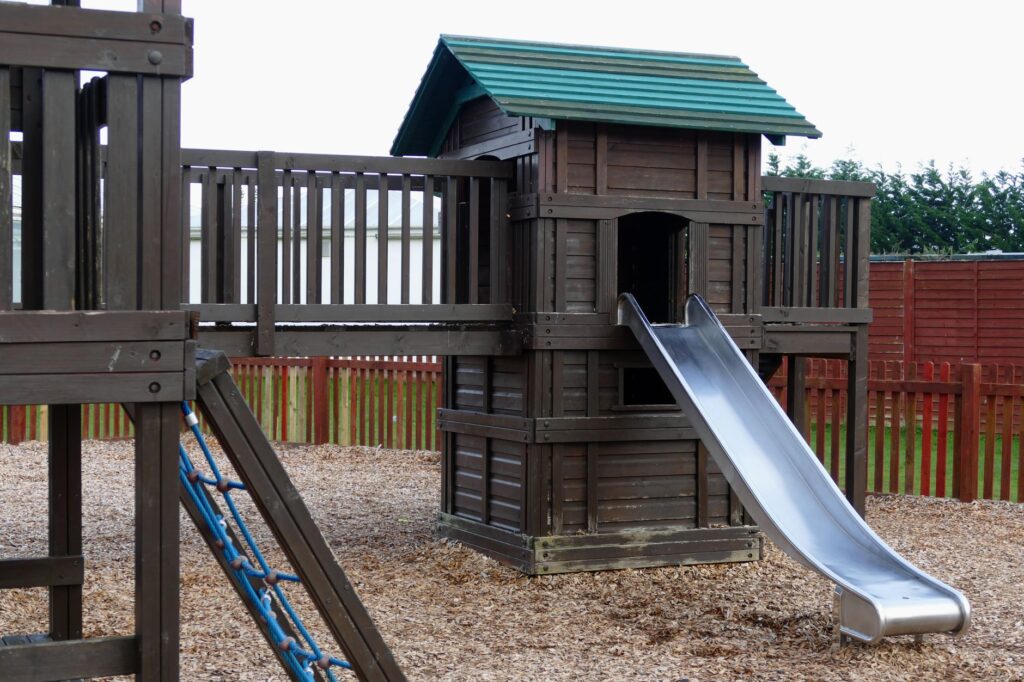
If the branch fails the check, or the tree is young, or the only good limb is over a play area and a roof, a tree is the wrong support and there is no shame in saying so. A freestanding A-frame swing set, a post-and-beam frame, or a pair of buried posts can all hold a swing safely and keep the load off your trees entirely. Many Middletown families end up preferring a frame because it can be moved, adjusted and rated for a stated weight.
Young trees should be left alone completely. A two or three inch trunk can bend, split or grow around a rope in a single season, and the stress can stunt a tree that would otherwise live a hundred years. Wait until the trunk is mature, and ask whether a nearby older tree might do the job.
Do not forget the ground beneath. Swings wear away grass and compact soil, and both hurt the roots feeding the tree above. A layer of wood chips, kept a few inches back from the trunk, helps protect roots and gives children a softer landing. Rutgers has plenty of practical lawn and landscape guidance through Rutgers NJAES home, lawn and garden resources, including how mulch and soil care support tree health in New Jersey conditions.
Middletown's #1 Tree Expert Company
FREE Inspection & Estimate | Certified Arborists | Trimming, Pruning, Removal, More!
Sponsored
Summary: When to Call a Certified Arborist
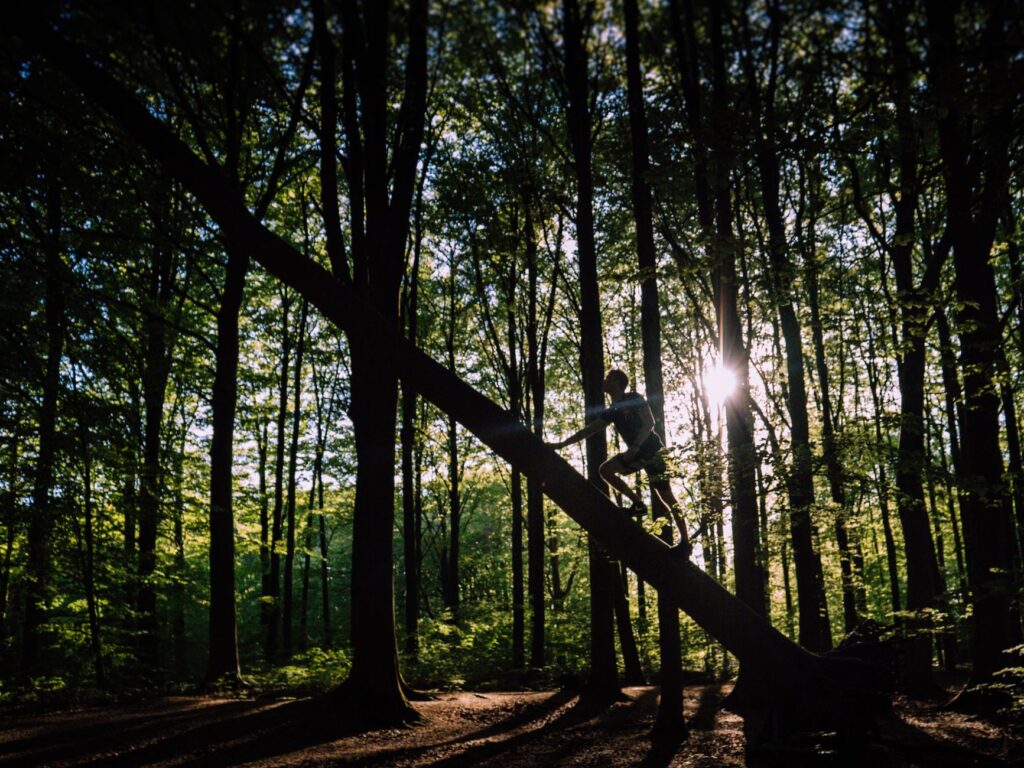
A tree can carry a swing, a hammock or a feeder for many years, as long as you choose the limb carefully, use hardware that protects the bark and loosen things up before the weather turns. The pattern to remember is simple: look first, load lightly, check twice a year, and take it all down when ice or high wind is coming.
Plenty of owners are not sure what they are looking at, and that is a good reason to ask. If the limb has any crack, any fungus, any history of storm damage, or if the swing will carry teenagers or adults, bring in a certified arborist before you hang anything. A professional can climb the limb, sound it for decay, and tell you whether it is safe, or whether a cable, a pruning cut or a different tree makes more sense.
You can find credentialed arborists serving Monmouth County through the ISA Find an Arborist directory, which lists ISA Certified Arborists near any New Jersey zip code. A short inspection costs far less than an injured child or a ruined shade tree, and it lets you enjoy the tree the way you imagined, a bare limb in November and a swing in the shade next July.
Photo credits: Featured image by Bayram Er on Pexels; Section 1 by Anna Dub on Pexels; Section 2 by Gustavo Fring on Pexels; Section 3 by Alex Kinkate on Pexels; Section 4 by ROMAN ODINTSOV on Pexels; Section 5 by Иван Васючков on Pexels; Section 6 by Anthony 🙂 on Pexels; Section 7 by Bas Masseus on Pexels.