Middletown's #1 Tree Expert Company
FREE Inspection & Estimate | Certified Arborists | Trimming, Pruning, Removal, More!
Sponsored
A Topped Tree on a Middletown Street: Why It Looks the Way It Does
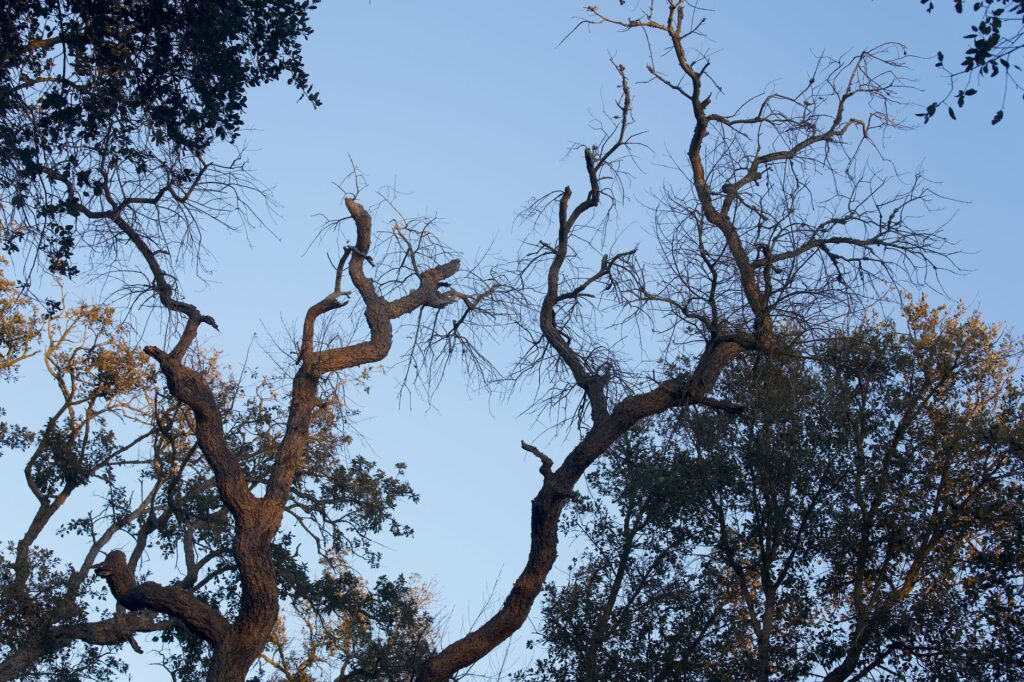
Drive down almost any older street in Middletown Township and you will spot one: a maple or a Bradford pear with its main limbs chopped flat, and a thicket of straight, skinny shoots rising from every cut like a bad haircut growing out. That is a topped tree. Many were topped decades ago by a previous owner, a utility crew, or a handyman who believed that cutting the top off made the tree safer. Many more homeowners inherit one when they buy a house and wonder whether it can be fixed.
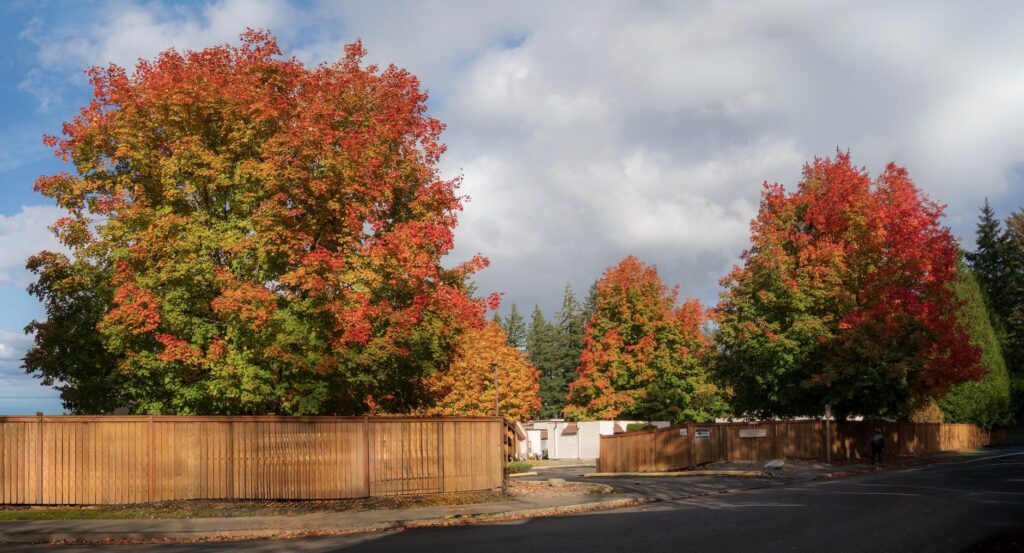
Late autumn is a good moment to think about it. The leaves are down, so the damage is easy to read, and the tree is entering dormancy, which is the gentlest season for any corrective work. A topped tree is not a lost cause in every case, but it is never a normal tree again. Understanding what actually happened inside the wood is the first step in deciding whether to rehabilitate it, manage it, or replace it.
The goal of this article is to give a Monmouth County homeowner a clear, honest picture: what topping does biologically, how to read the signs of a tree that can still be saved, and what a slow, multi-year recovery actually looks like. The short version is that recovery is possible for some species and some cuts, it is slower than most people expect, and it is far less successful than never topping the tree in the first place.
What Topping Does Inside the Tree
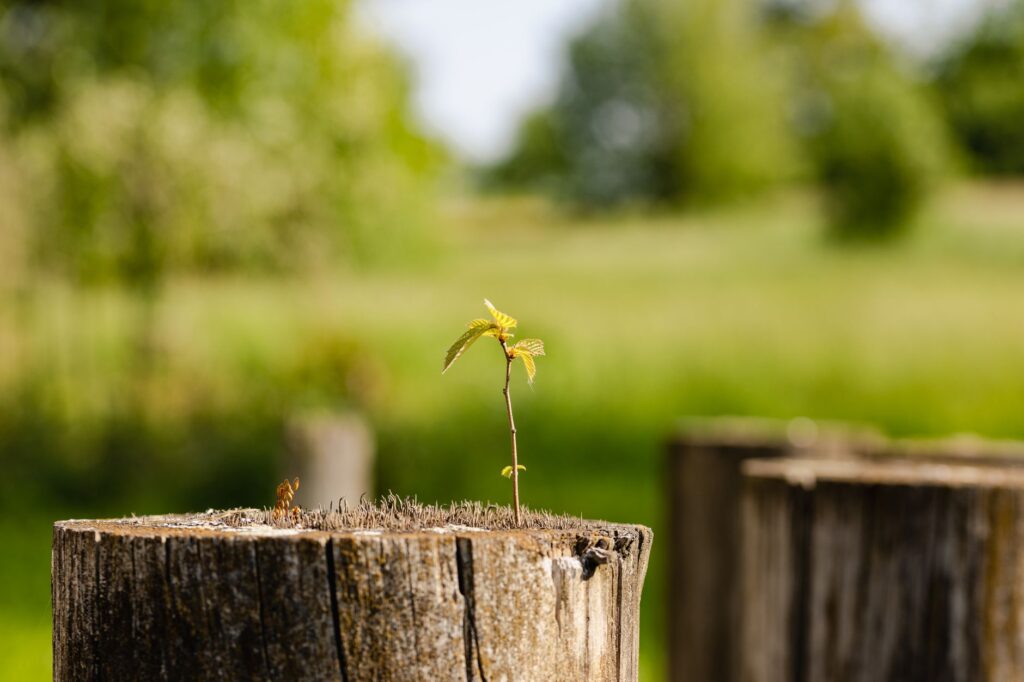
A tree stores energy in its leaves, trunk, and roots, and it grows new wood in a carefully organized way. When the main leader and large limbs are cut back to stubs, three things happen at once. The tree loses most of its leaf surface, and with it the ability to feed itself. It suddenly has large open wounds that cannot seal the way a small pruning cut can. And its hormonal balance is thrown off, because the growing tips that normally suppress dormant buds are gone.
The tree’s emergency response is to push out a flush of new shoots, called epicormic sprouts or water sprouts, from buds beneath the bark near each cut. They grow fast because the root system is still sized for a much larger crown. But they are not real branches. They are anchored only in the outer layer of the wood rather than being woven into the trunk, so they are weakly attached and can snap in a summer thunderstorm or a nor’easter. The International Society of Arboriculture’s homeowner pruning guidance explains why topping is considered an unacceptable practice for exactly this reason.
Meanwhile, every large cut is an invitation. Trees compartmentalize wounds rather than heal them, walling off decay with chemical and structural barriers. A cut stub several inches across overwhelms that defense, and decay fungi move in and slowly hollow the limb from the cut downward. Years later the water sprouts are heavy, the stub beneath them is soft, and the whole assembly is hanging on a weakening joint.
Can a Topped Tree Be Saved? Reading the Signs

Whether a topped tree is worth rehabilitating depends on several factors that an arborist weighs on site, and a homeowner can learn to look at most of them from the ground.
- Species. Maples, lindens, London planetree, and many oaks tolerate heavy cutting reasonably well and sprout vigorously. Species that sprout poorly, such as many conifers, will not regrow a leader at all, and a topped spruce or pine is usually permanently disfigured.
- Age of the topping. A tree topped within the last couple of seasons still has healthy wood under the cuts and the best chance of structural correction. One topped twenty years ago may already be hollow at the stubs.
- Size of the cuts. Cuts under about three inches across seal far better than cuts of six inches or more.
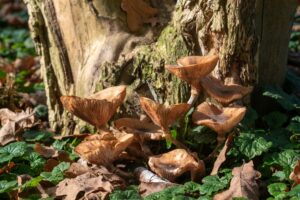
- Overall vigor. Twig growth, leaf size and color, and the absence of mushrooms or oozing at the old cuts all point toward a tree with energy to spare.
- Targets beneath. A topped tree over a house, driveway, or play area is a different decision than one at the back of the lot.
Look closely at the point where each cluster of sprouts meets the old stub. Press gently around the stub with a gloved hand and look for cracks, dark staining, or a soft, spongy feel in the wood. A tree with sound stubs and good vigor is a candidate for rehabilitation. A tree with hollow stubs, active fungal conks, or sprouts that are already dying back is usually a candidate for removal.
Photographs help. Take pictures of each old cut from the ground this month, while the leaves are off, and again next spring. Comparing the two sets shows whether the stubs are sealing, cracking, or sinking, which is information an arborist can use to decide how urgently to act.
Middletown's #1 Tree Expert Company
FREE Inspection & Estimate | Certified Arborists | Trimming, Pruning, Removal, More!
Sponsored
Restoration Pruning: The Slow, Multi-Year Fix
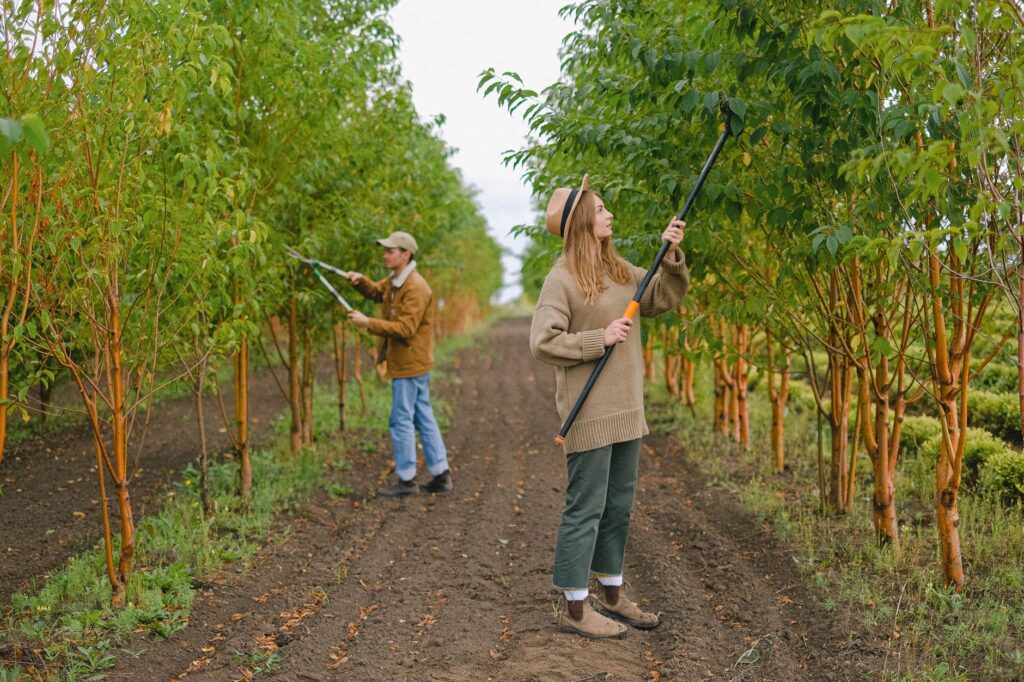
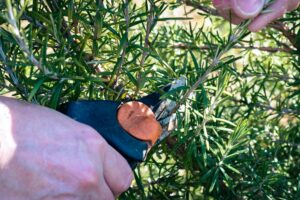
When a topped tree passes the inspection, the standard approach is called restoration pruning, and the keyword is patience. The idea is to rebuild a sensible branch structure out of the sprouts the tree has already produced, one deliberate step at a time, rather than removing everything at once and stressing the tree again.
In the first round, a trained arborist picks one dominant sprout on each major stub to become the future branch, usually the most vertical and best attached, and begins thinning out the competitors around it. Some sprouts are shortened rather than removed, so the tree keeps leaf area to feed itself. Over the next three to five years, additional rounds of pruning continue to favor the chosen shoots, gradually reducing the others as the selected ones thicken and gain strength. Eventually one of them takes over as the new leader and the rest are cleaned up.
Two cautions apply. First, never remove more than a quarter of the live crown in a single season, and less on a stressed tree. Second, expect that even a well managed recovery leaves a tree with a different shape, a lower and rounder crown, and a permanent record of the old cuts. The goal is a safer tree, not a restored original. The Rutgers Cooperative Extension plant diagnostic lab can help confirm whether decay or disease is involved before you commit to years of work.
Dormant season is the best time to start. With the leaves off, the framework of the tree is visible, the cuts are less stressful, and the pruning wounds have months to begin sealing before the spring growth flush. In Middletown, that window runs roughly from now through late February, avoiding the hardest freezes.
Why Water Sprouts Fail, and What to Do About Them
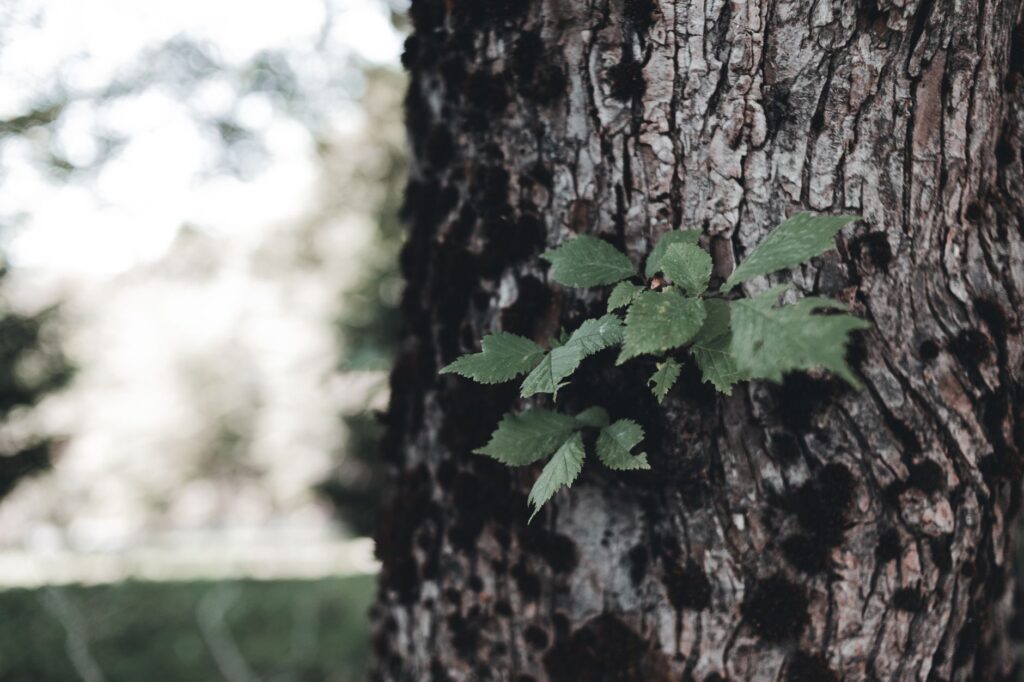
Homeowners often ask whether they can simply cut all the sprouts off flush with the stub and be done. In most cases that makes things worse. Removing every sprout leaves the tree with no leaf area and no way to feed itself, so it responds with another flush of sprouts, and the cycle repeats. Each round drains stored energy and weakens the tree further.
The more useful approach is to treat the sprouts as raw material. Those that are healthy and well spaced become the tree’s future branches. Those that crowd, cross, or point down into the canopy get cleaned out gradually. If a sprout is growing from a stub that is already decayed, though, its attachment is only as sound as the rotting wood beneath, and no amount of pruning will make that joint reliable.
This is also the reason that cabling or bracing is sometimes recommended for a rehabilitating tree. A properly installed cable between two strong limbs can protect a weak union during the years it takes for new wood to develop. It is a support, not a cure, and it needs to be inspected every couple of years. The USDA Forest Service urban forestry program publishes research on how trees respond to heavy pruning that is worth a look if you want the science behind these recommendations.
One more warning for the do it yourself crowd: climbing a topped tree to thin sprouts is more dangerous than it looks, because the stubs you would be standing on may be rotten. Work from the ground with a pole pruner on small sprouts only, and leave anything above head height to a professional.
When Replacement Is the Smarter Choice
Sometimes the honest answer is that the tree should come down. A topped tree with hollow stubs over a roof, a tree with widespread decay, or a species that cannot rebuild a leader will keep costing money and anxiety for little return. Removal and replacement with a better matched species can be the more sensible investment, especially on a small Middletown lot where the original tree may have been planted too large for the space.
If you are replacing, choose for the site. Under overhead wires along the Bayshore, a small ornamental such as serviceberry, redbud, or dogwood will never need topping because it never reaches the wires. In open yards, a native like white oak, swamp white oak, or red maple suits Monmouth County’s clay loam and coastal weather. Check with the township before cutting a large tree, because Middletown has regulations on removal. The Monmouth County Park System is a good place to see mature native trees in settings where they have been allowed to grow naturally.
Whatever you decide, plan the work for the dormant season. Late fall through winter is easier on the tree, easier on the lawn, and usually easier on the schedule of a qualified crew.
Middletown's #1 Tree Expert Company
FREE Inspection & Estimate | Certified Arborists | Trimming, Pruning, Removal, More!
Sponsored
Summary: When to Call a Pro About a Topped Tree
A topped tree is a tree under stress, and the right next step depends on what is going on inside the wood. If you have one, start with a calm, honest look: species, how long ago it was topped, size of the old cuts, and what stands beneath it. Walk around it after the next wind and look for dropped sprouts, new cracks at the stubs, or fungus growing near the old cuts. Those are the signs that a closer inspection is overdue.
Rehabilitating a topped tree is a job for a trained, credentialed arborist, not a general handyman. Restoration pruning takes judgment about which sprouts to keep, how much to take, and when to stop, and an error can undo years of recovery. Use the Trees Are Good arborist search to find an ISA certified arborist in Monmouth County, and ask for a written plan that covers several years rather than a one-time cut.
Done well, restoration will not make the tree what it was, but it can make it safe, healthier, and a good deal better looking. Done badly, or not at all, a topped tree tends to keep shedding heavy sprouts and rotting from the stubs until the decision is made for you in a storm.
Photo credits: Featured image by Salim Da on Pexels; Section 1 by William Jacobs on Pexels; Section 2 by Vaidas Vaiciulis on Pexels; Section 3 by Thomas P on Pexels; Section 4 by Anna Shvets on Pexels; Section 5 by Erik Mclean on Pexels; Section 6 by Pixabay on Pexels; Section 7 by Michael Morse on Pexels.