
Middletown's #1 Tree Expert Company
FREE Inspection & Estimate | Certified Arborists | Trimming, Pruning, Removal, More!
Sponsored
Why November Is the Best Month to Meet Your Trees Again
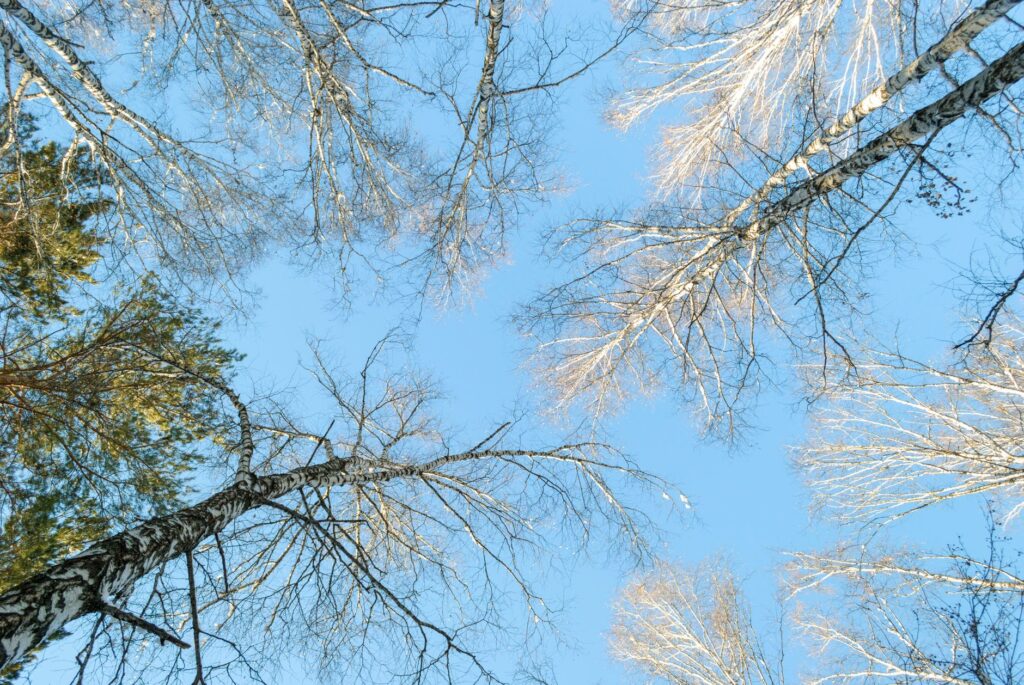
Most Middletown homeowners know their trees by their leaves, and by the first week of November the leaves are mostly on the ground. That leaves a lot of people suddenly unsure what is actually growing in the yard. Is that the red maple (Acer rubrum) that glowed in October, or the Norway maple the previous owner planted? Is the tree by the driveway an oak or a hickory? With the canopy gone, the question feels harder, but the tree has not gone anywhere, and it is still carrying every clue you need.
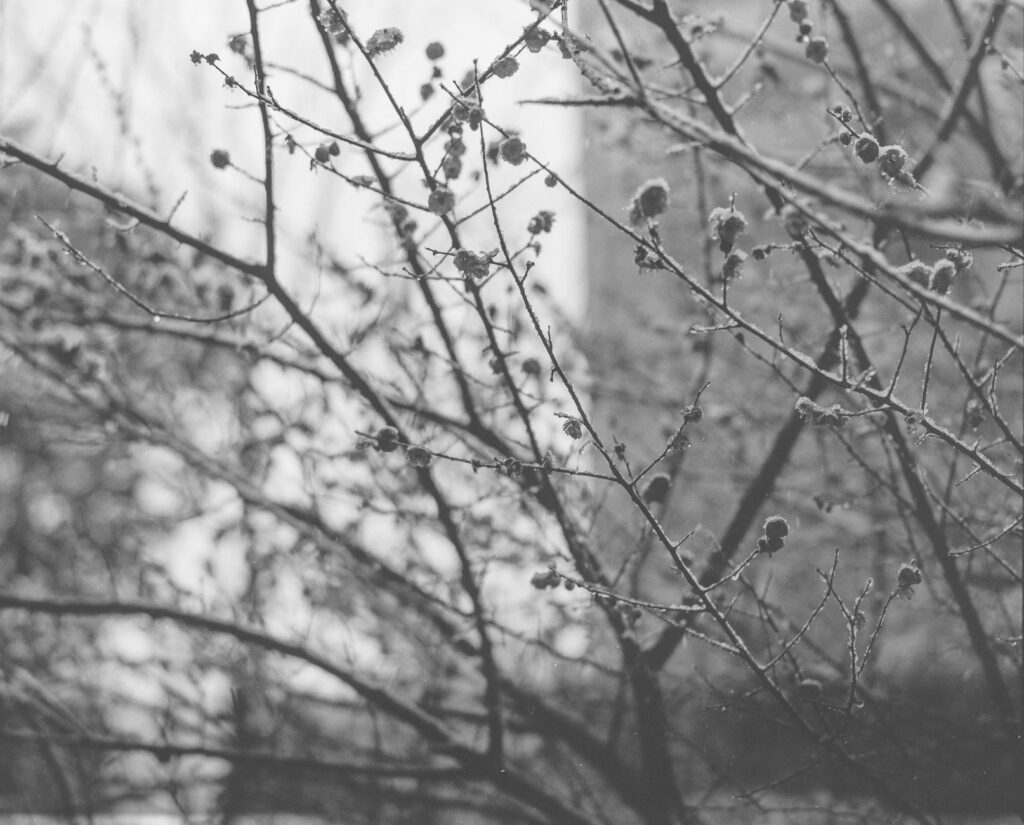
The clues are on the twigs. Each branch tip holds buds, scars, and a pattern of attachment that stays the same from year to year and is different for every kind of tree. Foresters have identified trees in winter this way for generations, and a homeowner can learn the basics in a single afternoon with a pair of binoculars or a low branch within reach.
This guide walks through what to look for on a twig, how to tell the common Middletown Township trees apart, and what to record while you are out there. You do not need botany training. You need patience, good light, and a willingness to look closely at something only a few inches long.
The Three Clues on Every Twig: Buds, Scars, and Arrangement
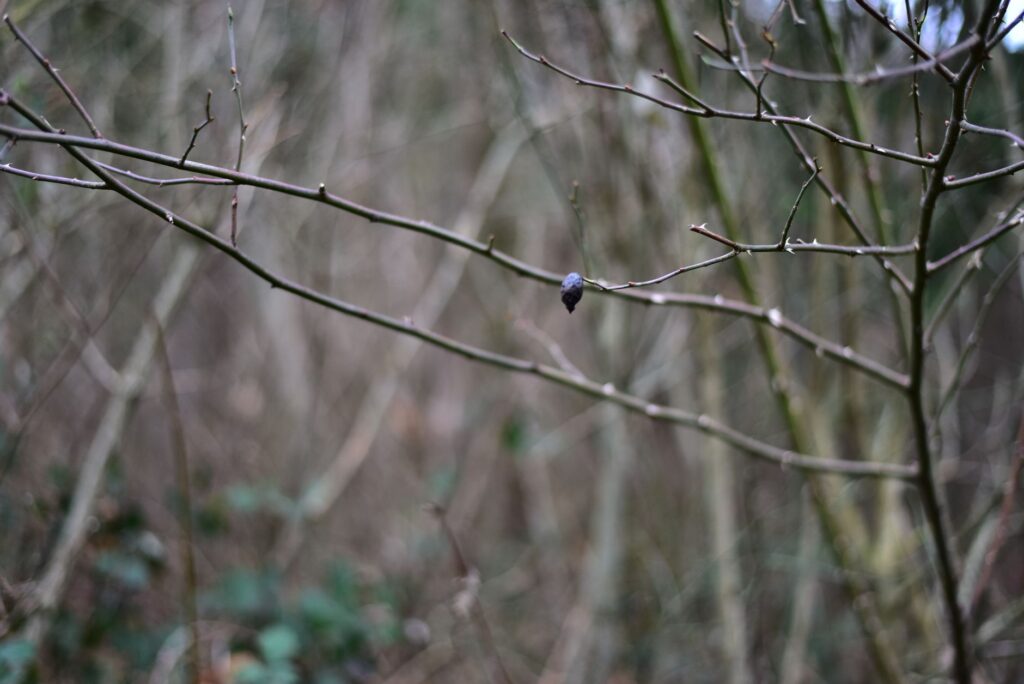
Start with the arrangement of the buds along the twig, because it narrows the field faster than anything else. Look at how the buds attach. If they sit directly across from each other in pairs, the tree has opposite branching. If they stagger up the twig one at a time, it is alternate. A very small group of trees has whorled arrangements, with three or more buds at a single point, but those are uncommon in local yards.
Opposite branching is the most useful clue to memorize, because only a short list of common trees have it. A handy reminder is MAD Horse: maple, ash, dogwood, and horse chestnut or buckeye. If a hardwood in your yard has opposite buds, it is almost certainly one of those, plus a few shrubs and the occasional catalpa or lilac. Nearly everything else you see, which covers most oaks, beeches, birches, cherries, and sweetgums, is alternate.
The second clue is the bud itself. Note its size, shape, color, and how many scales cover it. A fat, pointed, cigar-shaped bud is very different from a small, round, reddish one. The third clue is the leaf scar, the small mark left where last summer’s leaf fell off. Leaf scars can look like shields, crescents, or horseshoes, and the pattern of little dots inside them, where water-carrying tissue once connected to the leaf, differs by species.
Take a few photos of a twig tip with your phone, holding something familiar such as a coin next to it for scale. Photos are far more reliable than memory, and you can compare them with a reference guide later. The Arbor Day Foundation keeps a free, searchable online tree guide that lets you match leaf, bark, and twig features to a species once you know what you are looking at.
Opposite Buds: Maples, Ashes, and Dogwoods in Middletown
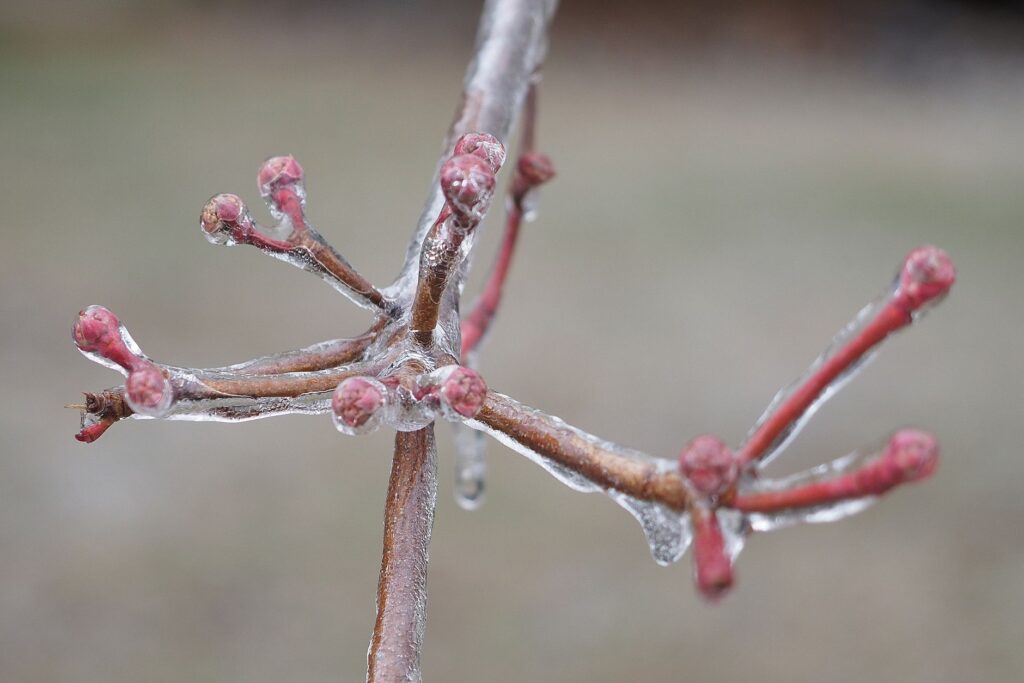
Because opposite buds point to such a short list of trees, this is where most Middletown yards begin. Red maple twigs carry small, rounded, reddish buds in clusters, and the twigs often have a reddish tint that shows even in November light. Sugar maple buds are sharply pointed and brown, almost like a tiny spear tip. Norway maple, a common street and yard tree around the township, has fat, blunt, plump buds, especially at the end of the twig, that look nearly round and often have a reddish or green cast.
Ash trees, Fraxinus, also branch oppositely, and in Monmouth County this identification matters more than it used to. White and green ash have stout twigs and leaf scars shaped like a shield or a shallow D, with the bud sitting in the notch. Emerald ash borer has changed the outlook for these trees across the region, so confirming whether you own an ash is worth the effort. The USDA Forest Service keeps a hub for urban and community forest resources that covers pest threats to street and yard trees, and Rutgers Cooperative Extension publishes ash-specific guidance for New Jersey owners.
Flowering dogwood, Cornus florida, is easy to spot in winter once you know the secret. Its flower buds look like tiny buttons or turbans on the ends of twigs, while the leaf buds are narrow and pointed. Dogwoods are small and often wide-spreading, and older stems have blocky, alligator-like bark, which is a good second clue.
Middletown's #1 Tree Expert Company
FREE Inspection & Estimate | Certified Arborists | Trimming, Pruning, Removal, More!
Sponsored
Alternate Buds: Oaks, Beeches, Birches, and Tulip Trees
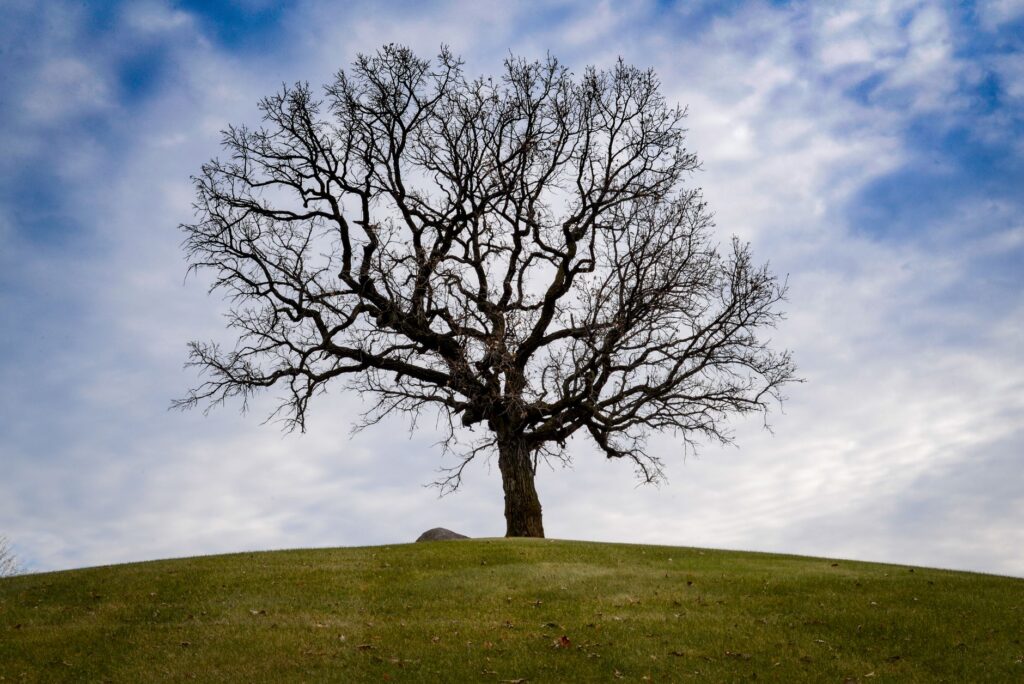
Most of the large shade trees around Middletown fall into the alternate group, and the buds do a lot of work separating them. Oaks are the easiest family to confirm: look for a cluster of buds crowded at the tip of each twig. White oak (Quercus alba) has small, blunt, rounded buds, while red and black oaks have sharper, more angular ones, and black oak buds are often larger and noticeably fuzzy. Pin oaks, popular in older neighborhoods, have tiny, sharp, narrow buds and often hold their dead brown leaves through the winter, a habit called marcescence that makes them easy to pick out.
American beech (Fagus grandifolia) may be the most elegant winter identification in the township. The buds are long, slender, and sharply pointed, like a cigar or a sharpened pencil, and they sit at an angle away from the twig. Beeches also keep some pale, papery leaves into winter and have smooth, silvery-gray bark that resembles an elephant’s skin. Look for them near the wooded edges of Hartshorne Woods and along the Navesink slopes, where older beech stands survive.
Tulip poplar (Liriodendron tulipifera) has one of the best twig signatures anywhere. The terminal bud looks like a flattened duck’s bill, covered by two scales, and the leaf scars are round with a ring around the twig. Sweetgum twigs are often corky and winged, with the spiky seed balls scattered underneath. Birches have thin, slender twigs and often have catkins already formed, hanging like small brown tassels at the branch tips.
What the Buds Say About the Health of the Tree
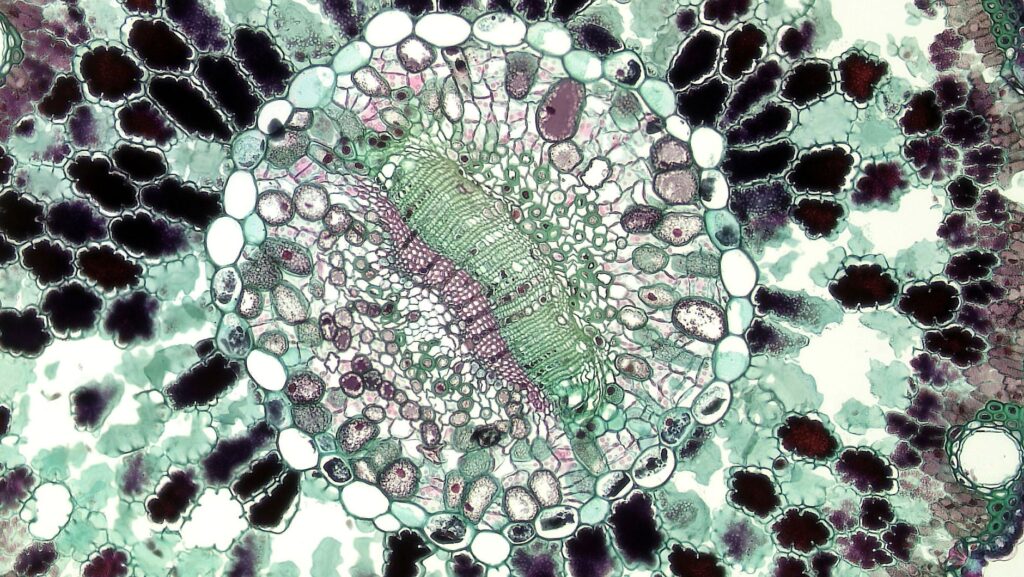
Buds do more than identify a tree. They are a quick health report, because a healthy tree sets plump, well-formed buds at the ends of twigs that grew a good amount this season. Pull a twig down gently and look at last season’s growth, which you can measure back to the ring of tight scars left by last winter’s terminal bud scales. On a vigorous young tree that segment may be several inches or more. On a stressed or aging tree it can be less than an inch.
Short annual growth across the whole crown is a classic sign of drought stress, root damage, soil compaction, or declining vigor. Dry spells in recent seasons hit Monmouth County’s sandy and clay-loam soils differently, and trees along streets with limited root space often show it first in their twig growth. If one side of the tree has long, healthy twigs and the other side has tiny, stunted ones, that pattern points toward a localized problem such as a damaged root, a girdling root, or construction disturbance on that side.
Look also for twigs with no live buds, shriveled buds, or tips that are brittle and snap cleanly with a dry sound. Live twigs bend before they break, and a scratch of the outer bark reveals green tissue underneath. A brown, dry scratch means the twig is dead. A few dead twigs on a large tree is normal, but a canopy with widespread dieback deserves a second look.
The International Society of Arboriculture’s homeowner site, Trees Are Good, explains how to judge vigor and when a change in growth calls for a professional opinion.
A Simple Twig-Walk Routine for Your Own Yard

Turn what you have learned into a habit. Pick a calm, bright morning, take a notebook or the notes app on your phone, and walk the property slowly. Here is a routine that works well for most lots in the township:
- Number your trees. Give each significant tree a number or nickname, and note where it stands relative to the house, driveway, septic area, and power lines.
- Check the arrangement. Opposite or alternate? Write it down for every tree before you decide anything else.
- Photograph a twig tip. Include a coin for scale, and take one shot of the bark and one of the overall shape.
- Measure last season’s growth. A rough number in inches is plenty. Repeat next November to see a trend.
- Note anything unusual. Dead twigs, cracks, fungus at the base, leaning, or damage from recent weather.
Do not climb a ladder into the canopy or reach near power lines to get a closer look. A fallen twig, a low branch, or a good pair of binoculars is plenty, and a telephoto photo from the ground often shows more than your eyes can. Stay clear of any wires and keep to what is safe to reach from the ground.
It also helps to compare your findings with a reference once indoors. A regional twig guide from a land-grant university extension service works well, and the Monmouth County Park System runs naturalist programs through the year at parks such as Hartshorne Woods and Thompson Park. Check the Monmouth County Park System calendar for upcoming programs.
Middletown's #1 Tree Expert Company
FREE Inspection & Estimate | Certified Arborists | Trimming, Pruning, Removal, More!
Sponsored
Summary: When a Twig Walk Calls for a Certified Arborist
Learning to read winter twigs is one of the most useful and least expensive skills a Middletown homeowner can pick up. It tells you what you own, how it is likely to behave, and whether it is thriving or struggling, all with nothing more than your eyes and a few photos. The key points are simple: check whether the buds are opposite or alternate, look at the bud shape and leaf scars, and judge last season’s growth against what looks normal for that tree.
Some findings, however, belong in professional hands. If you cannot identify a large tree near your house, or you find widespread dead twigs, a long vertical crack, a hollow, mushrooms at the base, or signs of an ash tree that may be under attack, have an ISA Certified Arborist look at it. Identification is the first step in a risk assessment, and a trained eye can often tell you in minutes what you would need weeks to determine alone. You can find certified professionals through the directory linked from Trees Are Good.
The leaves will return in May, and when they do you will recognize each tree by something far more reliable than a color. For now, enjoy the quiet of November, look closely at the twig tips, and get to know the trees that shape your property.
Photo credits: Featured image by Cz Jen on Pexels; Section 1 by Mikhail Peace on Pexels; Section 2 by Street Donkey on Pexels; Section 3 by Gene Samit on Pexels; Section 4 by Andrew Patrick Photo on Pexels; Section 5 by Fayette Reynolds M.S. on Pexels; Section 6 by Ketut Subiyanto on Pexels; Section 7 by Gastón Mousist on Pexels.