
Middletown's #1 Tree Expert Company
FREE Inspection & Estimate | Certified Arborists | Trimming, Pruning, Removal, More!
Sponsored
The Winter Salt Habit That Quietly Hurts Trees
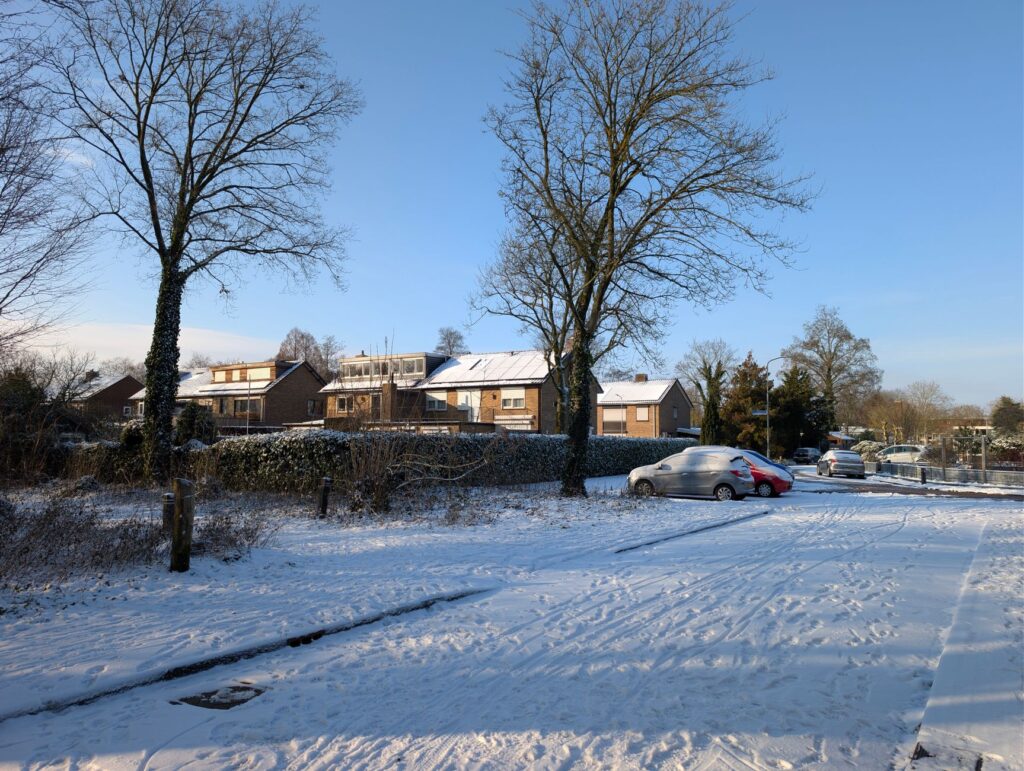
Every December the same routine plays out across Middletown Township. A forecast of snow or ice, a bag of rock salt from the garage, and a few generous handfuls across the driveway, the front walk, and the apron where the driveway meets the street. It is a perfectly reasonable thing to do for safety. What rarely crosses anyone’s mind is where that salt goes next.
It goes into the soil, and the soil is where the trees live. Sodium chloride dissolves in meltwater, runs along the edge of the pavement, and soaks into the lawn strip and planting beds beside it. Roots that reach out under driveways and sidewalks, which is most of the root system of a street-side tree, are sitting exactly where the runoff lands.
The damage is slow and easy to misread. A maple that leafs out thin and scorched in June looks like a drought problem or a disease. A hedge of arborvitae that browns along the driveway side looks like a pest. Often it is neither, and the cause is a few seasons of accumulated winter salt.
Late October is the right moment to think about this, a few weeks before the first real salting season. Decisions made now, about where snow gets piled, what gets spread, and which trees need protection, cost almost nothing. Fixing a salt-damaged tree in spring costs a great deal more.
How Road Salt Actually Injures a Tree
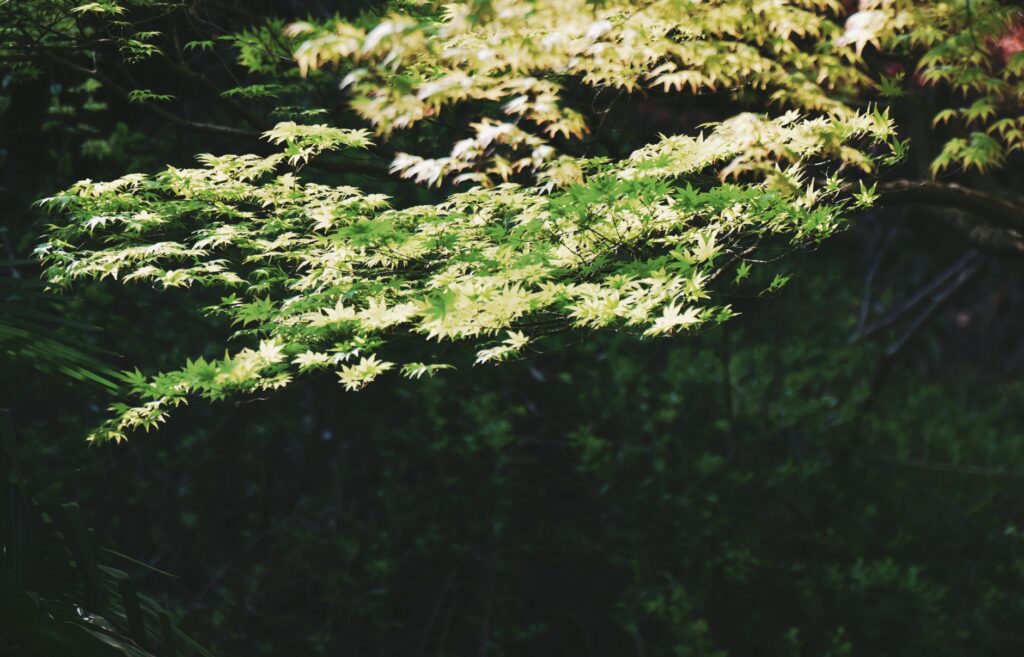
Salt hurts trees in two separate ways, and it helps to keep them apart because the fixes differ.
The first is soil damage. When sodium and chloride build up in the root zone, they make it harder for roots to pull in water, even when the ground is wet. The tree can be sitting in moist soil and still behave as if it were in a drought. Over time, sodium also breaks down soil structure, particularly in the clay-loam soils common across inland Middletown, so the ground drains more slowly and packs down harder. University extension specialists note that in residential settings, most salt injury comes from this accumulation in the soil rather than from direct contact with the tree. The University of Maryland Extension has a clear, short summary in its guide to salt and fertilizer damage to trees.
The second is spray and splash. Plows and passing traffic throw salty slush onto trunks, dormant buds, and evergreen needles near the road. Buds that take a direct hit can die, and evergreens show it as browning on the side facing the pavement.
Here is what the damage typically looks like:
- Deciduous trees: small, pale, or scorched leaves, thin crowns, and twig dieback that is worst on the side nearest the road or driveway.
- Evergreens: needles yellowing or browning from the tips, often only on the pavement-facing side.
- Both: a lopsided pattern, with the worst symptoms nearest the salted surface and healthy growth farther away.
That lopsided pattern is the best clue. Disease and drought tend to affect a whole tree. Salt tends to draw a line.
Why Middletown Yards Carry Extra Risk

Middletown has a few features that make this more of an issue than it first appears. Much of the township is built around busy county roads and long residential streets, and the town plows and salts through every storm. A great many properties have mature trees growing within a few feet of pavement, either in the right-of-way strip or just inside the property line.
Bayshore neighborhoods such as Port Monmouth, Leonardo, and Belford add another layer. Trees there already deal with salt in the air and occasionally in floodwater from Raritan Bay, so winter de-icer is piled on top of an existing load. A tree that handles one source of salt may not handle all of them in the same year.
Some species are noticeably more sensitive than others. Sugar maple, red maple, and littleleaf linden are often the first to show trouble beside salted roads, and white pine, hemlock, and arborvitae can brown quickly when salt reaches their roots or needles. Oaks, honeylocust, and most junipers are generally more forgiving. None of that makes a tolerant tree immune, only slower to show it.
Young trees and recent plantings are the most vulnerable. A tree with a small, shallow root system has fewer places to find clean soil, and one bad winter can set it back for years. If you planted anything this fall near the driveway or curb, it deserves the most attention of any tree on the property.
Middletown's #1 Tree Expert Company
FREE Inspection & Estimate | Certified Arborists | Trimming, Pruning, Removal, More!
Sponsored
Smarter De-Icing: Use Less, Aim Better

The most effective step is also the simplest: use less salt. Most people apply several times what is needed. The University of Wisconsin Extension points out that a small amount, roughly a coffee mug of salt for a 20-foot driveway, is enough when it is spread thinly. Their guide on reducing deicing salt damage this winter is worth a read before the first storm.
A few habits make a real difference:
- Shovel first. Salt works best on a thin layer of ice, not under four inches of packed snow. Clearing the bulk by hand means far less salt is needed.
- Spread, do not dump. Thin, even coverage melts as well as heaps do, and the extra salt just washes toward the lawn.
- Mix with an abrasive. Sand or clean cat litter adds traction without adding sodium. Iowa State Extension recommends exactly this in its advice on preventing damage to trees and shrubs from deicing salts.
- Skip the planting-bed edge. Keep salt a few feet back from the trunks and drip lines of nearby trees where the ground allows.
Alternative de-icers such as calcium magnesium acetate cost more and are not completely harmless, but they are gentler on soil and plants than sodium chloride. For the strip closest to a prized tree, the extra cost can be worth it. Fertilizer-based ice melters are not a safe substitute, since their concentrated nutrients can burn roots in their own way.
Where the Snow Goes Matters as Much as the Salt

Shoveling and plowing create a second problem that many owners overlook: the snowbank. Snow pushed off a salted driveway carries a concentrated dose of salt, and when the bank sits at the base of a tree it melts straight into the root zone. A plowed pile can linger for two weeks and deliver all of its salt in one slow release.
Choose a pile location with the trees in mind. Open lawn well away from trunks is ideal. The base of a young tree, the area under an evergreen hedge, and the space between a tree and the curb are poor choices. A pile that crushes low branches also breaks them, and heavy wet snow can strip limbs off an evergreen that cannot shed it.
Drainage is the other half of the question. Look at where meltwater flows from your driveway. If it runs along a curb and into a lawn strip, that is where salt will accumulate year after year. If you can regrade or redirect even a short stretch so runoff goes toward turf, rather than a tree’s root zone, the benefit adds up across every winter.
Neighbors and town crews are harder to influence, but there is one useful step. If a curbside tree in the right-of-way is repeatedly hit by plow spray, a burlap screen set a few feet from the trunk, installed before the ground freezes, can block much of the splash.
Protect the Tree: Screens, Soil, and Spring Flushing
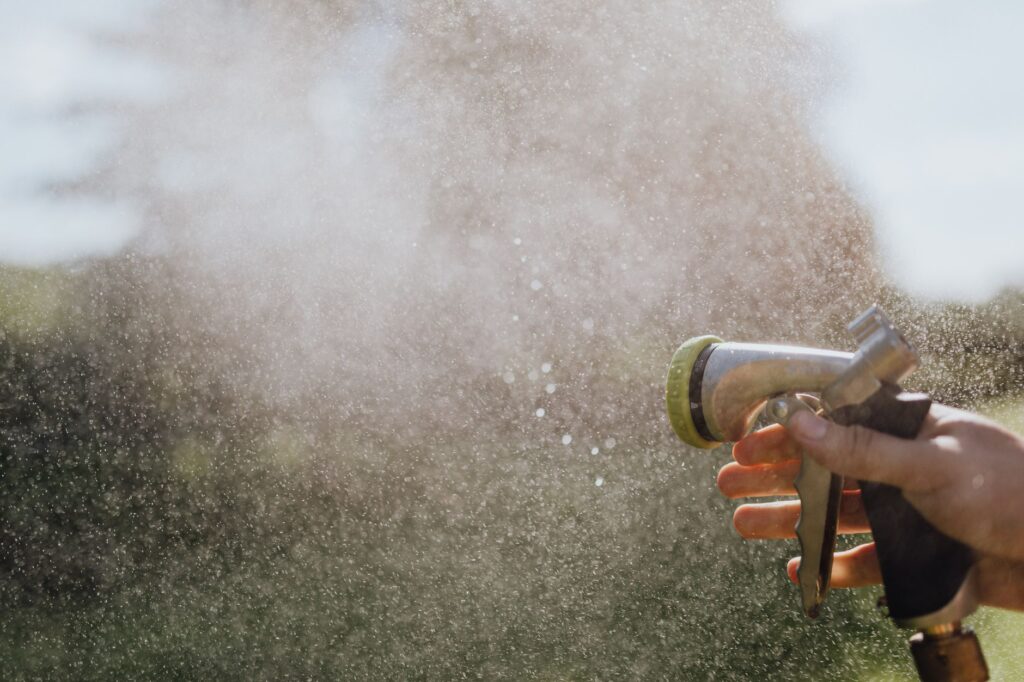
For trees that sit right at the edge of the pavement, physical protection is worth the effort. A simple screen of burlap stretched over stakes, set a short distance from an evergreen and open at the top, stops spray without trapping heat or moisture. Avoid wrapping the tree tightly in plastic, which causes its own problems.
Fall watering is a quiet protector. A tree that goes into winter with well-watered soil has a healthier, more dilute root zone and is better equipped to handle stress. Give young and street-side trees a deep soak before the ground freezes, and keep a layer of wood chip mulch, two to four inches deep and pulled back from the trunk, over the roots. Mulch buffers the soil and slows the movement of salty runoff.
Then comes the step that does the most good: spring flushing. As soon as the ground thaws in March, soak the areas where salt has collected, slowly and deeply, over several days. The goal is to wash sodium and chloride below the main root zone. Iowa State Extension recommends exactly this, and in sandier Bayshore soils it works quickly. In heavier clay soils, drainage is slower, so patience and repeat soaks matter more.
If a tree has shown salt symptoms for more than one season, a soil test is a sensible next move. A lab test can report soluble salts in a sample, which turns guesswork into a number. Gypsum is sometimes suggested for sodium-heavy soils, but it should be applied based on test results, not by habit.
Middletown's #1 Tree Expert Company
FREE Inspection & Estimate | Certified Arborists | Trimming, Pruning, Removal, More!
Sponsored
When Salt Damage Is a Job for a Certified Arborist
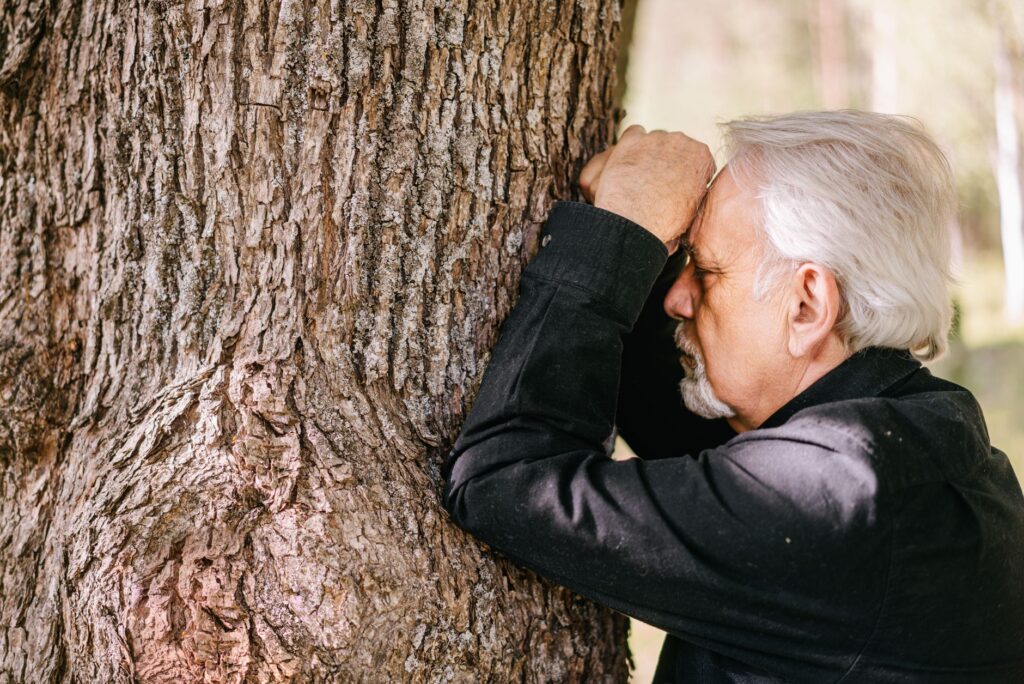
Many cases can be handled by the owner with less salt, a better snow pile, and a good spring soak. But some situations call for a professional’s eyes. Dieback that spreads over a large portion of the crown, bark splitting on the pavement side of the trunk, or a tree that did not recover after a full season of flushing can mean damage is deeper than leaf scorch. It can also mean salt is just one of several stresses, with compaction, root girdling, or a pest taking advantage of a weakened tree.
A certified arborist can tell the difference, test the soil, and recommend whether to protect, treat, or replace. The International Society of Arboriculture maintains a helpful list of tree care advice for owners and a way to find an ISA-certified arborist near you. In New Jersey, tree care businesses are also required to be licensed, which is worth checking before anyone climbs a tree on your property.
The takeaway is practical. Salt will always be part of a Monmouth County winter, but its effect on trees is not fixed. Shovel first, spread thin, pile snow in the open lawn, give the trees a good soak before freeze-up, and flush in spring. Those few steps cost almost nothing, and they leave the trees you love in far better shape come the first warm weeks of April.
If a tree already shows the signs described here, do not wait for another winter to see whether it gets worse. An assessment this fall or early next spring, before the leaves come out, gives the best chance of catching the problem while the tree can still recover.
Photo credits: Featured image by Aleksandr Gorlov on Pexels; Section 1 by Werner Redlich on Pexels; Section 2 by 余鑫磊 on Pexels; Section 3 by Sergej ***** on Pexels; Section 4 by https://kaboompics.com/ on Pexels; Section 5 by Erik Mclean on Pexels; Section 6 by https://kaboompics.com/ on Pexels; Section 7 by Ivan S on Pexels.