Middletown's #1 Tree Expert Company
FREE Inspection & Estimate | Certified Arborists | Trimming, Pruning, Removal, More!
Sponsored
Why the Planning Walk Beats the Pruning Saw
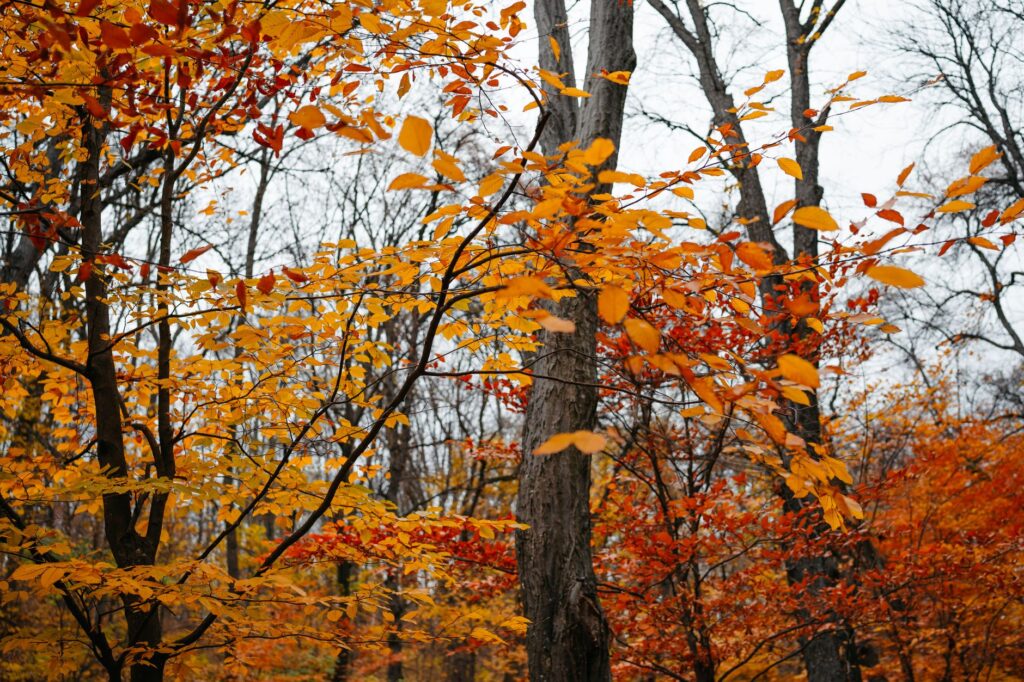
Every year around the end of October, I tell Middletown homeowners the same thing: do not pick up a saw yet. Pick up a notepad. The best pruning of the year starts weeks before the first cut, and it starts with a slow walk around each tree while some leaves are still hanging on and the structure underneath is beginning to show.
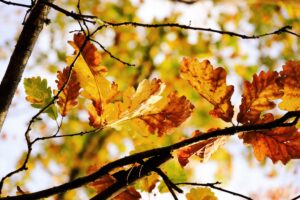
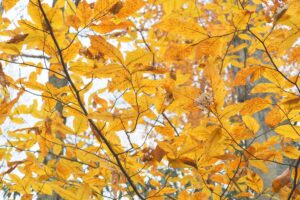
Right now your trees are in a useful in-between state. Leaves are thinning, so you can see branch attachments, crossing limbs and dead wood that were buried in July. But enough leaves remain that you can still tell a dead branch from a dormant one, which is the single most common mistake I see when people prune in January and guess wrong.
Most mature trees along the Bayshore, from the white oaks in Locust to the tulip poplars around Lincroft, do best when major pruning waits until the tree is dormant. That window is still a month or more away. Use these weeks to decide what needs to come out, what can stay, and what is a job for a professional.
What to Look For From the Ground

You do not need to climb anything. Stand back far enough to see the whole crown, then walk a slow circle. A pair of binoculars is better than any gadget. Look for the following, and write each one down with the side of the tree it is on:
- Dead branches: bark that is peeling, limbs with no buds or leaf stubs, and wood that looks gray and dry.
- Crossing or rubbing limbs: two branches that touch and wear through each other’s bark in the wind.
- Weak unions: places where two stems of similar size grow from one point in a tight V.
- Hangers: broken limbs lodged in the canopy from this fall’s storms.
- Low limbs: anything that scrapes a roof, a vehicle or a walkway.
Take a phone photo of each trouble spot from the same spot you will stand in later. A picture taken today is far more useful in February, when the canopy looks completely different and every bare branch looks alike.
Sorting Dead From Dormant Wood
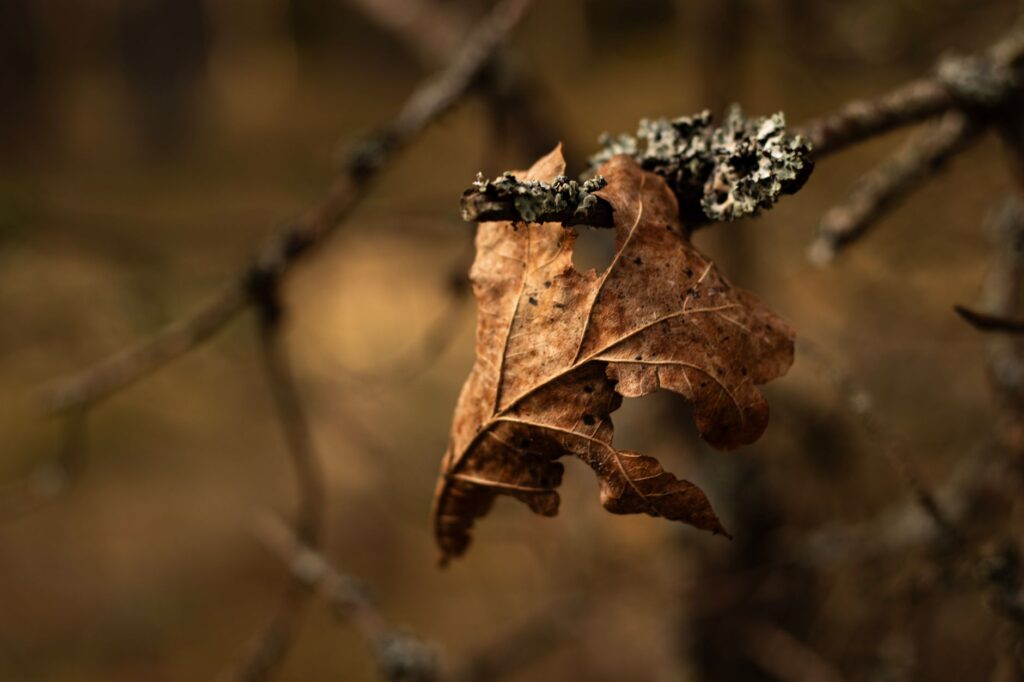
This is where a fall walk earns its keep. A branch with no leaves in January tells you nothing, but a branch that is bare while its neighbors are still holding leaves is a strong suspect. Mark it now with a strip of bright tape tied loosely to a lower twig.
When you can reach a small twig safely, scratch the bark lightly with a thumbnail. Green and moist underneath means alive. Brown and dry means dead. Do this at several points along a branch, because a limb can be dead at the tip and alive near the trunk. If the whole branch is brown, you have found deadwood.
Be careful about the exceptions. Beeches and some oaks hold their dead leaves into winter, a habit called marcescence, so a brown leaf clinging to a branch does not mean the branch is dead. Judge the wood, not the foliage.
The International Society of Arboriculture’s guidance on pruning mature trees makes a point worth repeating: removing dead wood is one of the few pruning goals that is almost always justified, which is why it belongs at the top of your list.
Middletown's #1 Tree Expert Company
FREE Inspection & Estimate | Certified Arborists | Trimming, Pruning, Removal, More!
Sponsored
Structural Problems Worth Flagging
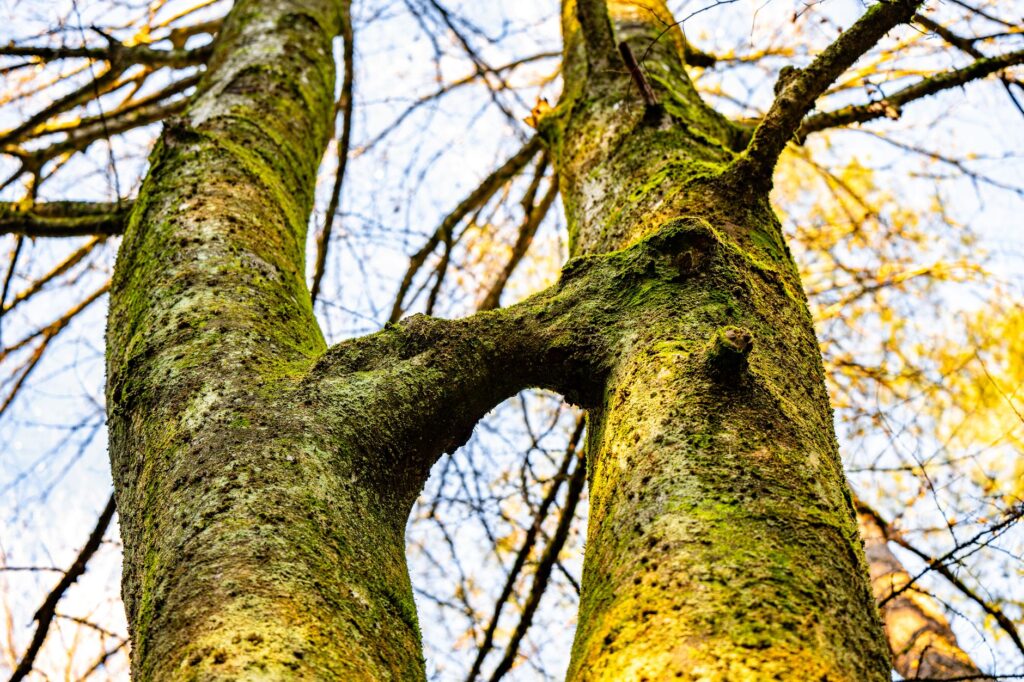
Some of the defects you find on your walk are not DIY pruning jobs at all. They are the reason a tree fails in a nor’easter, and the cuts that fix them are best made by someone trained to judge how much a tree can lose.
The big one is the codominant stem: two trunks of nearly equal size growing from the same point. Often the bark between them is pinched and trapped, a defect called included bark, and the union never builds proper wood. Red maples, Bradford pears and tulip poplars around Middletown are famous for this. These unions can split under wind or ice load, sometimes years after they started forming.
Also flag limbs that grow long and nearly horizontal over a roof or driveway, cracks at branch attachments, and any limb with a sunken or swollen ring at its base. If you see fungal growth on a limb, or a cavity opening, note it and do not touch it.
If a tree has a lot of these flags, that is your signal to bring in a credentialed professional. The ISA’s advice on hiring an arborist explains what to ask for, including proof of certification and insurance.
What You Can Safely Do Yourself
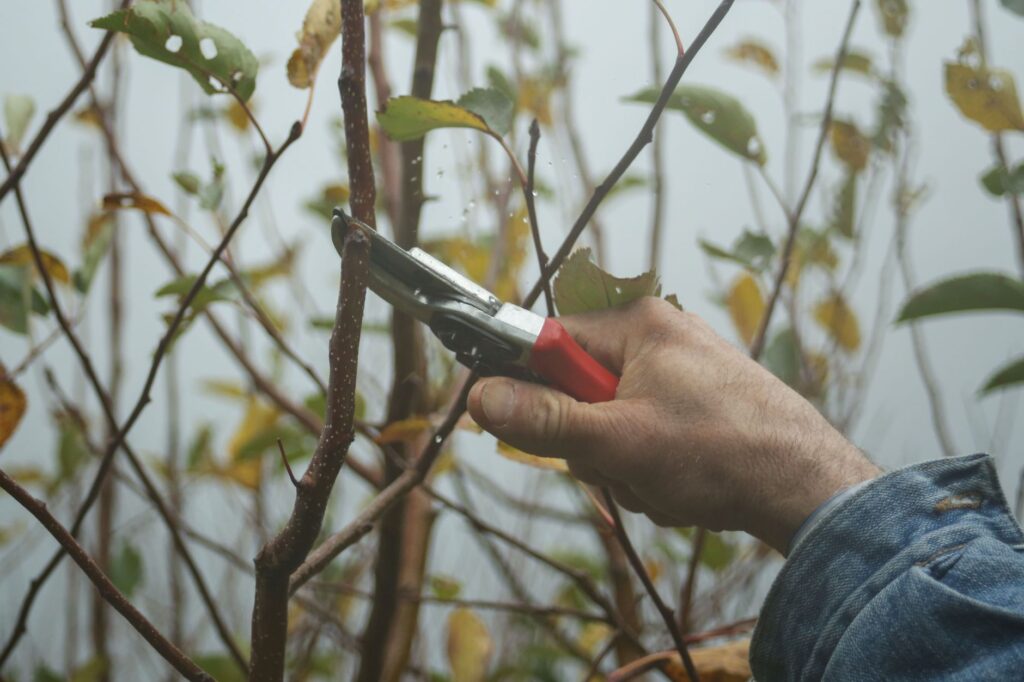
Plenty of pruning is well within reach for a careful homeowner, as long as the work stays on the ground or on a stable step ladder and nowhere near a wire. As a rule I tell people to keep their hands on anything smaller than the thickness of their wrist and under head height.
Good DIY jobs include removing small dead twigs, taking off low suckers at the base of a trunk, and trimming a branch that rubs a fence. Use sharp bypass pruners or a hand saw, make the cut just outside the branch collar (the slightly swollen ring where a branch meets its parent), and never leave a stub or cut flush with the trunk.
Wait on live-wood cuts for most species until the tree is truly dormant. Oaks deserve extra caution, since beetles that spread oak wilt are most active in the growing season, and a long dormant window is the safest time for a fresh wound. Clean your tools between trees with rubbing alcohol so you do not carry disease from one trunk to the next.
Skip any job that involves a chainsaw overhead, a limb over a structure, or anything near a service line. Those are exactly the cuts that put homeowners in the emergency room each winter.
The Cuts Not to Make
A planning walk is also the best time to remind yourself of what not to do. Three habits cause most of the long-term damage I see in Middletown yards.
First, never top a tree. Chopping the main leaders to stubs leaves the tree with a flush of weak, fast-growing shoots and open wounds that decay. It also fails to remove the real hazard. A proper crown reduction removes small amounts at the right union, not a huge section at a random height.
Second, do not take more than about a quarter of a tree’s live crown in a single year. Trees run on the leaves they have, and heavy removal starves them. Third, skip wound paint and sealant. Trees seal their own wounds from the inside, and paint tends to trap moisture against the wood.
Finally, remember that local rules sometimes apply when work is large or involves removal rather than pruning. If you are unsure whether a job on a larger tree needs paperwork, check with the township through Middletown Township’s official site before anyone starts cutting.
Middletown's #1 Tree Expert Company
FREE Inspection & Estimate | Certified Arborists | Trimming, Pruning, Removal, More!
Sponsored
Turn Your Notes Into a Winter Plan
By the time you finish the walk, you should have a short page per tree: what to remove, what to watch, what to hand to a professional. Sort those into three piles. Easy jobs you can do after leaf drop. Watch items to photograph again in January. And structural or high-risk jobs to price now.
That last pile is the one to move on early. Good arborists book up once the first winter storm leaves a trail of fallen limbs across the Bayshore, and the ones who answer the phone in December are usually the ones booked solid in February. Getting on a schedule in late fall means you can have the work done on a calm, dry, frozen-ground day instead of in the middle of an emergency.
When you do call, show them your photos and notes. A certified arborist can read your list in minutes, confirm what matters, and tell you which flags are cosmetic and which ones deserve action before the next big blow. A walk that takes an hour in October can save you a very bad night in January.
Photo credits: Featured image by YL Lew on Pexels; Section 1 by Irina Iriser on Pexels; Section 2 by B.Bailey on Pexels; Section 3 by Reinis Brūzītis on Pexels; Section 4 by Matej Bizjak on Pexels; Section 5 by Maria Turkmani on Pexels; Section 6 by Esmerald Heqimaj on Pexels; Section 7 by Benjamin White on Pexels.