Middletown's #1 Tree Expert Company
FREE Inspection & Estimate | Certified Arborists | Trimming, Pruning, Removal, More!
Sponsored
Why Mid-October Is the Time to Ask the Question
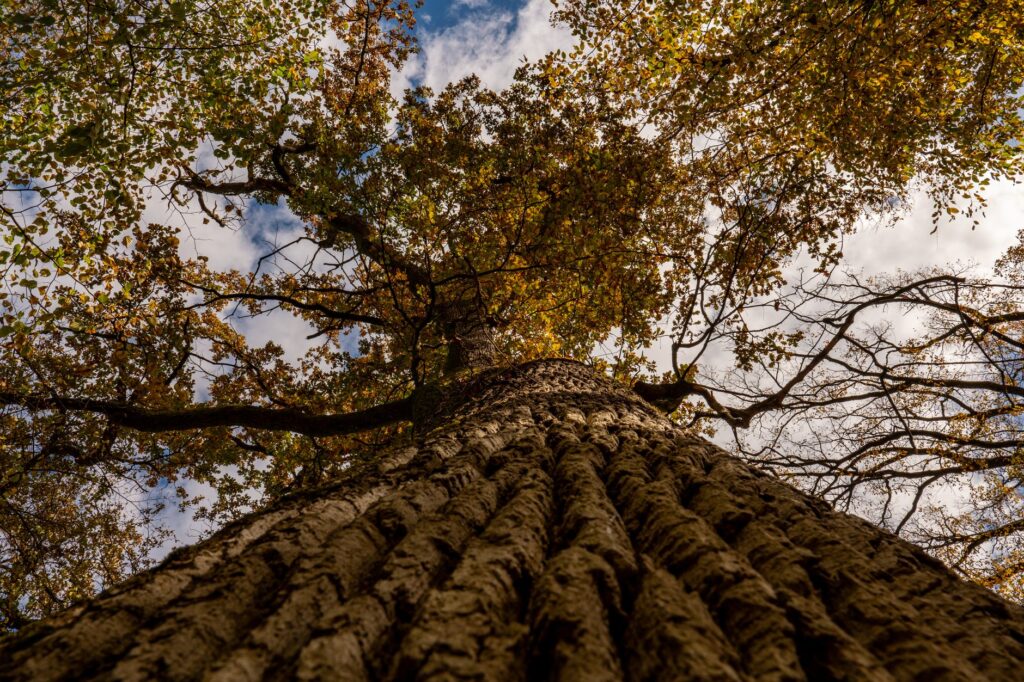
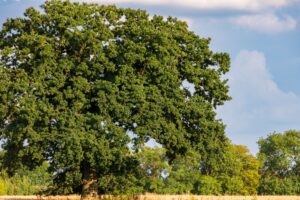
Every October the same phone call comes in from Lincroft, Leonardo and the streets above the Bayshore: “My tree dropped half its leaves already. Is it dead?” Sometimes the answer is yes. More often the tree is simply doing what a deciduous tree is supposed to do, and the homeowner is looking at the normal start of dormancy through worried eyes.
The trouble is that a tree that is dying and a tree that is going to sleep can look surprisingly alike for a few weeks. Brown, curled leaves can mean an early shutdown, a summer of drought stress, or a root problem that has been building for years. Telling them apart now, while a little foliage is still hanging on, is far easier than guessing in January when every branch is bare.
This guide walks through the simple field checks an arborist uses, the ones you can do yourself with a thumbnail and a pocket knife, and the point where you should stop and bring in a professional. Nothing here replaces an on-site look, but it will tell you whether you are dealing with a calm, ordinary autumn or a tree that needs attention before the first nor’easter.
What Dormancy Actually Looks Like
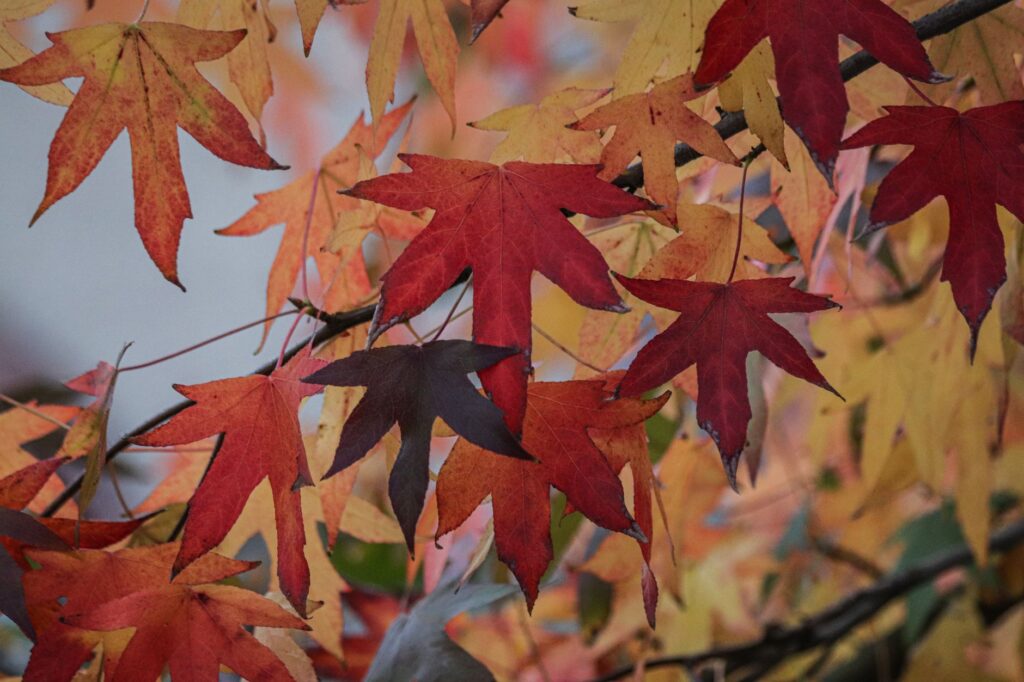
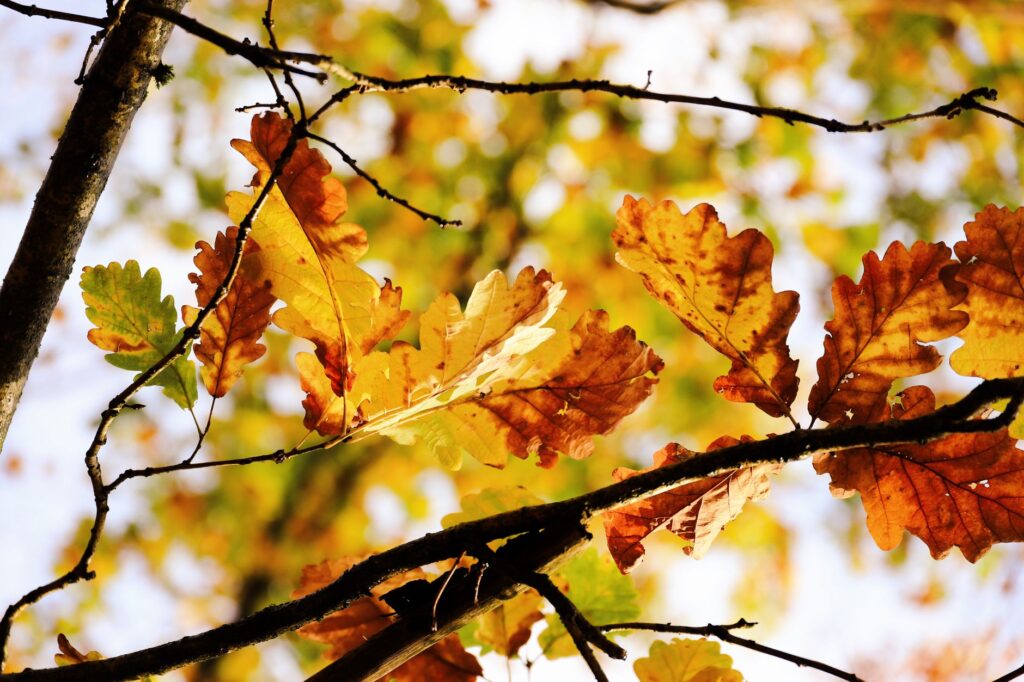
Dormancy is not death. As days shorten and nights cool, a tree seals off the base of each leaf stalk with a thin layer of corky cells, the abscission layer, and stops sending water to the blade. Chlorophyll breaks down, the hidden yellows and oranges show through, and the leaf eventually lets go. The tree pulls sugars back into its trunk and roots and settles in for winter.
On a healthy tree you will usually see a few reliable signs:
- Leaves color and drop in a fairly even pattern across the whole crown, often starting at the top or the outer edge.
- Fresh, plump buds sit at the tip of each twig and at every leaf scar, already formed for next spring.
- Twigs are flexible and bend before they snap.
- Bark is firmly attached, with no large sections peeling or sounding hollow.
Species matter too. A tulip poplar (Liriodendron tulipifera) and a black walnut often drop leaves weeks ahead of a white oak (Quercus alba), and a pin oak may hang on to brown leaves into winter. The tree care basics from the International Society of Arboriculture are a good reminder that timing varies a lot from one species to the next, so compare a tree with its own kind before deciding something is wrong.
Signs the Tree Is Struggling, Not Sleeping
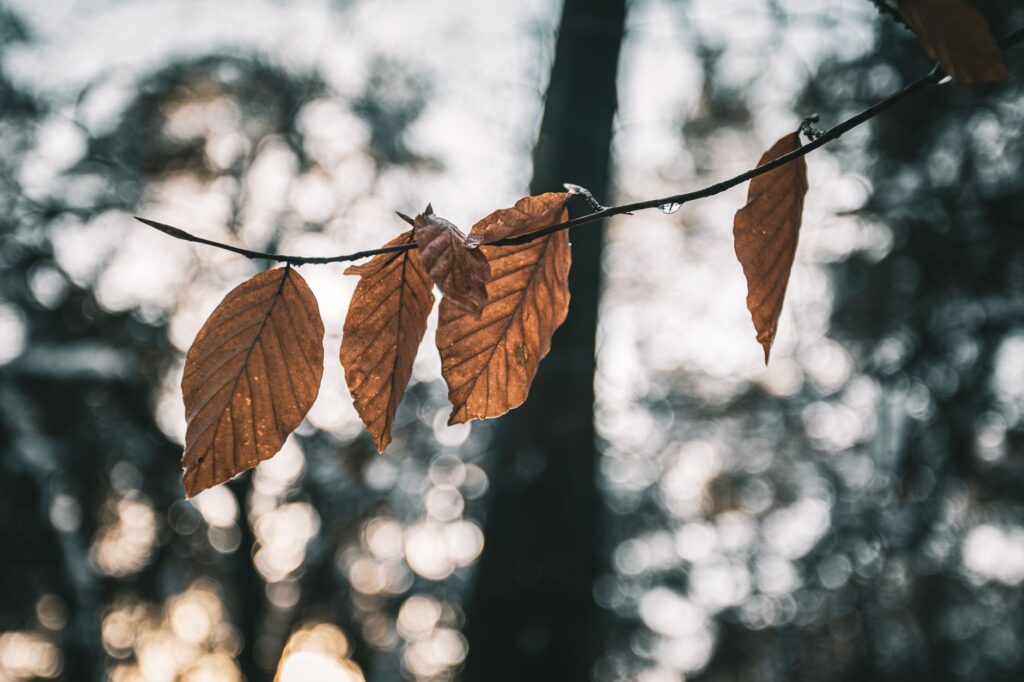
A dormant tree drops its leaves from a healthy, pre-formed system. A declining tree loses them because something has gone wrong, and it often leaves clues. Watch for these:
- Leaves that shrivel and turn brown while still green elsewhere on the same branch, especially if they stay attached rather than dropping.
- One side of the crown that colors or drops weeks before the other. That one-sided pattern frequently points to a root or trunk problem on that side.
- Sparse, small leaves all summer, followed by an early drop. This suggests the tree was stressed long before October.
- Dieback, meaning whole twigs and branches with no leaves at all while their neighbors are still in leaf.
- Mushrooms or shelf-like conks at the base, which can indicate decay in the roots or lower trunk.
Middletown trees get hit by a particular set of stresses. Heavy clay pockets hold water around roots after big rains, the Bayshore brings salt spray and occasional tidal flooding, and many older yards sit on compacted fill from decades of construction. Any of these can weaken a tree quietly for years before a dry summer pushes it over the edge.
If you see two or more of the signs above, do not wait for spring to find out. Take a few dated photos from the same spot, and move on to the scratch test below.
Middletown's #1 Tree Expert Company
FREE Inspection & Estimate | Certified Arborists | Trimming, Pruning, Removal, More!
Sponsored
The Scratch Test and the Twig Snap
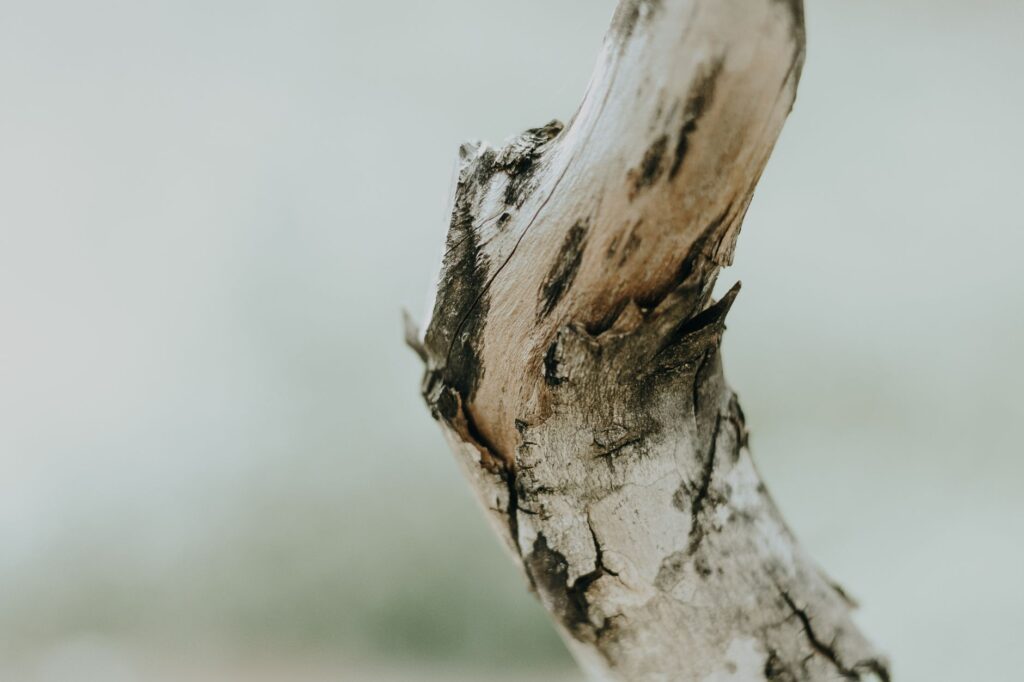
The oldest trick in the book is still the best one. Just under the bark of a living twig sits the cambium, a thin green to white layer of living tissue. On a dead twig that layer is brown, dry and brittle.
Here is how to do it safely and without hurting the tree:
- Choose a small twig, no thicker than a pencil, from the outer part of the branch you are worried about.
- Scrape a small patch of bark away with your thumbnail or the back of a pocket knife blade, about the size of a pencil eraser.
- Look at the color underneath. Bright green or creamy white and moist means alive. Brown, tan or dry and papery means that twig is dead.
- Repeat on three or four twigs from different parts of the crown, including the high, sunny side and the lower shaded side.
Then try the snap test. A living twig bends and tears with a stringy, damp break. A dead one cracks cleanly with a dry snap. Do these tests on twigs you can reach from the ground, and never climb a ladder or lean a pole into a tree you suspect is unsound.
One caution: finding one dead twig does not mean a dead tree. Trees shed small interior branches all the time. What matters is the pattern. If most of the outer twigs on most of the branches are green underneath, you almost certainly have a living tree.
Look at the Buds, the Bark and the Base
Once the twigs check out, give the rest of the tree a slow lap. Start at the tips of the branches. Healthy deciduous trees set their buds before the leaves fall, so a twig with fat, firm buds is alive and planning ahead. Shriveled, gray or missing buds are a worry, especially on a branch that also failed the scratch test.
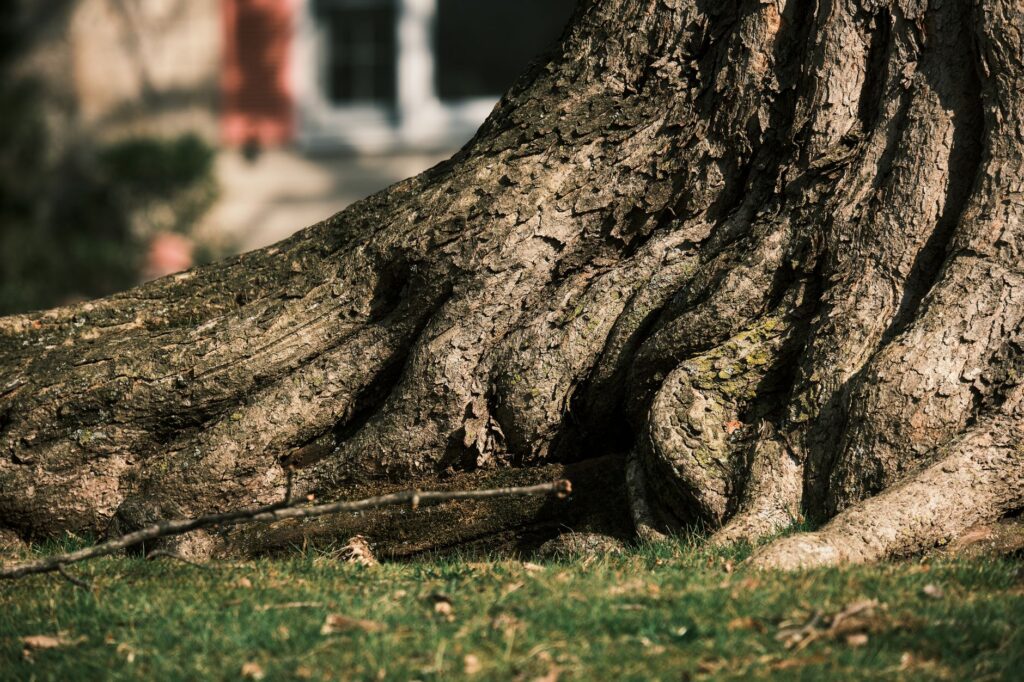
Move to the trunk. Look for cracks that run lengthwise, bark that has pulled away from the wood, oozing dark liquid, or a sunken, flattened strip of bark. These can be signs of cankers or old injuries that have girdled part of the trunk. Also check the root flare, the spot where the trunk widens at the soil line. If the trunk goes straight into the ground like a telephone pole, soil or mulch may be piled too high, a problem that slowly suffocates roots.
Finally, look at the ground. Heaving soil on one side of a leaning tree, fresh cracks in the lawn, or sunken patches over the root zone can mean roots are failing. The ISA guide to hazardous trees describes many of these defects in plain language and is worth a read before you walk your property.
When It Is Dead, and What Happens Next
If your tests show that the majority of a tree is truly dead, the timeline matters. A dead tree does not get safer with age. Dead wood dries, becomes brittle, and loses the strength that held it together. Decay fungi move in, and the first strong wind or wet snow can bring down limbs or the whole tree.
Position changes the urgency. A dead tree in the back corner of a large lot is a very different problem from one leaning over a driveway, a roof, a play area or a neighbor’s fence. Before storm season, ask yourself a simple question: if this fell tomorrow, what would it hit? If the answer includes a house, a car or people, treat it as a priority.
Also remember that removal in this township may be regulated. The New Jersey Forest Service provides general guidance on forest and community tree resources, and Middletown has its own rules on certain removals, so confirm what applies to your lot before any cutting. Photos of the tree’s condition, taken now, also help if you ever need to show an insurer or the township that a tree was already in decline.
Do not use this window to try a DIY removal of anything large. Felling and rigging a dead tree is one of the most dangerous jobs in the trade, because the wood does not behave the way a healthy tree does.
Middletown's #1 Tree Expert Company
FREE Inspection & Estimate | Certified Arborists | Trimming, Pruning, Removal, More!
Sponsored
When to Call a Certified Arborist

The good news from this exercise is that most trees are fine. If the scratch test shows green, the buds are plump and the trunk and base look sound, you are almost certainly watching a normal autumn. Mulch lightly, give a final deep soak before the ground freezes, and let the tree rest.
Call a certified arborist when any of these apply:
- More than a quarter of the crown fails the scratch test.
- You see conks, cavities, deep cracks or a leaning trunk with heaved soil.
- The tree is close to a house, a driveway or a power line.
- You are not sure what you are looking at and the cost of being wrong is high.
An ISA Certified Arborist can test for decay, evaluate structure and tell you honestly whether a tree can be saved, treated or should come down. You can find credentialed professionals through the ISA Find an Arborist directory, and in New Jersey the work should be done by someone properly licensed. Ask for proof of insurance and a written scope before anyone starts.
An inspection in October, while some leaves are still on the tree, gives the arborist the most information to work with and gives you time to act before winter storms arrive.
Photo credits: Featured image by Christina & Peter on Pexels; Section 1 by Vladimir Srajber on Pexels; Section 2 by Boys in Bristol Photography on Pexels; Section 3 by Aliaksei Semirski on Pexels; Section 4 by Kássia Melo on Pexels; Section 5 by Malcolm Garret on Pexels; Section 6 by Kris Møklebust on Pexels; Section 7 by Pavel Danilyuk on Pexels.