
Middletown's #1 Tree Expert Company
FREE Inspection & Estimate | Certified Arborists | Trimming, Pruning, Removal, More!
Sponsored
Why Autumn Rain in Middletown Is a Tree Story
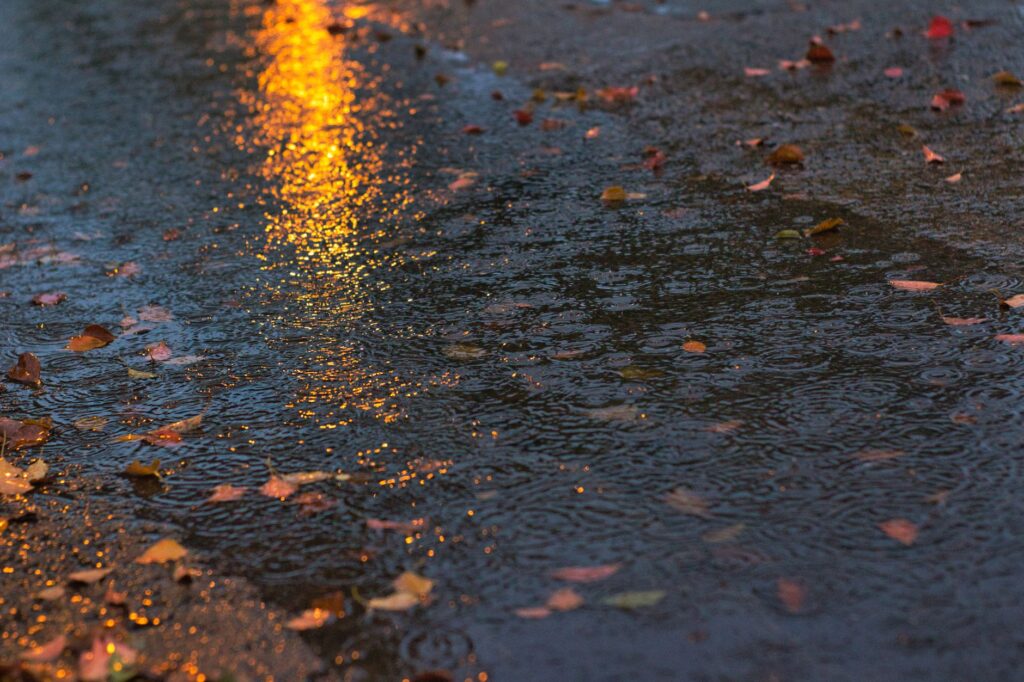
Walk down a Middletown street during a hard October rain and watch where the water goes. Under a mature maple or oak, the pavement is often wetter than the lawn beneath the canopy, because a surprising share of that rain never reaches the ground at all. It lands on leaves and bark, clings there, and slowly evaporates or drips off in a gentler, slower pattern than it fell.
That quiet work matters on the Raritan Bayshore. Between fall nor’easters, heavy tropical remnants, and high tides pushing back against drainage, Middletown’s low-lying streets already struggle to move water out. Trees are one of the few pieces of infrastructure in a neighborhood that gets better, not worse, as it ages.
This article walks through what a tree actually does with a rainstorm, why the underground part matters as much as the canopy, and what a homeowner can do this fall to help their trees do the job. It is a topic where small yard decisions add up across a whole watershed.
What a Canopy Does Before the Rain Even Lands
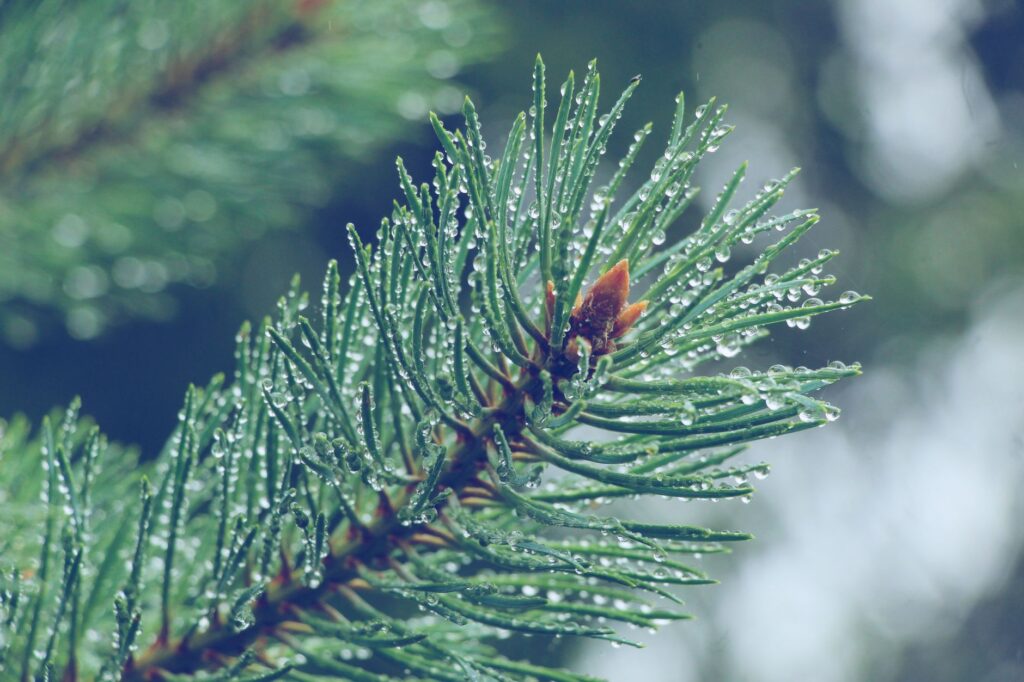
The first job is interception. Leaves, twigs, and rough bark hold a film of water, and some of it evaporates straight back into the air without ever touching soil. The share varies by species and season. A dense, rough-barked oak or a layered evergreen such as white pine holds more than a smooth, open-crowned tree, and a tree in full leaf holds far more than the same tree in January.
The USDA Forest Service Urban and Community Forestry program describes urban trees as part of a community’s stormwater system, not just decoration. Slowing the first minutes of a storm is the valuable part. Roofs and pavement send water off in a rush, while a canopy spreads that same volume across a longer stretch of time.
In October the picture shifts. As leaves color and drop, interception falls off week by week. That is one reason fall storms can feel wetter at ground level than a summer storm of the same size. The tree is still working, but with less surface to do it with.
Evergreens keep their advantage straight through winter. Hollies, white pines, and Eastern red cedars catch and shed water year round, which is part of why they show up so often in older Bayshore plantings.
The Soil Sponge Under Your Tree
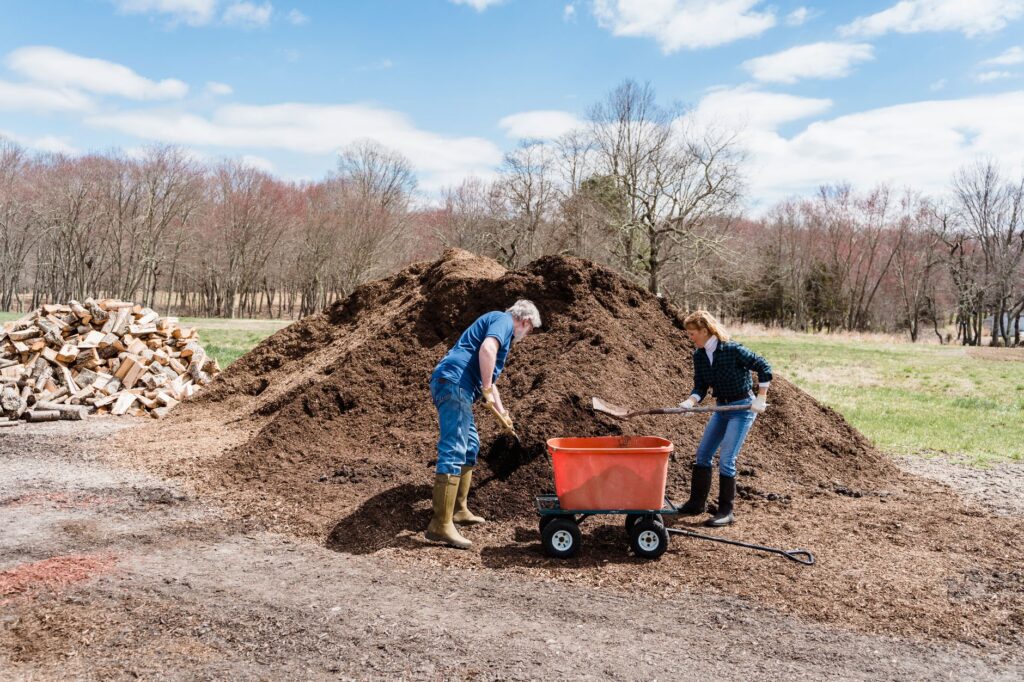
What gets past the canopy meets the real workhorse, the soil. Healthy forest-type soil is full of pores, channels left by old roots, and organic matter that acts like a sponge. Water that lands near a mature tree tends to soak in rather than run off, even in a heavy downpour.
Middletown’s soils make this a mixed story. Sandy Bayshore pockets drain fast, which helps in a flood but can leave trees thirsty in August. Heavier clay-loam on the inland side takes water in slowly, so a hard storm can sheet across the surface. In both cases, the top few inches of undisturbed, mulched, root-filled ground do far more than bare compacted turf.
Roots themselves help in two ways. They pump water out of the ground between storms, which lets the soil absorb the next one, and they hold slopes and stream banks in place so heavy rain does not carry the soil away. A tree on a slope near a drainage swale is doing structural work whether anyone notices or not.
This is why root zone damage is so costly. Trenching, grade changes, and heavy equipment squeeze out the pores that hold water, and the tree and the yard both lose their buffer.
Middletown's #1 Tree Expert Company
FREE Inspection & Estimate | Certified Arborists | Trimming, Pruning, Removal, More!
Sponsored
Why Compacted Yards Flood Faster
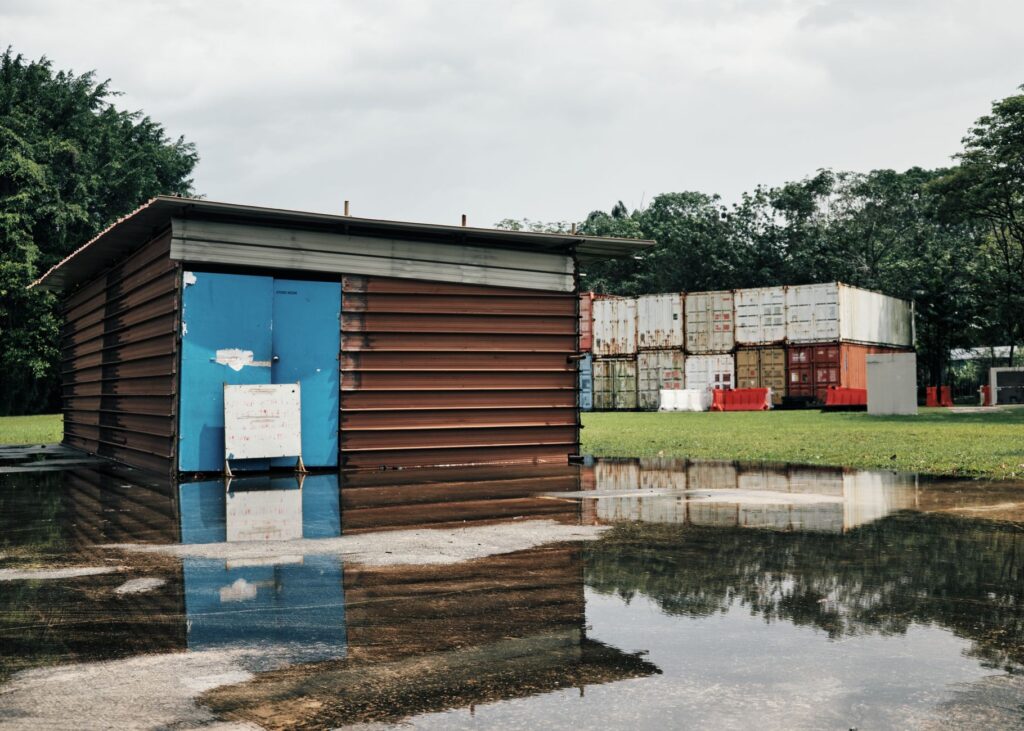
Think about the typical new-construction lot. The topsoil was scraped, the subsoil was rolled flat, and a thin layer of sod went on top. That ground can behave almost like pavement during a downpour. Water pools, runs to the lowest corner, and ends up in a neighbor’s basement or the street.
The EPA Soak Up the Rain guidance explains how soil and plantings reduce runoff, and it is a good read for any homeowner who has watched a yard turn into a pond. Trees appear throughout that guidance because their roots keep rebuilding the pore space that compaction destroys.
A few warning signs that your yard is shedding water instead of absorbing it:
- Puddles that remain more than a day after rain, especially near the trunk
- Bare, hard soil in the drip line where grass will not grow
- Surface roots that look scoured or exposed after storms
- Muddy runoff leaving the property along the same path every time
None of these mean a tree is failing. They do mean the ground is working less well than it should, and that is usually fixable with mulch, reduced foot and vehicle traffic, and patience.
What Fall Storms and High Tides Do to the Equation
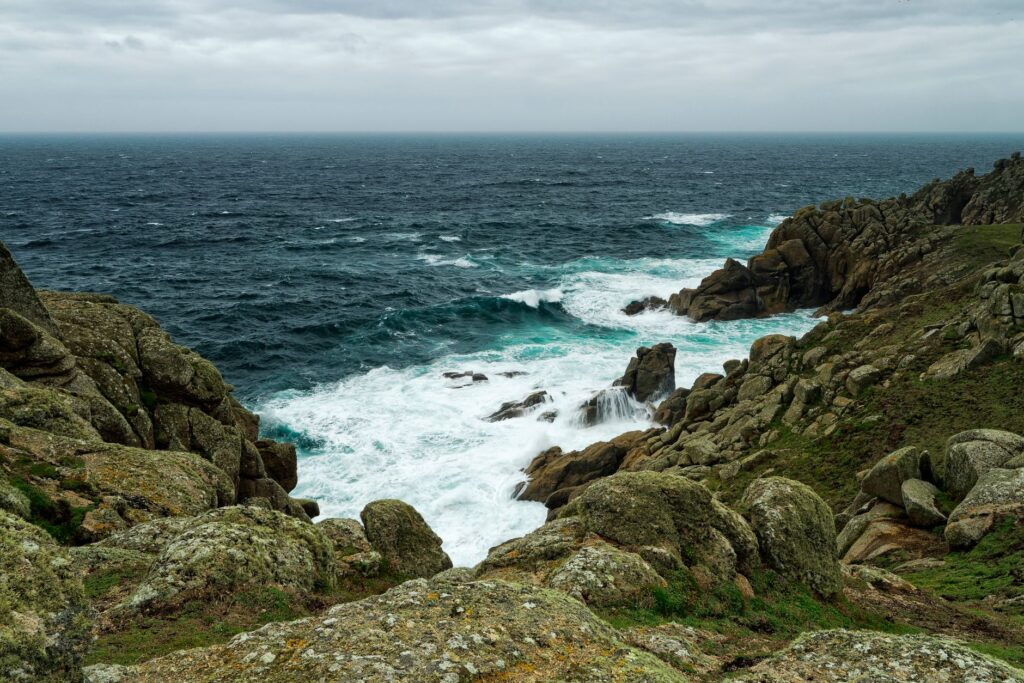
The Bayshore adds a wrinkle most inland towns do not have. When a nor’easter stacks heavy rain on top of an astronomical high tide, drainage pipes cannot empty into Raritan Bay because the bay is already full. The rain has nowhere to go, and anything that holds water on the land longer helps.
Trees on higher ground in Middletown, including the older stands around Hartshorne Woods and the wooded slopes toward Navesink, act as the first line of that defense. Water held in their soil today leaves slowly over days instead of arriving in the low streets all at once. That staggered release is exactly what a flood-prone neighborhood needs.
There is a flip side. Saturated soil is when trees are most likely to fail in wind, because roots lose grip when the ground is soft. A tree that is doing a great job soaking up a storm is also the tree to keep an eye on in the same storm. If your property has large trees that shade a house or a driveway, soggy ground plus gusts is the combination to take seriously.
After a big rain, look up and look down. A fresh heave of soil at the base, a new lean, or a leaf canopy that looks lopsided are all reasons to have a certified arborist take a closer look.
Small Fall Steps That Help Your Trees Manage Water

October is a good month for this, because the soil is still warm and the rain is frequent. A few practical habits make a real difference for a single yard.
First, keep a mulch ring of two to three inches, pulled back a few inches from the trunk so it never piles against the bark. Mulch slows runoff, protects the surface pores, and feeds the soil as it breaks down. The International Society of Arboriculture tree owner resources lay out the benefits trees provide, including water management, and are worth bookmarking.
Second, send downspouts toward planted areas rather than the driveway, and keep that water spread out, not aimed at one trunk. Third, resist the urge to bag every leaf. A loose layer of leaf litter acts as a free mulch that softens raindrop impact and keeps the soil open.
Fourth, protect the root zone. Avoid parking on the drip line, keep trenching and regrading well away from large trees, and plan any construction with the tree in mind from the start. For larger drainage questions across a watershed, the Rutgers Water Resources Program publishes practical New Jersey guidance on rain gardens and runoff.
Middletown's #1 Tree Expert Company
FREE Inspection & Estimate | Certified Arborists | Trimming, Pruning, Removal, More!
Sponsored
Summary: Let Your Trees Do the Water Work, and Know When to Call a Pro
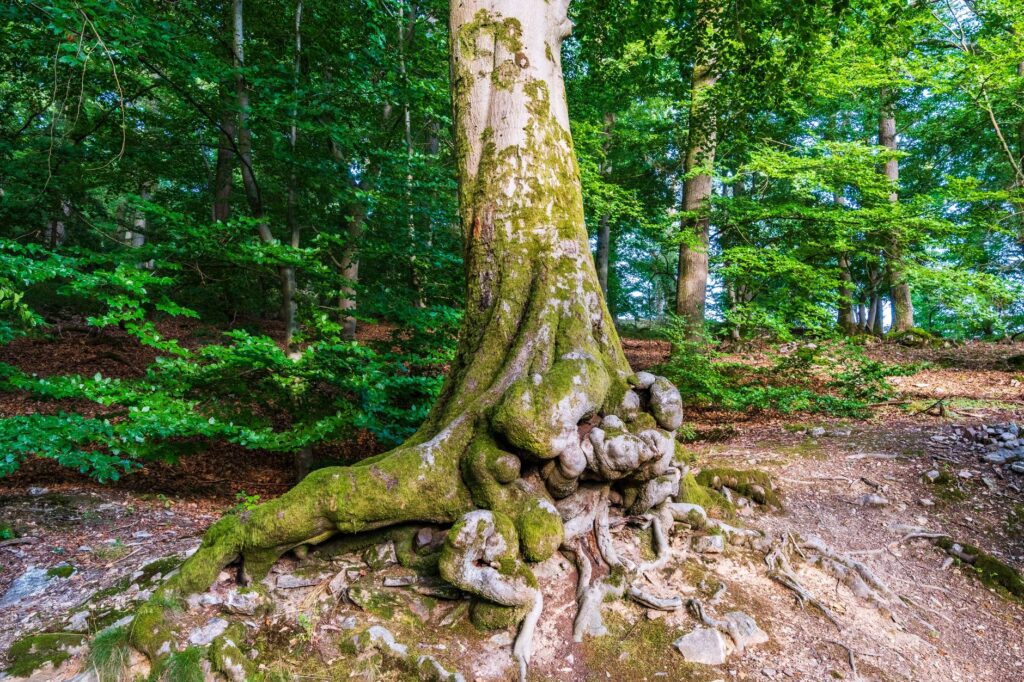
A tree is one of the few things on a Middletown lot that slows rain, soaks it up, and releases it gently, all without a pump or a pipe. The canopy intercepts the first rush, the soil stores what gets through, and the roots move it along between storms. Protecting that system costs far less than replacing it with drainage hardware.
Call a certified arborist if you see standing water around a trunk that lingers, new soil heaving or leaning after a storm, large trees whose roots have been cut for grading or a new patio, or declining canopies in a part of the yard that stays wet. A professional can check root condition, soil, and structure and tell you whether a tree is a stormwater asset or a storm risk.
For larger projects near streams, wetlands, or the Bayshore, check local rules first. The Monmouth County Park System is a good place to see what well-managed woodland looks like, and your township office can tell you which permits apply to work near regulated areas.
The next time a nor’easter rolls through, take a minute to stand under your biggest tree and notice how much drier it is. That is infrastructure, and it deserves some care.
Photo credits: Featured image by Katarzyna Modrzejewska on Pexels; Section 1 by Arron McCrory on Pexels; Section 2 by Gosia K on Pexels; Section 3 by Greta Hoffman on Pexels; Section 4 by Inky Torex on Pexels; Section 5 by Carsten Ruthemann on Pexels; Section 6 by Brixiv on Pexels; Section 7 by Masood Aslami on Pexels.