Middletown's #1 Tree Expert Company
FREE Inspection & Estimate | Certified Arborists | Trimming, Pruning, Removal, More!
Sponsored
The Deadwood You Can't See Until the Leaves Drop
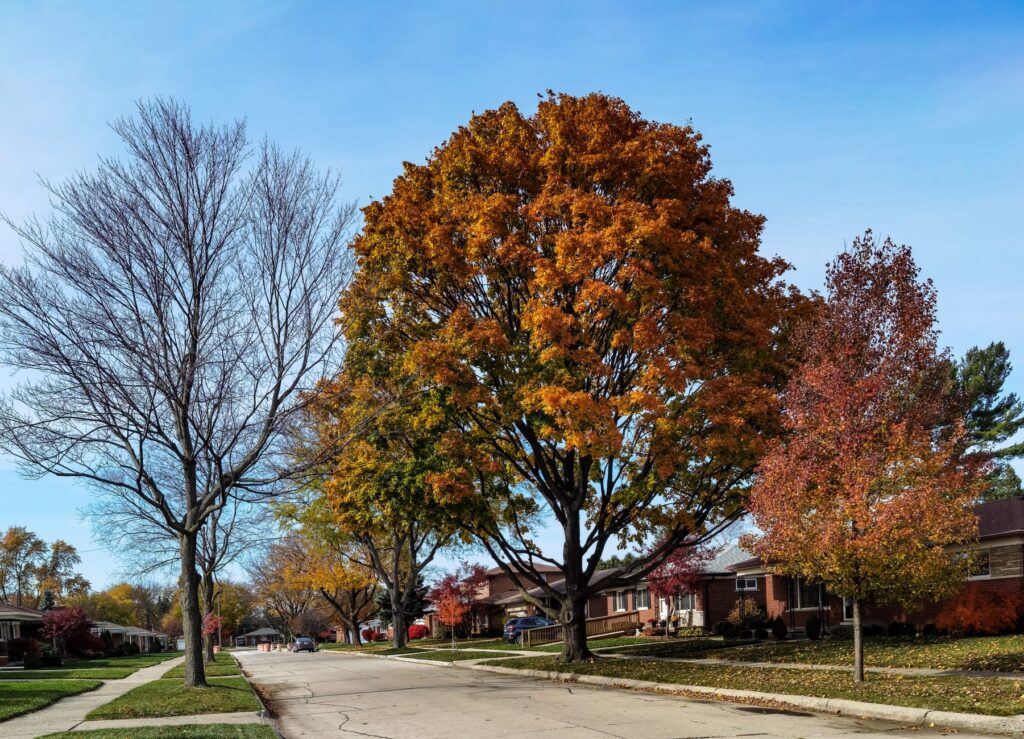
Right now, in early October, Middletown’s canopy still looks mostly full. Oaks along Kings Highway and the sweetgums around Thompson Park haven’t started their real color turn yet, and from the driveway most trees read as healthy. That’s exactly the problem. A tree can carry a surprising amount of dead wood in its upper crown — branches that died back in July’s heat or during last winter’s cold snap — and the surrounding live leaves hide it almost completely until the whole canopy drops in November.
Deadwood doesn’t wait for a storm to become a hazard; it’s a hazard the moment it stops being supported by living tissue. What a storm does is supply the wind load that finally breaks a weak attachment that’s been failing quietly for a year or more. The weeks before Middletown’s nor’easter season ramps up are the best window to actually look for it, while there’s still just enough leaf cover gone at the tips to spot the outline of a dead limb against a living one, and before the first real coastal storm puts it to the test.
Why Trees Carry Dead Branches in the First Place
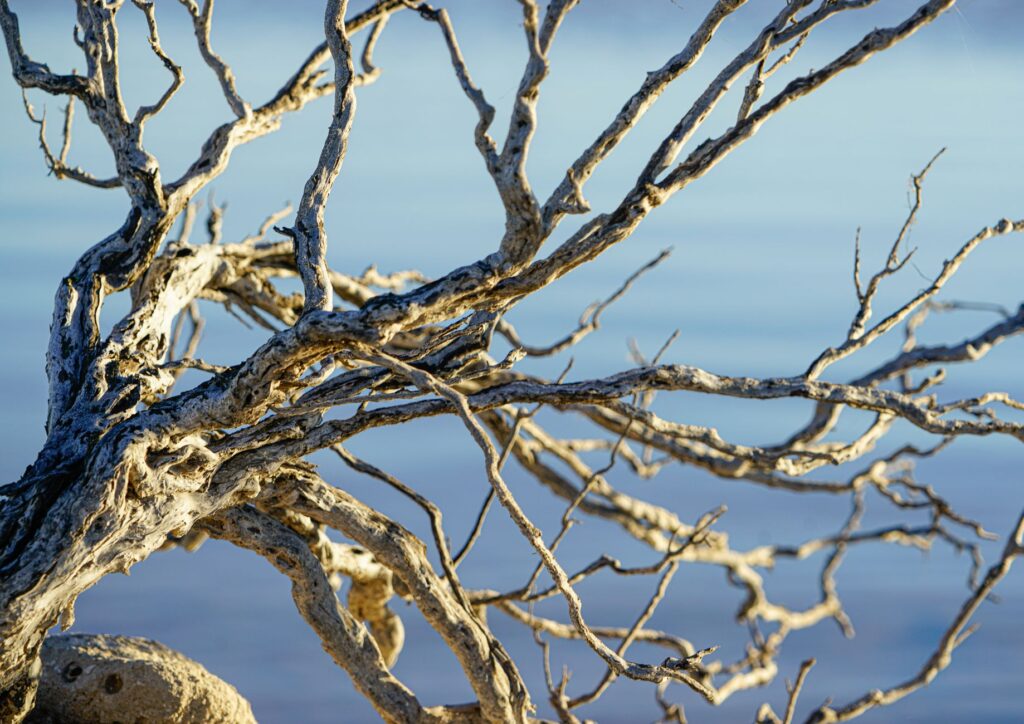
A tree doesn’t keep every branch it ever grows. When a limb stops pulling its weight — too shaded by the branches above it, damaged by a past storm, or starved during a drought year — the tree can wall it off at the base and effectively abandon it rather than keep feeding it. That’s a normal, even healthy process called self-pruning. The problem for homeowners is that an abandoned branch doesn’t fall right away. It can hang on, drying and losing structural integrity, for one season or several, long after the tree has stopped supporting it.
Monmouth County’s weather whiplash over the last couple of years hasn’t helped. A wet spring followed by a dry, hot stretch in July and August stresses the outer and upper crown first, since those branches are furthest from the root system’s water reserves and get hit hardest by heat and wind exposure. USDA Forest Service research on urban forest health consistently links this kind of cumulative seasonal stress to elevated branch dieback the following year — which is a big part of why a tree that looked fine last October can be carrying noticeably more deadwood this October.
Species matters too. Pin oak and red maple, both common street and yard trees in Middletown, tend to self-prune more aggressively than species like American beech, meaning homeowners with oaks and maples should expect to find some deadwood as a matter of course rather than treating every dead twig as an emergency.
Reading the Crown From the Ground

You don’t need to climb anything to do a useful first pass. Pick a clear day, stand back far enough to see the whole crown outline, and look for branches that are out of sync with the rest of the tree: bare tips surrounded by leafed-out neighbors, bark that’s gone gray, flaky, or started sloughing off in patches, and a silhouette that looks jagged or snapped-off rather than tapering naturally to a point.
A few specific signs are worth training your eye on:
- No leaf flush at the tips — a live branch should have leaves all the way out to the ends; a dead one is often bare at the tip even when the rest of the tree is full.
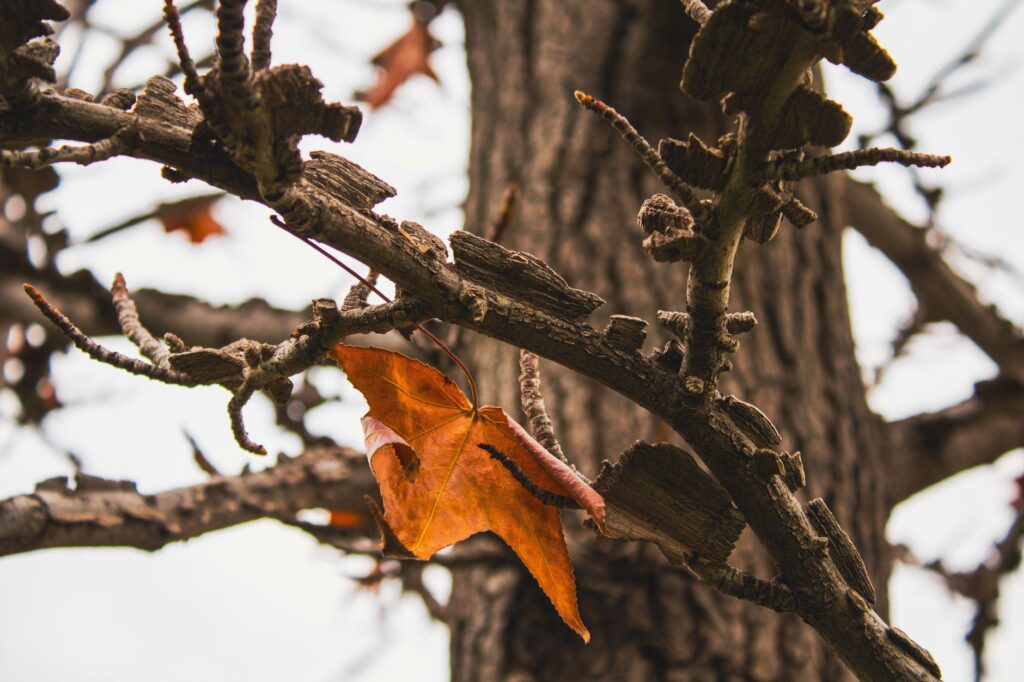
- Hanging or missing bark — live branches hold their bark tightly; dead ones lose it in sheets, exposing dry wood underneath.
- Brittle, dry snap — a fallen twig from a dead branch snaps cleanly and dry; a live one bends and shows green or moist tissue inside.
- Fungal brackets or conks — shelf-like fungal growths on a limb or the trunk below it usually mean decay has been active for a while, not that it just started.
Binoculars genuinely help here — a lot of deadwood sits 30 or 40 feet up, well above what you can assess accurately with the naked eye from the ground. The ISA’s hazard tree identification guide is a solid reference for homeowners who want a fuller checklist of warning signs beyond deadwood alone, including cracks, cavities, and lean.
Middletown's #1 Tree Expert Company
FREE Inspection & Estimate | Certified Arborists | Trimming, Pruning, Removal, More!
Sponsored
Why October and November Are the Real Risk Window Here
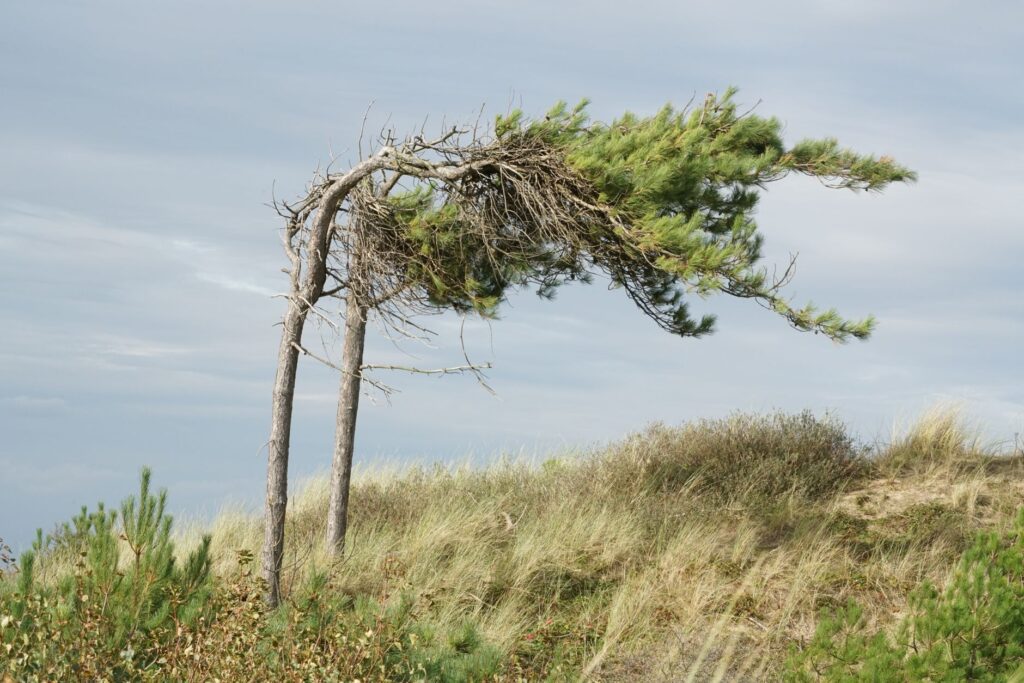
Middletown’s worst tree-failure weather generally arrives in a specific sequence: a wet fall that saturates the clay-loam soil, followed by a nor’easter with sustained wind that catches trees still carrying a near-full canopy. A full canopy in late October or November means more surface area for wind to grab, at the exact moment root anchorage is weakest from saturated ground — a combination USDA Forest Service storm-damage research flags as one of the more reliable predictors of widespread limb failure in the Northeast.
Deadwood makes that setup worse in a specific way: a dead limb has no flexibility left. Living wood bends with gusts and sheds some of the load; dead wood doesn’t flex the same way, so it tends to be the first thing to go when a gust hits, and it often takes a chunk of healthy branch or bark with it on the way down. That’s the mechanical reason a homeowner walk-around in early-to-mid October — after the first few dead-tip branches become visible, but before a major storm arrives — tends to catch problems with real lead time.
What You Can Safely Handle Yourself
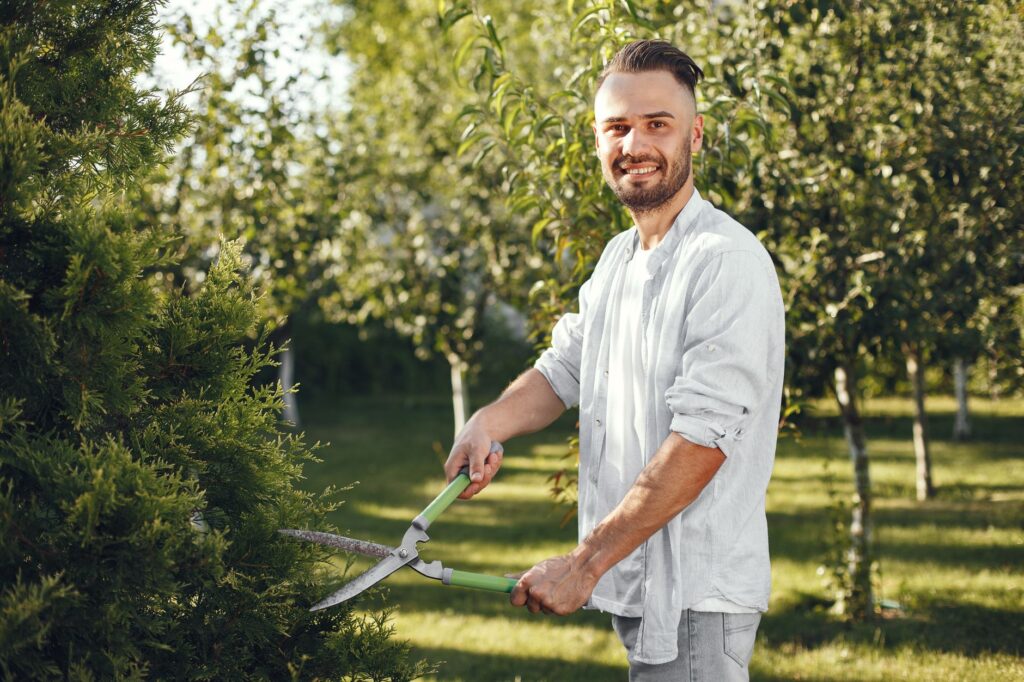
Ground-level deadwood is genuinely a DIY job within limits. If you can identify a dead branch at head height or within easy reach of a pole pruner from the ground — on a young tree, a hedge-height ornamental, or low growth on a larger tree — removing it cleanly is reasonable homeowner work. Cut just outside the branch collar (the slightly swollen area where the branch meets the trunk or a larger limb) rather than flush against the trunk, so the tree can wall off the wound properly.
What’s not a DIY job is anything requiring a ladder against the tree, a chainsaw overhead, or working near power lines. Dead wood is unpredictable under a pruning cut — it can shear unexpectedly rather than cutting cleanly — and a limb that looks small from the ground is often heavier and more awkward than it appears once you’re next to it. Tree Care Industry Association guidance for homeowners is blunt about this: elevated deadwood removal is one of the leading causes of injury in amateur tree work, precisely because the wood’s structural behavior isn’t obvious from a distance.
What a Professional Assessment Actually Adds
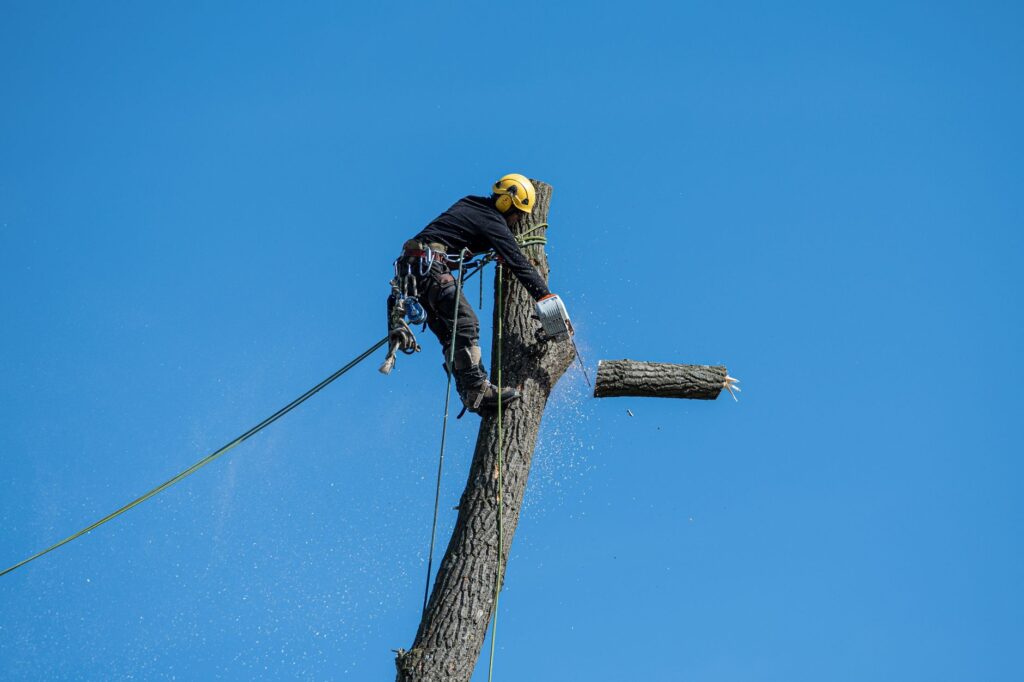
A certified arborist walking your property isn’t just looking harder at the same things — they’re assessing deadwood in context: how much total dead wood is in the crown relative to live wood, whether it’s concentrated over a target like your roof, driveway, or a neighbor’s fence, and whether the pattern suggests a broader health issue like root stress or early decay rather than normal self-pruning. That context is what turns “there’s a dead branch up there” into an actual decision about whether it needs removal this month or can wait until the dormant pruning season in late winter.
For larger deadwood — anything with real diameter, positioned over something you’d mind it landing on, or attached to a tree already showing other stress signs — a professional crew has the rigging and climbing equipment to remove it in sections rather than letting it fall freely, which matters both for your property and for the tree’s remaining branches on the way down.
Middletown's #1 Tree Expert Company
FREE Inspection & Estimate | Certified Arborists | Trimming, Pruning, Removal, More!
Sponsored
Summary: When to Call a Pro
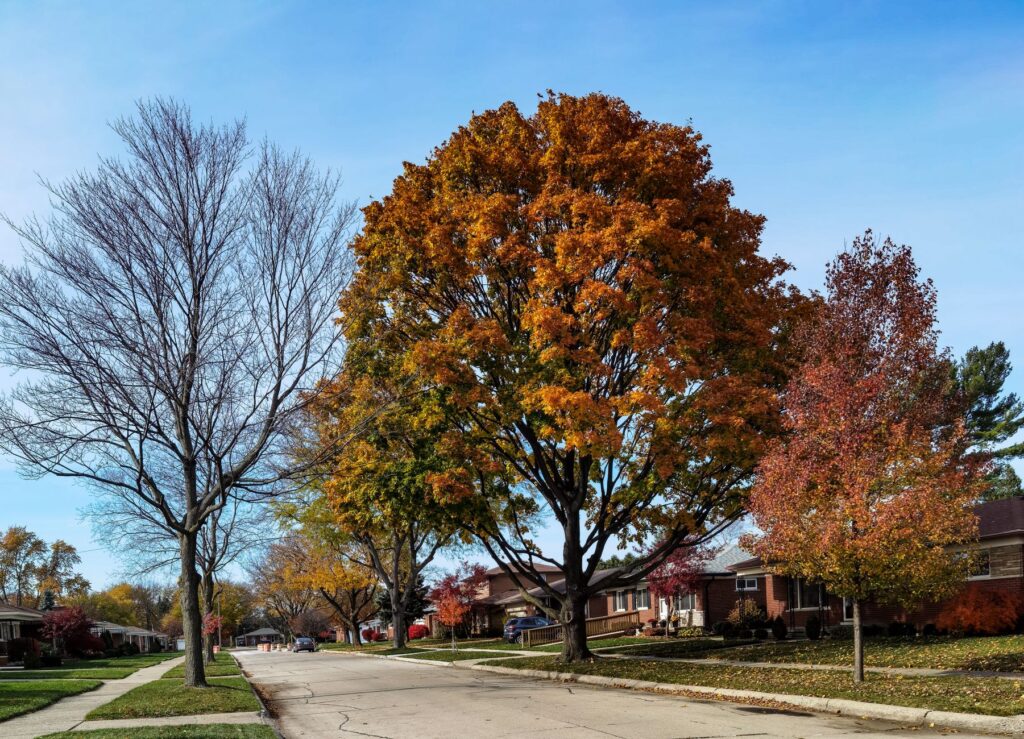
A reasonable rule of thumb: handle what you can reach from the ground safely, and get a professional opinion on anything higher, heavier, or positioned over a target you care about. If you’re seeing deadwood scattered through the upper crown of a mature tree, bark sloughing on larger limbs, or any fungal growth on the trunk or major branches, that’s worth a certified arborist’s assessment before storm season rather than after a storm forces the issue.
October’s narrow window — leaves thin enough to reveal dead branches, but before the first real nor’easter tests them — is the best time all year to get ahead of this. A tree that gets its deadwood addressed now typically goes into winter carrying meaningfully less risk than one left alone, and it’s a far cheaper problem to solve on your own schedule than on the storm’s.
Photo credits: Featured image by Tuğba on Pexels; Section 1 by Sarowar Hussain on Pexels; Section 2 by Lars H Knudsen on Pexels; Section 3 by Dylann Hendricks on Pexels; Section 4 by Marian Florinel Condruz on Pexels; Section 5 by Gustavo Fring on Pexels; Section 6 by Jacky on Pexels; Section 7 by Sarowar Hussain on Pexels.