Middletown's #1 Tree Expert Company
FREE Inspection & Estimate | Certified Arborists | Trimming, Pruning, Removal, More!
Sponsored
The Roots You Can't See Are the Ones Causing the Problem
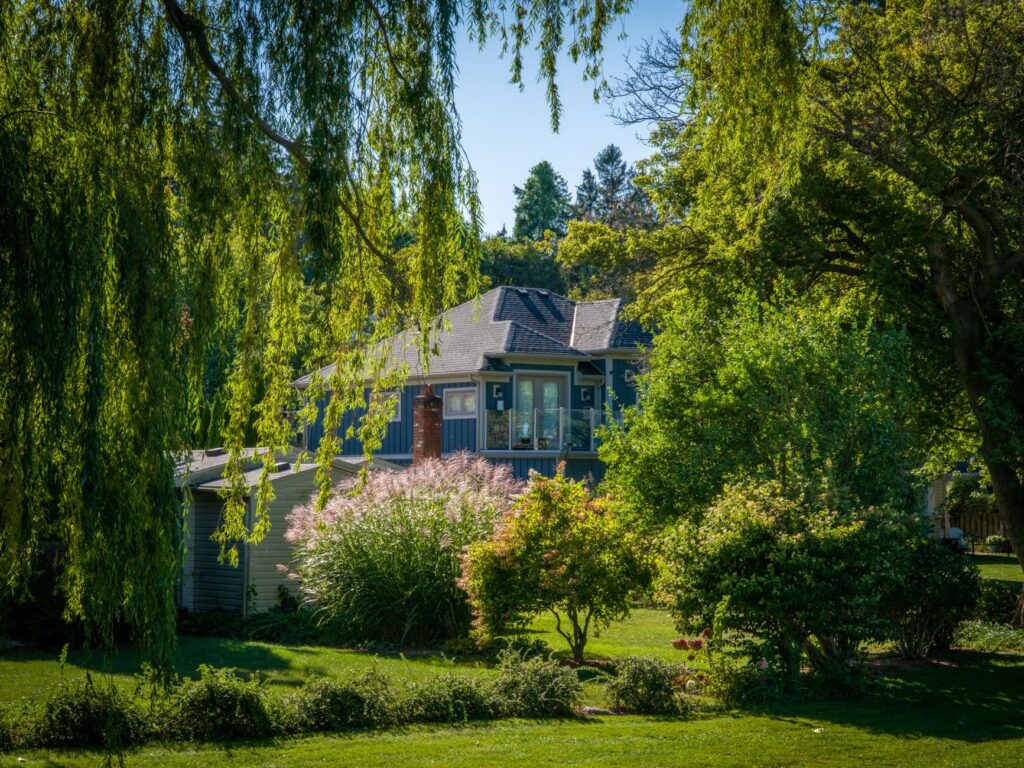
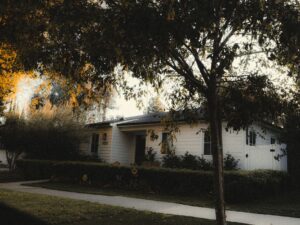
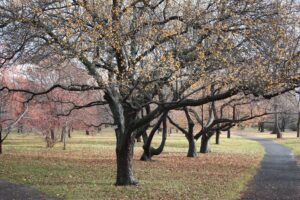
Walk any older neighborhood in Lincroft, Chapel Hill, or Belford and you’ll see the same pattern: a mature shade tree that looked fine five years ago now has thinning leaves, dead twigs at the crown, or bark that’s started to split near the base. The homeowner waters more, fertilizes, maybe even worries about a disease. But the actual problem is usually six inches underground, wrapped around the trunk, and completely invisible from where anyone’s standing.
Roots don’t announce themselves the way a cracked limb or a fungal conk does. A girdling root, a buried root collar, or three feet of compacted clay-loam left behind by a driveway crew can choke a tree slowly for a decade before the canopy shows it. By the time the symptoms are obvious above ground, the damage below has usually been building for years. That’s the gap an arborist tool called an air spade was built to close — and it’s worth understanding, because it changes what an honest diagnosis actually looks like.
What an Air Spade Actually Does
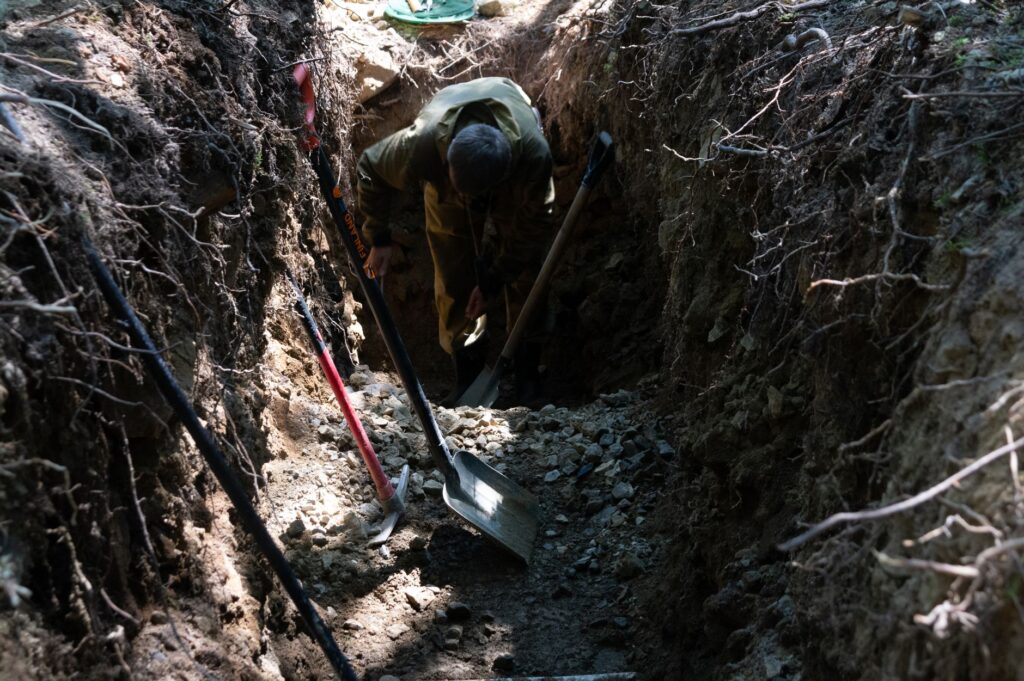
An air spade (sometimes called an air knife or air excavation tool) looks unremarkable — a handheld nozzle connected to a compressor — but it does something a shovel physically can’t. It fires a supersonic jet of compressed air into the soil, breaking apart dirt particles and blowing them clear of the hole while leaving roots, cables, and utility lines completely untouched. There’s no blade, no digging edge, nothing that can slice through a root the operator didn’t see coming.
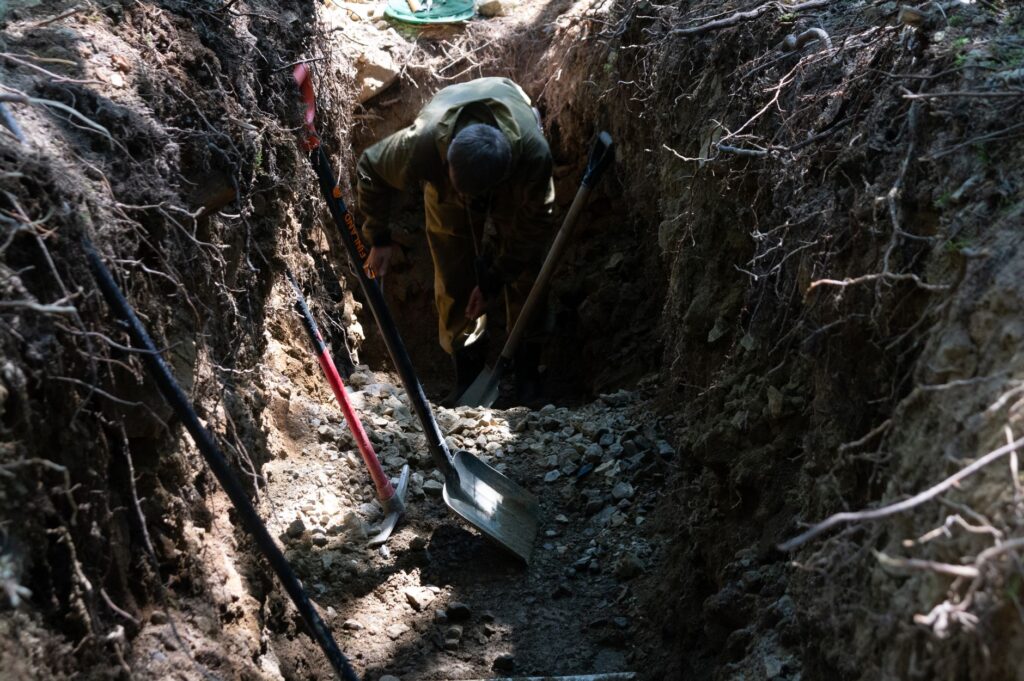
That distinction matters more than it sounds. A shovel or a mini-excavator will happily cut through a two-inch root without slowing down, and every root lost is a real reduction in the tree’s capacity to take up water and anchor itself. The Tree Care Industry Association lists air excavation among the standard tools for root-zone work precisely because it lets an arborist see structural problems — girdling roots, decay pockets, a buried root collar — without creating new ones in the process of looking.
Why So Many Middletown Trees Have Buried or Strangled Roots
Middletown’s clay-loam soils compact hard, and they don’t forgive much. A driveway regrade, a new patio, or even a few seasons of heavy equipment parked on the lawn during a home addition can compress the top foot of soil enough to cut off oxygen to fine roots. Trees respond by growing fewer, shallower roots exactly where they need more.
The other common culprit is planting depth. A tree set too deep at installation, or one that’s had mulch piled against its trunk year after year (the “mulch volcano” problem), often develops adventitious roots at the wrong level. Some of those roots curve back toward the trunk instead of out into open soil, and as both the root and the trunk thicken with age, the root eventually girdles — strangling the tree’s own vascular tissue from the inside. It’s slow, and it’s common, especially on street trees and anything planted within the last twenty years across newer Middletown developments near Port Monmouth and the Bayshore corridor. USDA Forest Service urban forestry guidance flags construction-related soil compaction and improper planting depth as two of the most common preventable causes of decline in landscape trees.
Middletown's #1 Tree Expert Company
FREE Inspection & Estimate | Certified Arborists | Trimming, Pruning, Removal, More!
Sponsored
What an Arborist Is Actually Looking For
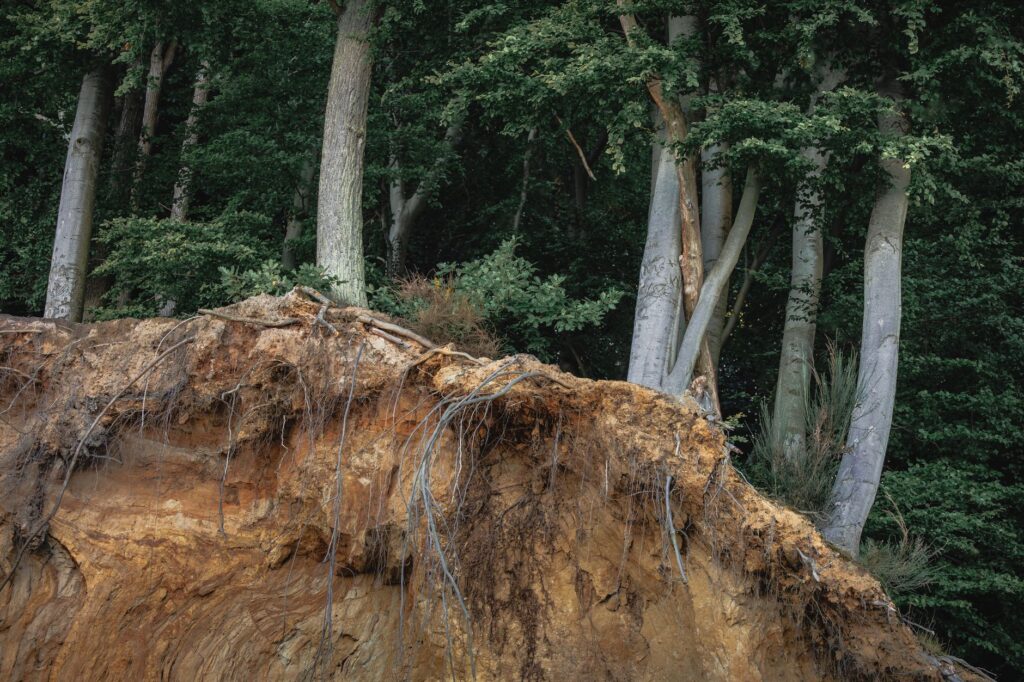
Once the soil is cleared away with the air spade, an ISA-certified arborist is checking a short list of specific things, not just poking around. First: is the root collar — the flare where trunk tissue transitions into root tissue — actually visible, or is it buried under grade? A buried collar traps moisture against bark that isn’t built to handle it and is one of the more reliable predictors of trunk decay later on.
Second: are there girdling roots pressing into the trunk or into other structural roots, and if so, how deep and how many? A single girdling root discovered early can sometimes be cut away with minimal impact. Several, wrapped tightly around a trunk that’s been growing for fifteen years, is a harder problem and sometimes not one that can be fully corrected.
Third: what does the soil itself look like? Air spading exposes a cross-section of the root zone, and a trained eye can spot the difference between healthy, aerated loam and the dense, oxygen-starved clay that’s common after construction. That distinction drives everything about the treatment plan that follows.
What Happens After the Roots Are Exposed
Diagnosis is only half the job. Once girdling roots or a buried collar are confirmed, an arborist will typically:
- Prune away girdling roots that are actively constricting the trunk, using clean cuts that won’t invite decay organisms in
- Backfill with an amended, aerated soil mix instead of the original compacted fill
- Cut radial trenches outward from the root zone to relieve compaction in the surrounding soil without disturbing the roots inside them
- Apply a proper mulch ring — a few inches deep, pulled back from the trunk — to protect the newly exposed root zone through the winter
None of this reverses years of stress overnight. A tree that’s been fighting compacted soil or a girdling root for a decade won’t bounce back in a season. But relieving the mechanical problem gives the tree room to actually use the water, nutrients, and energy it’s already producing, instead of losing a growing share of it to a root system that’s working against itself. The Rutgers NJAES Soil Testing Lab is a useful next step here too — knowing the actual composition and compaction of the soil around a stressed tree helps target the amendment instead of guessing at it.
When It's Worth Doing — and When It Isn't
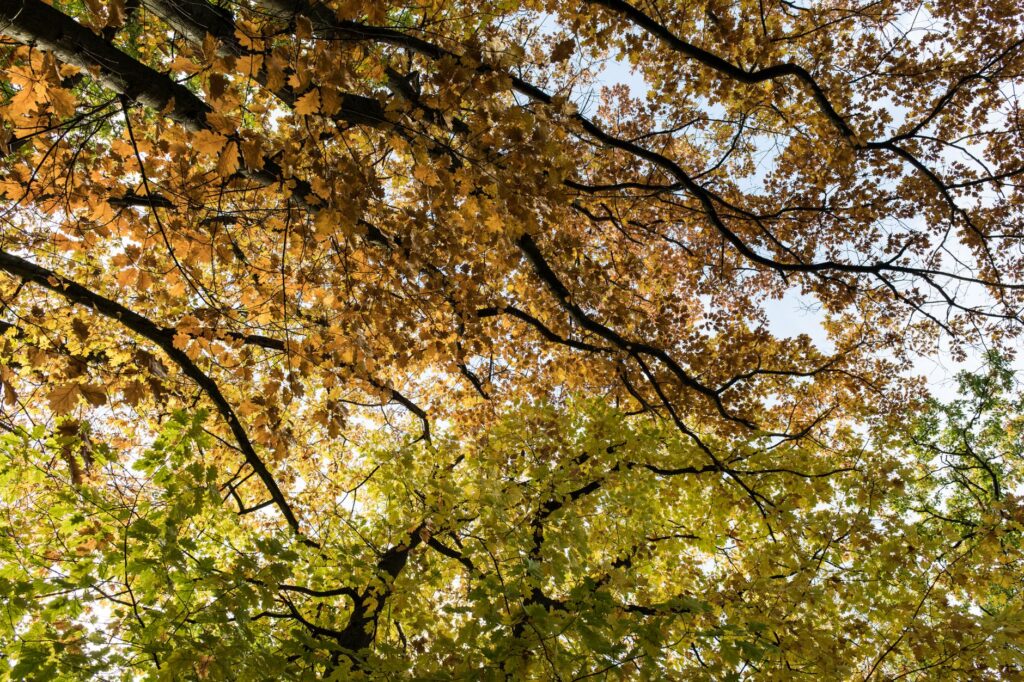
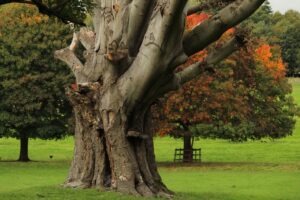
Air spading isn’t a routine maintenance step, and it isn’t cheap enough to justify on a tree that’s healthy and growing normally. It earns its cost on trees that are declining for reasons nobody can pin down above ground: a mature white oak (Quercus alba) with unexplained crown thinning, a red maple (Acer rubrum) near a driveway that was recently repaved, or any tree that had heavy equipment working near its root zone within the last five years.
It’s also worth far less on a tree that’s already in advanced decline from other causes — extensive internal decay, a failed leader, or root loss so severe that structural stability is already compromised. In those cases, exposing the roots mostly confirms what a trained eye can already see from the canopy, and the money is better spent on a full risk assessment instead. The International Society of Arboriculture recommends getting an assessment from a certified arborist before committing to any root-zone treatment, precisely so the diagnosis drives the decision instead of the other way around.
Middletown's #1 Tree Expert Company
FREE Inspection & Estimate | Certified Arborists | Trimming, Pruning, Removal, More!
Sponsored
When to Call Someone Out to Look
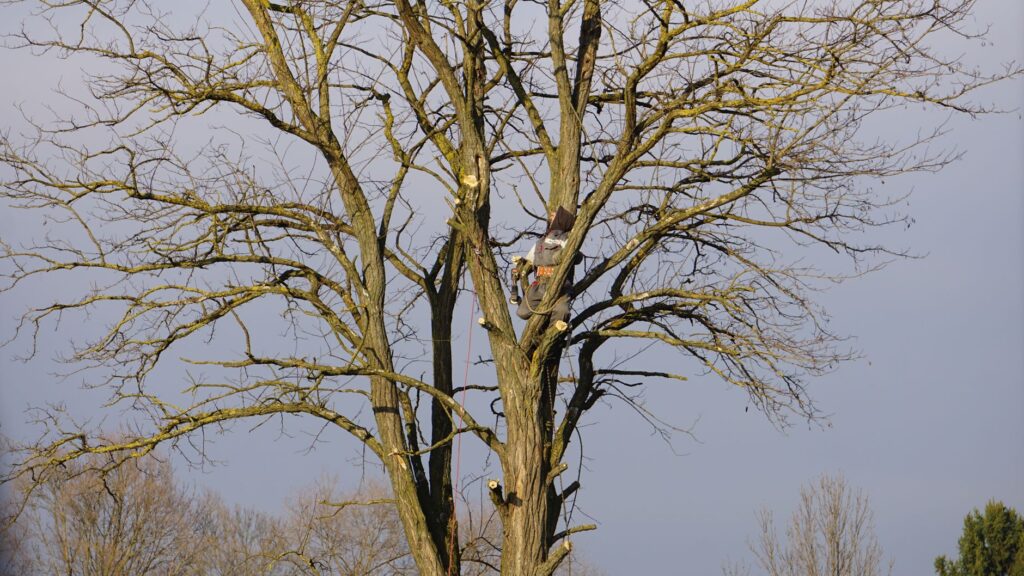
If a tree near a driveway, addition, or regraded yard has started showing thinning leaves, early fall color, or dieback at the tips of the crown — and there’s no obvious pest or disease explanation — the root zone is worth a look before anything else. That’s true whether the tree is twenty years old or a hundred; roots don’t get more forgiving with age, and a tree that’s spent decades building a canopy has that much more to lose from a problem that’s been quietly working underground the whole time.
A certified arborist can usually tell within a short site visit whether a root-zone problem is even likely, and whether air spading would actually change the outcome or just confirm a diagnosis that’s already clear from the canopy. Either way, it’s a far better use of the visit than guessing from the surface.
Photo credits: Featured image by Plato Terentev on Pexels; Section 1 by Ali Soheil on Pexels; Section 2 by Plato Terentev on Pexels; Section 3 by Collab Media on Pexels; Section 4 by Serhii Barkanov on Pexels; Section 5 by Ron Lach on Pexels; Section 6 by Wolfgang Weiser on Pexels; Section 7 by Dmytro Glazunov on Pexels.