Middletown's #1 Tree Expert Company
FREE Inspection & Estimate | Certified Arborists | Trimming, Pruning, Removal, More!
Sponsored
The Permit Is Only Step One
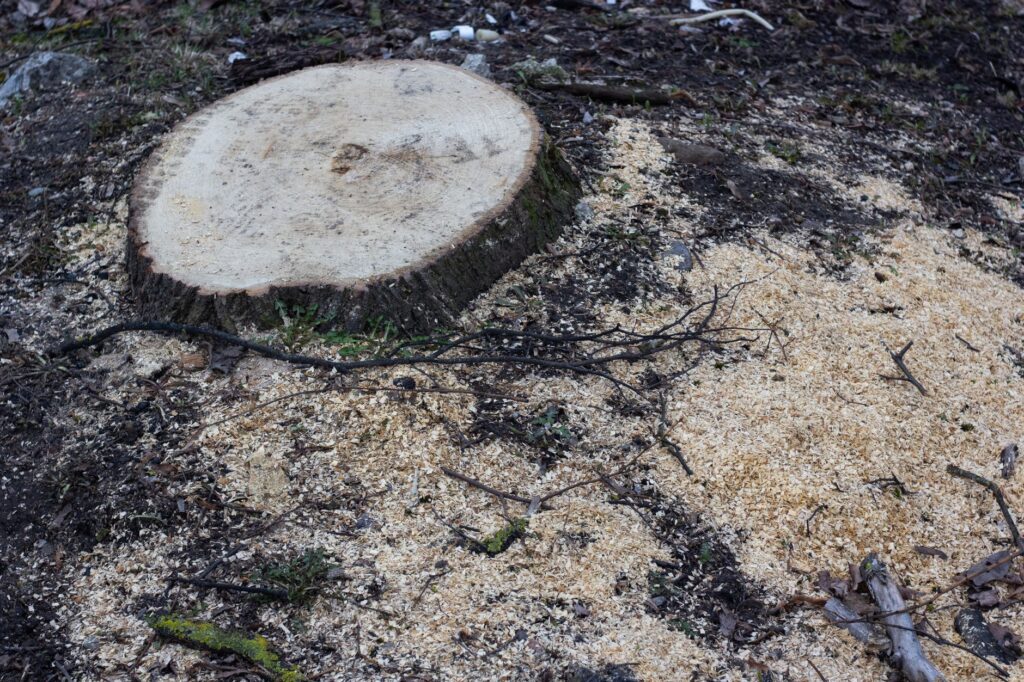
A Lincroft homeowner called me last fall thinking she was finished. She’d measured her declining pin oak (Quercus palustris) at just over 22 inches diameter at breast height, filed her application through the township’s permitting portal, gotten her approval letter, and had the tree taken down before the ground froze. Six months later, a code enforcement notice showed up in her mailbox. She hadn’t planted a replacement tree, and under Middletown’s tree ordinance, that wasn’t optional.
This is the part of Middletown Township’s tree removal process that catches even careful homeowners off guard. The permit application — survey, tree location, diameter measurement, review — gets most of the attention because it’s the step that happens before the chainsaw. But for a lot of properties, the ordinance’s second half, the replacement requirement, is the one that actually determines whether the process is complete. Skipping it isn’t a paperwork oversight; it’s an open violation that can sit on a property indefinitely.
What Actually Triggers Replacement
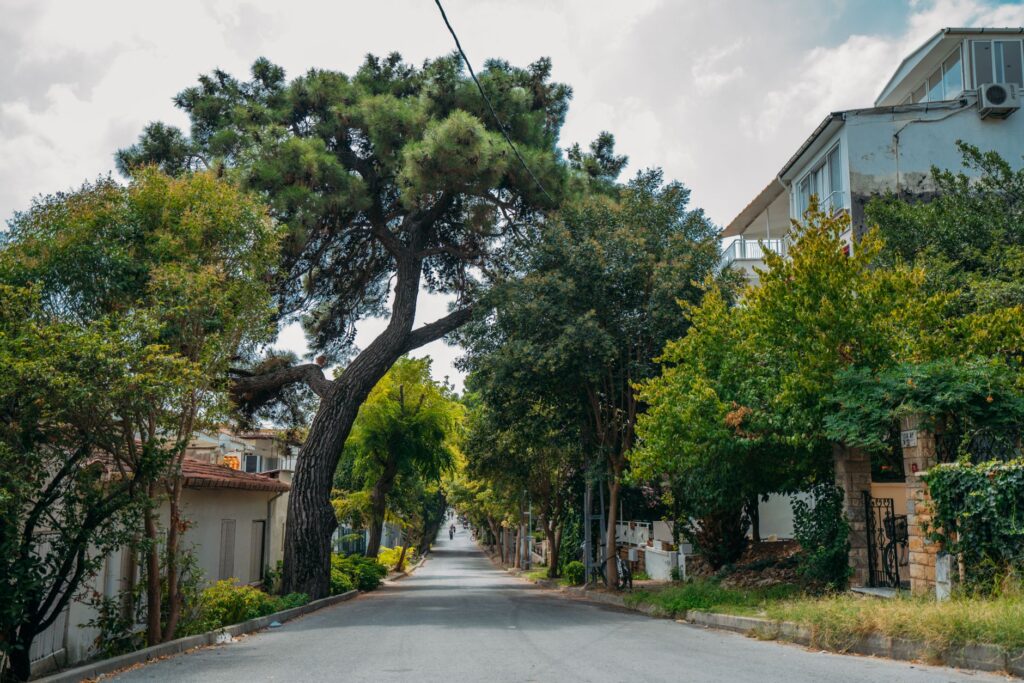
Middletown’s tree ordinance draws a distinction that matters more than most homeowners realize: a shade tree on private property is treated differently than a street tree growing in the municipal right-of-way. According to Middletown Township’s tree removal regulations, residential lots of 10,000 square feet or smaller are generally exempt from the shade tree replacement requirement — a carve-out that covers a large share of the township’s smaller in-town lots in places like Lincroft and North Middletown. But that exemption does not extend to street trees. If the tree that comes down is the one between the sidewalk and the curb, a replacement is required regardless of lot size, because that tree was never really the homeowner’s alone — it’s part of the township’s shared canopy.
The ordinance also sets minimum thresholds below which a tree doesn’t count as regulated stock at all: street trees under 2.5 inches in diameter, shade trees under 24 inches, and evergreens under 10 feet in height. A dying arborvitae hedge or a spindly volunteer maple usually falls outside the ordinance entirely. It’s the larger, established trees — the ones doing the most cooling, stormwater absorption, and habitat work — that carry the replacement obligation when they come down.
The Exemptions Most Homeowners Actually Use
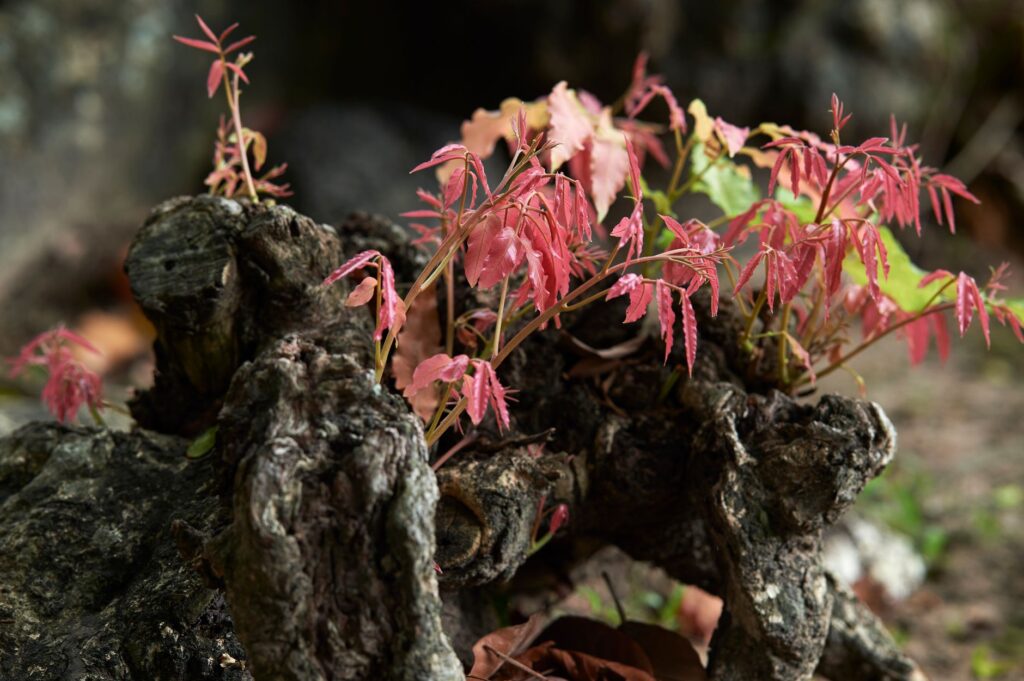
Not every approved removal requires a replacement planting, and the exemption list is worth knowing before you assume the worst. Middletown’s ordinance excuses replacement for confirmed hazard trees — dead, dying, diseased, or structurally compromised specimens documented as part of the application. It also exempts trees removed because they’re a confirmed invasive species, with Tree of Heaven (Ailanthus altissima) named specifically given how aggressively it colonizes disturbed Bayshore-area soil. Homeowners cutting a limited amount of firewood for personal use, forest management operations, utility or septic system work, and emergency removals after storm damage are also carved out.
Where homeowners get tripped up is assuming a routine removal — an oak that’s simply gotten too big for the yard, or a tree that’s dropping more than the homeowner wants to clean up — falls under one of these exemptions by default. It doesn’t. Without a documented hazard determination or another qualifying exemption on file with the application, the replacement clock starts running the day the permit is issued, not the day someone gets around to planting.
Middletown's #1 Tree Expert Company
FREE Inspection & Estimate | Certified Arborists | Trimming, Pruning, Removal, More!
Sponsored
Choosing a Tree That Satisfies the Ordinance and Actually Survives
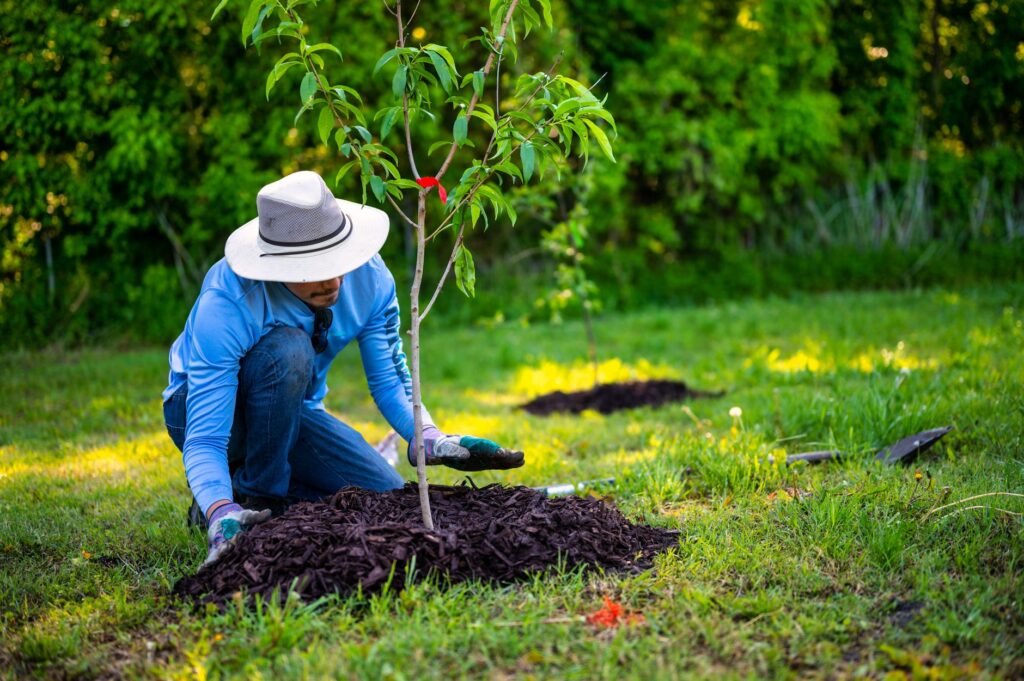
The ordinance doesn’t just require a tree in the ground — it implicitly assumes that tree will still be alive in ten years, which means species selection matters as much as compliance. Replacing a removed shade tree with another shallow-rooted, storm-prone species solves the paperwork problem and recreates the original one. Native options suited to Middletown’s clay-loam and sandy coastal soils — swamp white oak (Quercus bicolor), red maple (Acer rubrum), and American holly (Ilex opaca) closer to the Bayshore — tend to hold up better over a full replacement cycle than fast-growing ornamentals chosen purely for quick canopy.
The USDA Forest Service’s urban forestry program and the International Society of Arboriculture’s tree-selection guidance both emphasize matching mature size to the planting site before anything else — a lesson that applies directly to a required replacement planting, where the goal isn’t just satisfying an inspector but avoiding the exact conflict that triggered the original removal. A street tree replacement, in particular, needs enough clearance from sidewalks, driveways, and overhead utility lines that it won’t become next decade’s permit application.
Documentation the Township Actually Wants to See
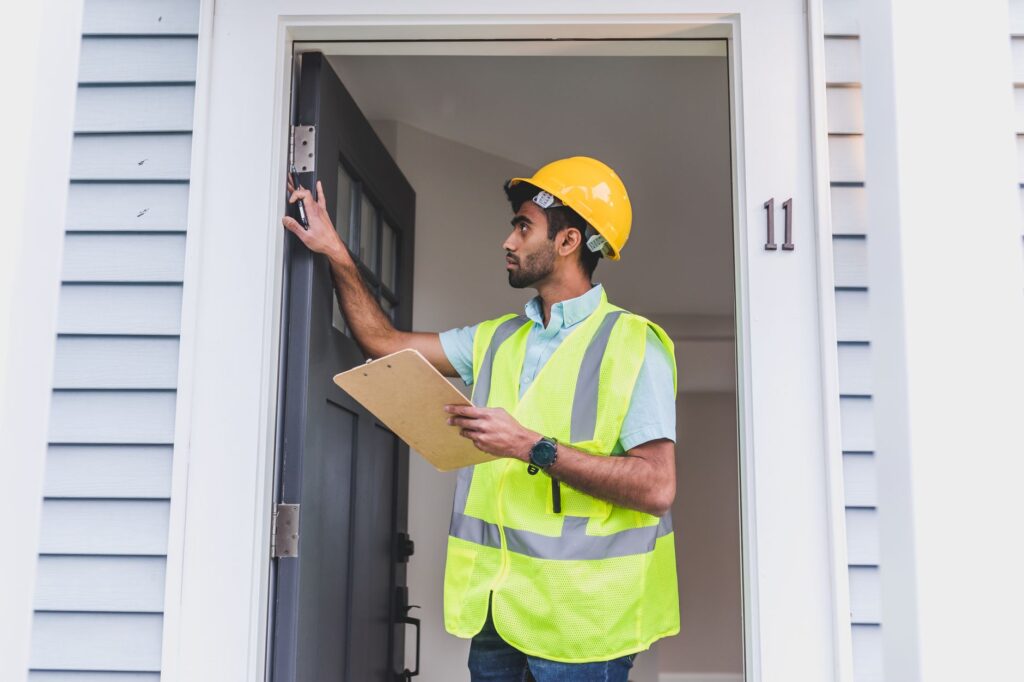
Middletown’s permitting process runs through its online SDL portal, and the application package matters more than most homeowners expect for something that feels like a formality. The township asks for a copy of the property survey with the tree’s location sketched onto it, along with photos of the tree — encouraged though not strictly required — showing the condition that justifies removal. For a hazard tree exemption specifically, that photo documentation is often what separates an approved exemption from a replacement obligation the homeowner didn’t anticipate.
Rutgers Cooperative Extension’s guidance on assessing tree health and structural risk is a useful companion here — not as a replacement for a certified arborist’s written assessment, but as a way to understand what an inspector or code officer is actually looking for when they review a hazard claim. A vague note that a tree “looks unhealthy” carries far less weight in a permit file than documented evidence of trunk decay, root plate lifting, or dieback consistent with a specific diagnosis.
What Happens If the Replacement Never Gets Planted
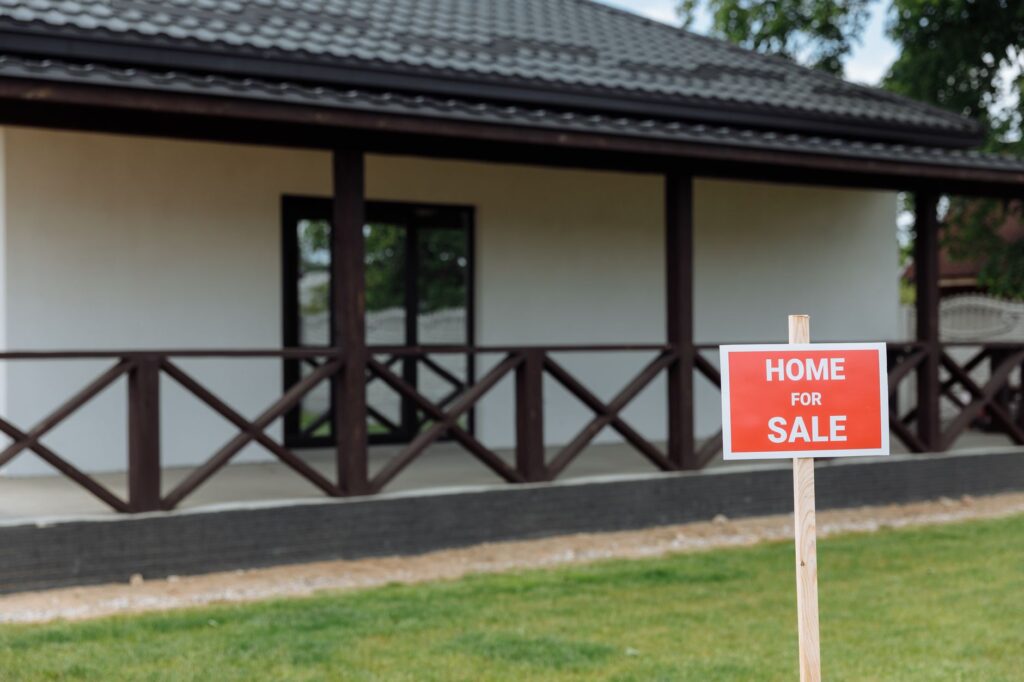
Unlike the removal itself, which is a single event with a clear before-and-after, an unmet replacement requirement is an open-ended violation. It doesn’t expire, and it doesn’t require a neighbor’s complaint to surface — it can show up during an unrelated permit application, a property sale, or a routine code enforcement sweep. Homeowners planning to sell in the next year or two are often surprised to learn that an outstanding tree replacement obligation from a removal three years earlier is still attached to the property, and resolving it becomes a closing-week scramble instead of a planned spring planting.
The fix is usually straightforward once it’s identified: a compliant replacement tree, planted at appropriate size and species, closes out the file. The complication is almost always that nobody flagged it as still open. Homeowners who’ve had any tree removed under permit in the past few years — particularly a street tree — are better served checking their permit file now than finding out the way the Lincroft homeowner did.
Middletown's #1 Tree Expert Company
FREE Inspection & Estimate | Certified Arborists | Trimming, Pruning, Removal, More!
Sponsored
When to Loop In a Certified Arborist
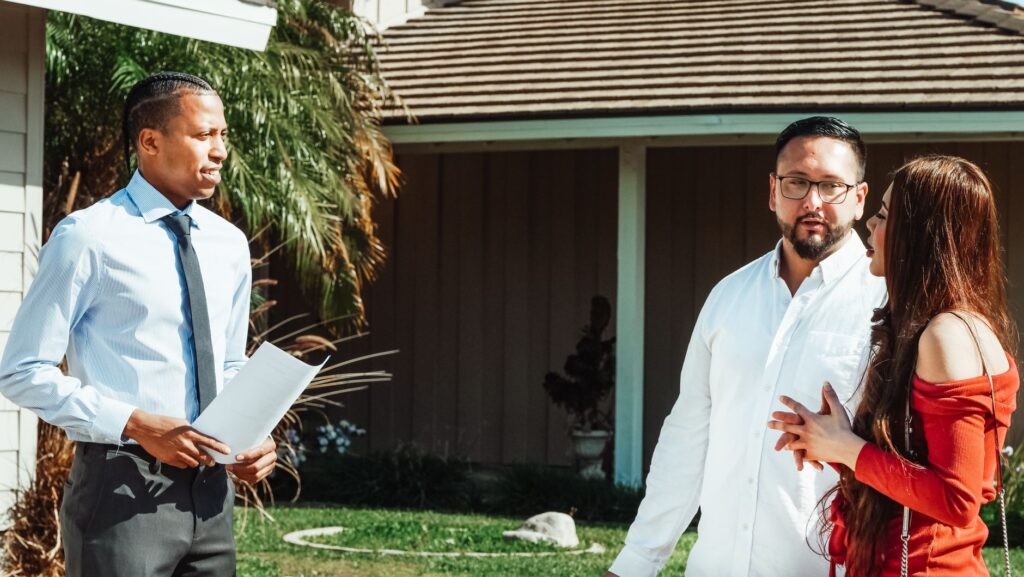
None of this requires a professional to file the initial permit application — plenty of straightforward removals go through without one. But a certified arborist earns their fee twice in this process: first, in documenting a hazard determination thoroughly enough to support an exemption if one genuinely applies, and second, in recommending a replacement species actually suited to the specific soil, sun exposure, and overhead clearance of the planting site, rather than whatever happens to be available at a big-box garden center that weekend.
An ISA-certified arborist can also help homeowners read the ordinance’s exemption categories correctly before a removal happens, which is a much better position to be in than reconstructing a hazard case after the tree is already gone. If a removal is anywhere near the threshold sizes in Middletown’s ordinance, or if there’s any ambiguity about whether the replacement obligation applies, a short consultation before filing the permit is far cheaper than a compliance notice found later.
Photo credits: Featured image by Ibrahim Boran on Pexels; Section 1 by Plato Terentev on Pexels; Section 2 by Sami TÜRK on Pexels; Section 3 by Tiểu Bảo Trương on Pexels; Section 4 by Alfo Medeiros on Pexels; Section 5 by RDNE Stock project on Pexels; Section 6 by Thirdman on Pexels; Section 7 by Kindel Media on Pexels.