
Middletown's #1 Tree Expert Company
FREE Inspection & Estimate | Certified Arborists | Trimming, Pruning, Removal, More!
Sponsored
The Loppers Are Out — But Should They Be?
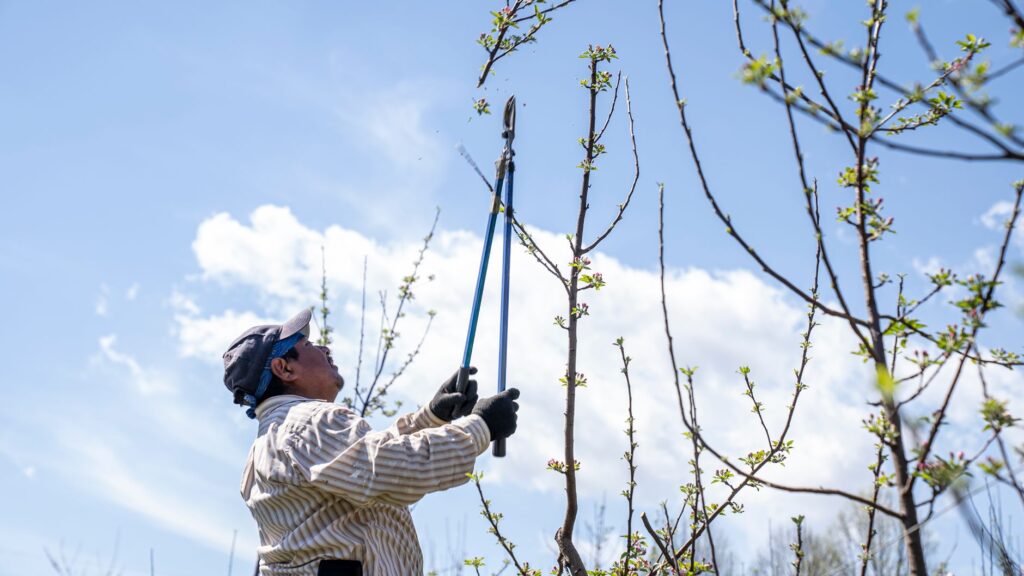
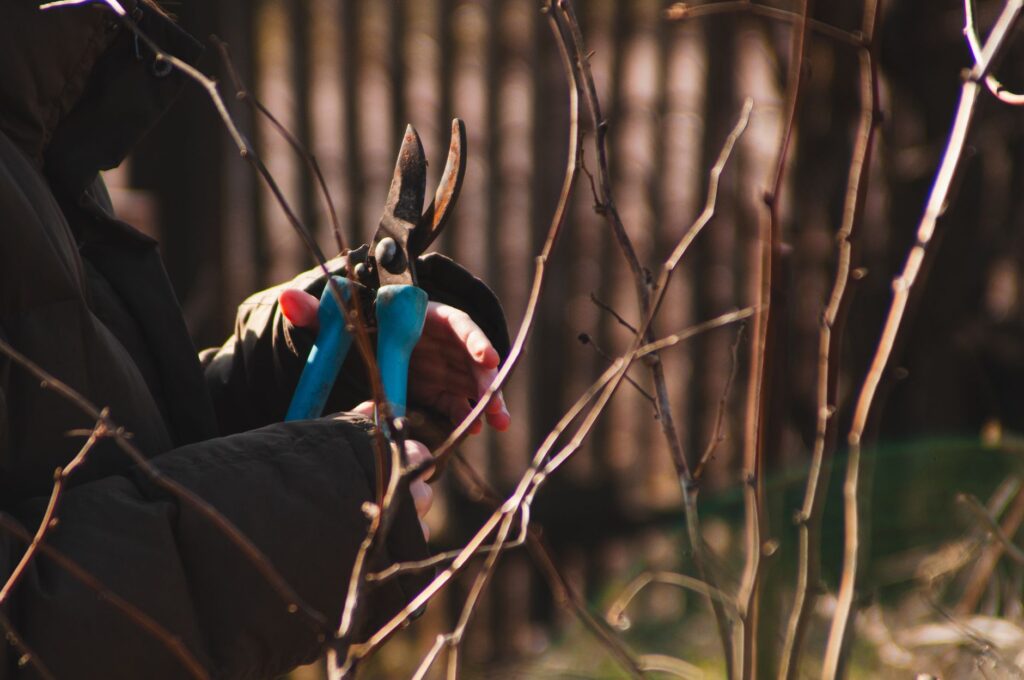
Once Labor Day passes, yard work in Middletown Township starts to feel like storm prep. Gutters get cleared, patio furniture gets tied down, and a lot of homeowners walk the property with a pair of loppers, eyeing that long limb on the red maple that’s been bothering them all summer. With nor’easter season creeping closer along the Bayshore, tidying up the canopy feels like the responsible thing to do before the first big blow.
Here’s the catch: for most live, healthy branches, September is one of the worst weeks of the year to make that cut. It’s not about the tree looking messy — it’s about what’s happening underneath the bark right now, and how that biology intersects with a very active period for wood-rotting and canker fungi in New Jersey. Understanding why the timing matters helps separate the pruning that genuinely needs to happen before a storm from the kind that’s better left until the tree is fully asleep.
Why a September Wound Closes So Slowly
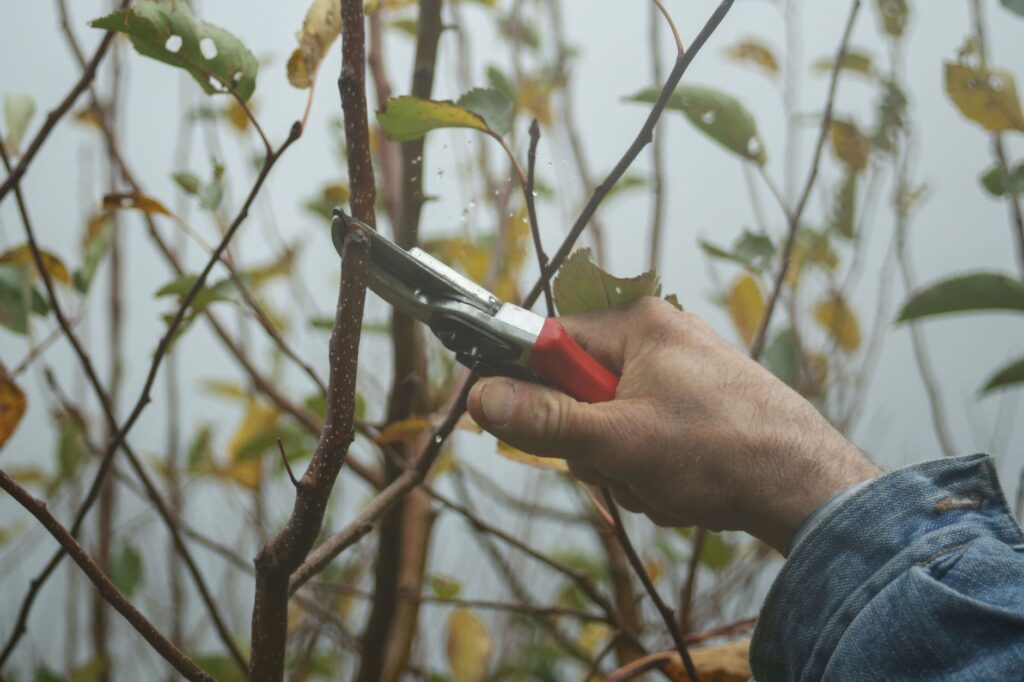
A tree doesn’t heal a wound the way skin does — it walls it off. This process, called compartmentalization, relies on the tree actively generating new wood and chemical barriers around the cut to keep decay organisms from spreading into the trunk. That takes energy, and by September, most of a Middletown tree’s energy budget has already shifted away from active growth and toward building carbohydrate reserves in the roots for winter and next spring’s budbreak.
Cuts made outside the branch collar — the slightly swollen ring where a branch meets its parent stem — close fastest, because that’s where the tree concentrates its defensive chemistry. Rutgers NJAES’s pruning guidance is built around protecting that collar for exactly this reason. But collar placement only controls how well a wound closes, not how fast. Research on compartmentalization published through the International Society of Arboriculture has shown that wound response varies significantly by season and even by branch angle, with late-season cuts generally producing slower callus formation than cuts made during peak growth in late spring and early summer.
In practice, that means a September pruning cut can sit open and exposed for weeks before the tree makes meaningful progress sealing it — right through the wettest stretch of the New Jersey calendar.
Fall Rain Turns Cuts Into an Open Door for Disease
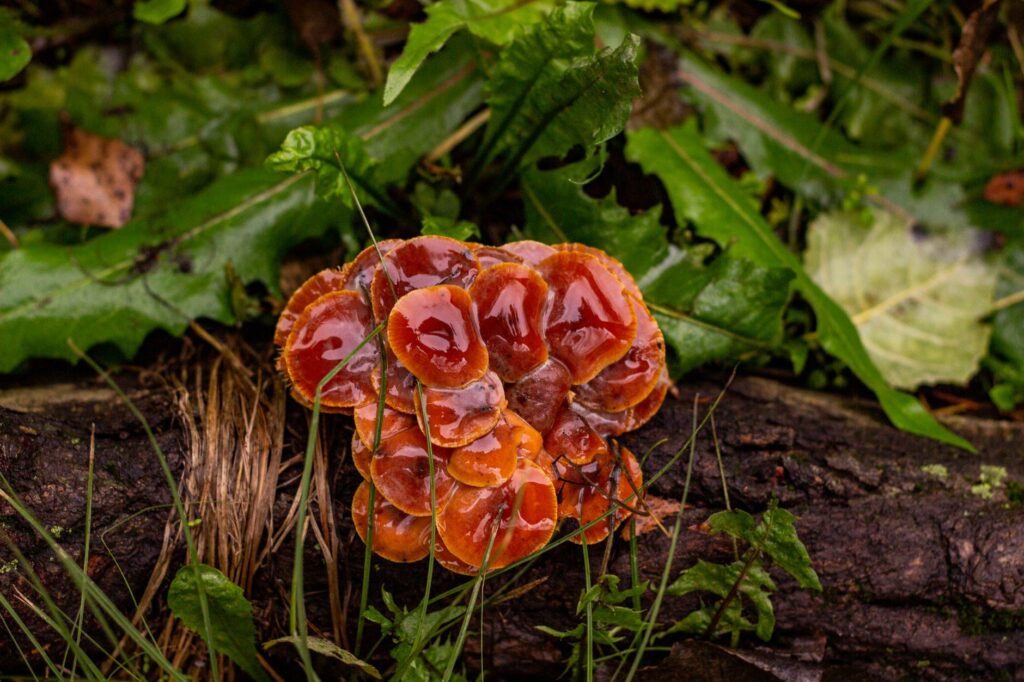
New Jersey’s fall pattern of cool, damp weather and frequent coastal storms is close to ideal for fungal spore dispersal. Several of the pathogens that cause canker disease in ornamental and shade trees — including Nectria and Black Knot — rely on exactly these conditions to infect a host, and they do it almost exclusively through fresh wounds, leaf scars, and other breaks in the bark.
Ornamental cherries and plums are especially exposed. Rutgers’ Plant & Pest Advisory notes that black knot spores are most active during rainy periods and infect through recent wounds and leaf scars, which is precisely what a September pruning cut provides. Once established, black knot produces the hard, black, tumor-like galls that disfigure a tree’s branches for years and are difficult to fully eradicate without repeated removal of infected wood.
A cut made in January, by contrast, is exposed to a fraction of the fungal activity, since most spore-producing bodies are themselves dormant or inactive in freezing temperatures. Timing isn’t a minor detail here — it’s often the difference between a wound that closes cleanly and one that becomes a long-term liability for the tree.
Middletown's #1 Tree Expert Company
FREE Inspection & Estimate | Certified Arborists | Trimming, Pruning, Removal, More!
Sponsored
The Three D's Are Always Fair Game
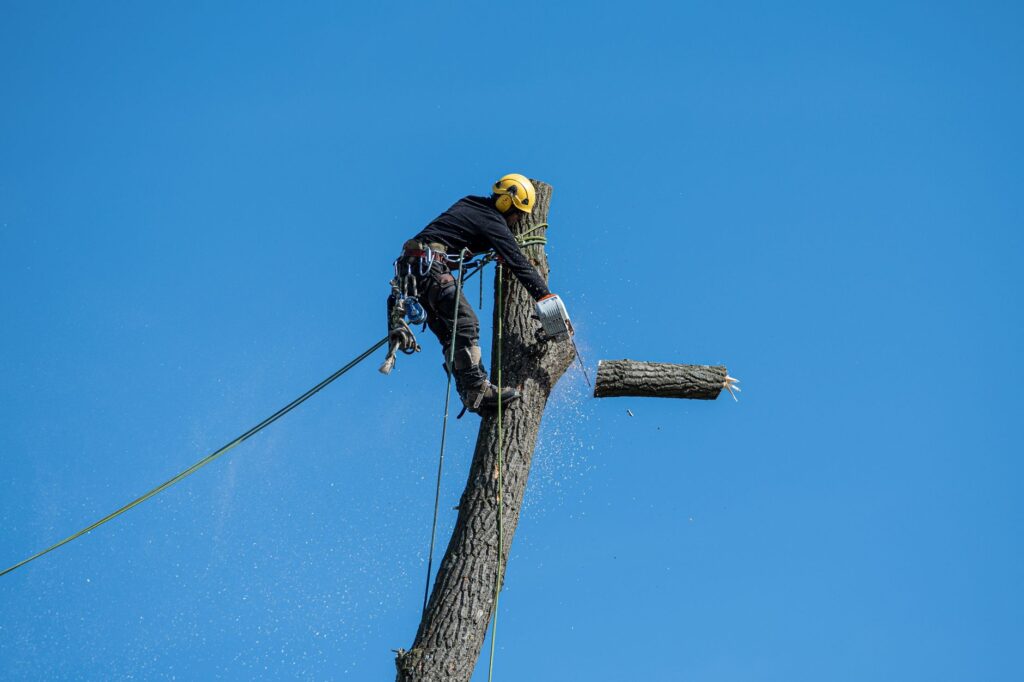
None of this means pruning shears should stay in the shed until December. Dead, damaged, and diseased wood — arborists often call these the “three D’s” — should come off whenever they’re found, regardless of season. A cracked limb hanging over a driveway or a dead branch likely to come down in the next nor’easter is a hazard now, not a problem to schedule around ideal wound-closure biology.
- Dead wood: Already non-living tissue, so there’s no active growth cycle or wound-closure timing to disrupt.
- Damaged wood: Storm-cracked or split limbs should be cleaned up to prevent tearing further into healthy wood.
- Diseased wood: Removing visibly infected material can slow the spread to healthy parts of the canopy, especially when cut well below the affected area.
The distinction that matters is between removing a genuine hazard and reshaping a healthy, living canopy. Thinning cuts, crown reduction, and structural pruning on live wood are the categories worth waiting on. Anything requiring a ladder, a chainsaw overhead, or work near power lines is also a good moment to bring in a certified arborist rather than attempting it solo — the risk of a fall or electrical contact is a separate issue from wound-timing biology, but no less serious.
Species That Take the Hardest Hit From a Bad-Timed Cut
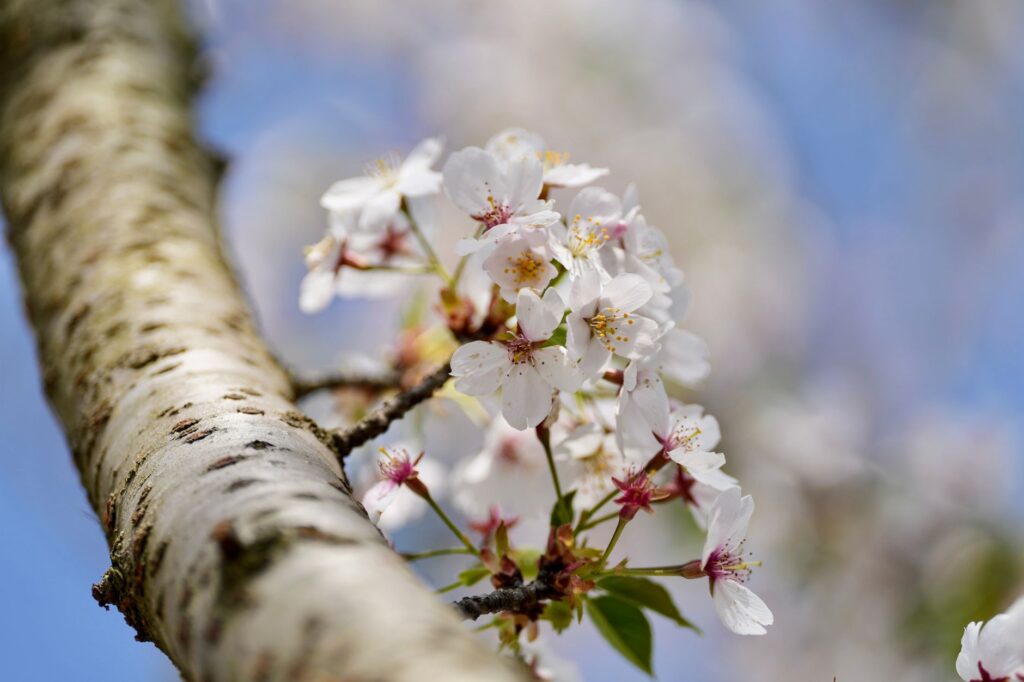
Some species common in Middletown yards are more sensitive to off-season wounding than others. Ornamental cherries, plums, and other Prunus species top the list because of their vulnerability to black knot and bacterial canker — a September cut on a flowering cherry is a real invitation to disease in a way the same cut on, say, a holly is not.
Oaks deserve their own caution, though for a different reason: beetles that can carry oak wilt fungus are drawn to the smell of fresh sap from a wound, particularly during the growing season. The highest-risk window for oak wilt transmission runs from spring into mid-summer, but because the consequence of an infected wound is so severe — oak wilt can kill a mature oak within a single season — many arborists extend their caution through early fall as well and prefer to limit oak wounding to the true dormant months whenever the cut can wait.
Thin-barked trees like beech and birch also tend to be slower to compartmentalize wounds generally, making late-season cuts riskier for them than for a tougher-barked species like a locust or a hickory.
When Does 'Dormant' Actually Arrive Near the Bayshore?

Timing dormant pruning around Middletown isn’t quite as simple as flipping a calendar page. The moderating effect of Raritan Bay keeps temperatures a few degrees warmer along Port Monmouth, Leonardo, and the rest of the Bayshore than it does a few miles inland around Lincroft or Tatum Park, which can delay both leaf drop and true dormancy by a week or two in a mild year.
The most reliable marker isn’t a date — it’s the tree itself. Once a species has dropped its leaves completely and gone through at least one hard, killing frost, it has shifted into the low-metabolism state where pruning cuts sit largely undisturbed by active fungal pressure and where the tree isn’t diverting stored energy toward closing a wound it can’t yet afford. In most years, that point arrives across Middletown Township sometime between mid-November and early December, though a warm fall can push it later.
Watching individual trees rather than the calendar also accounts for the real variation between species — a red maple often drops its leaves well before a pin oak, which can hold marcescent leaves into winter.
Middletown's #1 Tree Expert Company
FREE Inspection & Estimate | Certified Arborists | Trimming, Pruning, Removal, More!
Sponsored
The Best Pruning Move Right Now Is Patience
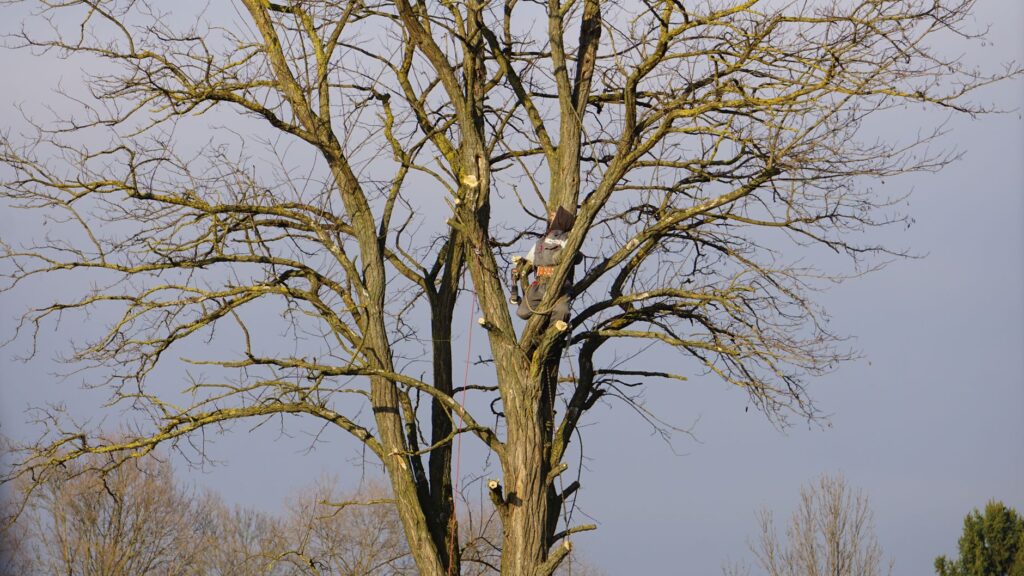
September’s real pruning job is a walk-around, not a cutting session: identify the hazards that genuinely can’t wait — the cracked limb, the dead top, the branch already separating from the trunk — and flag everything else for the dormant season ahead. That short list of true hazards is worth acting on immediately, ideally before the next coastal storm rolls through.
For anything else, patience pays off in a cleaner wound, a lower disease risk, and a tree that spends its winter storing energy instead of fighting off a canker infection. When a limb’s status is unclear — is it dead, or just quiet for the season? Is it a hazard, or just unattractive? — a certified arborist can make that call quickly and tell homeowners whether a cut belongs on this week’s list or next winter’s.
Photo credits: Featured image by Boryslav Shoot on Pexels; Section 1 by Mark Stebnicki on Pexels; Section 2 by Maria Turkmani on Pexels; Section 3 by Natalia Sevruk on Pexels; Section 4 by Jacky on Pexels; Section 5 by shaosong sun on Pexels; Section 6 by David Kanigan on Pexels; Section 7 by Dmytro Glazunov on Pexels.