Middletown's #1 Tree Expert Company
FREE Inspection & Estimate | Certified Arborists | Trimming, Pruning, Removal, More!
Sponsored
The Fence Is Down. Now What?
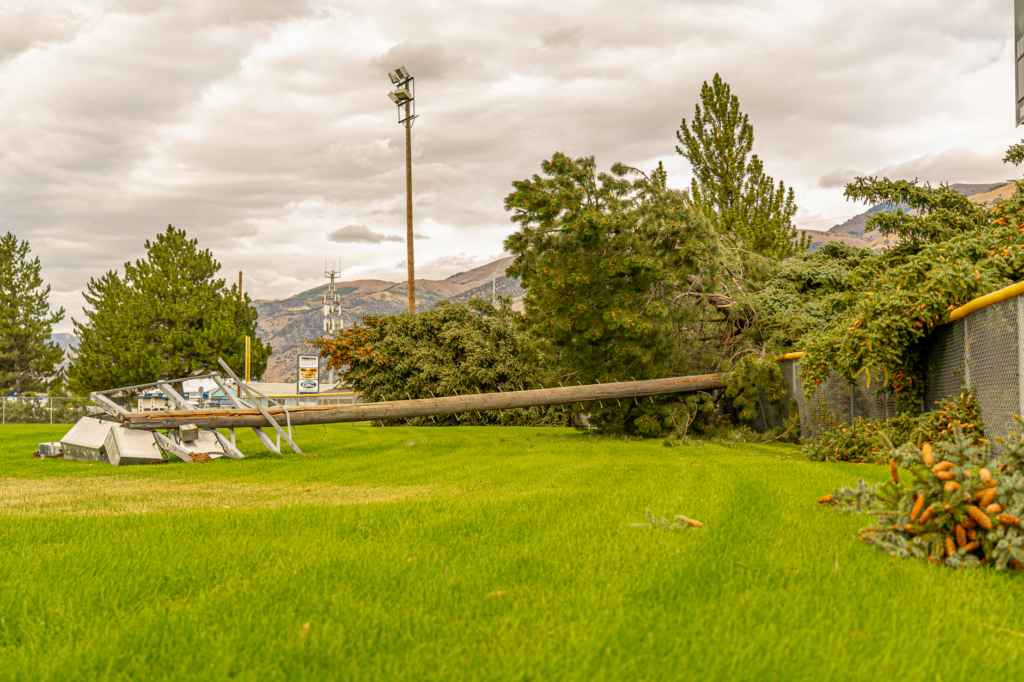
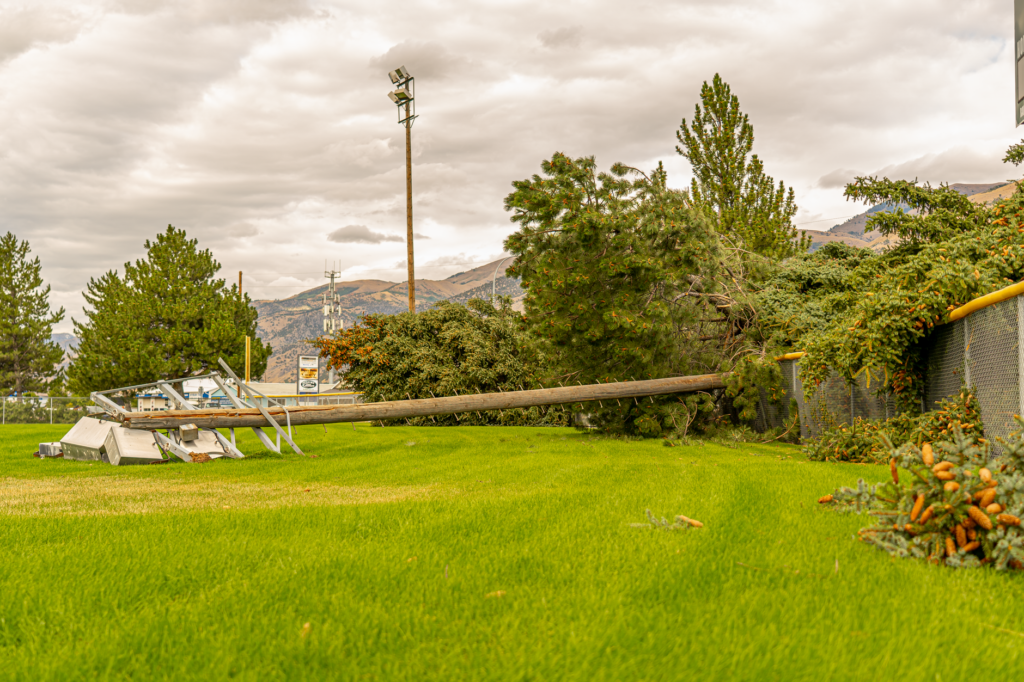
It usually happens overnight. A gust off the Bayshore during a late-summer squall, a limb nobody had flagged as a problem, and by morning there’s a section of stockade fence flattened between two yards in Lincroft or Port Monmouth. Both homeowners are standing in the yard looking at the same downed branch, and both are wondering the same thing: whose insurance is paying for this?
The honest answer is that it depends on facts most homeowners never think to establish before the storm — where the tree was rooted, whether it was visibly dead or diseased beforehand, and who owned the fence itself. New Jersey doesn’t have a single tidy statute that resolves every fallen-tree dispute. Instead, the outcome usually comes down to a mix of common-law negligence principles and how each side’s homeowners policy is written. Middletown Township’s tree ordinances govern permits and removals, not who reimburses a neighbor for a broken rail, so this is really an insurance and liability question, not a municipal one.
Understanding the general framework before a storm — not after — is what actually protects a homeowner. It shapes how a tree gets documented, when to call a certified arborist for a written opinion, and what a claims adjuster will and won’t accept as proof.
Whose Tree Is It, Legally?
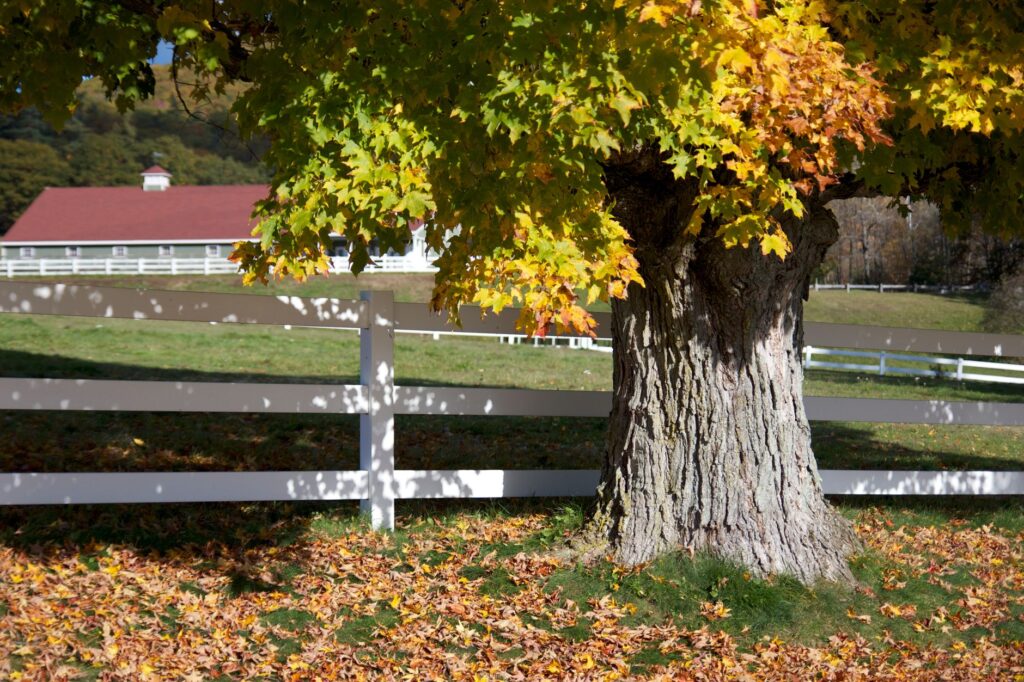
Ownership of a tree in New Jersey is determined by where its trunk emerges from the ground, not by which way its canopy leans or where most of its roots happen to spread. A red maple (Acer rubrum) rooted a foot inside a Middletown property line belongs to that homeowner even if half its crown overhangs the neighbor’s yard. This matters because liability for a fallen tree generally follows ownership — the person whose property the trunk stands on is the one whose insurance and legal exposure are typically in play.
Trees growing directly on a boundary line, sometimes called line trees or boundary trees, complicate this. Courts in several states, including New Jersey, have treated boundary trees as owned in common by both adjoining property owners, which means both may share responsibility for damage and both would generally need to consent before it’s removed. If a survey has never confirmed exactly where a disputed tree sits relative to the property pin, that’s worth resolving before a dispute over a fence — not during one.
The Middletown Township tax assessor’s office can usually point a homeowner to their most recent property survey or plat, which is the fastest way to settle a boundary question without hiring a surveyor from scratch.
The Legal Line: 'Act of God' vs. Negligence
This is where most disputes actually get decided. If a healthy tree falls during a genuine, unforeseeable weather event — the kind of nor’easter or sudden microburst the Bayshore sees a few times a year — the damage is typically treated as an act of God. In that scenario, the tree owner generally isn’t held liable, and the property owner whose fence was damaged usually has to look to their own homeowners policy for coverage rather than to the neighbor.
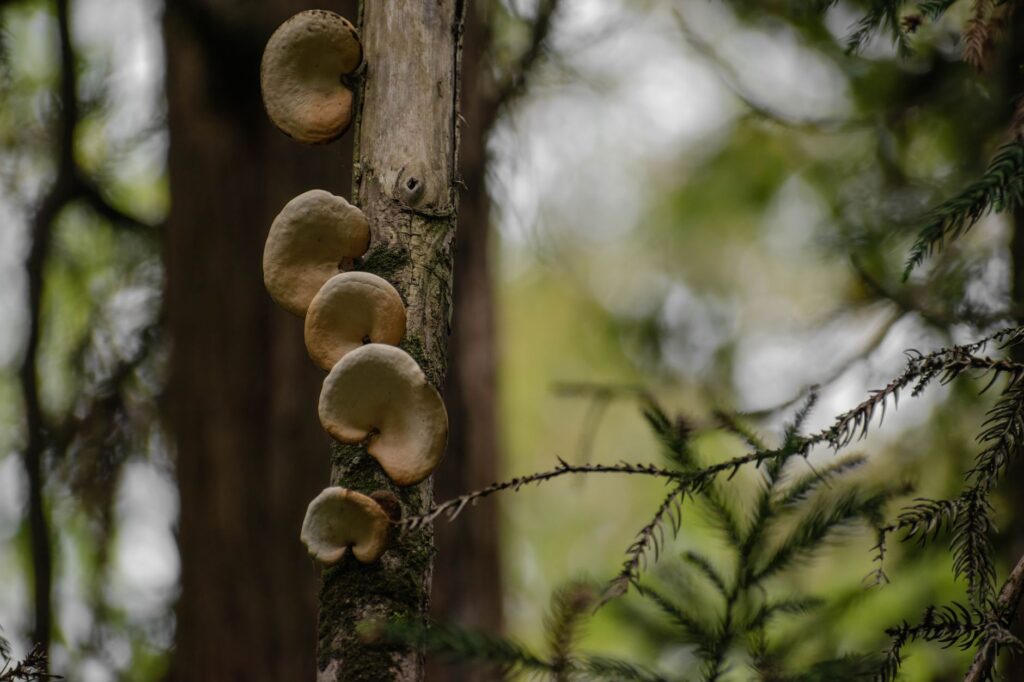
The calculation changes if the tree, or the limb that failed, was already dead, visibly decayed, or had a documented defect the owner knew about — or reasonably should have known about — before the storm. A homeowner who ignored a fungal conk at the base of a black locust, or a canopy that had been dropping large deadwood for two seasons, may not get the act-of-God defense. This is the legal concept of negligence: failing to address a known hazard. New Jersey courts weigh factors like how visible the defect was, whether an arborist had ever flagged it, and whether the tree was in a wooded, undeveloped area (lower duty of care) versus a maintained residential lot (higher duty of care).
An arborist’s written hazard assessment, done before the tree fails, is the single strongest piece of evidence in either direction — it either shows a homeowner acted reasonably or it establishes that a known risk went unaddressed.
Middletown's #1 Tree Expert Company
FREE Inspection & Estimate | Certified Arborists | Trimming, Pruning, Removal, More!
Sponsored
What Your Homeowners Policy Actually Covers

Most standard homeowners policies in New Jersey cover damage from a fallen tree to structures on the insured’s own property — including fences — regardless of whose tree caused it, as long as the peril itself (wind, in most cases) is covered. In practice, this means the homeowner whose fence was damaged often files a claim with their own carrier first, pays their deductible, and lets the insurers sort out any reimbursement between themselves later, a process called subrogation.
Subrogation is where negligence starts to matter financially. If the fence owner’s insurer can show the tree owner was negligent — that dead limb nobody addressed — the fence owner’s carrier can pursue the tree owner’s insurer to recover what it paid out, which can also affect the tree owner’s future premiums. This is why documentation matters so much for the tree owner too, not just the person whose property was damaged.
Two practical notes for Monmouth County homeowners: policies vary on tree removal costs versus structural repair costs, and many carriers cap fallen-tree debris removal at a flat dollar amount separate from the fence repair itself. It’s worth pulling out the actual policy declarations page rather than assuming coverage.
Building a Paper Trail Before the Next Storm

The homeowners who navigate this smoothly are almost always the ones who documented their trees before anything fell, not after. A simple habit works: once a year, usually in early fall before nor’easter season ramps up, walk the property line and photograph every tree with any visible concern — cracked bark, dead limbs, fungal growth at the base, or a noticeable lean that’s new since last year.
- Photograph the whole tree and any specific defect, with a visible date stamp or a dated note.
- Keep any prior arborist reports, even informal ones, in a folder — digital or paper.
- If a tree has an obvious problem, get a written opinion from a certified arborist rather than relying on a verbal assessment.
- Note the boundary line relative to the trunk if there’s any ambiguity about ownership.
This isn’t about building a legal case against a neighbor — most of these situations resolve without a dispute at all. It’s about having something concrete on hand if an insurer asks the obvious first question: was this foreseeable? A certified arborist through the International Society of Arboriculture can perform a basic risk assessment (sometimes called a TRAQ evaluation) that carries far more weight than a homeowner’s own photos alone.
Talking to a Neighbor Before There's a Problem

A surprising number of these disputes could have been avoided with one conversation. If a homeowner notices a neighbor’s tree is showing signs of decline — thinning canopy, large dead limbs, mushroom-like conks at the base — a simple heads-up is worth more than most people expect. It gives the tree’s owner a chance to get it evaluated, and it establishes, informally, that the concern was raised before anything happened.
New Jersey generally allows a property owner to trim back branches or roots that cross the boundary line, up to the property line itself, without the tree owner’s permission — a rule sometimes called self-help. But this comes with real limits: cutting can’t be done in a way that kills or seriously damages the tree, since that can expose the person doing the cutting to their own liability under NJ’s tree damage statutes, which allow for treble damages in cases of malicious tree destruction. When a boundary tree is involved, or when significant pruning is needed, involving a certified arborist rather than doing it yourself protects everyone.
Municipal ordinances can also apply to what happens next. Middletown Township’s code may require permits for removal of certain trees regardless of who’s paying, so that step shouldn’t be skipped even in a friendly, no-dispute situation.
Middletown's #1 Tree Expert Company
FREE Inspection & Estimate | Certified Arborists | Trimming, Pruning, Removal, More!
Sponsored
When to Call an Arborist Instead of a Lawyer
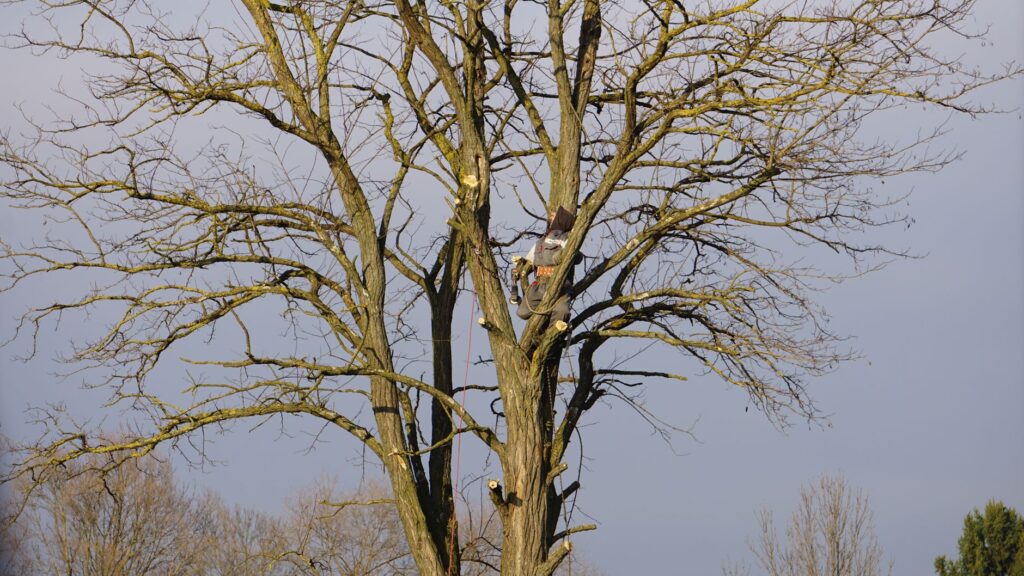
Most fallen-tree-and-fence situations in Middletown resolve without ever needing an attorney. The typical path is: file with your own insurer, get an estimate for repair, and let the carriers handle subrogation if negligence is a factor. Where a certified arborist earns their fee is upstream of all of this — in the yearly walkthrough that catches a hazard before it becomes a claim.
An arborist assessment is also the right move immediately after any storm that drops significant deadwood, even if nothing hit a structure this time. A limb that missed the fence by three feet this year is worth a second look before the next nor’easter rolls through. For homeowners near the Raritan Bay shoreline in particular, where salt spray and saturated soils already stress root systems, an annual check is cheap insurance against exactly the kind of dispute this article started with.
If there’s real ambiguity about a boundary tree, a defect that’s hard to assess from the ground, or a neighbor who disagrees about who’s responsible, that’s the point to bring in both a certified arborist for a technical opinion and, if needed, each side’s insurance adjuster. Getting the facts documented clearly, calmly, and early is almost always what keeps a fallen branch from becoming a lasting dispute between neighbors.
Photo credits: Featured image by Castorly Stock on Pexels; Section 1 by Castorly Stock on Pexels; Section 2 by Free Nature Stock on Pexels; Section 3 by Karolina on Pexels; Section 4 by Mikhail Nilov on Pexels; Section 5 by Pixasquare Studio on Pexels; Section 6 by RDNE Stock project on Pexels; Section 7 by Dmytro Glazunov on Pexels.