Middletown's #1 Tree Expert Company
FREE Inspection & Estimate | Certified Arborists | Trimming, Pruning, Removal, More!
Sponsored
The Old Cement Patch Nobody Asked About
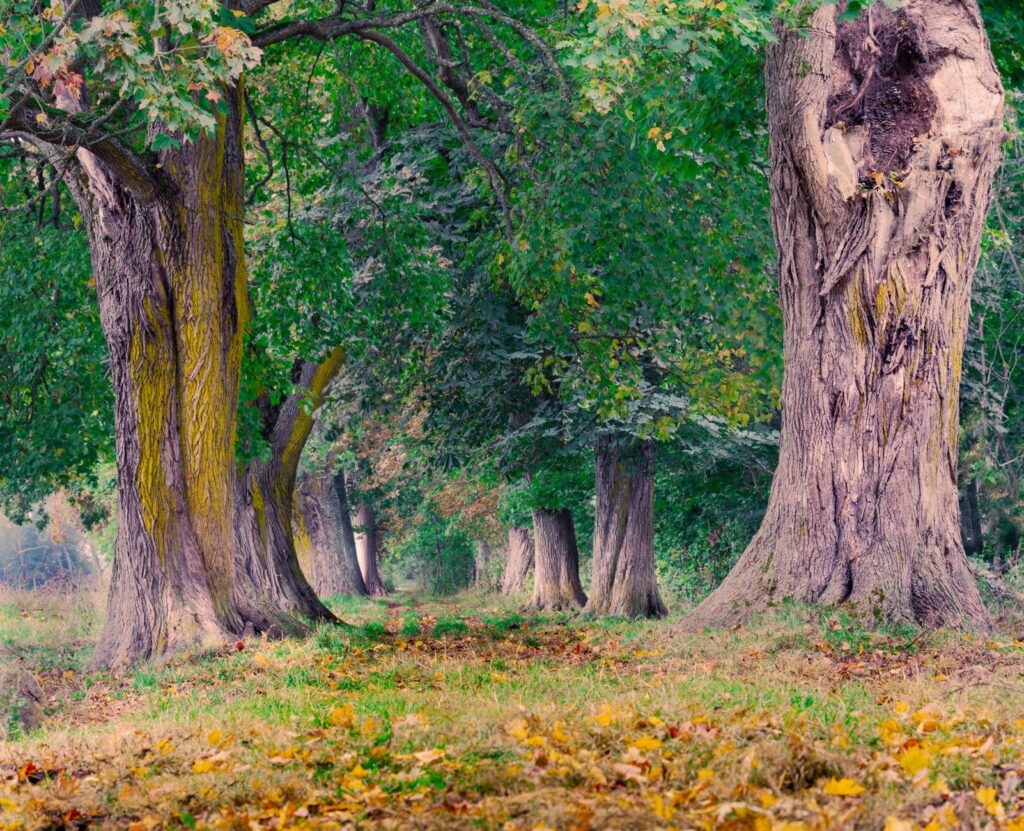
Walk the older streets around Lincroft or Navesink and it’s not hard to find a mature white oak (Quercus alba) or American beech (Fagus grandifolia) with a strange gray patch low on the trunk — smooth, hard, and clearly not bark. Homeowners sometimes assume a previous owner or long-ago tree crew “fixed” a hole in the tree with cement, and they’re usually right. For most of the twentieth century, filling a cavity with mortar, brick, or asphalt was considered responsible tree care. It looked tidy. It felt like repair.
It wasn’t. Decades of research on how trees actually respond to injury turned cavity filling from standard practice into one of the clearest examples of a well-intentioned technique that made things worse. Understanding why matters for anyone in Middletown Township with an older tree carrying one of these patches, or a homeowner staring into a new cavity and wondering what to do about it.
How Cavity Filling Became Standard Practice
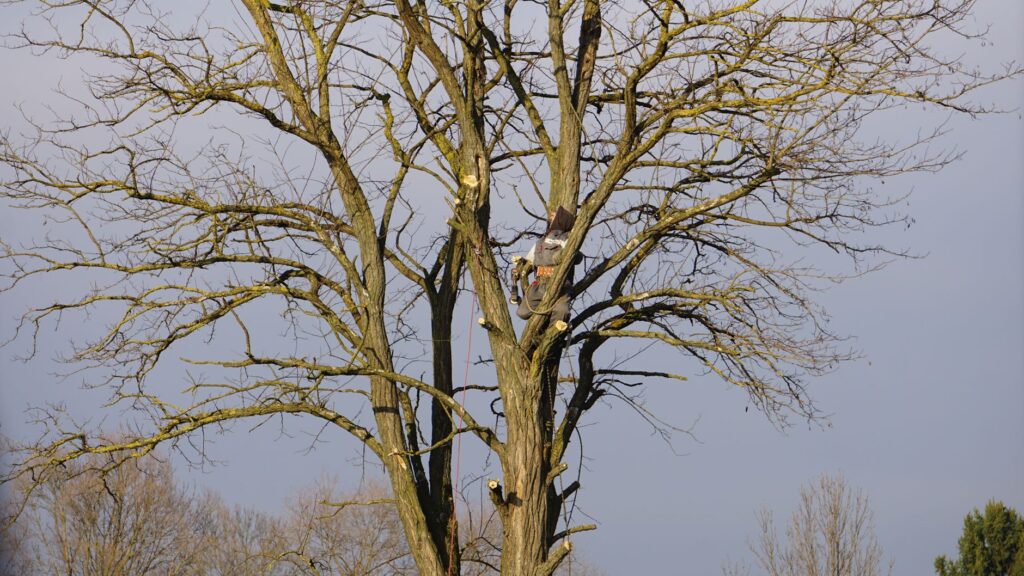
The logic behind cavity filling made intuitive sense. A hole in a tree looked like an open wound on a person — something that needed to be cleaned out and sealed against infection. Early twentieth-century tree surgery manuals recommended scraping decayed wood back to “clean” tissue, treating the cavity with a disinfectant, and packing it solid with cement, sometimes reinforced with wire mesh or bolted plates for larger cavities. Asphalt and various tar compounds followed as lighter, cheaper alternatives.
The practice spread because it was visible and satisfying work. A homeowner could see the crew clean out the rot, watch the fill go in, and feel like the tree had been saved. Municipal shade tree programs across the Northeast, including plenty in Monmouth County, budgeted for cavity work as a routine service well into the 1960s and 1970s. Trees along Kings Highway and in older sections of Port Monmouth and Belford still carry the evidence.
What nobody had yet mapped out was what a tree actually does internally after it’s wounded — and that a rigid, impermeable fill works against every part of that process.
What Trees Actually Do With a Wound
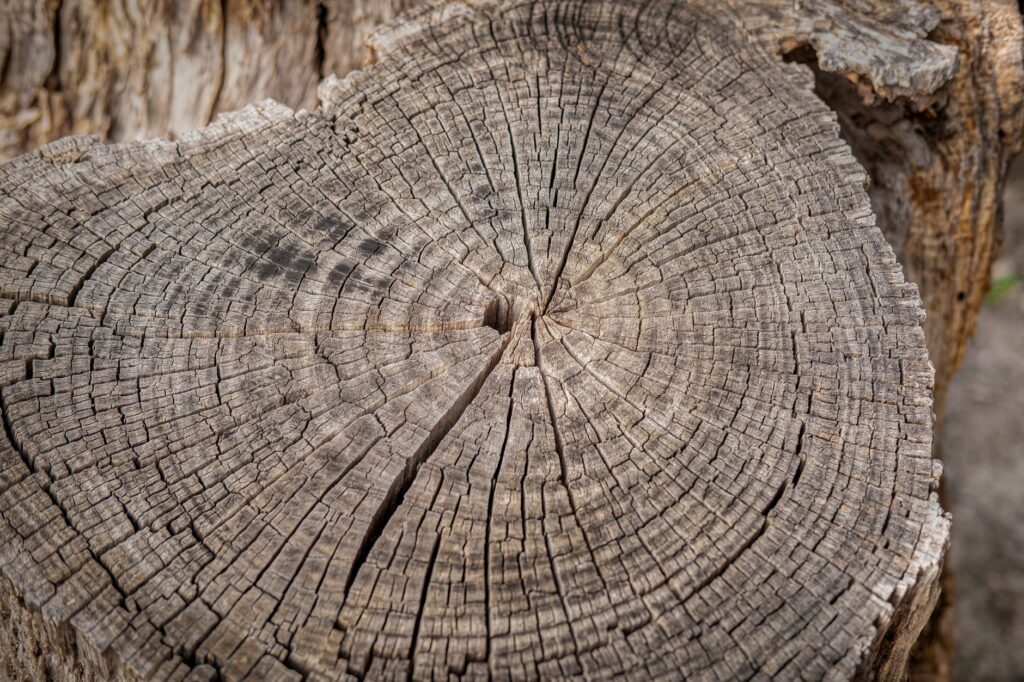
The turning point came from plant pathologist Alex Shigo, who spent years dissecting thousands of wounded trees to trace exactly how decay spreads — or doesn’t. His research, which became central to USDA Forest Service work on tree decay, showed that trees don’t heal the way animal tissue does. A tree can never repair damaged wood; it can only wall the damage off and grow new, healthy wood around it. This process, called compartmentalization, relies on the tree forming a series of internal chemical and physical barriers that block decay organisms from spreading further into the trunk.
That containment strategy depends on conditions inside the wound staying relatively dry and allowing the tree’s own boundary tissue to do its work undisturbed. Packing a cavity with cement traps moisture against the wood instead of letting it dry, which is exactly the environment decay fungi prefer. Worse, a rigid fill doesn’t flex the way wood does in wind. As the trunk moves, the unyielding cement grinds against the surrounding live wood, tearing open the very compartmentalization walls the tree had built. Research summarized in the International Society of Arboriculture’s journal on tree wounds documented cavity-filled trees decaying faster, and more extensively, than cavities left open to the air.
In short: the fix was accelerating the exact failure it was meant to prevent.
Middletown's #1 Tree Expert Company
FREE Inspection & Estimate | Certified Arborists | Trimming, Pruning, Removal, More!
Sponsored
What Arborists Do With a Cavity Today
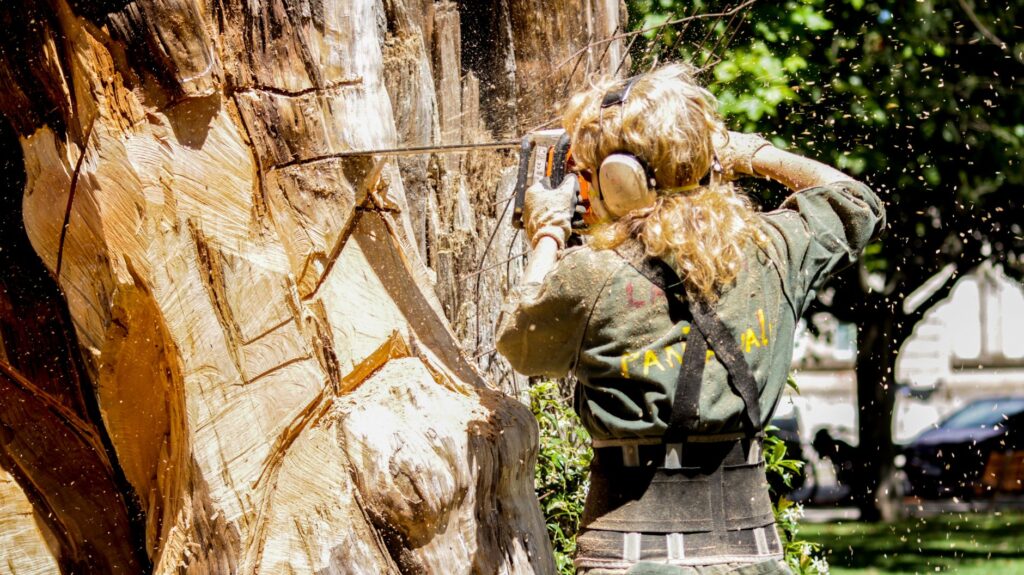
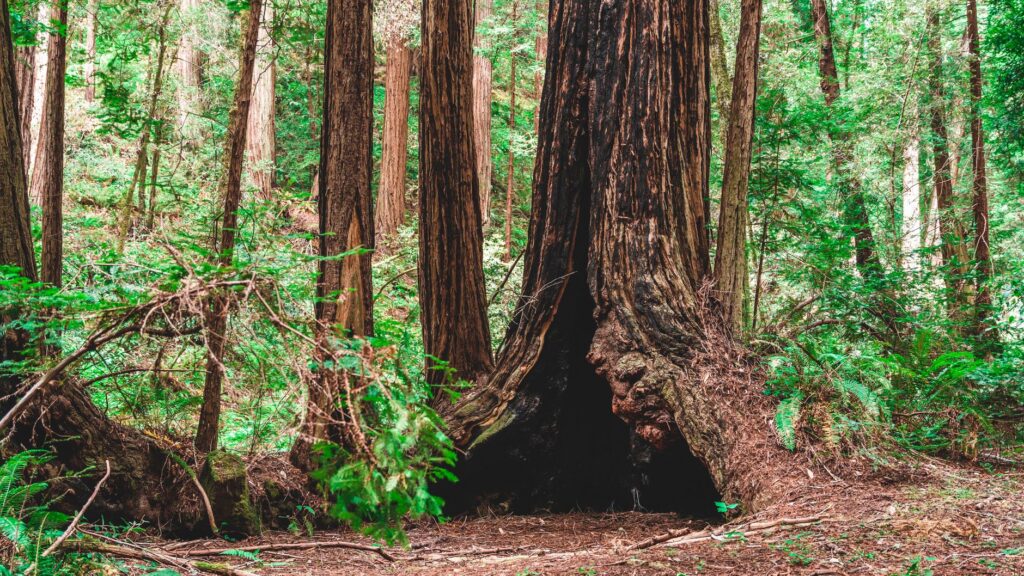
Modern practice starts from a different premise: a cavity is information, not a defect to be hidden. A certified arborist assessing a hollow section in a Middletown tree today is trying to answer one question — how much sound wood is left to carry the tree’s structural load — not how to make the hole disappear.
That usually means leaving the cavity open to air so it can dry naturally, sometimes lightly cleaning out loose, obviously decayed debris without cutting into live compartmentalized tissue. For cavities large enough to raise real structural concern, arborists increasingly use decay-detection tools that don’t require cutting into the tree at all — a mallet and trained ear for changes in sound, a resistance drill (resistograph) that measures density through the trunk, or sonic tomography that maps the internal extent of decay using sound waves traveling between sensors pinned around the circumference. These tools tell you where the sound wood actually is, which cement never could.
If the assessment finds that decay has compromised enough of the trunk’s cross-section to threaten failure, the response isn’t filling — it’s reducing the load on that section through selective crown thinning, installing cabling or bracing to redistribute stress away from the weak point, or, when the risk is severe enough, recommending removal. Every one of those responses works with what’s left of the tree’s own structure instead of fighting it.
Reading a Cavity: What Actually Signals Risk
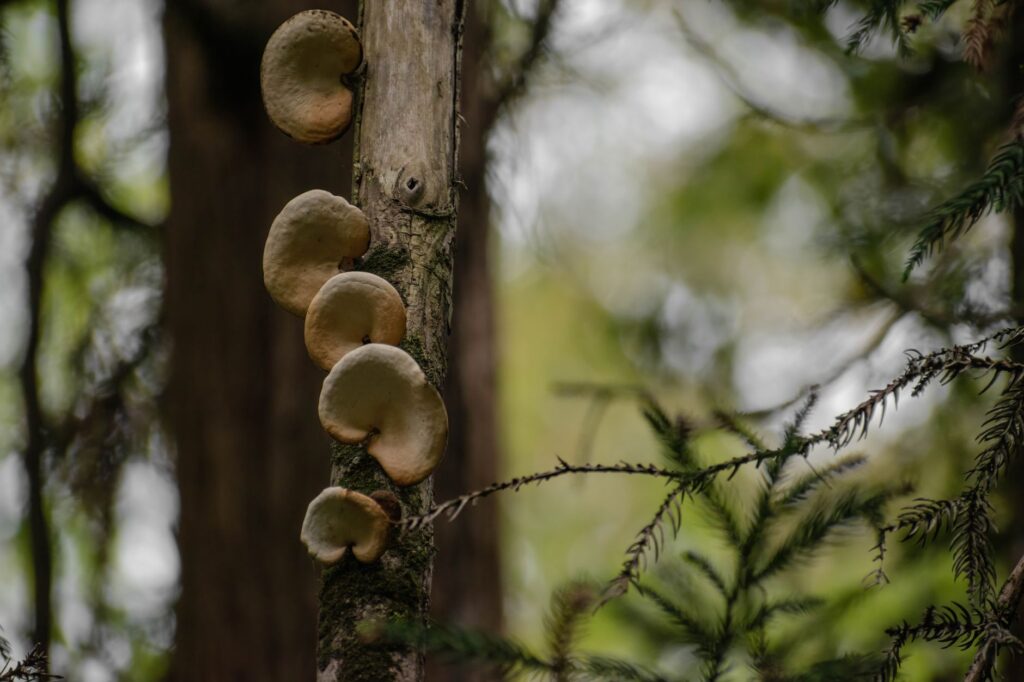
Not every hollow spot is an emergency, and that distinction matters because overreacting to a cosmetic cavity can lead to unnecessary tree removal, while underreacting to a structural one can lead to real property damage. A few things shift a cavity from “worth watching” to “worth an assessment soon”:
- Fresh cracking or bulging bark radiating outward from the cavity’s edges, which suggests active mechanical stress rather than a stable, walled-off wound
- Fungal fruiting bodies (conks or shelf fungi) growing directly from or near the cavity, which indicate active internal decay rather than dry, contained wood
- A cavity opening that wraps more than a third of the way around the trunk’s circumference, reducing the sound wood available to resist bending forces
- A hollow sound extending unusually deep when tapped, compared to a shallow surface cavity with solid wood just behind it
- Cavities positioned low on major structural roots or at branch unions, where the mechanical consequences of lost wood are magnified
A small, dry, shallow cavity on a tree with an otherwise full, healthy canopy is often just part of that tree’s history — evidence of an old pruning wound or storm scar that compartmentalized successfully years ago. The tree’s continued vigor is itself useful information.
What This Means for Middletown's Older Trees
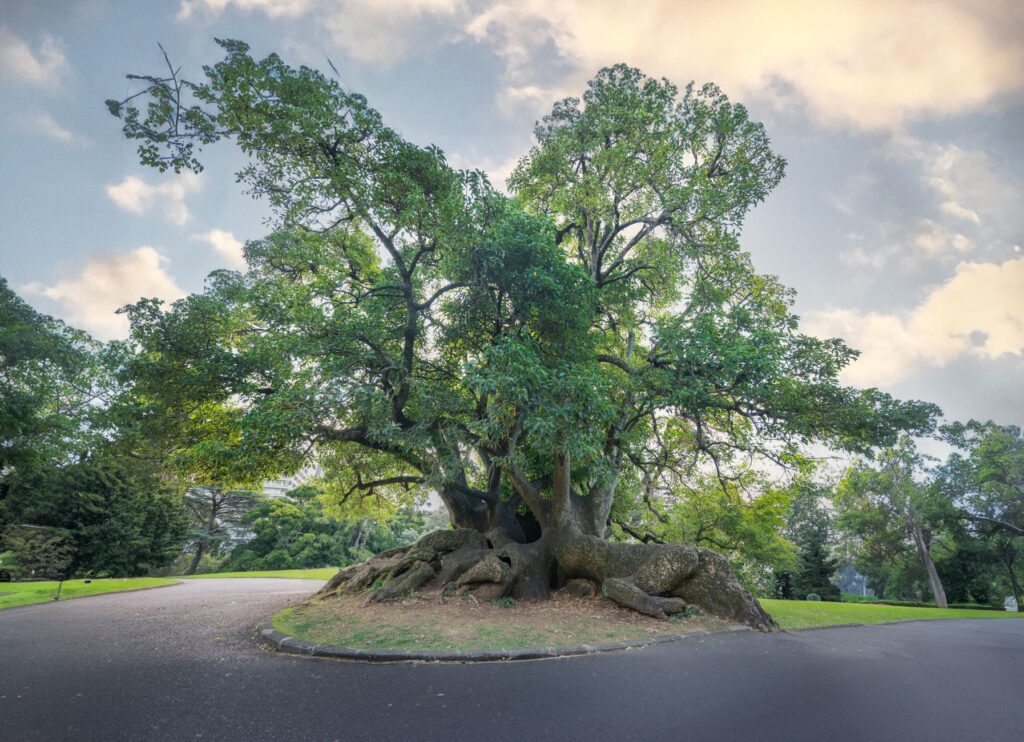
Middletown Township has no shortage of trees old enough to carry a cement patch from an earlier era of tree care, particularly the legacy oaks and beeches around Poricy Park, Thompson Park, and the older residential blocks near the Navesink and Shrewsbury Rivers. None of that old fill needs to be chiseled out reflexively — removing it can do its own damage to wood that has since compartmentalized around it. The more useful question is whether the tree’s canopy, bark, and overall vigor suggest the compartmentalization held.
For homeowners noticing a new cavity, particularly after storm damage or a large limb failure, the right move is simple: don’t reach for caulk, foam, or cement from the hardware store. Those materials fail the same way their predecessors did, just with a marketing update. The Rutgers Cooperative Extension guide to hiring a tree care professional is a useful starting point for finding someone qualified to evaluate the cavity properly rather than simply patch it.
Middletown's #1 Tree Expert Company
FREE Inspection & Estimate | Certified Arborists | Trimming, Pruning, Removal, More!
Sponsored
When to Call a Certified Arborist
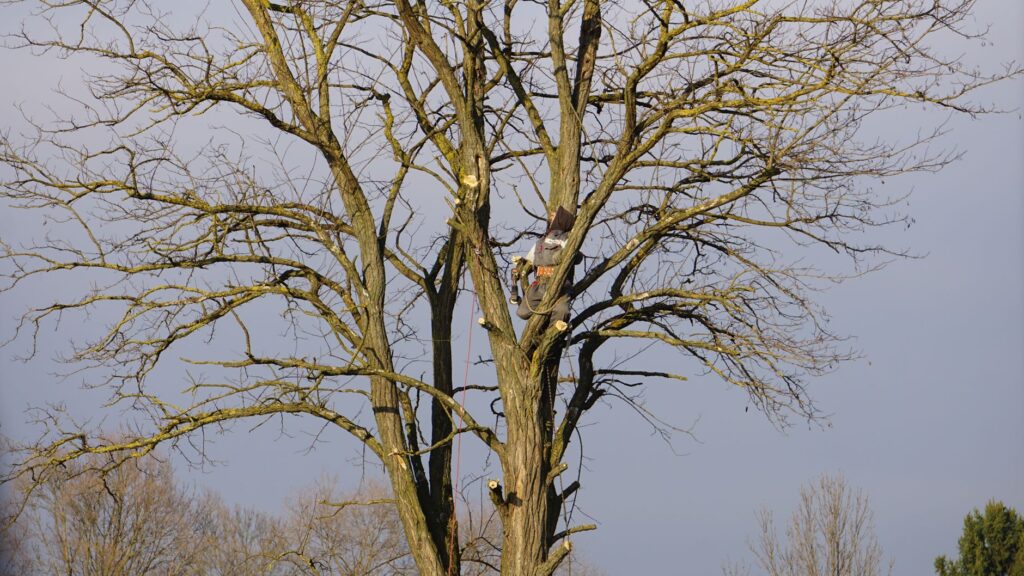
A cavity that’s stable, dry, and surrounded by a tree with a full, healthy canopy usually just needs to be noted and rechecked during a normal seasonal walk-around. A cavity that’s growing, weeping, hosting fungal growth, or sitting beneath a structure worth protecting deserves a professional look before the next big storm makes the decision for you.
An ISA-certified arborist can assess how much sound wood remains, whether cabling or crown reduction would meaningfully reduce risk, and whether the tree’s own compartmentalization is holding the line. That’s a very different service than the one Middletown’s older trees received a century ago — less about hiding the wound, more about understanding what the tree has already done to protect itself, and helping it hold on for a few more decades.
Photo credits: Featured image by Chait Goli on Pexels; Section 1 by Damir K on Pexels; Section 2 by Dmytro Glazunov on Pexels; Section 3 by David McElwee on Pexels; Section 4 by Gastón Mousist on Pexels; Section 5 by Karolina on Pexels; Section 6 by Miguel Cuenca on Pexels; Section 7 by Dmytro Glazunov on Pexels.