
Middletown's #1 Tree Expert Company
FREE Inspection & Estimate | Certified Arborists | Trimming, Pruning, Removal, More!
Sponsored
The Hardware Homeowners Forget About
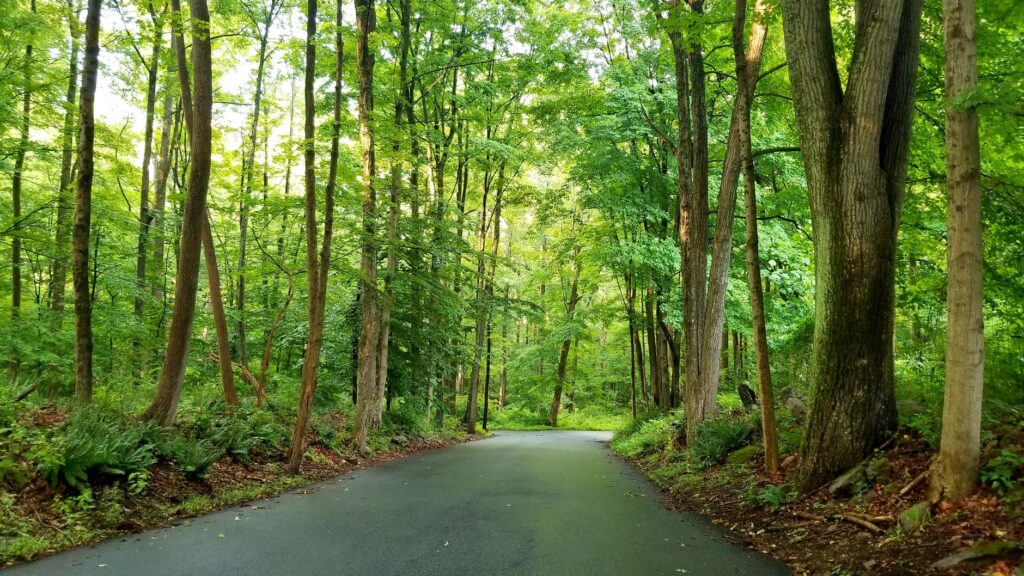
Walk down almost any older street in Lincroft or Fairview and there’s a decent chance one of the big shade trees overhead is quietly holding itself together with steel. A codominant white oak (Quercus alba) that split its trunk into two competing leaders decades ago, a river birch with a weak crotch, a norway maple that lost a major limb in a nor’easter — all of these get a second life through cabling or bracing, hardware installed high in the canopy to redistribute the load a weak union can no longer carry alone.
The trouble is that once the work is done, the tree usually looks fine from the ground and the hardware disappears from memory. Homeowners in Port Monmouth and River Plaza can live under a cabled canopy for ten or fifteen years without ever thinking about the cable itself, right up until a limb comes down in a storm and the question of whether that hardware was still doing its job becomes urgent rather than routine.
September is a good month to ask that question on purpose, before the first nor’easter of the season rolls off the Atlantic and tests every support system in Middletown Township at once.
Why a Tree Gets Cabled or Braced in the First Place
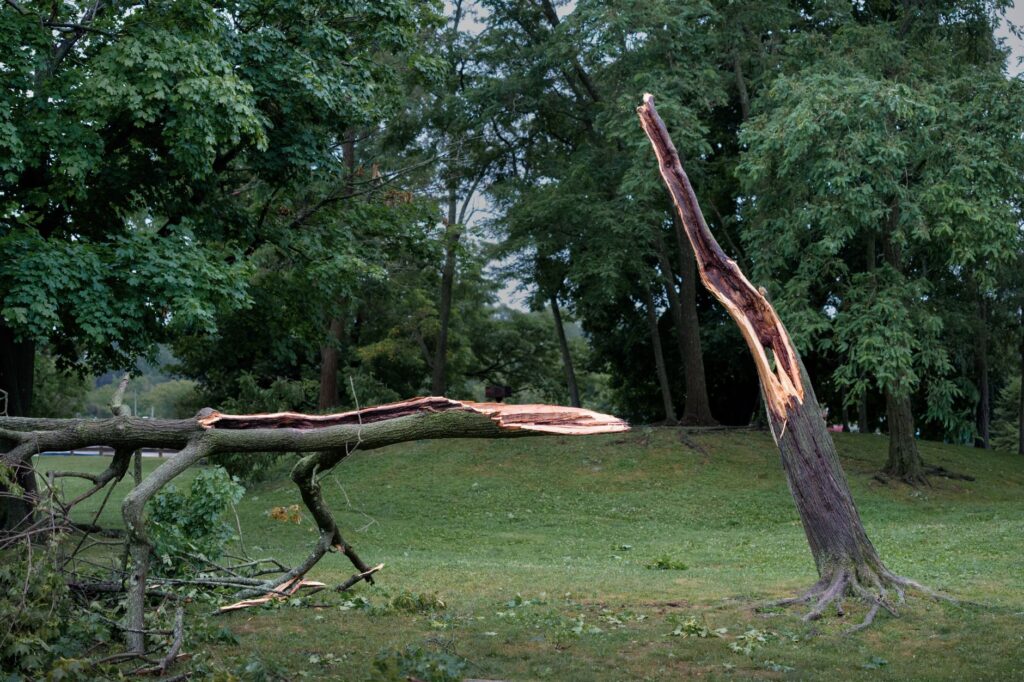
Cabling and bracing exist to manage structural weaknesses that pruning alone can’t fix. The most common candidate is a codominant stem — two trunks of roughly equal size growing from the same point instead of one dominant leader with subordinate branches. When that union has included bark (bark trapped between the two stems rather than solid wood grain connecting them), the joint is inherently weaker than a normal branch attachment and prone to splitting, especially under wind or heavy wet snow.
A dynamic cable — a flexible synthetic rope system installed to allow some natural movement — is often used as a preventive measure on a tree that hasn’t failed yet but shows the warning signs. A more rigid, traditional steel cable, sometimes paired with a threaded bracing rod through the trunk, is typically reserved for a union that has already partially failed or is carrying documented risk over a target like a house, driveway, or power line. The International Society of Arboriculture’s guide to tree support systems lays out the distinction well and is worth a read for any homeowner who was told their tree “needed cables” without much explanation of why.
How Hardware Ages With the Tree — Even When the Tree Looks Healthy
Here’s what doesn’t get explained often enough: a support system installed correctly in 2016 is not necessarily still correct in 2026. Trees grow, and growth is exactly what causes cabling hardware to age out of usefulness.
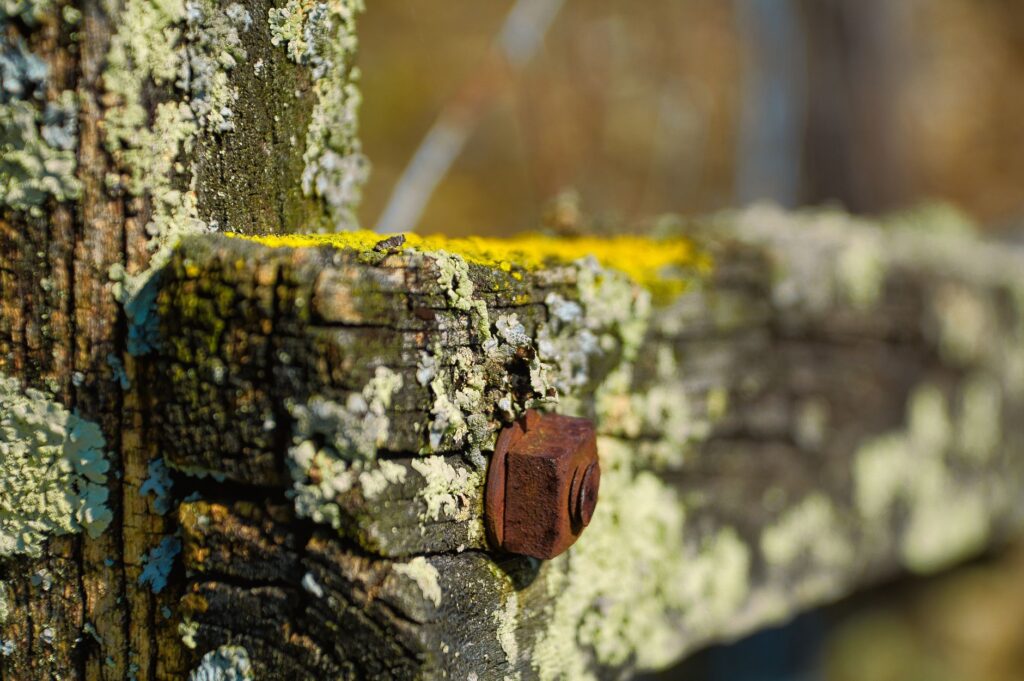
Trunks and limbs add girth every year, and a lag bolt or eyebolt installed with the right clearance can end up partially engulfed in new wood within a decade, especially on a fast grower like a tulip poplar or silver maple. Bark can callus over an anchor point entirely, hiding corrosion happening underneath. Steel cables installed with proper slack for movement can also work loose from years of repeated wind loading, or conversely can become too tight as the limbs they connect continue to thicken, creating a girdling effect at the point of contact rather than the support the system was meant to provide.
None of this is visible from a quick glance at a full, leafy canopy. It’s the kind of degradation that shows up only when someone is specifically looking for it — which is the entire argument for treating an inspection of existing hardware as a separate task from installing new hardware, not an assumed side effect of it.
Middletown's #1 Tree Expert Company
FREE Inspection & Estimate | Certified Arborists | Trimming, Pruning, Removal, More!
Sponsored
A Homeowner's Ground-Level Check (No Ladder Required)

A full hardware inspection belongs to a trained eye working from a lift or climbing gear, but there’s a useful ground-level pass any homeowner can do with a pair of binoculars on a clear September afternoon. Look for:
- Bark that appears to be swallowing or bulging around a bolt head or cable attachment point
- Rust streaks running down the bark below a hardware location
- Visible sag in a cable that used to run taut, or a cable that has clearly snapped and is hanging loose
- New or worsening lean in one of the stems the system was meant to support
- Fresh cracking in the bark near the union itself, which can indicate the hardware is no longer preventing movement at that joint
Any one of these is a reason to schedule a professional look rather than wait for the annual routine. None of them, on their own, mean the tree is about to fail — but all of them mean the assumption that “it was cabled once, so it’s fine” deserves to be checked rather than trusted indefinitely.
What a Professional Reinspection Actually Involves
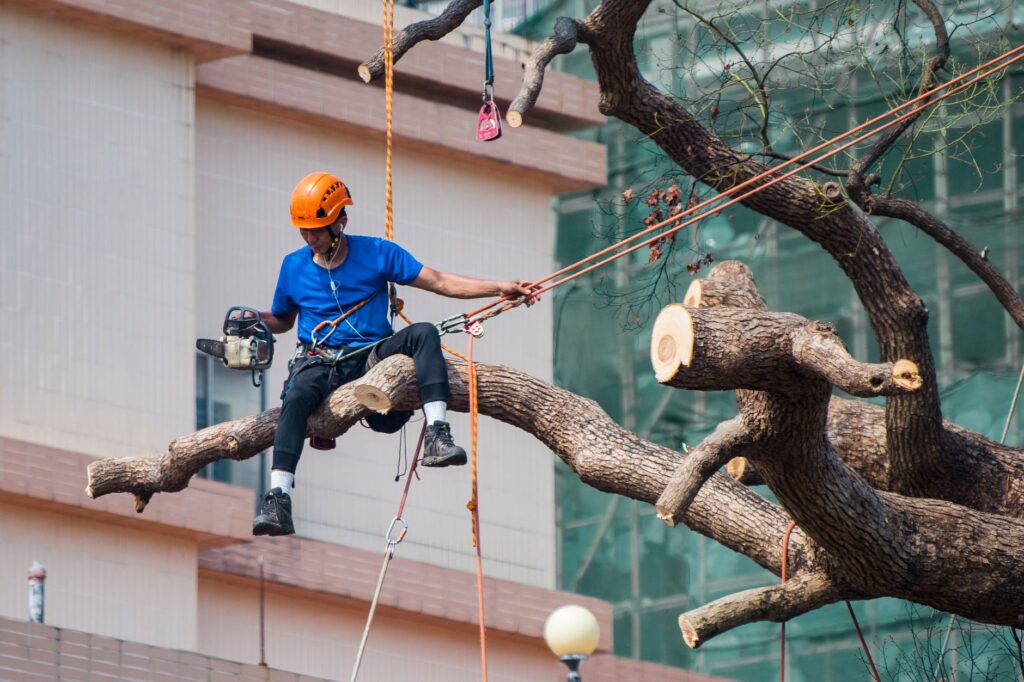
A proper reassessment goes well beyond eyeballing the hardware from the ground. A certified arborist working to ANSI A300 standards for tree support systems, credentialed through the ISA certification program, will typically climb or use a lift to inspect each anchor point directly, check cable tension against the original specification, look for hidden corrosion under callused bark, and — just as importantly — re-evaluate whether the original defect that justified the system is still the primary concern. A tree’s structure changes over a decade; new codominant unions can develop elsewhere in the canopy, and the balance of weight the original cable was managing may have shifted as the tree has grown.
This is also the point where a Tree Risk Assessment Qualification (TRAQ) evaluation earns its keep. Rather than a pass/fail check on one piece of hardware, it produces a documented picture of the whole tree’s risk profile, which matters if the tree overhangs a structure or a shared property line — the kind of paper trail that Rutgers NJAES guidance on storm-ready trees recommends homeowners keep on file well before a storm, not after one.
Why September Is the Right Window Along the Bayshore
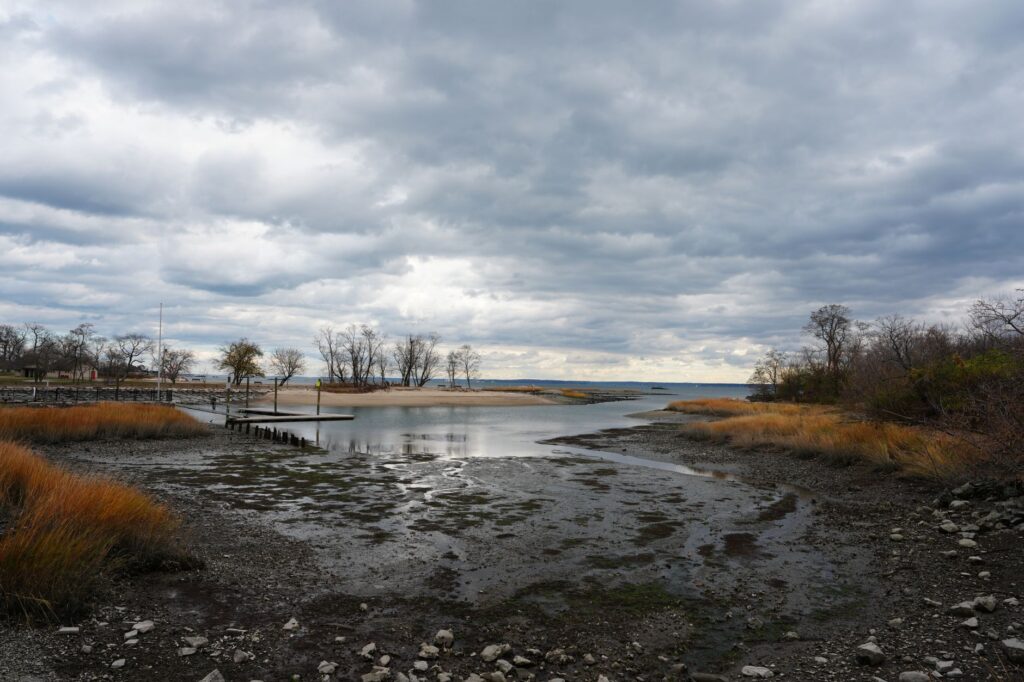
New Jersey’s fall storm season runs from the tail end of hurricane season through a string of nor’easters that typically pick up through October and November, and Monmouth County’s exposure along Raritan Bay means Port Monmouth, Belford, and Leonardo often catch wind loads that inland neighborhoods like Lincroft don’t see to the same degree. Checking support hardware in September, while the canopy is still full and before the first significant blow, gives an arborist a chance to re-tension or replace a system before it’s asked to perform under load — rather than after.
There’s a secondary reason fall matters here too. Saturated soil from repeated storms softens the root plate long before a trunk or limb shows any visible stress, which means a tree with borderline support hardware and a slightly compromised root system is dealing with two weaknesses at once. Catching the hardware issue early removes one variable before the ground gets wet enough to make the other one worse.
Middletown's #1 Tree Expert Company
FREE Inspection & Estimate | Certified Arborists | Trimming, Pruning, Removal, More!
Sponsored
When to Call a Pro
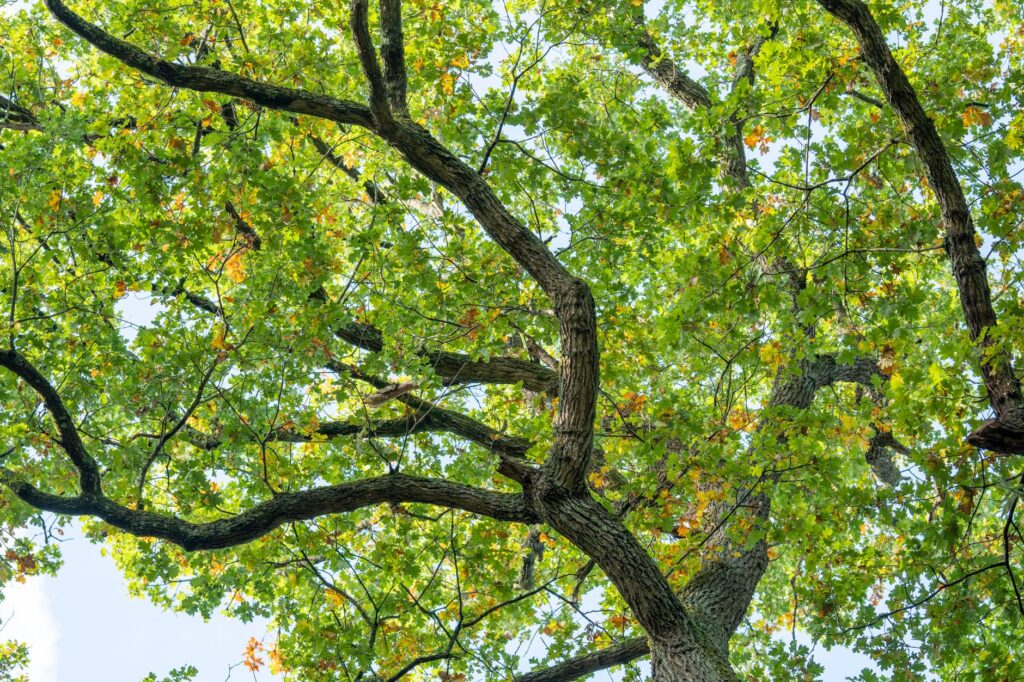
If there’s cabling or bracing anywhere in a yard’s canopy and nobody can remember the last time it was inspected — not just glanced at, but actually inspected — that’s reason enough to put in a call before the season’s first real storm. The same goes for any tree that shows the ground-level warning signs above: bulging bark over hardware, rust, sag, a new lean, or fresh cracking near a cabled union.
A certified arborist can usually fold a hardware recheck into a broader seasonal assessment, which is also a good time to flag anything else that’s changed in the canopy since the last visit. Trees that were cabled once were, by definition, trees worth the effort of saving — a periodic check is what keeps that investment paying off instead of quietly failing out of sight, ten feet up, right where nobody’s looking.
Photo credits: Featured image by İdil Ceren Çelikler on Pexels; Section 1 by Shirley Zavala on Pexels; Section 2 by David Kanigan on Pexels; Section 3 by JACQUES BARBARY on Pexels; Section 4 by Dylann Hendricks on Pexels; Section 5 by Jimmy Chan on Pexels; Section 6 by David Kanigan on Pexels; Section 7 by Masood Aslami on Pexels.