
Middletown's #1 Tree Expert Company
FREE Inspection & Estimate | Certified Arborists | Trimming, Pruning, Removal, More!
Sponsored
The Landscaping Decision Middletown Homeowners Make Once a Decade
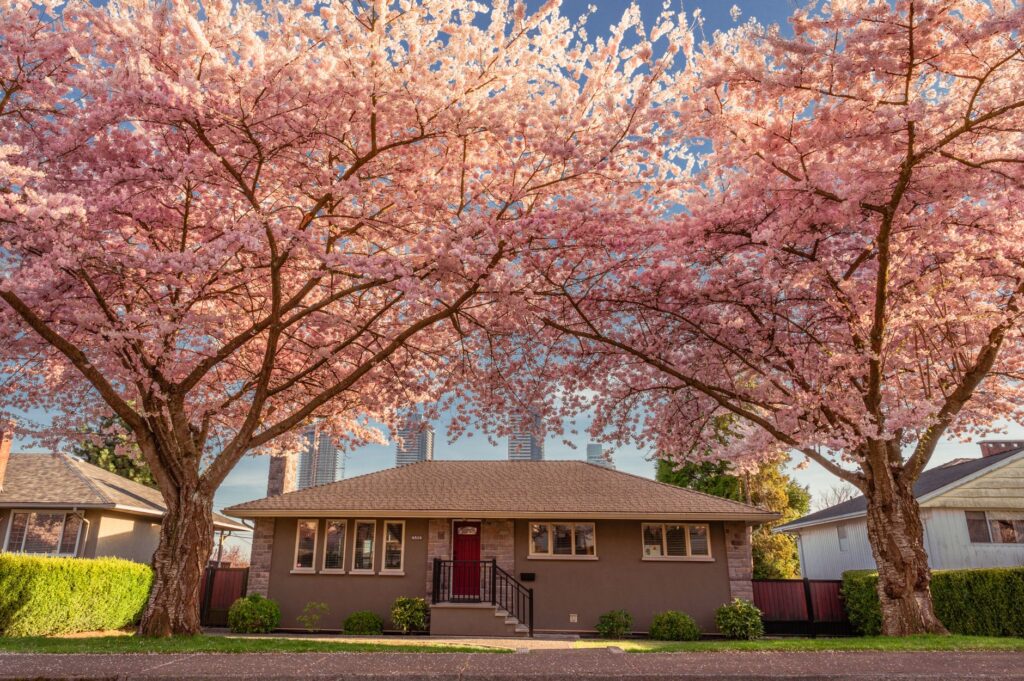
Every September, I start getting calls from Middletown homeowners who finally noticed something: the corner of the yard that’s had nothing but lawn in it for years, or the spot by the front walk that photographs flat in every listing photo. They want to add a tree, and they want to do it right, because unlike a shrub or a bed of perennials, a specimen tree is a decision you mostly get to make once. Plant the wrong species in the wrong spot and you’re either fighting it for the next twenty years or paying to remove it.
Fall is when that decision pays off the most. The soil around the Bayshore and inland Middletown neighborhoods alike is still warm from summer, air temperatures are dropping, and a newly planted tree gets weeks of root growth before it ever has to push out a leaf. Get a specimen tree in the ground between now and mid-October and it arrives at next spring already established, rather than scrambling to build roots and canopy in the same season.
It’s also worth thinking about this as a landscaping decision rather than a gardening one. A mature specimen tree changes how a house reads from the street more than almost any other single addition to a property — it frames the entryway, softens hard architectural lines, and gives a yard a sense of scale that shrubs and beds alone can’t provide. That’s a big return for one hole in the ground, but only if the species, the site, and the timing are all right.
Why Fall Planting Gives Roots a Head Start
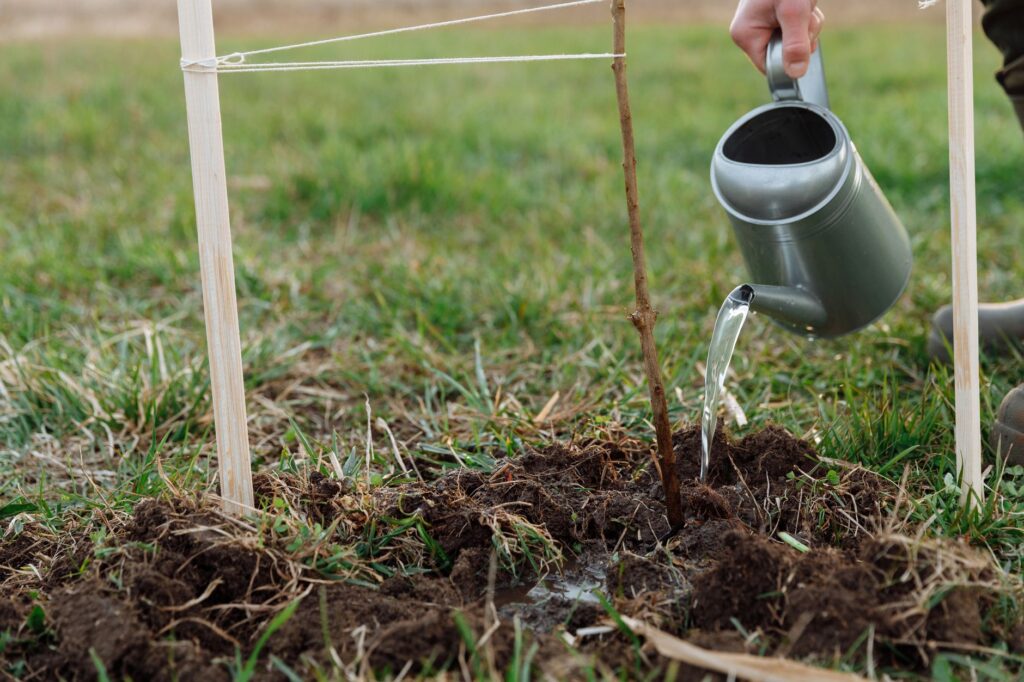
Trees planted in fall put their energy almost entirely into root growth rather than shoot growth, because cooling air temperatures signal dormancy above ground while soil temperatures in Monmouth County typically stay above 50°F well into November. That combination is close to ideal: the tree isn’t spending carbohydrates on leaves and stems, but its roots are still metabolically active and expanding into the surrounding soil.
Rutgers Cooperative Extension recommends fall planting for most container and balled-and-burlapped trees in New Jersey precisely because it reduces first-year transplant stress compared to a spring planting that has to establish roots and support a full flush of new growth at the same time. Their tree planting guidelines are a good reference before you break ground, especially their notes on backfill soil and staking.
The practical result for a Middletown yard: a tree planted this month has a full fall and much of the winter to establish before it faces its first Bayshore summer, which is the hardest test any young tree goes through here.
What Actually Makes a Tree a 'Specimen' Tree
Not every tree earns a spot as the focal point of a front yard. A specimen tree needs to hold visual interest across more than one season — flower in spring, structure in winter, maybe fall color or an interesting bark pattern that reads well from the street. It also needs a mature size that fits the space instead of overwhelming it in fifteen years.
This is where I see the most regret. A homeowner falls in love with a fast-growing shade tree that looks perfect at a nursery in a five-gallon pot, then finds themselves crowding a driveway or shading out a garden bed a decade later. A true specimen tree is chosen for its mature footprint first, its seasonal show second.
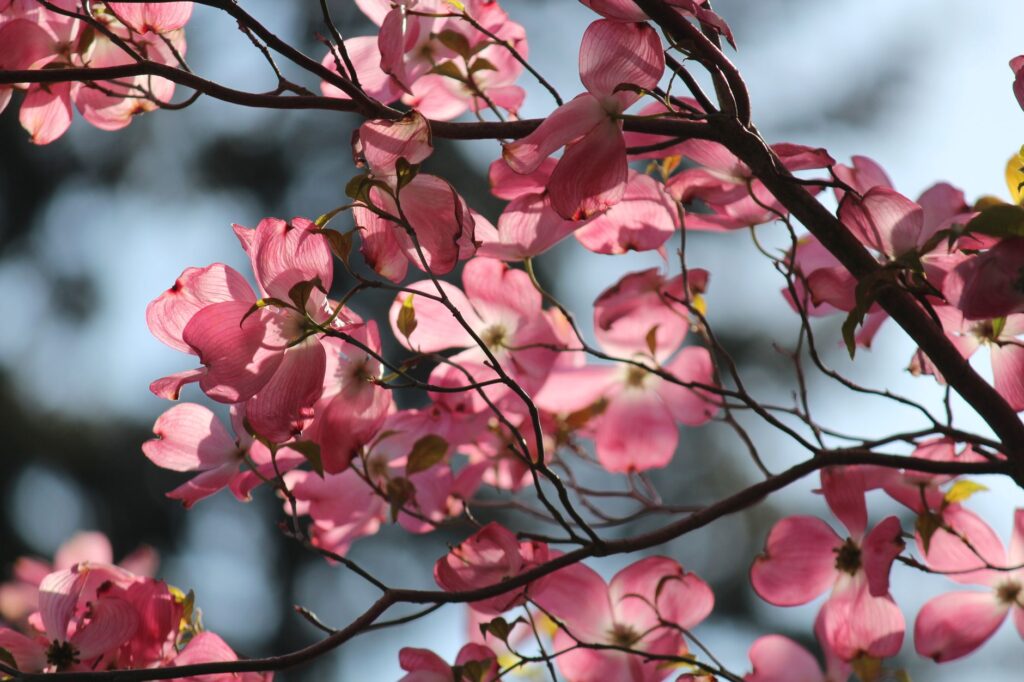
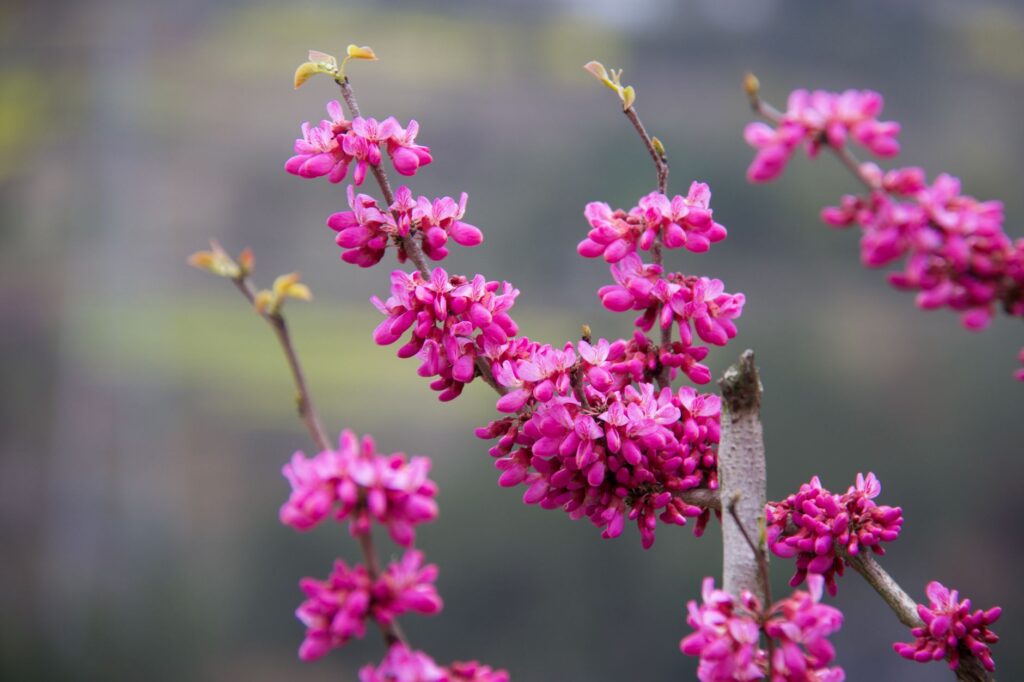
Good candidates for a Middletown front yard tend to be understory or small ornamental species — flowering dogwood (Cornus florida), eastern redbud (Cercis canadensis), or serviceberry (Amelanchier spp.) — rather than the large shade trees better suited to a backyard or a wide side lot.
Form matters as much as species. A single-stem tree reads differently than a multi-stem clump form of the same species, and either can be the right call depending on whether you want a formal, vertical accent by the front door or a softer, more naturalistic planting near a walkway. Nurseries in Monmouth County typically carry both forms of dogwood and serviceberry, so it’s worth seeing a few in person before deciding rather than choosing from a catalog photo alone.
Middletown's #1 Tree Expert Company
FREE Inspection & Estimate | Certified Arborists | Trimming, Pruning, Removal, More!
Sponsored
Siting It So It Doesn't Become a Problem Later

Before you dig, walk the spot at different times of day and check three things: overhead wires, the eventual spread of the canopy relative to your foundation and driveway, and what’s buried underground. Most specimen trees should sit at least 10 to 15 feet from a foundation depending on mature size, and well clear of septic lines and utility easements.
Middletown Township maintains setback and shade tree requirements that apply to certain plantings, so it’s worth a quick check of the township’s municipal code if your property borders a right-of-way or you’re planting near a property line. The International Society of Arboriculture also publishes solid guidance on right tree, right place principles that hold up well for coastal Monmouth County conditions — salt exposure, clay-loam drainage, and wind from the Bay all factor into where a tree will actually thrive versus merely survive.
A Short List That Works in Middletown's Soil and Climate
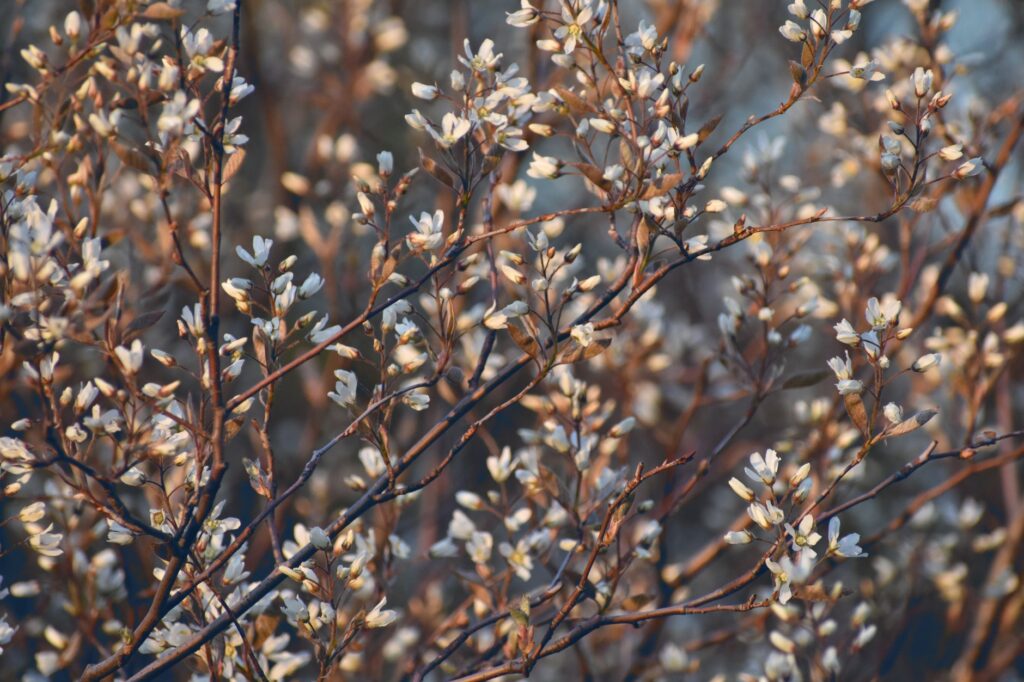
Middletown’s soils run from sandy near the Bayshore to heavier clay-loam further inland, and salt spray is a real factor for properties near Port Monmouth, Leonardo, and the Navesink and Shrewsbury River corridors. A few species consistently perform well as specimen trees across that range:
- Flowering dogwood — spring flowers, red fall foliage, works in partial shade under taller trees
- Eastern redbud — one of the earliest spring bloomers, tolerant of the clay-loam common inland
- Serviceberry — small, multi-stem form, white spring flowers and edible June fruit that draws birds
- Katsura — heart-shaped foliage with caramel fall fragrance, good scale for a mid-size front yard
- American holly — evergreen structure and winter berries, notably salt-tolerant for closer-to-Bay properties
All five stay under 30 feet at maturity in most cases, which keeps them proportional to a typical Middletown lot and well clear of overhead service lines.
Getting the Planting Itself Right
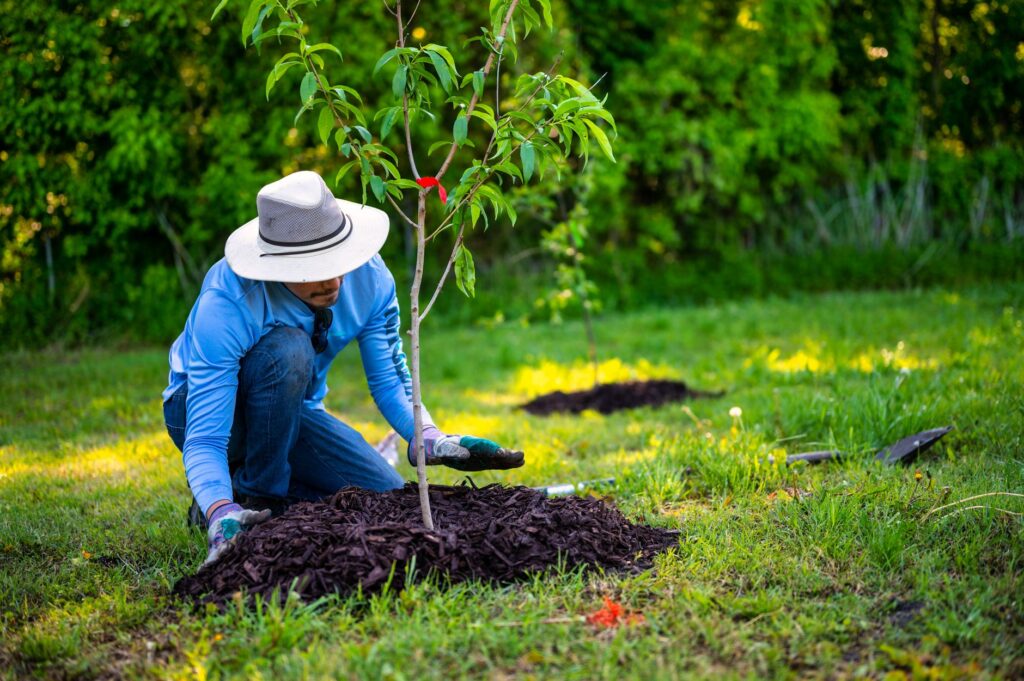
The single most common mistake I see with new specimen trees isn’t species selection — it’s planting depth. Dig the hole only as deep as the root ball and locate the root flare, the point where the trunk widens into the roots, before you backfill. That flare should sit at or slightly above grade, not buried. A tree planted too deep can take years to show decline, by which point the root system is already compromised.
Make the hole two to three times wider than the root ball, but no deeper, so the surrounding soil is loosened for the new roots to expand into without a defined “bathtub” edge that traps water. Water deeply at planting, then again once or twice a week through fall until the ground starts to freeze. A 2 to 3 inch ring of mulch out to the drip line — pulled back a few inches from the trunk — holds moisture and moderates soil temperature through the tree’s first winter.
Middletown's #1 Tree Expert Company
FREE Inspection & Estimate | Certified Arborists | Trimming, Pruning, Removal, More!
Sponsored
Protecting the Investment You Just Made

A specimen tree planted correctly this fall is a landscaping decision that keeps paying off — in curb appeal now, and often in appraised value later, as mature, well-placed trees are consistently cited as a factor buyers notice on a property. But the payoff depends on the first year or two going right: correct depth, consistent watering through any dry stretches, and no lawn equipment nicking the trunk.
If you’re planting near a foundation, a septic field, or an existing mature tree’s root zone, it’s worth having a certified arborist walk the site first. A short consult before you dig is far cheaper than moving or removing a tree that was planted in the wrong spot, and it’s often the difference between a specimen tree that needs to be corrected in five years and one that simply gets better every season.
None of this needs to happen all at once. Pick the spot, pick the species, and get it in the ground while the soil is still warm. Done right, this is one of the few landscaping projects on a Middletown property that looks better every single year instead of needing to be redone.
Photo credits: Featured image by Jenny Bygland on Pexels; Section 1 by Caio on Pexels; Section 2 by Thirdman on Pexels; Section 3 by PCS on Pexels; Section 4 by Erik Mclean on Pexels; Section 5 by Physical Pixel on Pexels; Section 6 by Alfo Medeiros on Pexels; Section 7 by Kindel Media on Pexels.