Middletown's #1 Tree Expert Company
FREE Inspection & Estimate | Certified Arborists | Trimming, Pruning, Removal, More!
Sponsored
The Backyard Habitat Hiding in Plain Sight
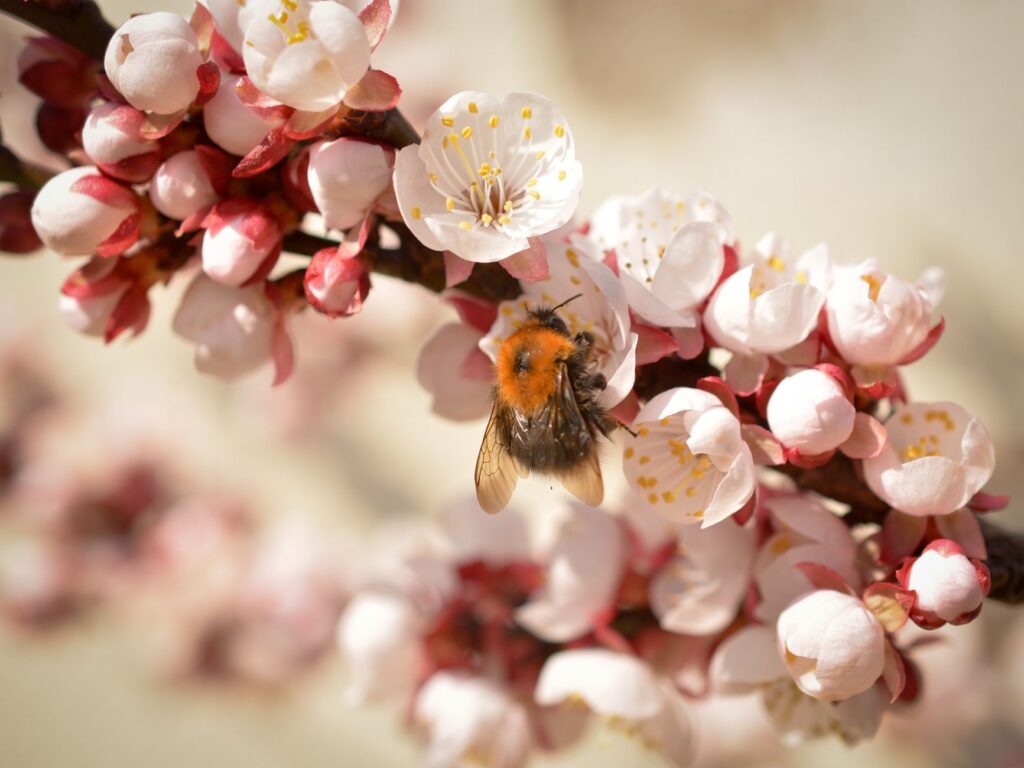
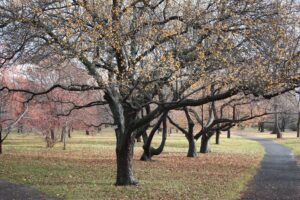
Walk through Poricy Park in early April and you’ll hear it before you see it — a low hum coming off the understory, where serviceberry and redbud are just breaking bud. Most homeowners plant flowers for pollinators and never think about trees. That’s a missed opportunity, because a single mature native tree in bloom can outproduce an entire perennial border in nectar and pollen, simply on volume.
Middletown Township sits at an interesting crossroads for this kind of planning. The Bayshore side deals with salt spray and sandy, fast-draining soil; inland toward Lincroft and Holmdel border, the clay-loam holds water longer and supports a wider range of species. Late summer, heading into September, is exactly when a homeowner should be scouting bare spots in the yard and deciding what goes in the ground once the fall planting window opens.
This isn’t about turning your property into a nature preserve. It’s about picking trees that were already doing double duty long before "pollinator-friendly" became a marketing term — trees that native bees, solitary wasps, hummingbirds, and songbirds evolved alongside, and that a nursery-bred ornamental often can’t replace no matter how pretty its flowers look.
Why Native Beats Ornamental for Pollinators
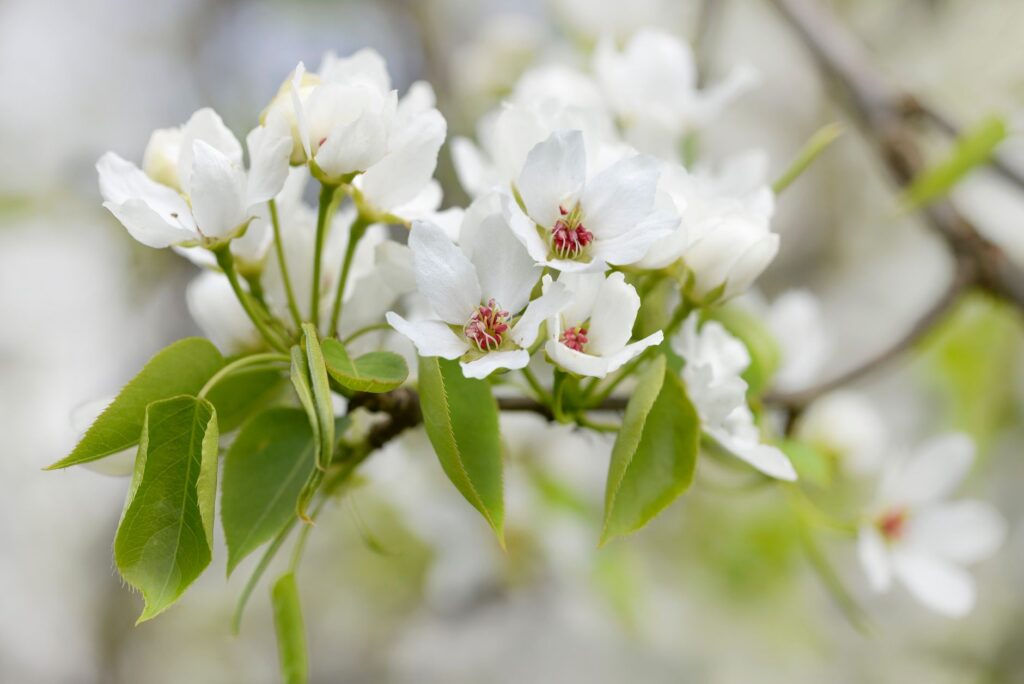
Not every flowering tree pulls its weight ecologically. Callery pear cultivars like Bradford — still common on Middletown streets despite the fire blight and structural failure problems that plague them — produce flowers that are mostly useless to native bees, whose mouthparts and emergence timing evolved around native bloom sequences, not Asian ornamentals. Worse, Callery pear has become a documented invasive in New Jersey, escaping cultivation and crowding out the natives it was planted to replace.
Native trees, by contrast, are food sources local insects can actually use. Rutgers Cooperative Extension’s guidance on incorporating native plants into residential landscapes points out that native species support far more insect life — including the caterpillars that baby songbirds depend on — than non-native ornamentals with similar-looking flowers. That insect activity is also what feeds the birds you actually want to see at the feeder. Rutgers NJAES’s fact sheet on native residential landscaping is a good starting reference if you want the deeper botanical reasoning.
The other advantage is timing. A well-chosen mix of native trees blooms in sequence from March through July, which means pollinators have a continuous food source instead of one big bloom and then nothing. That’s a detail most homeowners never plan for, because most of us are shopping for flower color, not bloom calendar.
The Early Bloomers: Serviceberry and Redbud
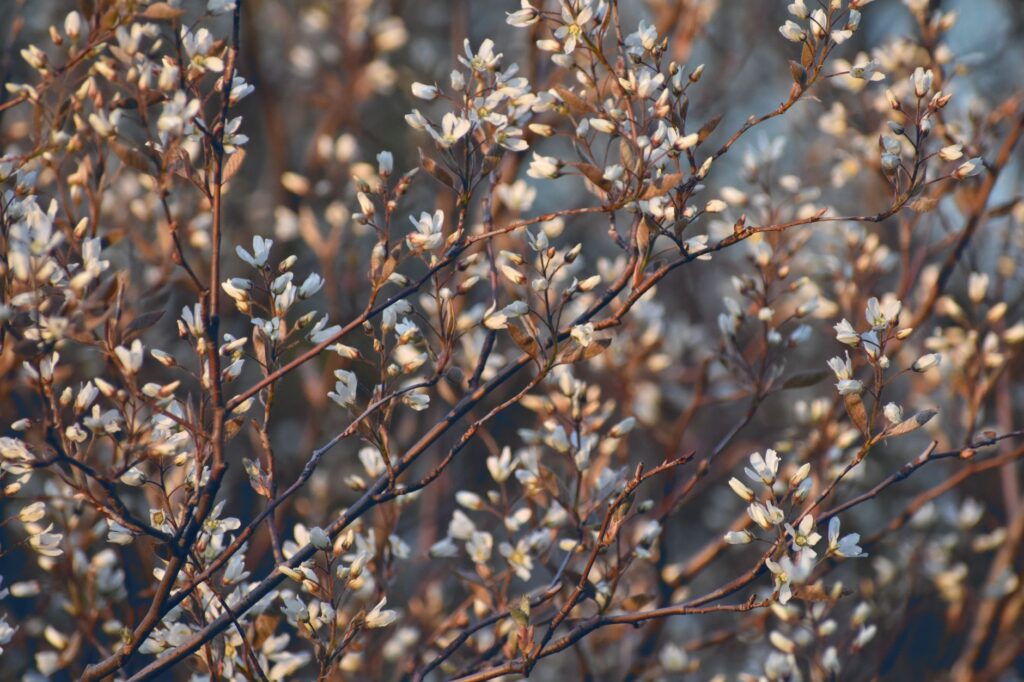
Shadblow serviceberry (Amelanchier canadensis) is arguably the most underused small tree in Middletown yards. It blooms in late March to early April, often before anything else has leafed out, which makes it one of the very first nectar sources available to queen bumblebees emerging from winter dormancy. It tops out around 15-25 feet, tolerates the sandy soils common toward Port Monmouth and Leonardo, and produces edible June berries that songbirds strip within days — usually before homeowners get a taste.
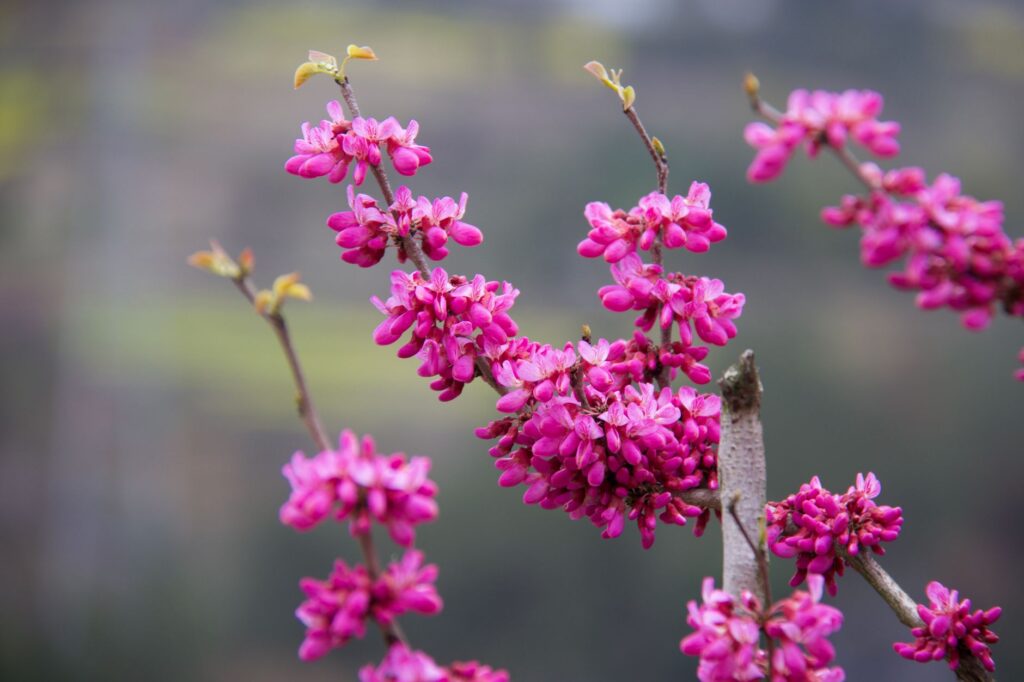
Eastern redbud (Cercis canadensis) follows close behind with its signature magenta-pink flowers appearing directly on bare branches in mid-April. It’s a genuine understory tree, meaning it’s comfortable with partial shade under taller oaks, which makes it a good fit for yards that already have mature canopy. Redbud flowers are a favorite of early mason bees and even hummingbirds passing through on migration.
Both trees stay compact enough for a typical Middletown lot without threatening foundations or utility lines — a real consideration on Bayshore streets where overhead wires limit what you can plant.
Middletown's #1 Tree Expert Company
FREE Inspection & Estimate | Certified Arborists | Trimming, Pruning, Removal, More!
Sponsored
Flowering Dogwood and the Mid-Spring Push
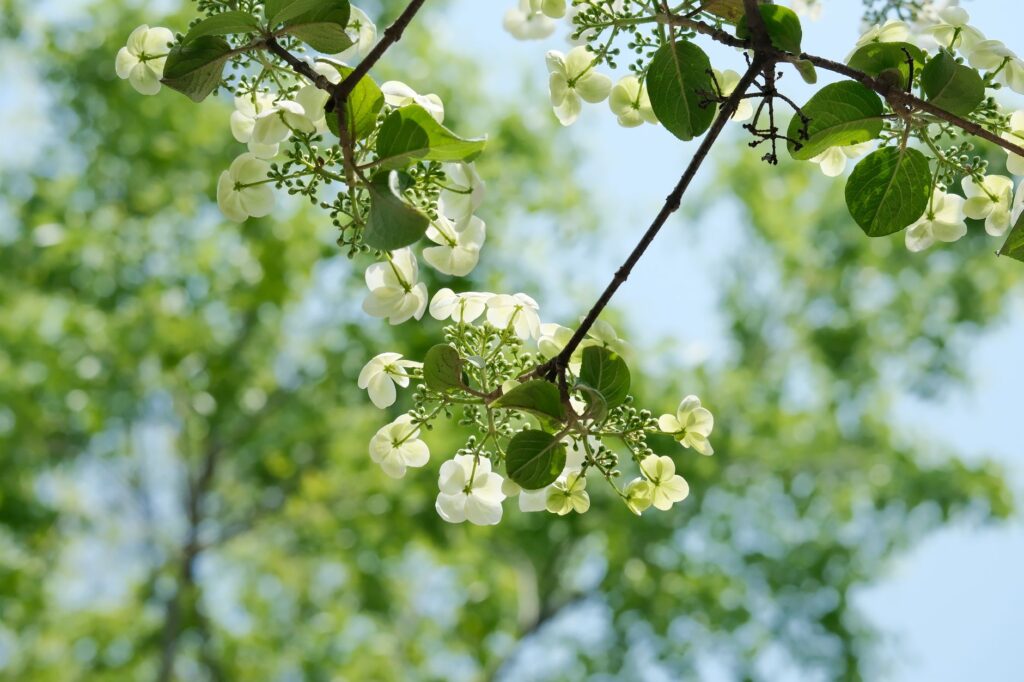
Flowering dogwood (Cornus florida) picks up where redbud leaves off, typically blooming late April into May. It’s native throughout the mid-Atlantic understory and historically common in the mixed oak-hickory forests around Thompson Park and Hartshorne Woods. Its showy white bracts aren’t actually petals — they surround a cluster of small true flowers that draw native bees, and the red fall fruit is high-fat food that migrating birds specifically seek out before heading south.
Dogwood does have a real vulnerability worth knowing before you plant: dogwood anthracnose, a fungal disease that has hit stressed and shaded trees hard across New Jersey in wet years. Give it morning sun, decent air circulation, and avoid nicking the bark with a mower or trimmer — most anthracnose problems start at a wound. Buying from a reputable local nursery that can confirm disease-resistant stock is worth the extra conversation.
- Plant on the north or east side of the house for some afternoon shade relief
- Keep mulch pulled back from the trunk flare — volcano mulching stresses dogwood roots badly
- Water deeply during its first two summers, especially on quicker-draining Bayshore soils
Underplanted and overlooked, dogwood is one of the few native trees that pulls off genuine four-season interest — spring bloom, summer shade, fall color and fruit, and a distinctive layered branching structure in winter.
The Overlooked Powerhouse: Black Tupelo
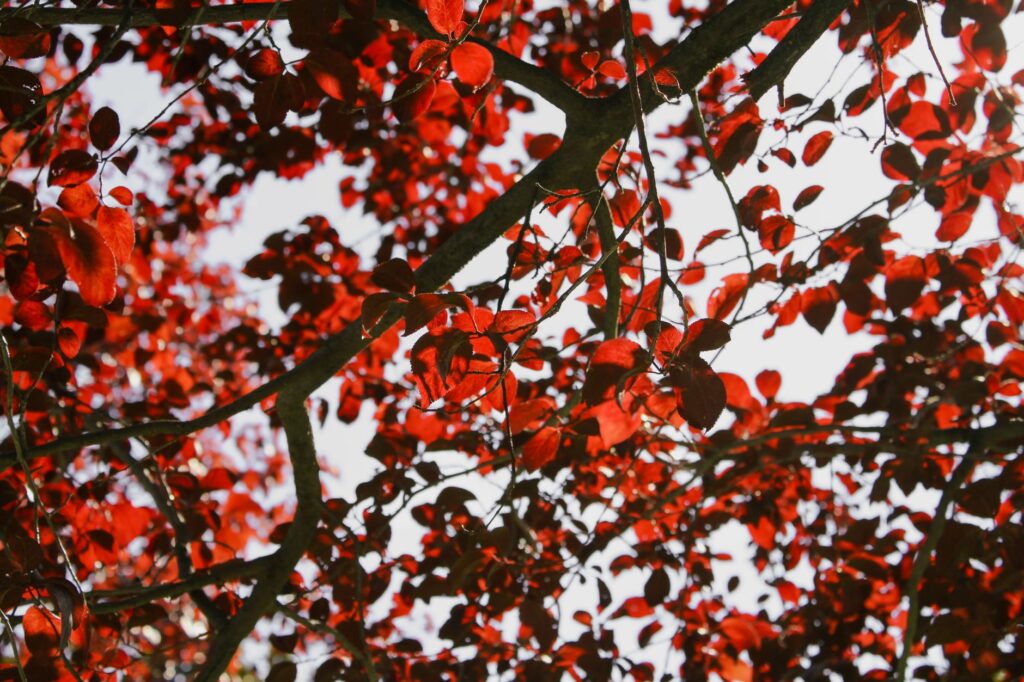
Black tupelo, or blackgum (Nyssa sylvatica), rarely makes anyone’s list of flowering trees because its blooms are small, greenish, and easy to miss. Don’t let that fool you — tupelo flowers are one of the most important nectar sources for honeybees in the eastern United States, and beekeepers prize tupelo honey specifically because of how reliably the tree produces nectar in late spring.
Tupelo also happens to be one of the best fall color trees native to this region, turning a deep scarlet-purple weeks before most maples change. It tolerates wet feet better than almost any other shade tree on this list, which makes it a strong candidate for the lower, poorly-drained pockets found in parts of Belford and along stream corridors feeding into the Bayshore. Mature specimens can live for centuries — some documented blackgums in the eastern U.S. are among the oldest hardwoods standing.
The catch: tupelo has a long taproot and does not transplant well once established, so it needs to go in as a smaller, younger tree and be given room to grow undisturbed. It’s a patience tree, not an instant-gratification tree — but for a homeowner planning multiple decades ahead, it’s hard to beat.
Getting the Planting Right
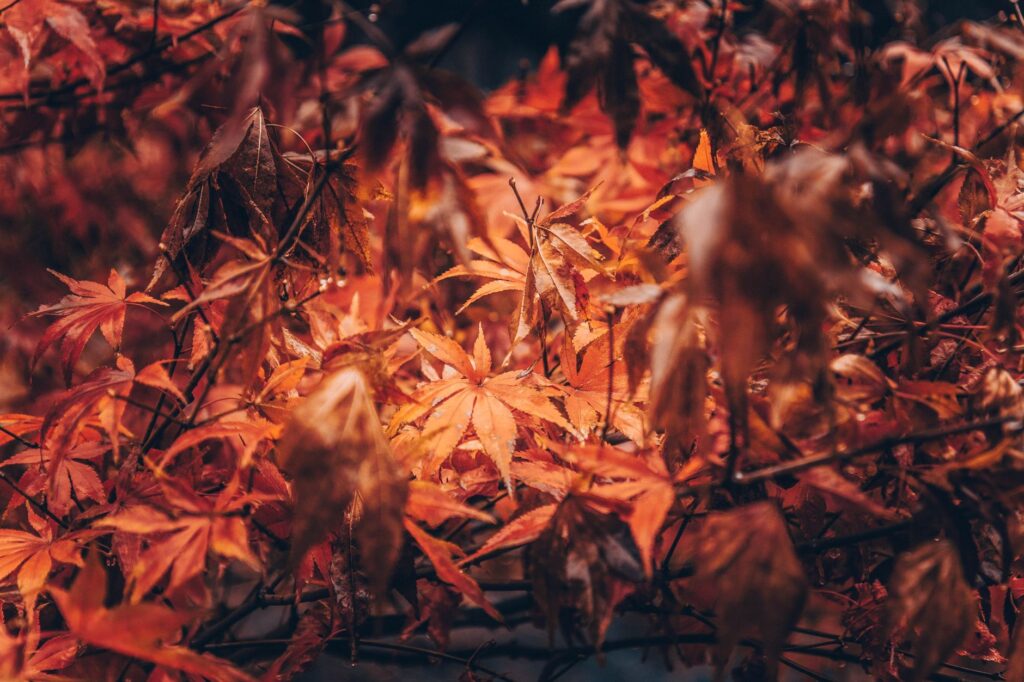
September through October is the best planting window most of these species get all year in Monmouth County. Soil is still warm enough to encourage root establishment, but the punishing heat stress of July and August is behind you — meaning less watering pressure on a newly planted tree. The International Society of Arboriculture’s tree owner resources on choosing and placing the right tree are worth a look before you dig, especially around mature size and site conditions.
A few placement rules matter more than species selection: keep flowering understory trees like redbud and dogwood at least 15 feet from foundations, verify there’s no utility line conflict before planting anything that will exceed 25 feet, and always plant so the root flare sits at or slightly above grade — one of the most common mistakes homeowners make with any new tree, native or not. The U.S. Forest Service’s guidance on gardening for pollinators is a useful companion resource if you’re planning a broader native planting bed around the base of a new tree, not just the tree itself.
If you’re planting near Raritan Bay or anywhere salt spray reaches during nor’easters, favor serviceberry and black tupelo over dogwood, which is more salt-sensitive. A quick soil test before planting — Rutgers offers affordable testing through the county extension office — will tell you more about what will actually thrive than any online plant tag.
Middletown's #1 Tree Expert Company
FREE Inspection & Estimate | Certified Arborists | Trimming, Pruning, Removal, More!
Sponsored
When to Bring in a Professional
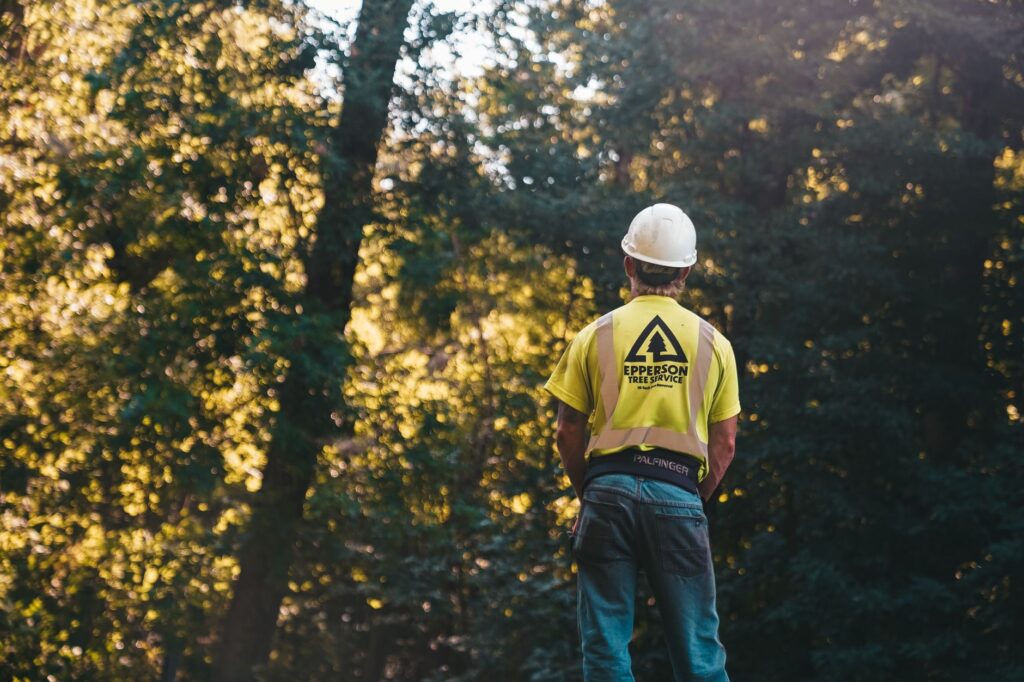
Choosing and planting a small native tree is well within reach for most homeowners, especially with the species covered here. Where it makes sense to call a certified arborist is site assessment before you commit — confirming drainage, checking for buried utilities, evaluating how a new tree’s mature canopy will interact with existing trees, and, if you’re retrofitting a yard that already has mature oaks or maples, figuring out how much root competition and shade a new planting will actually face.
An arborist can also help you sequence a multi-tree planting so bloom times overlap correctly, rather than accidentally clustering everything into a two-week spring window and leaving pollinators without food the rest of the season. That kind of planning pays off for decades — a native tree planted correctly this fall could still be feeding Middletown’s bees and birds long after the person who planted it has moved on.
Whatever you choose, the underlying idea is simple: every tree in a yard is either doing ecological work or it isn’t. Given the choice between two trees that both look good in a photo, the native one is almost always doing more.
Photo credits: Featured image by PCS on Pexels; Section 1 by Katharina-Charlotte May on Pexels; Section 2 by Elena Umyskova on Pexels; Section 3 by Physical Pixel on Pexels; Section 4 by Lily Lili on Pexels; Section 5 by Tuğba on Pexels; Section 6 by Kowal Tyler on Pexels; Section 7 by Grant on Pexels.