Middletown's #1 Tree Expert Company
FREE Inspection & Estimate | Certified Arborists | Trimming, Pruning, Removal, More!
Sponsored
The Number Nobody Thinks to Check Before Calling for a Removal
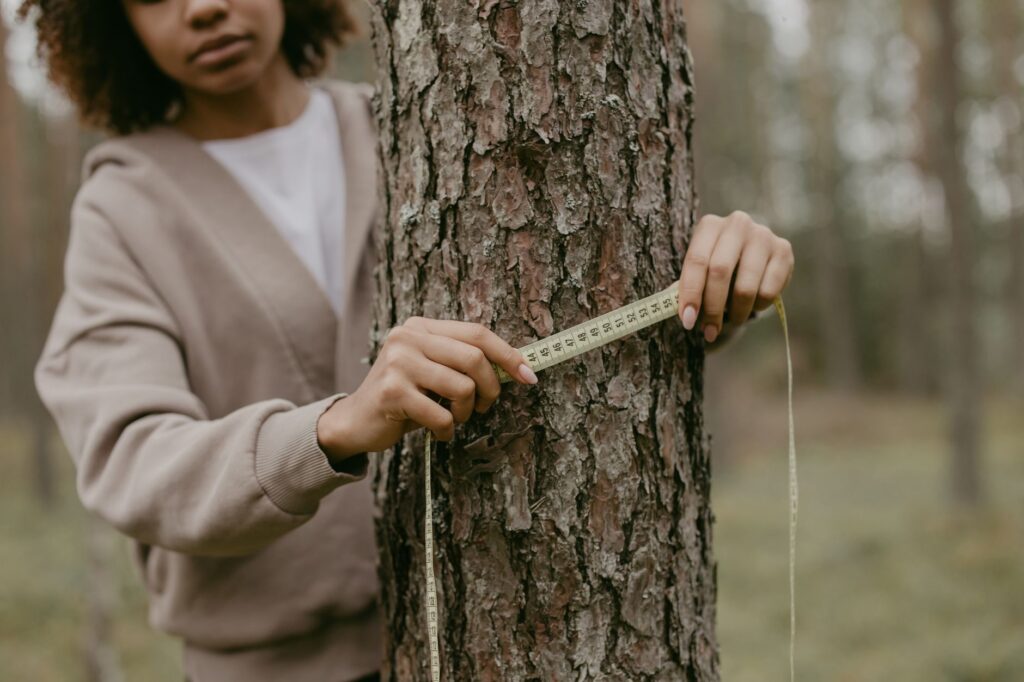
Most Middletown homeowners who decide a tree has to come down start with a phone call, not a tape measure. That’s usually backwards. Middletown Township’s tree removal ordinance doesn’t hinge on how big a tree looks from the driveway, how much shade it throws, or how nervous it makes a homeowner during a nor’easter. It hinges on a single, precise number: diameter at breast height, or DBH — the trunk’s diameter measured at 4.5 feet above the ground.
That measurement, taken correctly, is what separates a tree a property owner can remove without any paperwork from one that triggers a formal application, a replacement requirement, or both. Skip it, and a homeowner can end up either filing for a permit they never needed, or removing a regulated tree without one and finding out later that it mattered.
This isn’t a quirk unique to Middletown. Municipalities across New Jersey commonly size-thresholds their shade tree ordinances this way, because DBH is the standard the forestry world already uses to talk about a tree’s age, structure, and canopy contribution. Learning to take the measurement is five minutes with a tape measure. Knowing what the number means once you have it is the part worth understanding before any saw comes out.
How to Measure DBH Yourself, Correctly
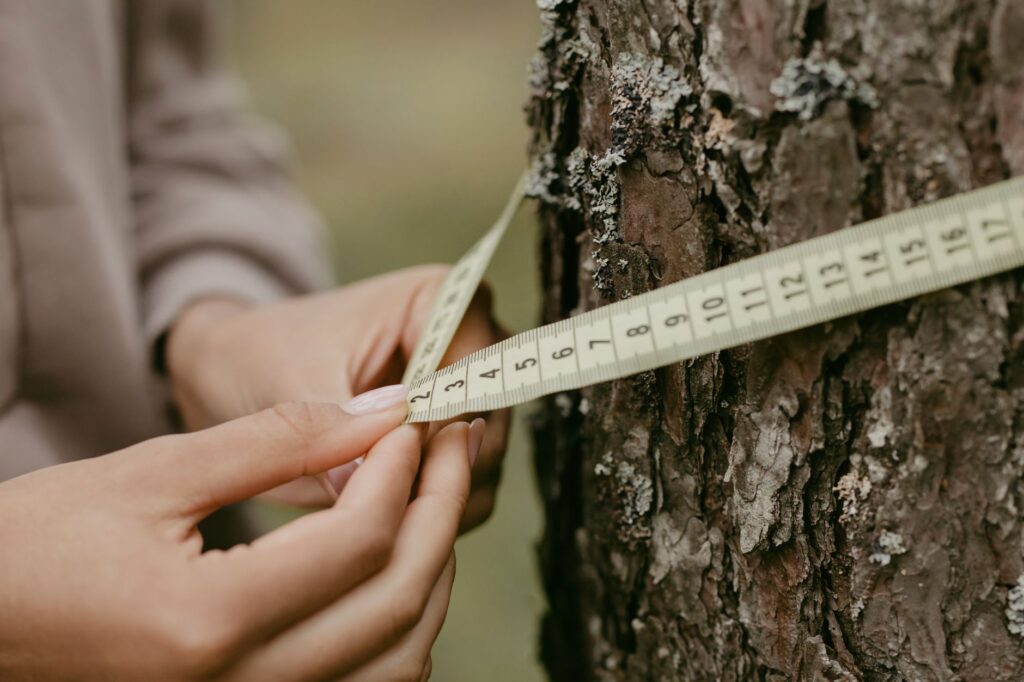
Diameter at breast height sounds clinical, but the technique is simple once you know the two things people usually get wrong: where to measure, and how to convert what the tape actually gives you.
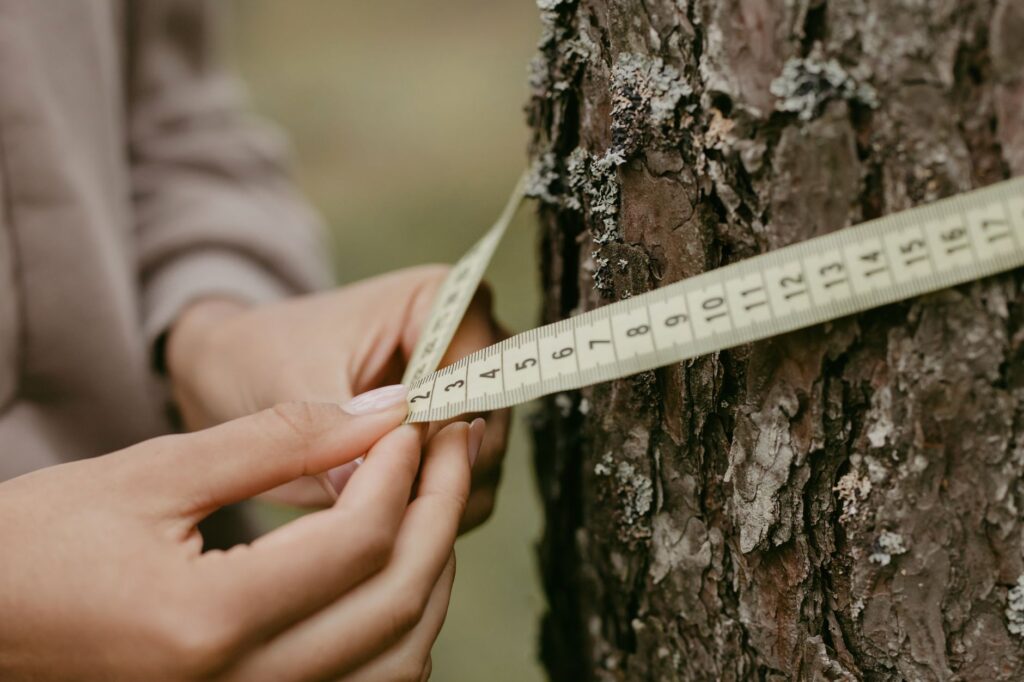
Start at the base of the trunk and measure straight up 4.5 feet — roughly chest height on an average adult. Wrap a flexible tape measure snugly around the trunk at that point, keeping it level and perpendicular to the trunk’s long axis, not angled up or down a slope. What you’ll read is circumference, not diameter. To get diameter, divide the circumference by pi (3.14159). A trunk that measures 47 inches around, for example, works out to a DBH of about 15 inches.
Two situations trip people up. On sloped ground, measure the 4.5 feet from the uphill side of the tree, since that’s the more conservative and standard reading. And on a multi-stem tree — common with river birch (Betula nigra) and many ornamental crabapples in Middletown yards — each stem is typically measured individually below the point where the trunk splits, and the ordinance may treat the tree differently depending on whether the split happens above or below breast height. When a tree forks right around 4.5 feet, that’s a case worth photographing and asking the township about directly rather than guessing.
If a tree is leaning heavily, has significant trunk flare, or the bark is too irregular to get a clean wrap, a certified arborist can take the measurement in a few minutes as part of a broader site visit — and can flag anything else about the tree’s structure worth knowing before you decide what to do with it.
What Middletown's Ordinance Actually Exempts — and What It Doesn't
Middletown’s tree removal and replacement ordinance draws its lines by DBH and, for evergreens, by height. Street trees under 2.5 inches DBH, shade trees under 24 inches DBH, and evergreens under 10 feet tall generally fall outside the ordinance’s removal and replacement requirements. Trees at or above those thresholds are a different story: removing one typically requires a formal application, submitted digitally through the township’s permitting portal, and is subject to replacement requirements meant to offset the loss of canopy.
It’s worth sitting with how different those two thresholds are. A 24-inch DBH shade tree isn’t a sapling — depending on species and growing conditions, that’s often a tree several decades old with a canopy spread of 40 feet or more. A homeowner might reasonably assume a large tree automatically needs a permit and a young one doesn’t, but the actual cutoffs are more specific than that intuition, and they apply based on the trunk measurement regardless of how the tree looks or how urgently a homeowner wants it gone.
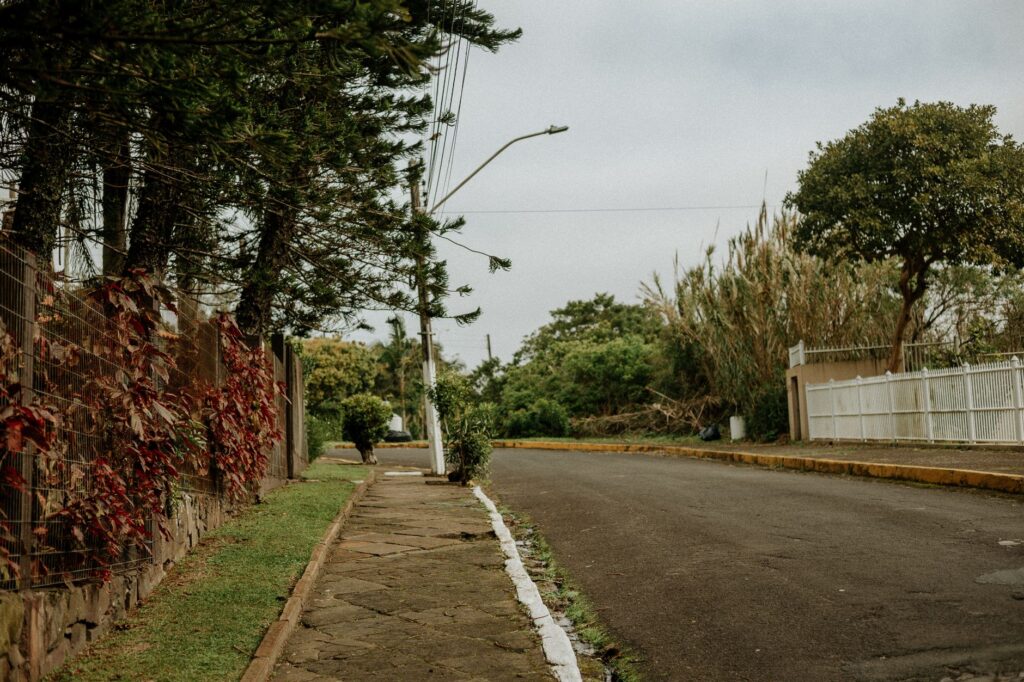
The ordinance also draws a distinction that catches people off guard: trees within the road right-of-way — the strip between the sidewalk and the curb — are treated as street trees under township jurisdiction even though the adjacent property owner is generally responsible for their maintenance and any associated costs. That combination, responsibility without ownership, is worth understanding on its own before assuming a tree near the curb is simply yours to deal with as you see fit.
Middletown's #1 Tree Expert Company
FREE Inspection & Estimate | Certified Arborists | Trimming, Pruning, Removal, More!
Sponsored
Why Municipalities Regulate by Size in the First Place
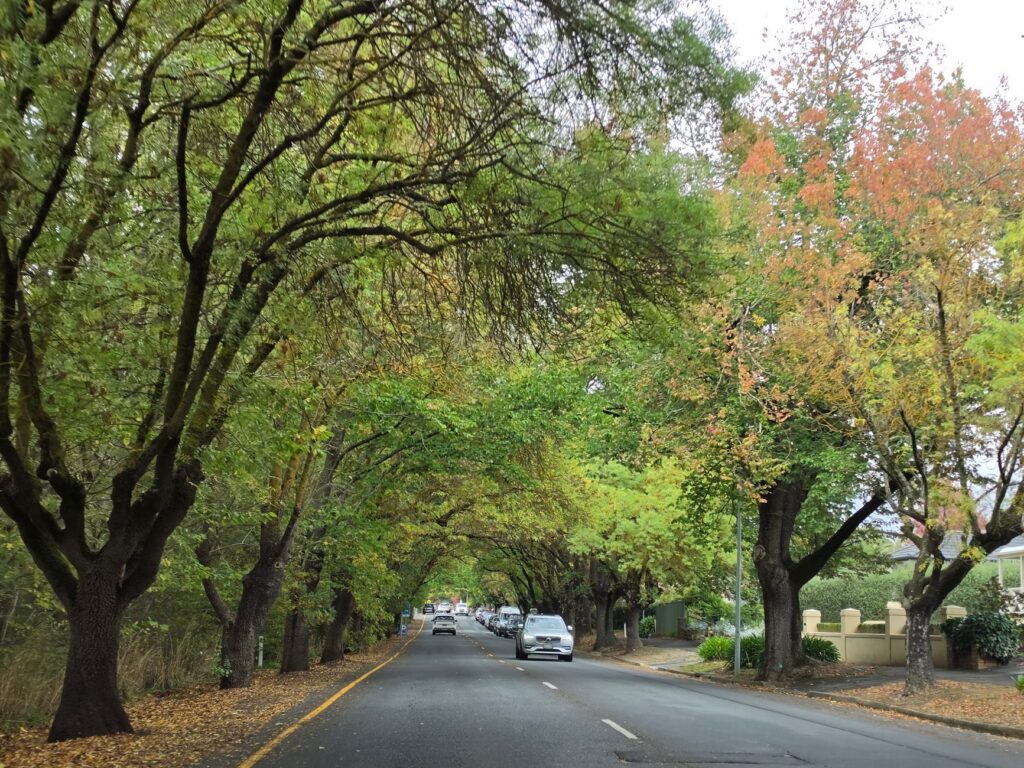
Size-based tree ordinances aren’t paperwork for its own sake. They’re a blunt but effective proxy for something harder to legislate directly: how much ecological and economic value a given tree is providing right now, and how long it took to get there.
A large-diameter shade tree is doing measurably more work than a young one. Its canopy intercepts stormwater before it reaches storm drains, its shade reduces cooling costs on adjacent structures, and its root system stabilizes soil in ways a newly planted tree simply hasn’t had time to develop. The USDA Forest Service’s research on urban forestry has documented these compounding benefits extensively — a mature tree’s canopy value doesn’t scale linearly with age, it accelerates, which is part of why replacing one large tree often requires planting several smaller ones to approximate the same benefit.
That’s the logic behind Middletown’s replacement requirement for regulated removals: it isn’t a fine, it’s an attempt to keep the township’s overall canopy from shrinking one large-diameter tree at a time, even when each individual removal is entirely reasonable on its own merits. Understanding that framing changes how the requirement feels — less like a hurdle, more like an accounting exercise for a resource that took decades to accumulate and can be lost in an afternoon.
The Mistakes That Actually Cause Problems
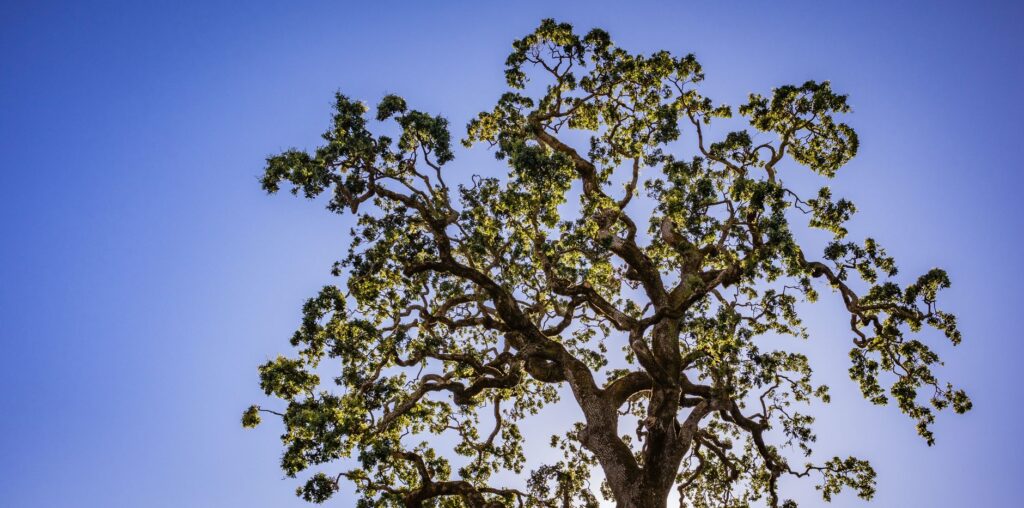
The most common measurement error isn’t dishonesty, it’s imprecision under a deadline. A homeowner eyeballs a trunk, guesses it’s “probably under two feet across,” and proceeds without an application — only to find out later the actual DBH cleared the shade tree threshold by an inch or two. Because the ordinance’s line is a hard number rather than a judgment call, there’s no real room for a reasonable estimate to substitute for an actual measurement.
A second mistake is measuring at ground level or at an arbitrary height instead of the standardized 4.5 feet. Trunk taper means a measurement taken a foot lower or higher can shift the DBH reading meaningfully, especially on species with pronounced buttressing near the base, which is common on mature white oaks (Quercus alba) throughout Middletown’s older neighborhoods.
The third is assuming that because a tree is dead, dying, or storm-damaged, the ordinance simply doesn’t apply. Hazard and emergency provisions do exist in many municipal tree ordinances for trees posing an immediate safety risk, but they typically require documentation — often from a certified arborist or the township itself — rather than a homeowner’s own assessment that removal can’t wait. Before assuming an ordinance exemption applies, it’s worth confirming it in writing rather than assuming it from the tree’s condition alone.
When any of this is ambiguous, the fix is inexpensive: a certified arborist can measure the tree, document its condition with photographs, and advise on which parts of the ordinance actually apply, all before any irreversible decision gets made.
If the Ordinance Does Apply to Your Tree
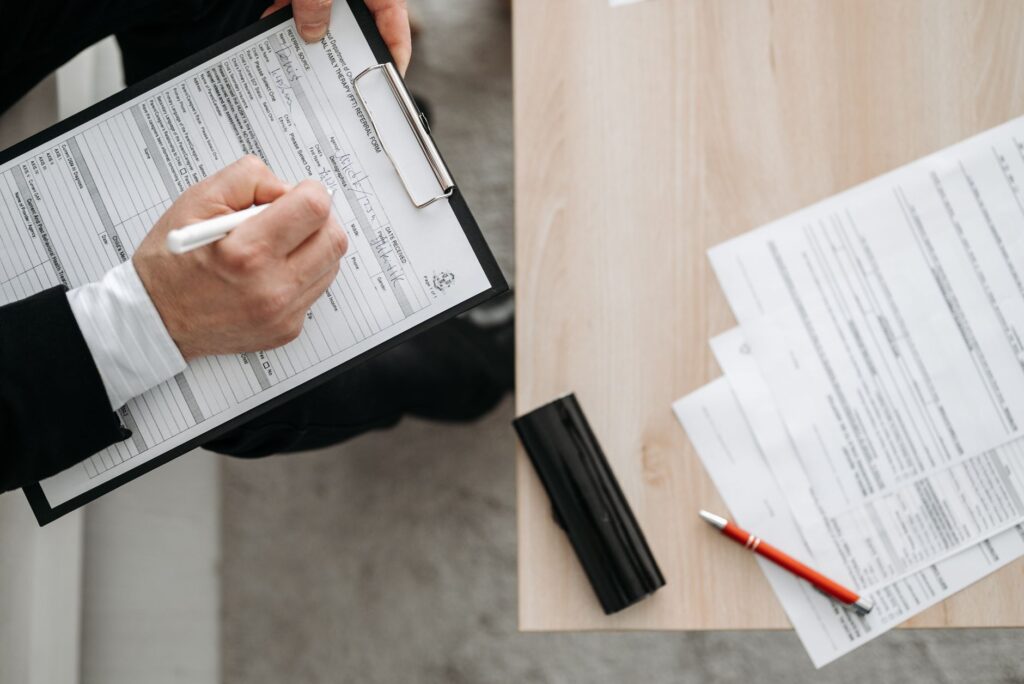
Once a tree’s DBH clears the applicable threshold, the process is procedural but not especially burdensome. Middletown’s tree removal applications are submitted digitally through the township’s permitting portal, generally with basic information about the tree’s location, species if known, and reason for removal. Processing includes a review of the replacement requirement, which typically scales with the size and number of trees removed.
This is also the point where hiring a certified arborist pays for itself beyond the measurement itself. The International Society of Arboriculture’s guidance on hiring an arborist notes that a credentialed professional can evaluate whether removal is actually the right call versus a treatment or structural pruning that addresses the underlying concern — which matters here specifically, because a removal that turns out to have been avoidable still triggers the same permit and replacement obligations as one that was necessary.
For trees near the road right-of-way, coordination with the township is worth doing early rather than after work has already started, since jurisdiction over those trees sits partly with the municipality regardless of who’s paying for the work.
Middletown's #1 Tree Expert Company
FREE Inspection & Estimate | Certified Arborists | Trimming, Pruning, Removal, More!
Sponsored
When to Call a Pro
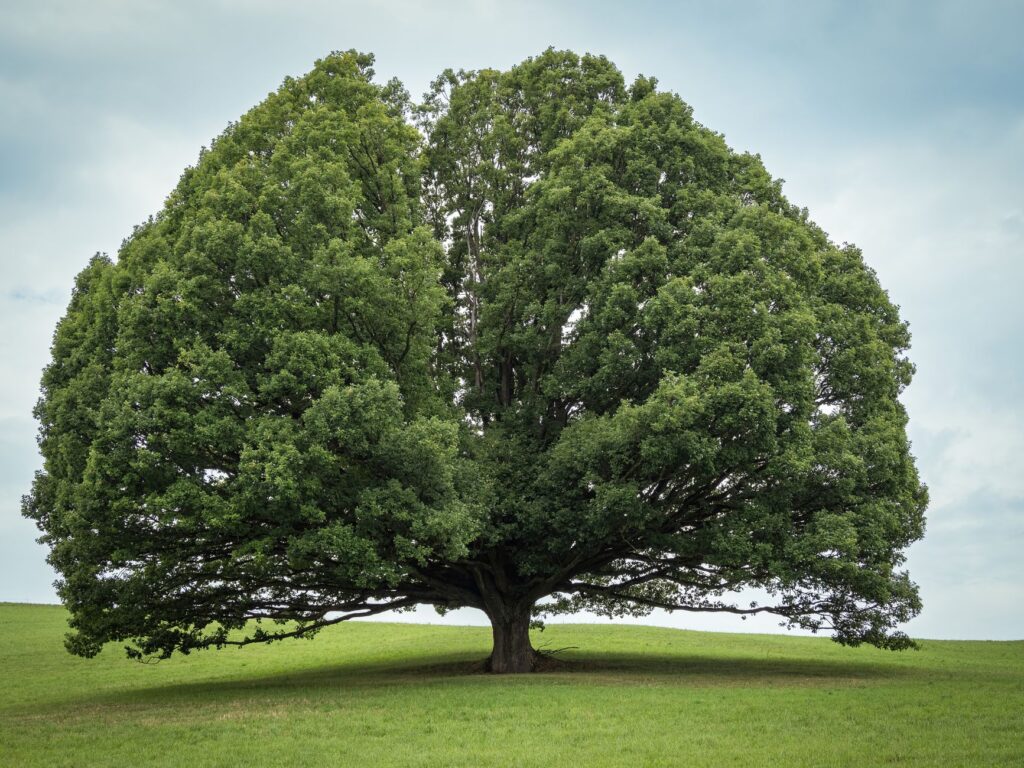
A tape measure and a calculator can answer the first question — does this tree fall under the ordinance — in about five minutes. Everything downstream of that answer benefits from professional judgment: whether removal is actually warranted, how to document a hazard claim if one exists, how the replacement requirement applies to a specific property, and how to handle a tree that straddles the line between private property and the public right-of-way.
A certified arborist familiar with Middletown Township’s tree ordinance can measure the trunk, assess the tree’s condition, and walk a homeowner through exactly what the permitting process requires before anything is cut. That single site visit is often the difference between a removal that goes smoothly and one that turns into a compliance problem discovered after the fact — a far more expensive place to learn the number that mattered all along.
Photo credits: Featured image by cottonbro studio on Pexels; Section 1 by cottonbro studio on Pexels; Section 2 by cottonbro studio on Pexels; Section 3 by Maria Luiza Melo on Pexels; Section 4 by sasif awan on Pexels; Section 5 by Robert So on Pexels; Section 6 by Pavel Danilyuk on Pexels; Section 7 by Thomas P on Pexels.