Middletown's #1 Tree Expert Company
FREE Inspection & Estimate | Certified Arborists | Trimming, Pruning, Removal, More!
Sponsored
A Working Forest in Our Own Backyard
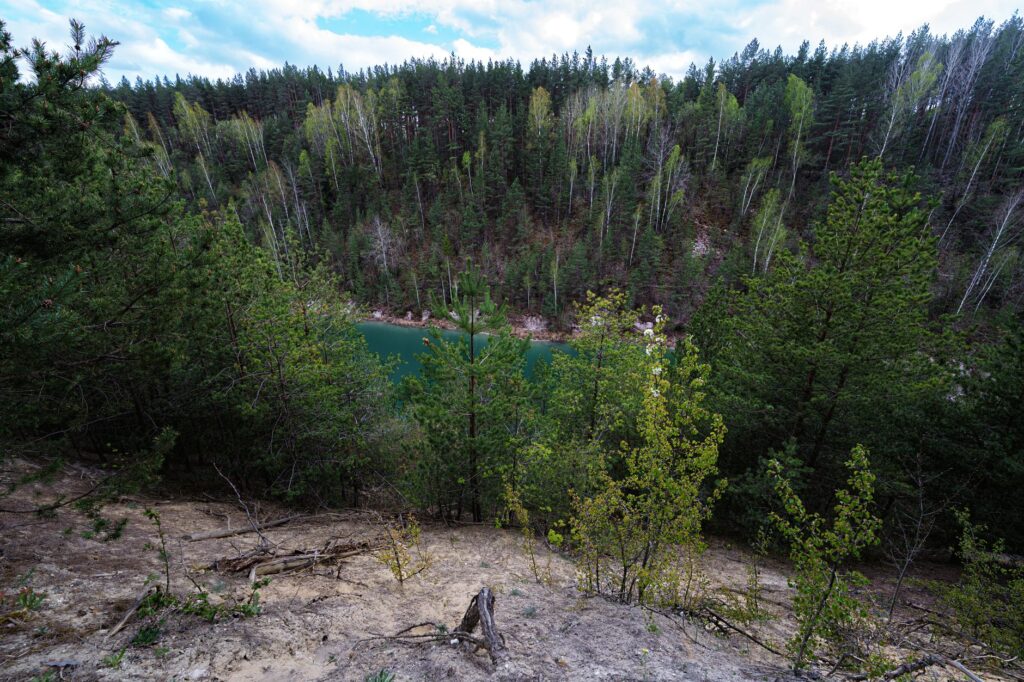
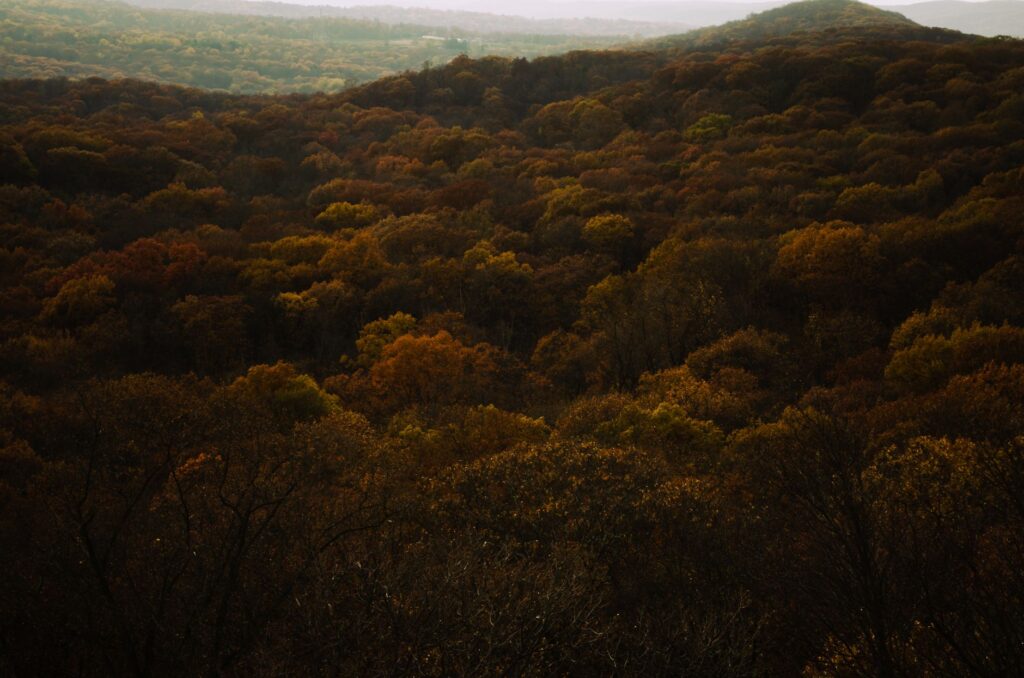
Drive up Navesink Avenue toward the Buttermilk Valley section of Hartshorne Woods Park and the land does something most of the Bayshore doesn’t: it climbs. At roughly 280 feet above the Navesink River, this 831-acre tract of county-owned woodland sits among the highest natural elevations on the Atlantic coastline south of Maine, and the mixed oak-hickory forest that covers those slopes has been managed, deliberately and continuously, by Monmouth County Park System foresters for decades.
Most Middletown homeowners think of Hartshorne Woods as a place to hike, not as a case study in tree care. But the county’s approach to that forest — how it identifies hazard trees along 16 miles of trail, how it fights back invasive plants at a landscape scale, and how it chooses what gets replanted where a canopy gap opens — is the same set of decisions every property owner makes on a much smaller scale in their own yard. Understanding how the professionals do it at 831 acres is a useful lens for doing it right on a quarter acre.
How a County Forest Actually Gets Managed
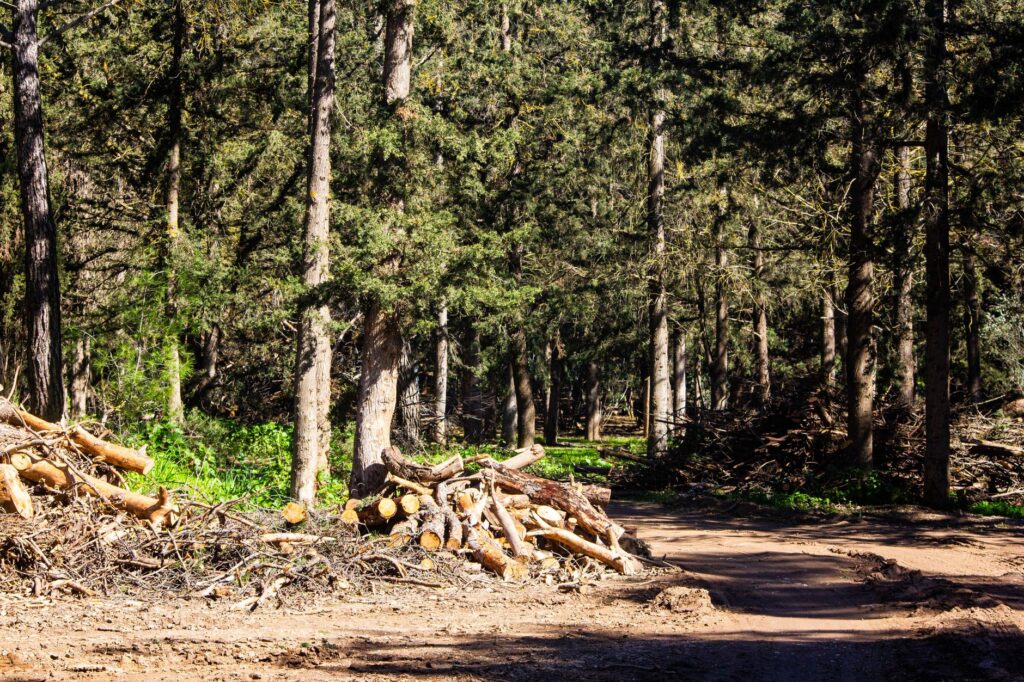
“Forest management” sounds passive, like something that happens on its own once land is set aside. It isn’t. Monmouth County’s natural resources staff run an active, multi-year process on properties like Hartshorne Woods: forestry mowing to knock back dense invasive plant cover, followed by targeted herbicide treatment on the toughest resprouting species, followed by planting native trees and shrubs into the openings that result. Each step depends on the one before it — skip the mowing and the herbicide can’t reach the invasive root systems; skip the herbicide and the natives get outcompeted again within a season.
That sequencing matters because it mirrors the single biggest mistake homeowners make when they try to fix an overgrown corner of their own property: doing one step and stopping. Cutting back bittersweet vines without addressing the root crown, or planting a native understory tree into ground still choked with invasive stock, tends to produce the same disappointing result at yard scale that it would at forest scale — the invasive plants come back within a year or two, usually thicker than before.
Diversity Isn't Decoration — It's Risk Management
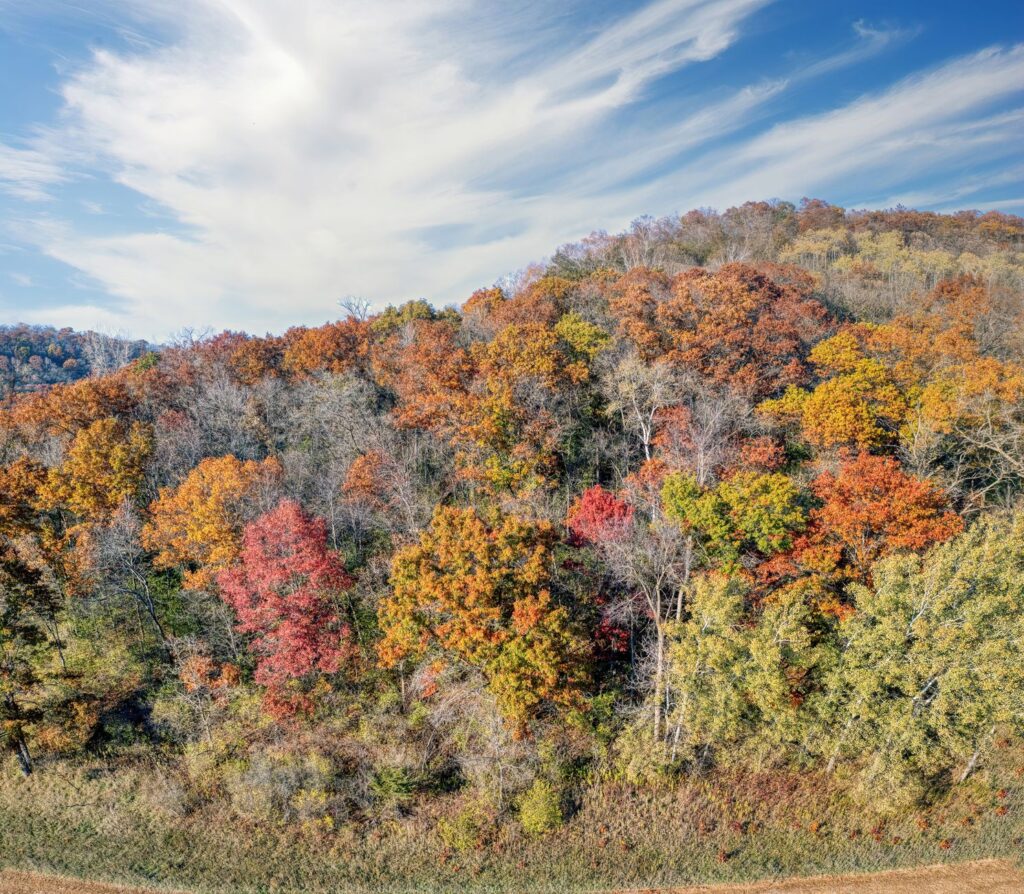
Walk the Buttermilk Valley or Rocky Point sections of Hartshorne Woods and you’ll pass white oak (Quercus alba), black oak (Quercus velutina), mockernut hickory (Carya tomentosa), American beech (Fagus grandifolia), and pockets of mountain laurel in the understory — a genuinely mixed forest, not a monoculture. That diversity isn’t an aesthetic choice. It’s the same principle Rutgers Cooperative Extension recommends to homeowners choosing street and yard trees: no single species should dominate a planting, because any pest or pathogen that targets that species can then take out the whole stand at once.
Middletown’s older neighborhoods learned this lesson the hard way with American elm and, more recently, with ash trees lost to emerald ash borer. A forest — or a block, or a backyard — planted with five or six well-suited species instead of one is far more resilient to the next insect or disease that shows up, and something eventually will. When you’re choosing a replacement tree after a removal, treat it as an opportunity to diversify what’s already growing nearby rather than defaulting to whatever is popular at the nursery that season.
Middletown's #1 Tree Expert Company
FREE Inspection & Estimate | Certified Arborists | Trimming, Pruning, Removal, More!
Sponsored
Assessing Hazard Trees at Trail Scale
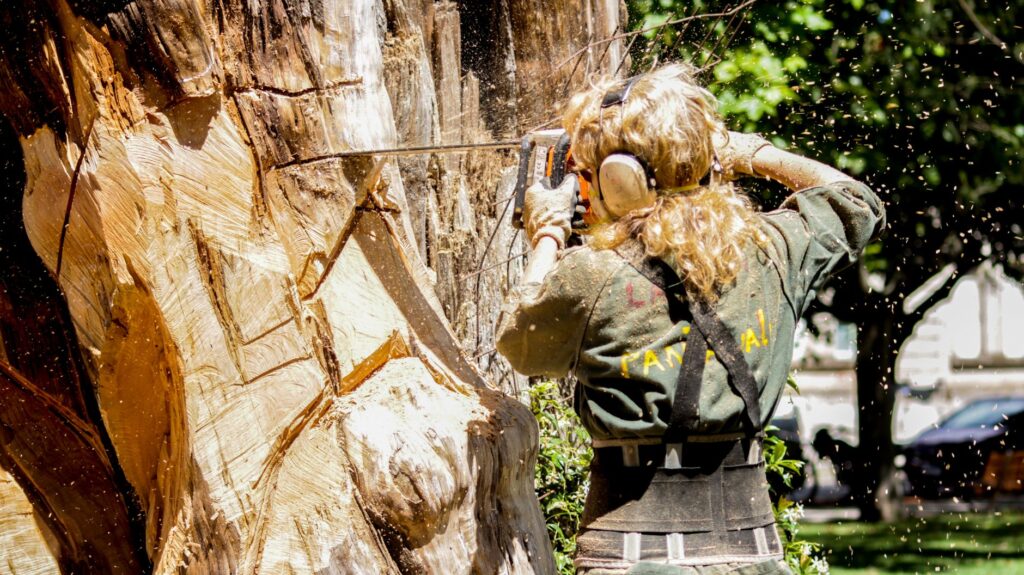
With 16 miles of public trail running through steep, wooded terrain, Hartshorne Woods carries a hazard-tree obligation most private landowners never have to think about — thousands of hikers pass under that canopy every year. County foresters and contracted arborists walk the trail corridors on a rotating basis looking for the same defects a certified arborist evaluates in a residential tree risk assessment: cracked or included bark at major unions, fungal conks indicating internal decay, dead limbs hung up in the canopy, and root-zone disturbance from erosion or trail widening. The International Society of Arboriculture outlines the same basic framework — likelihood of failure, size of the part that could fail, and what’s underneath it — for trees over driveways, decks, and roofs.
The difference in scale changes the math but not the method. A park forester triaging a slope of a hundred trees is asking the same three questions a homeowner should ask about the one big oak leaning toward the house: what’s likely to fail, how big is it, and what’s standing under it if it does. If the honest answer to that last question is “my roof” or “the driveway where the car sits every night,” that’s the tree that gets a professional look this season, not next.
The Invasive Pressure Isn't Just a Park Problem
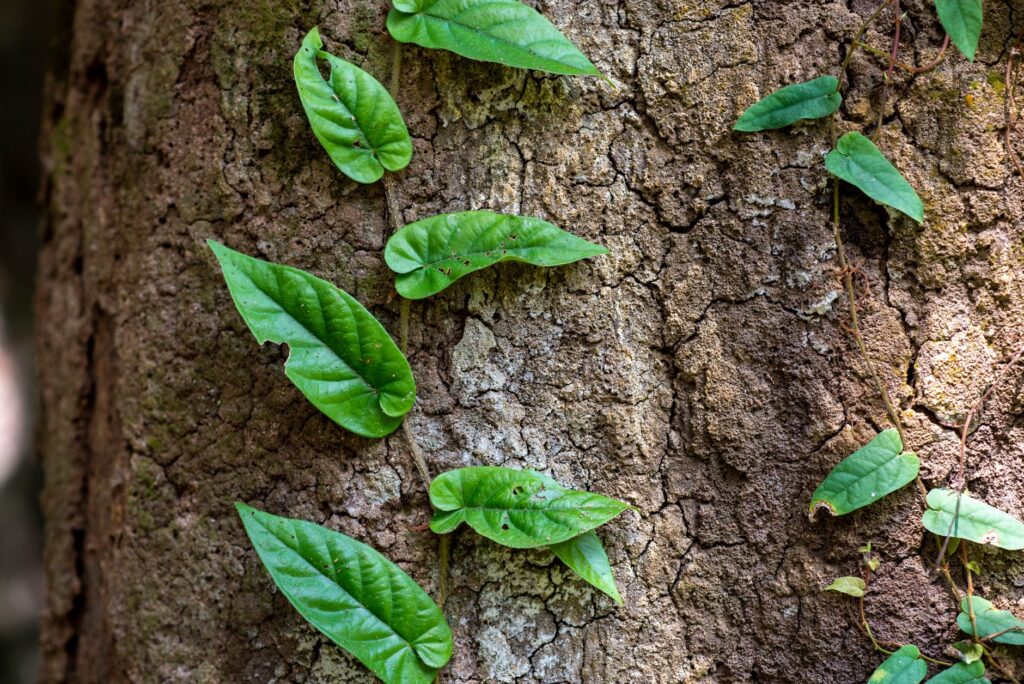
The invasive plants the county is actively removing at Hartshorne Woods — oriental bittersweet, multiflora rose, Japanese barberry, and Norway maple seedlings among them — don’t respect property lines. Seed and vine material moves from park edges into adjacent yards constantly, carried by birds, deer, and simple proximity. A homeowner backing up to any of Middletown’s county-owned woodlands, from Hartshorne Woods to Poricy Park to Thompson Park, is fighting the same invasive seed bank the county forestry crews are, just on a smaller and less-resourced scale.
The practical takeaway isn’t to panic about vines showing up at the property line. It’s to catch them early and treat root systems, not just visible growth — a small bittersweet vine cut at the base and left rooted will resprout aggressively, exactly the way the county’s own pre-herbicide test plots did before staff moved to the cut-and-treat method they use now.
What Homeowners Can Borrow From the County's Playbook
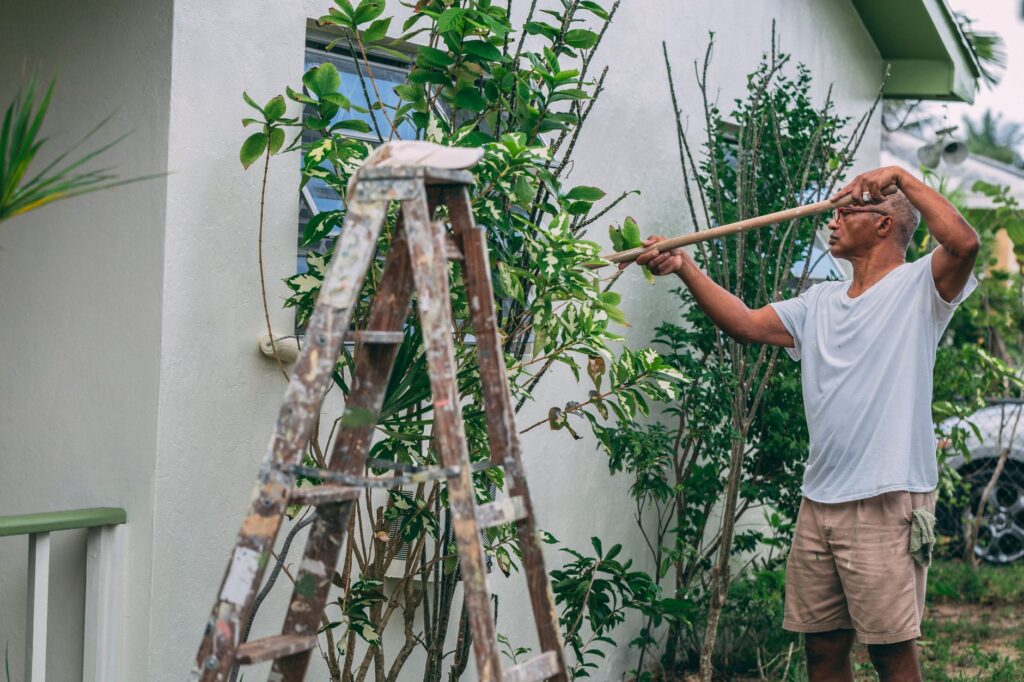
A few habits translate directly from managing 831 acres to managing an eighth of one:
- Sequence the work. Address the underlying problem — compacted soil, an invasive root system, a structural defect — before doing the cosmetic step, not after.
- Plant for diversity, not convenience. Resist the urge to replace one tree with the same species everyone else on the block just planted.
- Assess before you act. A five-minute look at likelihood of failure, size, and target is the same exercise whether you’re a county forester or a homeowner with a ladder and a pair of binoculars.
- Treat invasive plants at the root, not just the surface. Cutting back growth without addressing the root crown almost always means doing the same job again next year.
None of this requires county-scale equipment. It requires the same disciplined sequence, applied at whatever scale your property calls for.
Middletown's #1 Tree Expert Company
FREE Inspection & Estimate | Certified Arborists | Trimming, Pruning, Removal, More!
Sponsored
When the Job Outgrows a Weekend
Most of what happens at Hartshorne Woods — the mowing, the herbicide application, the hazard-tree removals along steep trail corridors — is done by trained forestry staff and contracted arborists, not volunteers, because the terrain, the equipment, and the risk involved call for it. The same is often true on residential property once a job moves past cutting back a vine or mulching a bed: a leaning tree over a structure, a large limb with a crack at the union, or a stand of invasive vines that’s climbed thirty feet into a canopy are all jobs where a certified arborist’s assessment is worth more than a weekend of DIY effort.
If you’re looking at a tree on your Middletown property and finding yourself asking the same questions the county’s foresters ask about the trees along the trail — what’s the likelihood this fails, and what’s underneath it — that’s usually the signal to get a professional opinion before deciding what happens next. The Monmouth County Park System has spent decades refining how it manages a working forest at scale; the same care applied to the handful of trees in your own yard tends to pay off just as reliably.
Photo credits: Featured image by Lindsey Flynn on Pexels; Section 1 by Siarhei Nester on Pexels; Section 2 by Nikolaos D. Nomikos on Pexels; Section 3 by Tom Fisk on Pexels; Section 4 by Gastón Mousist on Pexels; Section 5 by ธันยกร ไกรสร on Pexels; Section 6 by Craig Adderley on Pexels; Section 7 by Paris Lopez on Pexels.