Middletown's #1 Tree Expert Company
FREE Inspection & Estimate | Certified Arborists | Trimming, Pruning, Removal, More!
Sponsored
Two Streets, Two Very Different Canopies
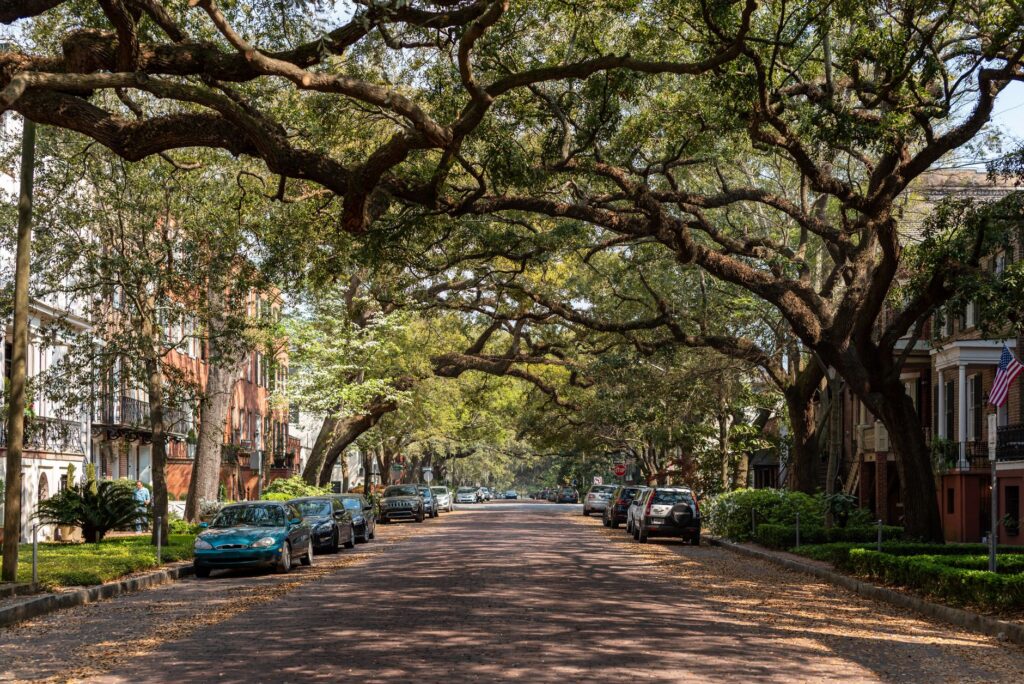
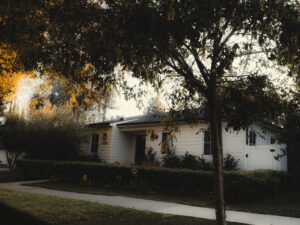
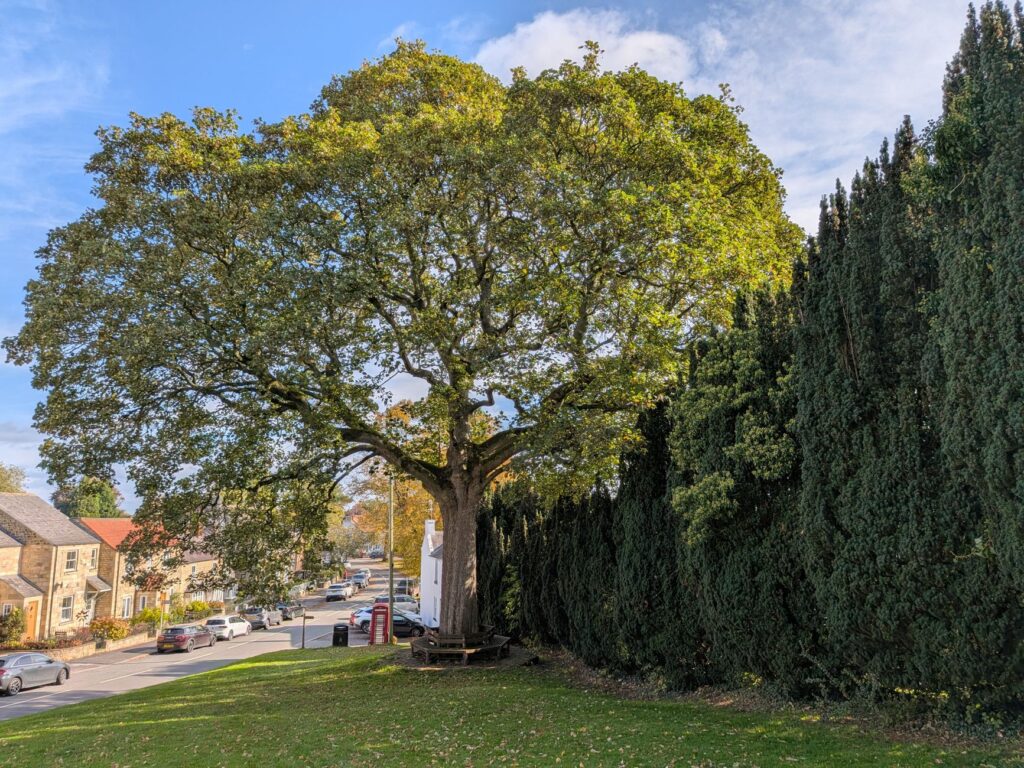
Drive down one of the older lanes in Lincroft on a July afternoon and the temperature seems to drop the moment you pass under the canopy. Mature white oaks (Quercus alba) and sugar maples (Acer saccharum) arch over the road, their crowns nearly touching in the middle. A few miles east, on a street built in the 1970s near Port Monmouth, the sun hits the pavement all day. The houses are similar in size. The soil, geologically speaking, isn’t wildly different. What’s different is the canopy — and the reason traces back to the decade each street was cut into the landscape.
This isn’t a coincidence unique to those two neighborhoods. Anyone who has spent time comparing Middletown Township’s older village centers — Lincroft, parts of Chapel Hill, the historic core near Kings Highway — to its postwar and late-century subdivisions near the Bayshore will notice the same pattern. Canopy age isn’t random. It’s a direct record of how and when a piece of ground was developed, and understanding that record helps explain why some blocks stay ten or fifteen degrees cooler than others in August, and why some new plantings struggle to catch up.
What Development Era Actually Determines
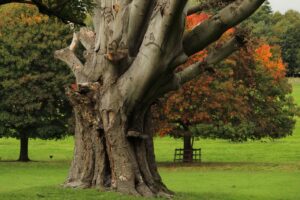
When a street is cut through existing woodland, as many of Middletown’s older lanes were in the late 1800s and early 1900s, whatever large trees already stood near the right-of-way often got left in place. Homes were sited around them. That’s why older sections of the township still have oaks, tulip poplars (Liriodendron tulipifera), and American beech (Fagus grandifolia) that predate the houses next to them by a century or more — remnants of the original mixed hardwood forest that once covered this part of the coastal plain.
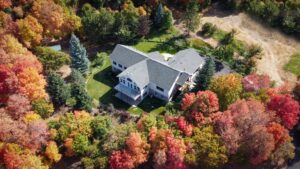
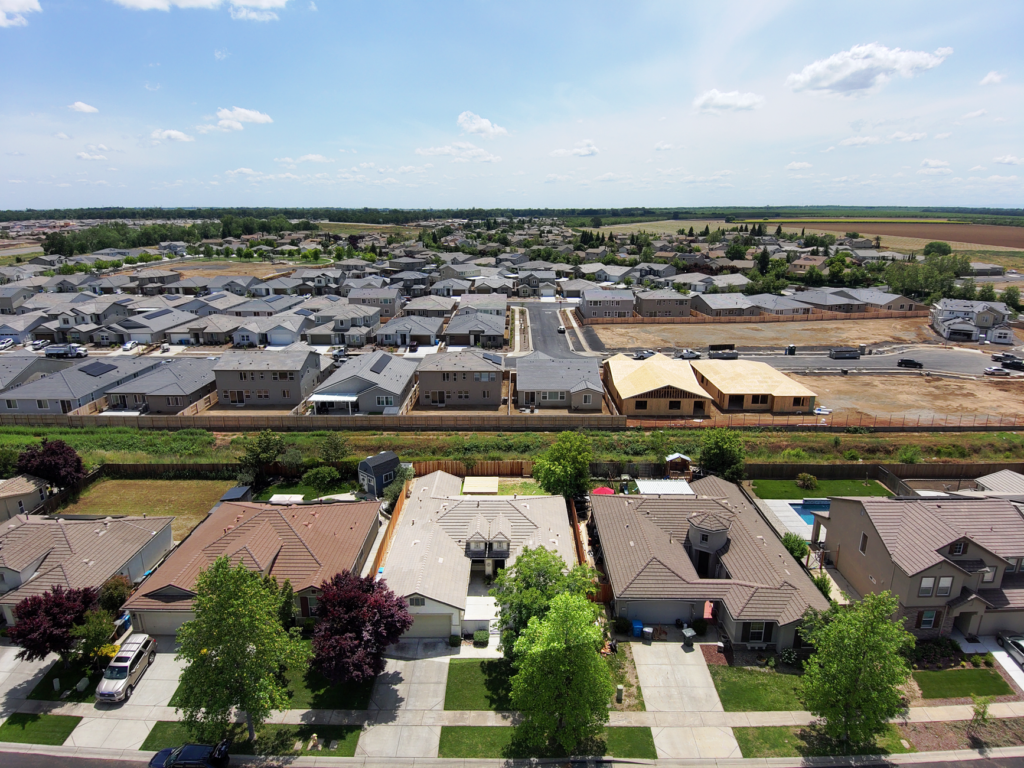
Postwar and late-20th-century subdivisions worked the opposite way. Land was cleared first, graded for utilities and drainage, and then a uniform street tree — often a fast-growing species chosen for cost and availability rather than long-term structure — was planted after construction wrapped up. Norway maple (Acer platanoides) and callery pear (Pyrus calleryana) were common choices in that era across New Jersey, and both come with well-documented downsides: weak branch unions, shallow aggressive roots, and in the callery pear’s case, invasive seedling spread. A canopy planted all at once, from nursery stock, on compacted fill soil simply starts decades behind a canopy that was never cut down in the first place.
Soil Tells the Rest of the Story
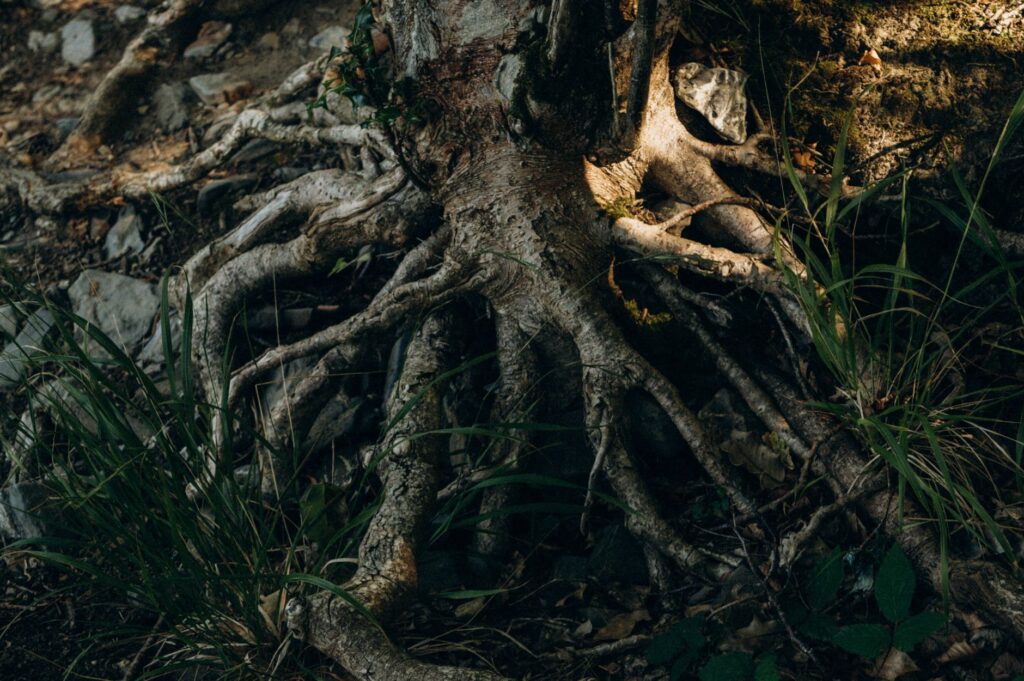
Age of planting explains part of the gap, but soil condition compounds it. Older neighborhoods generally have undisturbed native soil profiles near their street trees — the same clay-loam that has supported Monmouth County forests for thousands of years. Newer developments usually sit on graded and compacted subsoil, with the original topsoil stripped, sold off, or buried during construction. Compacted soil restricts root expansion and oxygen exchange, which is one of the most common reasons newly planted street trees in subdivisions grow slowly or decline within their first fifteen years, long before they’d naturally reach maturity.
Utility corridors add another constraint that’s specific to how each neighborhood was engineered. Overhead lines running down the center of a newer development’s right-of-way force a choice between small ornamental species or aggressive pruning that permanently disfigures a shade tree’s crown. Older streets, particularly those platted before wide utility easements became standard, often have more room for a tree to develop a full, symmetrical canopy without ever meeting a bucket truck doing line clearance.
Middletown's #1 Tree Expert Company
FREE Inspection & Estimate | Certified Arborists | Trimming, Pruning, Removal, More!
Sponsored
Middletown's Ordinance Is Trying to Close the Gap
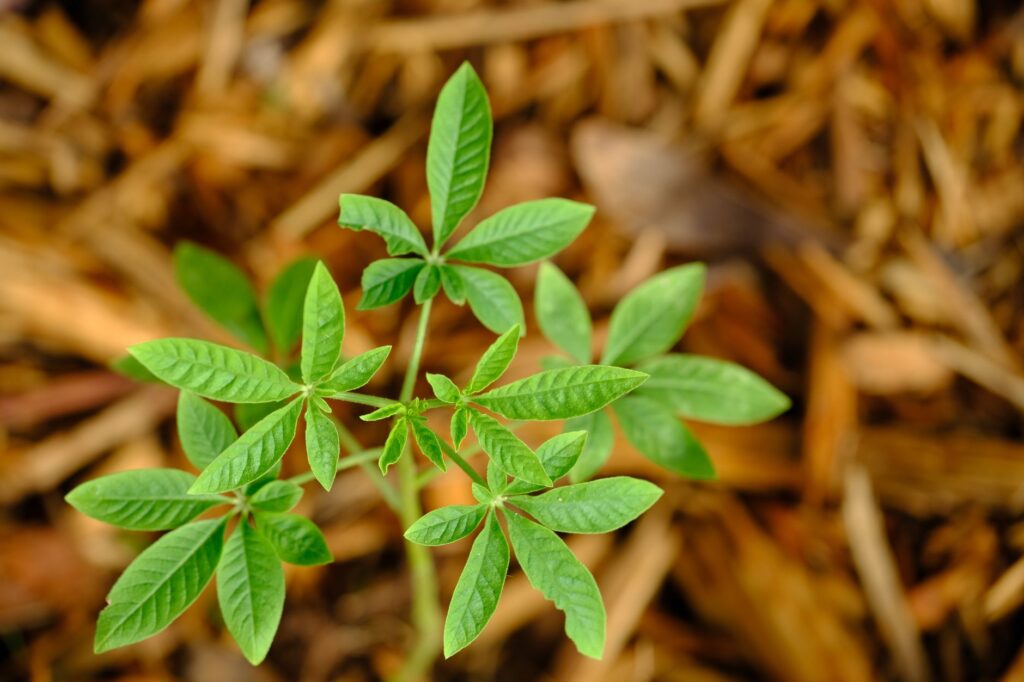
Township officials aren’t unaware of the disparity. Middletown’s tree removal and replacement rules require a permit before most shade or street trees can come down, and they push replacement plantings toward native species rather than whatever happened to be cheap and available — a direct response to the mistakes of the mid-century planting era. You can read the current requirements, including which trees are exempt from permitting and what triggers a replacement obligation, on the township’s own Tree Removal Regulations page.
The ordinance can’t retroactively age a 1978 subdivision’s trees, but it does two useful things going forward: it slows the loss of the mature canopy that older neighborhoods still have, and it steers new plantings in younger developments toward species that will actually reach old age instead of failing structurally at thirty years. Given enough decades, a street planted today under these guidelines should end up with the kind of canopy Lincroft has now — assuming the trees are given the room and soil to get there.
Why the Gap Matters Beyond Curb Appeal
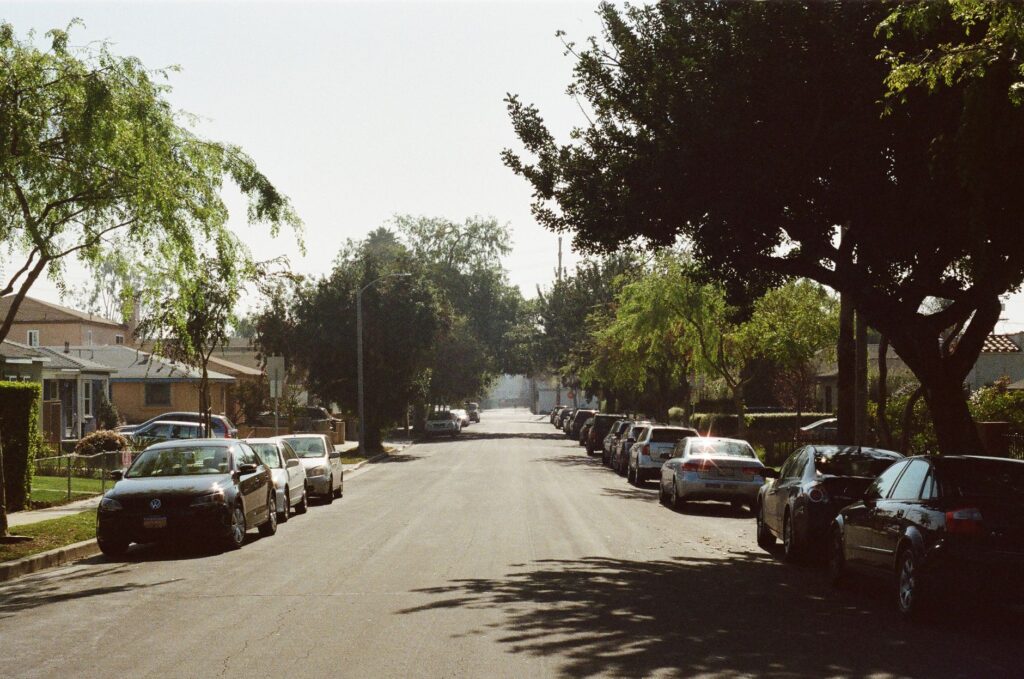
The differences aren’t just aesthetic. Research compiled by the International Society of Arboriculture puts numbers on what a mature canopy is doing physically: shading and evaporative cooling from trees can cut residential air-conditioning costs by 20 to 50 percent, and a fully tree-lined street can add measurable value to the homes along it. You can see the fuller breakdown on the ISA’s consumer education site, Benefits of Trees. None of that kicks in until a canopy reaches real size — a five-year-old street tree in a new development is providing shade in a decorative sense, not a functional one.
There’s a stormwater angle too. Mature root systems in older neighborhoods intercept and slow far more rainfall than the young, still-establishing root zones common in newer sections of the township, which matters in low-lying areas closer to the Bayshore where drainage is already a concern after a heavy nor’easter.
What a Homeowner in a Newer Development Can Actually Do

If your street was built in the last few decades and the canopy still feels thin, the fix isn’t to wait another eighty years and hope. A few things genuinely accelerate the process:
- Choose native, structurally sound species for any new planting — the Rutgers Cooperative Extension fact sheet on incorporating native plants into a residential landscape is a good starting reference for what actually performs well in this part of New Jersey, rather than what was simply cheap for a developer forty years ago.
- Break up compacted soil in the planting zone before putting a tree in the ground. A tree dropped into unamended fill soil will struggle no matter how good the species choice is.
- Give the tree room to grow past overhead lines, fences, and foundations before it’s planted, not after it’s already outgrown the space.
- Protect what’s already there. A twenty-year-old maple you preserve is worth more, faster, than any replacement you could plant today.
None of this collapses an eighty-year head start overnight, but it does mean a street planted deliberately today, with the right species in the right soil, won’t repeat the mistakes that left so many of Middletown’s newer blocks without real shade.
Middletown's #1 Tree Expert Company
FREE Inspection & Estimate | Certified Arborists | Trimming, Pruning, Removal, More!
Sponsored
When the Difference Is Worth a Second Opinion
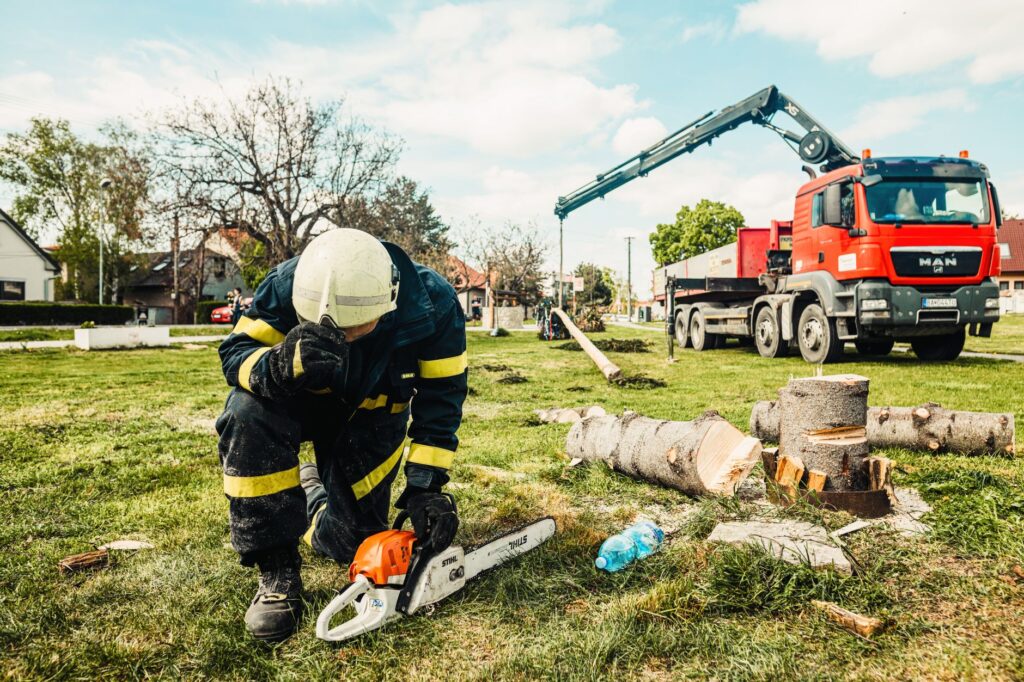
Comparing your own block to a neighborhood like Lincroft is a useful way to think about canopy, but individual trees still need individual judgment. A tree that looks old and established isn’t automatically healthy, and a young tree in compacted subdivision soil isn’t automatically doomed. If you’re planning new plantings, wondering whether an existing tree is worth building a landscape design around, or trying to figure out why a five-year-old street tree still looks stunted, a certified arborist can evaluate the specific soil, species, and site conditions on your property rather than relying on neighborhood-wide generalizations. That kind of on-the-ground assessment is usually the fastest way to tell whether a struggling young tree needs a few more seasons or a different approach entirely.
Photo credits: Featured image by Mike Norris on Pexels; Section 1 by Dominik Gryzbon on Pexels; Section 2 by Sean P. Twomey on Pexels; Section 3 by Liudmyla Shalimova on Pexels; Section 4 by Steven May on Pexels; Section 5 by Jaymantri on Pexels; Section 6 by https://kaboompics.com/ on Pexels; Section 7 by Helena Jankovičová Kováčová on Pexels.