Middletown's #1 Tree Expert Company
FREE Inspection & Estimate | Certified Arborists | Trimming, Pruning, Removal, More!
Sponsored
The Block That's Always Ten Degrees Cooler
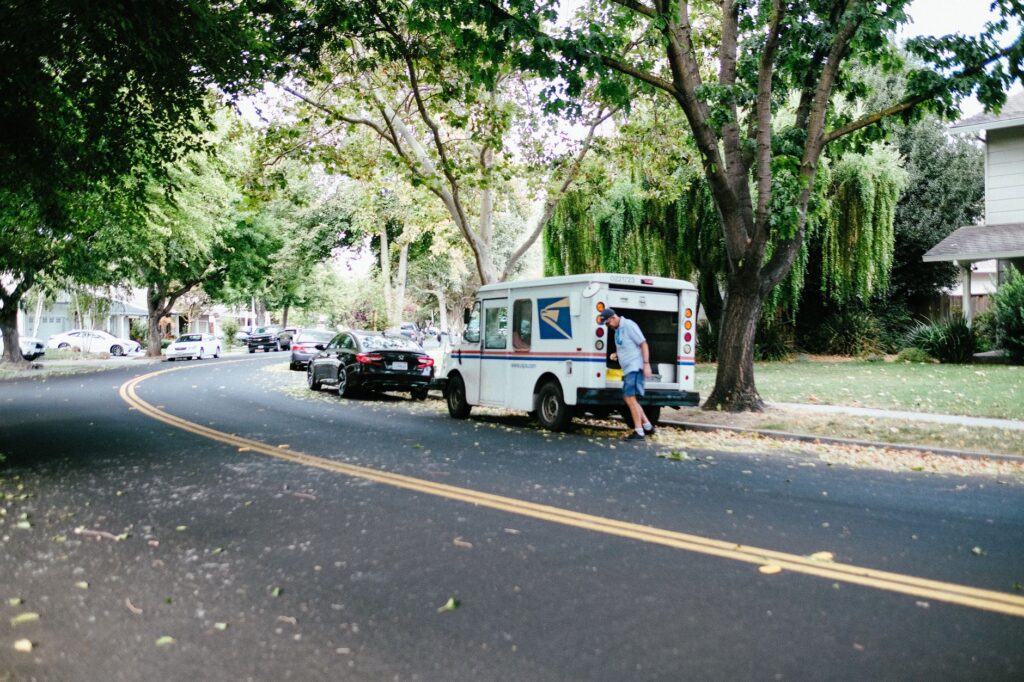
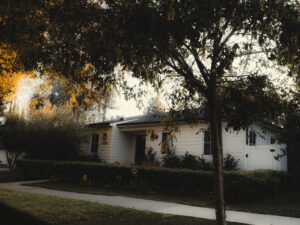
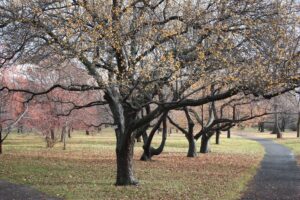
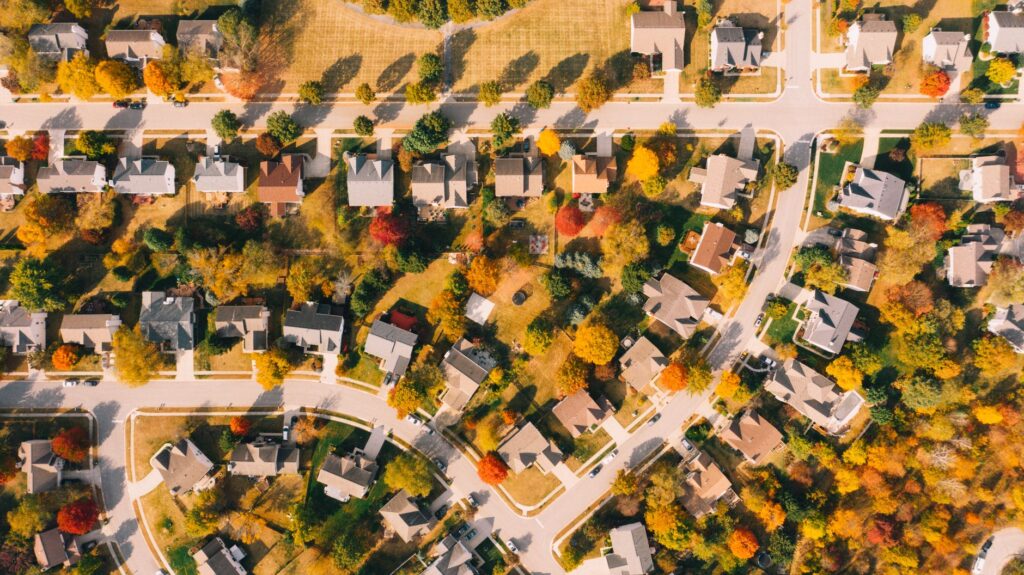
Drive from the older, oak-shaded streets of Lincroft down toward a newer development near the Route 35 corridor on a July afternoon, and you can feel the difference before you check a thermometer. Under a mature canopy of white oak (Quercus alba) and red maple (Acer rubrum), the air feels noticeably softer. Cross into a subdivision built on cleared farmland, where the trees are still saplings staked to two-by-fours, and the heat radiating off the driveways and roof shingles hits differently. This isn’t just a feeling — it’s measurable, and it’s a pattern that shows up block by block across Middletown Township.
Researchers call it the urban heat island effect, and while the term conjures images of Manhattan asphalt, it applies just as much to suburban Monmouth County. A neighborhood’s temperature on a summer afternoon depends less on how close it is to Raritan Bay and more on how much living canopy is overhead. Understanding why — and what it means for property owners deciding whether to plant, remove, or preserve a tree — is worth ten minutes of any homeowner’s time.
What the Heat Island Effect Actually Measures
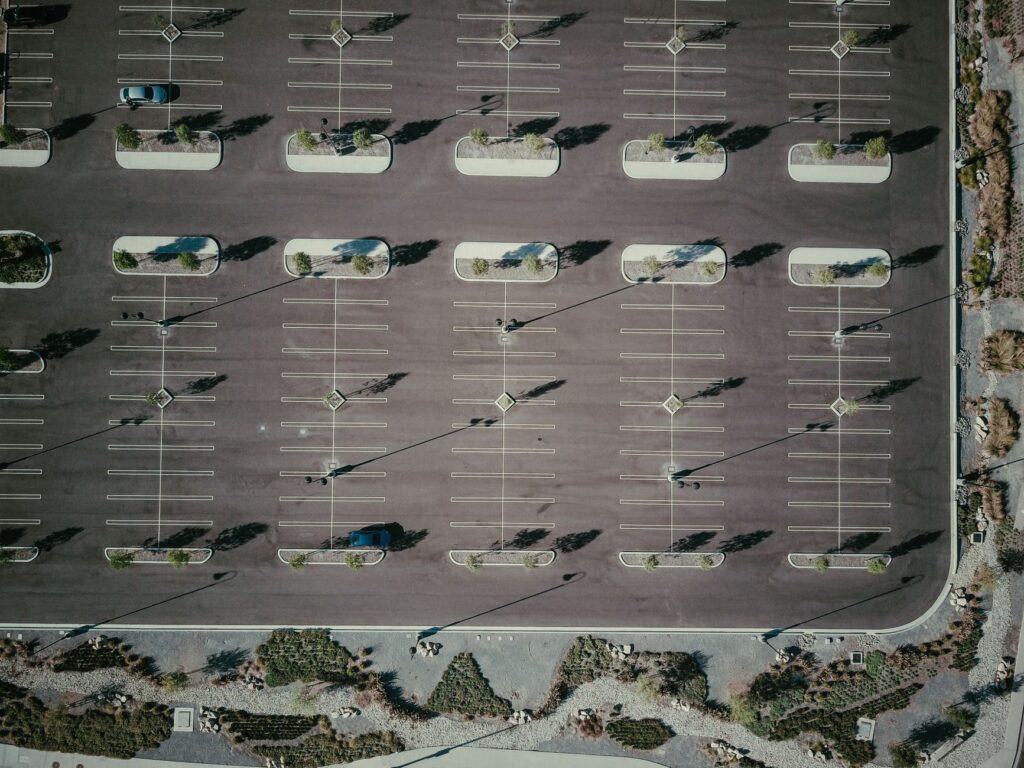
The urban heat island effect describes the temperature gap between built, impervious surfaces and vegetated ones. Asphalt, roof shingles, and concrete absorb solar radiation all day and re-radiate it as heat well into the evening. A parking lot can reach surface temperatures 40 to 60 degrees hotter than the air around it on a sunny day. Vegetated surfaces — lawns, and especially tree canopy — do the opposite: they absorb sunlight for photosynthesis and release excess heat through evaporation rather than radiating it back.
The USDA Forest Service’s urban forestry research has documented air temperature differences of 4 to 10 degrees Fahrenheit between well-canopied and sparsely treed neighborhoods in the same town, measured at the same time of day. That’s not a rounding error — it’s the difference between a comfortable evening on the porch and one where the window units run all night. Scale that gap across a whole township and it starts to explain why some Middletown blocks feel like a different climate than others just a mile apart.
How a Canopy Actually Cools the Air Around It
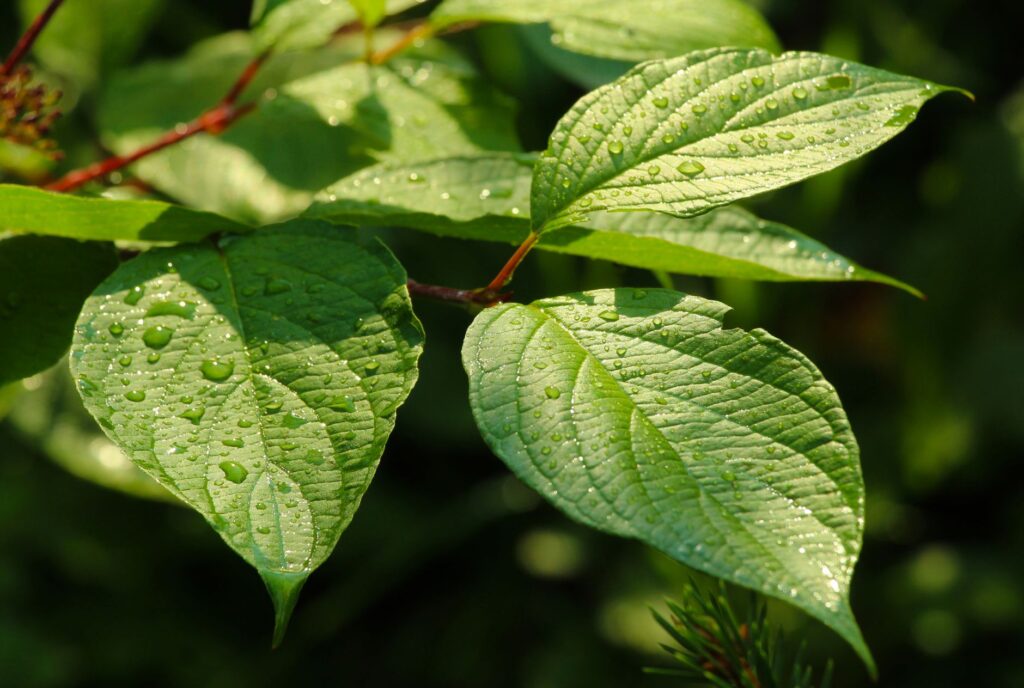
The cooling isn’t just shade — that’s only half the mechanism. A mature tree’s canopy intercepts solar radiation before it ever reaches the ground, which keeps pavement and soil from heating up in the first place. But the bigger driver is transpiration: water drawn up through the roots evaporates through pores in the leaves called stomata, and that phase change from liquid to vapor pulls heat out of the surrounding air the same way sweat cools skin. A single large shade tree can transpire well over 100 gallons of water on a hot day, which is functionally equivalent to running several small air conditioners at once.
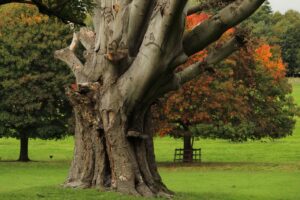
This is why a young, newly planted tree does almost nothing for neighborhood temperature yet — it doesn’t have the leaf surface area or root reach to move meaningful water. It’s also why removing one mature oak from a lot doesn’t just eliminate shade on that property; it removes a measurable cooling contribution to everyone downwind on that block. Canopy cooling is cumulative and collective, which is part of why the International Society of Arboriculture frames urban trees as shared infrastructure rather than purely private landscaping.
Middletown's #1 Tree Expert Company
FREE Inspection & Estimate | Certified Arborists | Trimming, Pruning, Removal, More!
Sponsored
Why the Gap Is So Visible Across Middletown Township
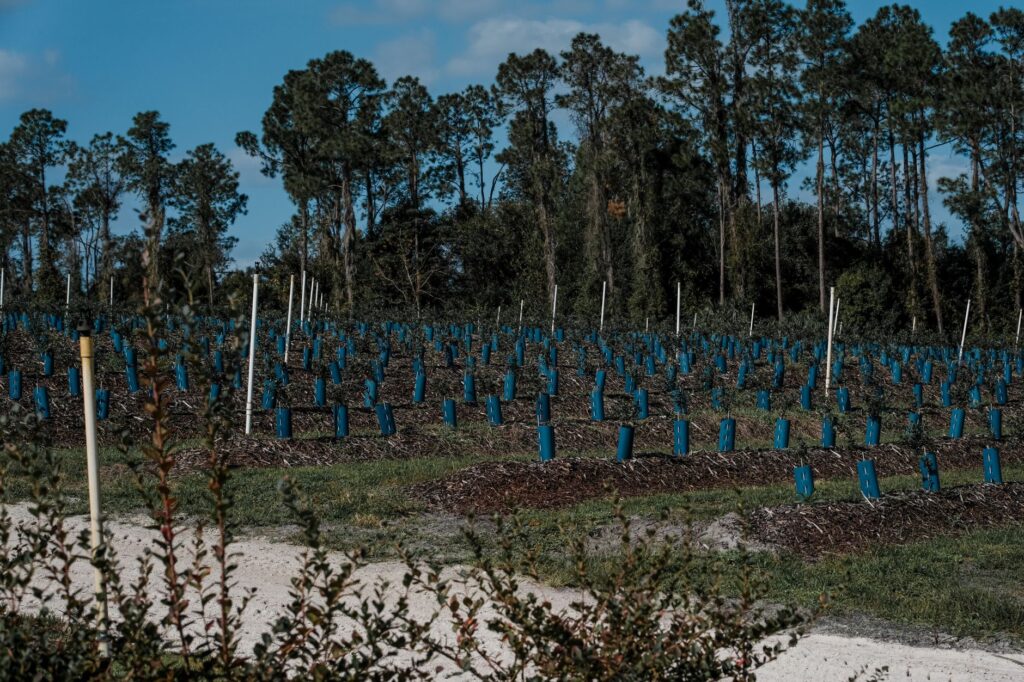
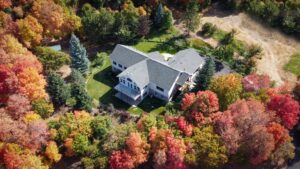
Middletown’s temperature variation is unusually pronounced because the township contains such a mix of tree cover ages and densities within a few square miles. The wooded, established sections near Hartshorne Woods Park, Poricy Park, and older Lincroft and Navesink streets sit under a canopy that’s had 60, 80, sometimes over 100 years to mature — oaks, tulip poplars, and beeches with root systems and leaf mass that do real thermal work. Newer developments and much of the Bayshore’s more exposed, low-lying areas near Port Monmouth and Leonardo often have thinner canopy, either because the land was cleared for construction or because salt-air and wind exposure limit which species establish well and how large they get.
Add in impervious surface — driveways, wider roads, larger roof footprints in newer construction — and you get a compounding effect: less canopy to cool the air, more hardscape to heat it. The NJ DEP’s Community Forestry program tracks canopy coverage data at the municipal level specifically because these gaps are common statewide, not unique to any one town — but they’re very visible here given how much older-growth canopy sits within a short drive of much newer, barer subdivisions.
What the Temperature Gap Costs — and Saves
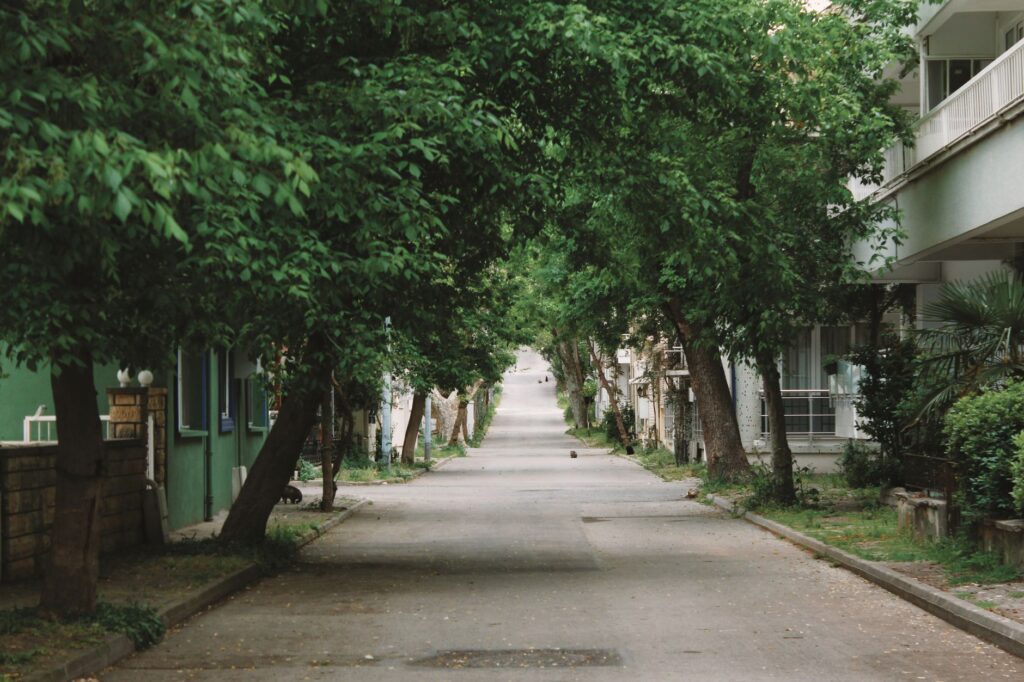
The consequences of that gap go beyond comfort. Homes on low-canopy blocks run their air conditioning harder and longer through a Jersey summer, which shows up directly on the electric bill. Heat-vulnerable residents — older adults, young children, anyone with a respiratory or cardiovascular condition — face real health risk on the hottest days when there’s no canopy relief between the car and the front door. Pavement running 40 degrees hotter than the air also means stormwater draining off those surfaces during a summer thunderstorm hits the storm system as genuinely hot runoff, which stresses aquatic life in streams that eventually reach the Bayshore and Raritan Bay.
On the other side of the ledger, established research consistently finds that well-canopied properties carry a measurable value premium, and streets with mature street trees see:
- Lower average cooling costs across the block, not just the shaded lots
- Reduced stormwater volume and temperature reaching local waterways
- Higher recorded home sale prices in tree-lined comparisons
- Lower ambient noise and particulate levels along the street
None of this is abstract for a township like Middletown, where the difference between a wooded inland neighborhood and an exposed Bayshore block is only a few minutes’ drive.
What a Homeowner Can Actually Do About It
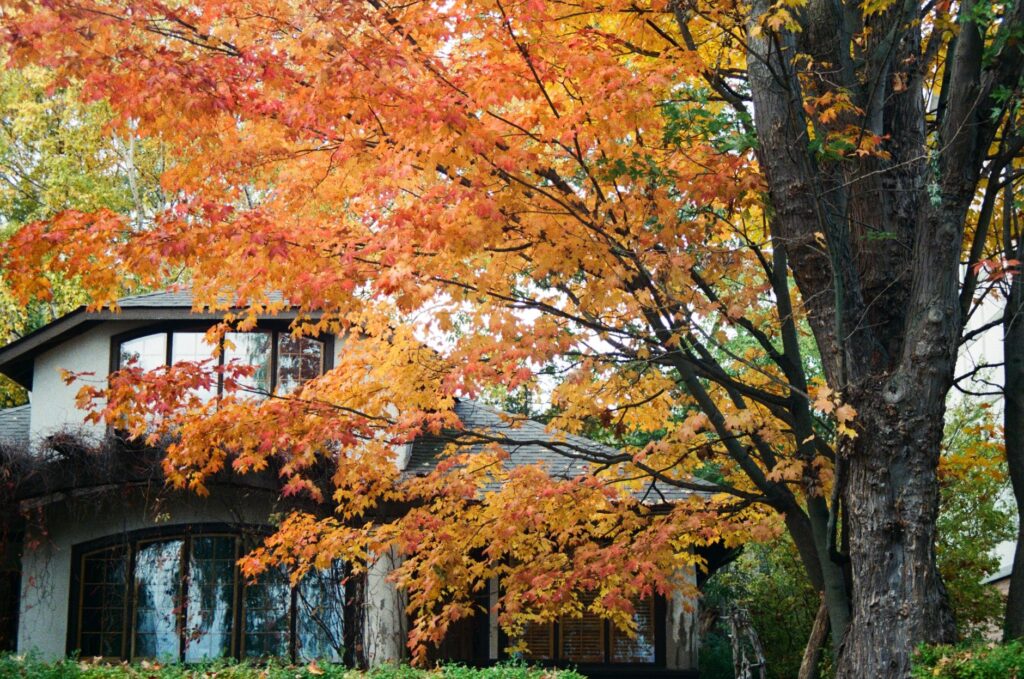
You can’t retrofit sixty years of canopy growth overnight, but the trajectory of a block changes with individual decisions made now. The single highest-leverage move is planting large-maturing shade trees rather than small ornamentals when there’s room — a tree that will eventually reach 60 to 80 feet with a broad crown does far more cooling work over its life than three or four small flowering trees in the same footprint. Species matter too: for Middletown’s clay-loam soils and the salt and wind exposure closer to the Bayshore, natives like swamp white oak (Quercus bicolor), red maple, and river birch (Betula nigra) tend to establish reliably and reach meaningful canopy size within 15 to 20 years.
Placement matters as much as species selection. A shade tree planted on the southwest side of a house intercepts the most intense afternoon sun and does the most work reducing indoor heat gain. Preserving an existing mature tree, when it’s structurally sound, almost always outperforms planting a new one — a 50-year-old oak is doing cooling work a newly planted sapling won’t match for decades. Rutgers NJAES publishes species and siting guidance specific to New Jersey conditions that’s worth reviewing before any planting decision, especially near utility lines or foundations.
Middletown's #1 Tree Expert Company
FREE Inspection & Estimate | Certified Arborists | Trimming, Pruning, Removal, More!
Sponsored
When to Bring in a Certified Arborist
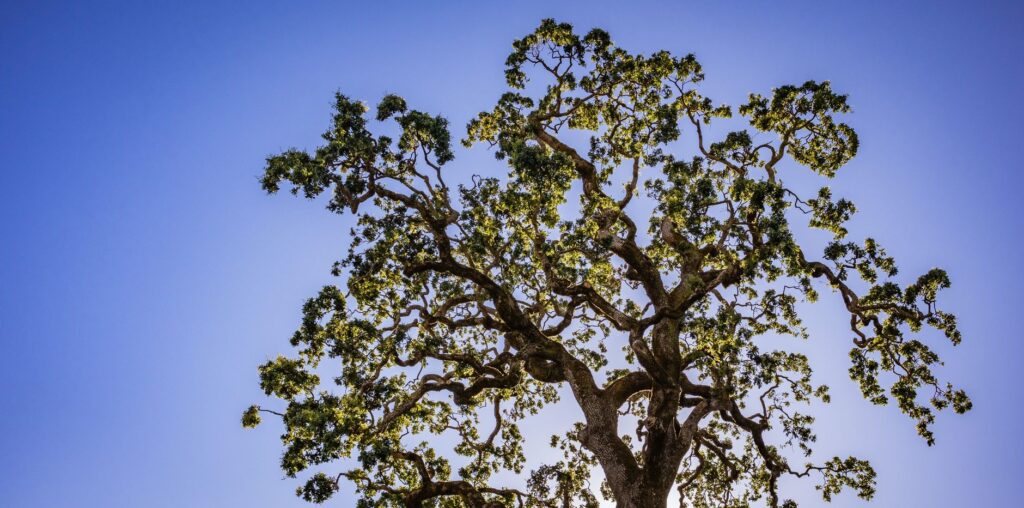
Deciding whether to preserve, prune, or remove a tree that’s contributing to your block’s canopy is exactly the kind of decision where a professional opinion pays for itself. A certified arborist can assess whether a mature tree with some visible stress or deadwood is salvageable with the right pruning and care, or whether it’s declined past the point of safe recovery — a distinction that matters enormously when that tree may represent decades of accumulated cooling benefit that a replacement won’t provide for a generation.
An arborist consultation is equally valuable on the planting side: matching species to your specific soil, drainage, sun exposure, and overhead clearance gets a new tree established faster and growing toward real canopy size sooner, rather than struggling for its first several years in the wrong spot. Whether the goal is saving an old oak that’s cooling half the block or planting the next generation of shade for a bare Bayshore lot, a certified arborist’s assessment is the difference between a tree that thrives and one that limps along without ever doing the thermal work a healthy canopy provides.
Photo credits: Featured image by K on Pexels; Section 1 by Deane Bayas on Pexels; Section 2 by Kindel Media on Pexels; Section 3 by Gosia K on Pexels; Section 4 by Connor Scott McManus on Pexels; Section 5 by Gülsüm Şener on Pexels; Section 6 by Tiemy Pixel on Pexels; Section 7 by Robert So on Pexels.