Middletown's #1 Tree Expert Company
FREE Inspection & Estimate | Certified Arborists | Trimming, Pruning, Removal, More!
Sponsored
Why the Bayshore Breaks the Rules for Tree Selection
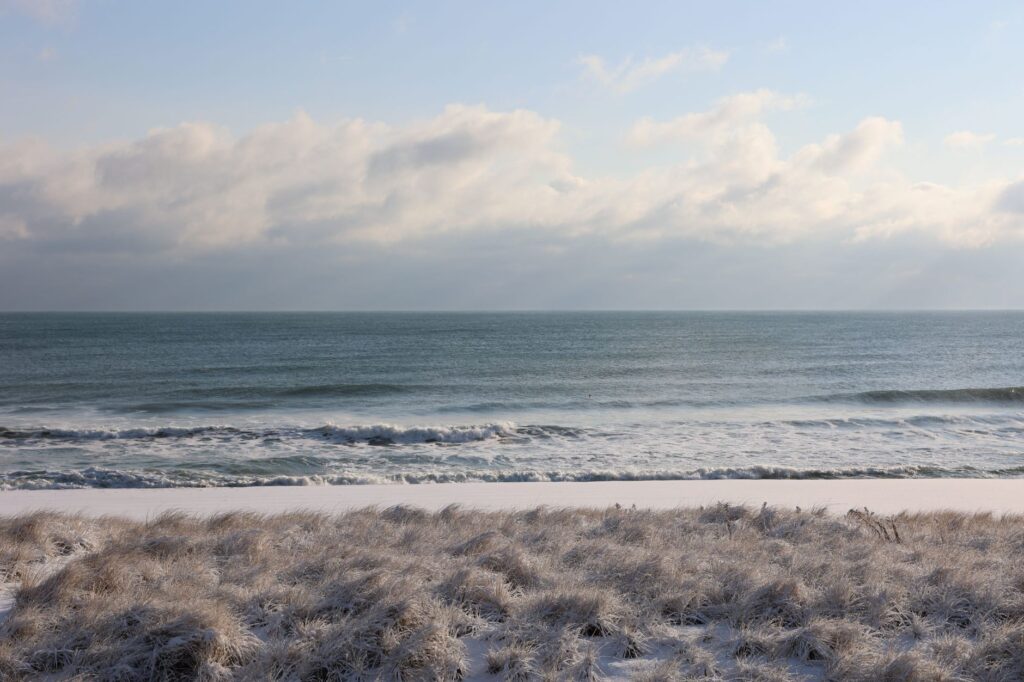
Drive from Lincroft down toward Port Monmouth or Leonardo on a hot August afternoon and the trees tell two different stories. A few miles inland, sugar maples and dogwoods are holding their canopy fine. Closer to Raritan Bay, the same species look tired by mid-summer — leaf margins browning, canopies thinning, growth stunted compared to trees planted the same year just a half-mile away. It’s not bad luck and it’s usually not a pest. It’s a mismatch between the tree and the site.
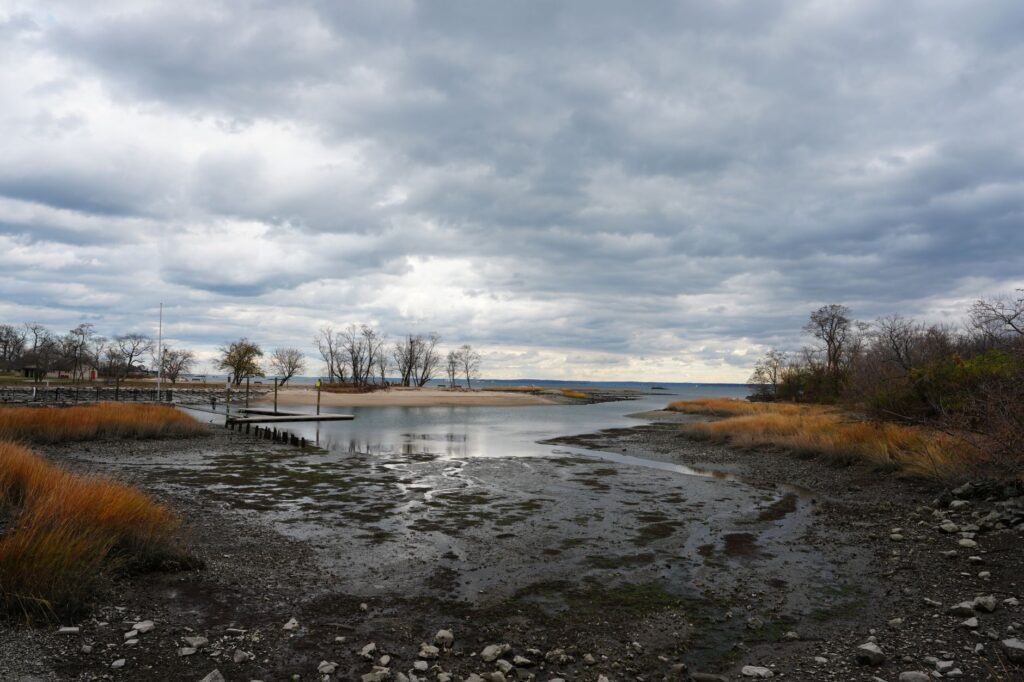
Middletown Township spans a lot of ground, from the clay-loam interior around Lincroft and Kings Highway to the sandy, wind-exposed shoreline running through Port Monmouth, Belford, and Leonardo. Those two environments don’t grow the same trees equally well. A species that’s a reliable, low-maintenance choice a mile from the water can be a slow-motion failure right on the Bayshore. Getting this right at planting time saves years of frustration — and money — down the line.
This isn’t unique to Middletown — it’s true of any coastal community — but it catches homeowners off guard here specifically because the distances involved are so small. Two properties less than a mile apart, both technically in the same township and the same USDA hardiness zone, can have meaningfully different growing conditions once wind exposure and salt aerosol are factored in. A planting plan that treats the whole township as one uniform yard is where most of these problems start.
What Makes a Bayshore Yard a Different Growing Zone

Three stressors stack up on shoreline properties that inland yards mostly avoid. The first is salt — not just the road salt applied to Bayshore-facing streets in winter, but aerosolized salt spray carried inland by wind off Raritan Bay, which settles on foliage and desiccates leaf tissue even well away from the waterline. Rutgers Cooperative Extension has documented how even modest, chronic salt exposure interferes with a tree’s ability to take up water and nutrients, showing up as marginal leaf burn, early leaf drop, and reduced vigor over several seasons — see their write-up on road salt’s impact on adjacent vegetation.
The second is soil. Bayshore lots tend to sit on sandy, fast-draining ground that holds far less water and organic matter than the clay-loam found inland. A species that tolerates occasional dry spells in Lincroft can be chronically drought-stressed on a sandy lot in Port Monmouth. Third is exposure — open shoreline lots get more direct wind and, on properties with south- or west-facing decks and driveways, more reflected heat than a shaded, wind-sheltered inland yard. Any one of these stressors is manageable. Stacked together, they rule out a lot of otherwise good trees.
The Usual Suspects That Struggle Here

A handful of popular landscape trees show up again and again on Bayshore properties, and again and again they underperform. Colorado blue spruce, a favorite for its color, is notorious for developing needle cast and browning on exposed coastal sites — it wants cooler, less salt-laden air than the shoreline provides. Sugar maple, gorgeous inland, tends to scorch badly on salt-exposed lots and rarely reaches the size or fall color homeowners expect. Flowering dogwood, already a stress-sensitive species, struggles further when combined with sandy soil and wind exposure.
None of these are bad trees. They’re simply planted in the wrong place. The fix usually isn’t more water or more fertilizer — it’s choosing a species built for the conditions actually present on the lot, rather than the conditions a homeowner wishes were there.
Middletown's #1 Tree Expert Company
FREE Inspection & Estimate | Certified Arborists | Trimming, Pruning, Removal, More!
Sponsored
Species That Actually Thrive in Bayshore Conditions
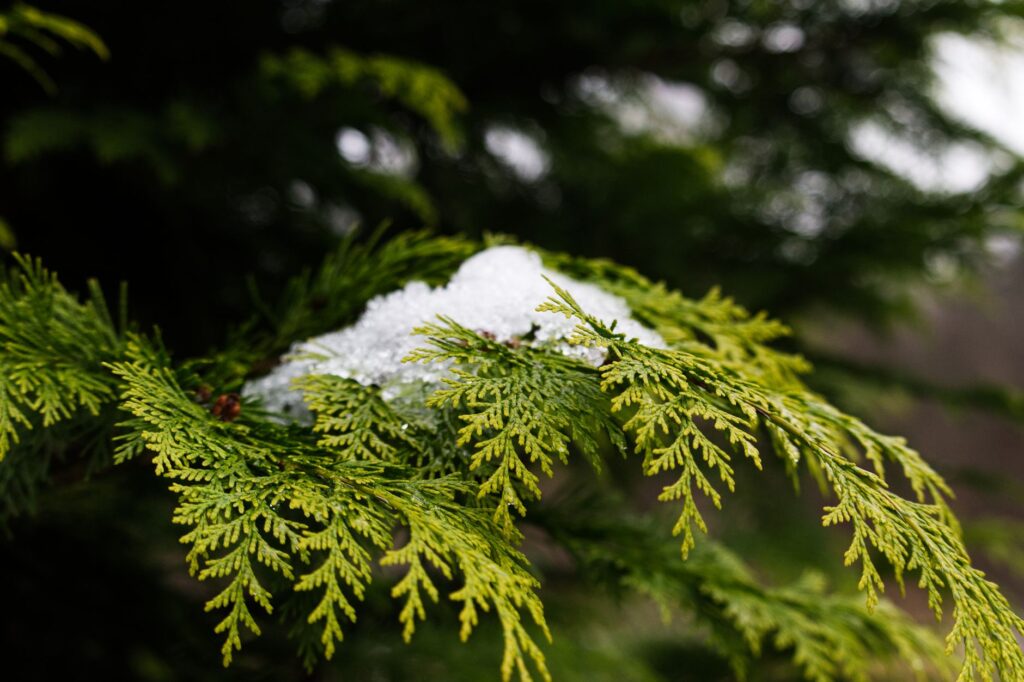
A short list of trees consistently perform well on Middletown’s salt-exposed, sandy-soil shoreline properties:
- Eastern red cedar (Juniperus virginiana) — a tough native evergreen that handles wind, salt spray, and poor soil better than almost anything else on this list, and works well as a windbreak for more sensitive plantings behind it.
- Black gum / black tupelo (Nyssa sylvatica) — excellent salt and wet-soil tolerance, dependable scarlet fall color, and a strong track record on coastal New Jersey sites.
- American holly (Ilex opaca) — a broadleaf evergreen native to the Jersey Shore that tolerates salt spray and sandy soil while providing year-round screening and winter berries for birds.
- Pitch pine (Pinus rigida) — the same rugged pine that dominates the Pine Barrens handles sandy, nutrient-poor Bayshore soil without complaint.
- Swamp white oak (Quercus bicolor) — unusually tolerant of both periodic wet soil and drought, which makes it well suited to the swings Bayshore lots can see between storm flooding and summer dry spells.
For homeowners who want a fuller picture before choosing, the International Society of Arboriculture’s consumer guide on choosing the right tree walks through matching species to site conditions in more depth than any single list can.
Getting the Placement Right, Not Just the Species
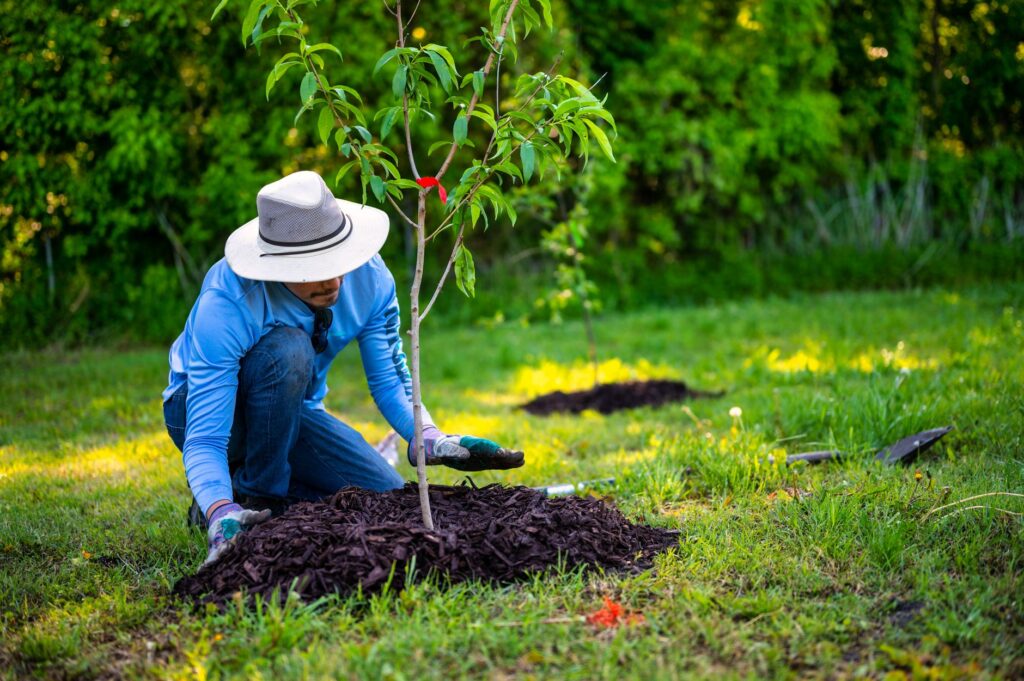
Species selection solves half the problem. The other half is where the tree goes. On an open Bayshore lot, a salt-tolerant tree planted directly in the path of prevailing winter winds off the bay will still take more damage than the same tree planted with an existing windbreak — a fence line, a stand of red cedar, even the house itself — between it and the water. Layering a hardy screen of salt-tolerant evergreens on the exposed side of the property, with more sensitive plantings tucked behind, is a technique borrowed straight from dune landscaping and it works just as well in a residential yard.
Reflected heat deserves its own consideration too. A tree planted next to a south-facing bulkhead, a paved driveway, or a dark-shingled house wall will experience noticeably hotter, drier conditions at its root zone than the same tree planted in open lawn, even a few feet away. On Bayshore lots where hardscaping and water reflection are both in play, that added heat load can push an already salt- and drought-stressed tree past what it can tolerate. Where possible, give new plantings some separation from large paved or reflective surfaces, especially on the side of the yard that faces the afternoon sun.
Sandy Bayshore soil also needs different establishment care than clay-loam soil inland. It drains fast, so a newly planted tree dries out faster and needs more frequent — though not necessarily heavier — watering through its first two summers. A 2-3 inch mulch ring conserves what moisture the soil does hold and moderates root-zone temperature, which matters more on a sun-exposed shoreline lot than a shaded inland one. The basics of proper site prep and establishment watering are covered well in the USDA’s Tree Planting 101 guide.
A Simple Framework Before You Plant
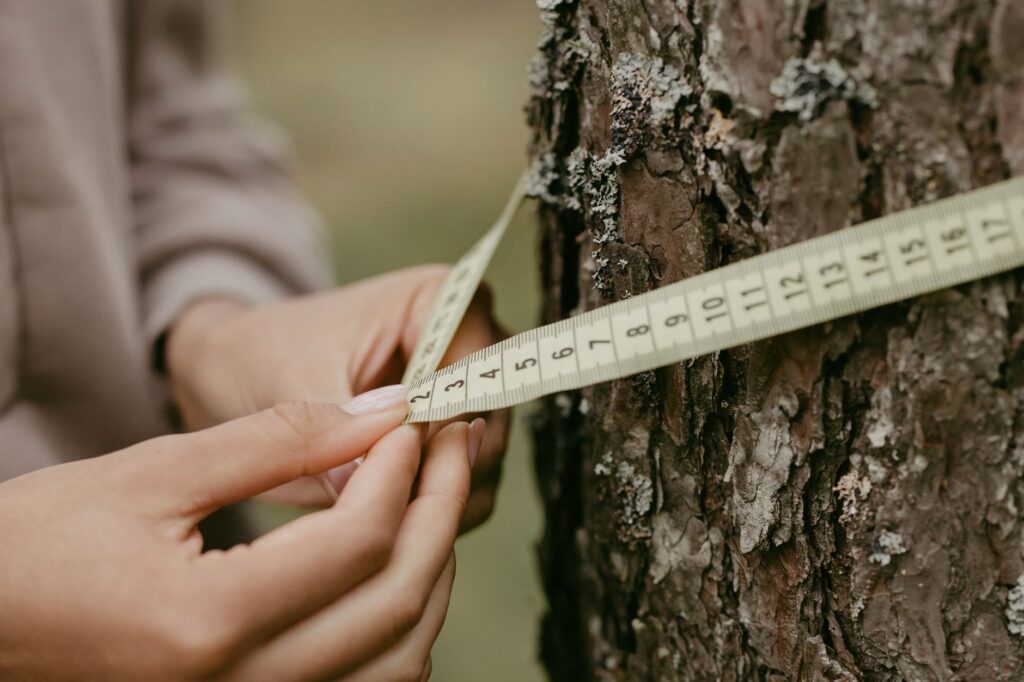
Before choosing a tree for a Bayshore property, it helps to walk the site and answer a few questions honestly, rather than starting with a species you like the look of:
- How exposed is this spot to wind and salt spray off the bay — direct line of sight to the water, or shielded by other structures and plantings?
- What does the soil actually drain like? Sandy Bayshore soil and clay-loam inland soil call for different species and different watering plans.
- What’s the tree’s mature size relative to the space — including overhead utility lines, which rule out large-maturing species on many Bayshore streets?
- Is the site consistently dry, consistently damp from poor drainage, or does it swing between the two after storms?
Rutgers NJAES’s guidance on incorporating native plants into a residential landscape is a useful reference for matching regional natives to these site conditions rather than defaulting to whatever’s popular at the garden center.
Middletown's #1 Tree Expert Company
FREE Inspection & Estimate | Certified Arborists | Trimming, Pruning, Removal, More!
Sponsored
When a Site Assessment Beats a Guess
Most tree failures on Bayshore properties trace back to a choice made without fully accounting for salt exposure, soil texture, or wind — not to bad luck or bad genetics in the tree itself. For a straightforward yard, working through the framework above is usually enough. For waterfront or near-waterfront lots with real exposure to storm surge, standing salt water, or unusually poor drainage, it’s worth having a certified arborist walk the site before any digging starts. An on-site assessment can catch soil and drainage issues that aren’t obvious from the yard alone, and it turns tree selection from a guess into a plan that’s actually built for where the tree will spend the next fifty years.
Photo credits: Featured image by David Kanigan on Pexels; Section 1 by Kristine javashvili on Pexels; Section 2 by Tomi Saputra on Pexels; Section 3 by Trey Gibson on Pexels; Section 4 by Kristine Bruzite on Pexels; Section 5 by Alfo Medeiros on Pexels; Section 6 by cottonbro studio on Pexels; Section 7 by Paris Lopez on Pexels.