
Middletown's #1 Tree Expert Company
FREE Inspection & Estimate | Certified Arborists | Trimming, Pruning, Removal, More!
Sponsored
When the Rain Doesn't Stop: Middletown's Other Storm Threat
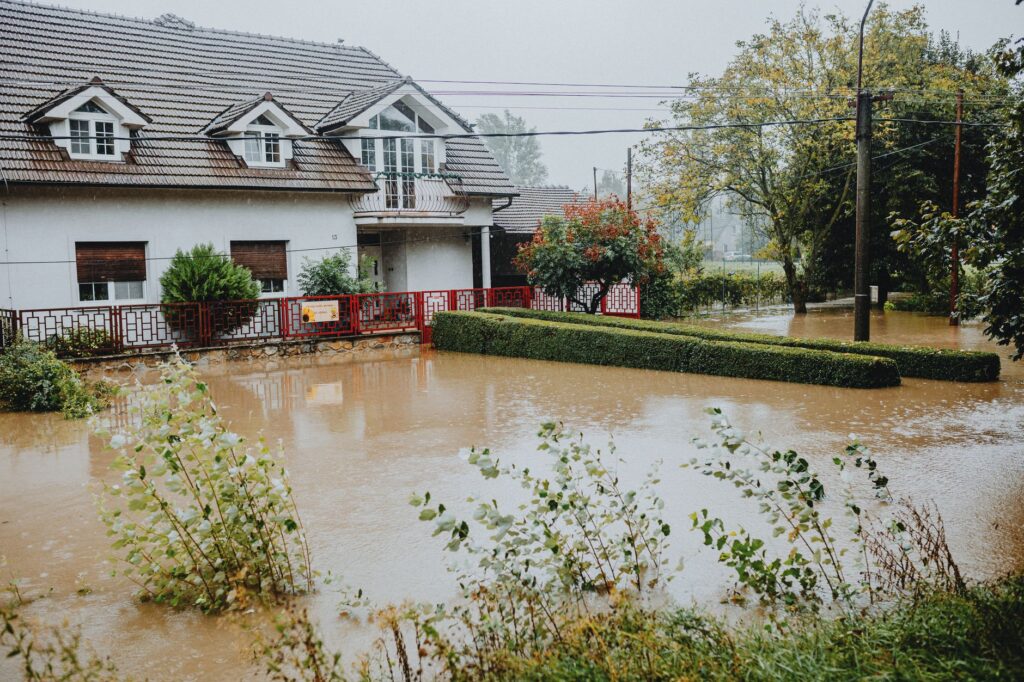
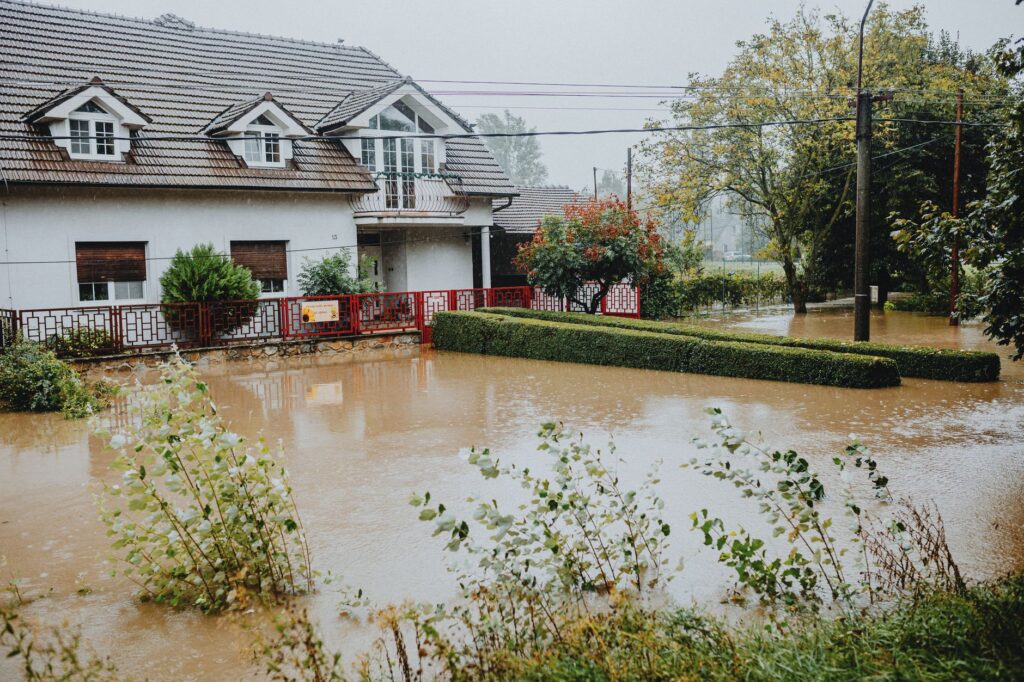
Most of my July calls start the same way: a client is worried their tree is drying out. Then a line of thunderstorms rolls off the Raritan Bay and dumps two inches of rain in forty minutes, and by the next morning I’m getting a different kind of call — water standing ankle-deep around a maple in Port Monmouth, or a soggy lawn in Leonardo that hasn’t drained in three days. Middletown gets both problems in the same week, sometimes the same 24 hours, and most homeowners only prepare for one of them.
The flooding side gets less attention because it’s quieter. A tree that’s short on water wilts fast and obviously. A tree whose roots are sitting in saturated, oxygen-starved soil can look fine for weeks before the damage shows up in the canopy — usually the following spring, when it’s too late to ask what happened last July. In low-lying Bayshore neighborhoods near Port Monmouth, Leonardo, and Belford, where the water table is already close to the surface and storm drains fill fast, this is a recurring pattern, not a fluke.
Trees are actually one of the best tools a town has for managing this kind of water — a mature canopy intercepts rainfall and slows runoff before it ever reaches a storm drain, which is part of why New Jersey’s Urban & Community Forestry Program treats tree canopy as stormwater infrastructure. But that only works if the trees themselves survive the soaking. This one’s about what happens underground when a summer storm overwhelms Middletown’s clay-loam soil, and what you can do about it before the next downpour.
Why Waterlogged Soil Suffocates a Tree's Roots
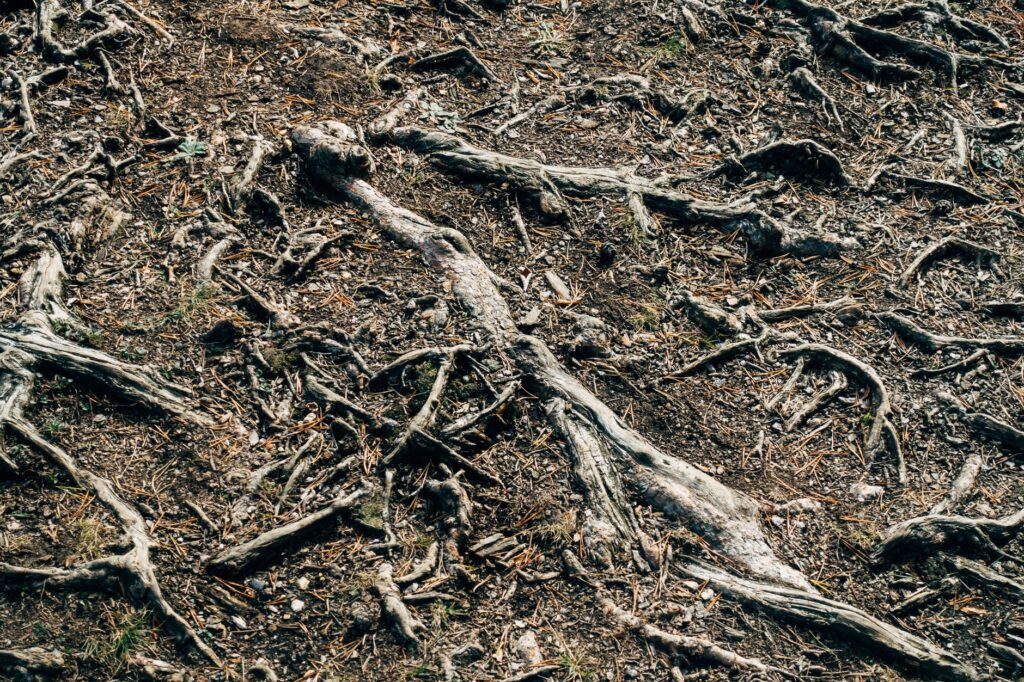
Roots don’t just absorb water — they breathe. Healthy root growth depends on oxygen diffusing through pore spaces in the soil, and when those pores fill with water instead of air, that exchange stops almost entirely. Research on soil aeration and tree health has found that root growth in most species declines sharply once soil oxygen drops below about 10%, and research from the U.S. Forest Service on established oaks pegs the practical minimum even lower — documenting that roughly 4% soil oxygen is close to the floor for sustaining root growth in the field. A saturated lawn after a heavy storm can sit well below that for days.
What happens next isn’t subtle, biologically speaking. Without oxygen, root cells can’t respire normally, fine root hairs die back, and the root system’s capacity to take up water and nutrients collapses — which is the cruel irony of flood stress: a tree standing in water can still show the outward symptoms of drought, because its roots have lost the ability to move that water anywhere. Prolonged saturation also lets anaerobic soil chemistry take over, building up compounds like soluble iron, manganese, and sulfides that are actively toxic to root tissue.
Arboriculture research on soil aeration and flooding backs this up in detail: poorly aerated soils produce root systems that are thicker, shorter, and distorted, with far fewer of the fine root hairs that actually do the work of water and mineral uptake. A few days of standing water is an inconvenience for a lawn. For a root system, it’s closer to a slow chemical assault.
Middletown's Flood-Prone Yards: Clay-Loam Soil Meets Low Elevation
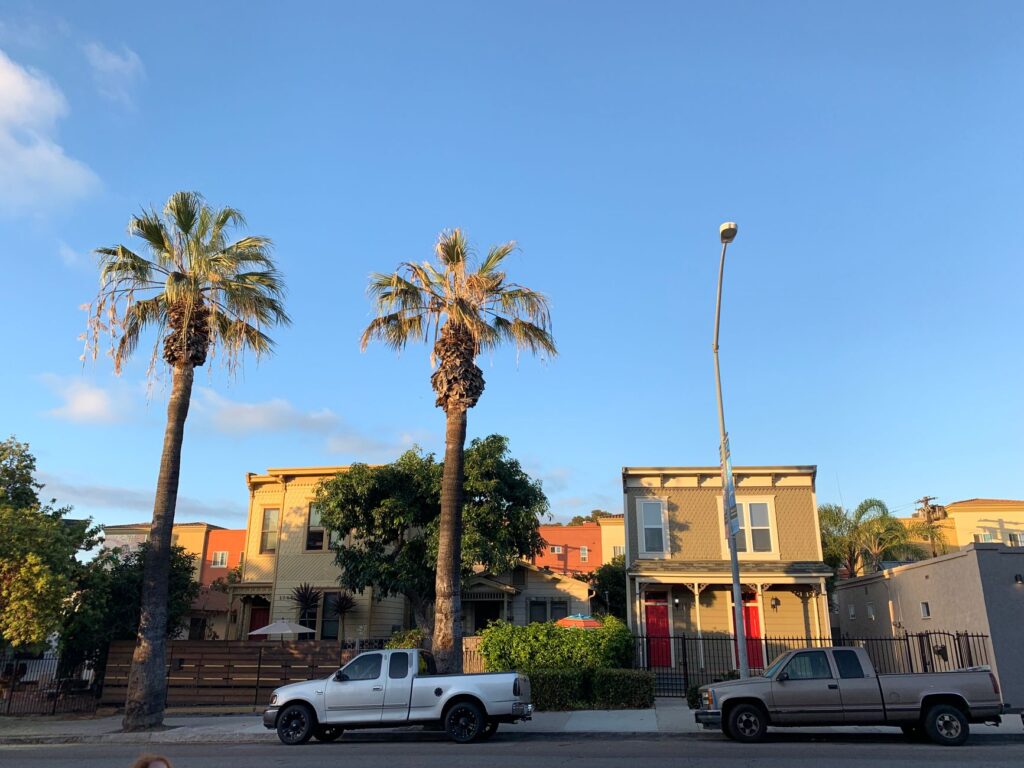
Not every yard in the township carries the same risk, and it comes down to two things working against each other: soil texture and elevation. Much of Middletown sits on clay-loam soil that already drains slowly under normal conditions — clay particles pack tightly, leaving little room for the pore space water needs to percolate downward. Add the flat, low-lying terrain closer to the Bayshore — Port Monmouth, Leonardo, parts of Belford and the Navesink lowlands — and you get soil that’s slow to drain sitting in terrain that’s slow to shed water in the first place.
Tidal influence compounds it further near the water. When a heavy thunderstorm hits on top of a high or king tide, storm drains and swales that would normally carry runoff out to the bay back up instead, and that standing water has nowhere to go but into the surrounding root zones. I’ve walked yards a quarter mile from Raritan Bay where a silver maple’s root flare was submerged for two full days after a summer storm — not because anything was wrong with the tree, but because the drainage path was working against it from the start.
Compaction makes an already bad situation worse. A driveway, a frequently mowed lawn, or a spot where contractors parked equipment during a renovation all reduce the pore space in soil that didn’t have much to spare. That compacted ground fills with water faster and holds it longer than loose, well-aerated soil around an established planting bed.
Middletown's #1 Tree Expert Company
FREE Inspection & Estimate | Certified Arborists | Trimming, Pruning, Removal, More!
Sponsored
Reading the Signs: Is Your Tree Drowning, Not Drying Out?
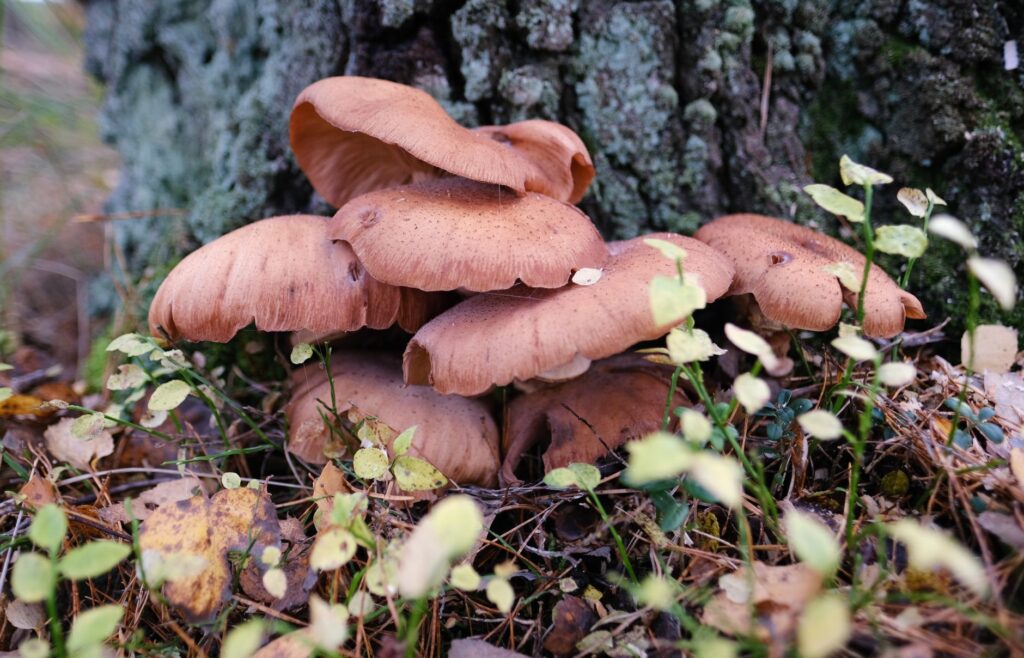
The tricky part about flood stress is that it mimics drought stress on the surface. Leaves can look scorched, undersized, or prematurely yellow either way. The tell is what’s happening at the base of the tree and in the soil itself, not just the canopy.
Look for standing water that lingers more than a day or two after a storm, soil that stays saturated and dark when you probe a few inches down with a screwdriver, or a spongy, waterlogged feel to the turf near the root flare. Mushrooms or bracket fungi appearing at the base of the trunk are a strong signal — many of the fungi that cause root rot thrive in exactly these low-oxygen, high-moisture conditions. Bark that looks unusually dark or wet-stained near the soil line, and a canopy that thins gradually over a season or two rather than dropping leaves all at once, both point toward a chronic drainage problem rather than a one-time dry spell.
One useful factsheet on over-mulching — a related and very common contributor to the same problem — notes that repeated, deep mulch applications in high-rainfall areas can push root-zone oxygen levels down further still, since mulch piled against the trunk holds moisture against bark it was never meant to touch. If your tree already sits in a poorly drained spot, a thick mulch volcano is adding insult to injury.
What You Can Do Before and After the Next Downpour
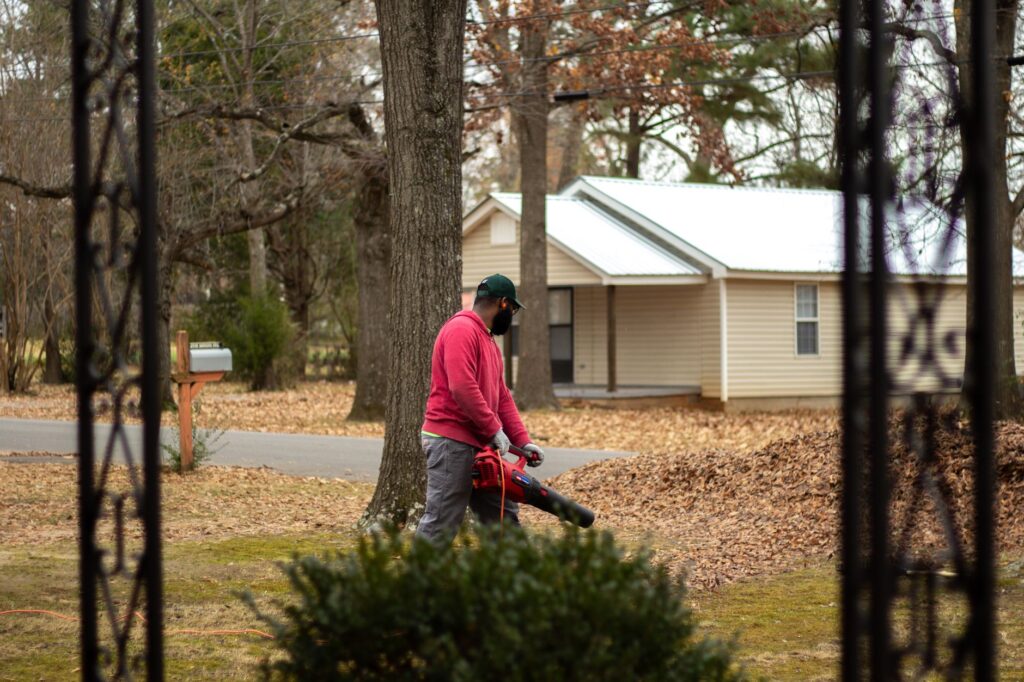
The good news is that most of this is fixable without major excavation. Start with grading: check whether the soil slopes away from the trunk or toward it. A shallow swale that directs water around a tree rather than pooling at its base can solve a surprisingly stubborn problem for the cost of an afternoon with a shovel.
Redirect downspouts and sump pump discharge away from the root zone rather than letting them empty a few feet from the trunk — that’s one of the most common self-inflicted flooding problems I find on a property visit. Avoid parking, storing equipment, or repeatedly walking the same path over a root zone that’s already prone to saturation; compaction and flooding feed each other.
Skip the extra mulch during a wet year, and never build it up against the bark — a thin 2 to 3 inch layer, pulled back from the trunk, is plenty. Hold off on fertilizing a tree that’s showing flood stress; pushing new growth on a root system that’s already struggling to take up water and nutrients just adds demand it can’t meet. If a low spot floods after every significant storm, a French drain or dry well tied into your existing drainage can carry water away from the root zone permanently rather than making the tree cope with it season after season.
Right Tree, Wet Feet: Species That Shrug Off Occasional Flooding
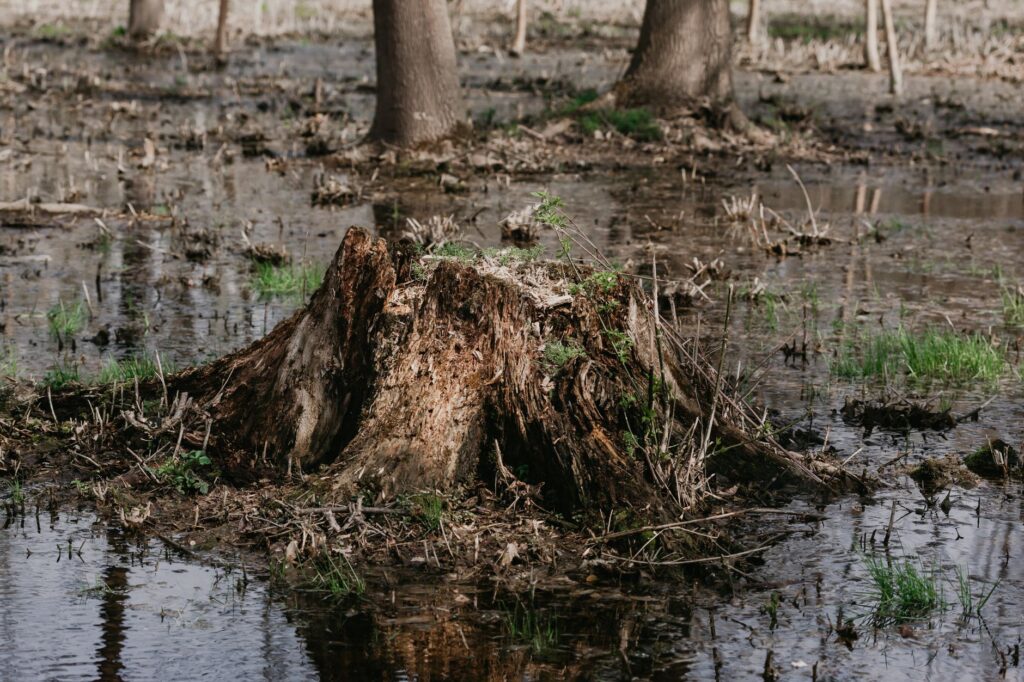
If you’re replanting a spot that floods, or landscaping a new low-lying corner of the yard, species choice matters more here than almost anywhere else in Middletown. Swamp white oak (Quercus bicolor) is one of the best all-around choices for a spot with periodic wet feet — it handles both occasional flooding and Middletown’s clay-loam soils better than most oaks, while still giving you a full, long-lived shade canopy. Red maple (Acer rubrum) is another workhorse for wet, low ground and is one of the most flood-tolerant shade trees native to the region.
River birch, black gum (Nyssa sylvatica), and sweetgum are all reasonable choices for a soggy corner of the property, tolerating standing water for short stretches without the chronic decline you’d see in a less tolerant species. On the other end of the spectrum, dogwoods, most beeches, and many ornamental cherries are quick to decline in poorly drained soil — if a planting bed floods after every heavy rain, those are species to plant somewhere else on the property, not force into a wet spot and hope for the best.
Matching the species to the site is almost always cheaper than fighting the site to keep the wrong species alive.
Middletown's #1 Tree Expert Company
FREE Inspection & Estimate | Certified Arborists | Trimming, Pruning, Removal, More!
Sponsored
When to Call a Pro
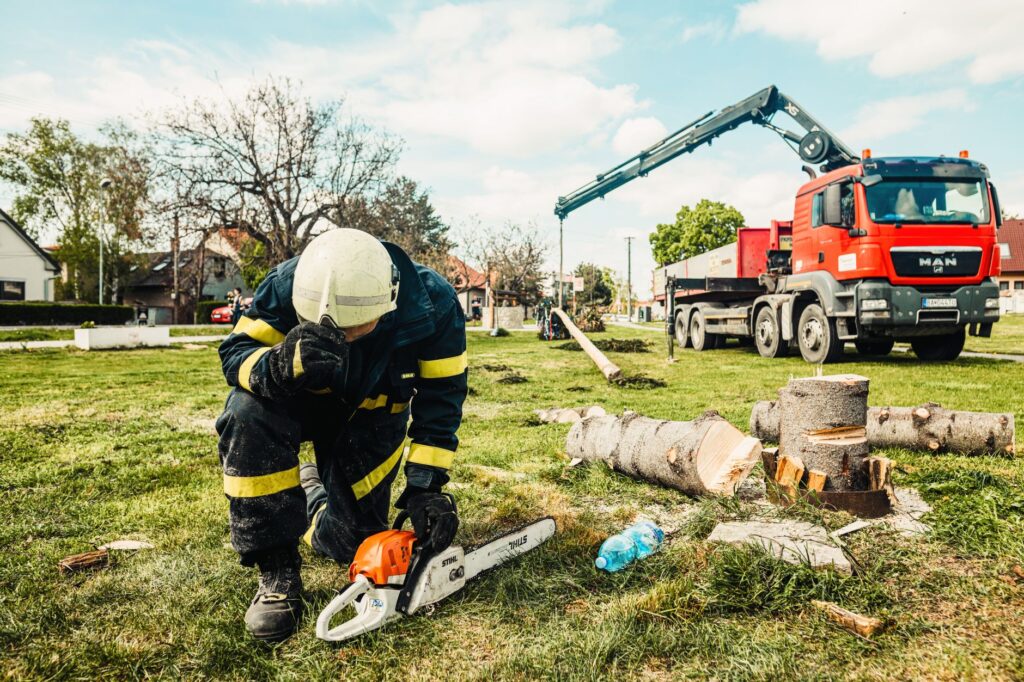
Most flooding stress resolves on its own once drainage is corrected — but a few situations are worth a certified arborist’s eyes before you guess. If standing water is a repeat problem in the same spot every storm season, if you’re seeing fungal conks at the base of a mature tree, or if a canopy has thinned noticeably over the past year without an obvious drought explanation, that’s decline serious enough to warrant an on-site assessment rather than a wait-and-see approach.
An arborist can check for Phytophthora and other root rot pathogens that thrive in exactly these low-oxygen conditions, recommend soil aeration or air spading where compaction is compounding the drainage problem, and help design a grading or drain solution that actually solves it rather than shuffling the water somewhere else on the property. Given how much of Middletown sits on slow-draining clay-loam close to tidal water, a little professional diagnosis after a wet summer can be the difference between a tree that recovers and one that’s quietly declining for years before anyone notices.
Photo credits: Featured image by Helena Jankovičová Kováčová on Pexels; Section 1 by Helena Jankovičová Kováčová on Pexels; Section 2 by Markus Winkler on Pexels; Section 3 by Doug Brown on Pexels; Section 4 by Roman Biernacki on Pexels; Section 5 by Paris Lopez on Pexels; Section 6 by Julia Filirovska on Pexels; Section 7 by Helena Jankovičová Kováčová on Pexels.