Middletown's #1 Tree Expert Company
FREE Inspection & Estimate | Certified Arborists | Trimming, Pruning, Removal, More!
Sponsored
Your Trees Are Not Alone Underground
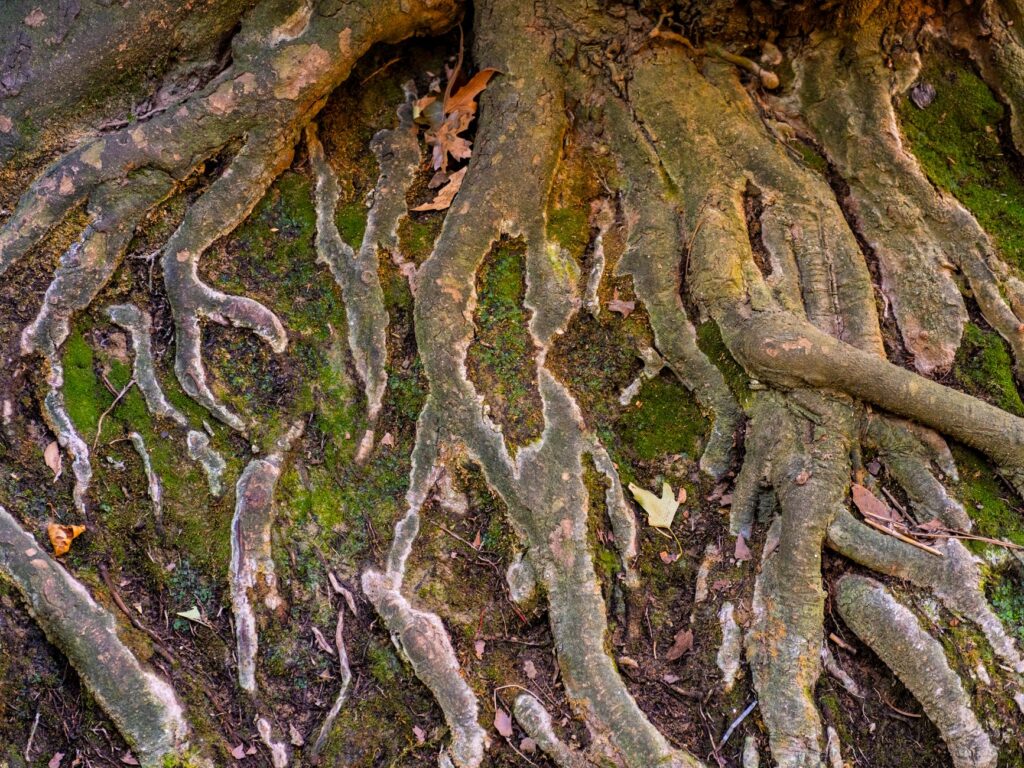
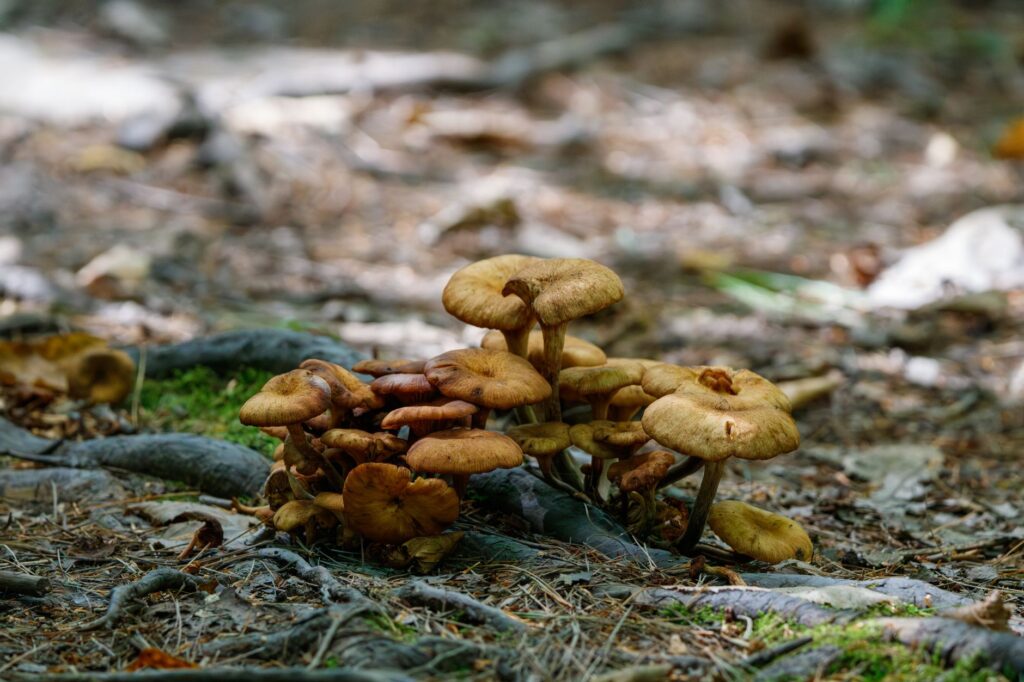
Walk the trails at Hartshorne Woods or duck into the mature forest at Poricy Park on a hot June afternoon, and you’ll notice something: even on days when the rest of Middletown Township looks heat-stressed, the old trees in those natural areas look vigorous, their canopies deep and full. Part of that comes down to age and root depth. But a large part of it comes from something you can’t see at all — a vast underground network of mycorrhizal fungi woven through the soil beneath every healthy tree.
This invisible partnership between tree roots and soil fungi is one of the most important relationships in your yard, and most homeowners have never heard of it. As a certified arborist who has diagnosed trees across Monmouth County for many years, I can tell you: when a tree starts declining without an obvious above-ground cause, the underground is often where the story begins.
What Mycorrhizal Fungi Actually Do
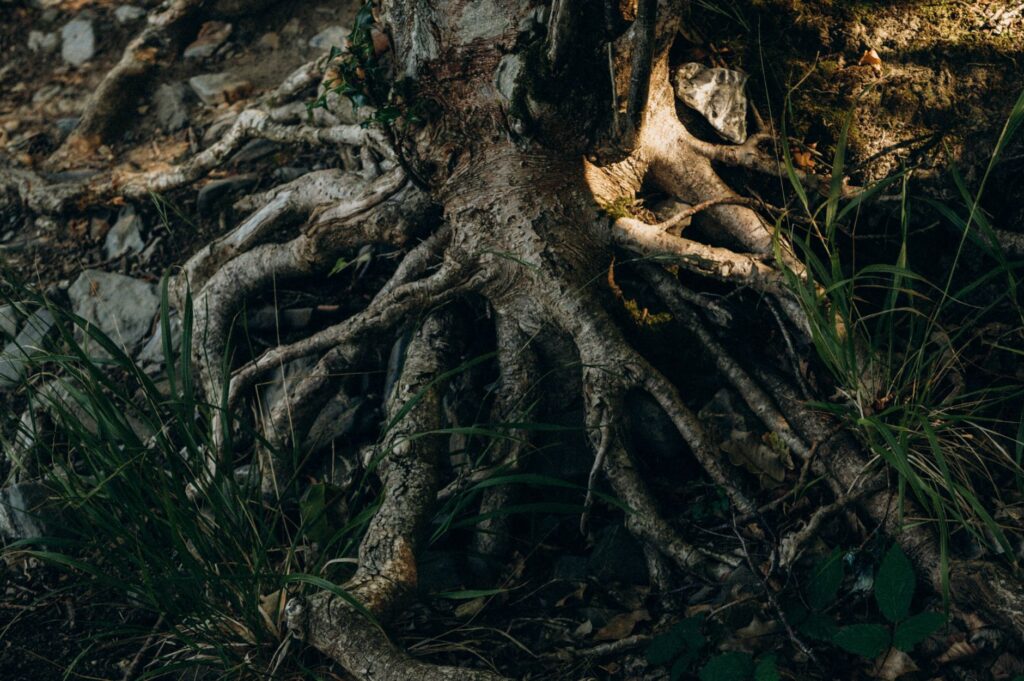
The word “mycorrhiza” comes from the Greek for fungus and root — and that’s precisely what it describes: a physical fusion between fungal threads called hyphae and a tree’s feeder roots. This is not a parasite relationship. It is a trade. The tree provides the fungus with carbohydrates — sugars produced through photosynthesis. In exchange, the fungus dramatically extends the tree’s effective root system, threading into pockets of soil that root hairs alone could never reach.
A single teaspoon of healthy soil can contain miles of fungal hyphae. These threads are far thinner than any root, and they can slip between soil particles in the clay-loam soils of inland Middletown and the sandier soils near the Bayshore alike, pulling out phosphorus, nitrogen, zinc, manganese, and water before passing them back to the tree. A well-connected tree handles drought, nutrient-poor soil, and competition far better than one without fungal partners. As the International Society of Arboriculture notes, mycorrhizal associations are present in roughly 80 to 90 percent of all land plant species — this is not a bonus feature of tree biology. It is the foundation.
There are two main types relevant to Middletown trees. Ectomycorrhizal fungi form a dense sheath around root tips and are the dominant partners for oaks, beeches, and hickories. Arbuscular mycorrhizal fungi penetrate directly into root cells and are the primary partners for maples, dogwoods, and many ornamental trees. Each group is a distinct community of organisms, and each has co-evolved with its tree hosts over millions of years.
How Middletown's Soils Shape the Fungal Underground

Middletown Township sits on an interesting soil boundary. Inland neighborhoods — Lincroft, the Chapel Hill area, areas near Thompson Park and Tatum Park — tend to have clay-loam soils: heavier, sometimes slow-draining, but mineral-rich when they’re not compacted. Move toward the Bayshore — Port Monmouth, Leonardo, Belford — and the soils become sandier and more freely draining, with different organic matter profiles and faster drying patterns in summer heat.
Each soil type hosts a distinct community of mycorrhizal fungi, and each community has different strengths. The Rutgers New Jersey Agricultural Experiment Station has documented how soil pH, drainage, and organic matter content affect fungal diversity across New Jersey landscapes. The mycorrhizal communities beneath a mature oak stand in natural forest are dramatically more complex and diverse than those under a maintained suburban lawn — even if that lawn has mature trees in it. Decades of mowing, fertilizing, and soil compaction reshape the fungal community just as surely as they reshape the soil itself.
This matters when you’re planting new trees. A red oak installed in freshly graded soil is being placed in a biological desert compared to what it would experience in a natural setting. The tree will survive, but it starts at a disadvantage — rebuilding fungal partnerships from scratch while also establishing roots in compacted, often low-organic-matter fill soil. That slow start is real, and it shows up as slow growth and increased vulnerability to summer drought stress in the first three to five years.
Middletown's #1 Tree Expert Company
FREE Inspection & Estimate | Certified Arborists | Trimming, Pruning, Removal, More!
Sponsored
How Suburban Life Breaks the Network
The mycorrhizal network is far more fragile than the trees it supports. Soil disturbance — digging, tilling, grading, even aggressive aeration — physically severs fungal threads and can eliminate entire fungal communities in an afternoon. High-phosphorus fertilizers, commonly applied to lawns, suppress mycorrhizal development: when phosphorus is already abundant, the tree stops investing sugars in feeding its fungal partners, the relationship weakens, and the network collapses. Broad-spectrum fungicides used on turf or ornamental shrubs don’t discriminate — they kill beneficial soil fungi alongside the target pathogens.
Construction is particularly devastating. USDA Forest Service research has shown that grading and compaction during development can strip the biologically active layer of soil down to 12 inches or more, effectively resetting the fungal community to near zero under the drip line of trees that were supposedly protected during construction. This is why I regularly see trees that survived a building project — the contractor flagged them, protected their trunks, kept equipment back — begin a slow decline five to ten years after the work was done. The trees survived, but the underground support system they depended on was gone.
Symptoms of mycorrhizal disruption can look like many other tree problems: leaves that are smaller than normal, early fall color in August, slow shoot growth, repeated dieback in the same scaffold branches, increased susceptibility to opportunistic pathogens. Without knowing the site history, these symptoms are easy to misdiagnose and treat incorrectly — adding fertilizer when you should be rebuilding soil biology, for instance, can make the situation worse.
Native Trees and Their Local Fungal Partners
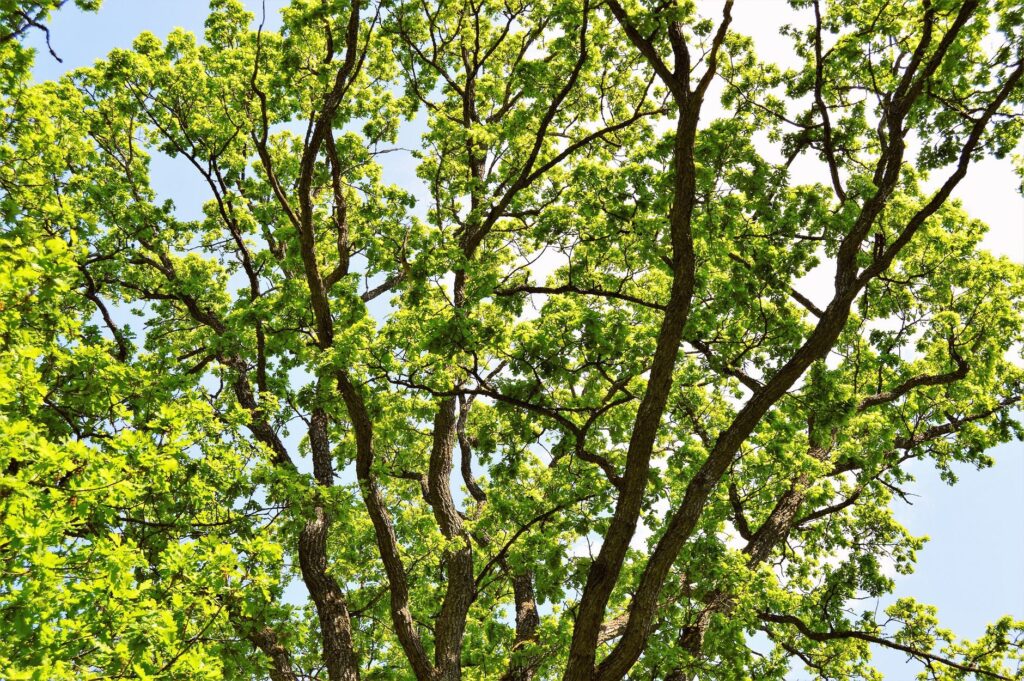
One of the strongest arguments for planting native trees in Middletown yards is one that rarely comes up in nursery conversations: native species arrive with evolutionary partnerships already calibrated to the fungi present in New Jersey soil. White oak (Quercus alba), American beech (Fagus grandifolia), tulip poplar (Liriodendron tulipifera), flowering dogwood (Cornus florida), American sweetgum (Liquidambar styraciflua) — these trees and their local fungal communities have co-evolved for thousands of years. The matching is precise in ways we’re still learning to understand.
Compare that to non-native ornamentals. Many ornamental pears, Norway maples, and other introduced species form weaker or incomplete mycorrhizal relationships in New Jersey soils, which contributes to their generally poorer performance during heat and drought. In a dry Middletown July, a white oak with a mature fungal network can access water from soil zones completely unavailable to a shallow-rooted ornamental without effective fungal partners. The difference shows — it just doesn’t show in a way that’s easy to trace back to root-zone biology without knowing what to look for.
This is also one of the reasons that trees in natural forest settings — Cheesequake State Park, Hartshorne Woods Park, the riparian forests along the Navesink — can look so different from the same species in a yard. The forest soil has decades or centuries of accumulated fungal complexity. A yard tree is often starting over.
What You Can Do to Protect the Network
The good news is that protecting the mycorrhizal network doesn’t require special equipment or expensive treatments. It mostly requires leaving things alone.
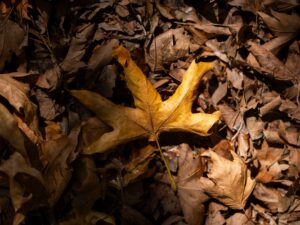
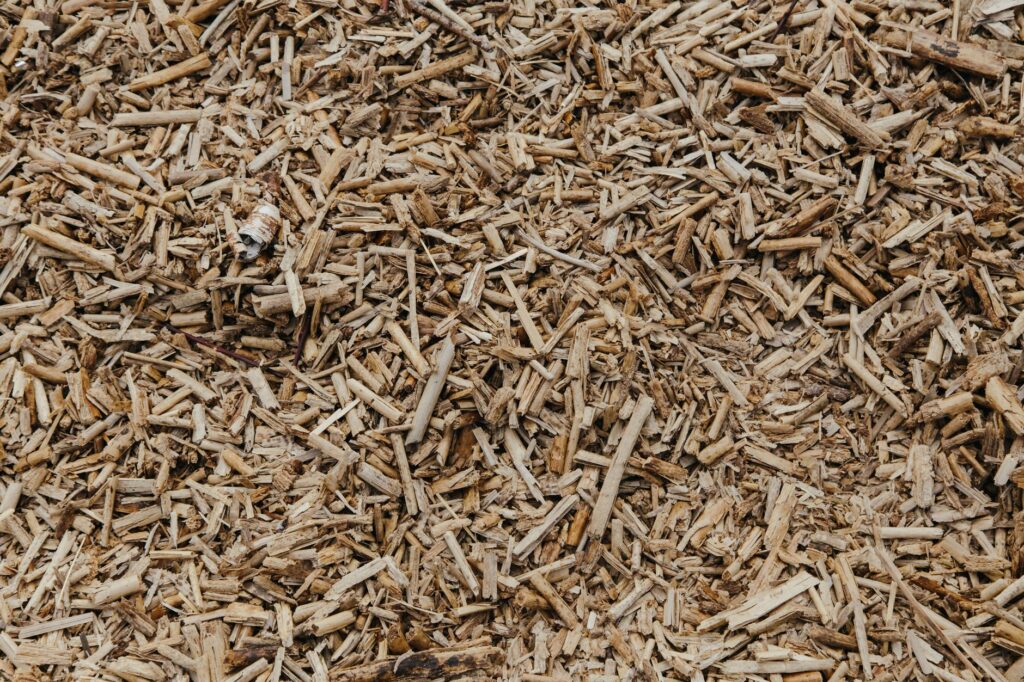
The highest-impact action you can take is mulching. A 3- to 4-inch layer of wood chip mulch over your tree’s root zone — spread to the drip line where possible, never piled against the trunk — feeds soil fungi by creating the moist, carbon-rich habitat they need to thrive. As the chips break down slowly, they build the organic matter layer that supports the fungal communities that in turn feed your tree. Leaf litter under trees serves the same function; fight the urge to rake everything bare each fall. That layer of leaves is the tree’s way of feeding its underground partners.
Avoid tilling or planting annual beds in the root zone. Minimize traffic and compaction under the canopy. Keep high-phosphorus lawn fertilizers away from tree drip lines — if you have a tree that’s showing nutrient stress, get a soil test first, because Rutgers Cooperative Extension consistently finds that most Monmouth County soils are not phosphorus-deficient, and adding more suppresses the fungal associations that are already working. Water deeply and infrequently — long, slow soaking sessions encourage tree roots and their fungal partners to go deep, which is exactly where you want them when August arrives.
- Mulch 3–4 inches deep out to the drip line (no volcano mounds)
- Leave leaf litter or wood chip mulch under trees year-round
- Avoid tilling, digging, or planting annuals in the root zone
- Keep lawn fertilizers with high phosphorus away from tree roots
- Water deeply and infrequently to encourage deep root-fungal associations
None of these actions are complicated, but they require resisting the habits that suburban landscaping encourages: raking bare, fertilizing heavily, keeping the ground around trees looking tidy and planted. The underground is doing invisible work on your behalf — give it the conditions it needs.
Middletown's #1 Tree Expert Company
FREE Inspection & Estimate | Certified Arborists | Trimming, Pruning, Removal, More!
Sponsored
When to Call a Certified Arborist
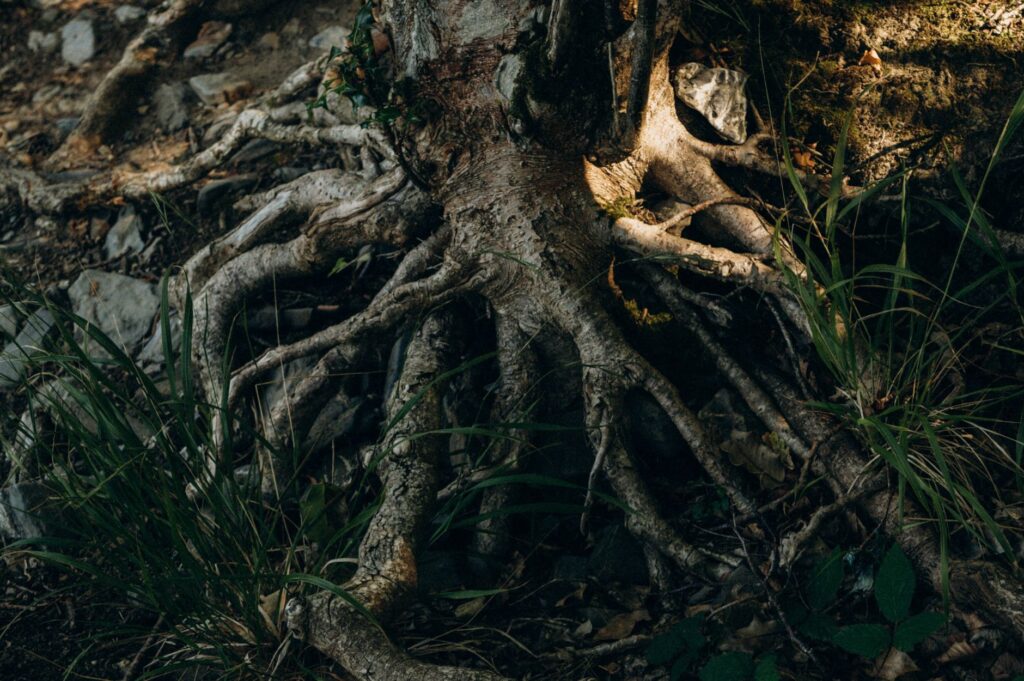
If a tree in your Middletown yard is showing stress — thin canopy, slow growth, repeated branch dieback, poor summer color despite adequate water — and you’ve ruled out obvious causes like drought or mechanical damage, mycorrhizal disruption may be part of the picture. An arborist who understands soil biology will look at the site history: Was there construction nearby in the past decade? Has the root zone been repeatedly disturbed or driven over? Is the lawn under the tree heavily fertilized or treated with pesticides?
In some situations, an arborist may recommend mycorrhizal inoculants — commercially available formulations of beneficial fungi that can help reestablish root partnerships in stripped or sterile soils. The research on inoculant effectiveness is mixed, and application method and species matching both matter considerably, but in cases where natural fungal communities have been eliminated — a newly developed lot, a heavily compacted urban tree pit — they can help. Deep root aeration treatments can also help by improving the soil structure that fungal threads need to grow.
More broadly, an arborist can help you read the full picture — above and below ground — and avoid the common mistake of treating visible symptoms while missing the root-zone cause. To find a certified arborist in Monmouth County, use the ISA’s Find An Arborist tool at treesaregood.org. The underground is where the story often starts — and where lasting tree health is either built or lost.
Photo credits: Featured image by Tim Dusenberry on Pexels; Section 1 by Engin Akyurt on Pexels; Section 2 by Liudmyla Shalimova on Pexels; Section 3 by Rain Photography on Pexels; Section 4 by Avadh on Pexels; Section 5 by Jonathan Petersson on Pexels; Section 6 by Ron Lach on Pexels; Section 7 by Liudmyla Shalimova on Pexels.