Middletown's #1 Tree Expert Company
FREE Inspection & Estimate | Certified Arborists | Trimming, Pruning, Removal, More!
Sponsored
When Your Spruce Starts Dying From the Inside Out
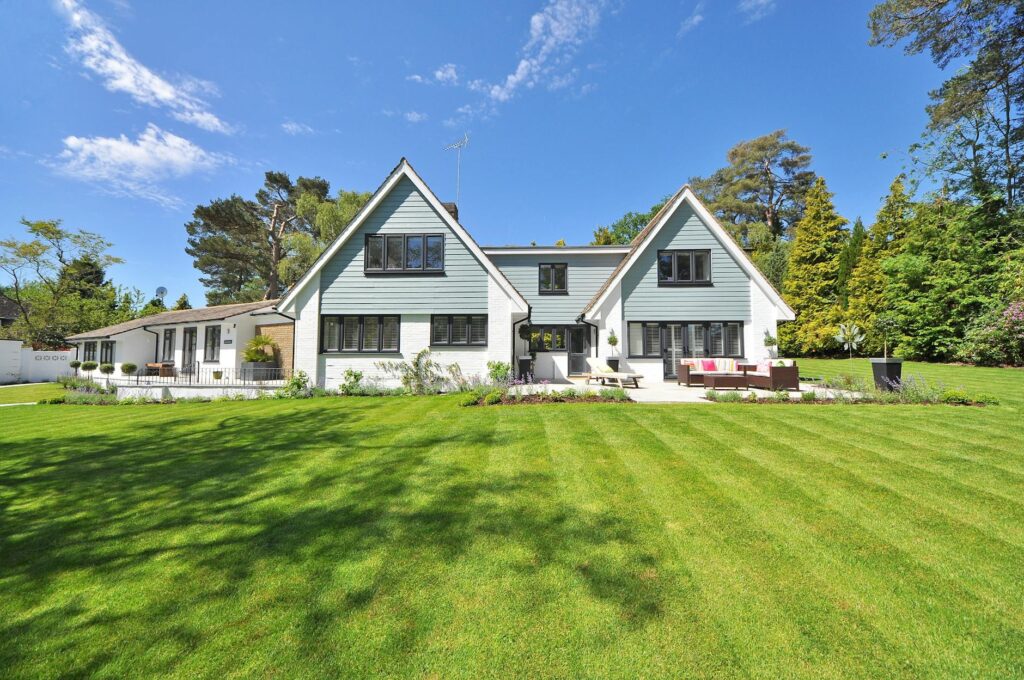
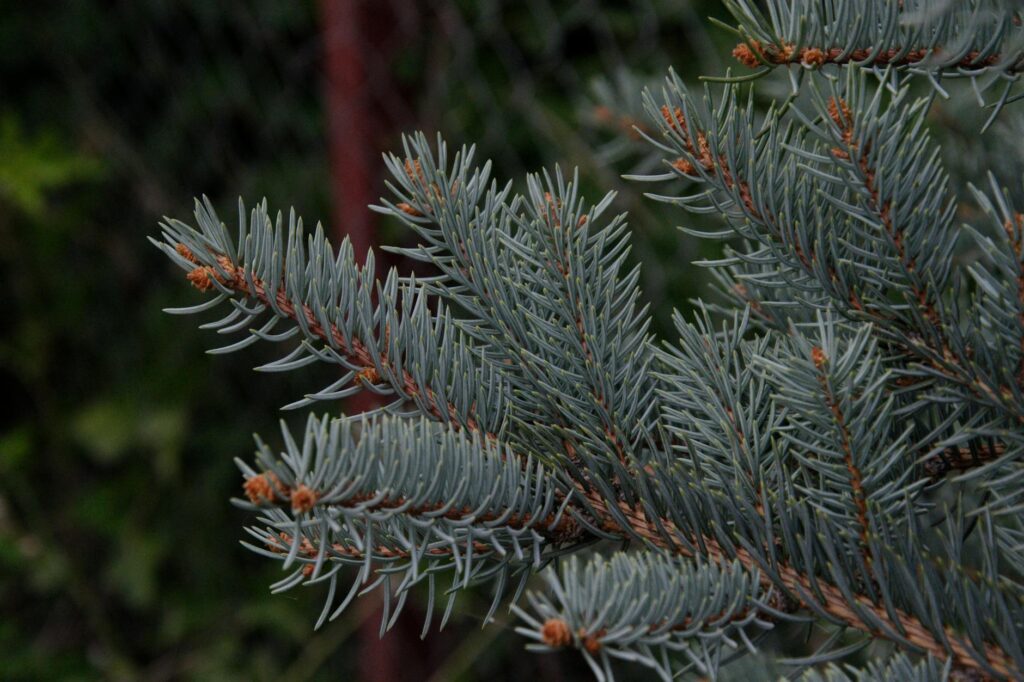
Every spring I get calls from Middletown homeowners staring at their Colorado blue spruce and wondering if it’s time to cut it down. The tree looked fine all winter — then April hit, the weather warmed up, and suddenly the interior branches are brown and bare while the outer tips still look okay. That’s not winter damage. That’s Rhizosphaera needle cast, and it’s one of the most common tree health problems I see across Middletown Township this time of year.
Rhizosphaera needle cast, caused by the fungus Rhizosphaera kalkhoffii, has become epidemic in New Jersey landscapes over the past two decades — and not by coincidence. Blue spruce is native to the Rocky Mountains, adapted to cold, dry air and well-drained soils. Monmouth County gives it wet springs, humid summers, and dense suburban plantings. The result is slow decline that most homeowners don’t notice until the tree looks half-dead.
If you have a Colorado blue spruce in your yard — and statistically, if you live in any subdivision built between 1980 and 2010, you probably do — this article is for you. Understanding what’s happening, and acting during the right treatment window, can mean the difference between saving your tree and spending several thousand dollars on a removal.
What Is Rhizosphaera Needle Cast? The Biology of a Slow Killer
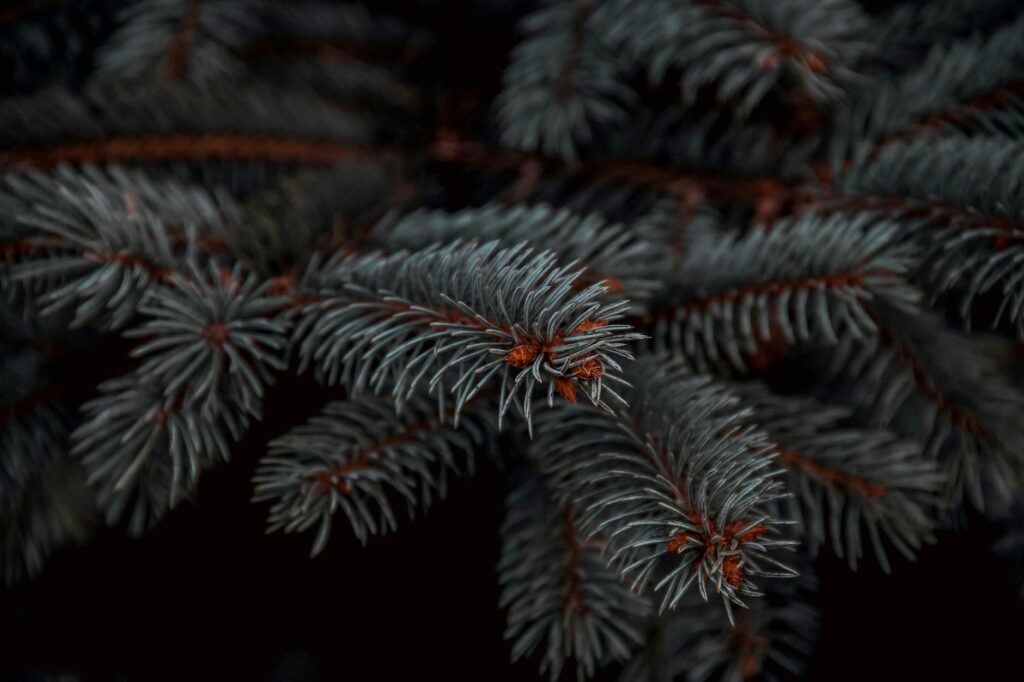
Rhizosphaera needle cast is a fungal disease that targets spruce trees, particularly Colorado blue spruce (Picea pungens), which are widely planted as ornamental and screening trees across Middletown and Monmouth County. The pathogen infects needles during wet spring weather when spores released from infected tissue land on healthy new growth and germinate in the presence of moisture.
Here’s the part that confuses most homeowners: you won’t see the results until the following year. The fungus infects current-season needles in spring and early summer, but those needles don’t start browning until the following fall or the spring after that. The brown you’re seeing this May represents last year’s infection playing out. The damage being done to this spring’s new needles won’t show up until 2027.
The disease gets its name from the “casting” of needles — the tree drops infected needles prematurely, leaving branches bare. The telltale sign, if you have a hand lens, is tiny black dots arranged in rows along the underside of brown needles. These are fungal fruiting bodies called pycnidia, sitting right in the needle’s stomatal rows. No other common spruce problem produces that exact signature. The Rutgers Plant Diagnostic Laboratory offers identification services if you want a confirmed diagnosis before committing to a multi-year treatment program.
The infection pattern is typically inside-out and bottom-up. Lower, interior branches — where air circulation is poor and needles stay wet longest — go first. Outer shoot tips often look healthy until the damage is severe. That’s why so many homeowners miss early-stage infections: the tree looks fine from the street, but walk around to the trunk and look in, and it’s a skeleton.
Why Middletown Yards Are Ground Zero for This Disease
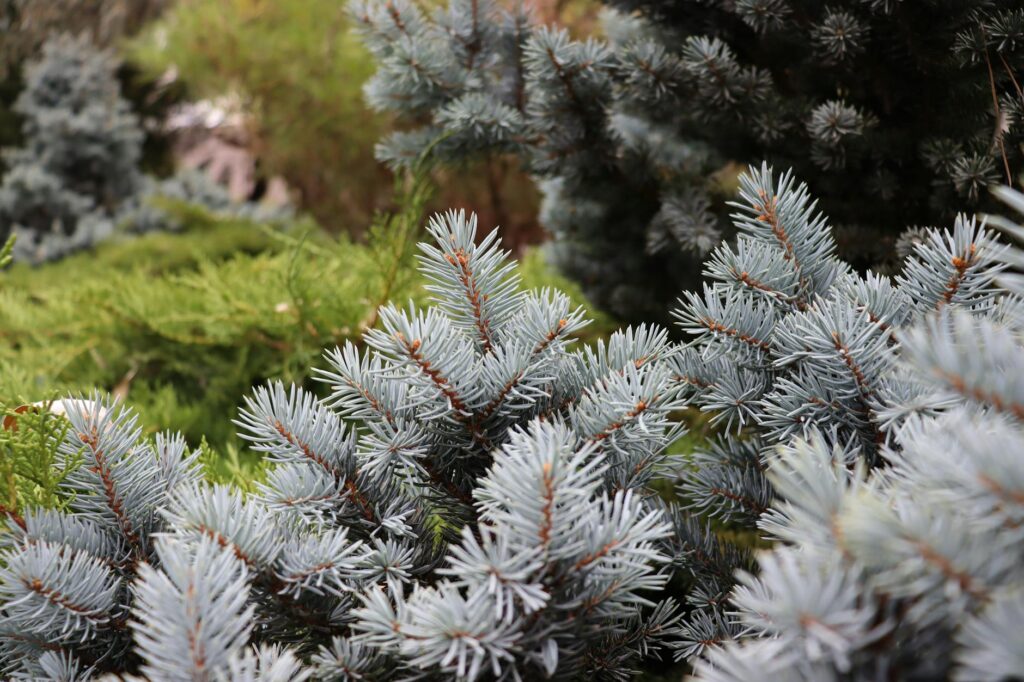
Colorado blue spruce (Picea pungens) is a mountain tree. Its natural range spans the Rocky Mountains of Colorado, Utah, and Wyoming — where cool temperatures, low humidity, and excellent air drainage keep fungal diseases in check. Monmouth County is essentially the opposite of that environment. We get 45-plus inches of rain per year, high summer humidity, and springs with weeks of cool, wet weather that are ideal for Rhizosphaera spore germination and spread.
I’ve seen it worst in the older subdivisions of Lincroft, Belford, and the neighborhoods backing toward Poricy Park. Many of these yards have mature blue spruces planted 20 to 30 years ago — back when landscape contractors used blue spruce as a default screening choice, the way they used arborvitae. Those trees are now large enough that air circulation through the crown is minimal, and the dense branching structure stays wet for days after a rain event.
Soil plays a role too. Much of Middletown Township sits on marine clay and loamy coastal plain soils that drain slowly. Blue spruce wants well-drained, slightly acidic soil. In the heavy clays common across many Middletown neighborhoods, roots stay wet and stressed, weakening the tree’s natural disease resistance. The USDA Urban and Community Forestry program has documented how urban planting stress accelerates susceptibility to exactly these kinds of fungal pathogens.
Dense spacing makes it worse. Many Middletown properties have blue spruces planted 6 to 8 feet apart as a privacy hedge. When those trees were young, that spacing was fine. Now that they’re 25 to 35 feet tall and their canopies are touching, you’ve created a fungal incubator. Spores move by rain splash from tree to tree, and the lack of airflow means needles stay wet far longer than they would in open ground.
Middletown's #1 Tree Expert Company
FREE Inspection & Estimate | Certified Arborists | Trimming, Pruning, Removal, More!
Sponsored
How to Diagnose Rhizosphaera at Home
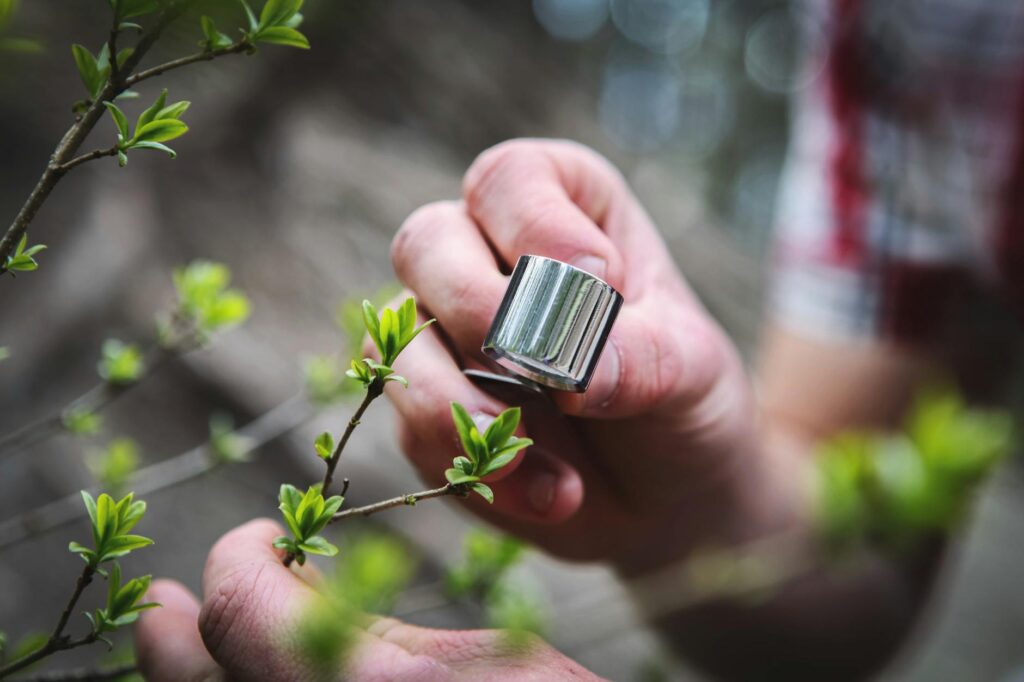
Before calling an arborist or buying a fungicide, it’s worth spending five minutes confirming what you’re dealing with. Rhizosphaera has a distinctive enough signature that a homeowner with a 10x hand lens — sold at any garden center or hardware store — can make a reasonable field diagnosis.
Here’s what to look for: pull a brown needle from an interior branch — one that died last year, not the current season’s new growth. Hold it under the lens and examine the underside carefully. You’re looking for two rows of tiny black dots running along the length of the needle. These are the pycnidia, the fungal fruiting structures, emerging from the stomatal pores. Healthy spruce needles have white stomatal rows; Rhizosphaera turns them black.
- Lower and interior branches browning first: Points to Rhizosphaera — poor air circulation inside the canopy is the key driver
- Branch tips dying with needles still attached: Consider cytospora canker instead — a different disease requiring different treatment
- Needles browning uniformly after a dry summer: Drought stress, especially on sandy soils near Cheesequake State Park
- Yellow needles on a Bayshore property near the water: Likely salt spray damage — a very different treatment approach
If you see those black pycnidia under a lens: that’s Rhizosphaera. For a definitive diagnosis before committing to a multi-year treatment program, send a sample to the Rutgers Plant Diagnostic Lab in New Brunswick. The modest submission fee is well worth it when several seasons of fungicide applications are on the line.
Treatment: Fungicide Timing Makes or Breaks the Program
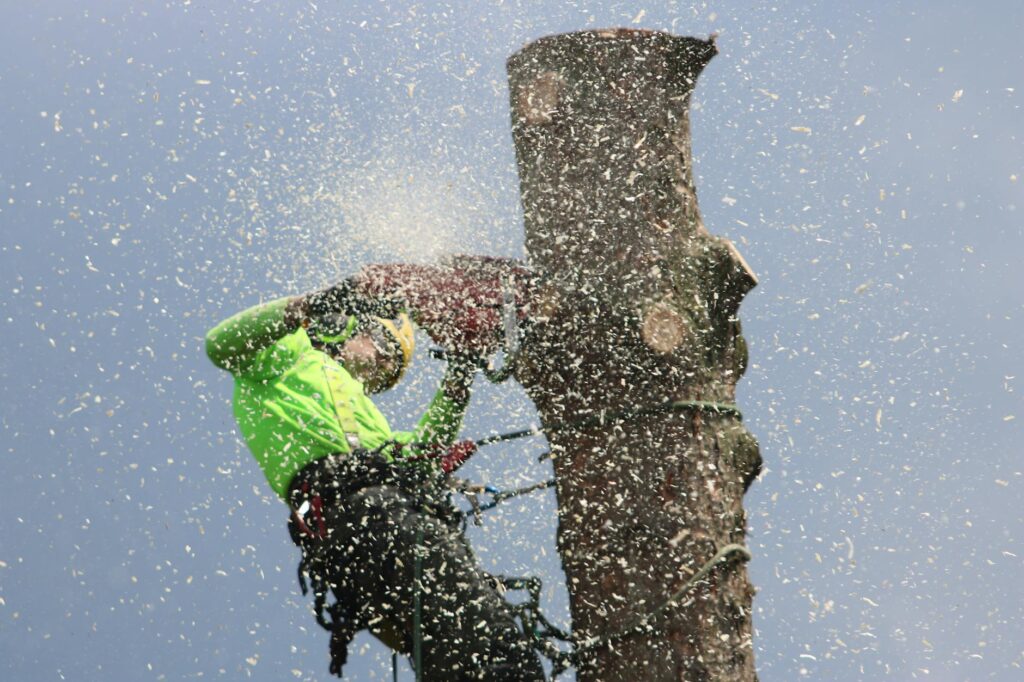
The honest news: if Rhizosphaera needle cast is established in your tree, you cannot undo damage already done. Brown branches stay brown. Missing needles won’t regenerate on stripped branches. What you can do is protect this year’s new growth — and next year’s, and the year after — until the tree slowly fills back in from the outside. It’s a long game: typically two to three years of consistent treatment before you see meaningful recovery.
The critical treatment window is budbreak — the moment in mid-to-late April when new needle clusters emerge from the bud scales. In Middletown’s climate, that window typically opens in the second or third week of April. This is when new needles are most vulnerable to infection, and when fungicide applications do the most good. A second application three to four weeks later covers the rest of the needle elongation period. Miss the first application and you’re essentially protecting needles that have already been exposed for a month.
Registered fungicides for Rhizosphaera control include copper-based products (copper octanoate), chlorothalonil, and mancozeb-based materials. Copper fungicides have a good safety and efficacy profile and are the most widely used in professional arborist programs. Coverage is critical: every needle cluster on every branch needs to be reached, which means low-volume spray equipment with penetrating pressure. For a mature 30-foot tree, that’s a job for professional spray equipment — not a garden hose attachment. The International Society of Arboriculture’s resource site TreesAreGood.org offers guidance on when homeowners can manage tree problems themselves and when to bring in a certified arborist.
Be realistic about outcomes. If your blue spruce has lost 60 to 70 percent of its needles over several seasons, the energy reserves needed for recovery may already be spent. Trees in that condition often continue declining even with a diligent treatment program. An honest assessment from a certified arborist before you start a fungicide program can save you money, time, and a lot of frustration.
Better Than Blue Spruce: Conifers That Actually Thrive Here
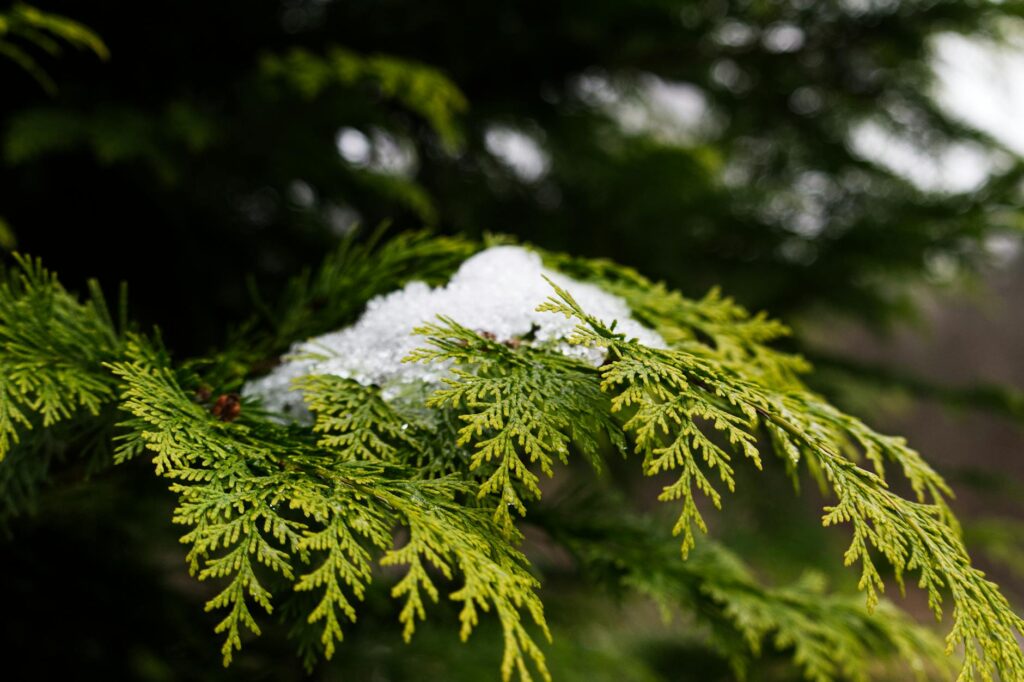
If your Colorado blue spruce is too far gone — or if you want to avoid this problem on your next planting — it’s worth knowing which conifers actually perform well in Middletown’s humid climate. We’ve collectively been planting the wrong tree in the wrong place for thirty years, and the results are showing up in browning spruces all over Monmouth County right now.
White spruce (Picea glauca) shows noticeably better resistance to Rhizosphaera than Colorado blue spruce and tolerates New Jersey’s humidity more gracefully. It lacks the dramatic silvery-blue color, but it holds its needles. Eastern red cedar (Juniperus virginiana) is highly adaptable to Monmouth County’s conditions — salt-tolerant for Bayshore properties near Leonardo and Port Monmouth, drought-tolerant once established, and genuinely native to this region’s coastal plain forests. American holly (Ilex opaca) makes an excellent broadleaf evergreen screening tree and is a true native of New Jersey’s coastal plain.
For larger evergreen screens in the Lincroft and Hartshorne Woods area, native white pine (Pinus strobus) is fast-growing and relatively disease-resistant, though susceptible to white pine weevil in youth. Inkberry holly (Ilex glabra) and bayberry (Morella pensylvanica) are outstanding native evergreen shrubs that function as effective screening plants without the long-term maintenance burden of a stressed spruce on a clay-soil lot.
The USDA Forest Service’s TreeSearch database includes extensive research on species performance in urban and suburban landscapes by region. When choosing a replacement, think past aesthetics and choose a tree adapted to what your Middletown yard actually is: humid, sometimes waterlogged, exposed to coastal air, and planted in clay-loam coastal plain soil that blue spruce never evolved to tolerate.
Middletown's #1 Tree Expert Company
FREE Inspection & Estimate | Certified Arborists | Trimming, Pruning, Removal, More!
Sponsored
Summary: When to Call a Pro About Your Browning Spruce

Rhizosphaera needle cast is a slow, insidious disease that turns one of Middletown’s most popular landscape conifers into a bare skeleton over three to five seasons. By the time most homeowners notice the browning, the infection has been established for two or three years. The good news is that early-stage trees respond well to a consistent fungicide program timed to budbreak each April, and the progression can be stopped before it becomes catastrophic.
The hard call — treat or replace? — is one a certified arborist can help you make honestly. A tree that’s lost most of its inner canopy may not be worth the investment. A tree still holding reasonable needle density on the majority of its branches is a good candidate for a recovery program started next April.
If you suspect Rhizosphaera on your spruces, the window to protect this season’s new growth has largely closed for 2026 — budbreak in Middletown’s climate is mid-to-late April, and the optimal first spray window has passed. But an early April application next year is your next real opportunity, and you don’t want to lose another full season of needle coverage while you’re deciding. Start planning now so you’re ready when the buds break next spring.
A consulting arborist can confirm the diagnosis, assess how much of the tree’s structure is still viable, and give you a realistic treatment timeline. It’s almost always a better use of resources to get professional eyes on the tree before committing to an expensive multi-year spray program — or before spending money treating a tree that honestly may be past saving. When in doubt, consult a certified arborist before acting.
Photo credits: Featured image by Ivan Petrov on Pexels; Section 1 by Pixabay on Pexels; Section 2 by Yaroslav Chaadaev on Pexels; Section 3 by mywin_dow on Pexels; Section 4 by Andreas Schnabl on Pexels; Section 5 by Henk Schuurmans on Pexels; Section 6 by Kristine Bruzite on Pexels; Section 7 by RDNE Stock project on Pexels.