

Middletown's #1 Tree Expert Company
FREE Inspection & Estimate | Certified Arborists | Trimming, Pruning, Removal, More!
Sponsored
The Morning After a Storm, the Trucks Show Up First

Within hours of a nor’easter tearing through the Bayshore, unmarked pickup trucks start rolling slowly down streets in Port Monmouth, Belford, and Leonardo. Chainsaws are still in the truck bed. A hand-lettered sign leans against the windshield. Somebody knocks, points at the split limb hanging over a garage, and offers to have it down by lunch — cash only, today’s price only.
Most homeowners have no idea that New Jersey has a specific law governing who is legally allowed to make that offer. It isn’t a business license or a contractor registration in the general sense — it’s a dedicated licensing statute, administered by a state board, that applies to anyone performing tree care for hire in New Jersey. Almost nobody asks about it, because almost nobody knows it exists.
That gap matters more here than in most places. The Bayshore’s mix of mature oaks, aging Norway spruces, and storm-prone waterfront lots means Middletown Township sees more tree-related storm response than most Monmouth County towns in a given year — which also means more opportunities for unlicensed, uninsured crews to show up first and ask questions never.
What New Jersey Law Actually Requires
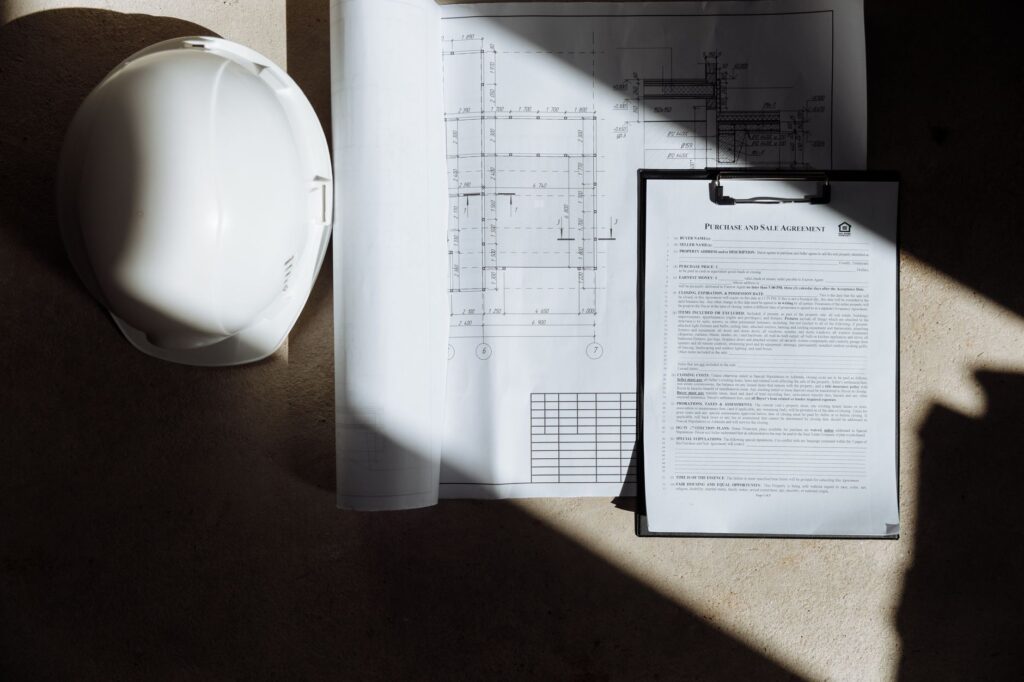
Under New Jersey’s Tree Expert and Tree Care Operator Licensing Act, anyone offering to perform tree care services for hire — pruning, removal, cabling, treatment — must have at least one Licensed Tree Expert (LTE) or Licensed Tree Care Operator (LTCO) affiliated with the company. Individuals earn that license through the New Jersey Board of Tree Experts by passing a state examination, meeting education and field-experience requirements, and demonstrating good standing — and licensees are bound to continuing education and a professional code of conduct once they hold it.
The company doesn’t need every single worker on a crew to be licensed. But it does need at least one licensed person attached to the business, and every licensed individual is issued a number you can look up. If a crew can’t produce that number, or produces one that doesn’t check out against the state’s own records, the work they’re about to do on your property is happening outside the law that’s supposed to govern it.
Why a Paperwork Requirement Is Actually a Liability Question
It’s tempting to treat licensing as a bureaucratic detail — a box to check, not a real protection. It isn’t. The license exists because tree work is genuinely dangerous, both to the people doing it and to the property around it, and the state’s oversight is what stands behind the standards those crews are supposed to follow.
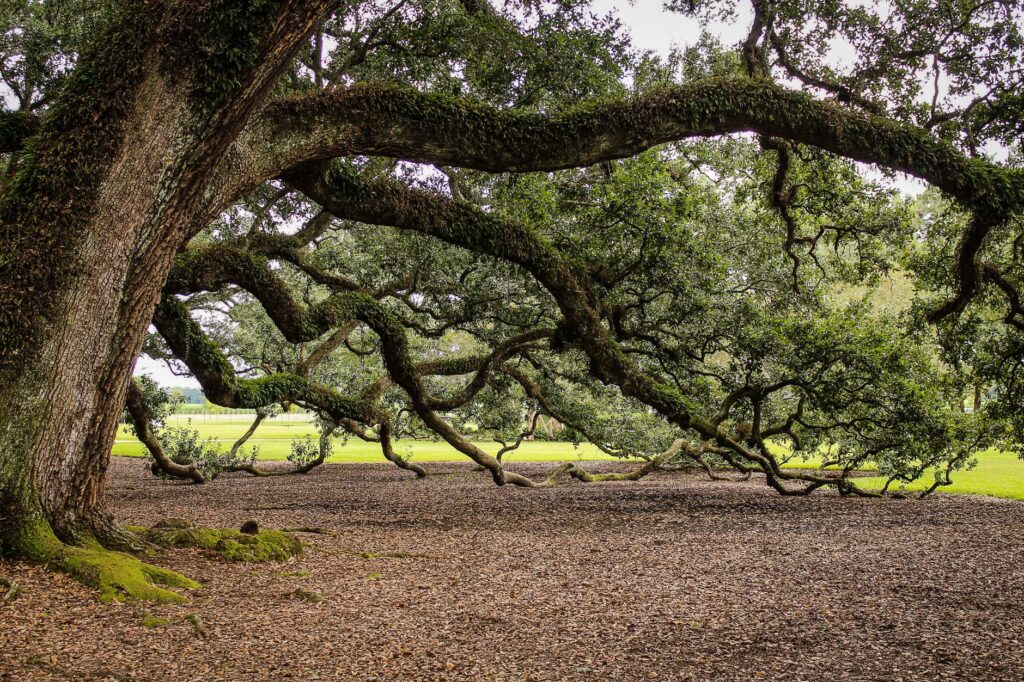
Consider what happens when it’s absent. If an unlicensed, uninsured worker is injured falling out of your white oak (Quercus alba), the workers’ compensation gap doesn’t just vanish — depending on the circumstances, it can expose the property owner. If a rigged-out limb takes down a section of your neighbor’s fence or a power line, an outfit with no license, no bond, and no certificate of insurance leaves you with a claim against a truck that’s already left the county. The license is the thread that connects a bad outcome back to someone accountable for it.
This is a different question than whether the crew is good at tree work. Plenty of unlicensed operators are skilled with a chainsaw. Licensing isn’t a skill test performed on your tree — it’s the legal and financial backstop that exists in case something goes wrong, and it’s worth exactly nothing to a homeowner unless it’s verified before the first cut, not after.
Middletown's #1 Tree Expert Company
FREE Inspection & Estimate | Certified Arborists | Trimming, Pruning, Removal, More!
Sponsored
State License vs. ISA Certification: Two Different Credentials
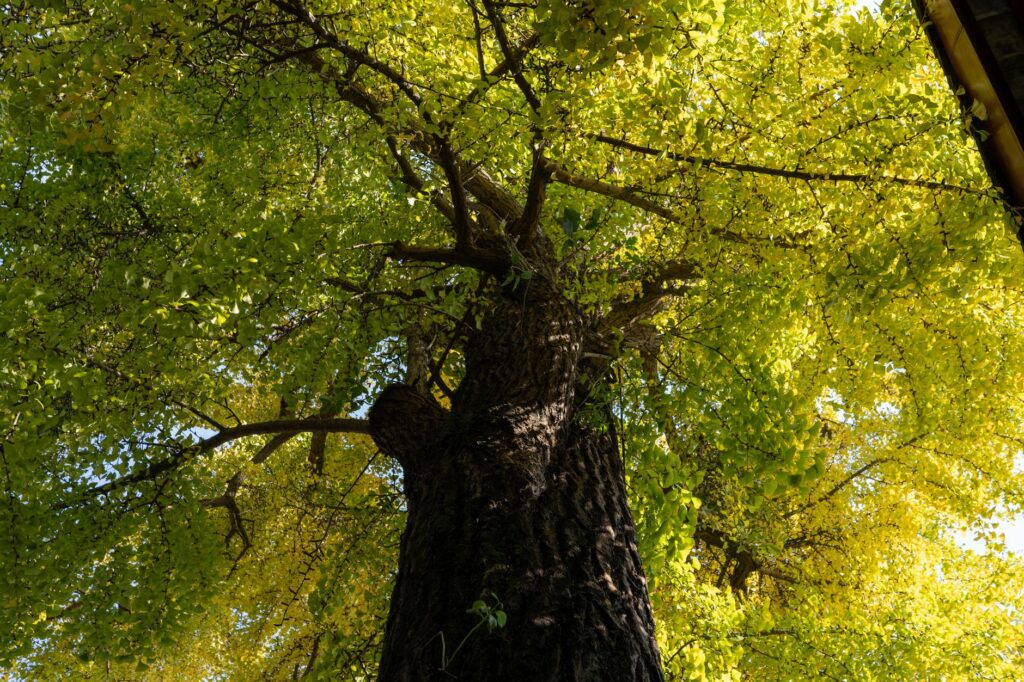
Homeowners often assume “licensed” and “certified arborist” mean the same thing. They don’t, and the distinction is worth knowing.
The New Jersey license discussed above is a legal requirement to operate a tree care business in the state. ISA Certified Arborist status, by contrast, is a voluntary professional credential offered by the International Society of Arboriculture — it requires passing a rigorous exam on tree biology, diagnosis, and best practice, plus ongoing continuing education to keep the credential current. A crew can be legally licensed in New Jersey without anyone on it holding ISA certification, and vice versa. The two credentials measure different things: one is permission to operate, the other is a marker of arboricultural knowledge.
For anything beyond routine pruning — a full removal near a structure, a risk assessment on a leaning tree, a diagnosis of what’s actually killing a declining specimen — an ISA-certified arborist brings a depth of tree biology training that a license alone doesn’t guarantee. ISA’s website lets you verify any individual’s credential number directly, the same way the state board lets you verify a license number.
What the Company Itself Should Be Able to Show You

Individual credentials cover the person. A separate designation, TCIA Accreditation from the Tree Care Industry Association, covers the business as a whole. Accredited companies undergo a review of their safety programs, training practices, and business ethics — it’s the closest thing the industry has to a Better Business Bureau rating with actual technical teeth behind it.
None of these credentials are difficult to ask for. A legitimate operator will hand over a license number, a certificate of insurance, and references without hesitation, because producing them is routine. Hesitation, deflection, or a rushed “don’t worry about it, we do this all the time” is itself useful information.
A Homeowner's Checklist Before Anyone Touches a Tree
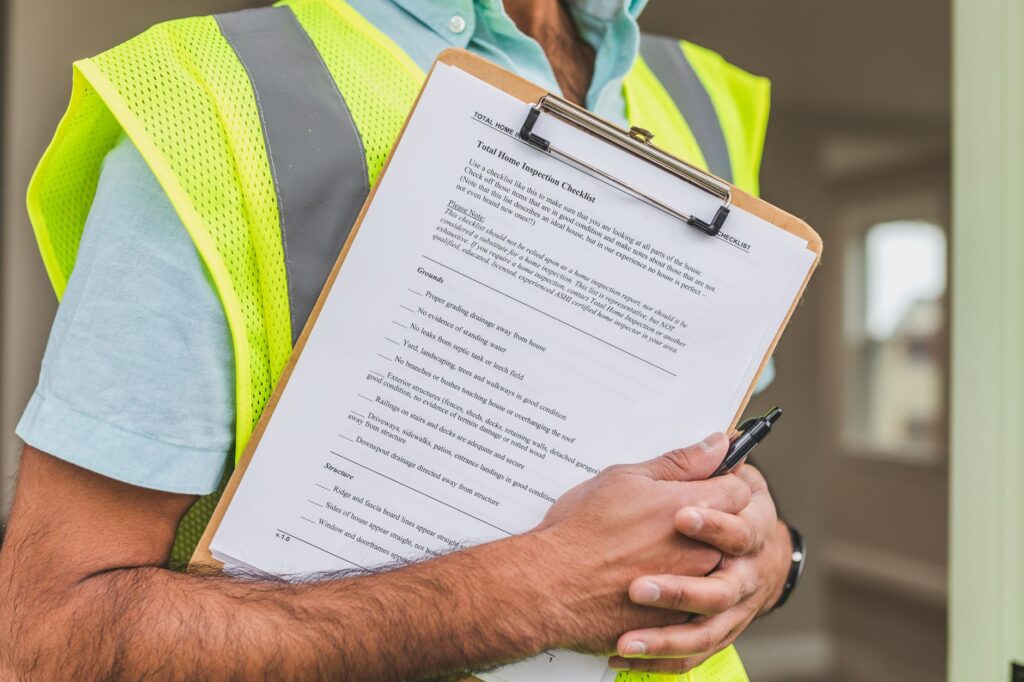
Before a crew starts work on your property — whether it’s routine pruning in April or storm cleanup the morning after a nor’easter — a few minutes of checking can save months of dispute later:
- Ask for the NJ Tree Expert or Tree Care Operator license number and verify it against the state board’s records.
- Request a certificate of insurance naming general liability and workers’ compensation coverage — and ask that it name you as a certificate holder, not just take their word for it.
- Get a written estimate and scope of work before anyone climbs a tree, not a verbal number shouted from the driveway.
- Confirm a physical local business address, not just a phone number and a truck.
- Treat same-day, cash-only, full-payment-up-front demands as a hard stop, not a bargain.
That last point matters most in the exact moment homeowners are least equipped to slow down: the hours right after a storm, when a hanging limb over the driveway feels like an emergency that can’t wait for paperwork. Storm-chaser crews count on that urgency. A limb that’s already broken and hanging is rarely going to fail in the next ten minutes it takes to ask for a license number.
Middletown's #1 Tree Expert Company
FREE Inspection & Estimate | Certified Arborists | Trimming, Pruning, Removal, More!
Sponsored
The Best Time to Check Credentials Is Before You Need To

The homeowners who fare best after a storm aren’t the ones who research licensing while a limb is dangling over the roof — they’re the ones who already have a relationship with a properly licensed, ISA-certified arborist before the season’s first nor’easter ever forms off the coast. A pre-storm walk-through, a second opinion on a tree that’s been bothering you all summer, or simply a saved number for someone whose credentials you’ve already verified turns a crisis into a phone call instead of a gamble on whoever knocks first.
A licensed, certified arborist has every reason to be transparent about credentials — it’s their own standing with the state board on the line, not just a sales pitch. If you’re not sure where your own trees stand, that’s the person worth calling for a straight read on what’s actually urgent versus what can wait for the right season. In a township with as much mature canopy and as much coastal weather as Middletown, that’s a conversation worth having before the trucks start rolling down the street.
Photo credits: Featured image by Vanessa Garcia on Pexels; Section 1 by Антон Злобин on Pexels; Section 2 by Thirdman on Pexels; Section 3 by Pixabay on Pexels; Section 4 by Peter Xie on Pexels; Section 5 by Mikhail Nilov on Pexels; Section 6 by RDNE Stock project on Pexels; Section 7 by Kindel Media on Pexels.