
Middletown's #1 Tree Expert Company
FREE Inspection & Estimate | Certified Arborists | Trimming, Pruning, Removal, More!
Sponsored
Why Middletown Oaks Are Leafing Out Again
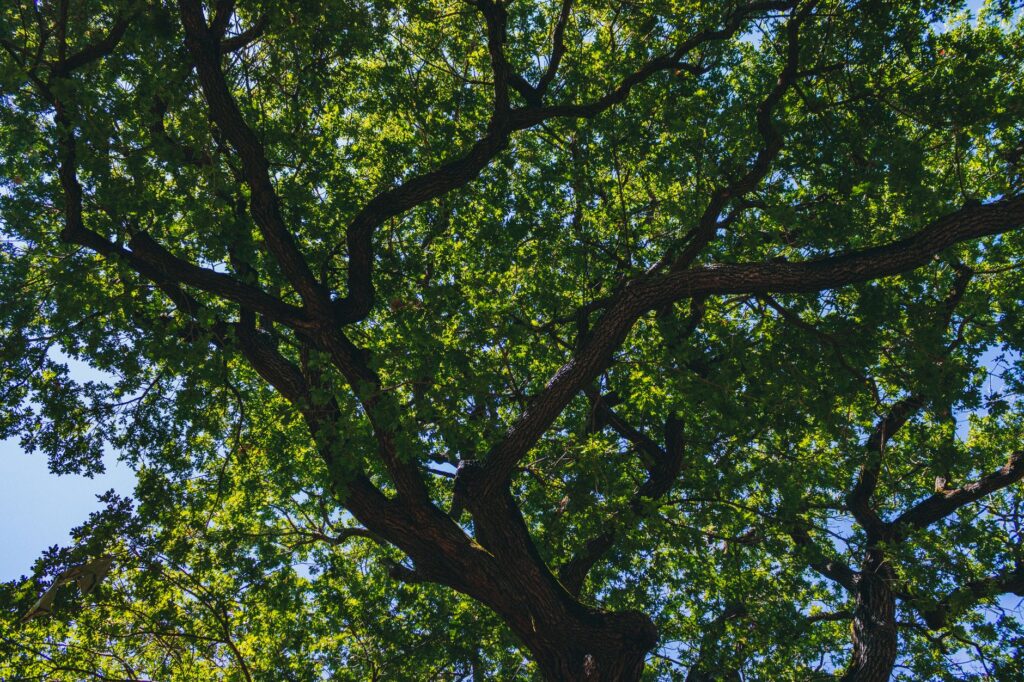
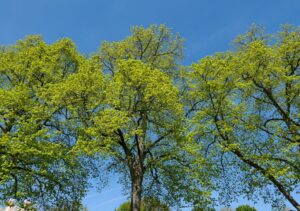
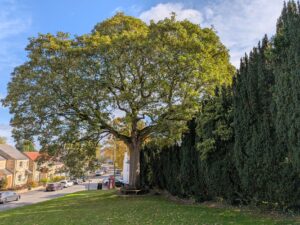
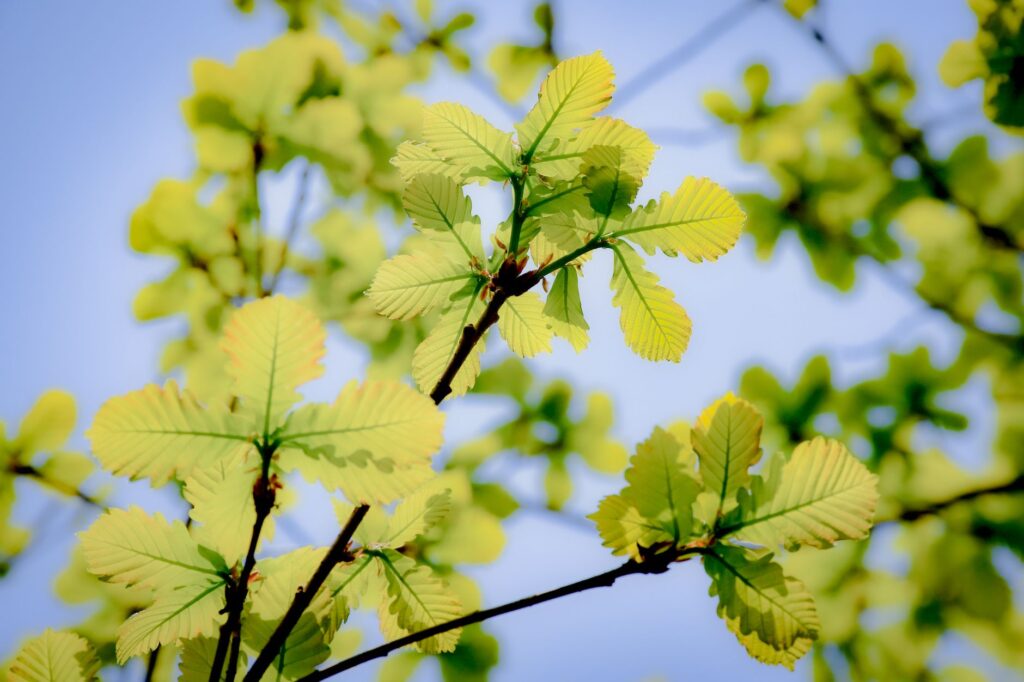
Walk a shaded street in Lincroft or cut through Poricy Park this week and you may notice something that looks off: a mature oak, already fully leafed out since May, suddenly tipped in bright, almost yellow-green new growth at the ends of its branches. It looks like spring showed up two months late. Homeowners call me about it every year around now, usually worried something is wrong with the tree.
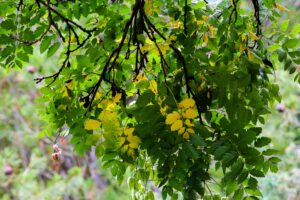
It isn’t a mistake, and in most cases it isn’t a disease either. It’s a real, well-documented phenomenon called Lammas growth, or a “second flush” — a burst of new shoots and leaves that some trees, oaks most famously, put out in mid-to-late summer after their spring growth has already hardened off. In a normal year on Middletown’s coastal plain, a stretch of dry heat followed by a good soaking rain is exactly the kind of trigger that sets it off.
Whether it’s a sign your tree has energy to spare or a signal that it’s compensating for a rough spring is worth understanding, because the answer changes what — if anything — you should do about it.
What Lammas Growth Actually Is
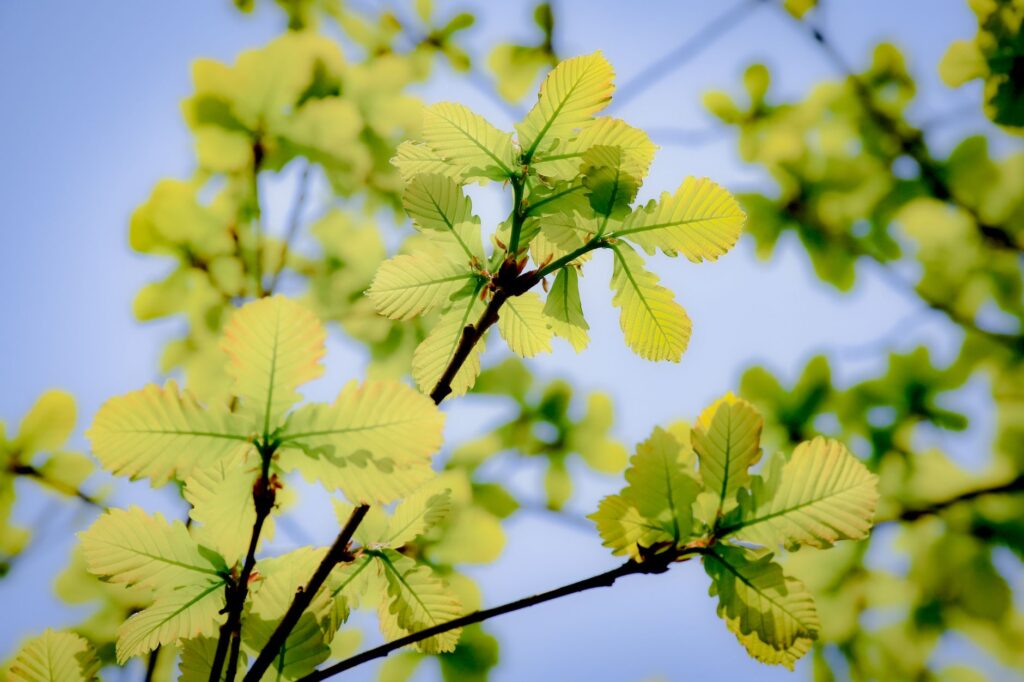
The name comes from Lammas Day, the old August 1st harvest festival, because this second flush tends to show up in the weeks surrounding it. Botanically, it’s tied to how certain trees are built to grow. Most hardwoods commit all their leaf-producing buds in one spring flush and spend the rest of the season just filling those leaves out. Oaks (Quercus species) are different — many have what foresters call an episodic or recurrent shoot-growth habit, meaning the tree can hold buds in reserve and release a second round of elongation later in the season if conditions are right. The USDA Forest Service’s Fire Effects Information System documents this recurrent flushing pattern in red oak and other oak species as a normal part of their growth strategy, not an aberration.
Beech, ash, sycamore, and a few conifers can do it too, but in Middletown’s yards and woodlots it’s overwhelmingly an oak story — red oak, pin oak, and white oak all show up in my late-July calls. If your yard has a mature red oak, this is very likely what you’re seeing.
What Triggers It on the Bayshore This Time of Year
Two things typically set off a second flush, and they’re not mutually exclusive. The first is simply favorable conditions arriving at the right moment: a dry stretch that stresses the tree just enough to hold back growth, followed by a good rain and warm soil that tells the tree it’s safe to invest in more leaf area. Middletown’s clay-loam soils are part of this pattern locally — they hold water unevenly, drying hard at the surface during a summer dry spell, then flushing with moisture again after a soaking rain, which can concentrate this kind of growth response right after a storm rolls through.
The second driver is compensation. Research on pedunculate oak published in New Phytologist has confirmed that trees which lost leaf area earlier in the season — to a heavy caterpillar year, hail, or storm damage — will often push a second flush specifically to replace that lost canopy. If your oak had a rough spring with heavy tent caterpillar or gypsy moth pressure, this flush may be less “bonus growth” and more the tree patching a hole in its own solar panel.
Either way, a healthy, well-established oak has the reserves to do this without much trouble. It’s a younger or already-stressed tree where the second flush is more worth watching closely.
Middletown's #1 Tree Expert Company
FREE Inspection & Estimate | Certified Arborists | Trimming, Pruning, Removal, More!
Sponsored
The Trade-Offs of a Second Flush
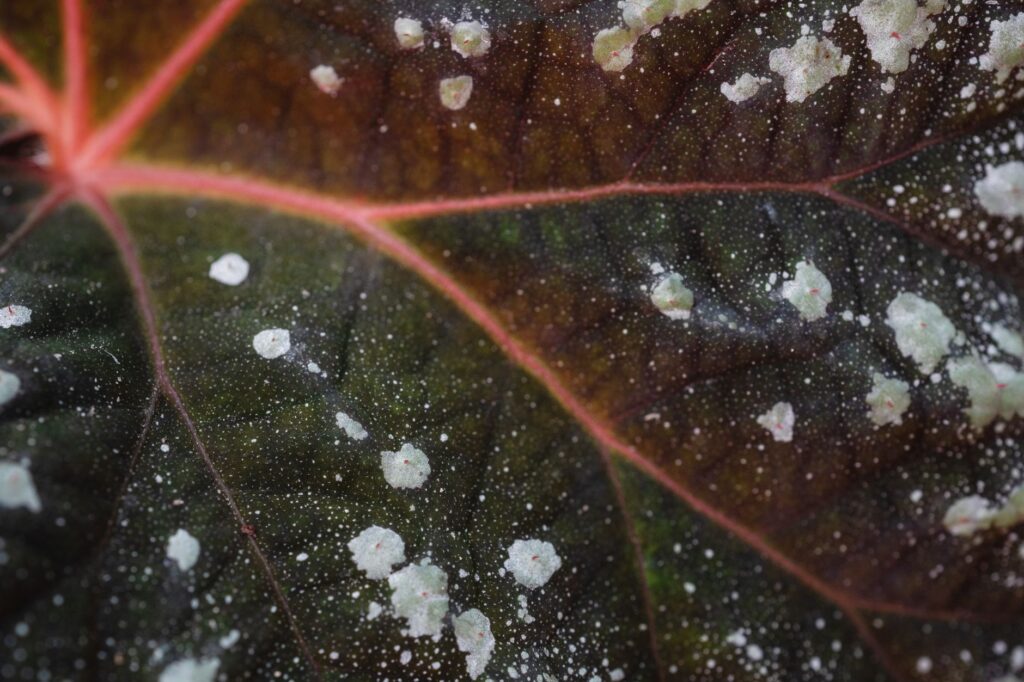
Second-flush leaves aren’t quite the same as the leaves your tree grew in April. They tend to be thinner, lower in nitrogen and phosphorus, and higher in defensive tannins than first-flush foliage — and notably, they’re more prone to powdery mildew, the pale, dusty-looking coating you sometimes see on new growth in late summer. Rutgers Cooperative Extension’s ornamental disease guidance lists powdery mildew as one of the routine fungal issues on oaks and other landscape trees in New Jersey, and a fresh flush of soft, humid-season growth is prime territory for it. In most cases it’s cosmetic and clears up on its own — it rarely threatens a mature tree’s overall health.
The bigger trade-off shows up later. This new tissue is soft and hasn’t had a full season to harden off before dormancy, which makes it more vulnerable if an early frost arrives before the tree has properly prepared those tender shoots for winter. Monmouth County’s average first frost usually isn’t until mid-October, so most years there’s enough runway — but a Lammas flush that comes very late, into September, gives the tree less margin.
What to Do — and Not Do — If You See It
The most important thing a homeowner can do with a second flush is mostly nothing. A few specifics, though:
- Don’t fertilize to “help it along.” Extra nitrogen right now pushes even more soft growth exactly when the tree should be starting to slow down for the season, and it does nothing to fix an underlying stress issue if one exists.
- Don’t rush to prune the new shoots. There’s no benefit to cutting back a second flush, and pruning cuts made in high summer heat and humidity heal more slowly than dormant-season cuts.
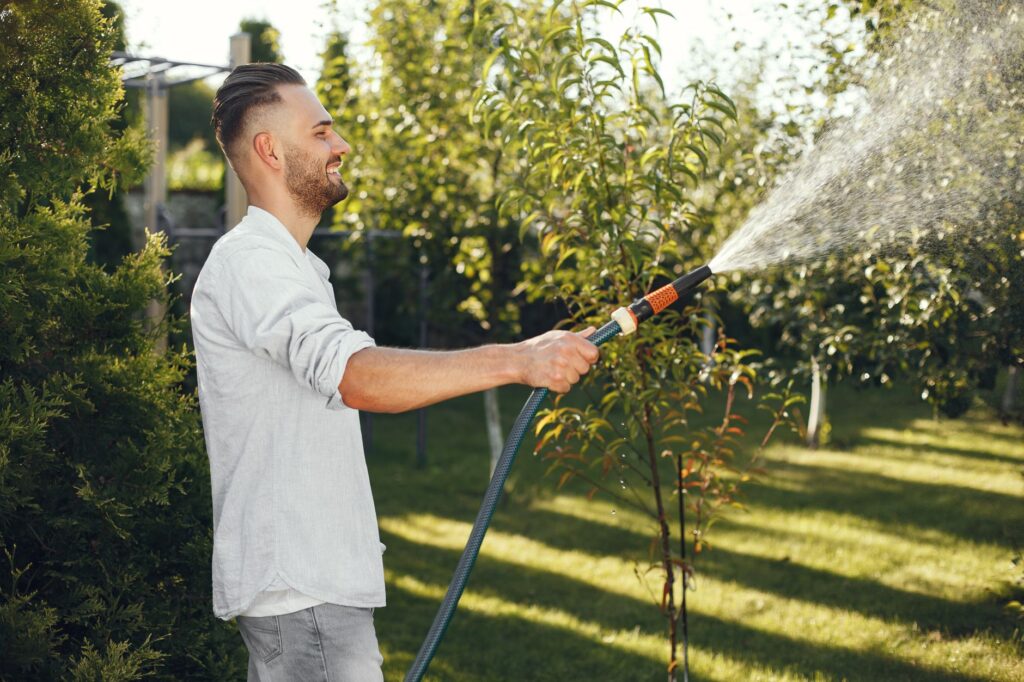
- Do keep watering consistent, especially if the flush followed a dry spell. The International Society of Arboriculture recommends deep, consistent watering through the growing season, tapering off as temperatures drop in fall — advice that applies just as much to an established tree pushing new growth as to a newly planted one.
- Do keep an eye out for a light gray-white coating on the new leaves. If it shows up, it’s almost always cosmetic powdery mildew, not a reason for concern on its own.
Think of this as a watch-and-water situation rather than an intervene situation.
When a Second Flush Is Actually a Warning Sign
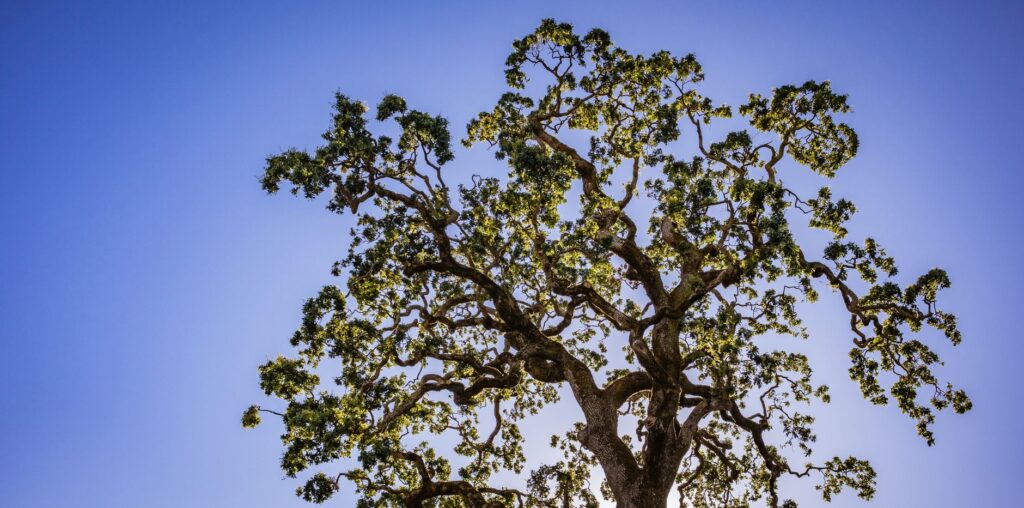
The distinction that matters is where the new growth is showing up. A healthy second flush tends to spread fairly evenly across the canopy, at the tips of otherwise vigorous branches. That’s a tree with energy to spare.
What deserves a closer look is a flush concentrated only on certain limbs while the rest of the canopy looks thin, off-color, or is dropping leaves early — or new growth clustered low on the trunk or on branches near obvious dieback. That pattern looks less like Lammas growth and more like epicormic sprouting, which is a tree’s emergency response to serious stress, root damage, or decline, and it’s a genuinely different situation. Rutgers Cooperative Extension’s guidance on tree decline in New Jersey landscapes is a useful reference for homeowners trying to sort out an ordinary seasonal quirk from an early sign of a bigger problem.
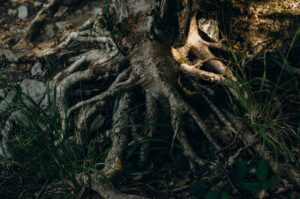
If you’ve had construction, grade changes, root disturbance, or drought stress near a tree in the last few years and now see uneven, patchy new growth rather than a broad, even flush, that’s worth a professional look rather than a wait-and-see approach.
Middletown's #1 Tree Expert Company
FREE Inspection & Estimate | Certified Arborists | Trimming, Pruning, Removal, More!
Sponsored
When to Call a Certified Arborist
Most of the time, a burst of fresh late-July leaves on your oak is simply the tree doing what oaks are built to do — taking advantage of a good rain, or patching over a rough spring, with resources it has to spare. Enjoy the odd, out-of-season green, keep the watering steady through the rest of summer, and don’t reach for the fertilizer or the pruning saw.
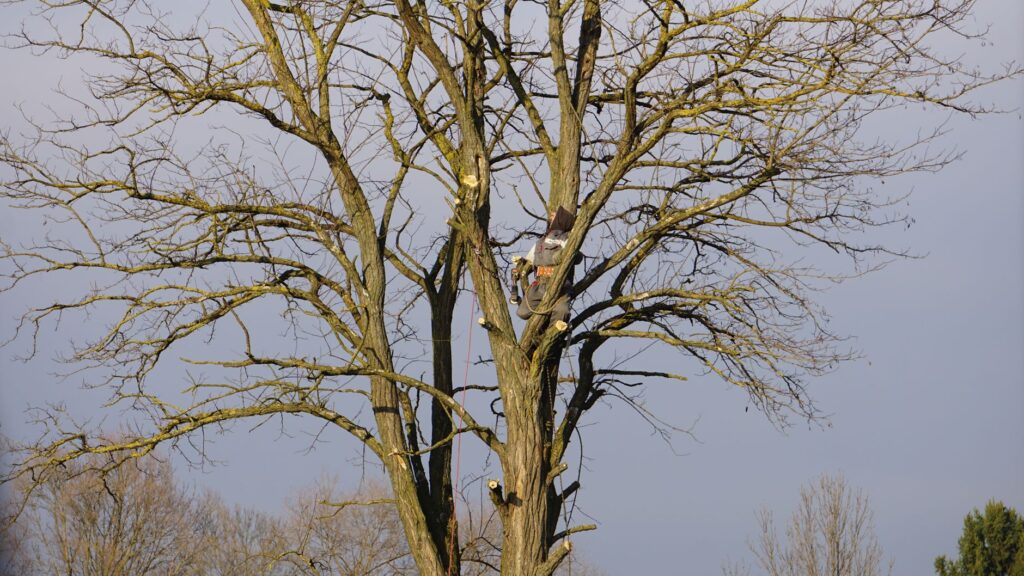
Where it’s worth bringing in a certified arborist is when the new growth is uneven across the canopy, paired with dieback, thinning, or bark issues elsewhere on the tree, or showing up on a tree that’s already had a hard few years. An arborist can look at the whole picture — soil, root zone, canopy density, and growth pattern together — and tell you whether you’re watching a resilient tree flex its reserves or an early signal that it needs some help. Either way, it’s a good excuse to walk your yard this week and really look at your trees rather than just enjoying their shade.
Photo credits: Featured image by 袁 勇博 on Pexels; Section 1 by İdil Ceren Çelikler on Pexels; Section 2 by 袁 勇博 on Pexels; Section 3 by Rob Kumar on Pexels; Section 4 by Marina Leonova on Pexels; Section 5 by Gustavo Fring on Pexels; Section 6 by Robert So on Pexels; Section 7 by Dmytro Glazunov on Pexels.