
Middletown's #1 Tree Expert Company
FREE Inspection & Estimate | Certified Arborists | Trimming, Pruning, Removal, More!
Sponsored
The First Leaves Are Already on the Ground
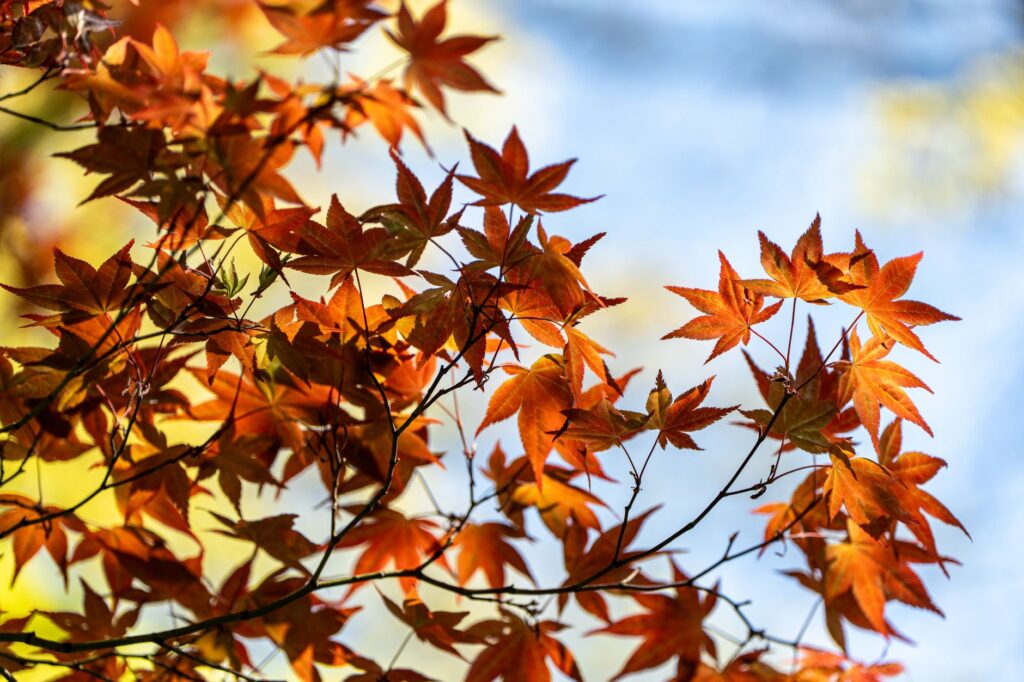
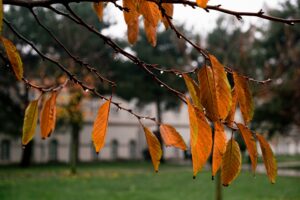
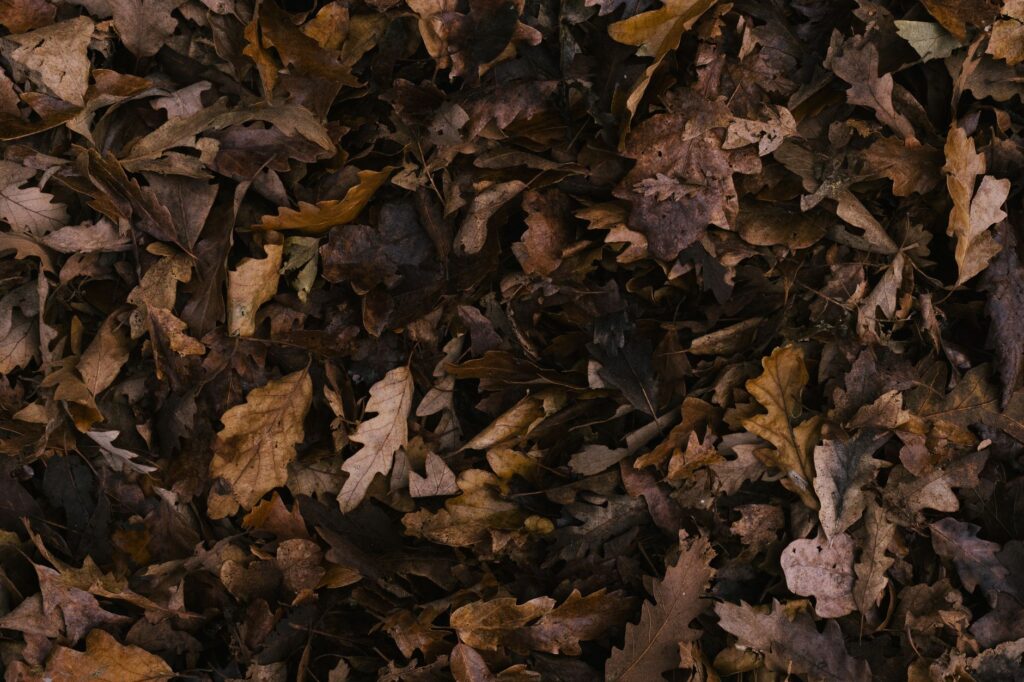
Walk under a red maple (Acer rubrum) or American beech (Fagus grandifolia) anywhere from Lincroft to Port Monmouth this week and you’ll notice the first scattered leaves already down, well ahead of the big October drop. It’s a small preview of the work every Middletown homeowner is about to face: weekends of raking, bagging, and hauling leaves to the curb.
Here’s the part most people get wrong. Those leaves aren’t yard waste. They’re the tree’s own fertilizer, assembled all summer and dropped right where the roots can use it. Bagging them and sending them off-site is like paying to remove the one input your soil actually needs for free. A better habit — one that takes less time than raking, not more — is to run a mower over them and leave the shredded pieces where they fall.
This isn’t a fringe idea. It’s standard guidance from Rutgers Cooperative Extension, and it’s one of the easiest wins available to anyone with a lawn and a tree canopy over it. The trick is knowing how much leaf litter your lawn can absorb, and when whole leaves need to come off instead of staying put.
What's Actually in a Pile of Leaves

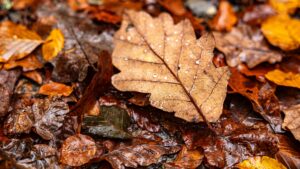
A mature shade tree spends the growing season pulling nitrogen, potassium, calcium, and a long list of trace minerals out of the soil and building them into leaf tissue. When autumn triggers abscission — the tree sealing off each leaf at its stem before dropping it — most of that nitrogen has already been withdrawn back into the branches for winter storage. But a meaningful share of the remaining minerals, along with the carbon in the leaf structure itself, stays behind in the leaf when it falls.
Rutgers NJAES puts a number on it: a six-inch layer of shade tree leaves, spread across an acre, can return roughly 400 pounds of nitrogen and 40 pounds of sulfur to the soil as it breaks down, along with calcium, phosphorus, and potassium (Rutgers NJAES FS1369, Why Leave the Leaves and How to Do It). None of that helps a tree sitting in a bag at the curb. It only helps a tree whose owner left the material in the root zone to break down.
For Middletown’s clay-loam soils — the dense, slow-draining ground common from Lincroft through the Bayshore — that steady input of organic matter matters even more than it would in sandier soil. Decomposing leaf litter loosens compacted clay over time, improves how water moves through it, and feeds the fungi and bacteria that make nutrients available to roots in the first place.
The Mower Is the Right Tool — With One Condition
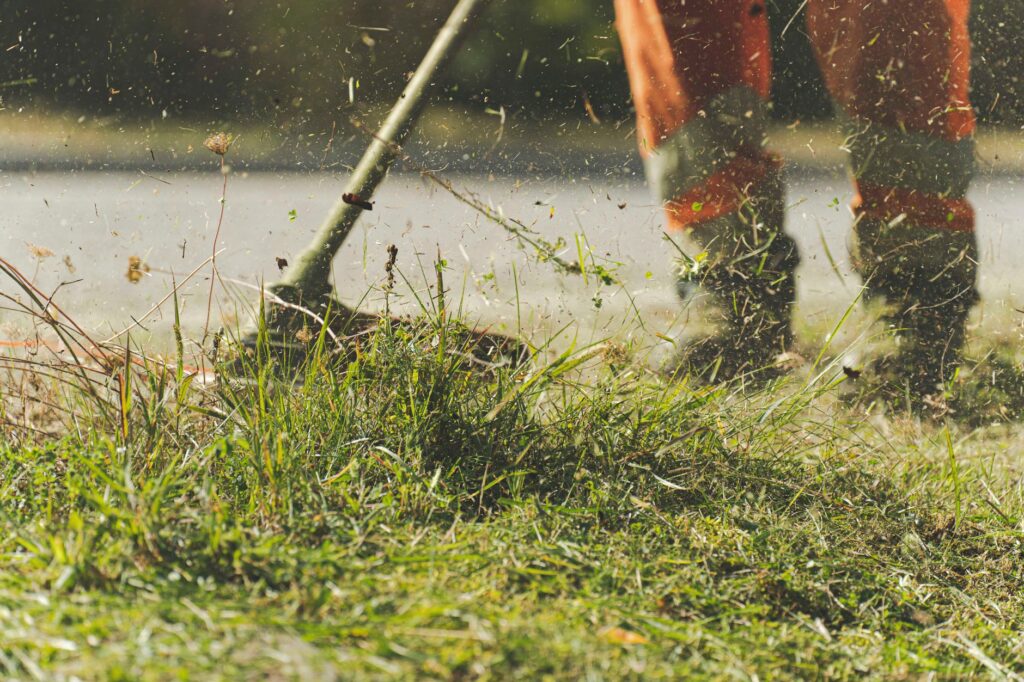
Whole, wet leaves matted over a lawn block light and air and can smother turf and shallow feeder roots if left too thick. That’s the legitimate reason people rake in the first place. The fix isn’t removal, though — it’s particle size. Running a mulching mower (or a standard mower with the bag off) over a layer of leaves two or three times chops them into dime-sized pieces that filter down between grass blades instead of sitting on top of them.
As a rule of thumb, a lawn can absorb a layer of shredded leaves up to about three inches deep in a single mowing pass without smothering the grass beneath. Past that, either mow twice over two visits as more leaves fall, or rake the excess into garden beds and under shrubs as mulch instead of the trash bag. Rutgers NJAES’s guidance on over-mulching trees and shrubs is a useful check here too: shredded leaves resist matting far better than whole ones, which is exactly why the extra mowing pass is worth the ten minutes it takes.
One caution worth repeating every fall: keep any mulch, shredded leaf or otherwise, off the trunk itself. A ring of leaf litter piled against bark holds moisture against the trunk and invites the same rot and pest problems as a mulch volcano. Leave a few inches of bare space right at the root flare, and let the material spread out from there.
Middletown's #1 Tree Expert Company
FREE Inspection & Estimate | Certified Arborists | Trimming, Pruning, Removal, More!
Sponsored
Under the Canopy, Skip the Mower Entirely
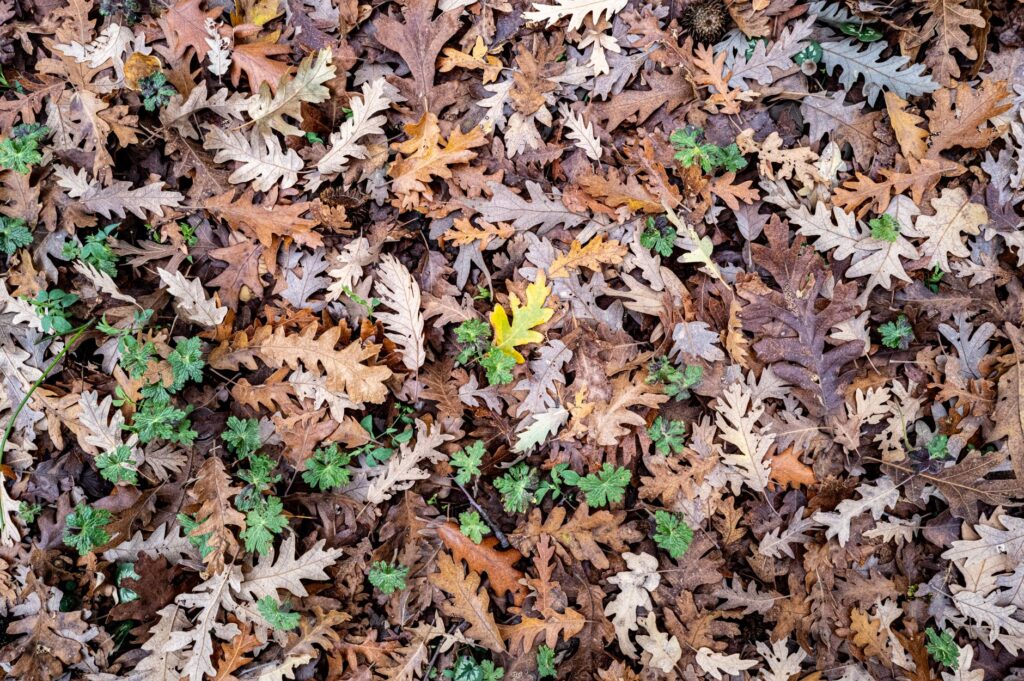
Grass thins out fast under a mature oak or beech, and for good reason — deep shade and heavy root competition make it one of the hardest places on a property to keep turf alive. Rather than fighting that battle every September, this is the spot to let whole leaves stay exactly where they land, unmowed, as a natural mulch bed.
A two-to-four-inch layer of whole leaves under the drip line does what a bag of store-bought mulch does, minus the trip to the garden center: it insulates roots against the first hard freezes, holds soil moisture through dry autumn stretches, suppresses the weeds and turf grass that would otherwise compete with the tree for water, and slowly composts in place to feed the exact roots sitting beneath it. It also happens to be where overwintering pollinators and beneficial insects need leaf litter most, since many species spend the cold months tucked inside the leaf layer itself.
This is the one place on the property where "do nothing" is the correct maintenance strategy. If you have oaks lining a property edge near Thompson Park or Hartshorne Woods-adjacent woodland, that instinct to tidy every leaf away actually works against the tree.
The Leaves That Should Still Come Off the Property
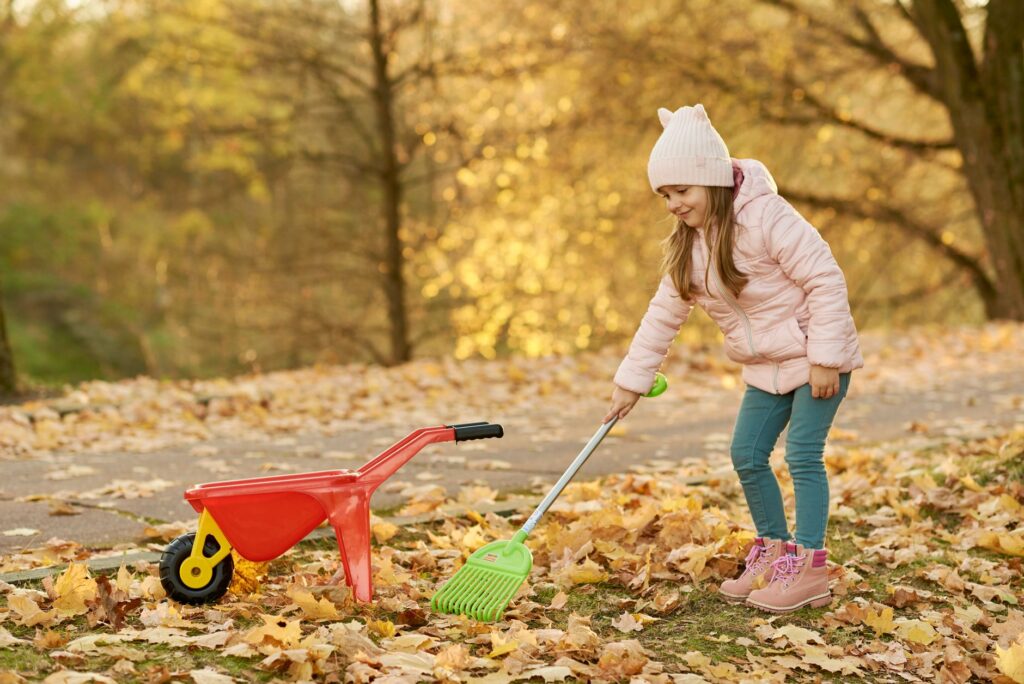
Mulch-mowing is the right call for healthy leaf litter, but it’s not universal. If any of your trees showed disease symptoms this year — tar spot on Norway maple, anthracnose on sycamore, apple scab on ornamental crabapple, or any leaf with visible fungal spotting — those leaves should be raked, bagged, and removed from the property rather than mulched back in. Many fungal pathogens overwinter in fallen leaf tissue and reinfect the same tree the following spring; mowing that material into fine pieces spreads spores around the yard rather than eliminating them.
The same goes for leaves from a tree removed or treated for an active pest problem this year. When in doubt about whether a leaf you’re looking at is diseased or just naturally discolored, the Tree Care Industry Association and a local ISA-certified arborist are both reliable places to get a leaf or a photo looked at before deciding.
For every other leaf — the ordinary, unblemished ones falling off the healthy majority of the canopy — mulching them back into the lawn or leaving them under the drip line is the better move, both for the tree and for the time you’d otherwise spend bagging.
Setting Up the Mower Correctly
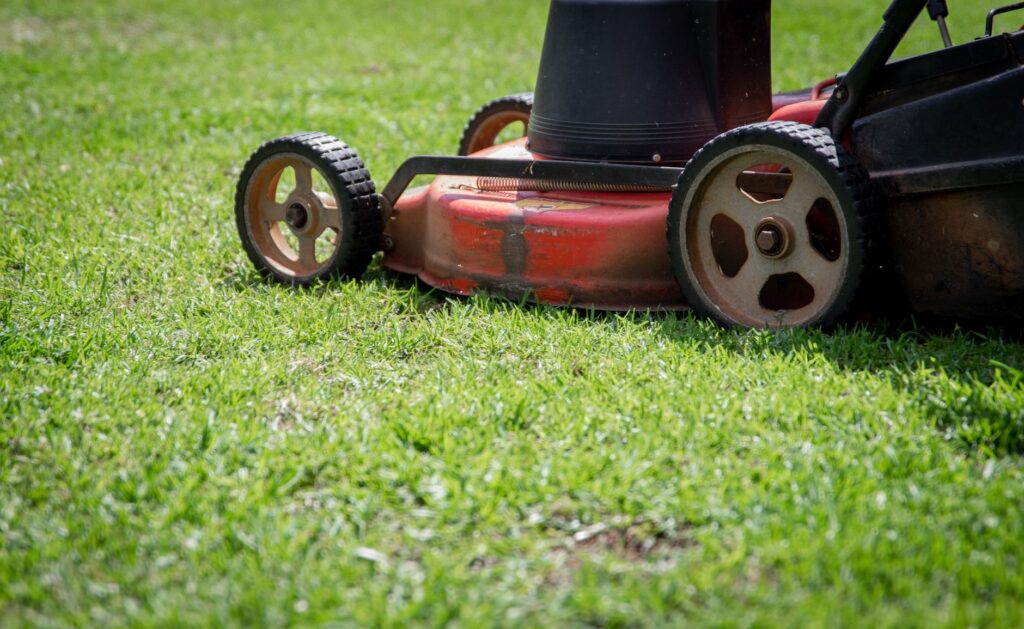
A few adjustments make the difference between a lawn that handles mulched leaves well and one that ends up matted. Mow while leaves are dry whenever possible; wet leaves clump and clog the deck instead of shredding cleanly. Keep the mower blade sharp — a dull blade tears leaves into ragged clumps rather than fine pieces that settle into the turf.
Raise the cutting height slightly during leaf season, and make two passes in different directions over any thick patch rather than trying to mulch it all in one go. If the lawn still looks more leaf than grass after two passes, that’s the signal there’s too much material for the space, and it’s time to rake the surplus into a bed rather than force it. Rutgers NJAES’s general lawn care guidance covers mowing height and frequency basics that carry over directly into leaf season.
None of this requires new equipment for most homeowners — a standard rotary mower handles it. It’s a change in habit more than a change in tools: leave the bagger off, run the mower a little more often through October and November, and let the clippings do the work a fertilizer bag would otherwise do.
Middletown's #1 Tree Expert Company
FREE Inspection & Estimate | Certified Arborists | Trimming, Pruning, Removal, More!
Sponsored
When It's More Than a Lawn Question
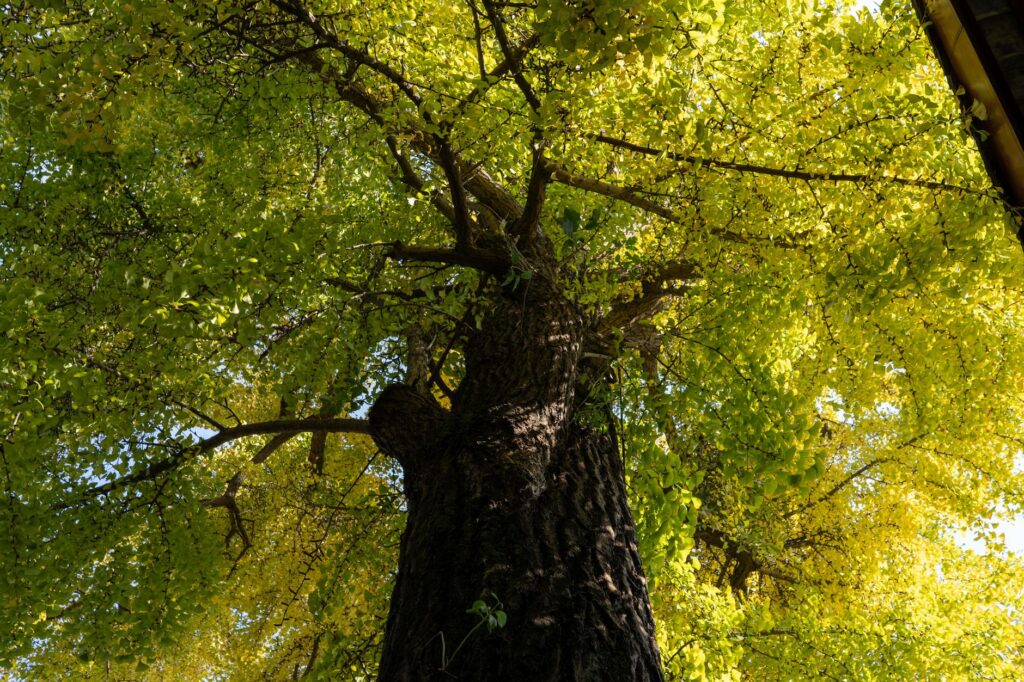
Leaf litter is a useful window into the bigger picture of a tree’s health, and homeowners often notice things while raking or mowing that are worth a second look — unusually early or unusually sparse leaf drop, leaves that discolored from the inside out rather than the tip, or a season where one side of the canopy dropped weeks ahead of the rest. Those patterns can point to root stress, soil compaction, or a developing disease issue long before it shows up anywhere else on the tree.
If this fall’s leaf drop looks off compared to previous years, it’s worth having a certified arborist take a look before winter sets in rather than waiting until spring reveals a bigger problem. Middletown’s mix of clay-loam soil, salt exposure near the Bayshore, and increasingly variable storm patterns puts extra stress on root systems that a simple visual check can miss.
For the average healthy tree, though, this fall’s leaf care can be about as simple as it gets: run the mower a bit more, skip the bags, leave the canopy’s own leaves in place under it, and let the tree feed itself the way it’s been doing since long before curbside pickup existed.
Photo credits: Featured image by Ellie Burgin on Pexels; Section 1 by Robert Schwarz on Pexels; Section 2 by Erika Kujek on Pexels; Section 3 by Pascal Küffer on Pexels; Section 4 by Anthony Rahayel on Pexels; Section 5 by Polesie Toys on Pexels; Section 6 by Magda Ehlers on Pexels; Section 7 by Peter Xie on Pexels.