Middletown's #1 Tree Expert Company
FREE Inspection & Estimate | Certified Arborists | Trimming, Pruning, Removal, More!
Sponsored
The Tree You've Never Actually Named
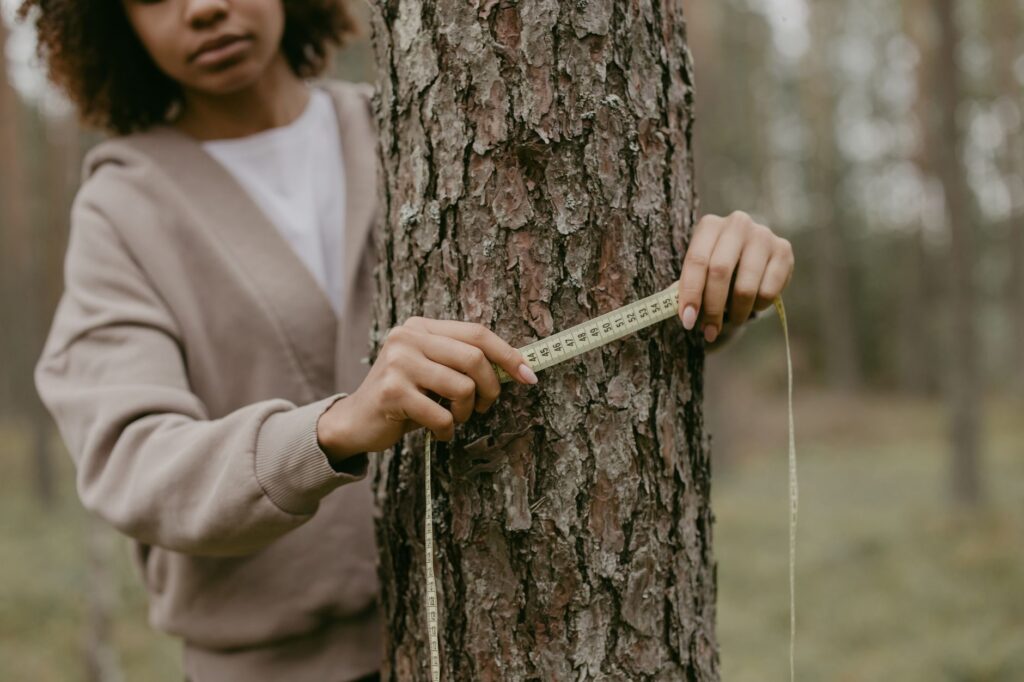
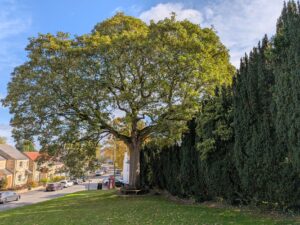
There is a tree in most Middletown yards that has been there longer than the house. It shades the deck every August afternoon, drops something different on the lawn every season, and nobody who lives there could name it. That is not a knock on anyone — most people were never taught to look. Leaves get all the attention because they are green, seasonal, and easy to hold in a hand. Bark just sits there, unglamorous, doing its job.
But bark is actually the better identification tool, and it works twelve months a year. Whether the yard sits on the sandy loam near Cheesequake State Park, the heavier clay-loam closer to Lincroft, or the salt-touched soils along the Bayshore near Port Monmouth and Navesink, the handful of species that dominate local yards can almost always be sorted out from the trunk alone, without a single leaf in hand. The International Society of Arboriculture’s tree owner resources point to the same starting place professionals use: texture, color, and pattern, read together rather than in isolation.
Knowing what is actually growing on a property is not trivia. It changes how a homeowner waters, when they prune, which pests to watch for, and who to call when something looks wrong. This is a walk-the-yard skill, not a classroom one, and it takes about fifteen minutes to learn the basics.
Why Bark Tells You More Than Leaves Do
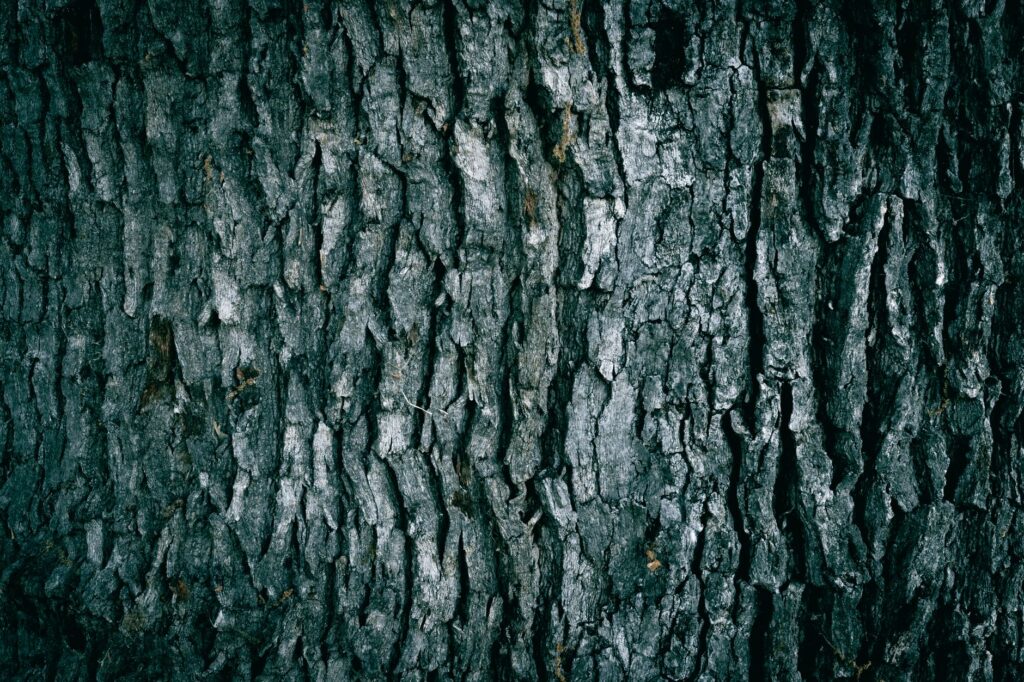
Leaves have a problem: on a mature shade tree, most of them are forty or fifty feet in the air, backlit, and moving in the wind. Bark, on the other hand, is right there at eye level, it doesn’t fall off every October, and a tree that dropped a limb in a January nor’easter still has bark to read even with nothing green on it. That is the whole reason foresters and arborists lean on bark first when sizing up a stand of trees they’ve never seen before.
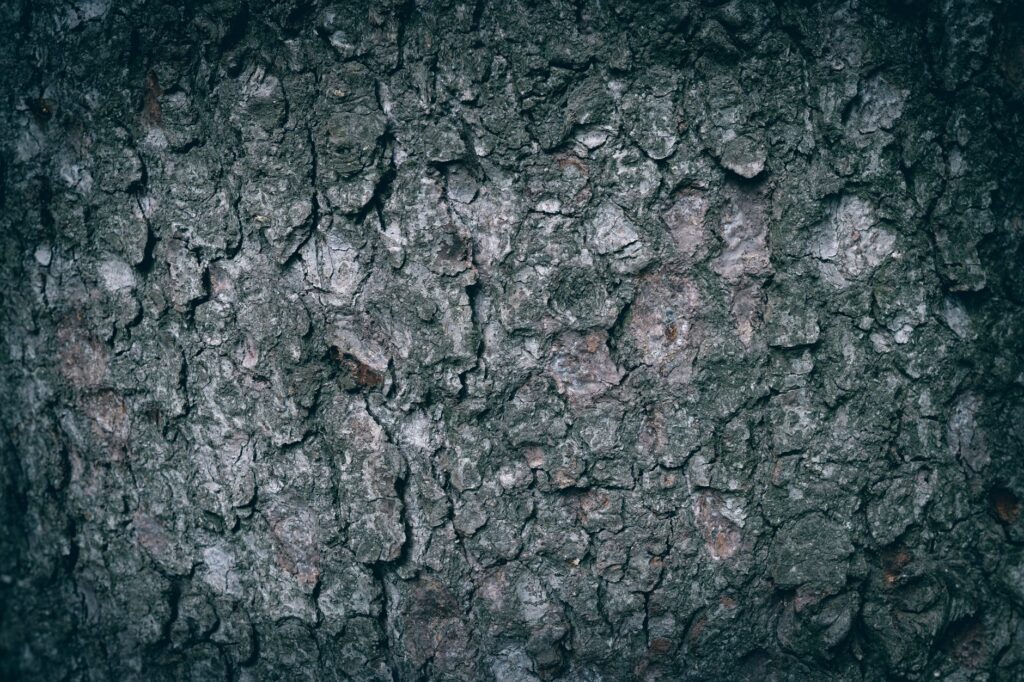
The trick is training the eye to notice three things at once. Texture is whether the surface is smooth, shaggy, furrowed into ridges, or broken into plates. Color ranges from the pale gray of a young beech to the near-black, deeply cracked bark of an old black cherry. Pattern is the shape those ridges make — diamonds, vertical strips, blocky rectangles, or peeling curls. None of those three traits alone is reliable, because plenty of species share a color or a texture. Together, they narrow the list fast. Rutgers Cooperative Extension’s home horticulture and forestry program publishes species guides built around exactly this layered approach for New Jersey homeowners.
The Six Trees You'll Find in Almost Every Middletown Yard
White oak (Quercus alba) wears pale ash-gray bark broken into loose, scaly plates that can look almost whitewashed from a distance — the palest bark of any oak in the area, which is exactly where the common name comes from.
Pin oak (Quercus palustris) stays smoother for longer than most oaks, with fine gray-brown ridges that only get shaggy low on very old trunks. The giveaway is often the growth habit as much as the bark: pin oaks keep their lower dead branches instead of shedding them cleanly.
Red maple (Acer rubrum) starts out smooth and silvery-gray as a young tree, then develops long, flaking gray-brown plates with age that lift slightly at the edges — a texture homeowners often describe as looking like it’s peeling in strips rather than cracking.
Tulip poplar (Liriodendron tulipifera), one of the tallest trees in local yards and parks, has bark cut into tight, straight vertical furrows that form a diamond lattice as the ridges cross — genuinely one of the easiest local species to identify by trunk alone.
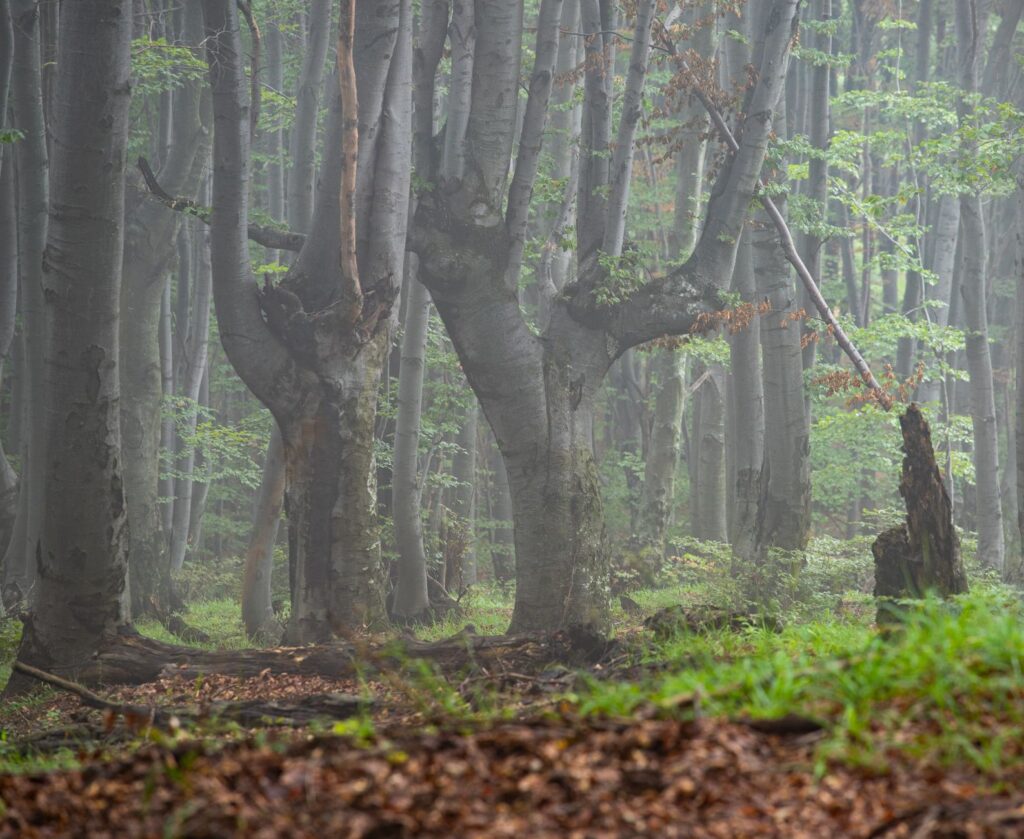
American beech (Fagus grandifolia) is the one species almost impossible to misidentify: smooth, tight, elephant-hide gray bark that stays smooth for the tree’s entire life, even on trunks over a hundred years old.
Black cherry (Prunus serotina) is famously described by foresters as looking like burnt potato chips — small, curling black plates that flake and lift away from the trunk, especially on older trees.
Middletown's #1 Tree Expert Company
FREE Inspection & Estimate | Certified Arborists | Trimming, Pruning, Removal, More!
Sponsored
Common Look-Alike Mistakes
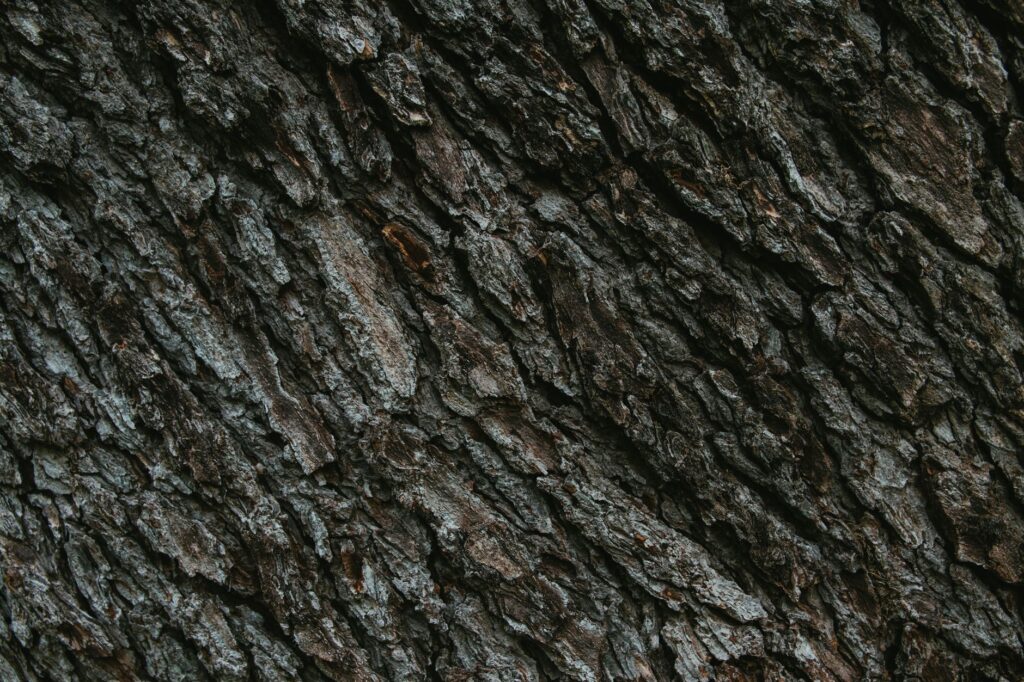
Bark changes as a tree ages, and that is where most misidentifications happen. A young red maple’s smooth gray trunk looks a lot like a young beech at first glance — the difference shows up when the maple starts flaking into plates at ten or fifteen years old while the beech stays smooth for its whole life. A young white oak can also look deceptively similar to a young red maple before its plates develop the pale, scaly look that distinguishes it later.
Another common mix-up: homeowners who remember ash trees from a decade ago sometimes mistake a tulip poplar’s diamond-furrowed bark for ash bark, since both share that crisscross ridge pattern. Emerald ash borer has removed most mature ash from Monmouth County yards over the past several years, which makes tulip poplar the diamond-bark tree people are far more likely to be looking at today. The USDA Forest Service’s tree identification and silviculture references are a useful check when a trunk doesn’t cleanly match any of the descriptions above — not every yard tree is one of the common six, and species like sweetgum, black locust, and sycamore show up often enough in Middletown to throw off a quick guess.
Why Knowing the Species Actually Matters
This is not just a naming exercise. Species identity drives real decisions. Beech leaf disease and beech bark disease behave differently and call for different monitoring, but both only matter if the tree in question is actually a beech. A homeowner who correctly identifies a pin oak versus a white oak knows which one holds onto marcescent leaves through winter and which one doesn’t — useful when deciding whether thin winter canopy is normal or a warning sign. Watering needs differ too: young tulip poplars and red maples are thirstier in their first few summers than an established white oak with a deep taproot system.
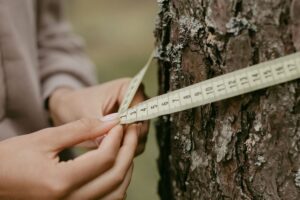
Species matters for paperwork as well. Middletown Township, like most NJ municipalities, has shade tree and removal ordinances that can hinge on trunk diameter and, in some cases, species designation for trees along rights-of-way or in protected buffer areas. Knowing what is actually on a property before calling the township or a contractor saves a round of back-and-forth. Homeowners can check current requirements through Middletown Township’s official site before any major pruning or removal work near a property line.
A 15-Minute Bark Walk Anyone Can Do

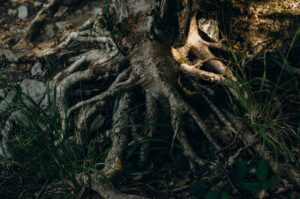
No app is required for this, though apps can help confirm a guess afterward. Walk the property and stop at each significant tree. At eye level, run a hand across the bark and note three things in order: texture first (smooth, scaly, furrowed, plated, peeling), color second (pale gray, brown-gray, near-black, reddish), and pattern third (diamonds, straight vertical strips, blocky rectangles, curling flakes). Then step back and look at the base — a flared, buttressed trunk base often points toward an oak or beech, while a straighter, less-flared base is more typical of maple or cherry.
Keep a simple list, even just photos with a note attached, for every mature tree on the property. This becomes useful well before it becomes urgent: with fall the best planting window coming up in a few weeks, knowing what species are already established helps decide what new trees actually fill a gap in the yard rather than duplicating what’s already there or competing for the same root space and canopy light.
Middletown's #1 Tree Expert Company
FREE Inspection & Estimate | Certified Arborists | Trimming, Pruning, Removal, More!
Sponsored
When the Bark Tells You Something Is Wrong
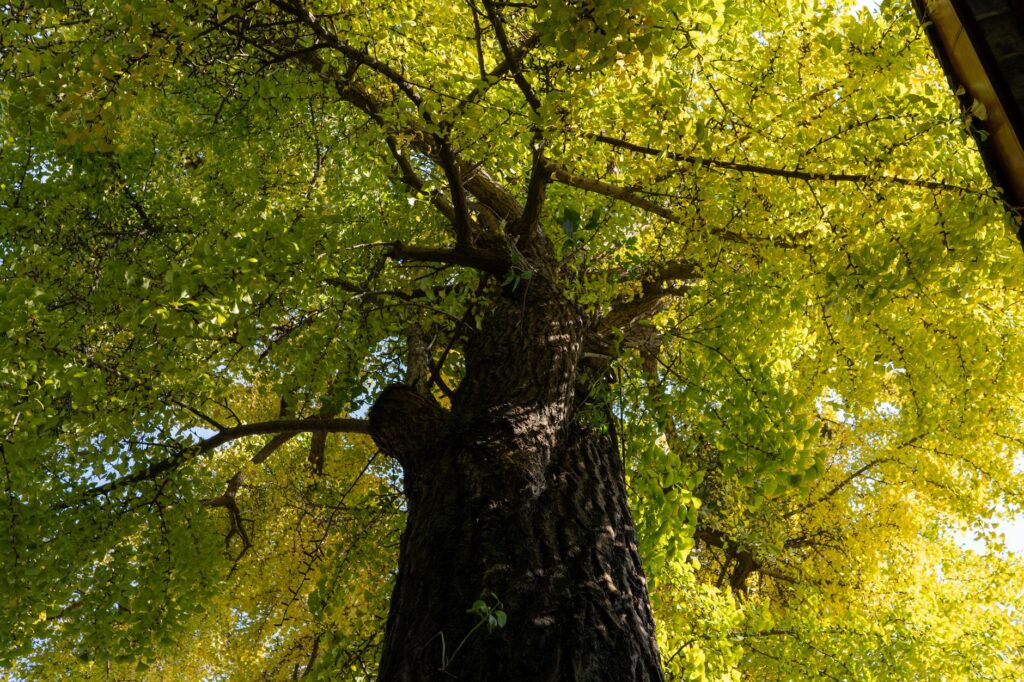
Learning to read bark for identification naturally teaches a second skill: noticing when bark looks abnormal for its species. A white oak with unexpected vertical cracking, a beech with sudden dark weeping spots, or a maple with large areas of bark sloughing off in patches are all signs worth a second look, because each of those departs from what healthy bark for that species should look like. That baseline — knowing what normal bark looks like for the actual species in the yard — is exactly what makes abnormal bark easy to spot later.
Most bark irregularities are not emergencies, but some are early signs of canker disease, internal decay, or insect boring that are much easier to manage caught early than after a limb fails. When a trunk shows cracking, weeping, fungal growth, or peeling that doesn’t match the normal pattern for its species, it’s worth having a certified arborist take a look before deciding whether it’s cosmetic or structural. An ISA-certified arborist can confirm both the species and whatever the bark is trying to say about the tree’s health underneath it.
Photo credits: Featured image by Wyxina Tresse on Pexels; Section 1 by cottonbro studio on Pexels; Section 2 by Wyxina Tresse on Pexels; Section 3 by Amel Uzunovic on Pexels; Section 4 by Jorge Urosa on Pexels; Section 5 by Vehap Erdoğan on Pexels; Section 6 by Pavel Danilyuk on Pexels; Section 7 by Peter Xie on Pexels.