
Middletown's #1 Tree Expert Company
FREE Inspection & Estimate | Certified Arborists | Trimming, Pruning, Removal, More!
Sponsored
The Decision Happens Before the Hole Gets Dug
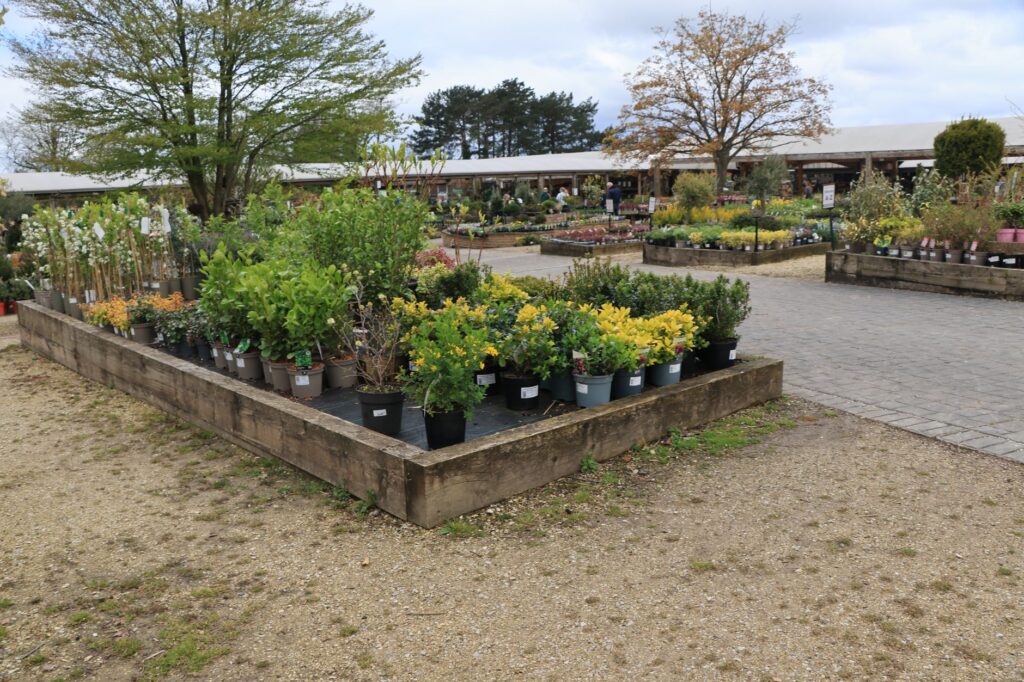
Walk a nursery lot in Middletown Township this time of year and you’ll find the same species sold three different ways: a wire basket wrapped in burlap, a black plastic pot, or — less often, and usually through a county or state seedling program — a bundle of bare roots packed in damp mulch. Most homeowners pick by price or by which tree looks fullest on the lot. Neither is the right way to choose, and the mismatch is one of the quieter reasons a newly planted tree struggles through its first two years in a Middletown yard instead of taking off.
How a tree was grown and dug determines how much of its root system survives the move, how forgiving the planting window is, and how much aftercare it needs to get through establishment. On the clay-loam soils that cover much of inland Middletown, and the sandier, faster-draining ground closer to the Bayshore, that difference shows up fast — sometimes within the first dry August the tree experiences.
None of the three methods is universally better. Each one trades convenience for root integrity in a different way, and knowing which trade-off you’re making is worth five minutes before you buy.
What Bare-Root, B&B, and Container Actually Mean
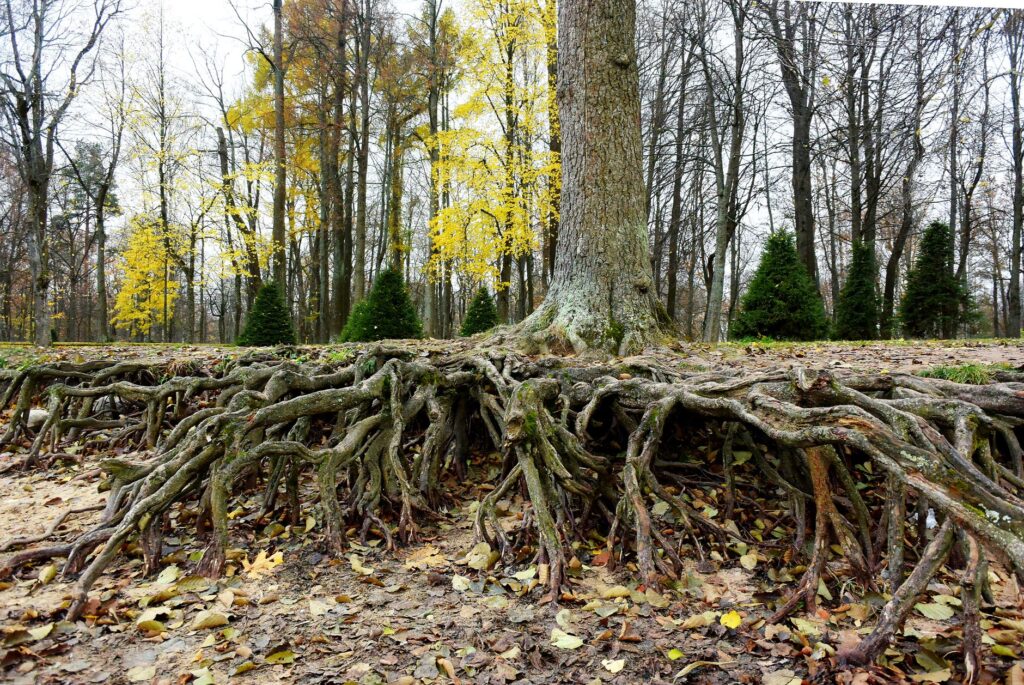
A bare-root tree is dug from a nursery field while dormant, and the soil is washed or shaken off before it’s shipped — what you’re buying is a root system and a trunk, no soil at all. It has to be planted quickly, kept moist, and installed only while the tree is still dormant, which limits the practical window in New Jersey to very early spring or, less commonly, a narrow stretch of late fall.
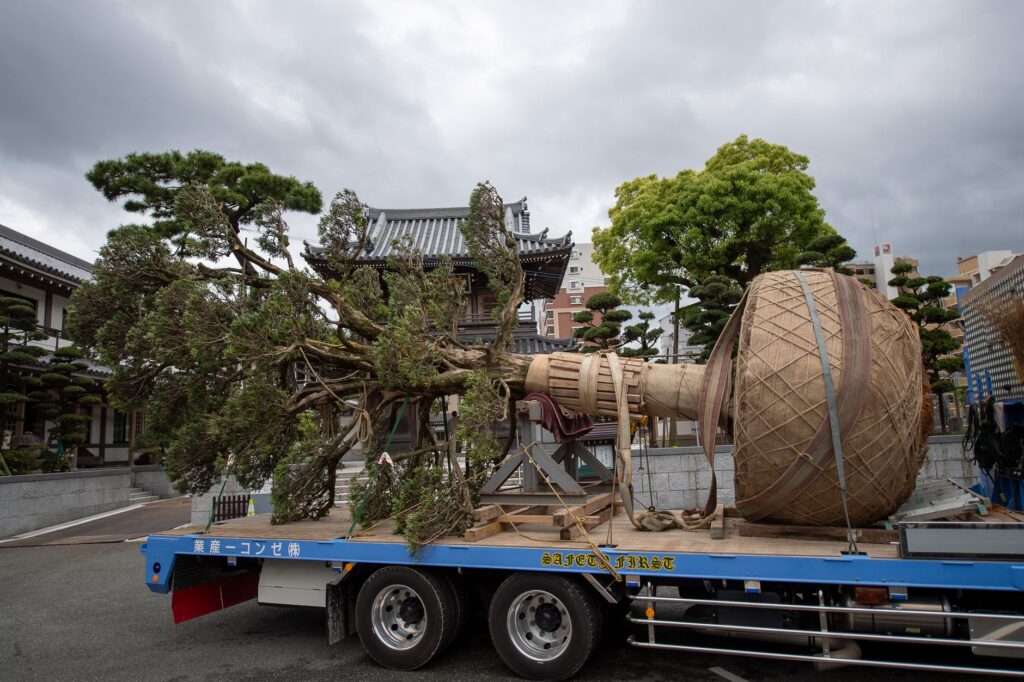
B&B, short for balled-and-burlapped, is the method most homeowners picture: a tree dug from a field with an intact soil ball around its roots, wrapped in burlap, and usually held together with a wire basket for handling. This is the standard for larger shade and ornamental trees sold at garden centers throughout Monmouth County, because a soil ball that size can’t survive the trip any other way.
Container-grown trees spend most or all of their life in a pot, often starting as a small liner and being potted up in stages as they grow. Nothing gets dug or disturbed at the point of sale — you’re buying whatever root system developed inside that container.
The Root Loss Every Field-Dug Tree Absorbs
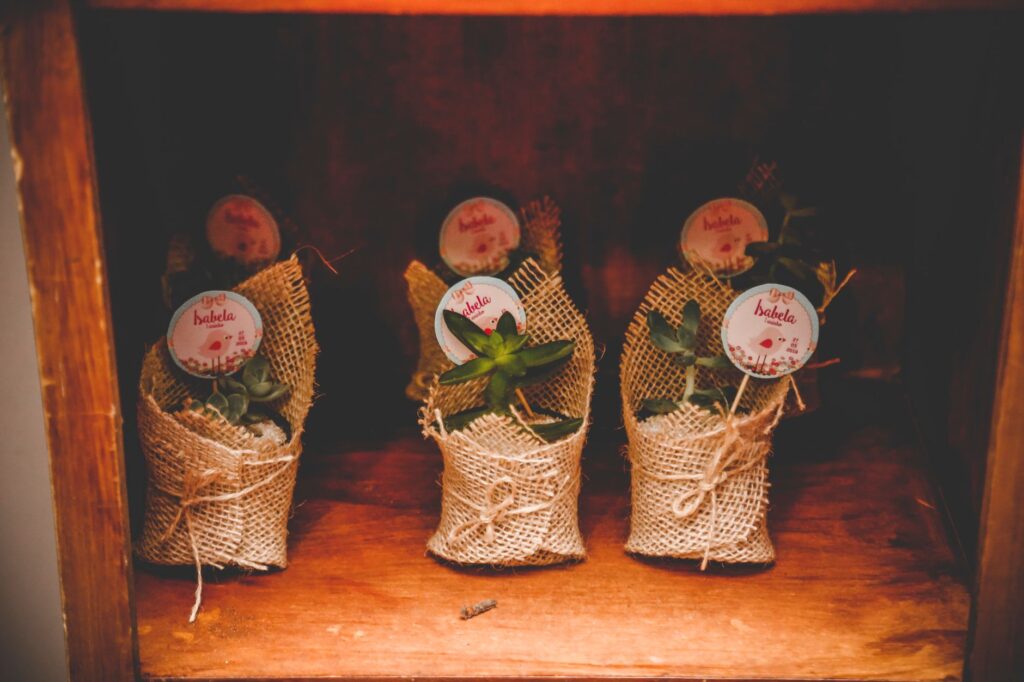
Here’s the detail that changes how you think about planting: a tree dug from a nursery field, whether bare-root or B&B, loses the majority of its root system in the process. Industry standard practice for a B&B root ball only captures a fraction of a tree’s actual root spread — enough to keep the tree alive, not enough to represent the root architecture it had in the ground. USDA Forest Service research on urban tree establishment has documented that this root loss is the primary reason newly transplanted trees need one to three years of dedicated watering before they’re drawing on anything close to their original root capacity — not because the tree is unhealthy, but because it’s rebuilding an anchor and a water-gathering system from a fraction of what it started with.
Container-grown trees sidestep this particular problem — nothing was cut when you buy one — but they trade it for a different issue covered in the next section. The practical takeaway either way: whatever the tag says about mature size and drought tolerance, treat every newly planted tree, regardless of how it arrived, as root-limited for its first two full growing seasons in Middletown soil.
Middletown's #1 Tree Expert Company
FREE Inspection & Estimate | Certified Arborists | Trimming, Pruning, Removal, More!
Sponsored
Container Trees: The Convenience Trap
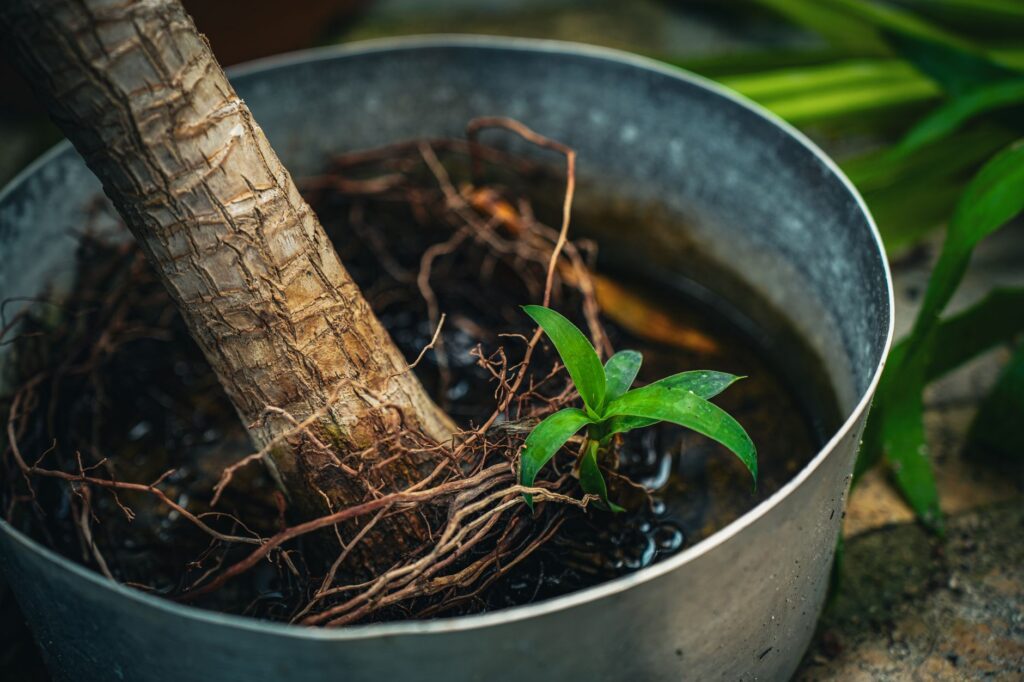
Container-grown stock is the most forgiving option for a homeowner planting solo — it’s lighter than an equivalent B&B tree, it can go in the ground almost any time the soil isn’t frozen, and the root system arrives intact rather than freshly cut. That’s a real advantage for a September or October planting date in Middletown, well outside the narrow bare-root window.
The trade-off shows up years later. Roots grown inside a round container tend to circle the inside wall rather than spreading outward the way they would in open ground, and if that circling pattern isn’t corrected at planting, those roots can keep growing in the same spiral as the tree matures — eventually wrapping around the trunk’s base and choking off its own vascular tissue. This is exactly how girdling roots get started, and it’s one of the more common preventable problems seen in Middletown yards on trees planted eight, ten, fifteen years earlier without anyone loosening or scoring the root ball first.
The fix is simple and takes two minutes at planting: before the tree goes in the hole, tease apart or lightly score the outer inch of the root ball with a clean blade, cutting through any roots that are circling rather than growing outward. It looks aggressive for a tree that just cost real money. It’s the reason a container-grown tree develops a normal, spreading root architecture instead of a slow-motion strangulation problem.
B&B Trees: More Root Mass, More Handling Risk
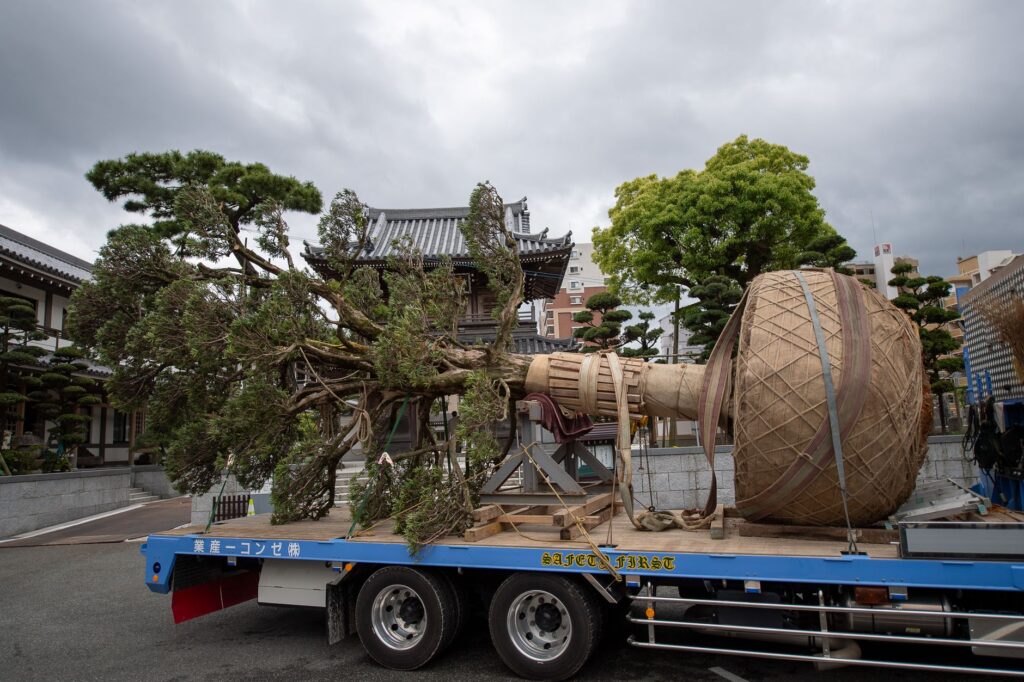
A B&B tree is usually the choice for anyone installing a real shade tree — a 2-inch caliper or larger red maple, oak, or river birch — because that’s simply the size range field-grown stock covers well. The soil ball, even representing a fraction of the original root system, still carries more root mass and more resilience through the first summer than an equivalently sized container tree grown in a smaller volume of potting mix.
The handling matters as much as the tree itself. A root ball is heavy, and it’s held together by soil cohesion and the wire basket — not by the roots themselves, which is why B&B trees should always be lifted and moved by the ball, never by the trunk. Once the tree is in the hole and backfilled partway, cut away as much of the wire basket and burlap as can be reached; synthetic burlap in particular doesn’t break down and can gradually constrict the root ball if left in place. Real burlap will rot eventually, but leaving the top rim of it exposed above the finished grade can wick moisture away from the root ball in dry stretches — pull it below the soil line or remove it outright.
Staking is worth considering for a top-heavy B&B tree on an exposed Bayshore lot, but only for the first growing season. A tree that’s staked too long, or too rigidly, never develops the trunk taper and root anchorage it needs to stand on its own.
Bare-Root: The Overlooked Option for Smaller Stock
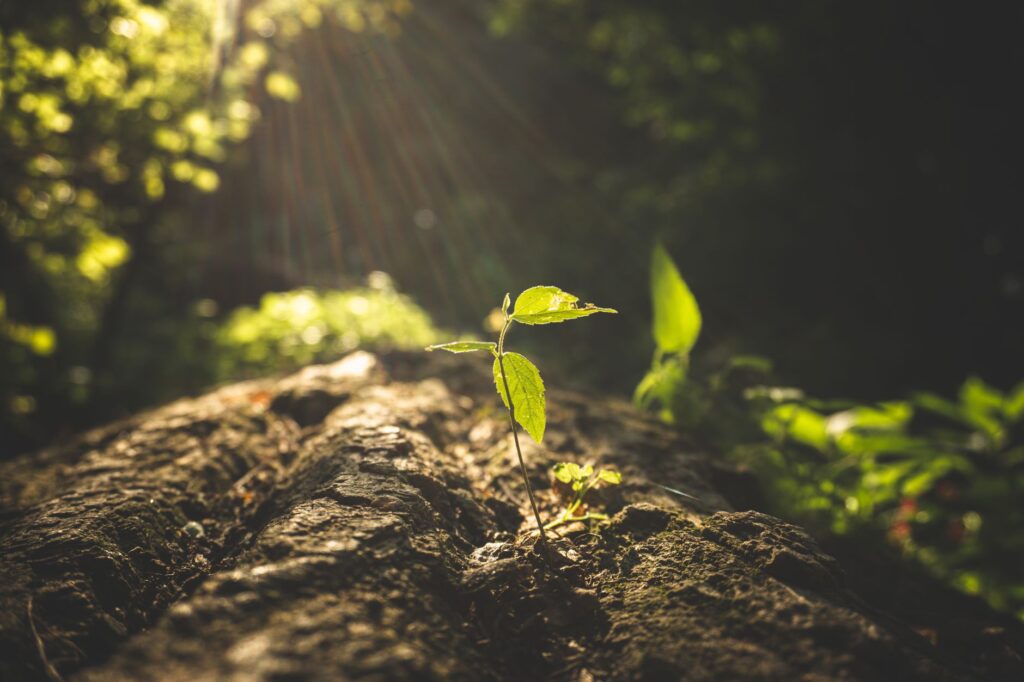
Bare-root trees rarely show up at retail garden centers in Middletown, but they’re the standard method behind two resources many homeowners overlook: the New Jersey Forest Service’s low-cost seedling program and the native plant sales run periodically through Monmouth County Park System. Both distribute young, dormant, bare-root stock at a fraction of the cost of a container or B&B tree of similar age.
The catch is the planting window. A bare-root tree has to go in the ground while it’s still fully dormant and the roots can be kept moist — for New Jersey, that generally means very early spring, well before budbreak, rather than the fall window that works fine for container and B&B stock. Miss that window and a bare-root tree’s survival odds drop fast.
What bare-root stock gives up in size and immediacy, it makes up in establishment speed for smaller trees. A young bare-root whip, planted correctly and watered through its first two summers, often catches up to a larger B&B tree planted the same year — because it never lost the disproportionate share of its root system that a bigger field-dug tree did, and it wasn’t spending its first seasons rebuilding an anchor from a fraction of what it had.
Middletown's #1 Tree Expert Company
FREE Inspection & Estimate | Certified Arborists | Trimming, Pruning, Removal, More!
Sponsored
Matching the Method to Your Middletown Site
For most homeowners planting one or two trees this fall, the choice comes down to size and timing rather than any single method being objectively best. A container tree is the right call for a flexible fall planting date and a homeowner comfortable scoring the root ball themselves. A B&B tree is usually the better fit for a larger specimen shade tree, provided the wire basket and burlap actually get pulled back at planting rather than left to the tree to deal with. Bare-root stock is worth seeking out specifically for anyone planting several smaller natives — a hedgerow, a buffer strip, a reforestation-style planting near the Bayshore — where the lower cost per tree and the strong root architecture matter more than instant size.
Soil matters as much as the tree itself. Heavier clay-loam sites inland benefit from a wider, shallower planting hole than most people dig instinctively, since roots in compacted clay need room to spread laterally rather than down. Sandier soil nearer Port Monmouth and the Bayshore drains faster and typically needs closer attention to watering through the first two summers, regardless of which planting method got the tree in the ground.
For a large specimen installation, a difficult site, or simply a second opinion on whether a particular tree and planting method fit your yard, a consultation with a certified arborist before you buy costs far less than replacing a tree that never established. The International Society of Arboriculture maintains a searchable directory of ISA Certified Arborists for homeowners who want that guidance up front rather than after a tree has struggled for two seasons.
Photo credits: Featured image by Margo Evardson on Pexels; Section 1 by Jan Wright on Pexels; Section 2 by RinaS on Pexels; Section 3 by Vidal Balielo Jr. on Pexels; Section 4 by Yetkin Ağaç on Pexels; Section 5 by Margo Evardson on Pexels; Section 6 by Bálint Varga on Pexels; Section 7 by Grant on Pexels.