
Middletown's #1 Tree Expert Company
FREE Inspection & Estimate | Certified Arborists | Trimming, Pruning, Removal, More!
Sponsored
Why a Hard Freeze Rarely Hurts a Healthy Tree
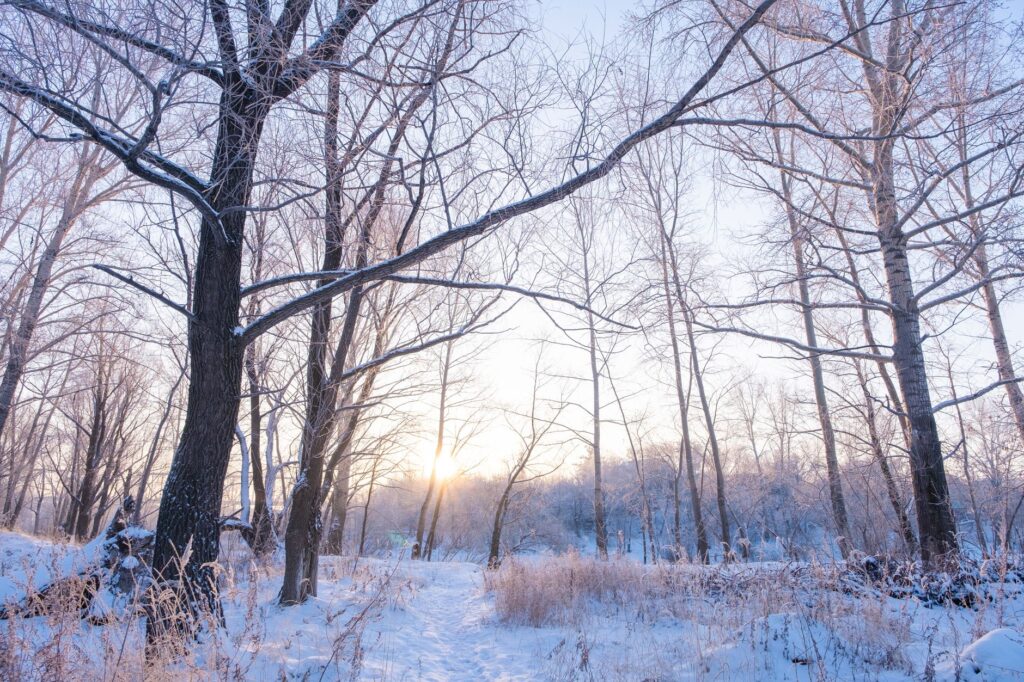
The first night in the low twenties always prompts the same worry along the Bayshore: the maples are bare, the pines look stiff, and surely something must be dying out there. In nearly every case the answer is no. Trees that have lived through many Monmouth County winters carry a built-in cold protection system, and by early November it is already switched on.
This is the quiet side of tree biology that rarely gets attention. A white oak (Quercus alba) on a Middletown street can sit at 15 degrees with ice on every twig and come through without a scratch, while a tomato plant in the same yard would be dead after a single frost. The difference is not toughness in the everyday sense. It is a set of seasonal changes inside the wood, bark and buds that take weeks to complete.
Understanding that process also tells you where trees are actually vulnerable, because the risk is rarely the deep midwinter cold. It is the timing: freezes that arrive too early, warm spells that arrive too soon, and trees that were weakened before the season even began.
How Trees Prepare: Cold Acclimation Starts With Shorter Days
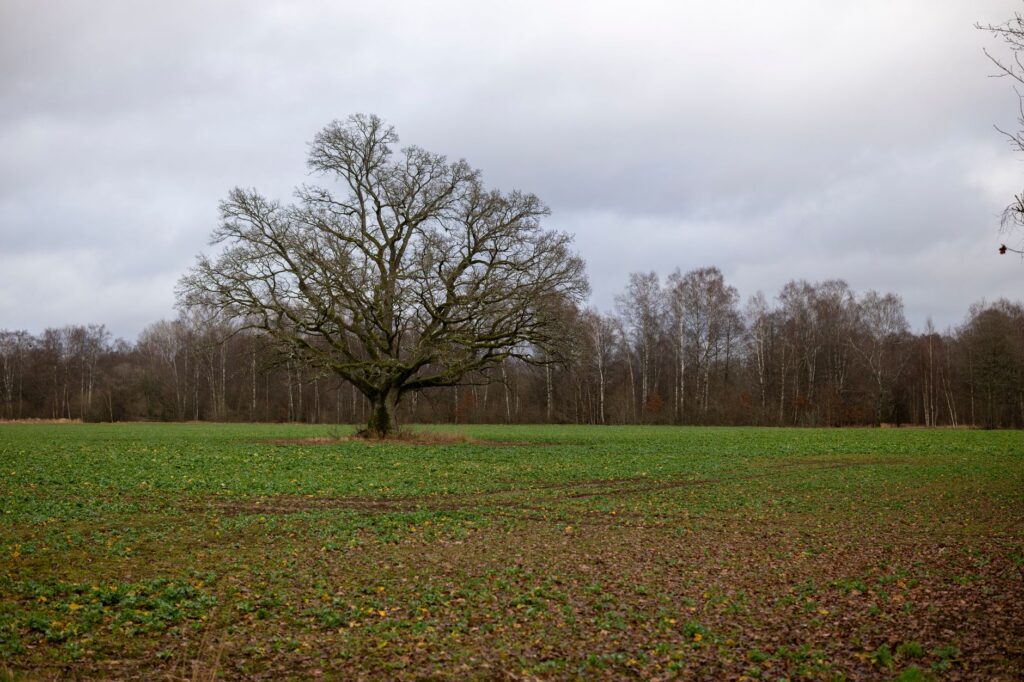
Trees do not wait for the cold to arrive. They read the shortening days of late summer and early fall, and that signal starts a process called cold acclimation. By the time Middletown sees its first hard freeze, the process is usually well along, which is one reason a mild October followed by a sudden cold snap can be harder on trees than a steady slide into winter.
During acclimation, living cells in the bark, buds and the outer wood change in several ways:
- Starches are converted to sugars and other compounds that act like natural antifreeze inside the cells.
- Cells lose some of their water, so there is less liquid available to freeze and rupture the cell wall.
- Membranes and proteins are reworked so they stay flexible rather than turning brittle at low temperatures.
- Buds seal themselves inside tight scales, waxy coatings and sometimes fine hairs.
This is also why the late-summer storage period matters so much. A tree that enters fall with healthy leaves and full reserves has the raw material to build all of this protection. A tree stripped of its leaves early by pests, drought or storm damage has less to work with, and the extra cold stress shows up the following spring as slow leaf-out or dieback in the upper crown.
The tree owner guidance from the International Society of Arboriculture covers the basics of keeping trees in condition through the year, and it fits well with how acclimation works: healthy trees prepare better.
Ice Between the Cells: The Surprising Way Wood Handles Freezing
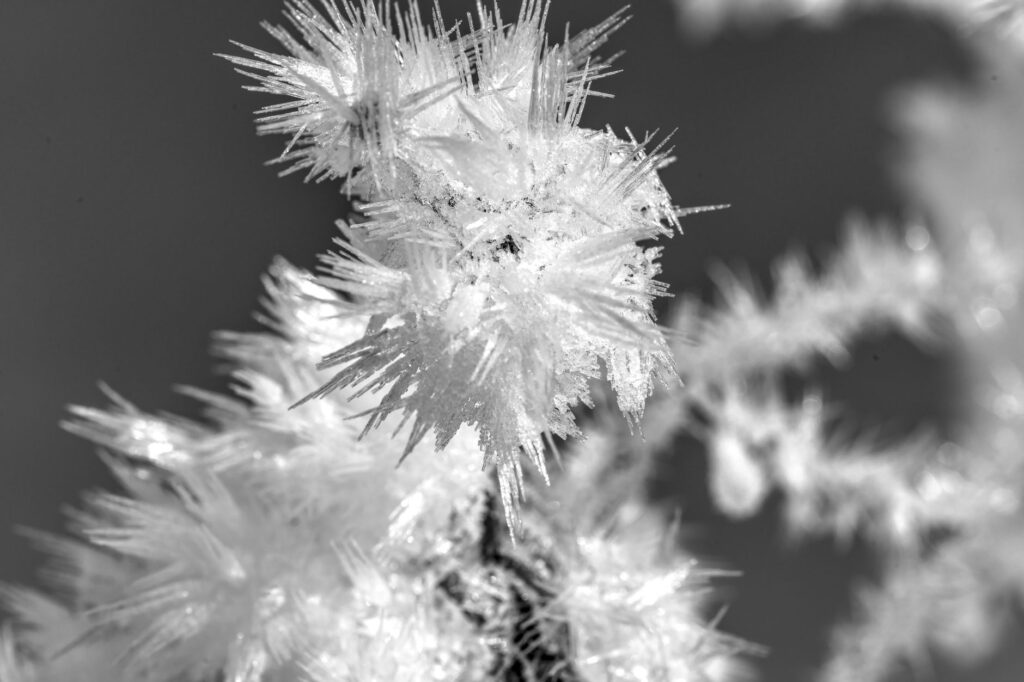
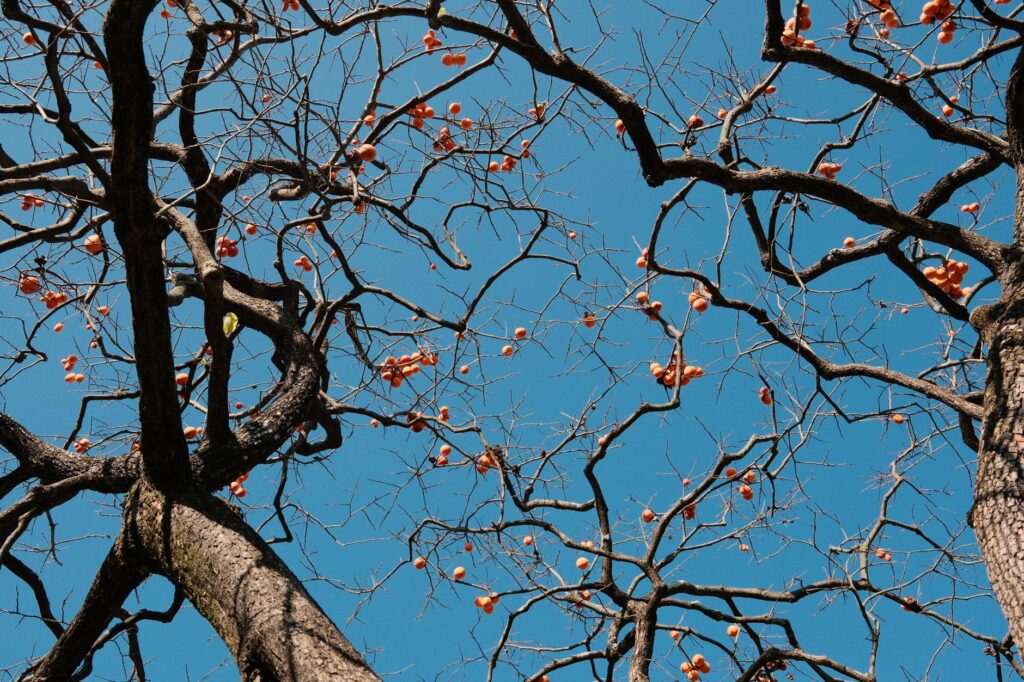
It is natural to assume that a frozen twig is a damaged twig. In a hardy tree, though, ice forming is part of the plan. As temperatures fall, water moves out of the living cells and freezes in the spaces between them, where it does no harm. Because that ice draws more water out of the cells, the cell contents become more concentrated and even harder to freeze, which adds another layer of protection.
Some species go a step further. Certain hardwoods allow tiny pockets of water inside specialized cells to stay liquid well below the normal freezing point, a state called supercooling. It is a bit like holding a drink at 20 degrees without it turning to slush, and it works only up to a limit. Past that limit the water freezes all at once and the cells are lost, which is why every species has a lowest temperature it can tolerate.
That limit is the idea behind the plant hardiness zone map. The USDA Plant Hardiness Zone Map divides the country by average coldest winter temperature, and most of Middletown Township falls in zone 7, with the milder bayside pockets close to the top of that range. Trees rated for zone 7 or colder are safe bets for the long run.
Where homeowners get into trouble is stretching that rule. A tree rated for zone 8, such as a southern magnolia or a crape myrtle on an exposed lot, can look perfect for several winters and then lose its top growth in a single cold snap that dips below its limit.
Middletown's #1 Tree Expert Company
FREE Inspection & Estimate | Certified Arborists | Trimming, Pruning, Removal, More!
Sponsored
Evergreens Have a Different Problem: Dry Winter Wind
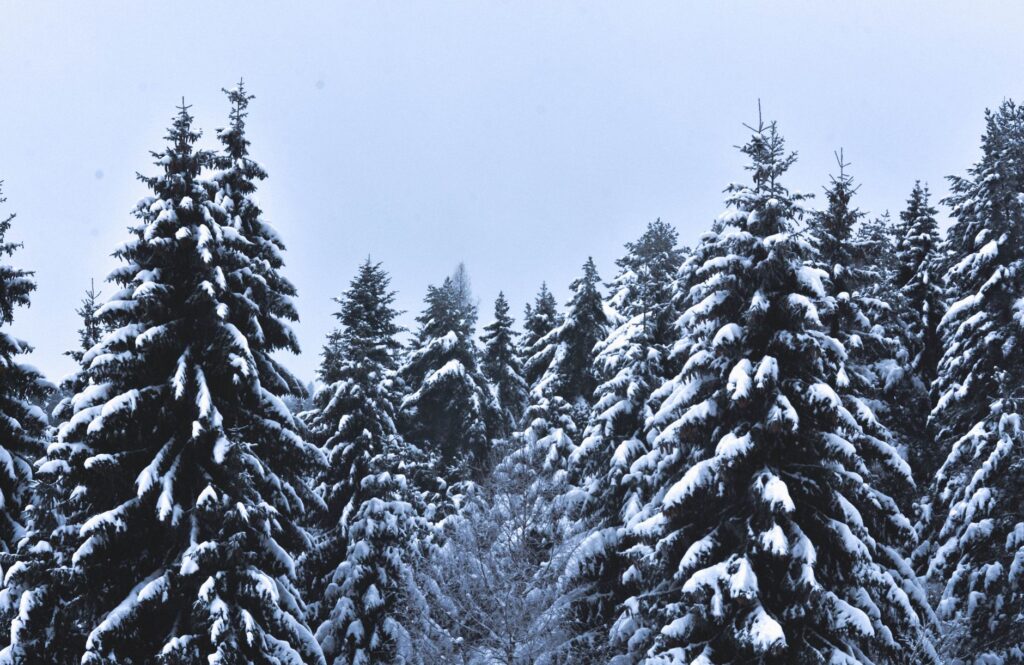
Conifers such as eastern white pine (Pinus strobus), Colorado blue spruce and eastern red cedar keep their foliage all winter, and that makes them handle cold differently from the oaks and maples. Their needles carry a thick waxy coating and tiny, sunken pores that cut down on water loss, and the cells inside are acclimated just like a hardwood’s.
The vulnerable moment for an evergreen is rarely the cold itself. It is the combination of frozen ground and drying wind. When the soil is frozen, roots cannot pull water up, yet the needles keep losing a little moisture to wind and sun. On a bright, breezy day in January or February, the foliage on the exposed side of an arborvitae or a rhododendron can dry out faster than the tree can replace it, and the result is brown, scorched-looking growth that appears weeks later.
Along the Raritan Bay shoreline, salt-laden wind adds to the problem, which is why bayside evergreens often look rougher in March than the same species a few miles inland. Broadleaf evergreens such as holly and rhododendron give you a visual clue: their leaves curl and droop tightly when it is very cold, which is a normal protective reaction that reverses once temperatures rise.
The best defense is already behind you if you gave the roots a deep soak before the ground froze. Moist soil going into winter gives evergreens a water reserve to draw on during the dry weeks.
When Cold Does Real Damage: Timing Matters More Than Temperature
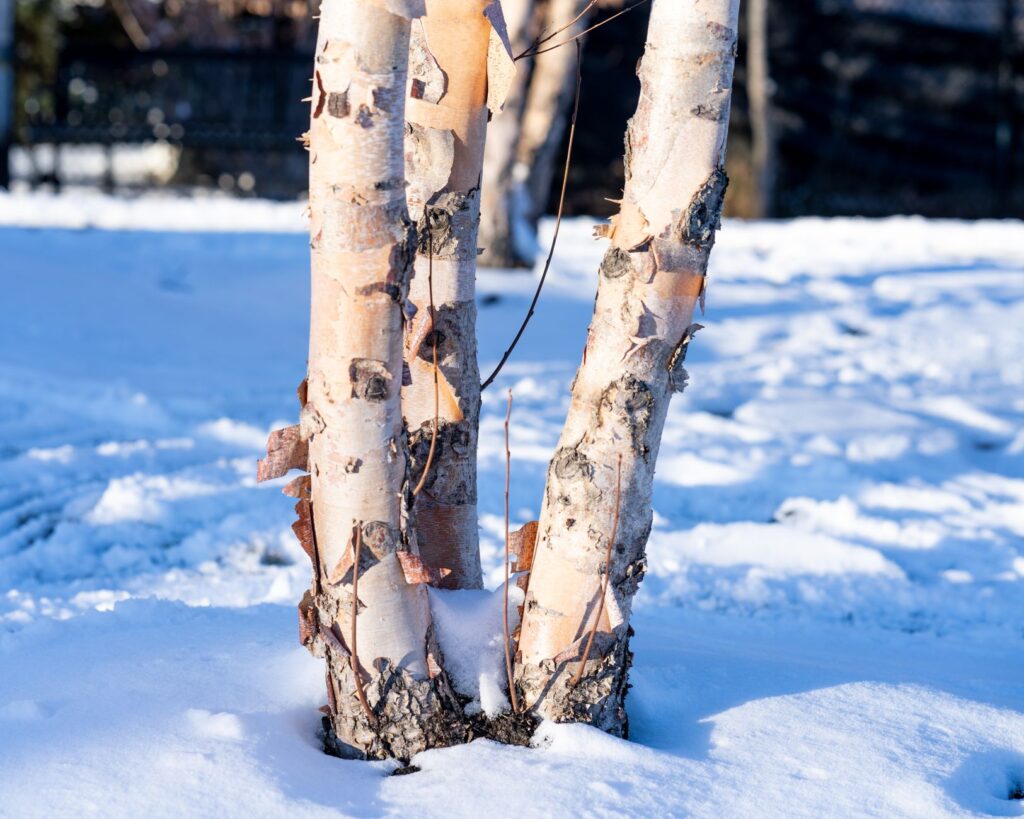
If hardy trees handle 10 degrees without a problem, how does cold ever cause harm? Almost always through timing. Three situations account for most of the cold injury seen in the Middletown area:
- An early, sudden freeze. If a hard freeze hits in October while trees are still green and active, they have not finished acclimating. Leaves can hang on and twig tips can die back even though the same temperature in January would do nothing.
- A false spring. A string of 60-degree days in late winter can pull trees out of dormancy early, a process called deacclimation. Once that protection is lost, a return to the teens can kill buds and flowers on magnolias, cherries and Japanese maples.
- Fast swings between day and night. On a sunny winter afternoon, the south or southwest side of a trunk can warm well above freezing, then drop sharply after sunset. That swing is what causes vertical frost cracks and sunscald, especially on thin-barked young trees.
Because the bark and wood cells on the sunny side get the most dramatic swings, young maples, lindens, crabapples and fruit trees are the usual victims. A plastic or paper trunk wrap, put on in November and taken off in spring, is the classic protection, and the same wrap can double as a deterrent against deer rub.
The takeaway is that a cold snap in itself is not the warning sign. A cold snap that follows a long mild stretch, or arrives before leaf drop, is worth paying attention to.
Reading the Damage in Spring and What Not to Do in Winter
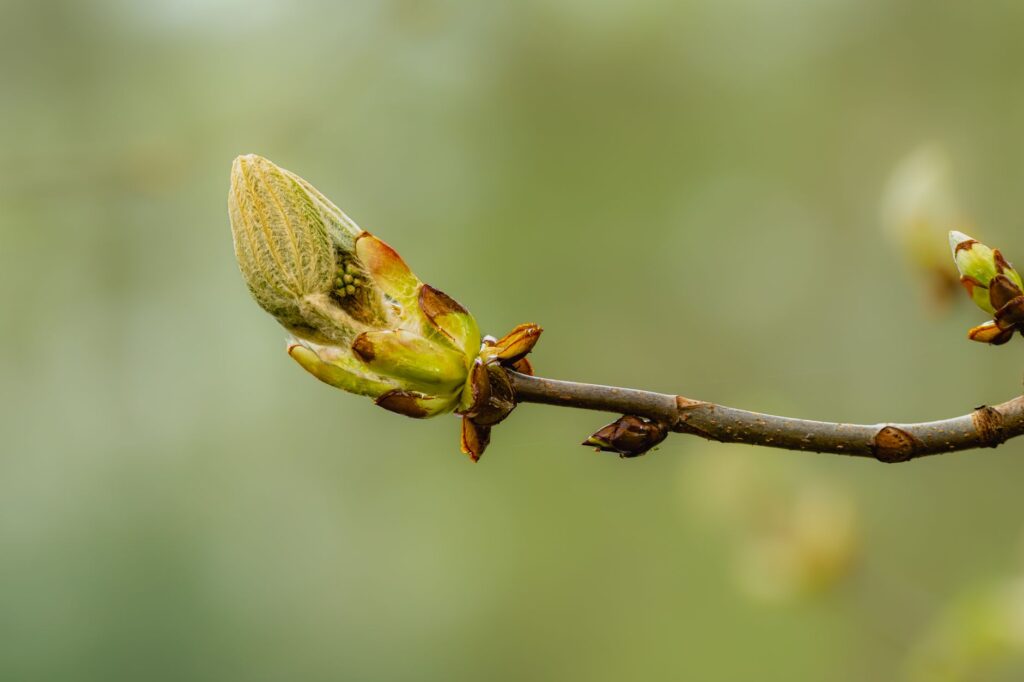
The tricky part about cold injury is that it hides. A twig killed by a freeze looks the same as a healthy one all winter, and the evidence only appears when the tree tries to leaf out in spring. This is the reason arborists advise patience: cutting out suspect branches in January means guessing, while waiting until buds break in April or May shows exactly which limbs survived.
When you do inspect in spring, a few simple checks help:
- Scratch test: use a thumbnail to scrape a small patch on a twig. Green and moist underneath means alive, brown and dry means dead.
- Bud swell: buds that stay shriveled or fall off easily on a branch when others are swelling are usually lost.
- Bark splits: long vertical cracks on the sunny side of the trunk are frost cracks. They often seal on their own, but they are worth noting for a professional to look at.
In the meantime, resist the urge to feed trees heavily in November. Heavy nitrogen late in the season can push soft growth that never hardens, and it works against everything the tree has been doing to prepare. Avoid also piling mulch against the trunk. A loose layer of two to three inches pulled back from the bark helps even out soil temperatures without inviting voles.
The U.S. Forest Service has a good overview of how urban trees respond to changing conditions on its urban and community forestry pages, and the Monmouth County Park System is a good place to see mature native trees in winter dormancy at places like Hartshorne Woods.
Middletown's #1 Tree Expert Company
FREE Inspection & Estimate | Certified Arborists | Trimming, Pruning, Removal, More!
Sponsored
Summary: Trust the Tree, and Call a Certified Arborist When Something Looks Off
A hard freeze is a normal part of a Middletown winter, and a healthy, well-chosen tree handles it without help. Cold acclimation, ice forming safely between cells and tightly sealed buds are the reasons your oaks, maples and pines will look just fine in March. What matters more is the tree you take into winter: well watered, free of mulch piled against the trunk, and rated for our zone.
Keep an eye out for the situations that really do cause harm: an early freeze before leaf drop, a warm spell followed by a hard cold return, and thin-barked young trees on the sunny side of a house. Wrap young trunks, water deeply before the ground freezes, and hold off on pruning for suspected damage until spring shows what is truly dead.
If you notice long vertical cracks in the trunk, large limbs with no buds in spring, or a tree that leans or looks different after a severe cold snap, have a certified arborist take a look. A professional can tell frost damage from disease or decay and say whether a limb needs attention before the next storm season.
Photo credits: Featured image by Наташа Нирамайя on Pexels; Section 1 by Lorenzo Manera on Pexels; Section 2 by Huu Huynh on Pexels; Section 3 by Jean-Paul Wettstein on Pexels; Section 4 by Stefan Straka on Pexels; Section 5 by Phil Evenden on Pexels; Section 6 by Siegfried Poepperl on Pexels; Section 7 by Dmytro Glazunov on Pexels.