
Middletown's #1 Tree Expert Company
FREE Inspection & Estimate | Certified Arborists | Trimming, Pruning, Removal, More!
Sponsored
Small Branches Under the Tree, and a Worried Homeowner
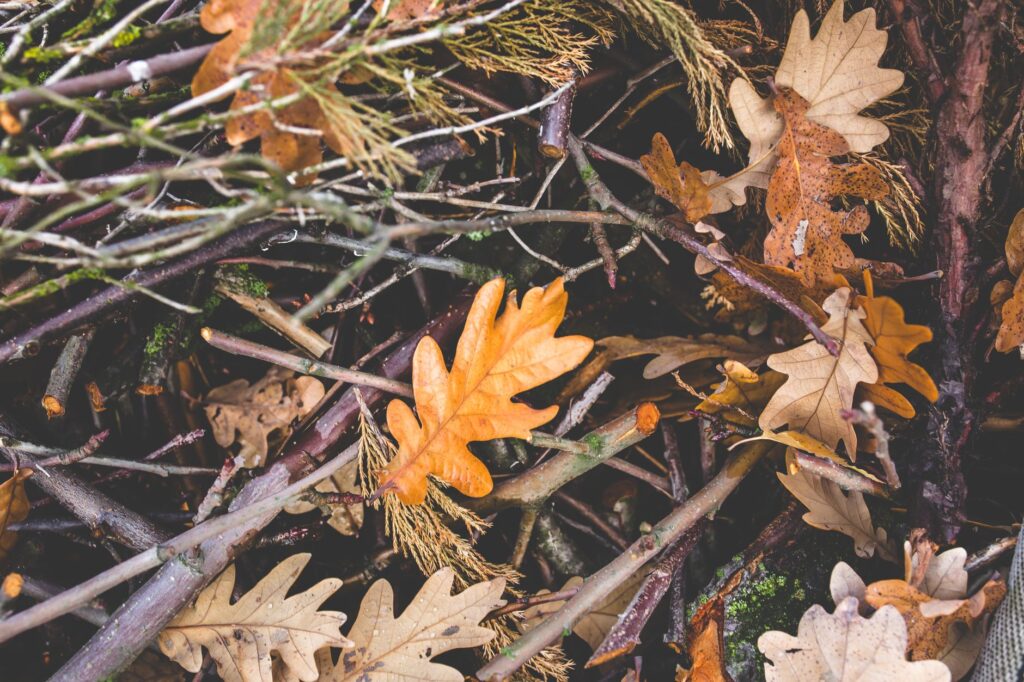
Every fall a few Middletown homeowners send the same kind of message. They walked out after a calm, windless day and found a scatter of small branches under a white oak or a red maple, some as thin as a pencil and some as long as a broom handle. Nothing hit the tree. There was no storm. Yet the lawn looks as though something tore through the canopy.
In most cases the tree did this on purpose. Arborists call it cladoptosis, a fancy word for self-pruning, and it is a normal part of the life of many trees in Monmouth County. A tree builds a thin separation zone at the base of a twig or small branch, much like the one that releases a leaf in October, and then lets the part go.
This guide explains what self-pruning looks like, which trees do it, how to tell it from storm damage or disease, and the few situations where a pile of twigs deserves a closer look. Late November is a good time to read the evidence, because the leaves are down and the canopy shows its structure.
What Self-Pruning Actually Is
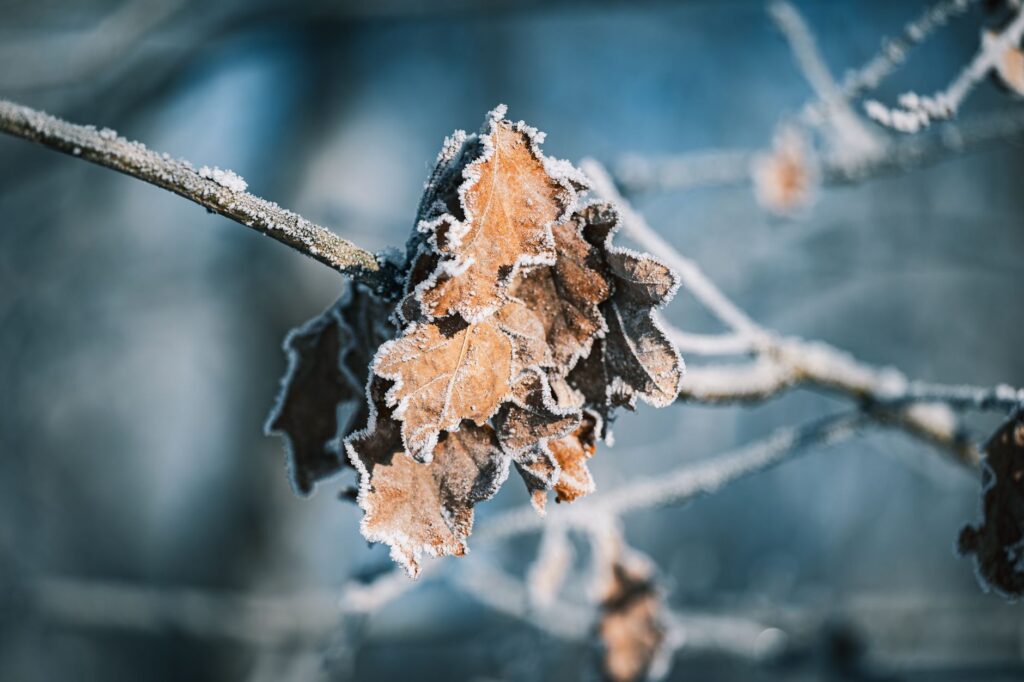
Cladoptosis is the shedding of twigs or branches through an abscission layer, the same kind of cork-like cleavage zone that detaches a leaf from its stem. The Texas A&M Plant Clinic describes it as a normal process in many species, and notes that it often happens every fall, much like leaf drop. You can find a broader overview of cladoptosis for the history of the term and the research behind it.
Species known for it include oaks, maples, ashes, walnuts, poplars, willows, pines, larches and bald cypress. That reads like a list of the trees on a typical Middletown street, which is why so many residents see it.
Researchers have offered several explanations, and the answer likely varies by species. The tree may be discarding weak, shaded or low-producing shoots that cost more energy to keep than they return. It may be reshaping its crown, or shifting resources toward the healthiest growth. Older trees often shed more as they age. None of these explanations means the tree is sick.
One point matters for homeowners: a tree that sheds on its own schedule seals the wound itself. The attachment point closes cleanly, and the tree does not have to deal with a torn, ragged stub the way it does after a storm break.
How to Tell a Self-Pruned Twig From a Storm Break
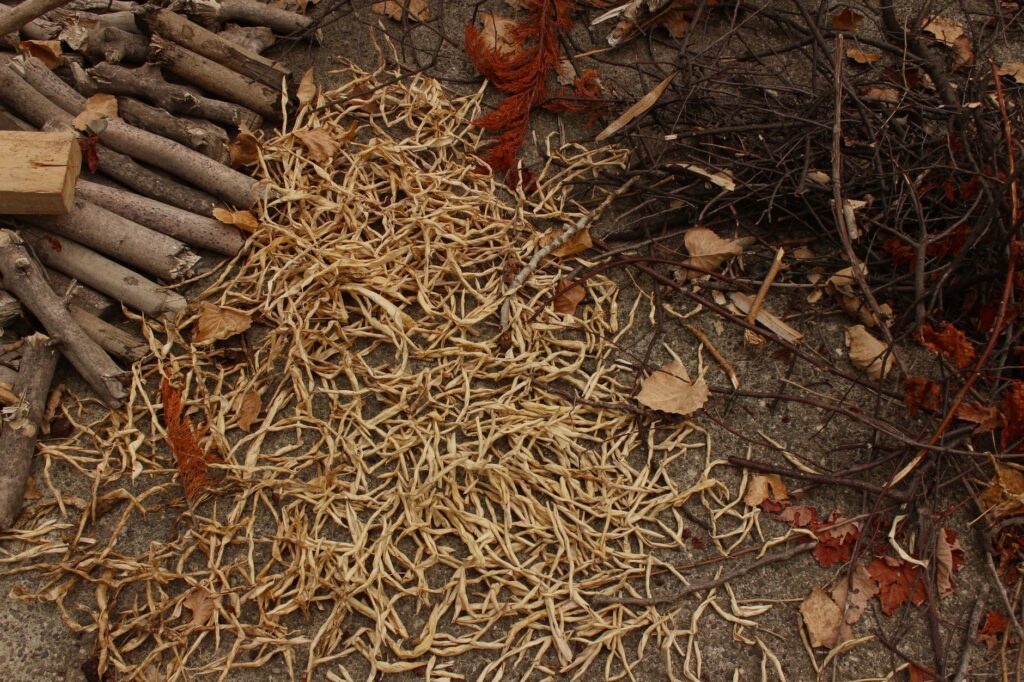
The fallen twig itself is the best evidence. Pick up a few and look at the end that was attached to the tree. Here is what an arborist checks:
- The break point: a self-pruned twig comes off at a smooth, slightly rounded or cupped surface, often at a swollen joint. A wind break is splintered, stringy or jagged.
- The size: most shed pieces are small, from a few inches to a couple of feet, and one to a few years old.
- The timing: self-pruning clusters in late summer and fall and often follows a dry spell, a heavy leaf load or the first cold nights.
- The pattern: twigs tend to land under the outer canopy and come from the shaded, inner or lower parts of the crown.
- The leaves: some shed twigs still carry green or fall-colored leaves, and others are bare, depending on the species and year.
If you cannot decide, set a few of the twigs aside on a table and compare their ends with a fresh break you make yourself by snapping a similar twig. The difference in surface is usually obvious in seconds.
Middletown's #1 Tree Expert Company
FREE Inspection & Estimate | Certified Arborists | Trimming, Pruning, Removal, More!
Sponsored
Which Middletown Trees Do It Most
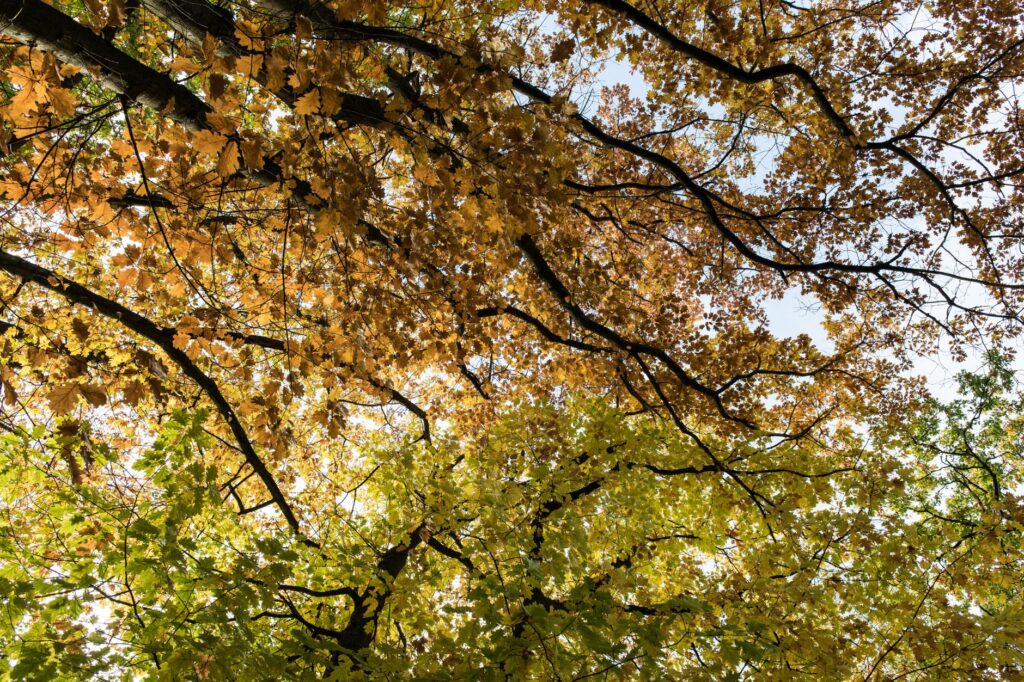
White oak, red oak and pin oak are the usual suspects in Middletown, and they show it clearly because their shed twigs carry the tight clusters of buds at the tip. Silver maple and red maple shed as well. Along the Bayshore, tulip poplar and willow often drop small branches in the same way, and so do some pines in sandy soil near Hartshorne Woods.
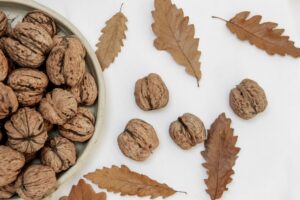
Black walnut and ash are also on the list. Ash trees in Monmouth County deserve a second look for another reason, because emerald ash borer has killed many of them. A dying ash drops pieces too, but those are brittle, gray, and usually come with thinning leaves in summer. Self-pruning on a healthy ash is neat, small and seasonal.
Younger trees tend to self-prune less than mature ones. If a recently planted tree is shedding many small branches, give it a moment of attention, since transplant stress and dry soil are more likely culprits than normal cladoptosis.
Stress Can Turn Up the Volume
Although cladoptosis is a normal habit, the amount of shedding can change with conditions. Drought stress, compacted soil, root injury and heavy crowding all push a tree to give up more branches. In a year with a dry late summer on the coastal plain, a mature oak may drop more twigs than usual and still be perfectly healthy.
This is where the usual tree-health basics pay off. Deep watering during dry spells, a wide ring of mulch kept off the trunk, and protecting the root zone from heavy equipment and fill soil are the best prevention for a tree that sheds too much. The Texas A&M guidance makes the same point, recommending that homeowners keep trees watered and nourished to reduce stress.
It also helps to keep notes. A photo of the canopy each autumn, taken from the same spot, tells you far more than memory about whether a crown is thinning over time.
Warning Signs That It Is Not Self-Pruning
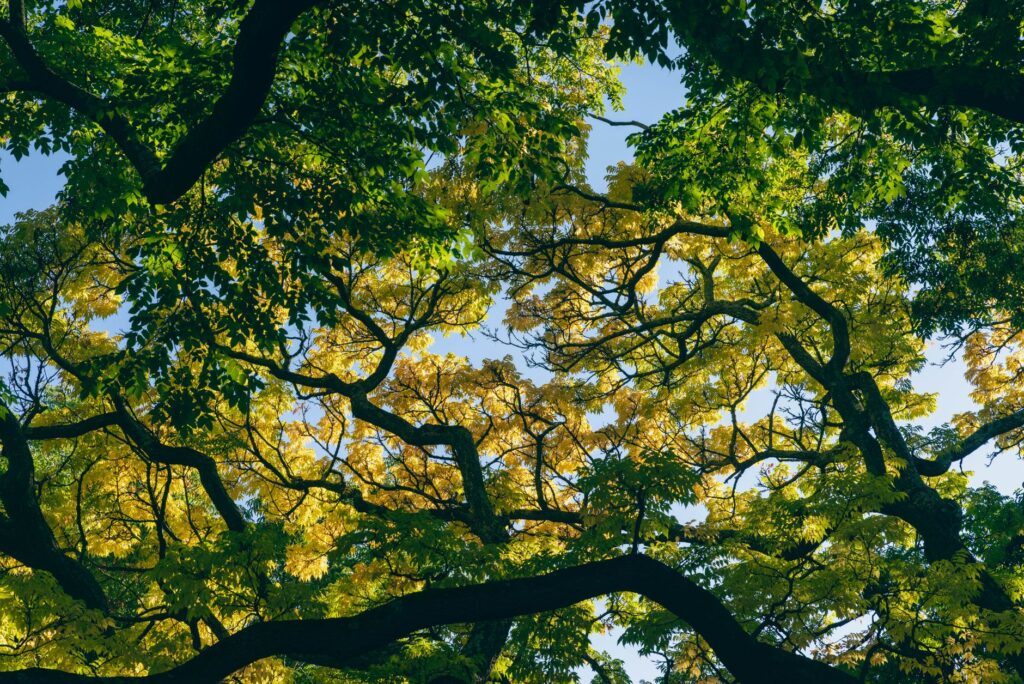
Self-pruning is neat and small. These signs point to something else that needs a professional look:
- Large limbs: pieces thicker than your wrist, or whole limbs, are not cladoptosis.
- Splintered or hollow breaks: a break that reveals dark, crumbly or wet wood suggests decay.
- Fungal fruiting bodies: mushrooms or shelf-like conks at the base or on a limb mean wood is being broken down.
- A thinning canopy: a crown that gets sparser each year, especially at the top, is a stress signal.
- Dead twigs in summer: twigs that die and hang in the canopy in July are a different problem from fall shedding.
- Repeated heavy drops: a pile every few weeks, not once in autumn, deserves attention.
A tree that shows any of these is worth a visit from a certified arborist, who can climb or use a pole saw to check for cracks, included bark and decay that cannot be seen from the ground.
Middletown's #1 Tree Expert Company
FREE Inspection & Estimate | Certified Arborists | Trimming, Pruning, Removal, More!
Sponsored
What to Do With the Twigs and When to Call a Pro
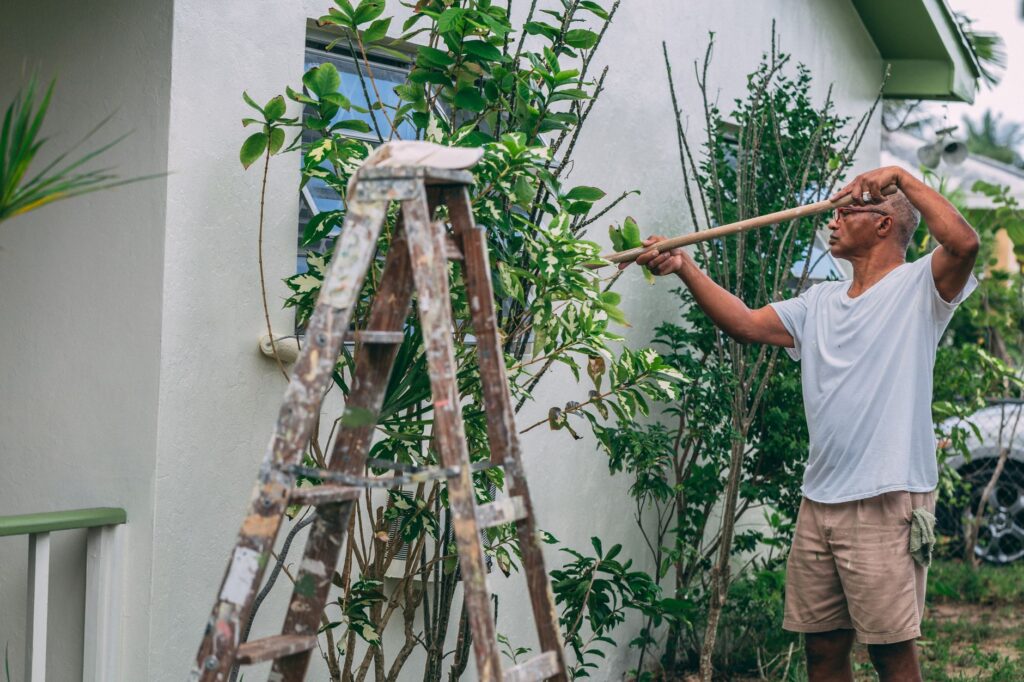
For ordinary self-pruning, you can simply rake the twigs up. Small pieces can be chipped or added to a brush pile at the back of the yard, where they shelter wintering birds and beneficial insects. Because the twigs are healthy wood, they make fine mulch material once chipped, though you should keep chips from a suspected diseased tree out of the garden.
You do not need to climb up and remove the stubs, and you should not paint any cut. Trees close their own wounds through compartmentalization, and cutting back into live wood only creates new openings.
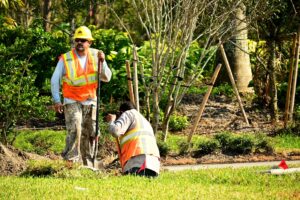
When the pattern does not fit, call a certified arborist. You can find one through the Trees Are Good consumer site from the International Society of Arboriculture, and a good one will tell you honestly when a tree is simply doing what trees do. A short assessment in November is far cheaper than discovering a hidden problem after the first winter storm.
Photo credits: Featured image by Sonny Sixteen on Pexels; Section 1 by Karolina Grabowska www.kaboompics.com on Pexels; Section 2 by Aliaksei Semirski on Pexels; Section 3 by Ahsen on Pexels; Section 4 by Wolfgang Weiser on Pexels; Section 5 by Ambam Gorilla on Pexels; Section 6 by David Yu on Pexels; Section 7 by Craig Adderley on Pexels.