
Middletown's #1 Tree Expert Company
FREE Inspection & Estimate | Certified Arborists | Trimming, Pruning, Removal, More!
Sponsored
Why a Christmas Tree Is Worth a Tree Lover's Attention
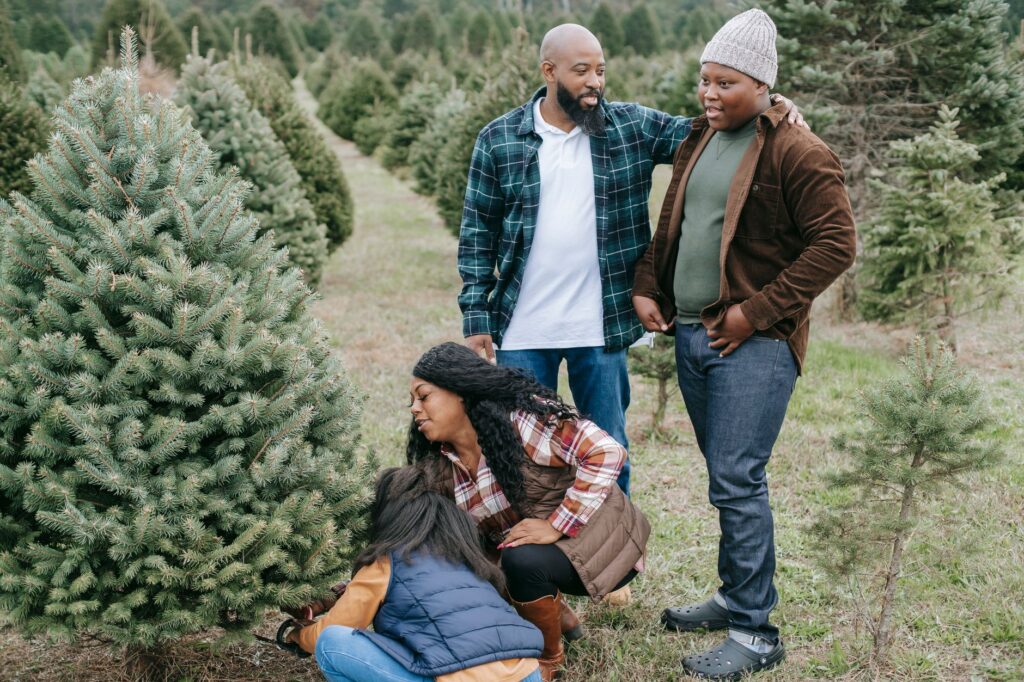
Every November the same thing happens around the Bayshore. A tree that spent a decade growing on a farm in Pennsylvania or upstate New York gets cut, wrapped in netting and tied to the roof of a car on Route 35. Then it spends four or five weeks in a living room, a warm and dry place that no conifer was built for. Whether it holds its needles and stays green is mostly decided by a handful of choices you make in the first hour.
Those choices are tree biology in action. A cut evergreen is still a living organism for a while, pulling water up through a layer of wood just under the bark. Once that water supply is interrupted, the clock starts. Understanding how the trunk drinks, and what stops it from drinking, is the difference between a tree that looks good until New Year’s and one that is shedding needles by the second week of December.
This guide is for Middletown households who want to choose well, keep the tree fresh and send it off responsibly afterward. None of it needs special equipment, and all of it is easier if you start before you leave the lot.
Pick the Species for Your Room, Not Just the Look
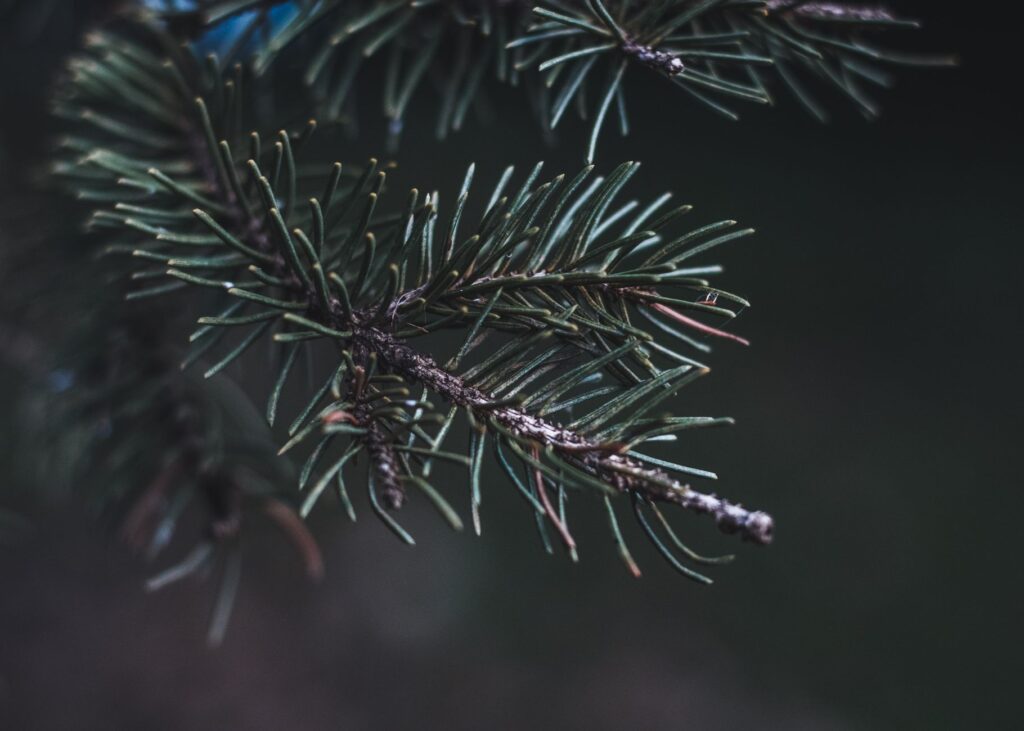
Species matters more than most shoppers realize. Rutgers Cooperative Extension notes that Norway spruce (Picea abies) does not hold its needles as long as Douglas fir or Fraser fir, so it is best bought close to Christmas rather than at Thanksgiving. The same source points out that Eastern white pine (Pinus strobus) has less aroma than other trees, which can help anyone in the house who is sensitive to strong scents. You can read the details in Rutgers Cooperative Extension’s holiday tree guidance.
For a broader comparison, the species comparison from the University of Illinois describes Fraser fir and concolor fir as having good needle retention, balsam fir as long lasting, and white pine as keeping its needles through the whole season. It also rates Norway spruce as poor without proper care, which matches what many Monmouth County families have seen firsthand.
- Fraser, concolor and balsam fir: strong needle retention and good fragrance.
- Eastern white pine: soft, full, little scent, holds needles well.
- Norway spruce: lovely shape, but drops needles fast if it dries.
If your tree will stand near a heating vent or a fireplace, lean toward the species with the best retention. A cooler spot in the house makes every species last longer, but in a small Middletown colonial or split level, the cool corner is not always an option.
The Five-Minute Freshness Test at the Lot

Before you pay, spend a few minutes on the tree itself. Rutgers advises choosing a tree with a straight trunk and flexible rather than brittle branches. Run a hand along a branch and pull gently; the needles should stay put. Lift the tree an inch or two and drop the trunk on the ground. A shower of green needles means it has been sitting too long, though a few brown inner needles are normal shedding.
Look at the base of the trunk too. The cut should look fresh and slightly sticky with resin, not gray and dry. If a lot has had trees sitting for weeks, ask to have an inch cut off the bottom before it goes on the car. A fresh cut is what lets the tree take up water, and Rutgers makes this one of its basic rules of selection.
Color is another clue. Needles should be deep, even green for the species, without yellowing at the tips. A tree that smells like its species when you crush a needle between your fingers still has oils and moisture in it. A tree with no scent at all, other than white pine, is a red flag.
Middletown's #1 Tree Expert Company
FREE Inspection & Estimate | Certified Arborists | Trimming, Pruning, Removal, More!
Sponsored
How a Cut Tree Drinks, and Why Sap Can Seal the Door
Here is the part that surprises people. A cut conifer drinks through the outer layers of wood, the sapwood, just under the bark. That is why you should never shave the bark off the bottom of the trunk to fit a stand, because you remove the very tissue that carries water. If the trunk is too wide, choose a bigger stand, or trim the lower branches instead.
When the trunk sits dry for a few hours, resin seals the cut surface and water can no longer pass through. This is why the University of Illinois Extension says to make a fresh one-inch cut at the base before putting the tree in water, and to make another fresh cut when you bring it indoors. The same page recommends keeping the tree sheltered from wind and freezing temperatures until then, with the cut base standing in a bucket of water.
Many fresh trees drink a surprising amount in the first few days. After that, intake slows, but it should never stop. If the water level drops below the base of the trunk even once, the seal can form again and the tree will stop drinking.
Setting Up and Watering Through the Season

Use a sturdy stand that holds at least a gallon of water, and check it every day for the first week. A common rule of thumb, repeated by University of Illinois Extension, is about a quart of water per inch of trunk diameter. Plain tap water is all you need. Extension specialists say sugar, aspirin and commercial mixes add nothing, so skip them and spend the money on a good stand instead.
Place the tree away from heat registers, radiators, fireplaces and direct sun from a south facing window. Every degree you keep it cooler slows moisture loss. Turning down the thermostat a few degrees in that room helps more than most people expect.
Lights matter as well. Check cords for cracked insulation, use only lights rated for indoor use, and choose miniature or LED strings, which give off less heat than old style bulbs. Unplug them overnight and whenever you leave the house. A dry tree and a warm bulb is how many holiday house fires begin, and a well watered tree is far more forgiving.
- Fresh cut of about an inch before the tree goes in the stand.
- Water level always above the base of the trunk.
- Cool room, away from vents and fireplaces.
- Lights unplugged when nobody is home.
To keep watering easy once the tree is decorated, a funnel and a few feet of vinyl tubing run into the stand reservoir will do the job without disturbing the skirt or presents.
When to Take It Down, and Where It Goes Next
A well cared for tree can last four to five weeks, and the University of Illinois notes that many reach five weeks or more. But take it down before it dries out. When needles turn brittle and fall when you touch the branches, the tree has done its job. Carry it out with the base first, wrap it in a sheet or tree bag if you can, and sweep up needles right away so they do not get tracked through the house.
Do not burn the tree in a fireplace or wood stove. The resin burns hot and can throw sparks, and a dry conifer can ignite chimney creosote. Instead, look at the other options. Middletown Township runs a recycling center on Kanes Lane for residents, and curbside tree collection has been offered after the holidays in past years. Because dates and rules change from year to year, call the Department of Public Works or check the township’s recycling notices in early January rather than trusting last year’s schedule.
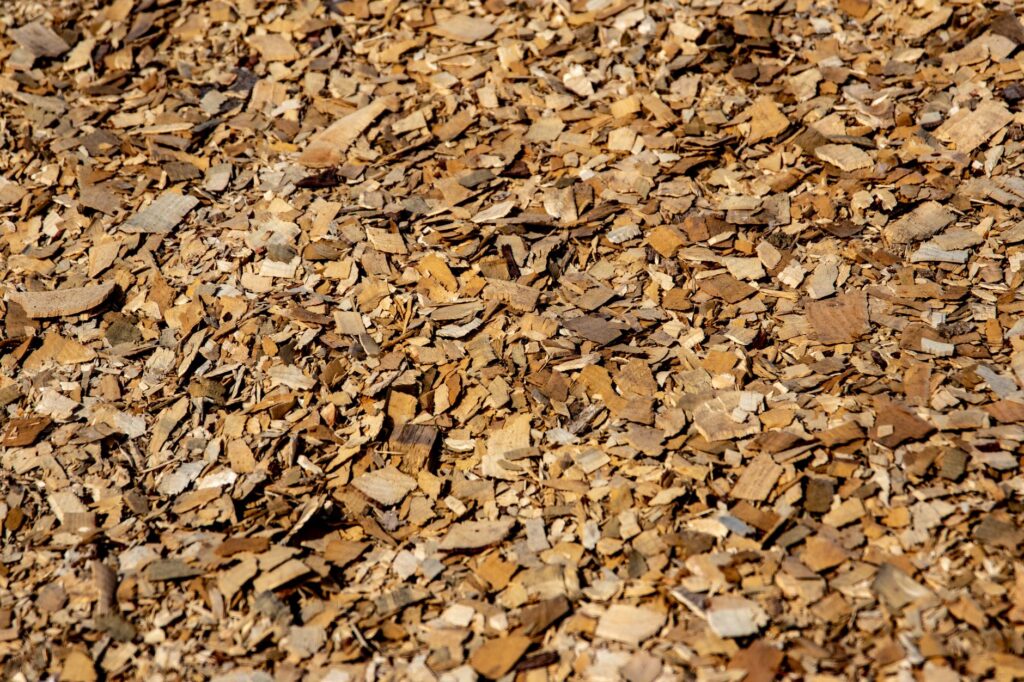
Monmouth County also accepts trees at its Reclamation Center in Tinton Falls. If you have the space, there is a gentler option. Extension guidance suggests setting the tree upright in the backyard and adding suet to the branches for birds, which gives them cover through the winter.
Before you recycle, remove every bit of tinsel, hook and wire, since those contaminate mulch and can damage chipper equipment.
Middletown's #1 Tree Expert Company
FREE Inspection & Estimate | Certified Arborists | Trimming, Pruning, Removal, More!
Sponsored
Summary: Keep the Tree Fresh and the Yard Trees Safe

Picking a fresh tree, making a new cut at the base, keeping water in the stand and choosing the right species for your room will carry a cut tree through the season with very little fuss. The same attention you give to the tree in your living room is worth giving to the ones outside, because winter weather tests them in other ways.
While you are putting up lights, take a minute to look at your yard trees. Look for dead limbs hanging over the roof, split trunks and leaning stems, all things that become urgent in a winter nor’easter. If you spot anything that worries you, or you are not sure what a defect means, a certified arborist can walk the property and tell you what is routine and what needs attention. A short visit now is much easier than an emergency call during the next storm.
And if you ever want a living tree for the yard, treat that as its own project. It needs the right species, a proper hole and care well into the following spring, so plan it for the next planting window rather than rushing it in December.
Photo credits: Featured image by Tim Mossholder on Pexels; Section 1 by Any Lane on Pexels; Section 2 by Karlee Heck on Pexels; Section 3 by https://kaboompics.com/ on Pexels; Section 4 by James Wheeler on Pexels; Section 5 by Valeria Boltneva on Pexels; Section 6 by Magda Ehlers on Pexels; Section 7 by PNW Production on Pexels.