
Middletown's #1 Tree Expert Company
FREE Inspection & Estimate | Certified Arborists | Trimming, Pruning, Removal, More!
Sponsored
Tapping on the Bare Branches: Why November Is Woodpecker Season
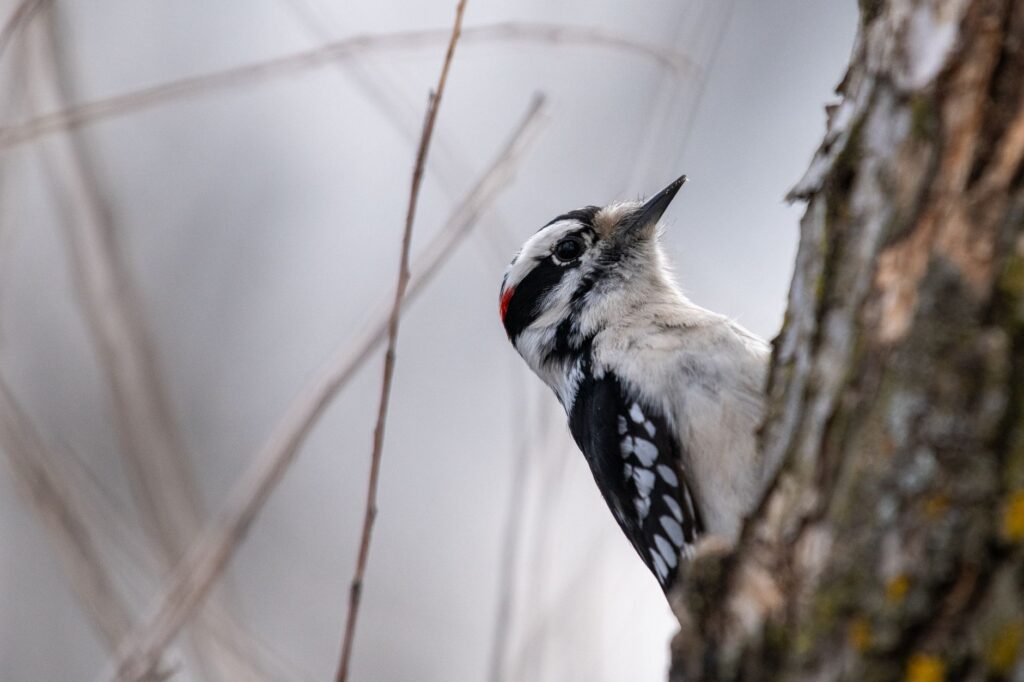
Once the leaves come down across Middletown Township, the birds that were hidden all summer suddenly become easy to see. A downy woodpecker hitching its way up a red maple in Lincroft, a flicker working the lawn edge in Port Monmouth, the occasional pileated drumming away in the big oaks near Hartshorne Woods. Homeowners notice them, and then they notice the holes, and the next question is almost always the same: is this bird hurting my tree, or is the tree trying to tell me something?
The honest answer from an arborist’s seat is that the bird is rarely the problem. Woodpeckers are following food. In late fall and winter, insects and larvae living in or under bark are one of the few protein sources around, and a woodpecker can hear and feel where they are. So the pattern of the holes, where they sit on the tree, and how many there are can be a useful diagnostic, a little like reading the tree’s chart.
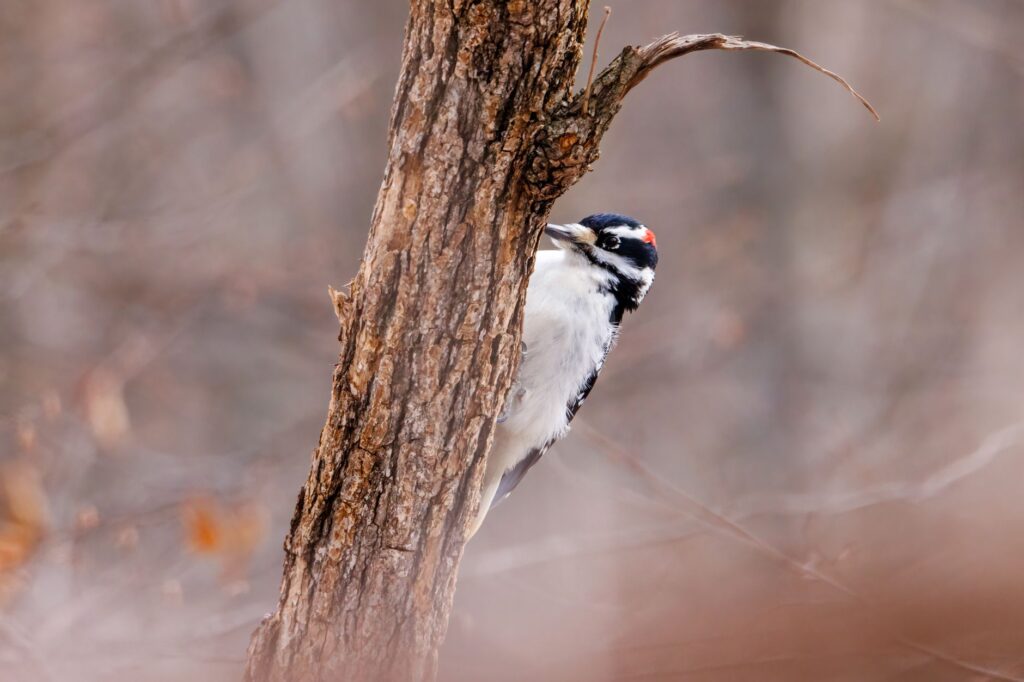
Three common woodpeckers show up in Monmouth County backyards through the cold months: the small downy woodpecker, its larger lookalike the hairy woodpecker, and the yellow-bellied sapsucker, a winter visitor with a habit all its own. The big, crow-sized pileated woodpecker turns up in older woodland. The Audubon field guide entry for the downy woodpecker is a good place to match what you are seeing to the right bird before you decide what the holes mean.
Three Kinds of Holes, Three Different Stories
Stand a few feet back and look at the damage before you touch anything. Most woodpecker work on a living tree falls into three patterns, and each points to a different cause.
- Neat horizontal rows of small, shallow holes, often ringing a trunk or branch. This is the signature of a sapsucker. The bird drills these “wells,” then returns to lick the sap and the insects stuck to it.
- Scattered, irregular pecking and flaking where patches of outer bark are stripped away. This is usually a bird working at insects living in or under the bark.
- Large, deep, oval or rectangular excavations, sometimes a foot or more long, with wood chips piled at the base. That is a big woodpecker, most often a pileated, chasing carpenter ants or beetle larvae inside decaying wood.
The third pattern deserves the most attention, because the bird is not creating the problem. It is showing you where one already exists. Ants nesting inside a trunk generally need wood that is already softened by decay, and a pileated woodpecker would not spend its day on solid sapwood. A deep excavation on the trunk is a sign to look at the whole structure of the tree, not a reason to scold the bird.
The yellow-bellied sapsucker and the pileated woodpecker leave very different signatures, so a quick look at both entries can save you a lot of guessing.
When the Pecking Points to Insects Under the Bark
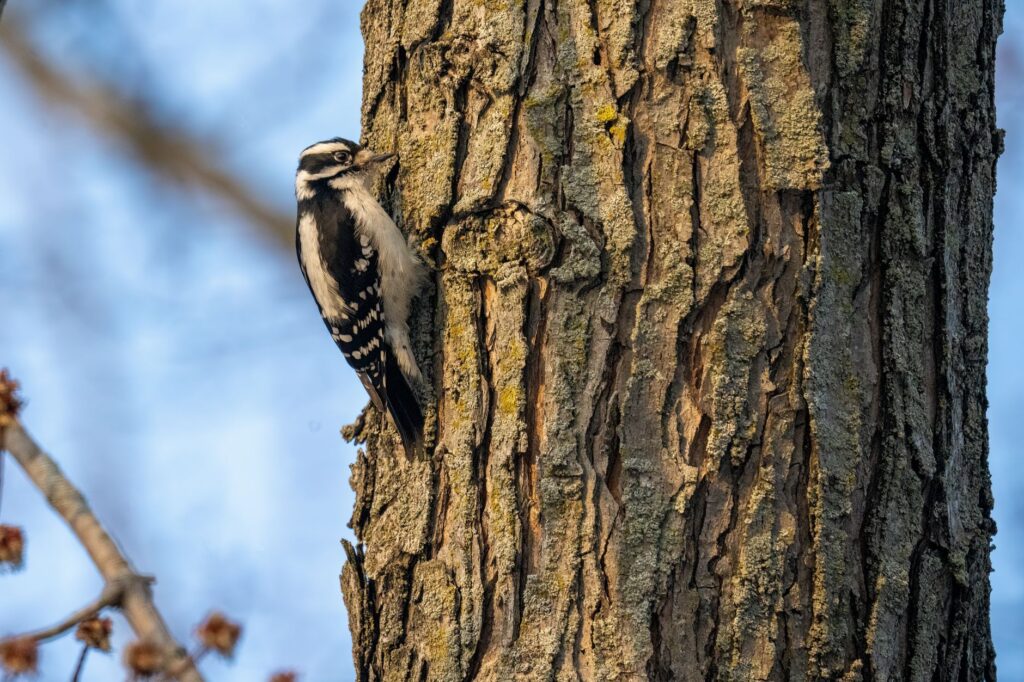
When a woodpecker strips the outer bark in patches and leaves the surface looking pale or patchy, it is usually after insects. Sometimes that is routine. Trees carry a modest population of bark-dwelling insects as a matter of course, and a woodpecker keeping them in check is doing ordinary ecological work.
The one case in New Jersey where I want a homeowner to look twice is ash. Emerald ash borer larvae feed in the layer just under the bark of ash trees, and woodpeckers go after them so heavily that the outer bark gets flaked away in patches, leaving a lighter, blonded look on the trunk. On an ash tree, heavy woodpecker flecking combined with thinning at the top of the crown, new sprouts low on the trunk, or D-shaped exit holes is worth a professional look sooner rather than later. If you are not sure that a tree is an ash, check last summer’s photos for compound leaves in opposite pairs, or the leaf litter beneath the tree.
The state agriculture department keeps information on the emerald ash borer program in New Jersey, and the Rutgers extension also runs a plant diagnostic lab that can help identify an insect or disease problem from a sample.
On other species, scattered pecking by itself is not alarming. A tree that is otherwise full, green in season, and sound in structure will usually shrug off a woodpecker visit.
Middletown's #1 Tree Expert Company
FREE Inspection & Estimate | Certified Arborists | Trimming, Pruning, Removal, More!
Sponsored
Sapsucker Wells: Ugly, but Usually Survivable
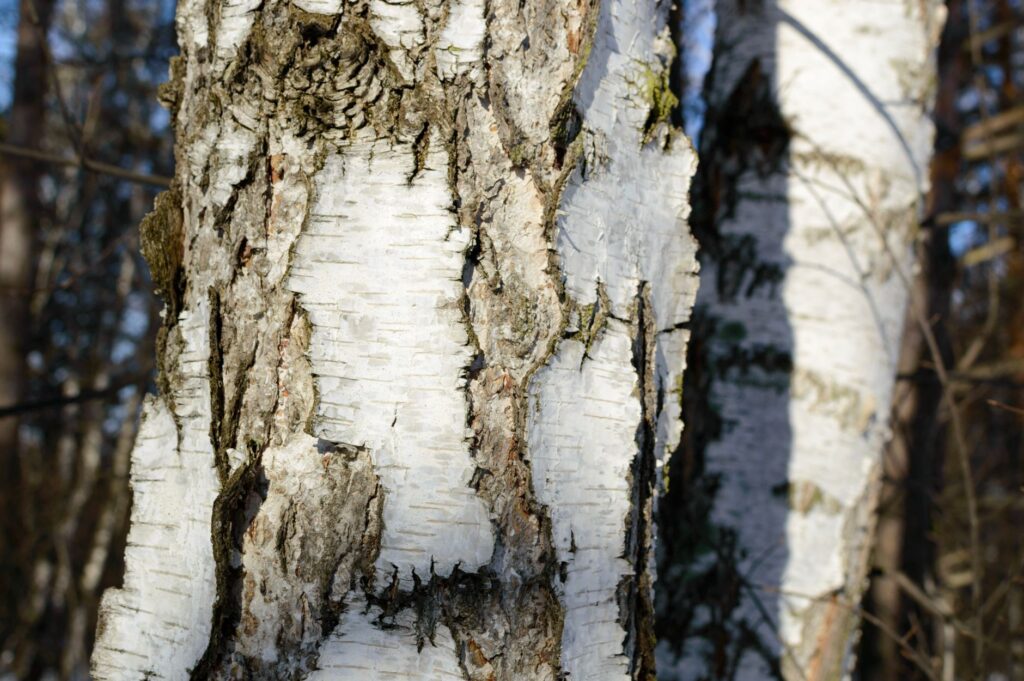
Sapsucker damage looks alarming because it is so orderly. A trunk or limb can end up looking as if someone took a tiny drill and ran it in tidy lines around the wood. Those lines are where the bird taps into the sap-carrying layer, and it will come back to the same tree for weeks, even across several winters.
On a healthy, mature tree, sapsucker wells are mostly cosmetic. They can stress a young or already struggling tree, and a heavily tapped small tree deserves to be watched. The pattern to look for is the band: if wells circle most of the trunk on a small-diameter tree, you have more reason to worry than if they run up one side of a mature oak.
Please resist the urge to paint the wells, fill them with caulk or wrap the trunk in tar paper. Trees do not heal wounds by filling them. They wall them off by growing new wood around the damaged area, a process arborists call compartmentalization, and anything you pack into the opening can trap moisture and slow that process. A light wrap of hardware cloth around a precious young tree is a safer protective measure, and it does not interfere with the trunk’s own defenses.
If the same tree keeps drawing sapsuckers year after year, ask yourself whether it is a species they favor, whether it is stressed, and whether there is a wound or another reason sap is easy to reach. Birch, maple, and some fruit trees are common targets.
Big Rectangular Holes: Reading the Decay Behind Them
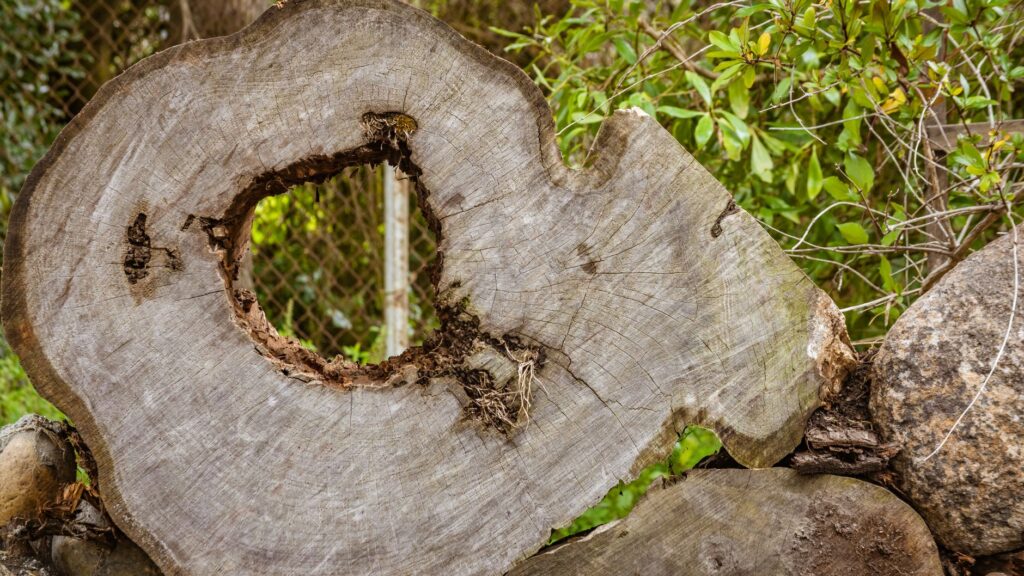
This is the section that matters most for safety. When you see large rectangular or oval holes high on a trunk or on a major limb, with fresh wood chips scattered below, the woodpecker has been digging for something that lives in wood that is already compromised. Carpenter ants are the usual quarry. They tunnel through decayed wood, and the bird can hear them inside.
A hollow or decayed section does not automatically mean the tree is doomed. Trees can carry a cavity for decades and stay structurally sound if enough sound wood remains in a ring around it. The question is how much sound wood is left, how large the cavity is in relation to the trunk, and what is above and below it. A tree with a cavity, a woodpecker’s excavation, and a lean over a driveway, bedroom, or play area is a different case from the same tree standing in the back corner of a lot.
Look at the tree as a whole. Are there mushrooms or conks (shelf-like fungal growths) at the base or on the trunk? Is there a crack running above or below the hole? Has the crown thinned or dropped limbs? Is there deadwood in the canopy? Any of these, in combination with a large excavation, is the sort of finding the International Society of Arboriculture’s guidance on hazard trees tells owners to take to a professional.
Photograph the tree from several angles with a ruler or a tape measure beside the hole so you can show it to an arborist and compare it again in a few months.
What You Can Safely Do Yourself, and What to Leave Alone

There is a lot you can do from the ground without climbing or cutting anything.
- Identify the bird. Quick binocular work tells you whether you have a downy, a flicker, a sapsucker, or a pileated, and each one points to a different explanation.
- Photograph and date the damage. A short record of the holes, the species, and the trunk condition helps if you later need an arborist’s opinion or have to document a problem for insurance.
- Check the base. Look for fungal growth, soft or crumbly wood, sawdust-like frass, or soil heaving that might suggest root trouble.
- Look up. With binoculars, scan for dead limbs, a thinning crown, cracks, or a union where two trunks meet.
What I would leave alone: do not try to scare the birds away with reflective tape or noisemakers as a first response. Woodpeckers are protected under federal law, and harassing them rarely solves the actual problem, which is why the tree is attractive to them. Do not poke around in a hole with a stick or fill it with expanding foam. And do not climb into a tree with a large cavity to inspect it yourself.
The hole in the siding or the gutter is a different matter. Late-winter drumming on a downspout or a cedar shingle is territorial or courtship behavior, not feeding, and it has its own set of fixes that do not involve the tree at all.
Middletown's #1 Tree Expert Company
FREE Inspection & Estimate | Certified Arborists | Trimming, Pruning, Removal, More!
Sponsored
When to Call a Certified Arborist About Woodpecker Damage
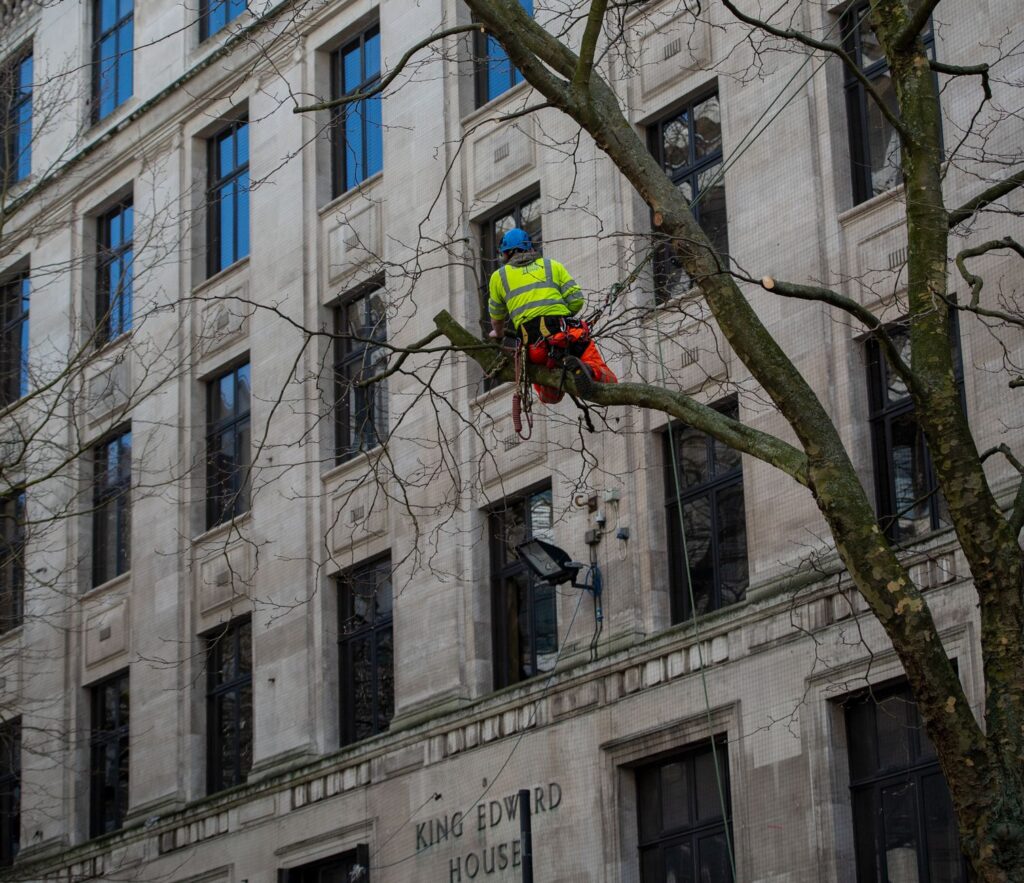
Call for an assessment when the pattern suggests decay or insects rather than a casual visit. The warning signs worth a phone call are: a large excavation on the trunk or a major limb; woodpecker activity on an ash tree with a thinning crown; fungal growth at the base; a visible crack or lean that is new; or a tree standing close to a house, driveway, play area, or power line. In those situations, a certified arborist can assess the tree’s structural condition and tell you whether it needs monitoring, targeted pruning, cabling, or removal.
In New Jersey, you can look for an ISA Certified Arborist through the ISA’s Find an Arborist directory, and it is wise to ask for a written assessment and proof of insurance before any work begins. If the tree is a street tree or sits in the right-of-way, check with the township before doing anything, since the rules for work in the right-of-way are different from those on your own lot. The township’s tree removal regulations are the place to start.
For a healthy tree with a few scattered holes, the best advice is often to enjoy the show. A woodpecker working the bark on a quiet November morning is one of the pleasures of living under mature trees. Just keep an eye out, take a few photos, and let what the tree and the bird are telling you decide whether it is time to make that call.
Photo credits: Featured image by Veronika Andrews on Pexels; Section 1 by Andrew Patrick Photo on Pexels; Section 2 by Aaron J Hill on Pexels; Section 3 by Tom Fisk on Pexels; Section 4 by Mikhail Peace on Pexels; Section 5 by Robert So on Pexels; Section 6 by Amar Preciado on Pexels; Section 7 by Margo Evardson on Pexels.