
Middletown's #1 Tree Expert Company
FREE Inspection & Estimate | Certified Arborists | Trimming, Pruning, Removal, More!
Sponsored
The Rake-and-Bag Habit Middletown Trees Never Asked For
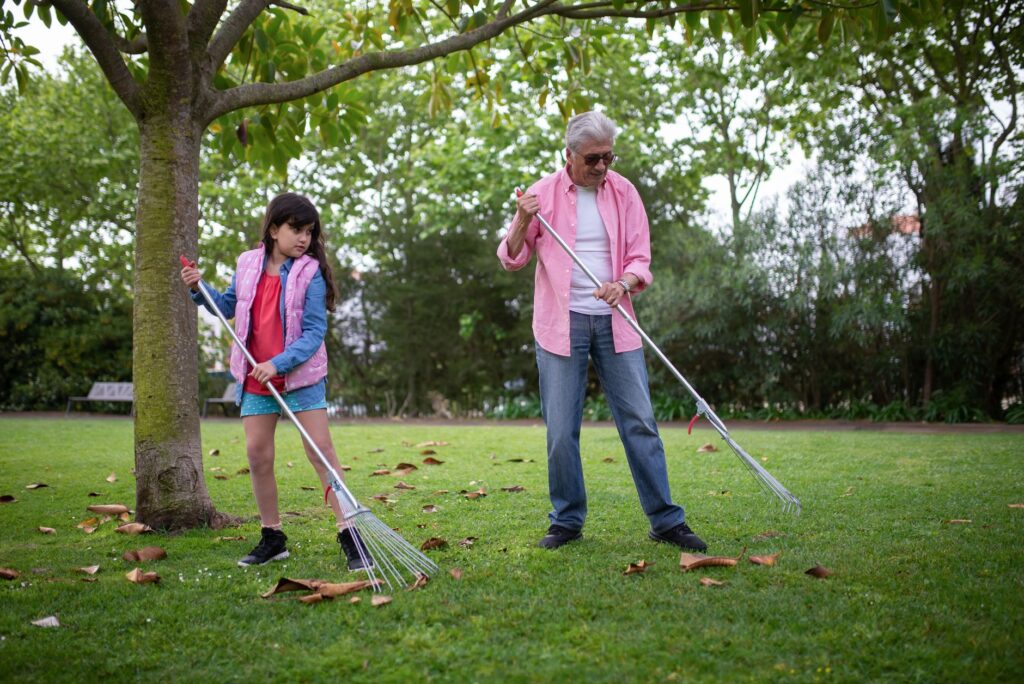
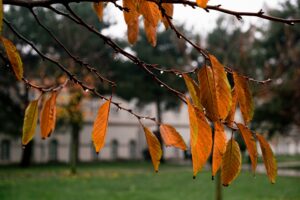
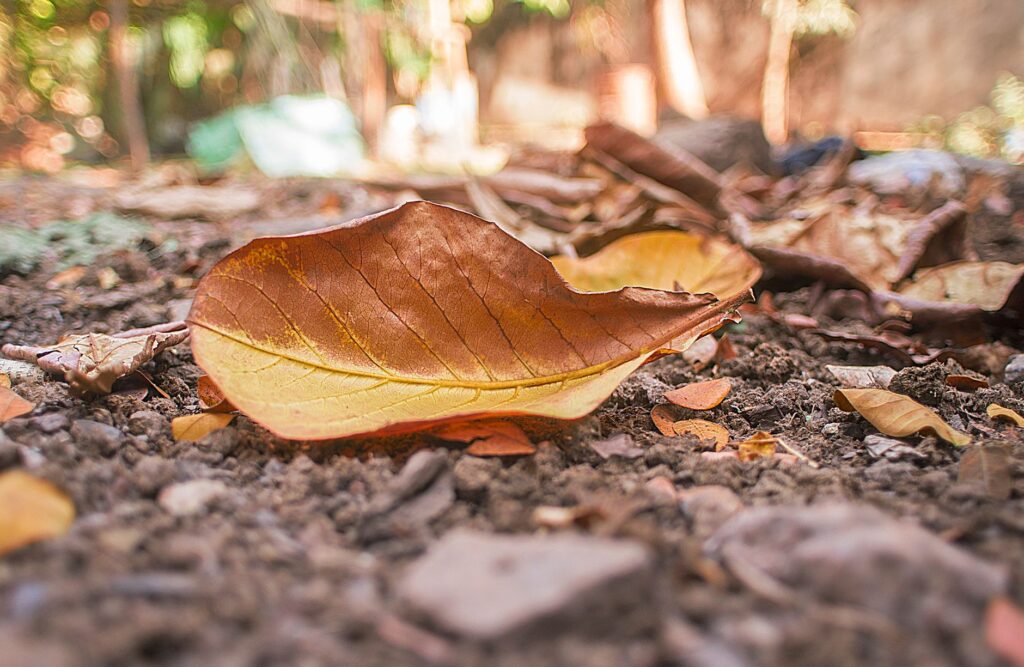
By the third week of September, the sugar maples (Acer saccharum) along the older streets of Lincroft and Belford are already tipping toward gold at the crown, and within a few weeks the annual ritual begins: rake, bag, curb, repeat. It is one of the most deeply ingrained lawn-care habits in Middletown Township, and it is also one of the more counterproductive things a tree owner can do to the soil directly beneath the canopy that just shed those leaves.
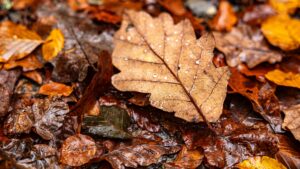
A tree does not drop its leaves as waste. Each one is a small parcel of nutrients — nitrogen, phosphorus, potassium, calcium — that the tree pulled out of the soil over the growing season and is now returning. In an undisturbed forest at Hartshorne Woods Park or Poricy Park, that leaf layer breaks down in place, and the nutrients cycle right back into the root zone. In a typical Middletown yard, that cycle gets interrupted at the curb.
None of this means abandoning yard care. It means being deliberate about where those leaves end up, especially on the clay-loam soils common across this part of Monmouth County, where organic matter is often the single biggest lever a homeowner has over root health.
What Decomposing Leaves Actually Do Underground

Leaf litter left in place does three things a bag of leaves at the curb cannot. First, it insulates. As night temperatures start dropping into the 40s across the Bayshore in October, a two-to-three-inch layer of leaves moderates soil temperature swings around fine roots, the delicate feeder roots responsible for most water and nutrient uptake. Second, it feeds the soil food web. Fungi, bacteria, earthworms, and countless invertebrates break the litter down over the fall and winter, and their activity is what actually builds usable soil structure — something clay-heavy Middletown lots are usually short on. Third, it slowly releases nutrients back into the root zone in a form far gentler than synthetic fertilizer, without the risk of burning surface roots or running off into storm drains that lead to the Navesink or Raritan Bay.
Rutgers Cooperative Extension has long recommended leaving shredded leaves on lawns and garden beds rather than removing them, noting the measurable improvements in soil organic matter and moisture retention over a single season. Under trees specifically, the effect compounds year over year — it is one of the reasons old-growth areas of Thompson Park have such dark, friable topsoil compared to a ten-year-old subdivision lawn nearby.
There is a real limit here, though. A thick, matted layer of whole leaves piled against turfgrass can smother it by spring, and a soggy mat pressed directly against a trunk invites bark decay and rodent activity. The goal is a loose, breathable layer over the root zone, not a leaf dam against the stem.
The Right Way to Leave Leaves Where They Fall
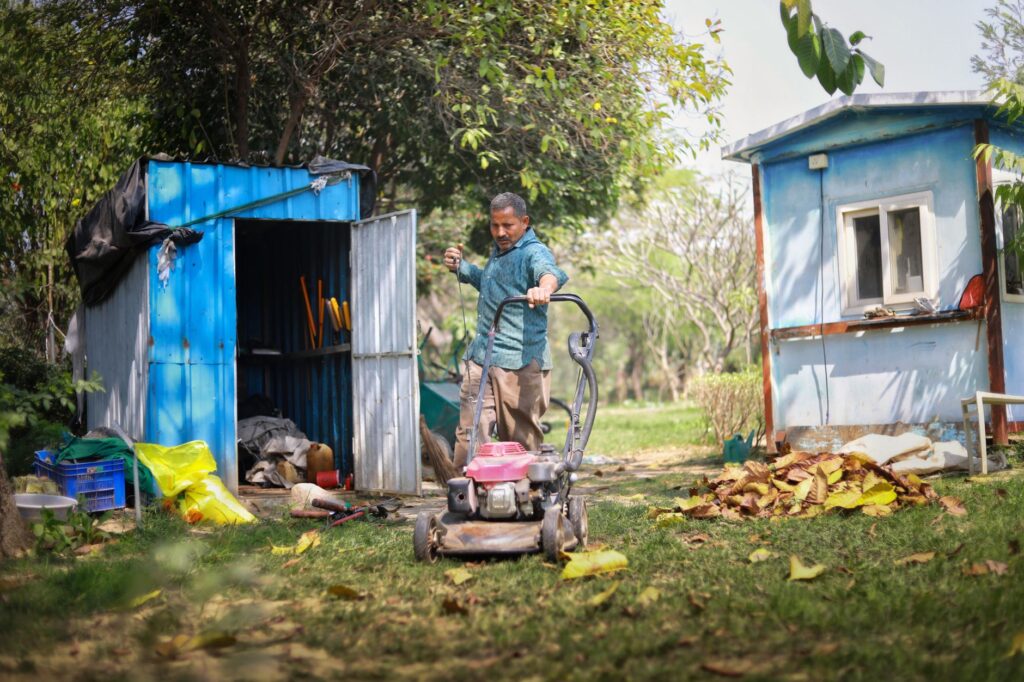
The simplest approach for most Middletown properties is to run a mulching mower over leaves on the lawn every week or so through October and into November, shredding them into dime-sized pieces that filter down between grass blades and disappear within a couple of weeks. This works well up to a fairly heavy leaf load — studies from extension programs across the Northeast have found lawns tolerate a surprising volume of shredded leaf litter without any thinning or fungal problems.
Under the canopy itself, where turf usually struggles anyway, raking leaves off the lawn and directly onto the root zone as a loose mulch layer is even more effective. A few guidelines keep it from becoming a liability:
- Keep the layer to two or three inches deep, no more — thicker mats stay wet and can promote fungal issues rather than prevent them.
- Pull leaves back a few inches from the trunk flare itself; leaves piled against bark trap moisture the way an over-mulched volcano does.
- Spread the layer out to the drip line where possible, rather than mounding it close to the trunk. Feeder roots extend well past the canopy edge on a mature oak or maple.
- Whole oak and beech leaves take longer to break down than maple or ash — running them through the mower first speeds decomposition considerably.
For homeowners with more leaves than any single root zone can use, a simple leaf-and-yard-waste compost pile in a back corner of the property turns the surplus into a usable soil amendment by the following fall, rather than sending it to the curb at all.
Middletown's #1 Tree Expert Company
FREE Inspection & Estimate | Certified Arborists | Trimming, Pruning, Removal, More!
Sponsored
Working With Middletown's Curbside Leaf Program, Not Against It
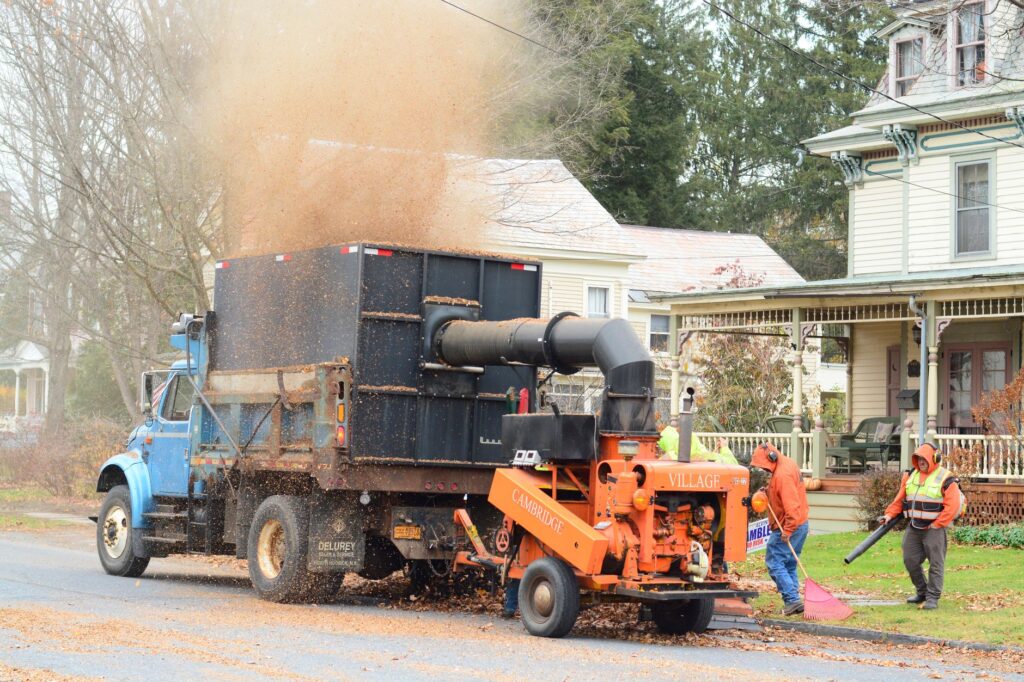
None of this means opting out of Middletown Township’s seasonal curbside leaf collection, which most homeowners rely on for the bulk of a big property’s leaf volume. The point is to be selective rather than automatic about what leaves the yard entirely. A large canopy oak on a quarter-acre lot in Middletown can drop several hundred pounds of leaves over a six-week stretch — more than any single root zone or backyard compost pile can reasonably absorb. Sending the overflow to the curb for municipal collection, after keeping a working layer under the tree’s own canopy and a modest reserve for garden beds, is a perfectly reasonable split.
Homeowners can check current collection schedules and yard-waste guidelines directly through Middletown Township’s official site, since pickup zones and dates shift slightly from year to year. Piling leaves in the street before the scheduled window, or raking them into storm drains to get rid of them faster, both create real problems — clogged catch basins are a documented contributor to localized street flooding after heavy fall rain events along low-lying stretches near the Bayshore.
The reframe is simple: think of curbside collection as the outlet for surplus, not the default destination for every leaf that falls.
When Bagging Still Makes Sense
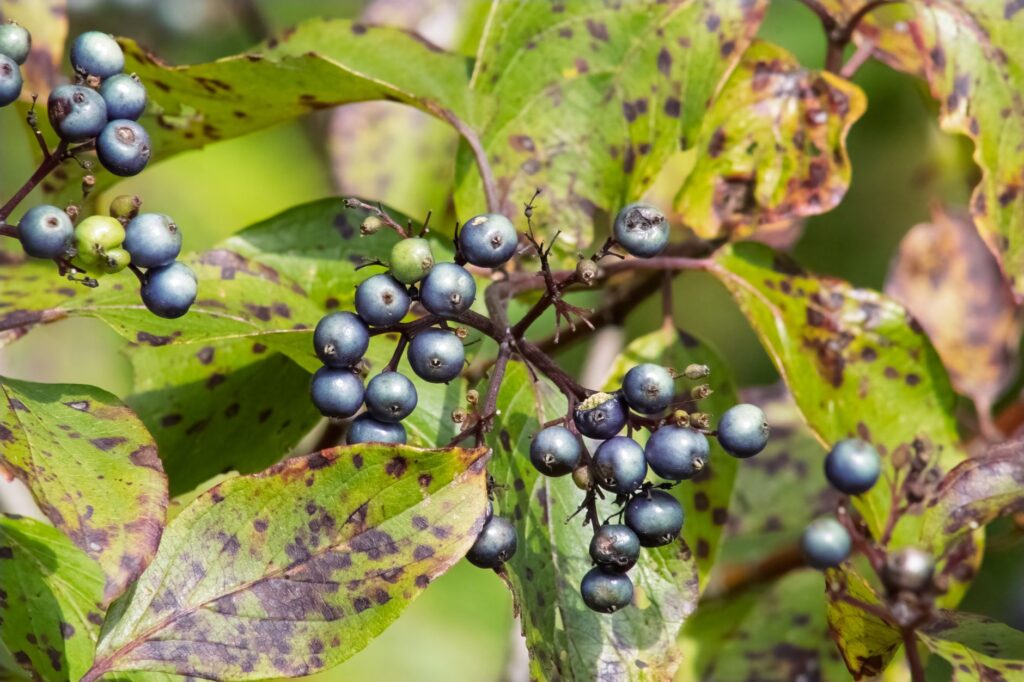
There are legitimate exceptions. Leaves from trees showing active disease — anthracnose on dogwoods, apple scab on ornamental crabapples, or tar spot on Norway maples — are better collected and removed rather than left to overwinter as a source of reinfection the following spring. The USDA Forest Service and most extension pathologists recommend sanitation removal specifically for fungal leaf diseases, even though it runs counter to the general leave-them-in-place guidance for healthy trees.
Leaves that land on paved walkways, storm drains, or directly against a home’s foundation should also be cleared regularly, both for safety on wet pavement and to keep municipal drainage systems clear ahead of the heavier rain that often accompanies nor’easters moving up the coast in late fall.
And if a lawn area gets so completely buried that grass blades are no longer visible after mowing, that is the signal to rake the excess into garden beds or the compost pile rather than let it sit.
Reading What This Fall's Leaf Drop Is Telling You
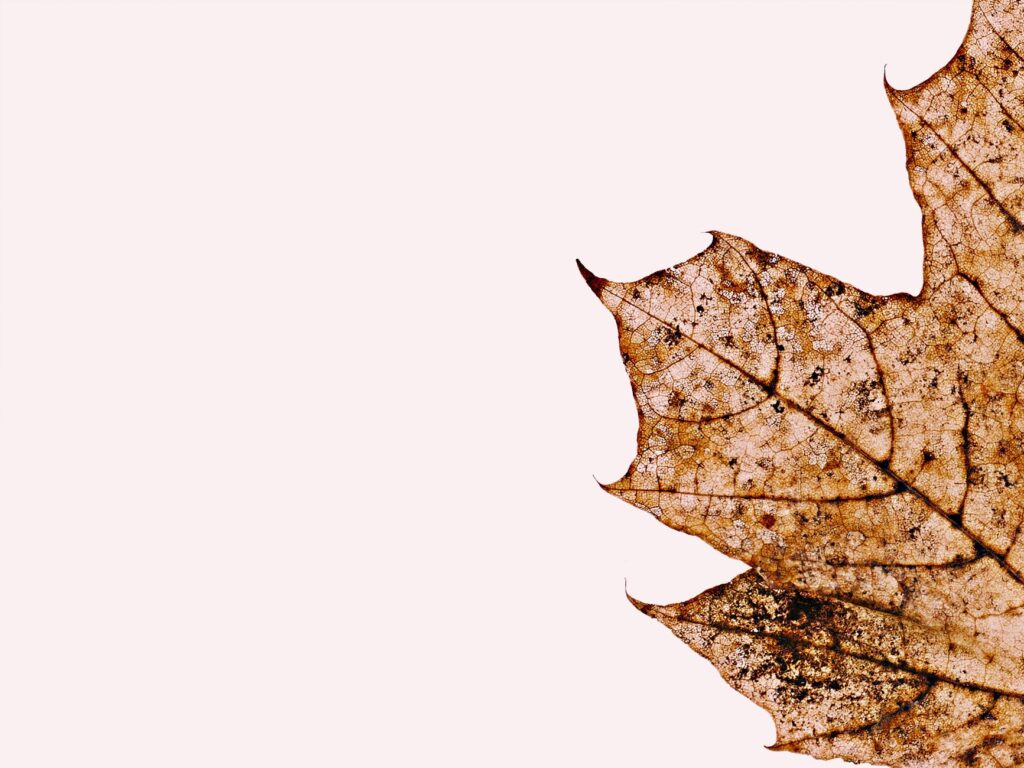
While raking, it is worth paying attention to what is actually falling. Leaves that turned brown and dropped early in August or early September, well ahead of a tree’s neighbors of the same species, often point to drought stress, root zone compaction, or a vascular problem rather than normal seasonal timing. Leaves with scorched, browned margins but a still-green center are a classic sign of a summer that ran hotter and drier than a tree’s roots could keep up with — common this year on trees planted within the last three to five years, whose root systems haven’t yet spread far enough to buffer a dry stretch.
Uniform, on-schedule color change and drop, on the other hand, is simply a tree doing what it is supposed to do as daylight shortens — reabsorbing chlorophyll’s nitrogen and magnesium before the leaf’s abscission layer lets it go. That is the leaf litter worth keeping close to home.
Middletown's #1 Tree Expert Company
FREE Inspection & Estimate | Certified Arborists | Trimming, Pruning, Removal, More!
Sponsored
A Small Habit With a Long Payoff
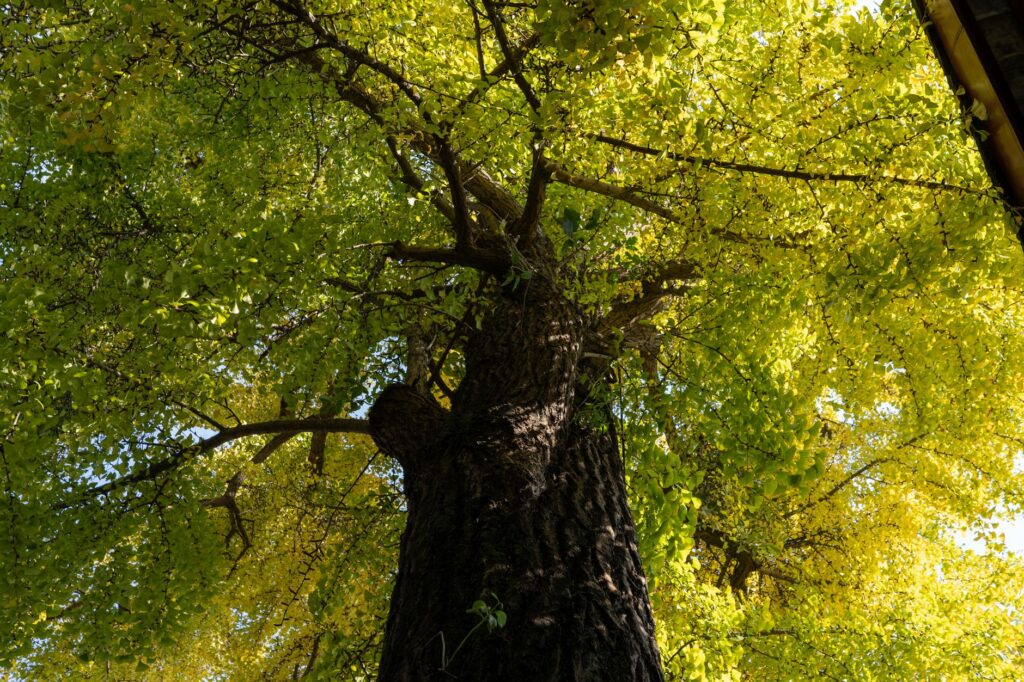
None of this requires special equipment beyond a mower most homeowners already own. It requires a shift in framing: leaves are not lawn debris to be hauled away, they are the nutrient budget a tree spent all summer assembling, and the root zone is the most logical place for that budget to be spent. Over several seasons, yards that keep their leaf litter in some form — shredded on the lawn, mulched under the canopy, or composted and reapplied — consistently show darker, more workable topsoil and less need for supplemental fertilizer than yards that send every leaf to the curb.
For trees already showing stress signs beyond what a fall mulch layer can address — thinning canopy, dieback, leaning, or the early, patchy leaf drop described above — a soil and root zone issue may be more advanced than a homeowner can diagnose from the surface. That is a good time to have a certified arborist take a look before winter sets in, while roots are still active enough to respond to whatever the assessment turns up. The ISA’s Trees Are Good directory is a reliable place to find one credentialed for exactly this kind of diagnostic work.
Photo credits: Featured image by Zett Foto on Pexels; Section 1 by Kampus Production on Pexels; Section 2 by Erika Kujek on Pexels; Section 3 by Shahrukh Dawar Khan on Pexels; Section 4 by Bruce Squiers on Pexels; Section 5 by Tim Dusenberry on Pexels; Section 6 by Em Everyday Living on Pexels; Section 7 by Peter Xie on Pexels.