Middletown's #1 Tree Expert Company
FREE Inspection & Estimate | Certified Arborists | Trimming, Pruning, Removal, More!
Sponsored
What Your Tree's Bark Has Been Trying to Tell You All Summer
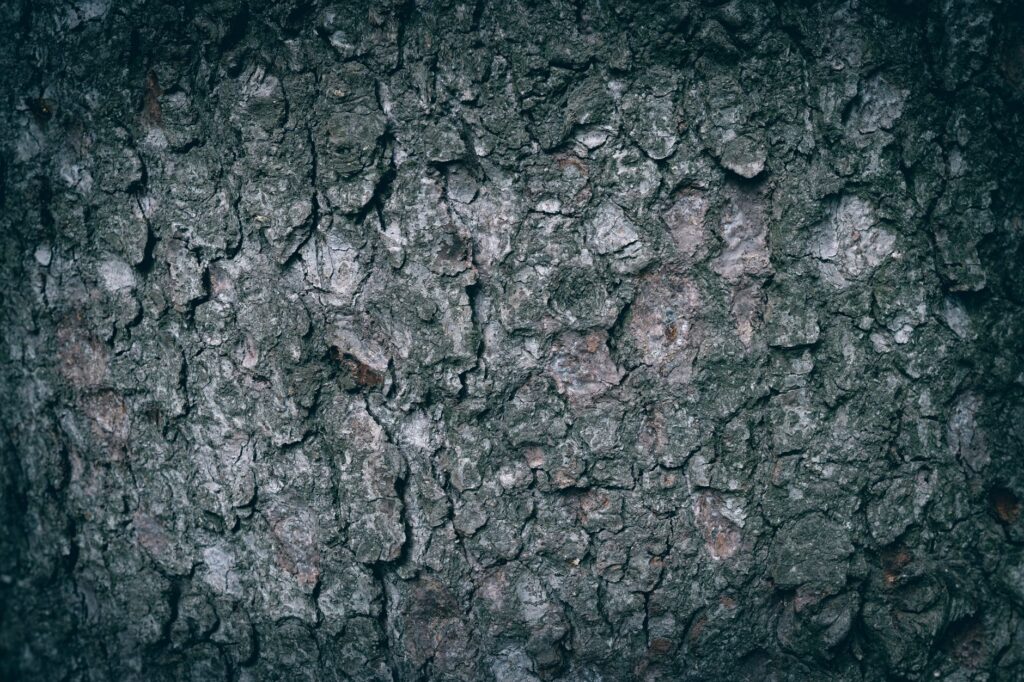
Walk the yard slowly some September evening — not the quick lap to grab the mail, but the kind of walk where you actually put a hand on the trunk — and most Middletown homeowners notice something they’d missed all season. A vertical seam running up the bark of the red maple (Acer rubrum) by the driveway. A sunken, discolored patch on the pin oak (Quercus palustris) near the property line. A dark, wet streak trailing down the bark of the shade tree that’s been there longer than the house. None of it is dramatic. All of it is information.
Bark is a tree’s skin, and like skin, it registers stress long before the crown does. A tree that looks perfectly green from the street can already be compartmentalizing a wound, fighting a canker, or venting internal pressure through a crack — and the bark is where that story shows up first, if you know how to read it. After a summer of heat, drought stretches, and the wind load from a couple of strong storms, September is exactly the right time to look, because whatever damage the season caused has had time to become visible without yet being buried under a full leaf drop.
This isn’t about diagnosing disease from a photo or reaching for a fungicide. It’s about learning the difference between the marks that are simply part of how a tree lives on Middletown’s clay-loam soils near the Bayshore, and the ones worth a second opinion before winter.
Cracks: Growth, Weather, and the Ones That Matter
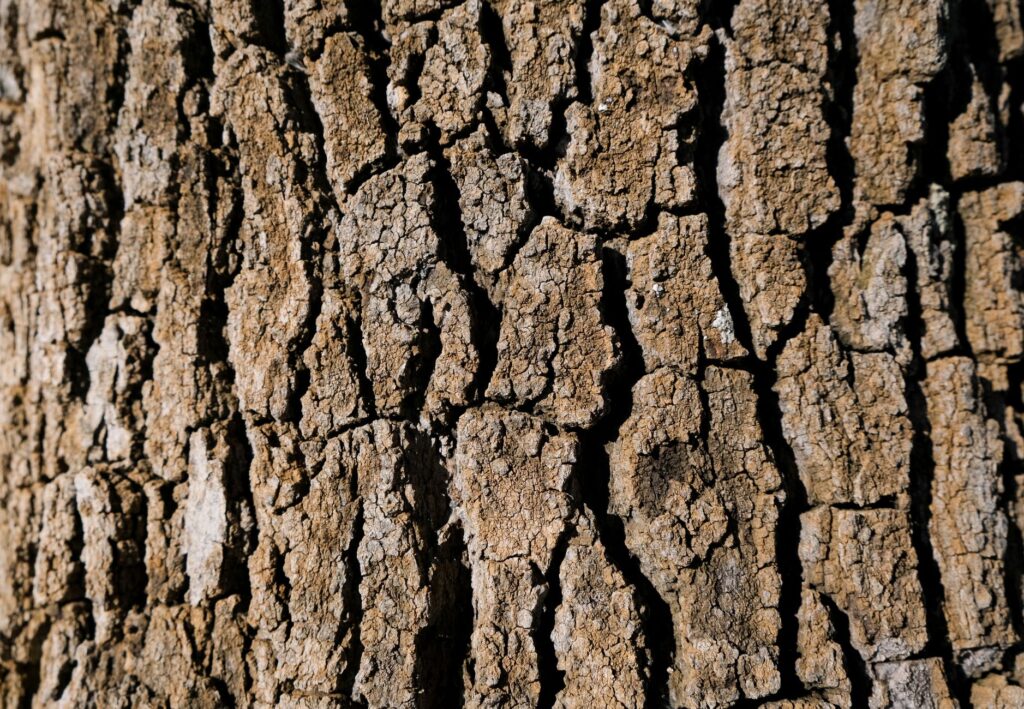
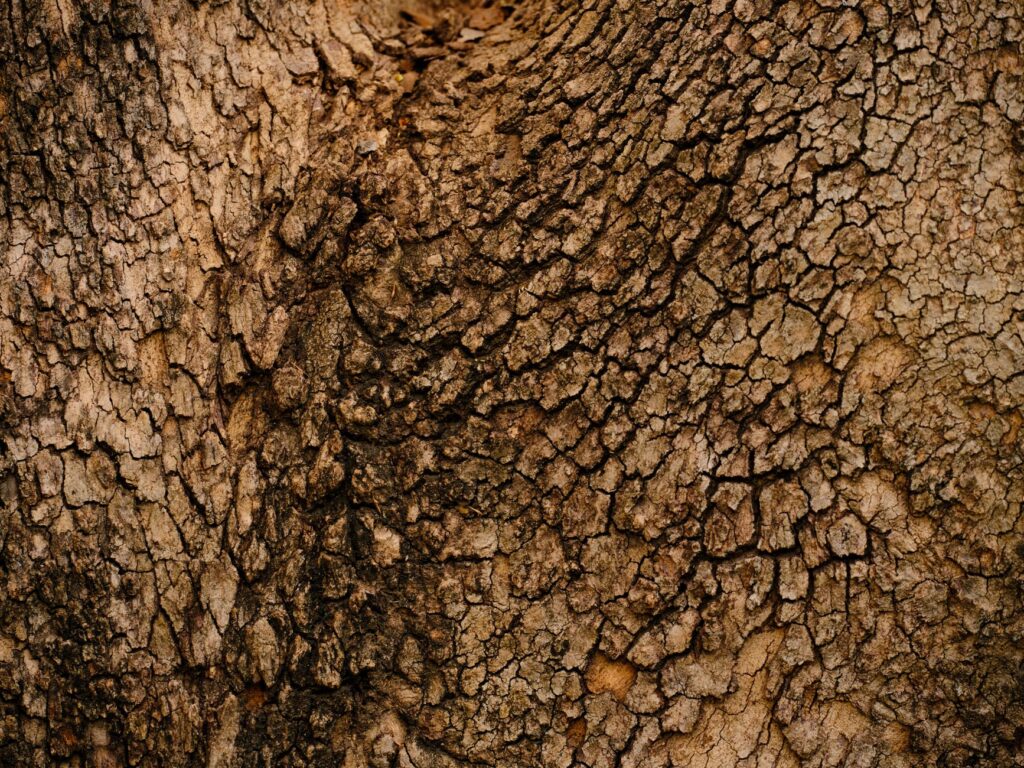
Not every crack is a problem. Young, fast-growing trees — tulip poplar (Liriodendron tulipifera) is a good local example — can develop shallow, corky fissures simply because the trunk’s diameter is outpacing the bark’s ability to stretch smoothly. These run with the grain, look consistent on both sides of the trunk, and the tissue underneath stays tight and attached. That’s ordinary secondary growth, not damage.
Frost cracks are a different animal, and they show up on species with smooth, thin bark — American beech (Fagus grandifolia) and young maples are classic candidates. A hard freeze after a warm spell causes the outer wood to contract faster than the inner wood, and the trunk splits radially, usually on the south or southwest side where winter sun warms the bark by day. These cracks often reopen along the same seam for years and can become an entry point for decay fungi if they’re left unaddressed.
The crack worth taking seriously is the one that appears suddenly, runs vertically through a branch union or a section with included bark, and is accompanied by any bulging, oozing, or a hollow sound when tapped nearby. That combination can indicate a structural failure developing inside the tree rather than a surface response to weather — the kind of thing that warrants a trained eye before the next nor’easter tests it. The International Society of Arboriculture’s guide to hazard tree signs is a useful reference for exactly this distinction.
Cankers: The Sunken Spots That Mean the Tree Is Losing a Fight
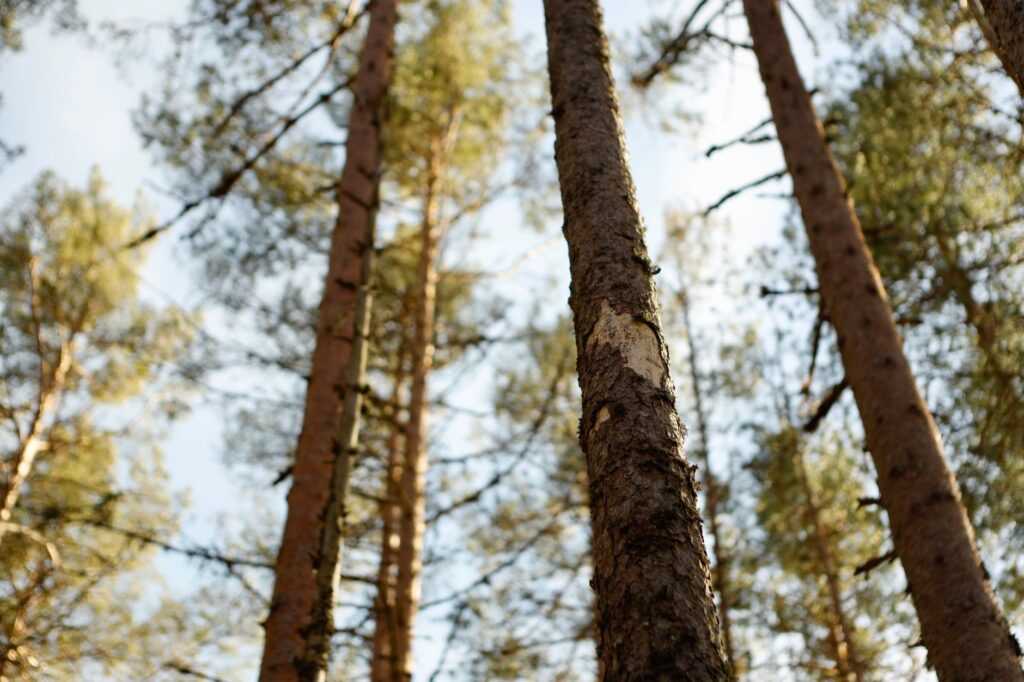
A canker is a localized area of dead bark and cambium, usually sunken or discolored relative to the healthy tissue around it, sometimes cracked open at the edges or oozing. Cankers form where a fungal or bacterial pathogen has gotten past the bark’s defenses — through a pruning wound, storm damage, sunscald, or even a lawn mower nick — and the tree is actively walling the infection off rather than simply healing over it.
In Monmouth County landscapes, cankers show up most often on trees that were already under some other stress: drought-stressed dogwoods, maples with old mower wounds at the base, or fruit trees and ornamentals that got nicked during last winter’s pruning. A canker doesn’t necessarily mean the tree is dying — many trees wall off a single canker and keep growing around it for decades — but multiple cankers, or one that’s expanding and girdling a significant portion of the trunk or a major limb, changes the calculus considerably. Girdling cankers cut off the flow of water and nutrients to everything above them, and that damage doesn’t reverse.
Rutgers’ Plant Diagnostic Lab can identify the specific pathogen behind a canker if it matters for management — useful when a valuable specimen tree is involved and the homeowner wants to know whether treatment or removal makes more sense.
Middletown's #1 Tree Expert Company
FREE Inspection & Estimate | Certified Arborists | Trimming, Pruning, Removal, More!
Sponsored
Weeping and Seeping: Sap Isn't Always a Bad Sign
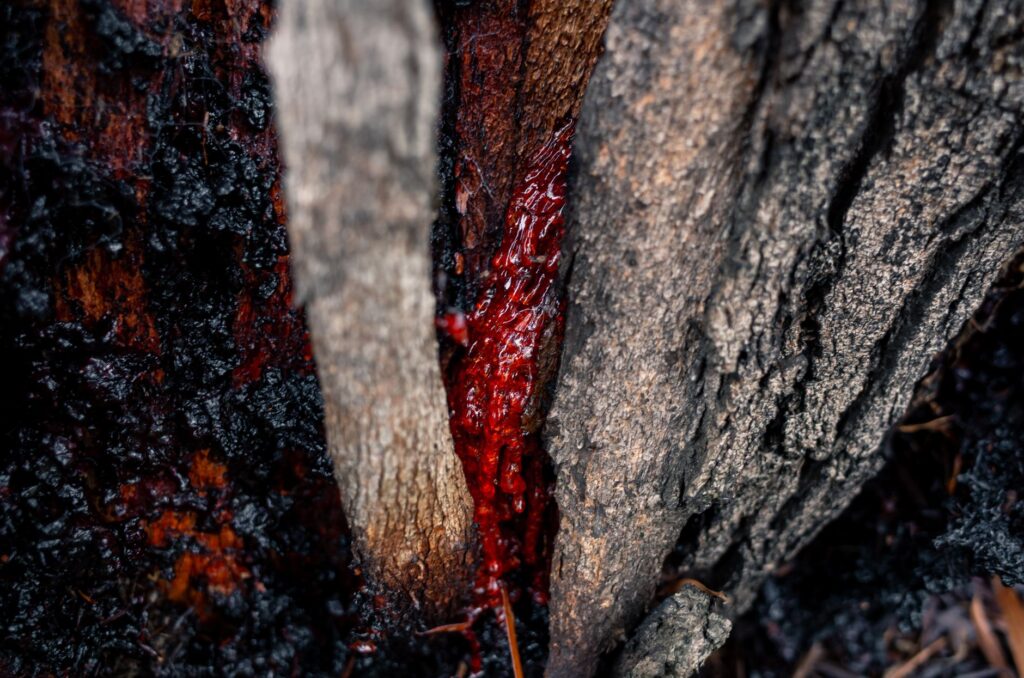
Of the three, seeping bark tends to alarm homeowners the most, and it’s also the one most likely to be misread. A few things can cause wetness on a trunk, and they don’t all mean the same thing.
Slime flux, also called wetwood, is a bacterial condition common in older shade trees — elms, oaks, and maples especially — where internal gas pressure forces a foul-smelling, often foamy liquid out through a wound or crack. It looks worse than it usually is; slime flux is more of a chronic condition than an acute emergency, though the wet bark can eventually kill the cambium underneath if it persists for years in one spot.
Sap flowing from small, evenly spaced rows of shallow holes, on the other hand, is almost always a yellow-bellied sapsucker’s work, not disease — a woodpecker that drills sap wells and returns to feed on both the sap and the insects it attracts. It looks alarming on birch and maple bark in particular but rarely threatens a healthy tree unless the same trunk section gets drilled year after year.
The seep that deserves attention is thick, dark, and associated with a crack, canker, or area of dead bark — sometimes described as bleeding canker — particularly on beech or oak. That combination points toward an active infection rather than a bird or a pressure-release event, and it’s worth documenting with a photo and a date so any change can be tracked.
How to Do a Bark Walk Without Overreacting
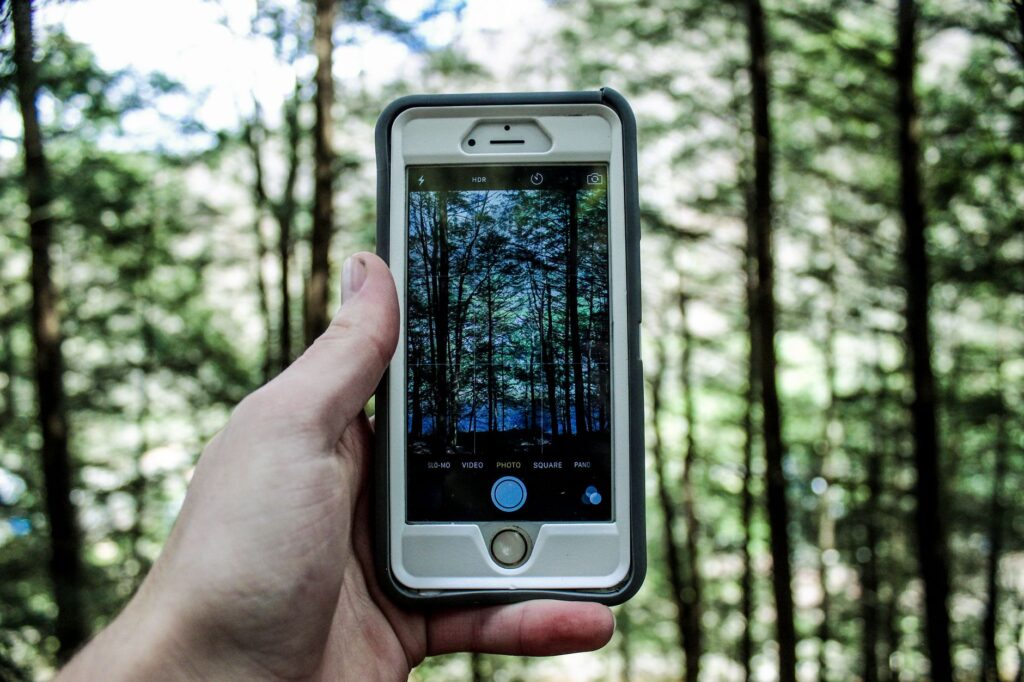
A useful habit, and one that takes maybe fifteen minutes per tree, is a simple annual bark walk: circle the trunk at a slow pace, look from ground level up as high as you can see, and use a phone camera to document anything unusual with the date. The point isn’t to catch every tree in a bad diagnosis — it’s to build a record, because a canker or crack that looks identical in September and again next April is a very different situation from one that’s visibly expanded.
A few things worth checking on that walk:
- The root flare at the base — look for cracking or oozing right where trunk meets soil, a common spot for basal cankers and decay to start
- Old pruning cuts and storm wound sites, which are the most common entry points for canker-causing pathogens
- The trunk’s south and southwest faces, where frost cracks and sunscald are most likely to appear
- Major branch unions, especially any with a tight, V-shaped angle and included bark, where structural cracks tend to originate
Keep the photos in a folder by tree. It costs nothing and turns a vague worry (“didn’t that look different last year?”) into an actual comparison the next time something changes.
When Bark Signs Cross the Line From Watch to Call
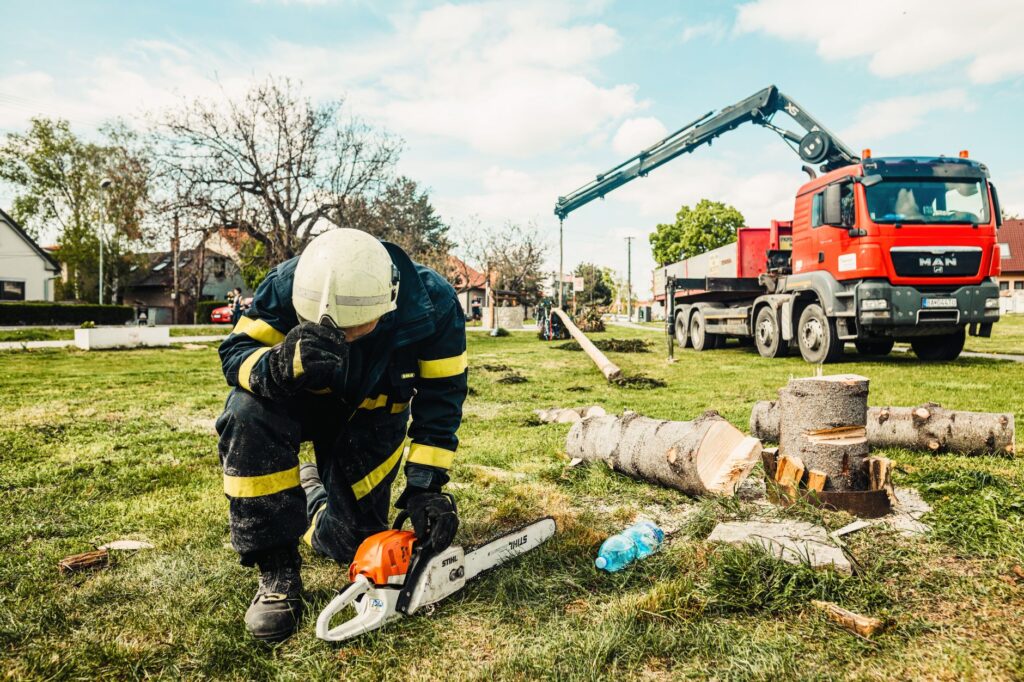
Most of what a bark walk turns up falls into the watch-and-note category. A few signs move a tree into call-someone territory, particularly with fall storm season still ahead:
A crack that runs into a major branch union, especially one with a hollow or dull sound when tapped nearby, rather than the solid thud of healthy wood. A canker that has visibly grown since the last time it was checked, or one that now wraps more than a third of the trunk’s circumference. Dark, foul seepage paired with dieback in the canopy directly above it. Any of these on a tree positioned over a house, driveway, or the spot where kids or cars regularly pass — because the consequence of being wrong changes with what’s underneath.
A certified arborist brings tools a homeowner’s eye can’t — a mallet for sounding out hollow sections, sometimes a resistance drill or sonic tomograph for suspected internal decay — and training in how fast a given pathogen typically progresses in this region’s climate. The USDA Forest Service’s urban forestry program is a good starting point for homeowners who want to understand the broader science behind tree risk assessment before that call.
Middletown's #1 Tree Expert Company
FREE Inspection & Estimate | Certified Arborists | Trimming, Pruning, Removal, More!
Sponsored
Bark Tells the Truth Early — If Someone's Looking
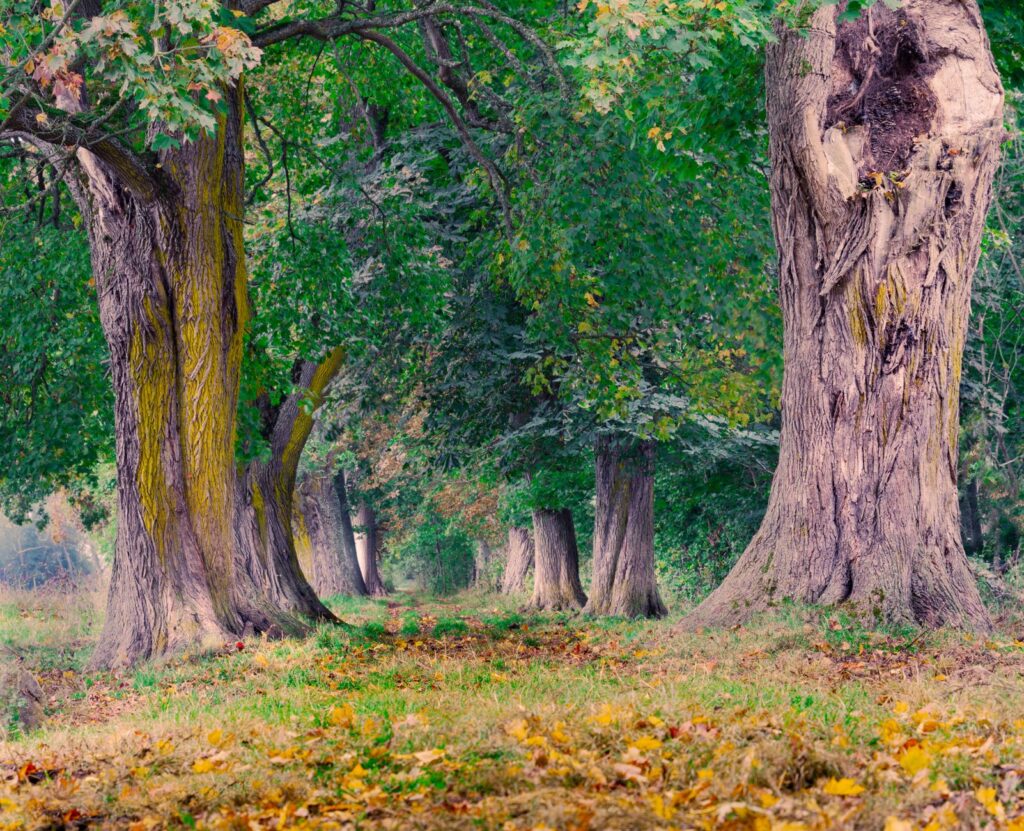
None of this requires becoming a plant pathologist. It requires fifteen minutes, a phone camera, and the habit of actually looking at the trunk instead of walking past it on the way to the leaves and the lawn. Most bark marks turn out to be nothing more than a tree doing what trees do — growing, healing, venting a little pressure. The ones that matter are the ones that change: a crack that widens, a canker that spreads, a seep that turns from clear to foul.
Trees on Middletown’s clay-loam soils carry the marks of a full growing season by mid-September, and reading those marks now, before leaf drop makes the trunk harder to inspect and before the next round of fall storms arrives, is one of the simplest things a homeowner can do for a tree that took decades to grow. When something on the bark doesn’t sit right — or a homeowner just wants a second, trained set of eyes before winter — a certified arborist can put a name to what’s showing and a timeline on what, if anything, needs to happen next.
Photo credits: Featured image by Engin Akyurt on Pexels; Section 1 by Wyxina Tresse on Pexels; Section 2 by Magda Ehlers on Pexels; Section 3 by Vladislav Šmigelski on Pexels; Section 4 by Sonny Sixteen on Pexels; Section 5 by Justin Hamilton on Pexels; Section 6 by Helena Jankovičová Kováčová on Pexels; Section 7 by Damir K on Pexels.