
Middletown's #1 Tree Expert Company
FREE Inspection & Estimate | Certified Arborists | Trimming, Pruning, Removal, More!
Sponsored
Your Tree Doesn't Read a Calendar, But It Reads the Sky
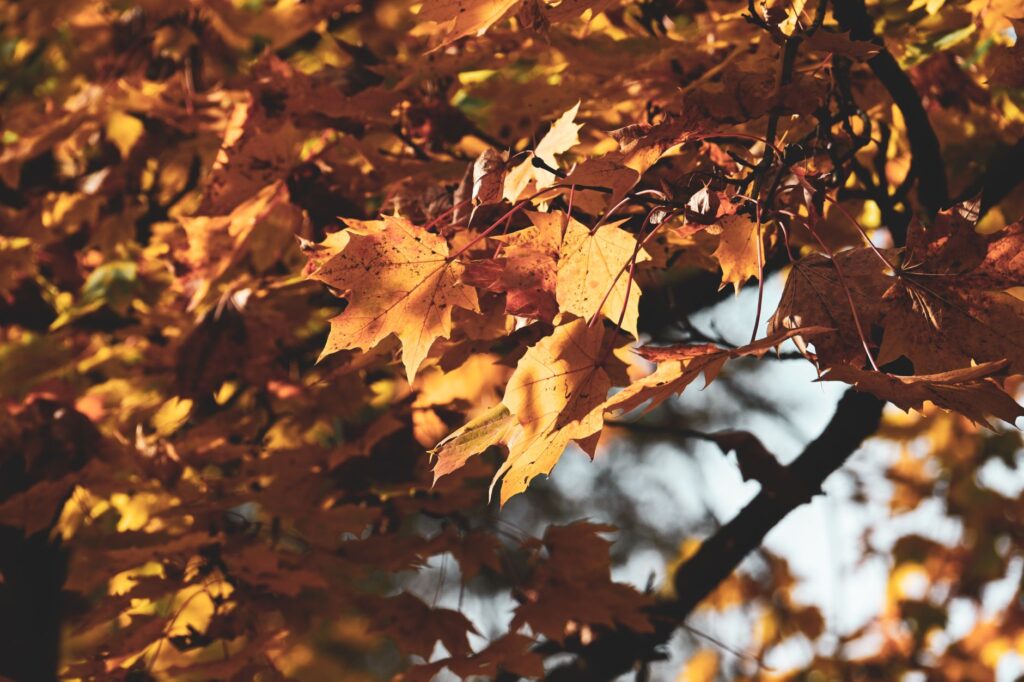
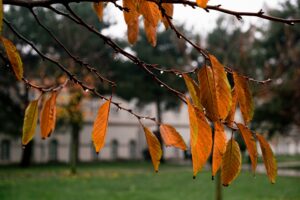
By the first week of September, the trees around Middletown Township are getting a different signal than they were in July. It isn’t the temperature — a Bayshore afternoon can still push into the 80s well into the month. It’s daylength. As the photoperiod shortens, a red maple (Acer rubrum) or a pin oak (Quercus palustris) begins reallocating resources: less energy toward new leaf tissue, more toward sugars and starches banked in the roots and trunk for winter. That shift matters for anyone who has spent the summer hauling a hose or running a drip line, because the watering routine that kept a tree alive in July’s heat is not the routine it needs now.
This is the question homeowners bring up most in early fall: keep watering the way you have been, or back off? The honest answer is neither extreme. A tree that gets cut off cold in September, especially one planted in the last two or three years, can head into winter under-hydrated at exactly the point its roots are doing some of their most important work. A tree that keeps getting soaked on a July schedule can sit in saturated clay-loam with nowhere for oxygen to go. The goal is a taper — a deliberate, gradual reduction that tracks what the tree is actually doing below ground, not what the thermometer says above it.
What's Actually Happening Underground Right Now

It’s a common misconception that trees go dormant the moment leaves start to turn. Above ground, growth does slow and eventually stop. Below ground, it’s closer to the opposite. Soil temperatures in Monmouth County typically stay warm enough for root growth well into November, even after several frosts, because soil loses heat far more slowly than air. Meanwhile the tree isn’t fighting summer’s transpiration demand anymore — less water is being pulled up and lost through the leaves, so less needs to be replaced at the roots.
That combination — warm enough soil, lower water demand overall — is exactly why fall is such a strong window for root establishment, something Rutgers Cooperative Extension and other regional research programs point to consistently for tree establishment in the Northeast. It’s also why the watering conversation in September isn’t really about turning off the tap. It’s about matching a smaller amount of water to a root system that’s still working but no longer under summer stress.
For an established tree — one that’s been in the ground more than three years with a healthy root plate — natural rainfall is often enough from here through late fall in a normal year. For a tree planted this spring or last fall, the roots haven’t yet spread far enough to reliably find their own water, and they still need help.
The Taper, Practically: How to Actually Scale Back

Rather than cutting a watering schedule off in one week, spread the reduction over three to four weeks:
- Weeks 1-2 (early-to-mid September): Drop from a summer schedule of twice weekly to once weekly. Keep the volume the same — a slow, deep soak that reaches 8-12 inches down, not a quick surface sprinkle.
- Weeks 3-4 (late September): Move to once every 10-14 days, adjusted for rainfall. If a nor’easter or a strong coastal storm drops an inch or more, skip that cycle entirely.
- October onward: For established trees, let rainfall carry most of the load. For newly planted trees, continue a deep watering roughly every two weeks until the ground begins to freeze, which in this part of Monmouth County is typically not until December.
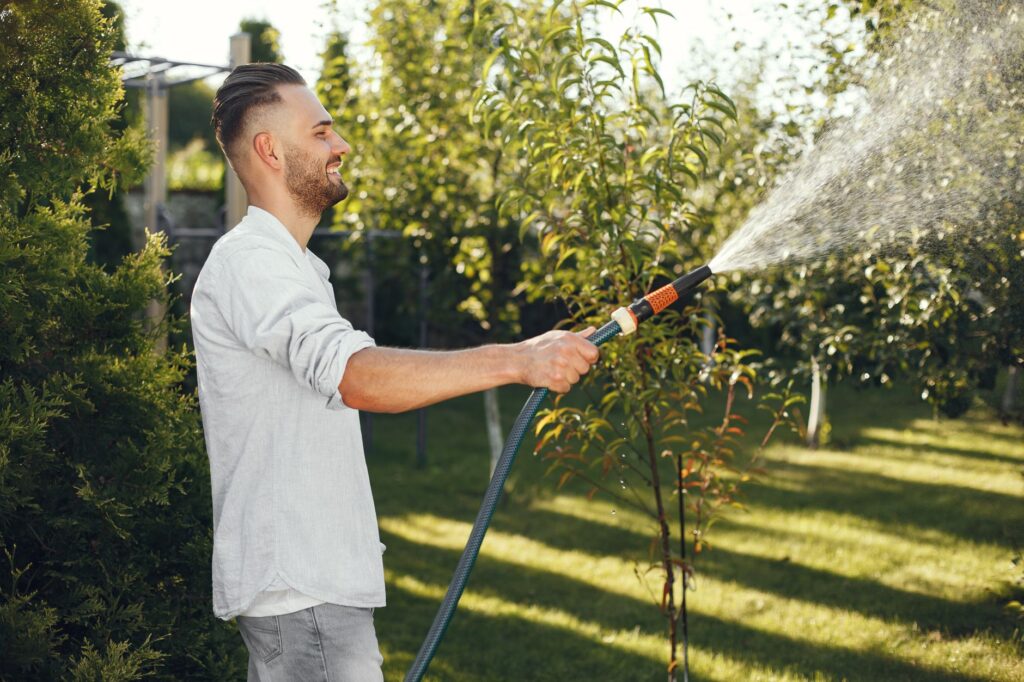
The method matters as much as the schedule. A screwdriver test is the fastest gut-check: push a long screwdriver into the soil near the dripline. If it slides in easily to 6 inches, there’s enough moisture. If it stops hard at 2-3 inches, it’s time to water regardless of where you are in the taper. Always water at the dripline — the ring roughly under the canopy’s outer edge — rather than against the trunk, since that’s where the active feeder roots are concentrated.
Middletown's #1 Tree Expert Company
FREE Inspection & Estimate | Certified Arborists | Trimming, Pruning, Removal, More!
Sponsored
Newly Planted Trees Need a Longer Runway
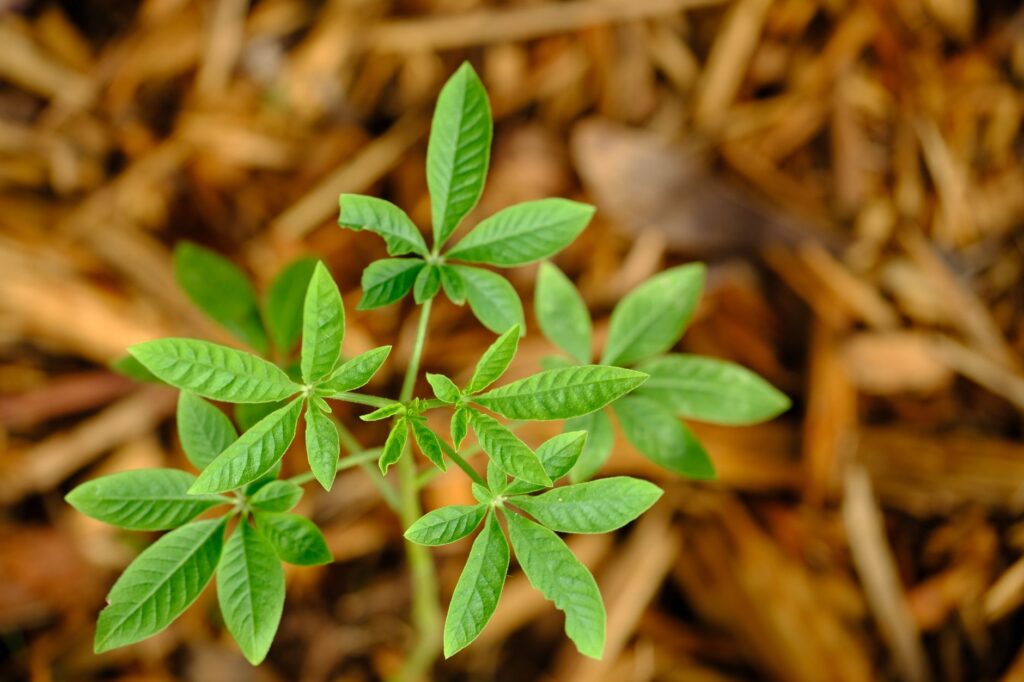
Anything planted within the last 24 months — especially spring 2026 plantings that spent their first summer establishing here — should not follow the same taper as a mature shade tree. A young tree’s root system is still confined to a fraction of the soil volume a mature tree can draw from, so it has far less buffer against a dry stretch. The USDA Forest Service generally recommends continued regular watering through the first two to three growing seasons, and that guidance doesn’t stop just because Labor Day has passed.
For these trees, keep the weekly deep-watering rhythm through most of September and only stretch to a 10-14 day interval once nighttime temperatures are consistently dropping into the 50s. A 2-3 inch layer of mulch, kept a few inches back from the trunk flare, does a lot of the moisture-retention work for you between waterings and moderates soil temperature swings as the season transitions — a small maintenance step that pays for itself heading into a Bayshore winter.
Reading the Warning Signs of Getting the Taper Wrong
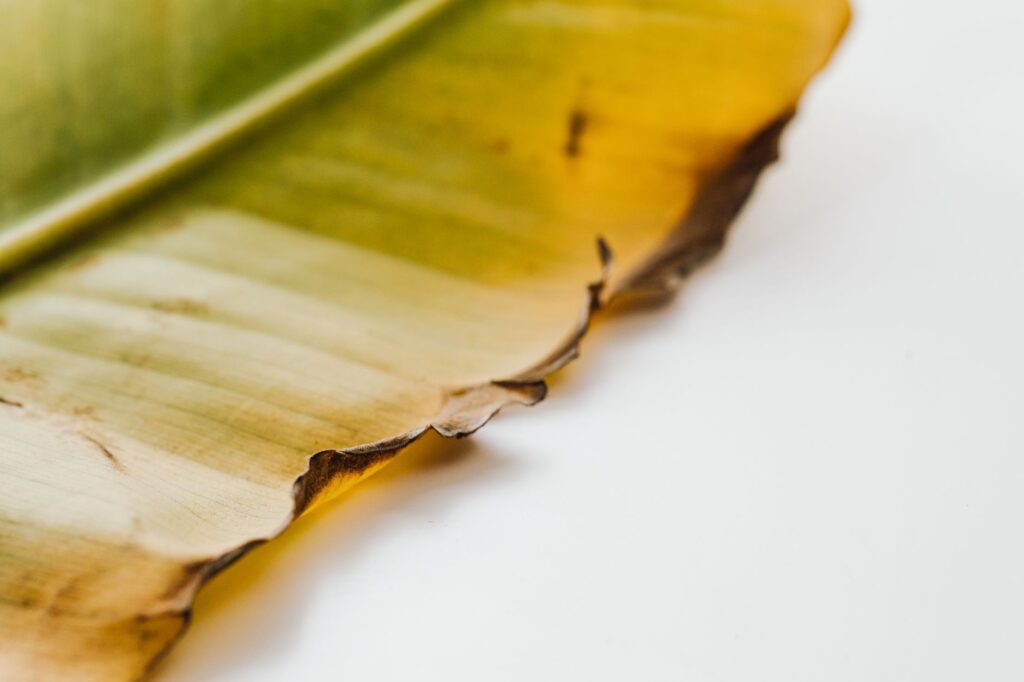
Two different problems show up if the taper is mistimed, and homeowners sometimes treat one as the other. Underwatering in early fall tends to show as marginal leaf scorch — browning along the leaf edges — or premature, uniform leaf drop across the whole canopy rather than the gradual color change you’d expect. Overwatering into fall, on the other hand, shows up as soil that stays soggy days after rain, a faint sour smell at the root zone, or leaves that yellow and drop while still mostly green rather than coloring normally.
Species matter here too. Trees native to wetter soils — river birch (Betula nigra), red maple, black gum (Nyssa sylvatica) — tolerate a slower taper and wetter fall soil reasonably well, which makes sense given how much of Middletown sits near the Bayshore’s higher water table. Trees that prefer drier, better-drained sites — white oak (Quercus alba), many hickories — are more sensitive to a fall root zone that stays saturated, and are the ones most likely to show stress if the taper happens too slowly.
Clay-Loam Soil Changes the Math

Much of Middletown Township sits on the clay-loam soils typical of the inner coastal plain, and that soil type holds water longer than the sandier soils closer to Sandy Hook and the immediate shoreline. A watering schedule that works well for a property near Port Monmouth’s sandier ground can easily overwater a similar tree a few miles inland in Lincroft or near Tatum Park. If you’re not sure which you have, the screwdriver test doubles as a soil-type check: sandy loam lets the screwdriver glide in with little resistance even when dry, while clay-heavy soil resists even when moist.
The practical takeaway is that the September taper isn’t a fixed schedule so much as a fixed principle — reduce gradually, water deeply and infrequently rather than often and shallowly, and let the soil and the tree’s own signals adjust the specifics. The Monmouth County Park System manages tree plantings across a range of these soil conditions locally and is a good reference point if you want to see how watering and mulching practices differ from one part of the county to another.
Middletown's #1 Tree Expert Company
FREE Inspection & Estimate | Certified Arborists | Trimming, Pruning, Removal, More!
Sponsored
When It's Worth Bringing in a Professional Eye
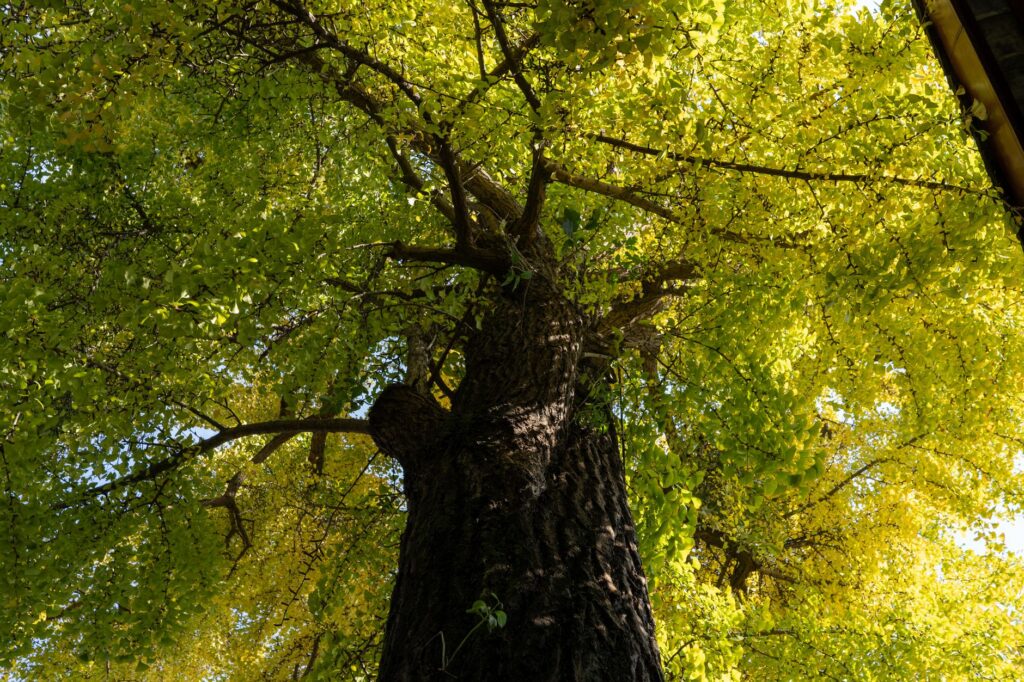
Most healthy, established trees don’t need anything more than the taper described here and a normal fall of rainfall. But a few situations are worth a second opinion from a certified arborist rather than guesswork. If a tree planted in the last year is showing consistent leaf scorch despite regular watering, the issue may not be water volume at all — it could be planting depth, a girdling root, or transplant shock that needs a trained eye to diagnose. Similarly, if a mature tree’s canopy is thinning unevenly or dropping leaves well ahead of its neighbors of the same species, that’s a signal worth having assessed before winter, not after.
The International Society of Arboriculture’s Trees Are Good resource is a solid starting point for homeowners trying to distinguish normal seasonal change from an actual problem. Getting the fall watering taper right is one of the simplest, lowest-cost things a homeowner can do for a tree’s long-term health — it just takes paying attention to what the calendar, the soil, and the tree itself are each saying, and not assuming they’re all saying the same thing.
Photo credits: Featured image by Gustavo Fring on Pexels; Section 1 by Alexas Fotos on Pexels; Section 2 by Walter Cunha on Pexels; Section 3 by Gustavo Fring on Pexels; Section 4 by Steven May on Pexels; Section 5 by https://kaboompics.com/ on Pexels; Section 6 by Rain Photography on Pexels; Section 7 by Peter Xie on Pexels.