Middletown's #1 Tree Expert Company
FREE Inspection & Estimate | Certified Arborists | Trimming, Pruning, Removal, More!
Sponsored
The Question Every Tree Owner Eventually Asks
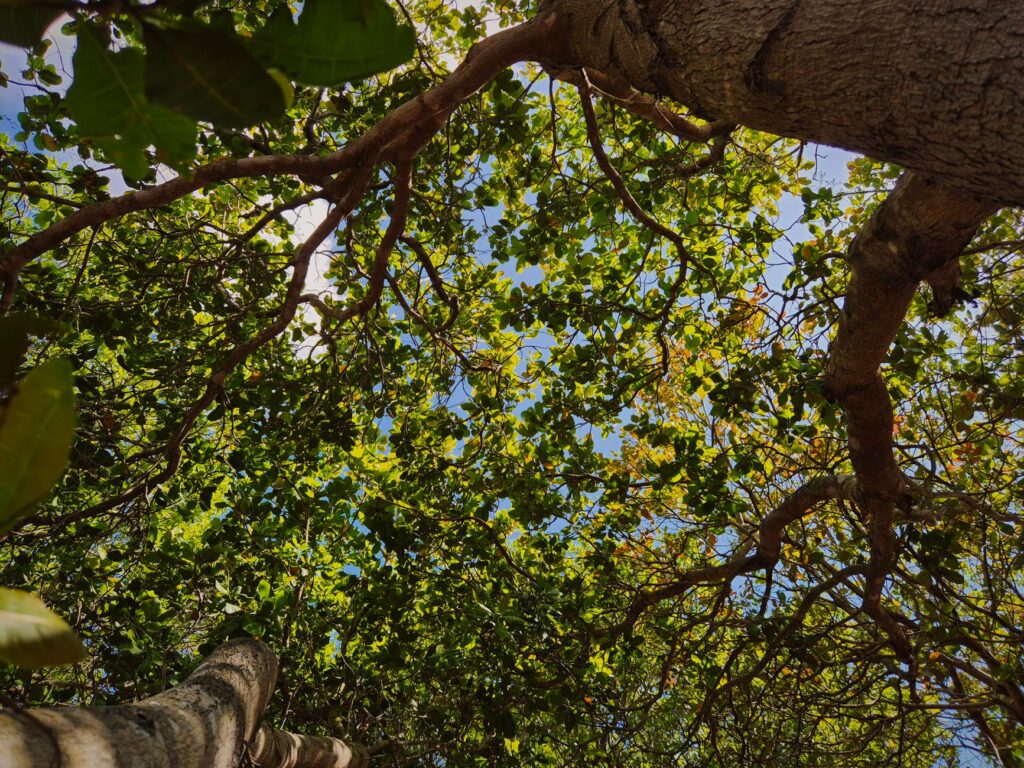
Sooner or later, every homeowner in Middletown Township looks up at a tree and hesitates. Maybe it’s a crack that wasn’t there last month, a limb that looks a little lower than it used to, or a patch of bark that’s gone soft and dark. The question that follows is always the same: does this need a professional look right now, or can it wait until the next routine round of pruning?
There’s no universal formula for that decision, but there is a way to think about it that holds up across species, seasons, and yard conditions. The short version is this: urgency depends less on how alarming a symptom looks and more on what it says about the tree’s structural integrity and what’s underneath it if something fails. A tree with an ugly but stable defect over open lawn is a very different situation than a modest-looking defect over a driveway, a bedroom window, or a property line.
Late summer on the Bayshore is a good time to sharpen this instinct. Trees are carrying full canopies and heavy, saturated leaves, storm season is ramping up, and any hidden weakness tends to show itself under load. What follows is a rundown of what genuinely can wait, what shouldn’t, and the gray area in between where a second opinion from a certified arborist earns its keep.
Signs That Can Usually Wait
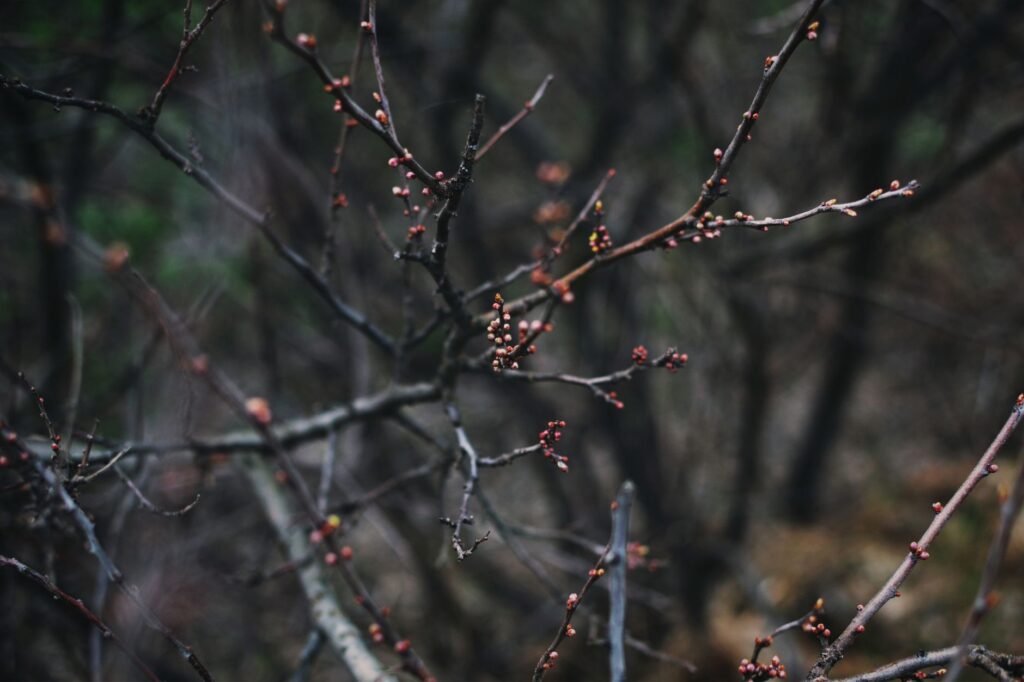
A lot of what looks concerning to a homeowner is cosmetic or low-consequence, and doesn’t need an emergency call. Small dead twigs scattered in the canopy, especially on species like pin oak or sweetgum that naturally self-prune, are normal housekeeping rather than a red flag. A handful of suckers at the base of the trunk or water sprouts along a limb are a tree’s response to stress or a past pruning cut, not a structural failure in progress.
Minor bark abrasions from a mower or trimmer, provided they haven’t girdled the trunk, will typically callus over on their own given time. Sparse or slightly smaller leaves after a dry stretch are often just the tree conserving water, not a terminal diagnosis. And a single season of lighter-than-usual acorn or seed drop rarely means anything beyond normal year-to-year variation.
None of these need a same-week appointment. They’re worth noting, maybe photographing for a record, and bringing up at the next scheduled assessment. Rutgers Cooperative Extension’s Plant Diagnostic Laboratory is a good resource if a homeowner wants a second, non-urgent opinion on symptoms like these before deciding whether to schedule anything at all.
Signs That Warrant a Call This Week
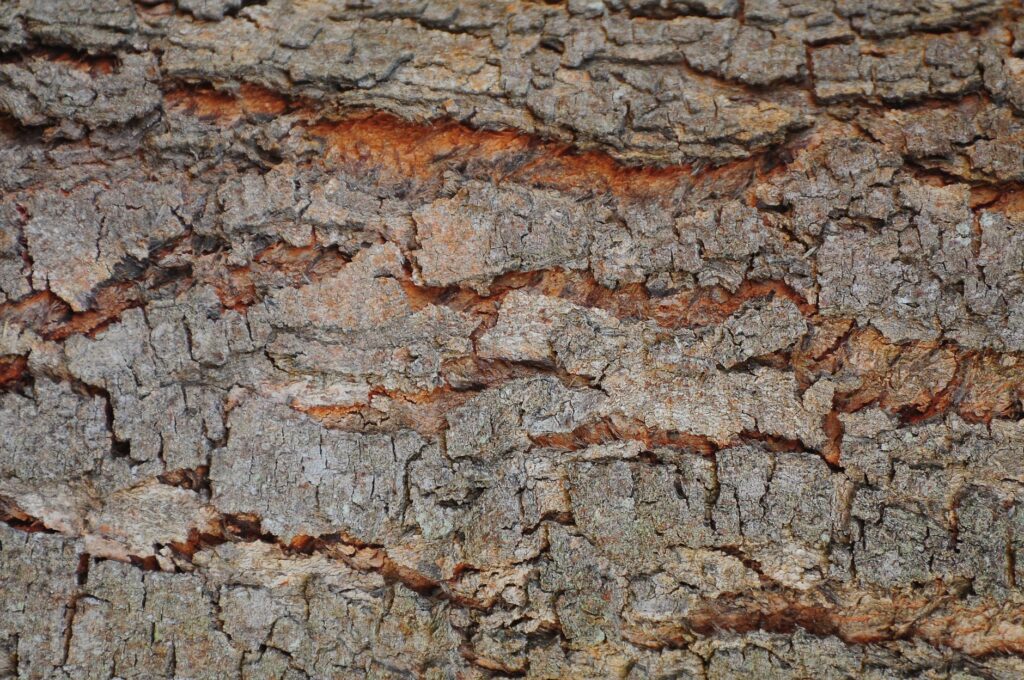
Some symptoms move a tree from routine maintenance into the category of a structural question that deserves a trained eye promptly, even if nothing is actively falling yet. A vertical crack running into a major branch union, a limb that has visibly dropped or is hanging by bark and fiber, or a trunk that has developed a new lean since the last storm all fall into this category. So does a hollow sound when the trunk is tapped in an area that used to sound solid, or a cavity that has grown noticeably larger since it was last checked.
Fungal conks — the shelf-like growths that signal internal decay — showing up at the base or partway up a trunk are also worth a prompt look, particularly on a tree near a structure or a spot where people regularly park or walk. Root damage from recent excavation, trenching, or heavy equipment nearby is another one that shouldn’t sit on a to-do list; roots severed months ago can take a full growing season or more to show canopy symptoms, by which point the structural loss has already happened.
The common thread in this group isn’t how dramatic the symptom looks — it’s that each one is a plausible early indicator of reduced load-bearing capacity. The International Society of Arboriculture frames the same idea simply: when a defect could affect a tree’s ability to hold itself up, that’s when a trained assessment stops being optional.
Middletown's #1 Tree Expert Company
FREE Inspection & Estimate | Certified Arborists | Trimming, Pruning, Removal, More!
Sponsored
The Gray Zone: Where a Professional Opinion Earns Its Keep
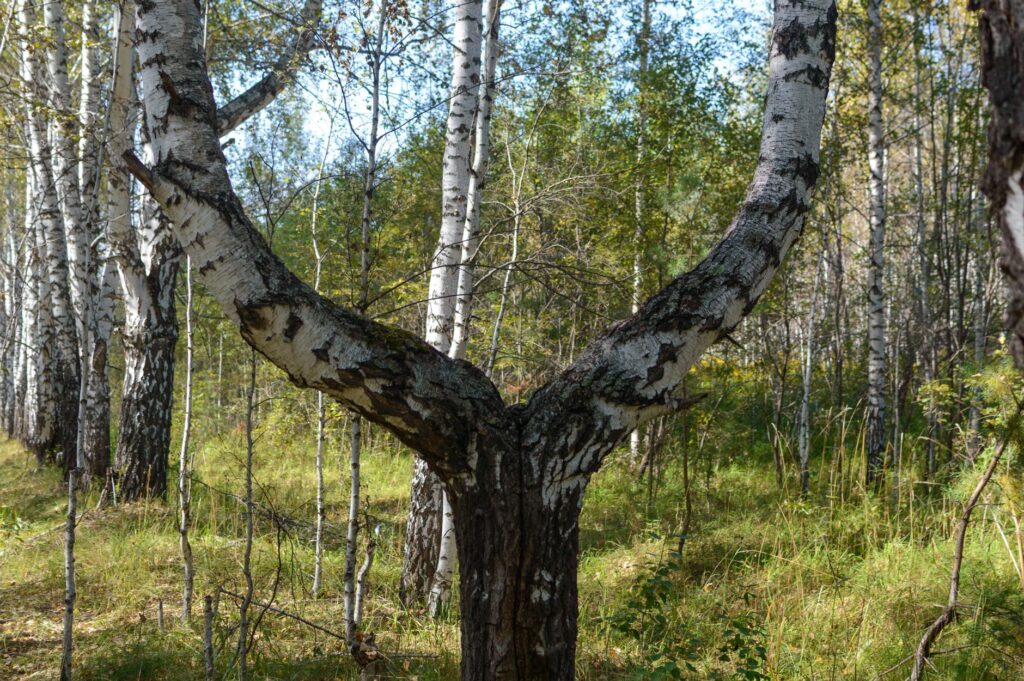
Between the clearly-fine and the clearly-urgent sits a wide middle ground, and it’s the hardest one for a homeowner to judge alone. A codominant stem with a tight, V-shaped union. A cavity that’s been stable for years but sits over a patio. A tree that leans, but has always leaned, on a lot with a new addition built closer to it than the original layout. A large limb over a roofline that looks fine from the ground but hasn’t been inspected up close in a decade.
These situations don’t announce themselves the way a fresh crack does, which is exactly why they’re the ones most often missed until conditions change — a wet fall, a heavy ice event, a windstorm that finds the one weak point in an otherwise sound tree. This is where a tree risk assessment, the kind built around the ISA’s Tree Risk Assessment Qualification framework, adds real value: it measures likelihood of failure against likelihood of the failure hitting a person or property, called a target in arborist terms, and turns a vague worry into a documented, prioritized answer.
It’s also worth remembering that in New Jersey, responsibility for a tree that fails doesn’t automatically fall on whichever side of the property line it happens to be rooted on — it often comes down to whether the defect was known or reasonably discoverable beforehand. A documented assessment, even one that concludes a tree is currently sound, is useful protection either way.
What a Professional Assessment Actually Adds
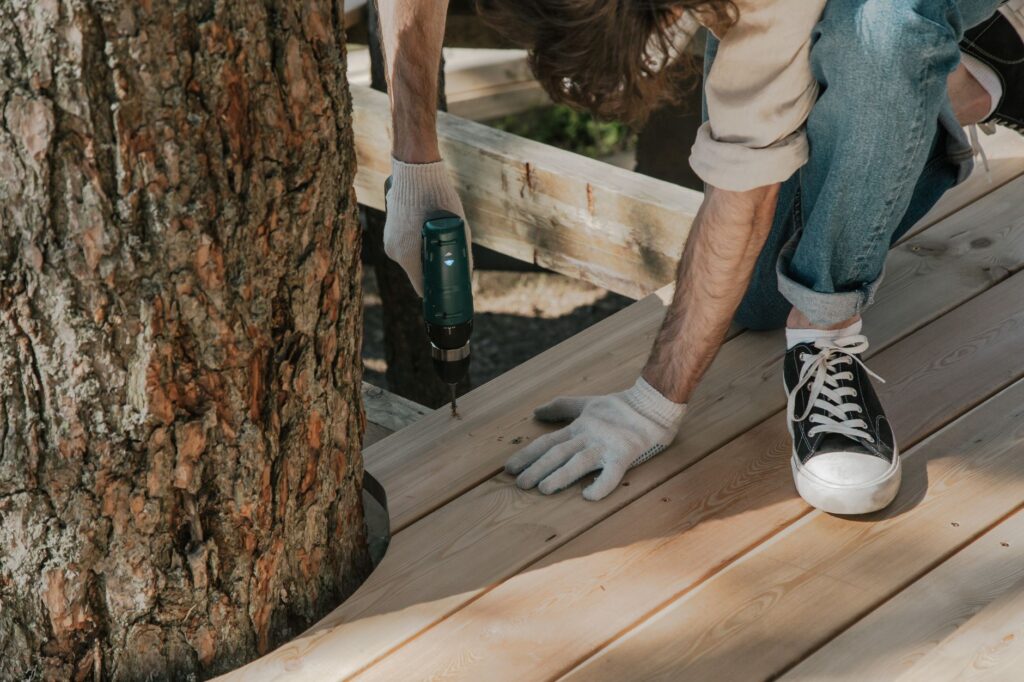
A homeowner walking the yard can catch a lot — that instinct shouldn’t be discounted. What a certified arborist brings that a homeowner typically can’t is the ability to look past the visible defect to how the tree is actually distributing weight and stress around it. Tools like a resistance drill or sounding mallet can find internal decay that shows no external symptom at all. Trained eyes can read subtle clues in bark texture, included bark at a branch union, or soil heaving near the root flare that a non-specialist would walk right past.
An assessment also produces something a homeowner’s own judgment can’t: a dated, written record. That matters for insurance conversations after a storm, for disputes with a neighbor over a shared boundary tree, and simply for tracking whether a known defect is getting better, staying stable, or getting worse from one year to the next. The USDA Forest Service’s urban forestry program has long emphasized that consistent monitoring, not one-time inspection, is what actually catches risk before it becomes a failure — and a written baseline is what makes monitoring possible.
Late August Is a Good Time to Get Ahead of It

There’s a practical reason to sort through this list now rather than in October. Nor’easter and coastal storm activity along the Bayshore tends to pick up through the fall, and canopies are still at full leaf, which means full wind load. Any defect that’s been quietly worsening all summer is more likely to show itself in the next few months than it was in the calm of June.
Late August also sits just ahead of the window when most reputable tree companies get busy with fall cleanup and dormant-season pruning scheduling. A homeowner who calls now for a non-emergency assessment usually has an easier time getting on the calendar than one calling in the middle of storm cleanup season. It’s a good moment to walk the property, make a short list of anything that falls into the "warrants a call" or "gray zone" categories above, and get ahead of it before conditions make the decision urgent.
Middletown's #1 Tree Expert Company
FREE Inspection & Estimate | Certified Arborists | Trimming, Pruning, Removal, More!
Sponsored
When in Doubt, Ask

The honest answer to "can this wait" is often "probably, but it’s worth checking." Most of what homeowners notice in their trees genuinely is cosmetic, and most trees are more resilient than they look. But the cost of a wrong guess is asymmetric — a wasted phone call costs a few minutes, while an overlooked structural defect can cost a roof, a fence, or worse.
A certified arborist’s assessment isn’t just for the obviously dangerous tree. It’s most valuable precisely in that gray zone, where a homeowner’s gut says "probably fine" but can’t say why with any confidence. Getting a second opinion on a tree that turns out to be sound isn’t wasted effort — it’s the baseline that makes next year’s version of the same question much easier to answer.
Photo credits: Featured image by Robert So on Pexels; Section 1 by Lan Nguyen Tran on Pexels; Section 2 by Darya Grey_Owl on Pexels; Section 3 by Pixabay on Pexels; Section 4 by Mikhail Peace on Pexels; Section 5 by Ron Lach on Pexels; Section 6 by David Yu on Pexels; Section 7 by Kindel Media on Pexels.