Middletown's #1 Tree Expert Company
FREE Inspection & Estimate | Certified Arborists | Trimming, Pruning, Removal, More!
Sponsored
The Deadwood You Notice in Late August
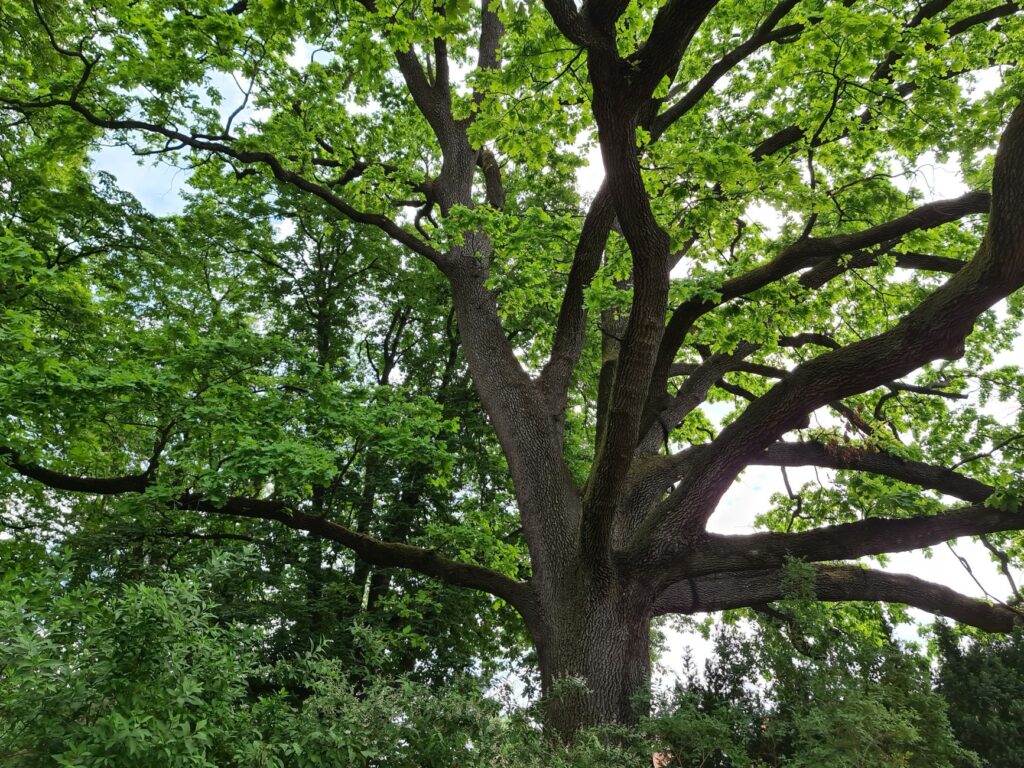
By the third week of August, the trees around Lincroft and Leonardo have finished their spring growth flush and settled into the slower work of storing carbohydrate for winter. It’s also the time of year a homeowner walking the yard tends to notice things they missed in the rush of spring: a gray, leafless branch tucked inside an oak’s canopy, a brittle stub on the maple by the driveway, a section of a shrub-sized ornamental that never leafed out this year.
Dead branches don’t fall on a schedule. They let go in a stiff breeze, in a heavy rain, or for no visible reason at all, which is exactly why late summer — before the Bayshore’s nor’easter and hurricane season really gets going — is a smart time to walk the property and deal with the small stuff. The good news is that deadwood removal is one of the few pruning tasks a homeowner can genuinely do safely without a certified arborist, provided the branch is small and the setup is right. The bad news is that a lot of people misjudge which category a branch falls into, and that’s where DIY pruning turns into an ER visit or a cracked windshield.
This is a guide to telling the difference — what’s a reasonable weekend task with hand tools, and what needs a phone call instead.
What 'Small' Actually Means
Homeowners tend to eyeball deadwood by how it looks rather than how it behaves under a saw, which is where trouble starts. Arborists think about branch removal in terms of diameter and reach, not appearance.
A reasonable DIY threshold for a Middletown yard: branches under about 1.5 to 2 inches in diameter, fully reachable from the ground or a sturdy three-step stepladder on flat, dry soil, with nothing overhead but sky. That covers most of the twiggy interior deadwood on a red maple (Acer rubrum) or the lower dead stubs on an American holly (Ilex opaca) — the kind of material that’s more of a cosmetic and minor-hazard nuisance than a structural one.
Anything larger than that, anything that requires a ladder taller than three steps, anything positioned over a roof, driveway, patio, or power line, and anything that would require a chainsaw rather than hand tools belongs to a different category entirely. The Tree Care Industry Association is blunt about this line for a reason: most serious homeowner tree injuries happen on jobs that looked manageable from the ground.
Tools and Technique That Actually Protect the Tree
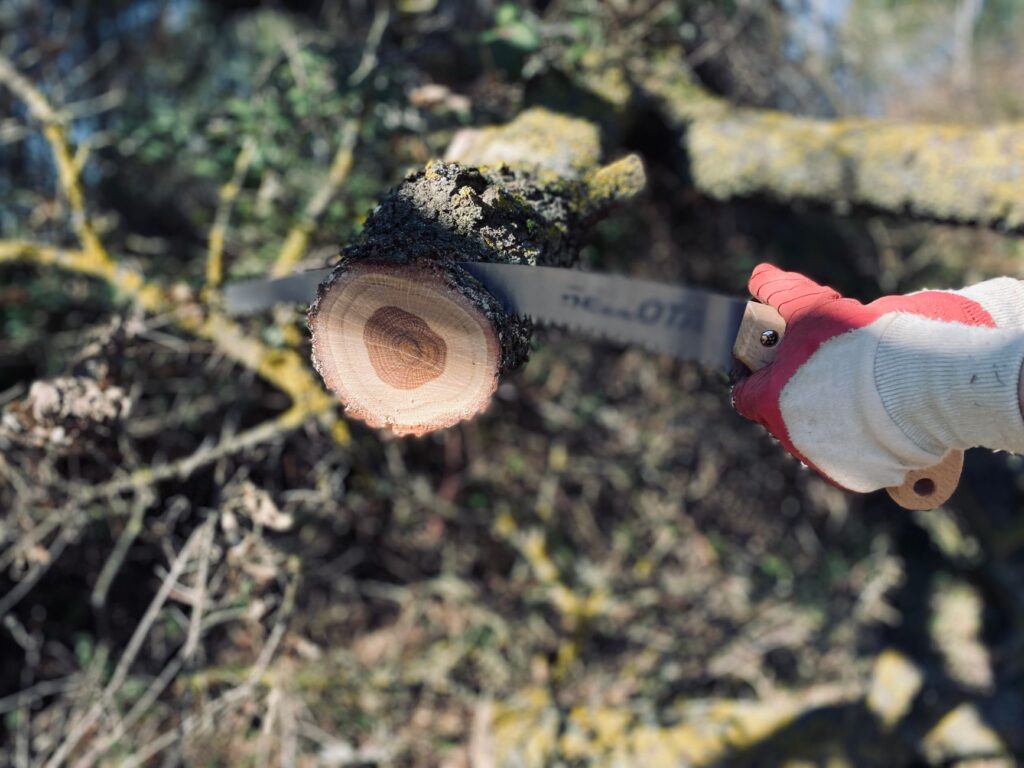
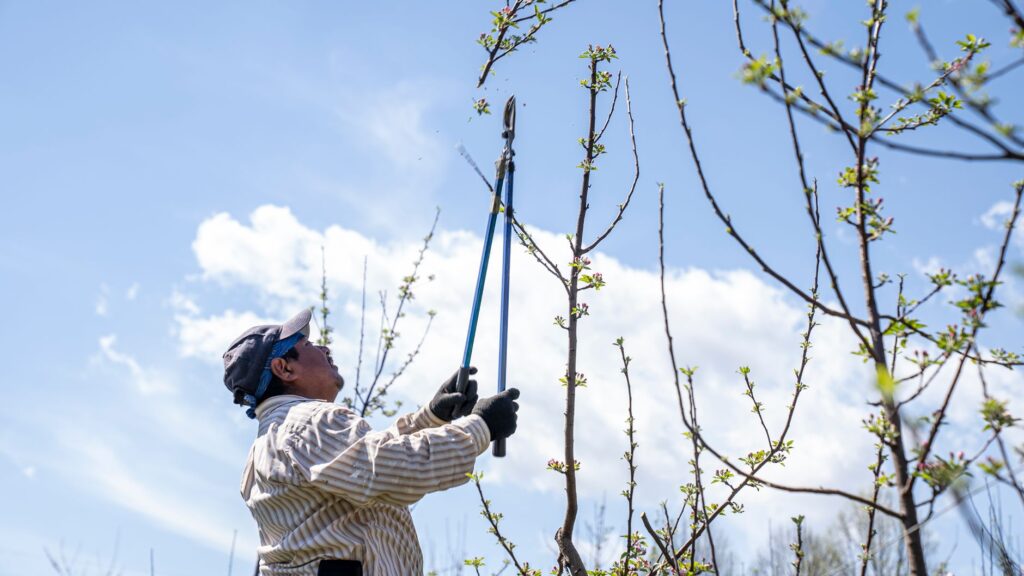
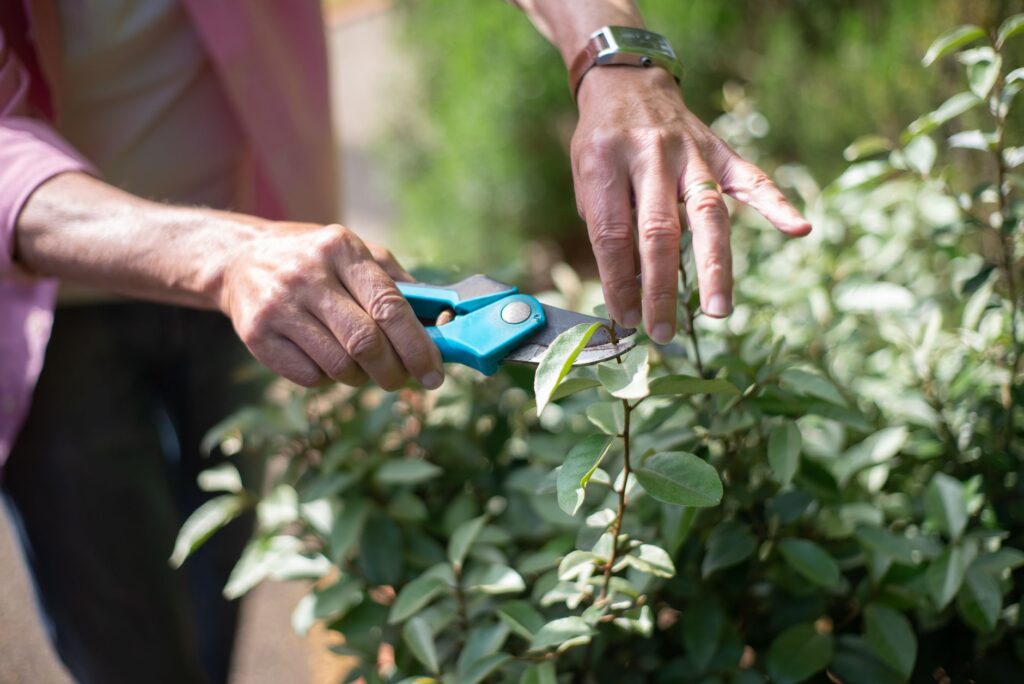
For branches in the pencil-to-thumb range, a pair of sharp bypass hand pruners does the job cleanly. Once you’re into the half-inch to two-inch range, switch to bypass loppers or a folding pruning saw — both give you more leverage without forcing the cut, which is what causes bark to tear.
The cut itself matters as much as the tool. Dead branches still have a living branch collar at the point where they meet healthy wood — that slightly swollen ring of tissue closest to the trunk or parent limb. Cut just outside that collar, not flush against the trunk and not several inches out on the dead stub. A flush cut removes tissue the tree needs to wall off the wound; a stub left too long just delays decay organisms getting a foothold. Rutgers Cooperative Extension’s guidance on proper pruning cuts covers this in more detail, and it applies to dead wood exactly the way it applies to live wood.
For anything with meaningful weight — a branch thicker than an inch or so — use the same three-cut approach a professional would: an undercut a few inches out from the final cut point to stop the bark from tearing downward, a top cut just beyond it to drop the weight, then a clean finishing cut at the collar. Trying to remove a heavy dead limb in one pass is how bark strips a foot down the trunk, and how branches kick back unpredictably as they separate.
Middletown's #1 Tree Expert Company
FREE Inspection & Estimate | Certified Arborists | Trimming, Pruning, Removal, More!
Sponsored
The Real Risk Isn't the Saw — It's the Setup
Most homeowner pruning injuries in Monmouth County have nothing to do with the cutting tool itself. They come from ladders on soft or uneven ground, from reaching too far to one side instead of repositioning, and from standing directly under the piece being cut.
A few non-negotiables: keep the ladder’s feet on flat, firm ground — not mulch beds, not the slope near a drainage swale common in older Middletown developments. Never lean a ladder against the dead branch itself or against a limb you haven’t inspected. Keep your hips between the ladder rails rather than reaching out to the side, and if you can’t reach a cut without leaning, move the ladder instead. And always assume a falling branch will land somewhere other than where you expect — clear the drop zone, including anyone standing nearby, before the final cut.
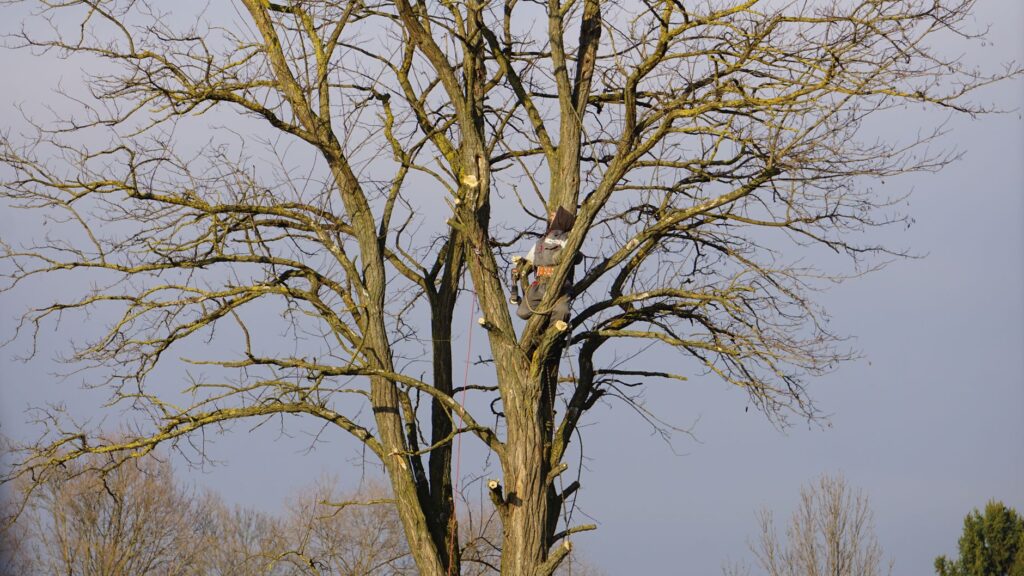
If a job requires you to be more than a few feet off the ground, or to cut anything directly overhead with your arms extended above your shoulders, that’s no longer a ladder-and-loppers task. It’s a climbing job, and climbing jobs belong to people with the harnesses, ropes, and training to do them safely — which is a real skill set, not just nerve. The International Society of Arboriculture maintains hiring guidance for exactly this reason.
Red Flags That Mean Stop and Call an Arborist
A few situations should end the DIY attempt immediately, no matter how small the branch looks:
- Hung or lodged branches — a broken limb caught in the canopy above, sometimes called a widowmaker, that hasn’t fully separated. These carry enormous stored energy and can drop without warning while you’re working below.
- Anything near a power line — even a line that looks dead or looks far enough away. Distance is deceptive from the ground, and contact doesn’t require touching the line directly.
- Decay or cracking at the branch union — soft, punky wood, fungal growth, or a crack running into the trunk itself signals a structural problem well beyond the branch you’re removing.
- Storm-loosened limbs — anything that shifted or partially broke during a recent storm but is still attached. These are unpredictable under load in a way healthy deadwood isn’t.
- Multiple large dead limbs on one tree — often a sign of a bigger health issue (root stress, disease, girdling roots) that an arborist should diagnose before more wood comes off.
None of these are a judgment on your ability with a pruning saw. They’re situations where the risk profile changes entirely, and where professional equipment — not just skill — is the difference between a routine job and an incident.
Why Late August Is a Good Window for This
Live-wood pruning has real seasonal restrictions — species like oaks get pruned in the dormant season to avoid attracting oak wilt vectors, for instance. Deadwood removal doesn’t carry that same restriction, because the tissue is already dead; there’s no wound response to time around and no sap flow to worry about. That makes late summer a practical window precisely because it’s otherwise a quiet stretch in the pruning calendar.
It’s also a useful head start on storm season. A dead 1-inch branch sitting in a canopy is low-risk sitting still, but it becomes one more piece of debris in a September or October nor’easter, one more thing that can crack a windshield or take out a gutter on its way down. Clearing the reachable, small-diameter deadwood now is a small task that measurably reduces what’s loose in the canopy before the Bayshore’s more serious weather arrives. The USDA Forest Service’s tree care guidance echoes the same logic for routine seasonal maintenance.
Middletown's #1 Tree Expert Company
FREE Inspection & Estimate | Certified Arborists | Trimming, Pruning, Removal, More!
Sponsored
When in Doubt, Let a Professional Make the Call
The honest test is simple: if removing a branch requires a ladder taller than three steps, a chainsaw, or any reach above your shoulders, it’s no longer a homeowner task. If it’s small, low, and clearly separated from anything structural, a pair of loppers and twenty careful minutes will do the job.
For anything in between — and especially for a tree carrying multiple dead limbs, cracks, or decay — a certified arborist assessment is worth the call before the ladder comes out. An arborist can tell the difference between cosmetic deadwood and a tree signaling a deeper problem, and can safely remove what’s genuinely out of a homeowner’s reach. Walk the yard this week, handle what’s small and reachable, and flag the rest for a professional look before the season turns.
Photo credits: Featured image by Mark Stebnicki on Pexels; Section 1 by Usman Younas on Pexels; Section 2 by Kampus Production on Pexels; Section 3 by susana MaRo on Pexels; Section 4 by Alex Albert on Pexels; Section 5 by Pixabay on Pexels; Section 6 by Christina & Peter on Pexels; Section 7 by Dmytro Glazunov on Pexels.