
Middletown's #1 Tree Expert Company
FREE Inspection & Estimate | Certified Arborists | Trimming, Pruning, Removal, More!
Sponsored
The Canopy Lie: Why August Trees Look Fine While Working Overtime Underground
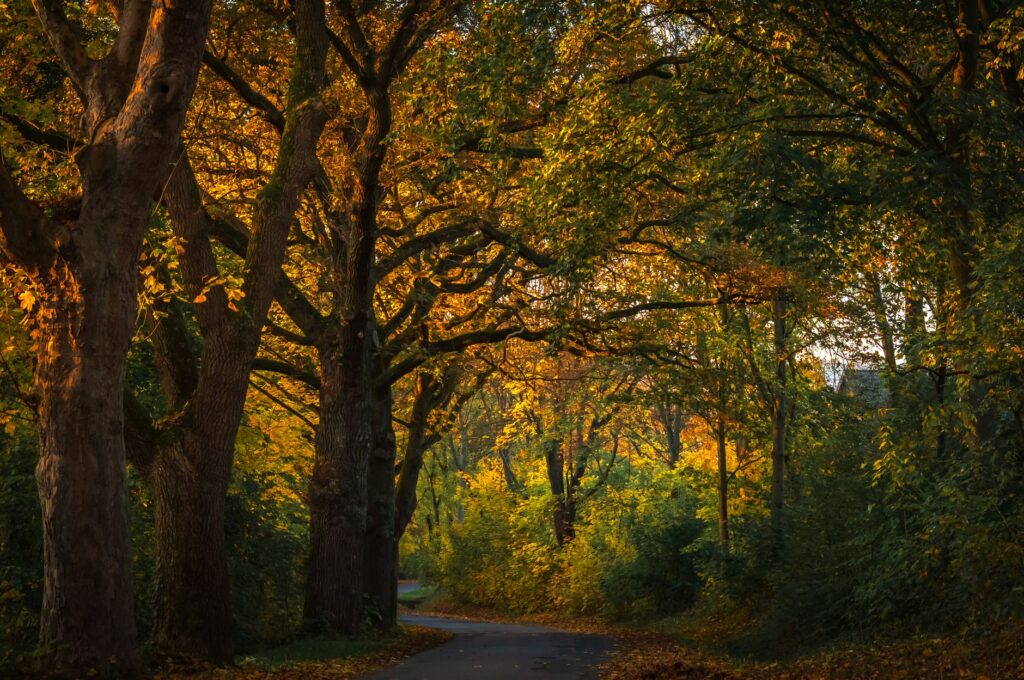
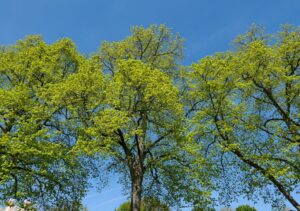
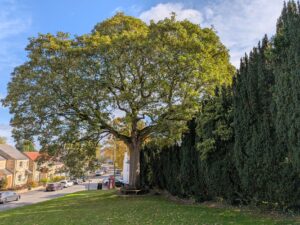
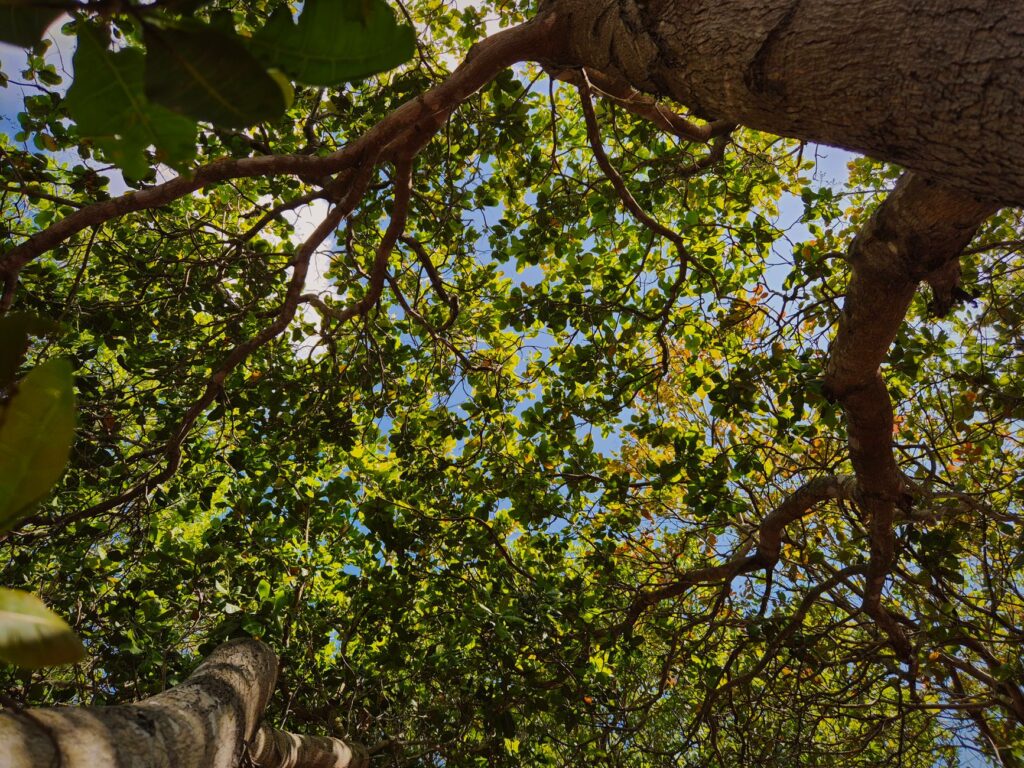
Walk the loop trail at Poricy Park in mid-August and the canopy overhead looks like nothing has changed since June. The leaves are full, the shade is deep, and a red maple (Acer rubrum) or white oak (Quercus alba) along the path gives no visual hint that anything is different about this stretch of summer. That’s the trick of it. The most important thing happening to a tree in August isn’t visible from the ground at all.
By the second half of summer, the days have already started getting shorter, and trees register that change well before we do. Sunlight is still abundant and photosynthesis is still running at full tilt, but a tree’s priorities quietly shift. Instead of pouring every sugar molecule into new shoot length and leaf area, more of that energy gets routed downward, into the roots and trunk, as stored starch. It’s the beginning of a months-long buildup that determines how well a tree survives winter and how strongly it leafs out next spring.
For anyone who cares about the trees on their Middletown property — a Bayshore yard near Port Monmouth, a shaded lot in Lincroft, a street tree along a Leonardo block — understanding this shift changes how you think about watering, pruning, and fertilizing for the rest of the season. Get it wrong and you can undercut a tree’s winter reserves without ever seeing a leaf turn brown.
The Physiology Behind the Shift: From Growth to Storage
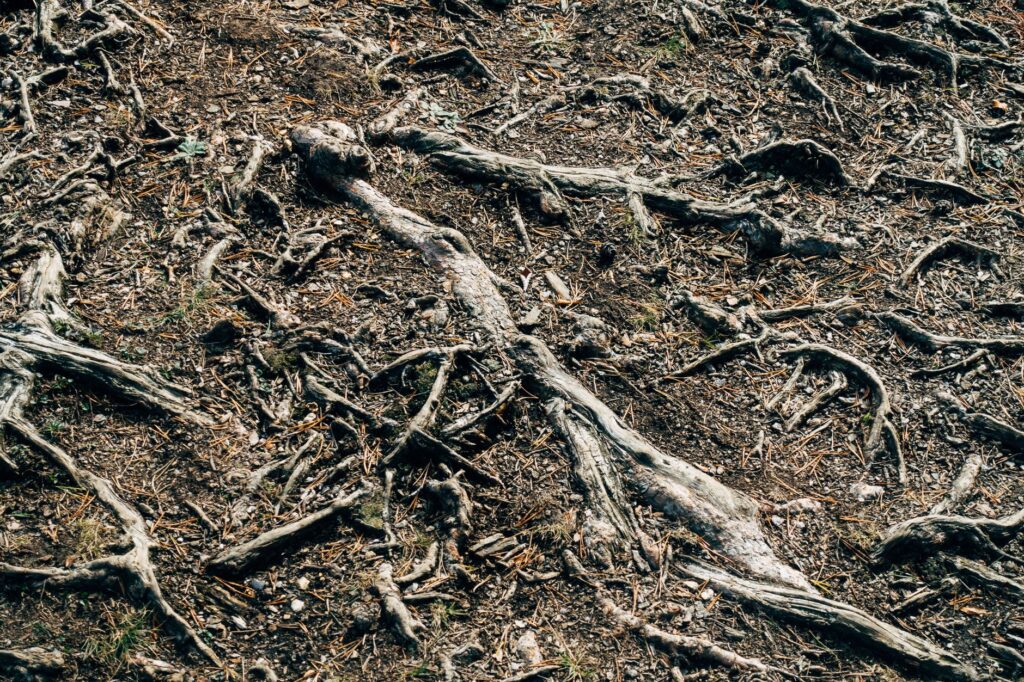
Trees don’t have a single storage tank for energy. They store carbohydrates, mostly in the form of starch, in living cells scattered through the root system, the trunk’s sapwood, and the base of branches. Through spring and early summer, a tree spends down a good portion of what it stores, fueling the rapid flush of new leaves, shoots, and — for a lot of species — a second smaller growth spurt called Lammas growth in early-to-mid summer.
Once that spring spending spree tapers off, the accounting flips. Shortening day length and cooling nights signal many temperate species to slow shoot elongation and start banking more than they spend. Photosynthesis keeps producing sugar all through late summer and into fall, right up until the leaves drop, and an increasing share of that sugar gets converted to starch and shipped to storage tissue in the roots and lower trunk rather than used for new growth above ground.
This matters because those reserves are what a tree draws on for two of its most demanding jobs: surviving a Middletown winter without starving, and producing the flush of new leaves next April before photosynthesis has ramped back up. A tree that enters dormancy with thin reserves doesn’t necessarily die — but it often leafs out weaker, recovers more slowly from any winter damage, and has less capacity to fight off opportunistic pests or fungal problems the following year.
Why This Is the Wrong Time for Heavy Pruning
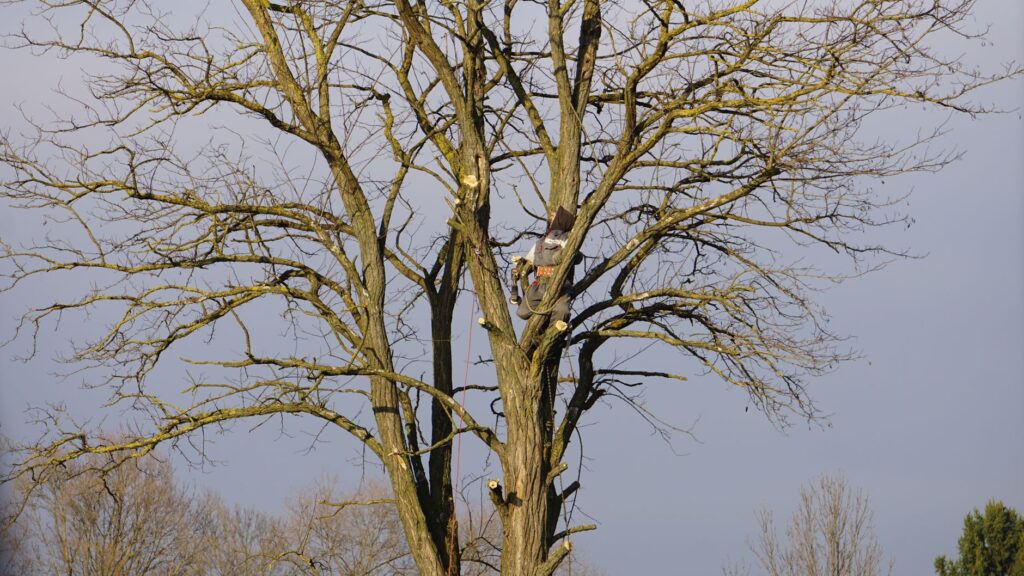
This is a big part of why the arborist community treats late winter and early spring — the dormant season — as the preferred pruning window for most Middletown shade trees, rather than right now. A pruning cut is a wound, and a wound costs energy to seal off. Trees don’t heal cuts the way people heal skin; they compartmentalize, walling the damaged area off with new layers of wood laid down using stored carbohydrate. Make a large cut in August, while a tree is trying to build its winter reserves rather than spend them, and you’re asking it to fund wound response out of a savings account it hasn’t finished filling.
None of this means every pair of pruners has to go back in the shed until January. Removing a small dead or clearly hazardous branch is fine any time of year — leaving a real safety risk in place because it’s the “wrong season” is its own kind of mistake. What changes in late summer is the scale of the work. Heavy crown thinning, major structural cuts, or reshaping a tree’s form are jobs better saved for dormancy, when the tree isn’t actively diverting sugar into either new leaves or storage.
If a tree on your property needs more than a light touch right now, it’s worth getting an opinion before cutting. A certified arborist can usually tell the difference between a branch that’s a genuine hazard today and one that can safely wait a few months for the dormant window.
Middletown's #1 Tree Expert Company
FREE Inspection & Estimate | Certified Arborists | Trimming, Pruning, Removal, More!
Sponsored
Watering Still Matters — Maybe More Than You Think
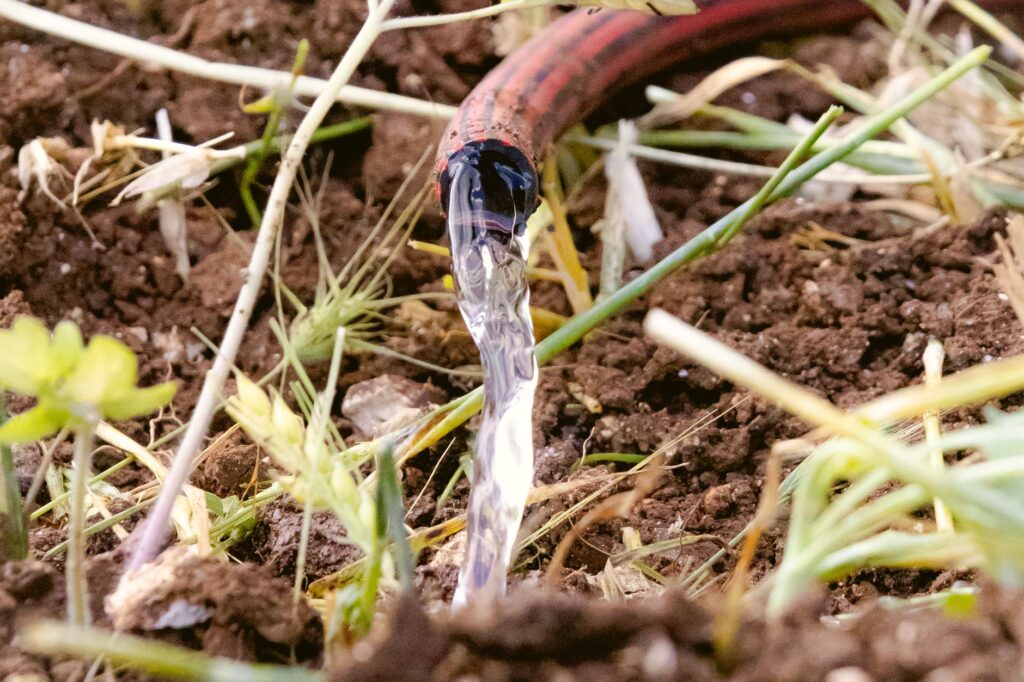
It’s tempting to assume that once a tree stops pushing new leaves, it needs less water. The opposite is closer to true. Roots stay active well into fall, and the whole storage process depends on the tree having enough water to keep photosynthesizing and moving sugars around. A tree under drought stress in August isn’t just wilting in the moment — it’s arriving at winter with a smaller carbohydrate account than it should have.
Middletown’s soils don’t make this simple. Inland yards toward Lincroft and Tatum Park often sit on a clay-loam that holds water but drains slowly, while properties closer to the Bayshore and Raritan Bay tend toward sandier, faster-draining ground that dries out much quicker in a hot stretch. Either way, the fix is the same principle applied differently: water deeply and infrequently rather than a quick daily sprinkle. A slow soak that reaches 10 to 12 inches down encourages roots to grow into that zone and actually reach the moisture; light, frequent watering mostly wets the surface and trains roots to stay shallow, which is exactly the wrong habit heading into a season that will eventually bring frost.
Rutgers Cooperative Extension’s guidance on keeping newly planted trees alive and healthy is written for young trees, but the deep-and-slow watering principle it lays out holds for established trees too, especially during a dry August. If rainfall has been sparse, Rutgers’ statewide drought resources are worth a look before deciding how much supplemental watering your trees need this month.
Skip the Late-Summer Fertilizer Push
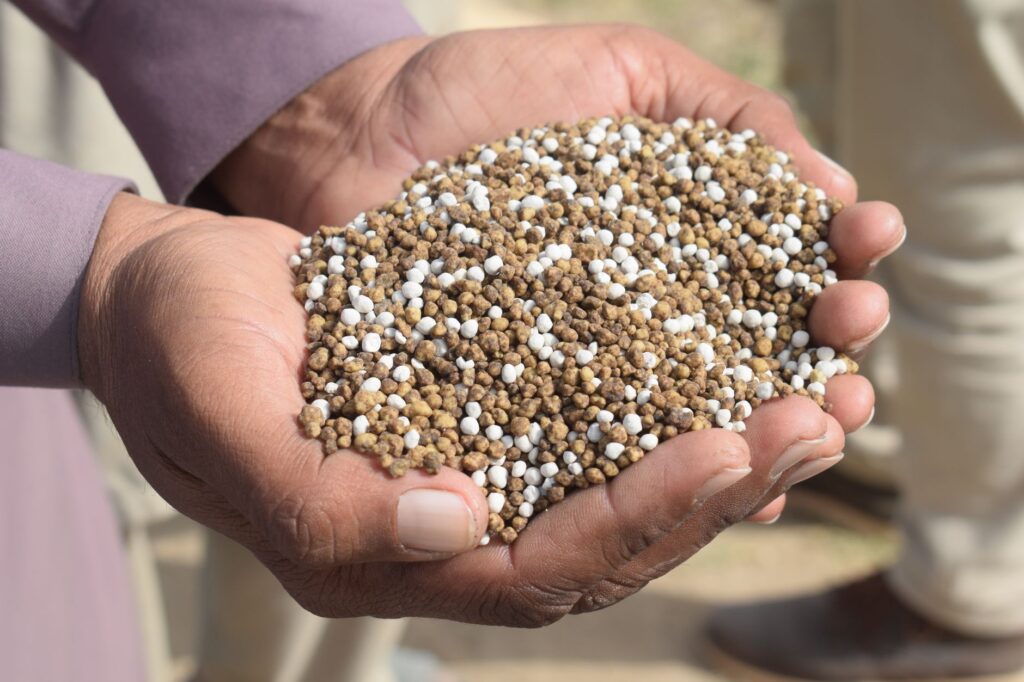
A common instinct, especially for a tree that looks a little tired after a hot July, is to reach for fertilizer. In August, that instinct usually backfires. A dose of nitrogen-heavy fertilizer this late in the season tends to push out a flush of soft new growth right when the tree should be winding growth down and banking energy instead. That new growth doesn’t have time to harden off — to develop the thicker cell walls and bark that let a shoot survive freezing temperatures — before the first frost arrives.
The result is a tree that spent stored energy producing tissue that then gets damaged or killed by cold, a net loss on top of whatever benefit the fertilizer was supposed to provide. It’s a particularly rough trade for anything already stressed by a dry summer, since that’s exactly the tree that can least afford to burn reserves on growth it can’t keep.
If a tree’s soil genuinely needs amending, a soil test is the better first move — it tells you what’s actually missing instead of guessing. Any correction based on that test is generally best applied in fall after leaf drop or saved for early spring, when a tree can put nutrients toward the growth season ahead instead of against the one closing out.
Reading the Warning Signs: When a Tree Isn't Storing Enough
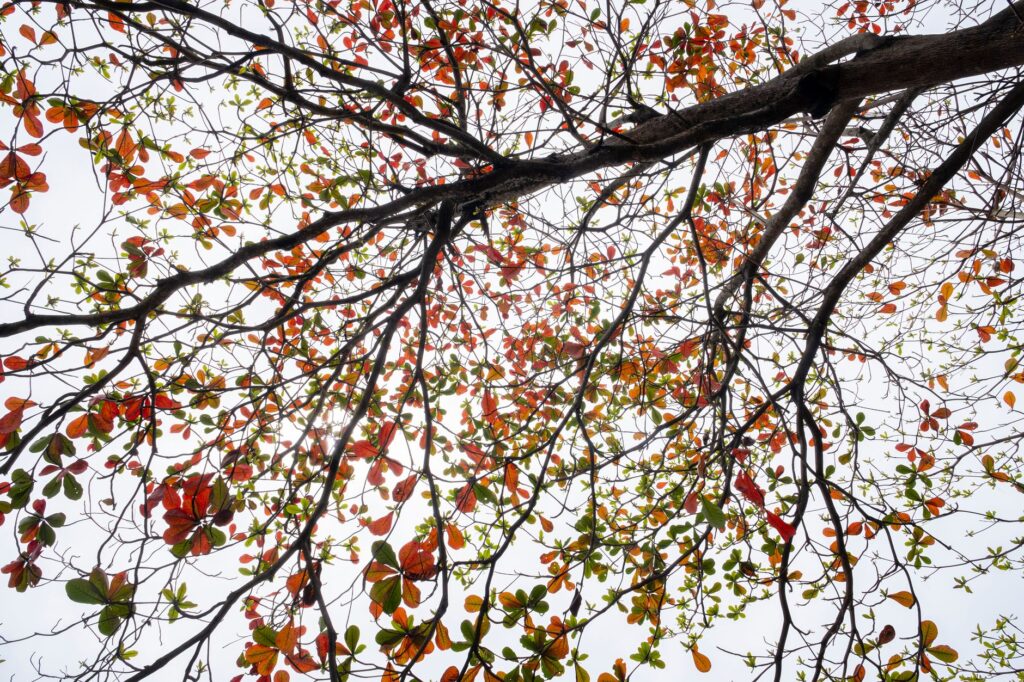
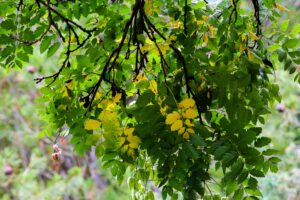
Some trees head into fall with a real deficit, and they usually show it before winter does the rest of the damage. Watch for leaves dropping noticeably earlier than the same species elsewhere on the block, a canopy that looks thinner or smaller-leaved than it did the year before, and dieback concentrated at the tips of outer branches. Any of those can point to a tree that’s been running on empty for a while — often the product of a compacted root zone, girdling roots, construction disturbance, or simply a summer or two of drought stress stacked on top of each other.
Street trees and trees planted in narrow strips near driveways or sidewalks are especially prone to this. Compacted soil restricts both water infiltration and root growth, so the tree is fighting a losing battle before August even arrives. A tree in that position isn’t necessarily doomed, but it’s carrying less of a buffer than a healthy neighbor, and that shows up as reduced storage exactly when storage matters most.
The International Society of Arboriculture’s plant health care guidance is a good plain-language reference for homeowners trying to distinguish normal late-summer changes from genuine stress signals. When in doubt, a closer look from someone trained to read those signs beats guessing.
Middletown's #1 Tree Expert Company
FREE Inspection & Estimate | Certified Arborists | Trimming, Pruning, Removal, More!
Sponsored
Summary: Let Your Trees Finish the Job They're Already Doing
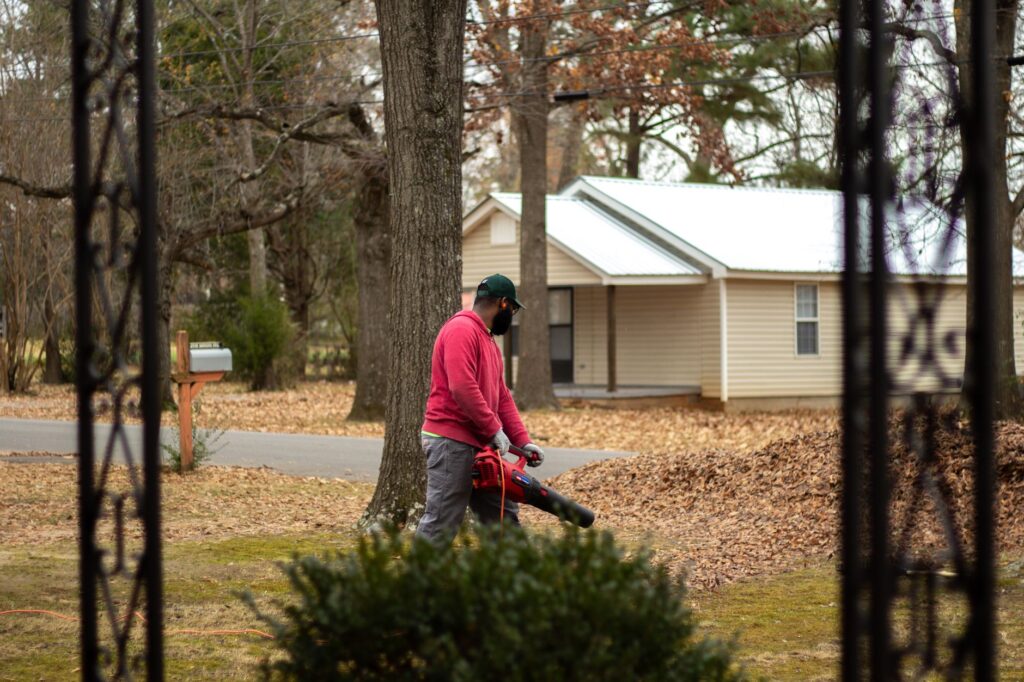
Nothing about late summer asks for dramatic intervention. Mostly it asks for restraint: keep the water going deep and steady, hold off on major pruning and fertilizer until the dormant season, and pay attention to a canopy that’s thinning or dropping leaves ahead of schedule. The trees along the Bayshore, in Cheesequake State Park, and in backyards across Middletown Township are already doing the hard, invisible work of banking energy for winter and next spring’s leaf-out — the best thing a homeowner can do is avoid interrupting it.
If a tree on your property is showing real warning signs — early leaf drop that doesn’t match its neighbors, dieback creeping in from the branch tips, or a canopy that’s visibly thinner than last year — that’s worth more than a guess from the ground. A certified arborist can assess whether a tree is simply having an off year or genuinely short on reserves heading into winter, and can time any necessary pruning or treatment so it works with the tree’s biology instead of against it.
Photo credits: Featured image by Lan Nguyen Tran on Pexels; Section 1 by Lana Kravchenko on Pexels; Section 2 by Markus Winkler on Pexels; Section 3 by Dmytro Glazunov on Pexels; Section 4 by Yeşim Çolak on Pexels; Section 5 by Kashif Shah on Pexels; Section 6 by Tiểu Bảo Trương on Pexels; Section 7 by Paris Lopez on Pexels.