
Middletown's #1 Tree Expert Company
FREE Inspection & Estimate | Certified Arborists | Trimming, Pruning, Removal, More!
Sponsored
The Canopy Is Working Overtime This Week
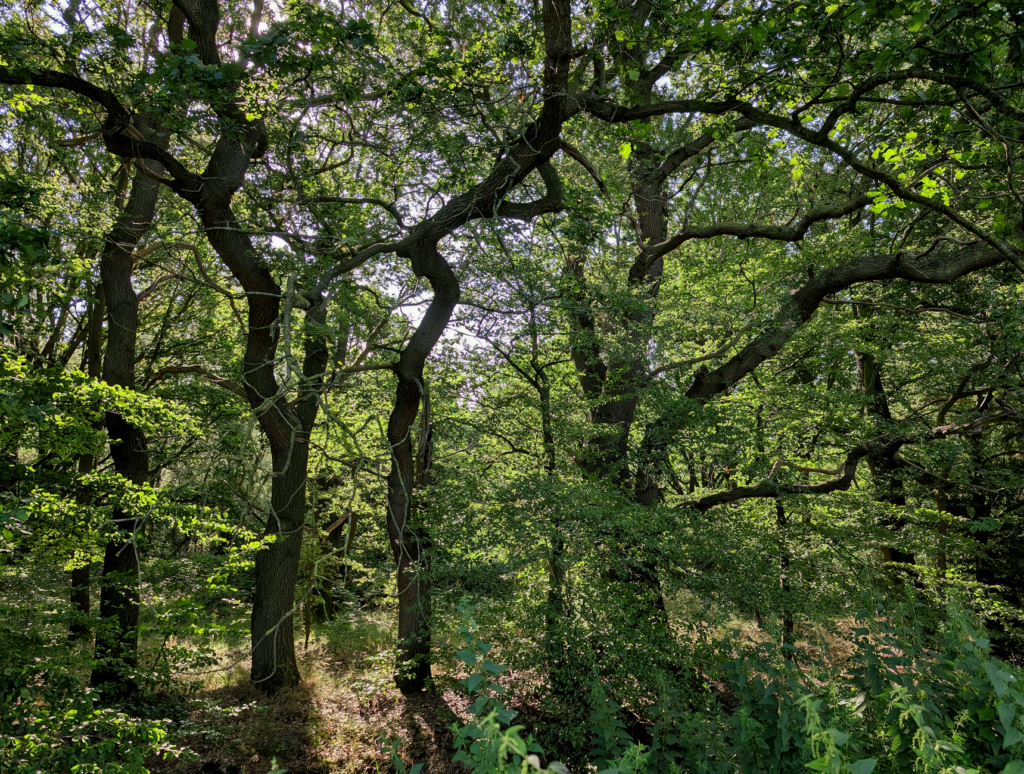
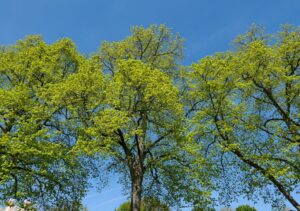
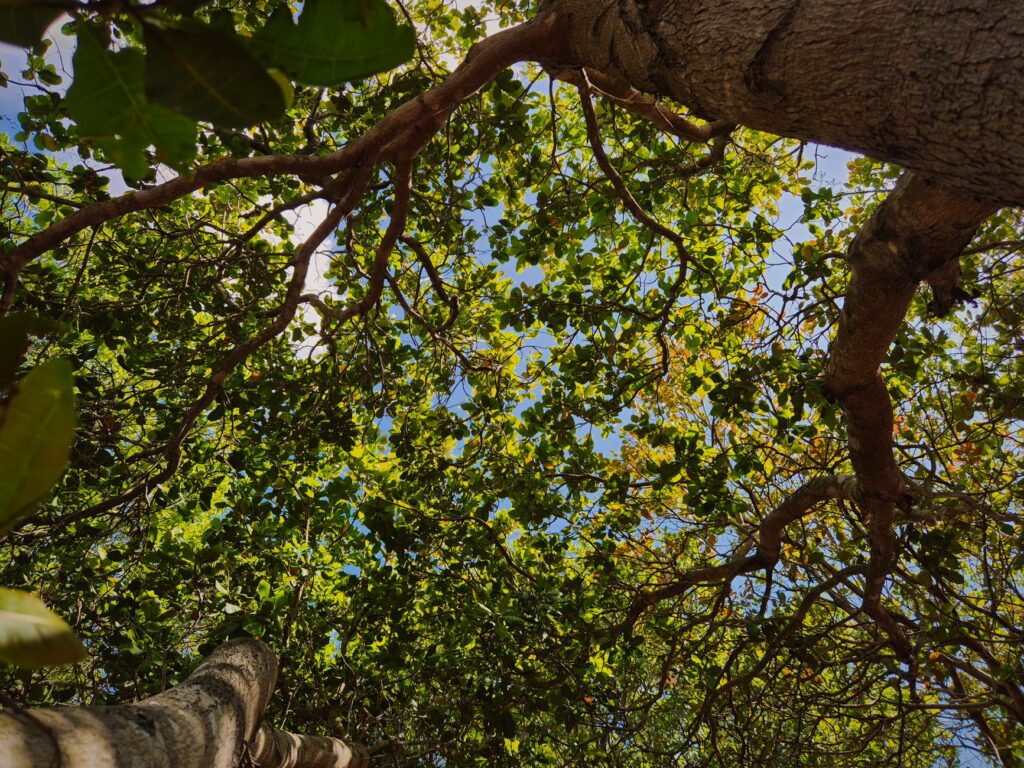
Walk under a mature white oak (Quercus alba) on a hazy August afternoon in Lincroft or Leonardo and the air feels different — cooler, stiller, easier to breathe. That’s not just shade doing the work. By mid-August, Middletown’s tree canopy has reached its full annual leaf surface area, and every one of those leaves is quietly filtering the air over the Bayshore at the exact moment ground-level ozone and particulate levels tend to peak along the Raritan Bay corridor.
Most homeowners think of their trees in terms of shade, curb appeal, or the occasional storm worry. Fewer stop to think about what’s happening at the leaf’s surface — millions of stomata and a sticky, waxy cuticle working as a passive air filter, hour after hour, for free. It’s one of the least appreciated things a tree does, and it’s worth understanding both how it works and which of Middletown’s trees are doing the heaviest lifting.
How a Leaf Actually Removes Pollutants
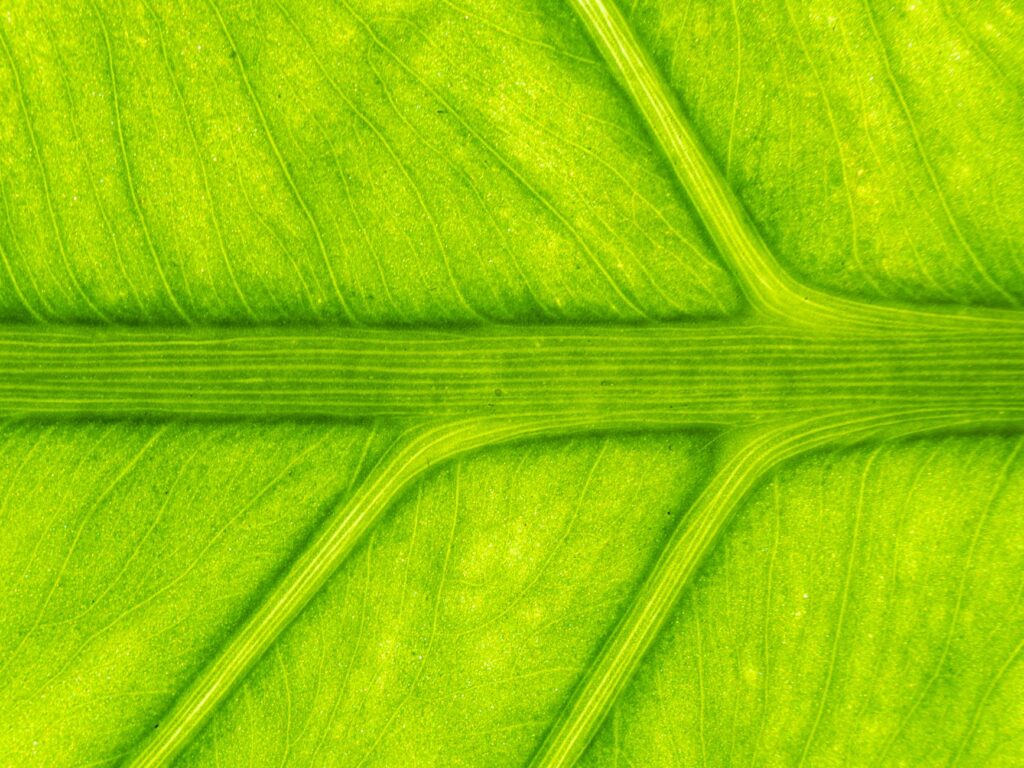
Trees clean the air two different ways, and they work on two different pollutant types. Fine particulate matter — the soot, dust, and combustion byproducts that come off Route 35 traffic, lawn equipment, and regional haze drifting in off the bay — gets physically intercepted by leaf surfaces, bark, and needles. Some of it sticks to the waxy cuticle; a lot gets knocked loose again by wind and rain and washed into the soil, where it’s far less harmful sitting in the root zone than floating at breathing height.
Gaseous pollutants like ozone, nitrogen dioxide, and sulfur dioxide take a different path. They’re absorbed directly through the stomata — the microscopic pores on the underside of a leaf that a tree also uses to take in carbon dioxide and release water vapor. The US Forest Service’s research on tree and forest effects on air quality has documented this mechanism extensively, and the same research program has put a number on the national scale of it: trees and forests across the continental US removed roughly 17.4 million tonnes of air pollution in a single recent study year.
What This Looks Like at the Neighborhood Scale
National totals are abstract. What matters to a homeowner in Middletown is what their own street trees and backyard canopy are doing. This is where a tool called i-Tree — developed by the Forest Service, the Davey Tree Expert Company, and the Arbor Day Foundation — becomes useful. i-Tree lets municipalities and researchers plug in tree inventory data and get back real numbers: pounds of particulate matter intercepted, tons of ozone absorbed, dollars of avoided health-care cost.
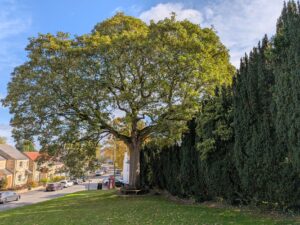
Rutgers’ own Urban Forestry Program, run through Rutgers Cooperative Extension, has used exactly this kind of analysis on New Jersey communities, and the pattern holds everywhere it’s been measured: larger, healthier canopy trees do disproportionately more filtering than the same square footage of small ornamentals or turf. A single mature shade tree with a full crown can have more functional leaf surface area than a dozen young street trees combined — one more reason a 60-year-old oak on a Middletown property line is worth more, ecologically, than its replacement value suggests.
Middletown's #1 Tree Expert Company
FREE Inspection & Estimate | Certified Arborists | Trimming, Pruning, Removal, More!
Sponsored
Not All Species Filter Equally — or the Same Way
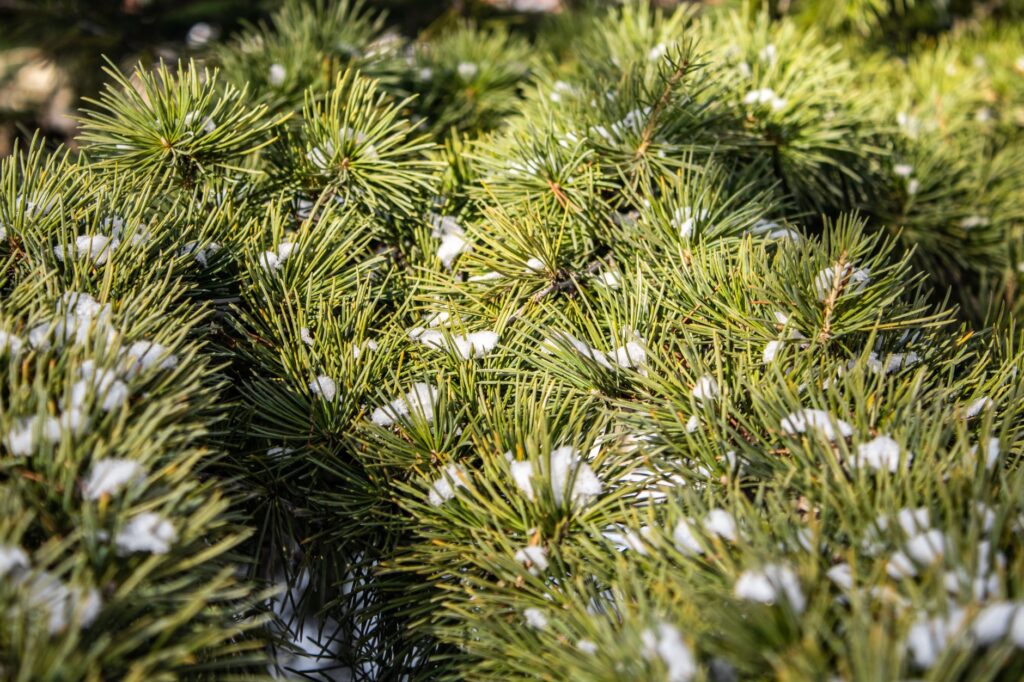
Leaf structure matters. Species with dense, hairy, or heavily textured leaves — American beech (Fagus grandifolia) and many oaks among them — tend to trap more particulate matter than smooth-leaved species. Evergreens like white pine (Pinus strobus) and Eastern red cedar (Juniperus virginiana) hold a quieter advantage: they keep filtering through the winter months when deciduous trees have dropped their leaves and particulate levels from heating season tend to climb.
There’s a wrinkle worth knowing, though. Some tree species — certain oaks, sweetgum, and a handful of others among them — release biogenic volatile organic compounds (BVOCs) at higher rates, particularly under heat stress. In the presence of vehicle exhaust and high summer temperatures, BVOCs can contribute to ozone formation rather than removing it. It doesn’t mean avoid oaks — their overall air quality benefit is still strongly positive, and it’s the reason species diversity matters more than any single “best” tree. For homeowners picking new plantings, the Rutgers NJAES plant and pest publications library is a good place to check regionally appropriate species before choosing what goes in the ground.
Why the Bayshore Corridor Makes This Especially Relevant
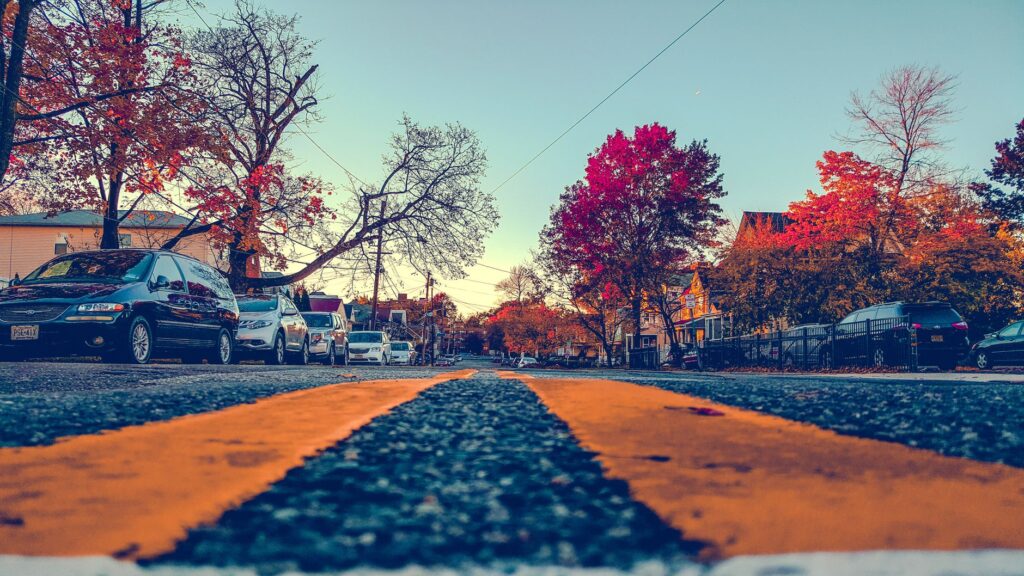
Middletown sits in a spot where this matters more than it might inland. Prevailing summer winds carry regional haze and ozone precursors up the Raritan Bay corridor, and Route 35 and the Garden State Parkway both cut directly through town, adding a steady stream of vehicle emissions at ground level, right where people are walking dogs, gardening, and sitting on porches. Neighborhoods with heavier canopy cover — around Poricy Park, Thompson Park, and the wooded edges near Hartshorne Woods — measurably buffer some of that exposure simply by having more leaf surface area between the road and the house.
It’s also a two-way relationship worth remembering: trees clean the air, but polluted, compacted, or salt-laden soil near heavily trafficked roads stresses the trees doing the cleaning. A tree fighting road salt runoff or soil compaction from nearby construction has less energy to spend on the fine root growth and canopy density that make it an effective filter in the first place.
Protecting the Trees That Are Already Doing the Job
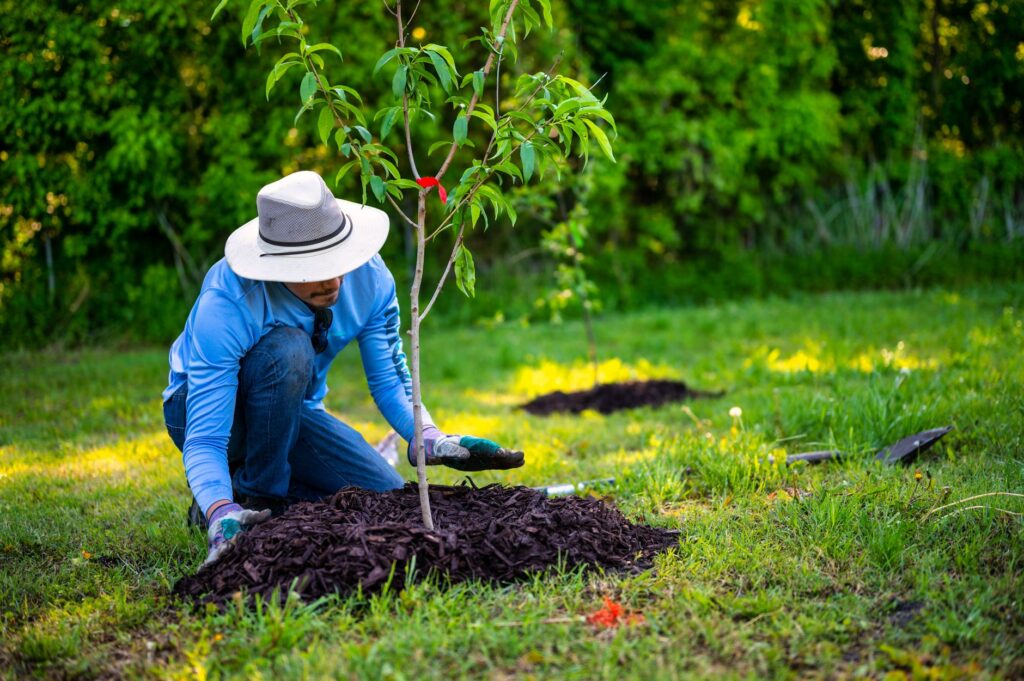
The single best thing a Middletown homeowner can do for local air quality isn’t planting a new tree — it’s keeping an existing mature tree healthy. A stressed, declining canopy filters less air, drops more of its leaves early, and eventually stops filtering altogether. Watching for thinning crowns, early leaf drop, or dieback in the upper canopy — and addressing soil compaction, girdling roots, or construction damage before they become terminal — does more for air quality over a 10-year horizon than adding several young trees.
The International Society of Arboriculture maintains detailed guidance on recognizing early tree stress and matching new plantings to a site’s soil and exposure conditions — useful reading before assuming a tree is beyond help, or before choosing what replaces one that isn’t.
- Watch for canopy thinning or early leaf color change in August, a common first sign of root-zone stress
- Avoid soil compaction from parking, storage, or heavy equipment near the root zone
- Mulch out to the drip line instead of turf, which competes for water and oxygen at the root collar
- Have declining shade trees evaluated before a full season of stress turns into permanent canopy loss
None of this requires special equipment or a landscaping budget — it requires noticing the tree that’s already there before it needs saving.
Middletown's #1 Tree Expert Company
FREE Inspection & Estimate | Certified Arborists | Trimming, Pruning, Removal, More!
Sponsored
When to Bring in a Certified Arborist
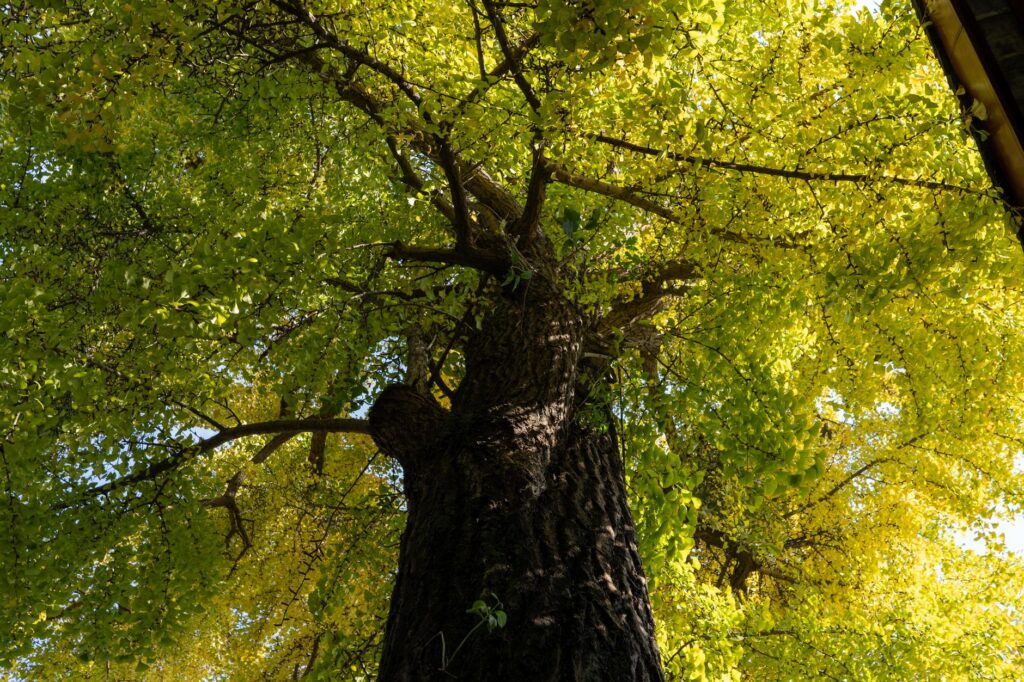
Most of what keeps a filtering canopy healthy is simple observation — walking the yard, noticing change, adjusting watering and mulch. But diagnosing why a mature tree’s canopy has started thinning, or deciding whether a stressed shade tree can be recovered versus should be replaced, is a judgment call that benefits from training most homeowners don’t have.
An ISA-certified arborist can assess root zone health, identify early compaction or disease before it shows up in the crown, and recommend species and placement for new plantings that balance shade, air filtration, and Middletown’s clay-loam, coastal-plain soils. For anyone whose property sits along a heavier-traffic corridor or close to the Bayshore, that assessment is worth having before a declining tree stops doing the quiet work it’s been doing for decades — filtering the air over a yard, one leaf at a time.
Photo credits: Featured image by Lan Nguyen Tran on Pexels; Section 1 by Natural Light Visuals on Pexels; Section 2 by Wendy Calandrelli on Pexels; Section 3 by Deane Bayas on Pexels; Section 4 by Tuğba on Pexels; Section 5 by Ibrahim Boran on Pexels; Section 6 by Alfo Medeiros on Pexels; Section 7 by Peter Xie on Pexels.