Middletown's #1 Tree Expert Company
FREE Inspection & Estimate | Certified Arborists | Trimming, Pruning, Removal, More!
Sponsored
The Step Most Middletown Homeowners Skip Before Planting
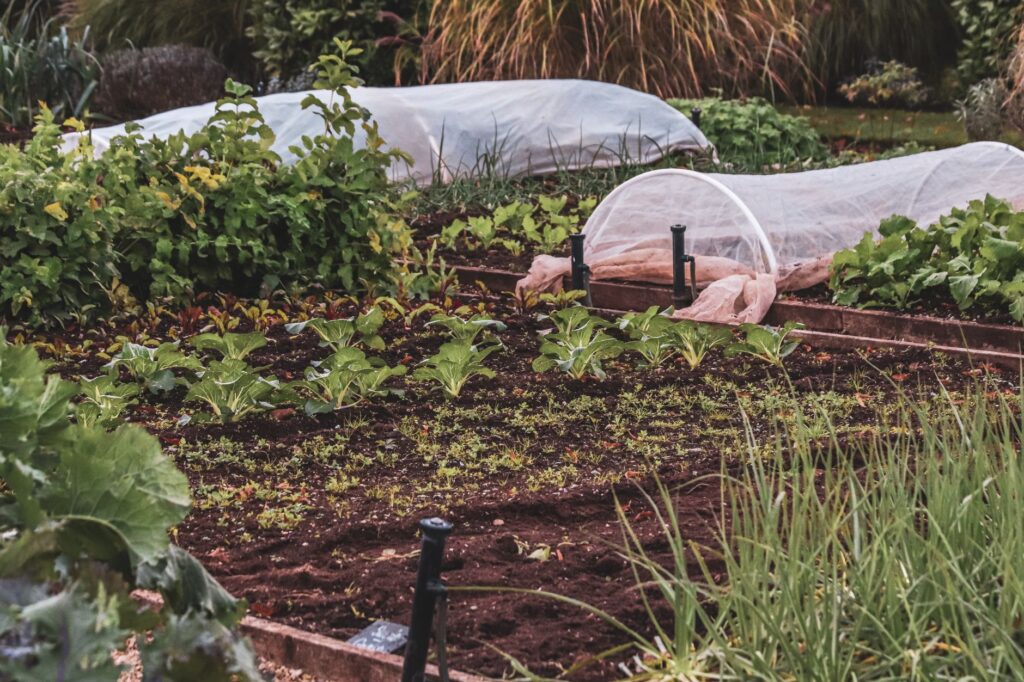
Late August is when the fall planting window starts coming into focus in Middletown Township. Cooler nights are still weeks away, but by the time October arrives, the soil will be warm, the air will be cool, and it will be the single best stretch of the year to put a new tree in the ground. What almost nobody does in between is find out what that ground actually contains.
Soil across Middletown is far less uniform than it looks. A yard in Lincroft sitting on heavier clay-loam can behave completely differently from a lot in Port Monmouth or Leonardo built on sandier, faster-draining Bayshore soil a mile or two away. Two homeowners can plant the same species from the same nursery in the same week and get two very different outcomes, and pH is usually the quiet reason why. It costs about as much as a cup of coffee to find out, and it changes what you should plant, not just how you plant it.
Why pH Is the Number That Actually Matters
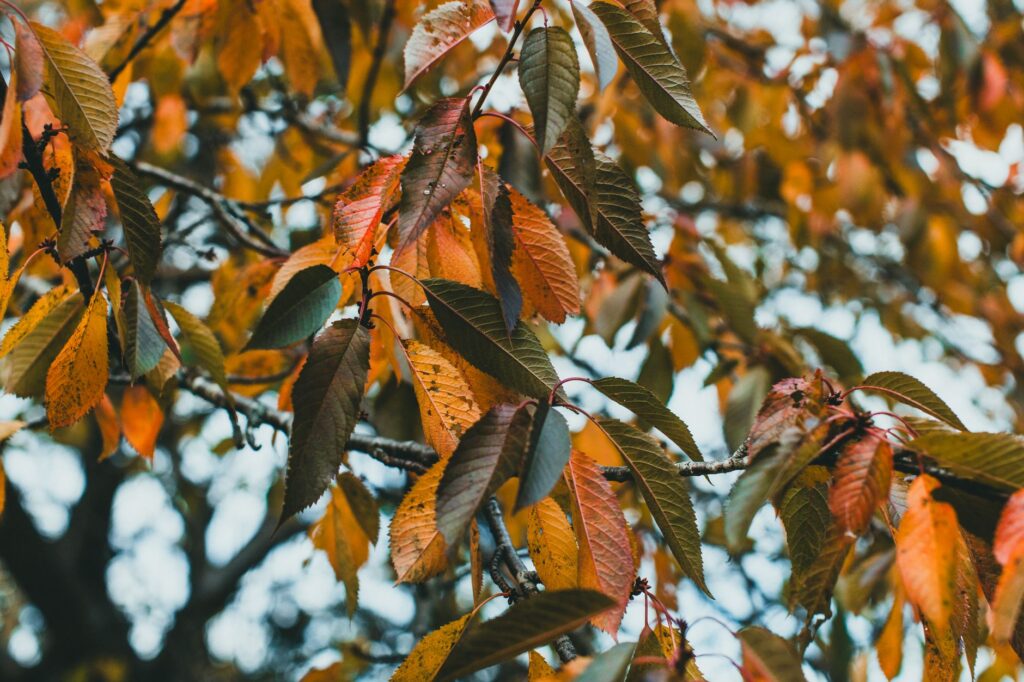
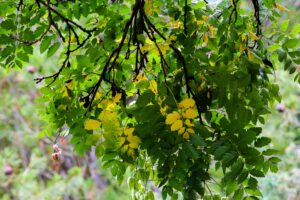
Soil pH measures acidity on a scale of 0 to 14, with 7 being neutral. Most trees do best somewhere between 5.5 and 7.0, but the number itself isn’t the real issue — what it controls is. Nutrients like iron, manganese, and phosphorus can be sitting in the soil in perfectly adequate quantities and still be chemically unavailable to a tree’s roots if the pH is off. A tree in soil that’s too alkaline for its species can show yellowing leaves with dark green veins within a season or two, not because it’s starving, but because the nutrients it needs are locked up and out of reach.
Rutgers Cooperative Extension’s soil testing fact sheet lays out exactly how this works and why guessing at fertilizer or amendments without knowing your starting pH usually wastes money and sometimes makes the problem worse. Dumping lime on soil that’s already neutral, for instance, can push it alkaline enough to trigger the very deficiency symptoms a homeowner is trying to avoid.
Two Ways to Test, and When Each One Makes Sense
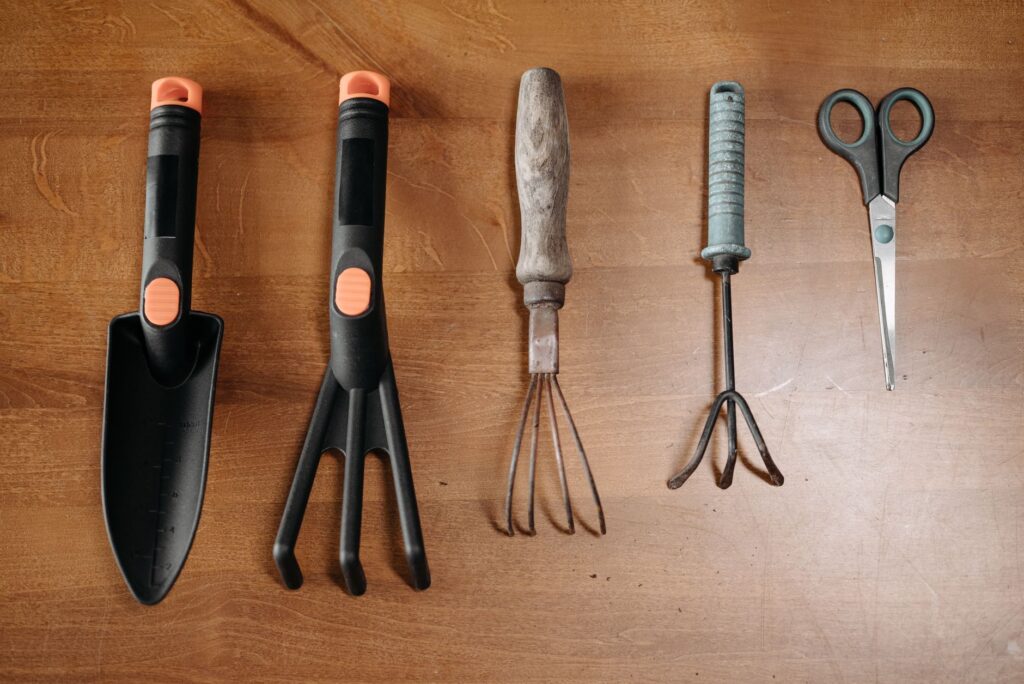
There are two honest paths here, and both have a place. A drugstore or garden-center pH probe gives a rough reading in seconds — useful for a quick sanity check, but the cheap ones are notoriously inconsistent and won’t tell you anything about actual nutrient levels.
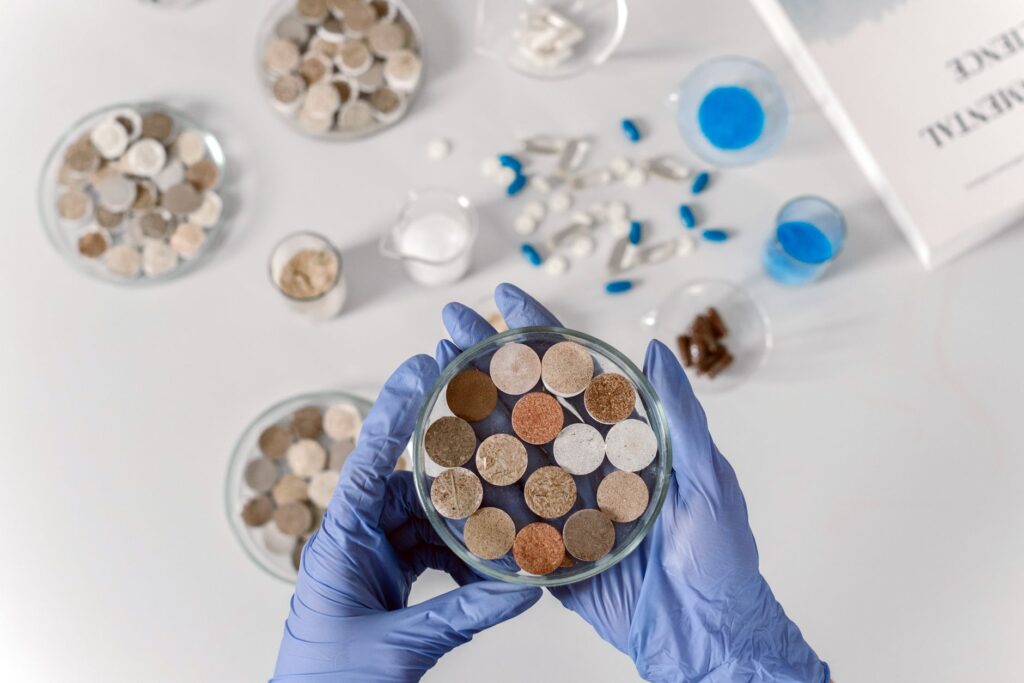
The more reliable route is sending a sample to a lab. Rutgers Cooperative Extension of Monmouth County sells soil test kits locally and forwards samples to the university lab for analysis, which is about as hyper-local as testing gets for a Middletown property. The Monmouth County soil testing program offers a basic pH test for a few dollars and a full nutrient panel with lime and fertilizer recommendations for around $20. Results typically come back within one to two weeks, which still leaves plenty of runway before the October planting window closes. The Rutgers Soil Testing Laboratory processes these samples and is the same lab that serves county extension offices statewide, so the recommendations that come back are calibrated specifically for New Jersey soils and species.
Middletown's #1 Tree Expert Company
FREE Inspection & Estimate | Certified Arborists | Trimming, Pruning, Removal, More!
Sponsored
How to Pull a Sample That Actually Reflects Your Yard
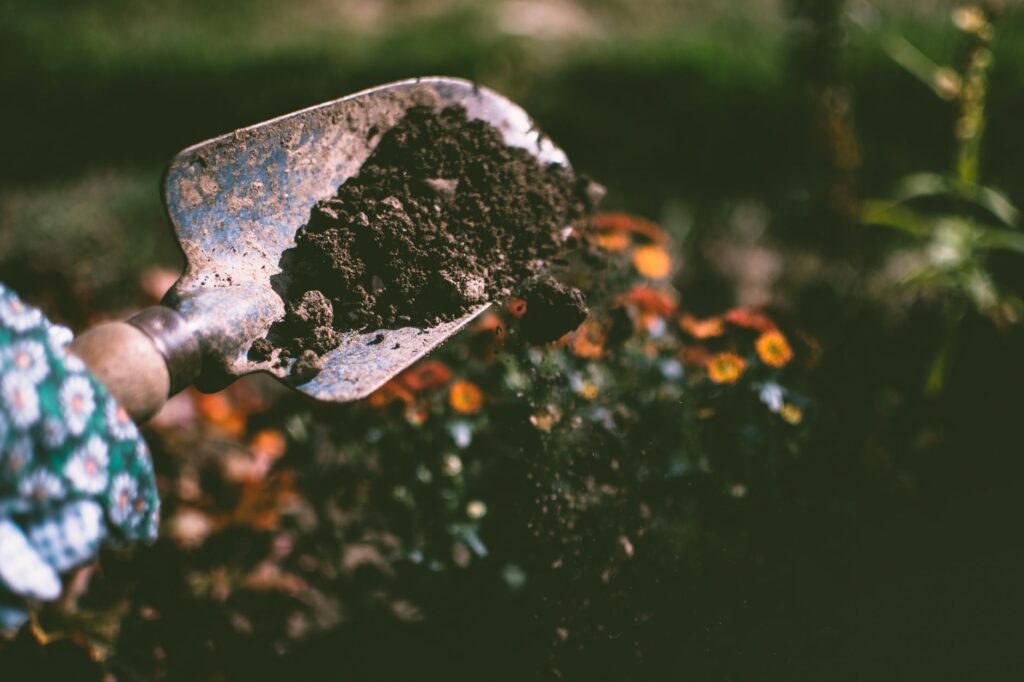
A soil test is only as good as the sample behind it, and this is where most homeowners get sloppy. A single scoop from one spot near the back door isn’t representative of anything beyond that one spot.
The basic method that works for a residential lot:
- Pull 8 to 10 small cores from around the planting area, each 6 to 8 inches deep — that’s the zone where most fine feeder roots will actually be doing their work.
- Mix the cores together in a clean plastic bucket rather than testing them separately, so the result reflects the average condition of the bed, not one outlier.
- Avoid sampling right next to a foundation, a driveway edge, or a spot that was recently limed, fertilized, or freshly mulched — those areas skew the reading.
- Let the soil air-dry on a sheet of newspaper before bagging it if it’s damp; wet samples can be harder for the lab to process accurately.
Late summer is actually a good time to sample. Rutgers notes that sampling now, ahead of fall planting and fertilization, gives homeowners results in hand before they need to make any decisions — rather than digging the hole first and hoping.
What the Results Actually Tell You About a Middletown Yard
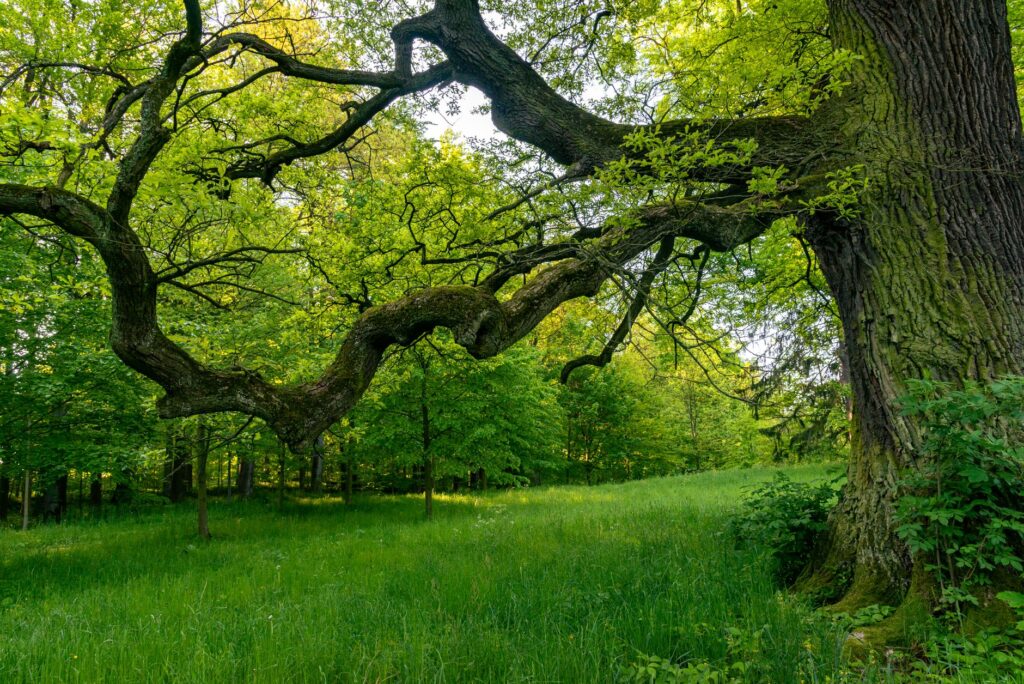
Naturally acidic soil is common under stands of oak and pine across Monmouth County, often testing in the 5.0 to 5.8 range, which happens to suit a lot of the native canopy that already grows here — white oak (Quercus alba), pitch pine (Pinus rigida), and black gum (Nyssa sylvatica) are all comfortable in that zone. Older lawns and beds that have been limed for turfgrass over the years tend to run closer to neutral or even slightly alkaline, which is a different situation entirely and favors a different palette of species.
If a test comes back more acidic or alkaline than a species you’re set on wants, resist the urge to correct it all at once. Lime moves slowly through soil — it can take several months to shift pH meaningfully, and it needs to be worked into the root zone, not just scattered on top. Sulfur to lower pH works on a similarly slow timeline. Planting a young tree the same week you apply a heavy correction rarely goes well; better to test now, amend gradually over the fall and winter, and plant into soil that’s already trending toward where it needs to be.
Matching the Right Tree to What Your Soil Actually Is
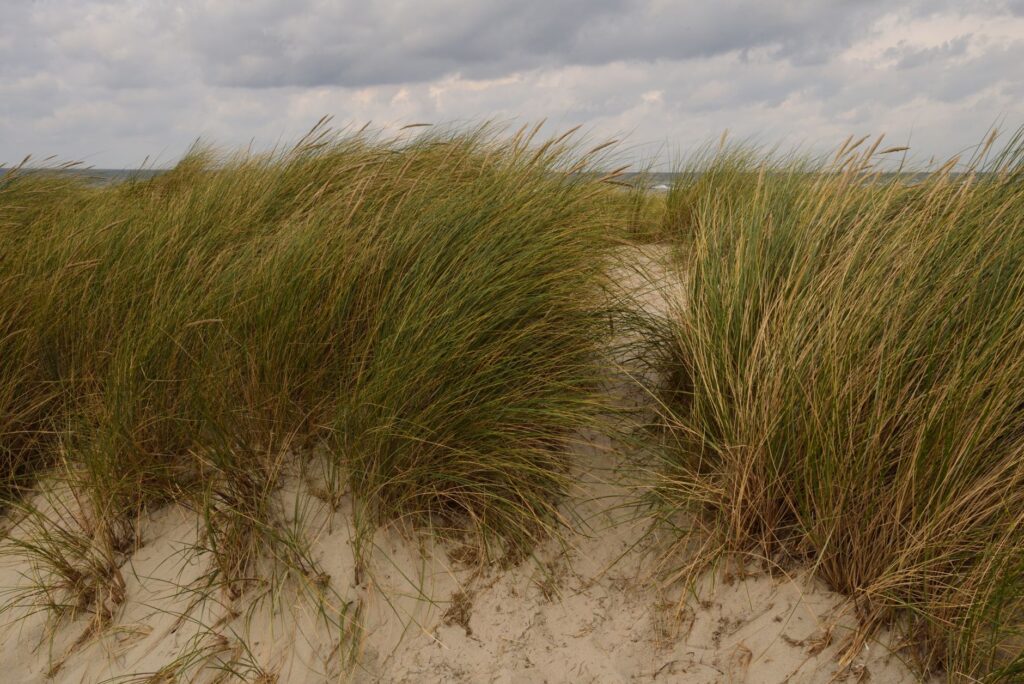
Once the number is in hand, the more useful question isn’t “how do I change my soil” — it’s “what already wants to grow in this soil.” A yard testing acidic and sandy near the Bayshore is a strong candidate for salt- and drought-tolerant natives that don’t need constant correction to thrive. A neutral, heavier clay-loam bed inland toward Lincroft or Chapel Hill opens up a different set of options, including many ornamental and shade species that struggle in the sharply acidic soils closer to the water.
The International Society of Arboriculture’s right-tree-right-place guidance is a useful starting point for cross-referencing a pH result against species tolerances before committing to a purchase. Working with, rather than against, what a soil test reveals is usually the difference between a tree that establishes cleanly in its first two years and one that spends a decade looking stressed for reasons the homeowner never quite figured out.
Middletown's #1 Tree Expert Company
FREE Inspection & Estimate | Certified Arborists | Trimming, Pruning, Removal, More!
Sponsored
When It's Worth Bringing in a Certified Arborist
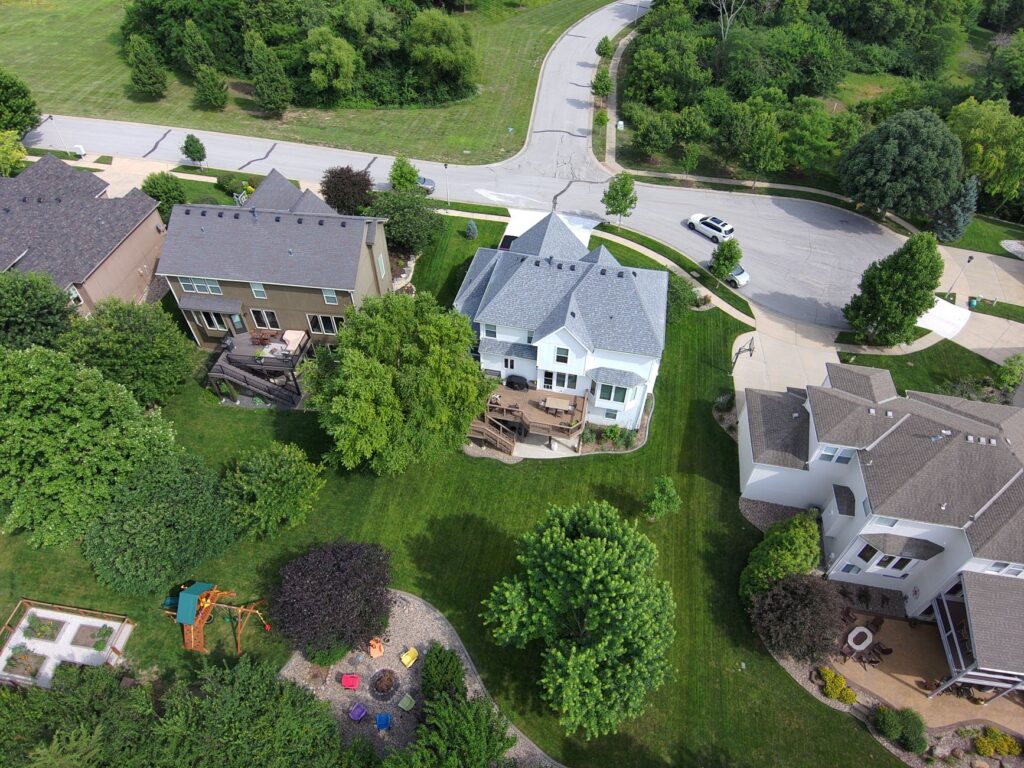
A basic pH test is well within reach of any homeowner willing to spend a few dollars and twenty minutes in the yard. Where it’s worth involving a certified arborist is when the results come back with a significant imbalance, when the planting site has other complications — poor drainage, visible compaction, a history of construction disturbance — or when the tree in question is a larger specimen where a wrong call is expensive to undo.
An arborist can weigh a soil test alongside site conditions a lab report can’t see: how water moves across the lot after a heavy rain, whether roots from existing trees are already competing for the same space, how much sun the planting site actually gets through the seasons. Combined with a solid soil test, that on-site read is what turns a fall planting plan from a guess into a decision with good odds behind it. For homeowners in Middletown Township looking toward the October planting window, the smartest first move isn’t picking out a tree — it’s finding out what the ground is already trying to tell them.
Photo credits: Featured image by Mikhail Nilov on Pexels; Section 1 by Boys in Bristol Photography on Pexels; Section 2 by Jonathan Cooper on Pexels; Section 3 by ROCKETMANN TEAM on Pexels; Section 4 by Lisa Fotios on Pexels; Section 5 by Radosław Krupa on Pexels; Section 6 by Arndt-Peter Bergfeld on Pexels; Section 7 by David McBee on Pexels.