
Middletown's #1 Tree Expert Company
FREE Inspection & Estimate | Certified Arborists | Trimming, Pruning, Removal, More!
Sponsored
Why Your Trees Matter More Than You Think When Selling in Middletown
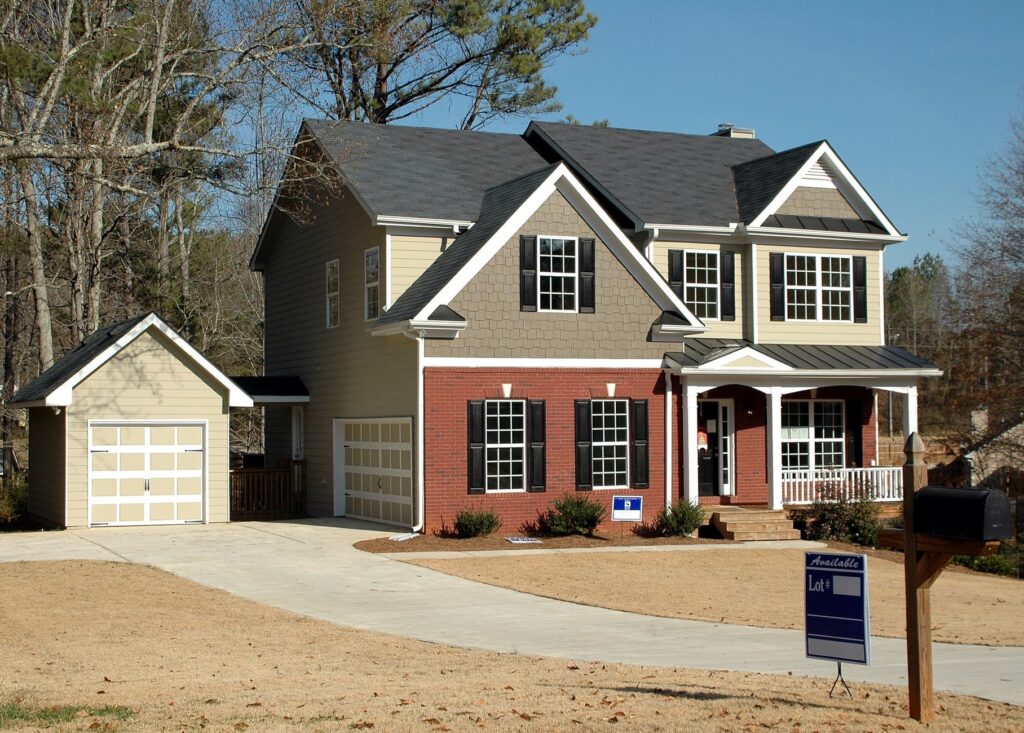
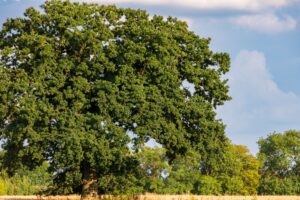
Late summer is when a lot of Middletown listings start coming together for a fall closing, and most of the pre-sale checklist is predictable: fresh paint, a tidy lawn, maybe new mulch beds. The mature white oak (Quercus alba) shading the driveway or the row of arborvitae along the property line rarely makes anyone’s list. It should.
Trees are one of the few features that show up on a buyer’s emotional walkthrough and on a home inspector’s written report at the same time. A healthy canopy reads as instant curb appeal. A leaning silver maple over the roofline, or a dead ash standing near the driveway, reads as a liability the buyer’s attorney will want addressed before closing. In a township with as much tree cover as Middletown, that second scenario comes up more often than sellers expect.
A pre-listing tree inspection is a quick, inexpensive step that either confirms your trees are an asset worth highlighting or catches a problem while you still have time and options to fix it — instead of finding out during attorney review, when a buyer’s inspector flags it and negotiations suddenly stall.
What a Home Inspector Actually Flags About Trees
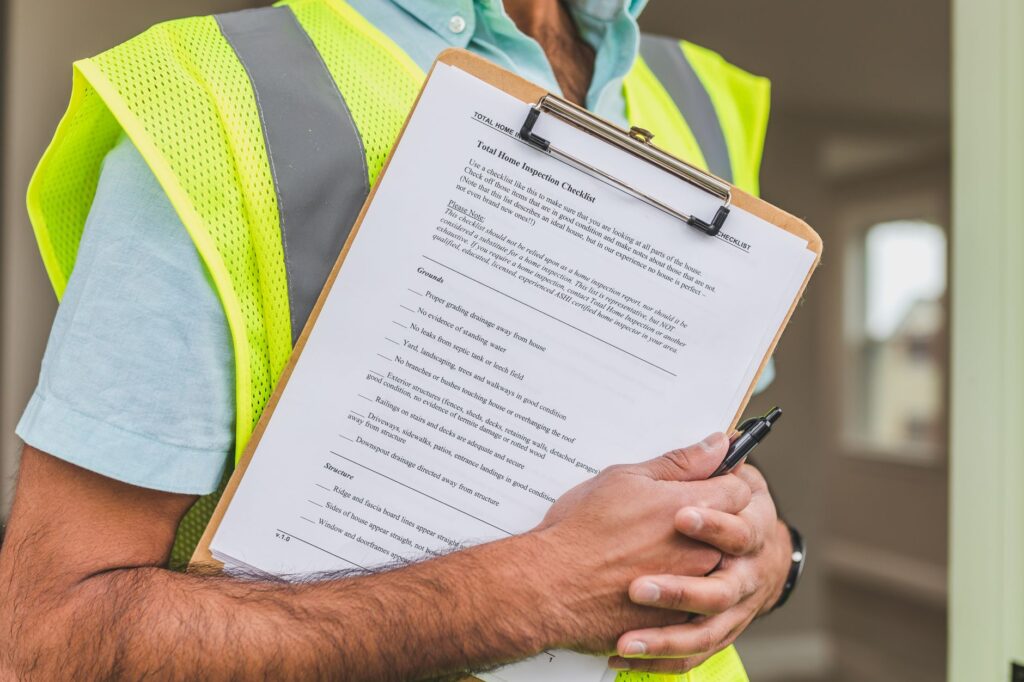
General home inspectors are not arborists, and most won’t climb a ladder to look closely at a canopy. But they are trained to note anything that looks like an obvious hazard, and trees show up in inspection reports more often than sellers realize. Common flags include large dead limbs overhanging the roof or driveway, trees leaning noticeably toward the structure, visible trunk cavities or fungal growth at the base, and roots that have lifted a walkway, patio, or foundation edge.
Once something like that lands in an inspection report, it becomes a negotiating point. Buyers — or more often their attorneys — will ask for a credit, a pre-closing removal, or a certified arborist’s written opinion that the tree isn’t an imminent risk. Any of those options costs the seller time during a period when timing is everything. Catching the same issue before the house is listed means it gets handled on your schedule, not the buyer’s.
The USDA Forest Service has documented for decades how tree condition affects both perceived and appraised property value — the effect runs in both directions, and a visibly hazardous tree is one of the fastest ways to erase the value a healthy canopy would otherwise add.
The Real Dollar Value Trees Add — and Subtract — From a Middletown Listing
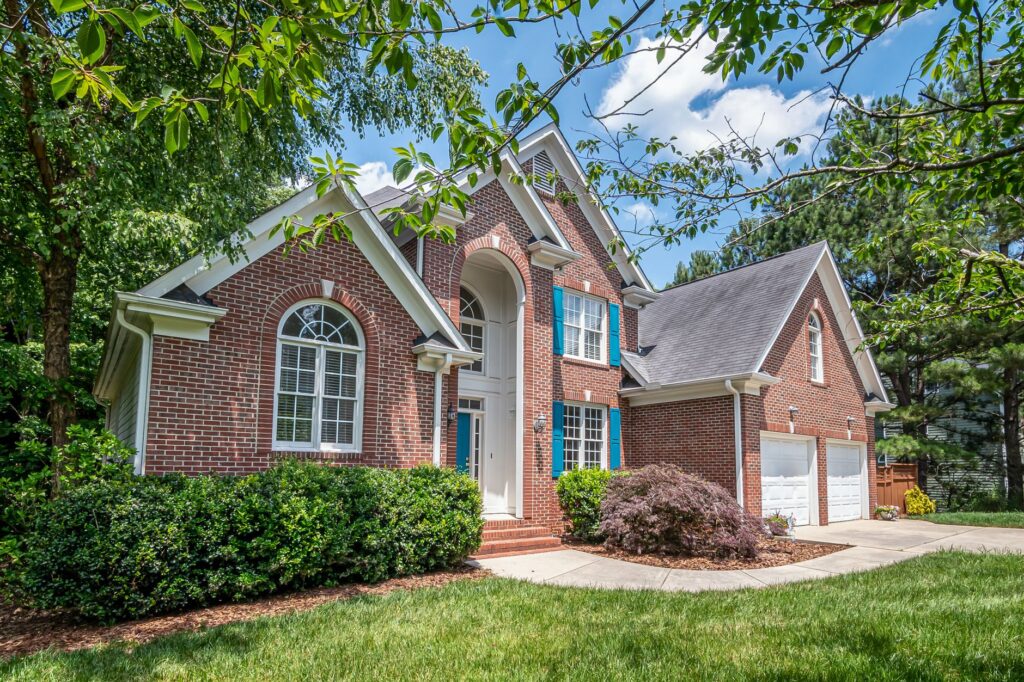
Well-placed, healthy shade trees consistently add measurable value to a residential sale — studies cited by the International Society of Arboriculture put the premium anywhere from a few percentage points to well into double digits depending on the tree’s size, condition, and placement relative to the house. A mature specimen tree framing a colonial on a Lincroft or Navesink street is doing real work in listing photos before a buyer ever steps inside.
The subtraction side gets less attention but matters just as much. A declining or structurally compromised tree near the house doesn’t just fail to add value — appraisers and inspectors alike treat it as a deferred cost the buyer will have to absorb, and buyers price that in aggressively, often well above what the actual removal or pruning would cost. The gap between what a healthy tree adds and what a hazardous one subtracts is usually the price of one arborist visit.
Middletown's #1 Tree Expert Company
FREE Inspection & Estimate | Certified Arborists | Trimming, Pruning, Removal, More!
Sponsored
What to Have Documented Before You List

A written record is worth more than a verbal assurance once you’re in front of a buyer’s attorney. Before listing, it’s worth having a certified arborist walk the property and produce:
- A brief written assessment noting the condition of any large tree within striking distance of the house, driveway, or a neighbor’s property
- Photos and notes on any tree that was pruned, cabled, or treated in recent years — proof of maintenance carries real weight in negotiations
- A clear recommendation on anything that needs attention before closing, versus anything that’s cosmetic and can wait
This isn’t the same as a full risk assessment for insurance purposes, though the documentation habits overlap. It’s a shorter, sale-focused version: does anything here look like a problem to a buyer’s inspector, and if so, what’s the fix. Rutgers Cooperative Extension’s NJAES publishes guidance on structural pruning and tree risk indicators that’s a useful reference for understanding what an arborist is actually looking for during that walk-through.
Red Flags Common to Bayshore and Middletown Properties

A few issues turn up again and again on Middletown properties heading to market, and most trace back to the area’s growing history rather than the current owner’s neglect. Trees planted too close to the foundation decades ago — often a Norway maple or a white pine that was small when the house was built — now have roots pressing against slab edges or septic lines. Ash trees killed by emerald ash borer are still standing, dead, on some older lots along the Bayshore and near Port Monmouth, easy for a buyer’s inspector to spot and hard to explain away as harmless.
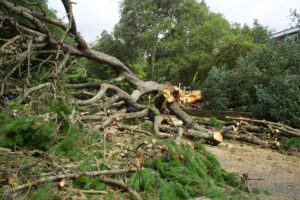
Storm history is another one worth getting ahead of. A tree that lost a major limb in a past nor’easter and was never properly restoration-pruned often shows included bark or a lopsided canopy that reads as instability, even if the tree itself is otherwise sound. And on properties near Raritan Bay, salt-stressed evergreens with thin, browning crowns can look far worse in listing photos than a quick pruning and fertilization visit would leave them.
None of these are automatic deal-breakers. They’re just the specific things worth having someone knowledgeable look at before a buyer’s inspector finds them first.
Timing the Work: Why Late Summer Is the Window Before a Fall Listing
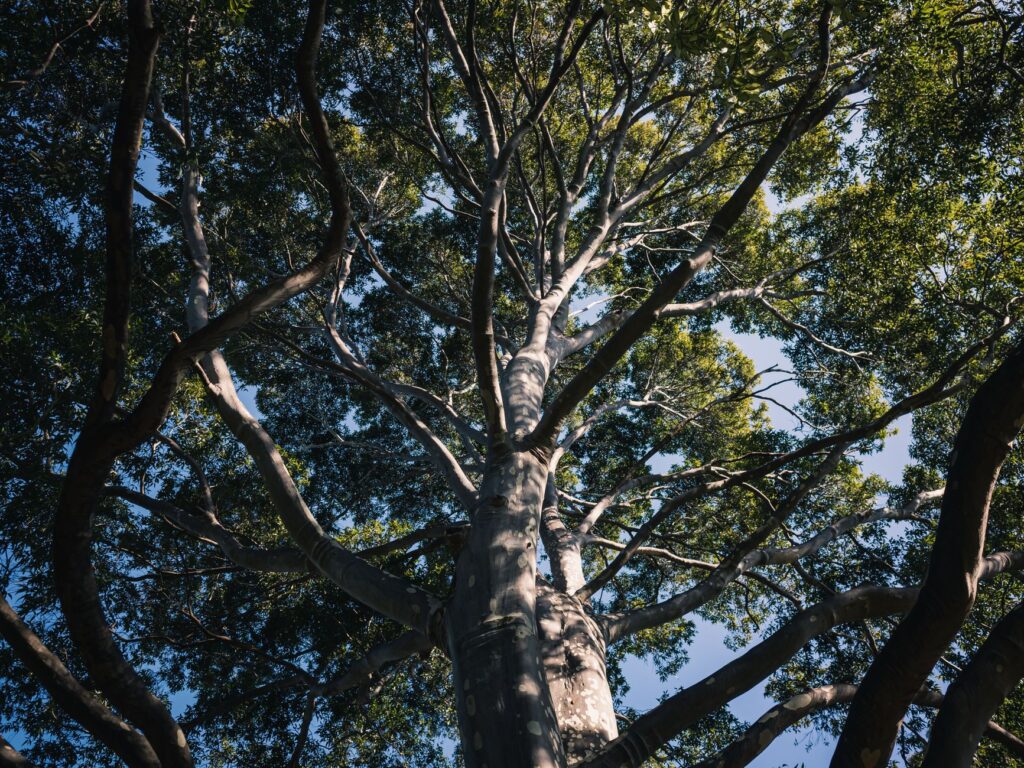
If an arborist visit turns up something that needs real work — a hazard limb removed, a lean addressed with cabling, a dead tree taken down — August is a good month to schedule it. Tree crews get busy fast once storm season peaks in September and October, and a removal that requires a township permit needs lead time. Middletown Township requires a permit for removing most trees six inches or more in diameter at chest height, with the process and exemptions spelled out on the Township’s tree removal regulations page. Starting that process in August, rather than after an offer is already in hand, keeps it from becoming a closing-timeline problem.
Cosmetic cleanup — deadwooding, a light crown thinning to open up sightlines to the house, mulching beds around trunk flares — can happen anytime before photos are taken. But anything structural is worth starting now, while there’s still slack in the calendar.
Middletown's #1 Tree Expert Company
FREE Inspection & Estimate | Certified Arborists | Trimming, Pruning, Removal, More!
Sponsored
Summary: When to Call a Pro
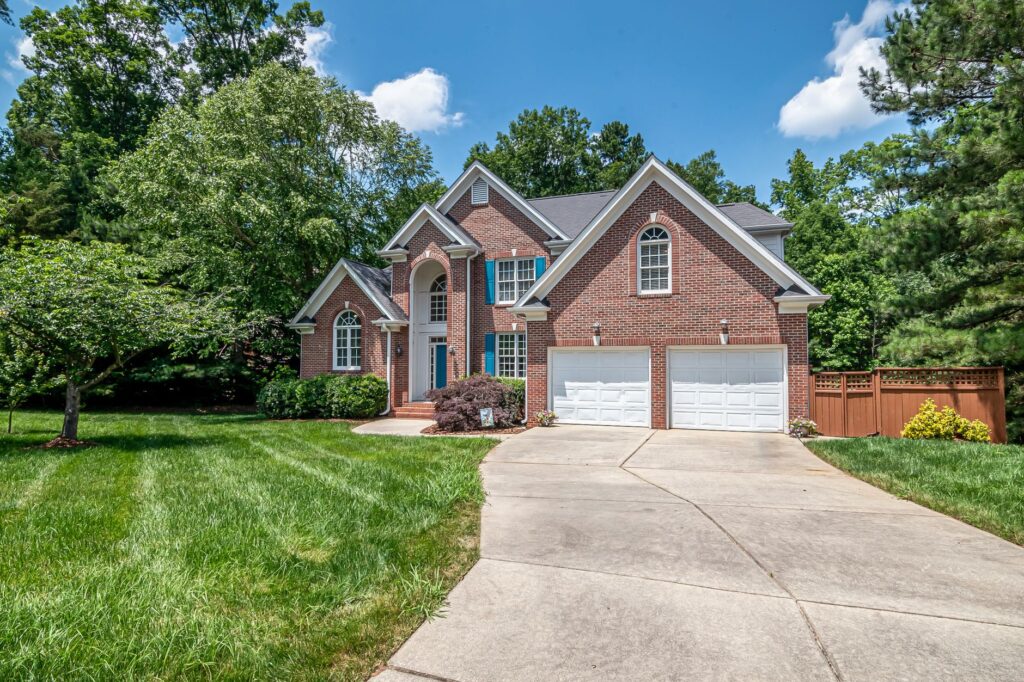
Trees are one of the highest-leverage, lowest-cost items on a pre-listing checklist, and they’re also one of the easiest to overlook. A single visit from a certified arborist — usually far cheaper than the closing credit a buyer will negotiate for the same issue later — tells you whether your canopy is a selling point or a liability waiting to surface in an inspection report.
If a property has a large tree near the house, a tree that’s lost limbs in past storms, or a dead or declining tree anywhere close to the structure or a shared property line, that’s the signal to get a certified arborist’s opinion before the sign goes in the yard. Getting ahead of it protects the sale timeline — and often the sale price.
Photo credits: Featured image by Kindel Media on Pexels; Section 1 by Pixabay on Pexels; Section 2 by RDNE Stock project on Pexels; Section 3 by Curtis Adams on Pexels; Section 4 by Gustavo Fring on Pexels; Section 5 by Thirdman on Pexels; Section 6 by Sonny Sixteen on Pexels; Section 7 by Curtis Adams on Pexels.