Middletown's #1 Tree Expert Company
FREE Inspection & Estimate | Certified Arborists | Trimming, Pruning, Removal, More!
Sponsored
The Chewed Leaves You've Been Meaning to Worry About
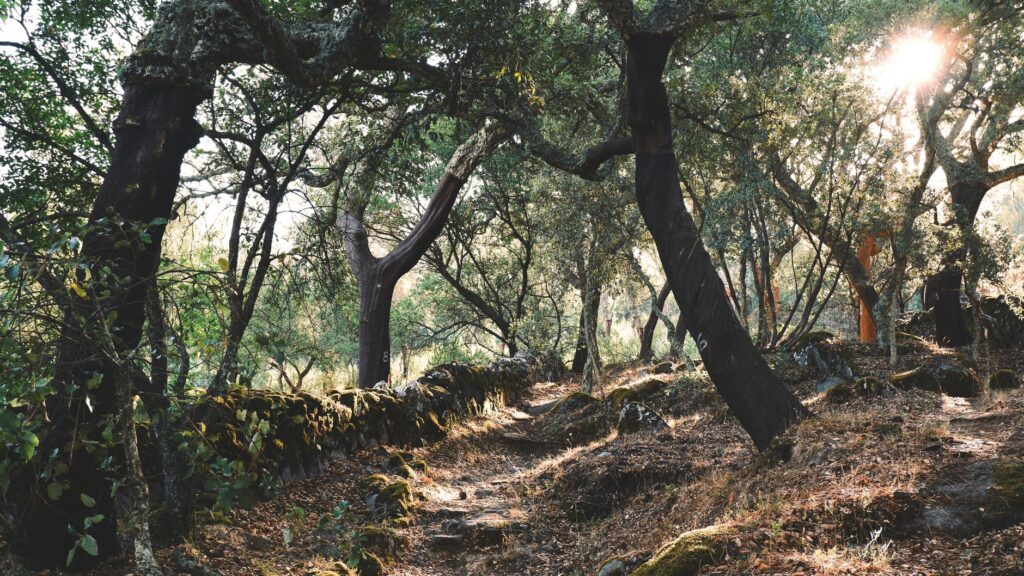
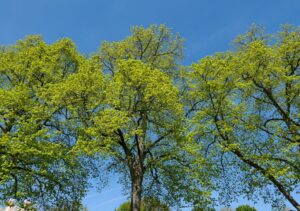
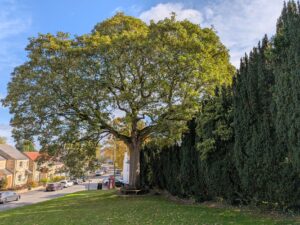
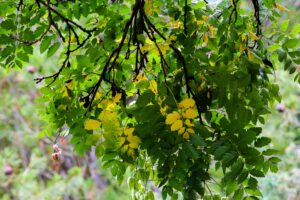
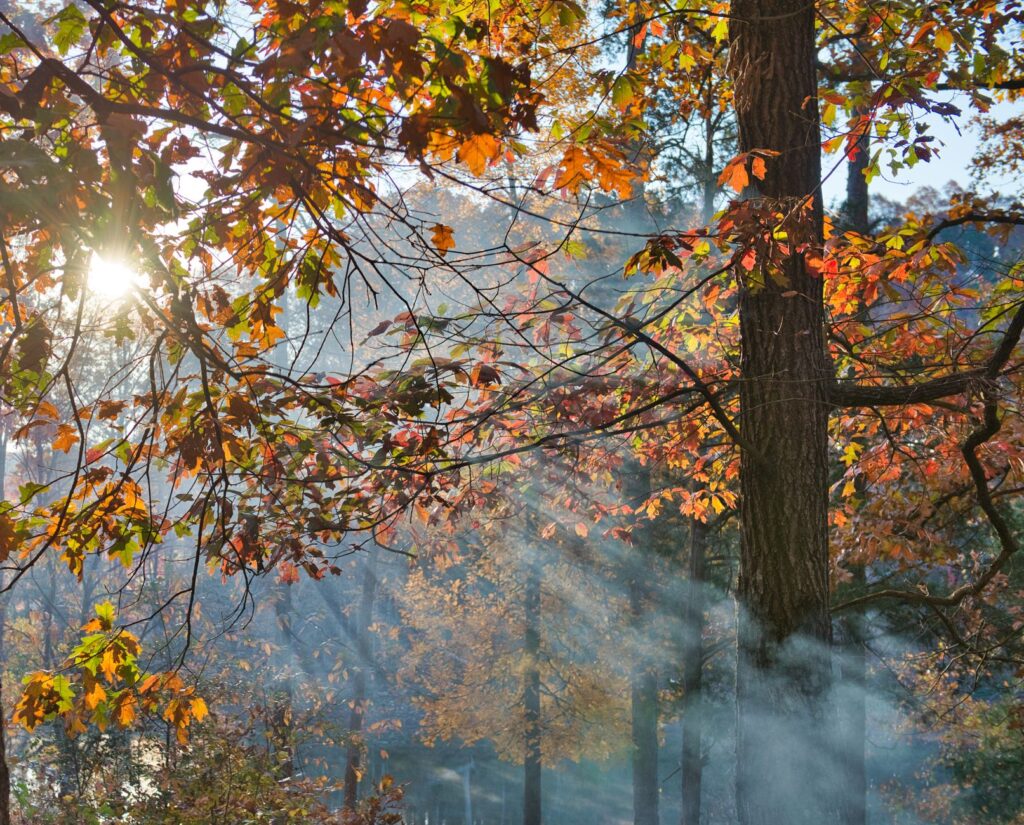
Walk the trail loop at Hartshorne Woods Park in late July or August and look up. The white oaks (Quercus alba) overhead are ragged by now — leaf margins nibbled, a few skeletonized down to their veins, small holes punched through like buckshot. Walk your own backyard in Lincroft or Leonardo and you’ll likely see the same thing on the shade tree you’ve had since the kids were small.
Most homeowners see that damage and reach for a reason to be worried: is my tree sick, is something eating it alive, should I call someone. I get some version of that question every August. The honest answer, almost every time, is that the tree is fine — better than fine, actually. Those chewed leaves are the visible evidence of an entire food web running at full capacity, and it’s one most of us never learned to read.
This is a good time of year to look at that food web on purpose, because August sits at a hinge point. The spring nesting rush is over, the fall shorebird and songbird migration through the Bayshore hasn’t started yet, and the insects your oak has been quietly feeding all summer are about to matter again in a different way.
The Math Nobody Explains When You Buy a Tree
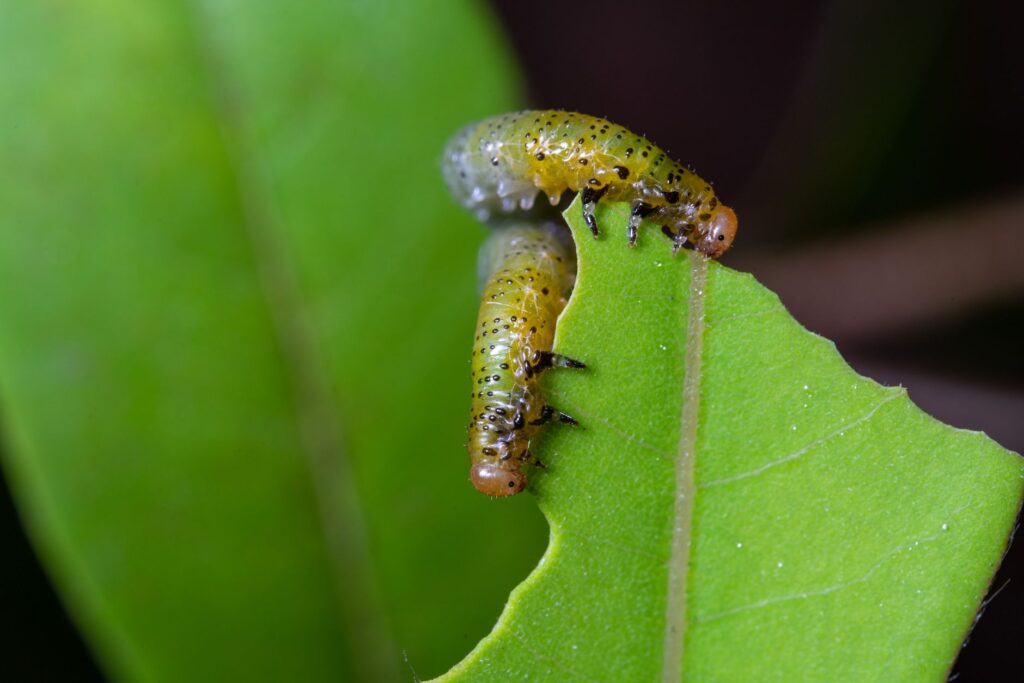
Not all trees pull the same ecological weight, and the gap is bigger than most nursery tags let on. Research summarized by Rutgers Cooperative Extension’s guide to incorporating native plants in residential landscapes lays it out plainly: native species evolved alongside the insects, fungi, and wildlife around them, and that shared history is what makes them productive. A native oak can host caterpillars from dozens of different moth and butterfly species over a season. A non-native ornamental planted purely for its spring flush of flowers or fall color might host almost none.
That’s not an accident of taste — it’s chemistry. Leaves are covered in defensive compounds, and local insects spent millions of years evolving the ability to digest the specific compounds in the plants that were actually here. Move a tree from another continent into a Middletown yard and most of the insects that would normally eat it, and in turn feed something else, simply can’t process its leaves. The tree looks pristine. It’s also mostly dead weight in the local food web.
Baby Birds Don't Eat Birdseed
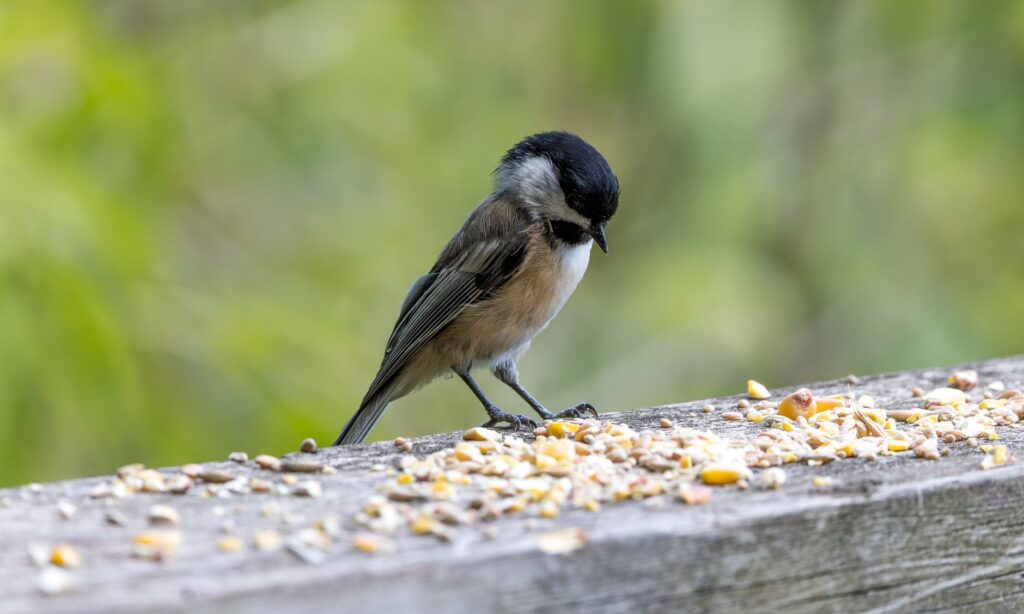
This is the part that surprises people who’ve hung a feeder for years and assumed that was doing the job. Adult chickadees, wrens, and cardinals eat seed happily. Their nestlings mostly can’t — seed is too hard, too dry, and too low in the moisture and protein a growing chick needs in its first two weeks. What nestlings eat, almost exclusively, is soft-bodied insects, and caterpillars are the single richest, most abundant source of them.
A tree that feeds caterpillars is, functionally, feeding the next generation of the birds you enjoy watching. USDA Forest Service research on urban wildlife points to the same pattern in city and suburban forests generally — tree cover and species diversity are two of the strongest predictors of how much wildlife an urban or suburban landscape can actually support, not just how green it looks from the street.
By August, that spring nesting surge has already happened in your yard, whether you noticed it or not. The oak that looked chewed-up in June is the reason there were chickadees to hear at all.
Middletown's #1 Tree Expert Company
FREE Inspection & Estimate | Certified Arborists | Trimming, Pruning, Removal, More!
Sponsored
Some Trees Are Carrying the Whole Neighborhood
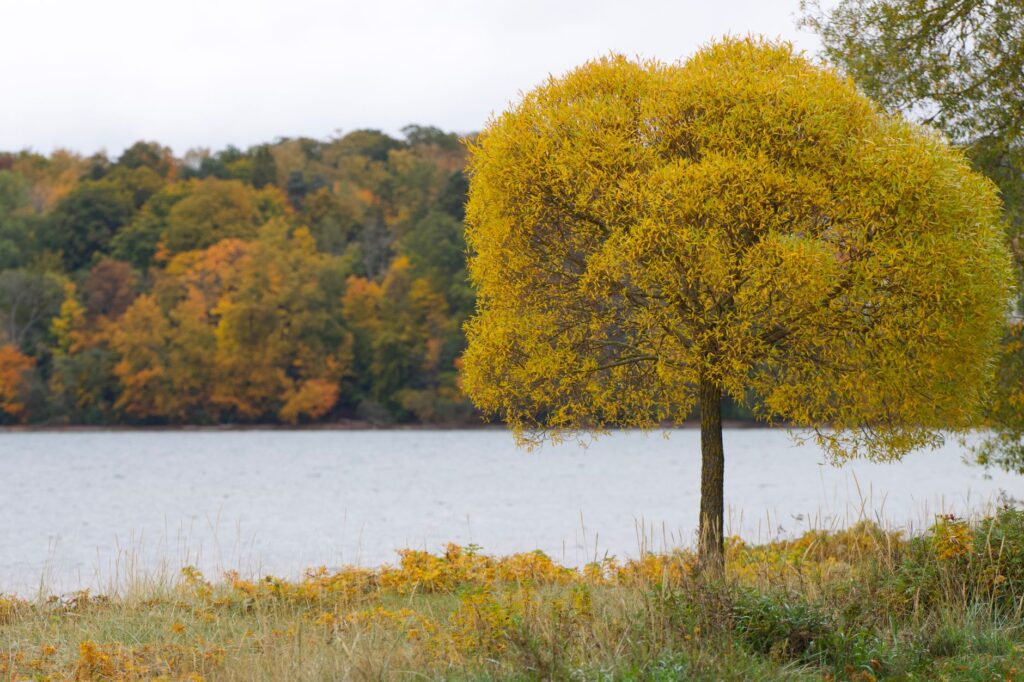
Walk a few Middletown blocks and you’ll see the imbalance yourself. A mature white oak or black oak (Quercus velutina) anchoring one yard is doing enormous ecological work. Two doors down, a row of Bradford pears or a Norway maple might be doing almost none — both are non-native, both are widely planted for fast growth and tidy form, and both are near the bottom of the list for supporting local insect life.
This isn’t an argument for ripping out every non-native tree on your property. It is a good reason to weight your choice differently the next time you’re replacing a storm-damaged tree or filling a gap in the yard. Rutgers NJAES’s fact sheet on native alternatives to invasive landscape plants is a useful starting point — it pairs commonly planted ornamentals with native species that do a similar landscaping job while actually feeding something.
For Middletown yards, the heavy hitters worth knowing are white oak, black oak, black gum (Nyssa sylvatica), and black cherry (Prunus serotina). All four tolerate the area’s clay-loam soils, all four have real fall color, and all four punch far above their weight for the insects and birds that depend on them.
Why August Specifically Matters for This System
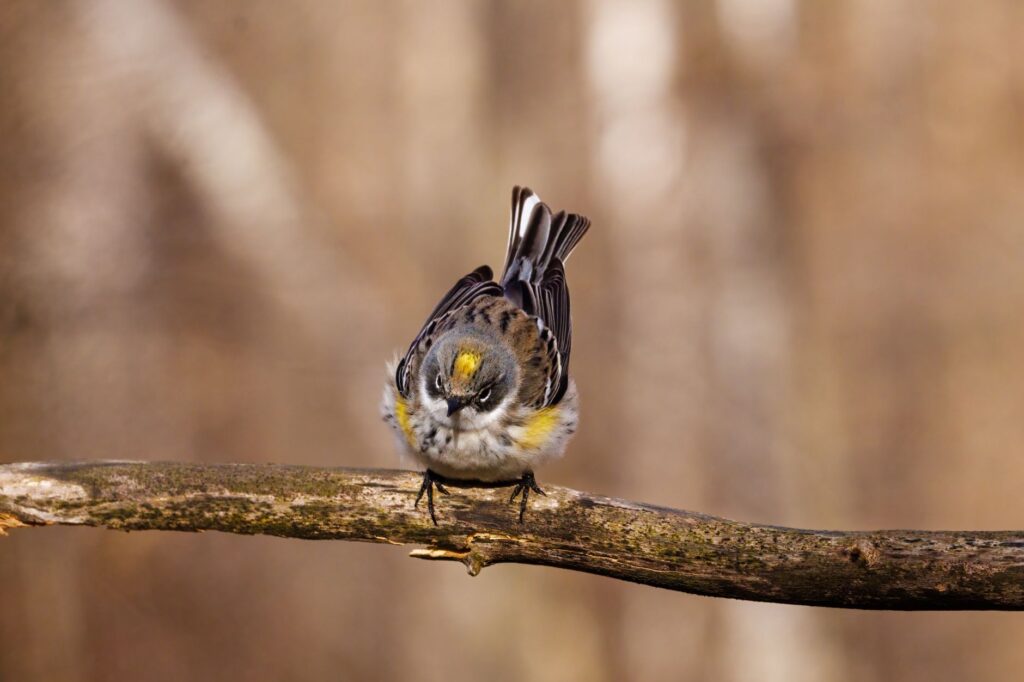
It’s tempting to think of “tree bugs” as a spring and summer story that wraps up once the leaves stop getting chewed. It doesn’t. Many of the moth species using your oak right now are heading into the soil and leaf litter beneath the canopy to pupate over the next several weeks — not in autumn, but starting now, in late summer. A yard that gets raked bare and sprayed clean under every shade tree in August is quietly removing next year’s generation before it ever gets the chance to emerge.
It matters for a second reason too. Within a few weeks, the Bayshore becomes a genuine migration corridor. Warblers, vireos, and other songbirds funnel down the New Jersey coast and stage at spots like Hartshorne Woods Park before crossing open water at the mouth of Raritan Bay. Those birds aren’t stopping for the view — they’re refueling on exactly the same caterpillars and soft-bodied insects your yard’s oaks and cherries have been producing all summer. A tree canopy with an intact insect population is a functioning truck stop on that route. A canopy that’s been kept insect-free all season isn’t.
What This Actually Looks Like in Practice
None of this requires letting your yard go wild or tolerating a genuinely stressed, defoliated tree. It mostly means recalibrating what counts as a problem worth treating.
- Chewed or holey leaves on an otherwise healthy tree are a sign the system is working, not a reason to spray a broad-spectrum insecticide.
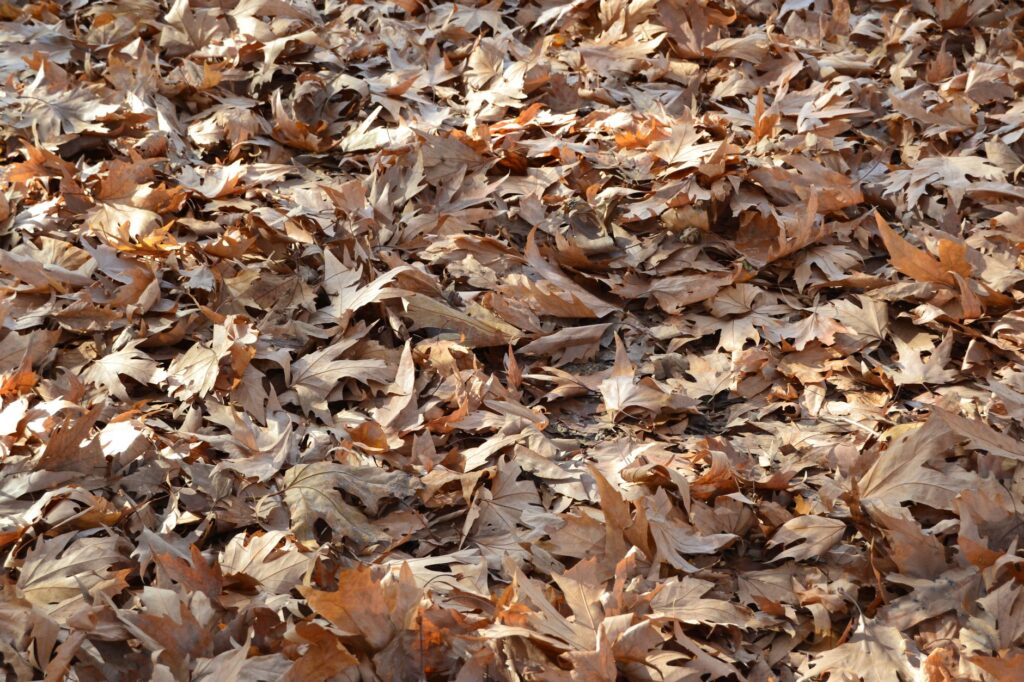
- Leaving a loose layer of leaf litter under trees through late summer and fall gives pupating moths somewhere to complete the cycle, instead of stripping the area bare.
- When a tree does need to come down — storm damage, disease, a genuine hazard — replacing it with a native keystone species keeps that spot productive instead of turning it into ornamental dead weight.
- A layered yard, with some understory shrubs beneath the canopy, supports far more species than lawn running right up to the trunk.
None of it is about doing more work. Mostly it’s about doing less to the areas under your trees than habit suggests you should.
Middletown's #1 Tree Expert Company
FREE Inspection & Estimate | Certified Arborists | Trimming, Pruning, Removal, More!
Sponsored
When It's Worth Bringing in a Second Opinion
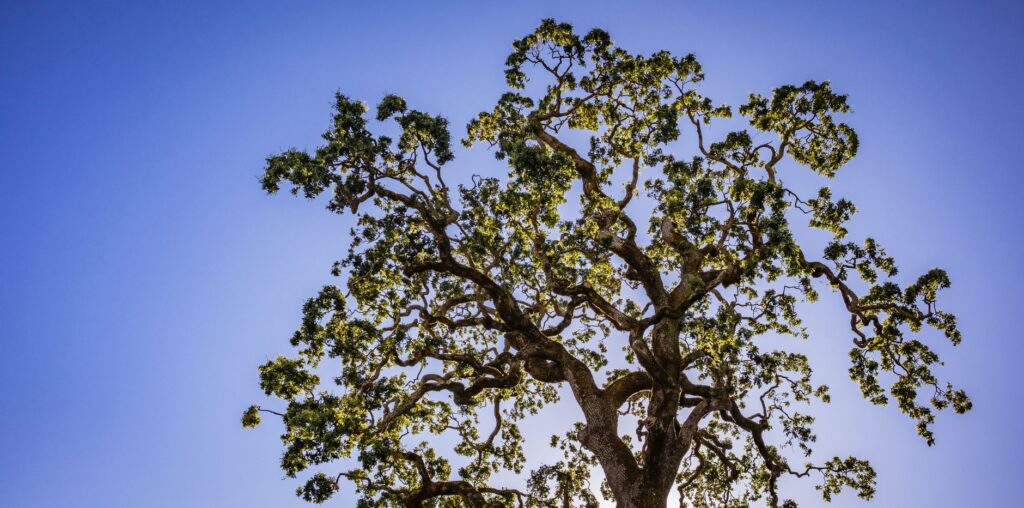
Reading the difference between normal seasonal herbivory and a tree in genuine decline takes some practice — heavy, one-sided defoliation, dieback in the upper crown, or bark changes are worth a second look, while scattered leaf holes across an otherwise full canopy generally aren’t. If you’re weighing whether a stressed or storm-damaged tree is worth saving, or trying to decide what to plant in its place, an ISA-certified arborist can walk the property with both questions in mind — structural safety and the tree’s role in the yard’s larger ecosystem don’t have to be in tension.
The oak that looks a little rough by late summer is doing exactly what a healthy Middletown tree is supposed to do. Before you reach for anything to fix that, it’s worth sitting outside for ten minutes and listening to what it’s actually feeding.
Photo credits: Featured image by Thomas K on Pexels; Section 1 by Nils Rotura on Pexels; Section 2 by Jimmy Chan on Pexels; Section 3 by Pi Pi on Pexels; Section 4 by Efrem Efre on Pexels; Section 5 by Aaron J Hill on Pexels; Section 6 by PABLO GÓMEZ on Pexels; Section 7 by Robert So on Pexels.