Middletown's #1 Tree Expert Company
FREE Inspection & Estimate | Certified Arborists | Trimming, Pruning, Removal, More!
Sponsored
The Tree That Looks Fine Until It Isn't
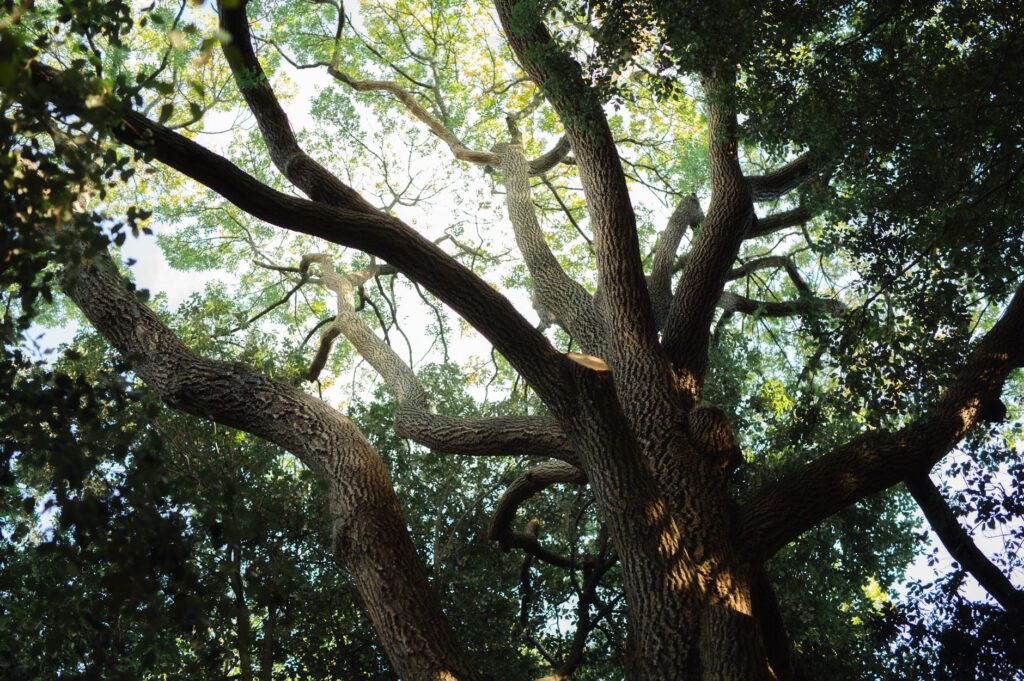
Late July into August is when I get the calls I dread most. A homeowner in Lincroft or along Route 35 near Port Monmouth hears a crack in the middle of a thunderstorm, and a limb the size of a small tree comes down on a car, a shed, or worse. What frustrates me every time is that the warning signs were almost always there weeks or months earlier, quietly, if anyone had known where to look.
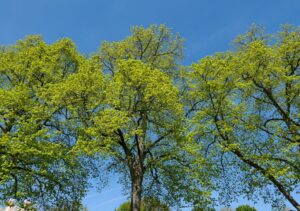
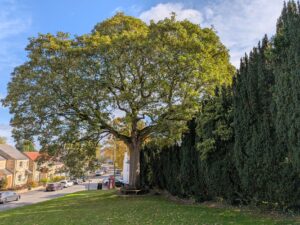
Middletown’s mature canopy, oaks and maples that have stood since before the Bayshore was subdivided into the neighborhoods we know today, is one of the township’s real assets. It cools yards, holds soil on the slopes above the Navesink and Shrewsbury Rivers, and adds real value to a property. But an old tree isn’t automatically a dangerous tree, and a young tree isn’t automatically a safe one. What matters is what the tree is telling you right now, and most of that language is visual. You don’t need a forestry degree to read the first few chapters. You just need to know what to look for.
This is a walk-your-yard checklist, not a substitute for a professional risk assessment. If you spot any of the five signs below, especially in a tree that could hit your house, your driveway, or your neighbor’s property, that’s the point to call a certified arborist rather than reach for a chainsaw or a ladder yourself.
Sign One: Deadwood in the Upper Canopy
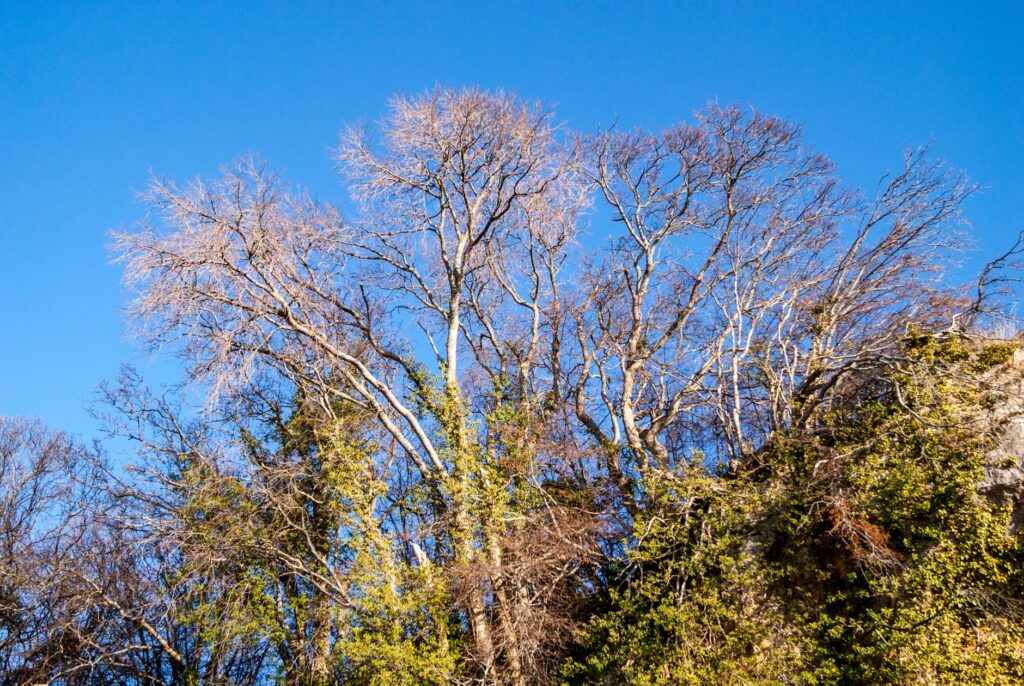
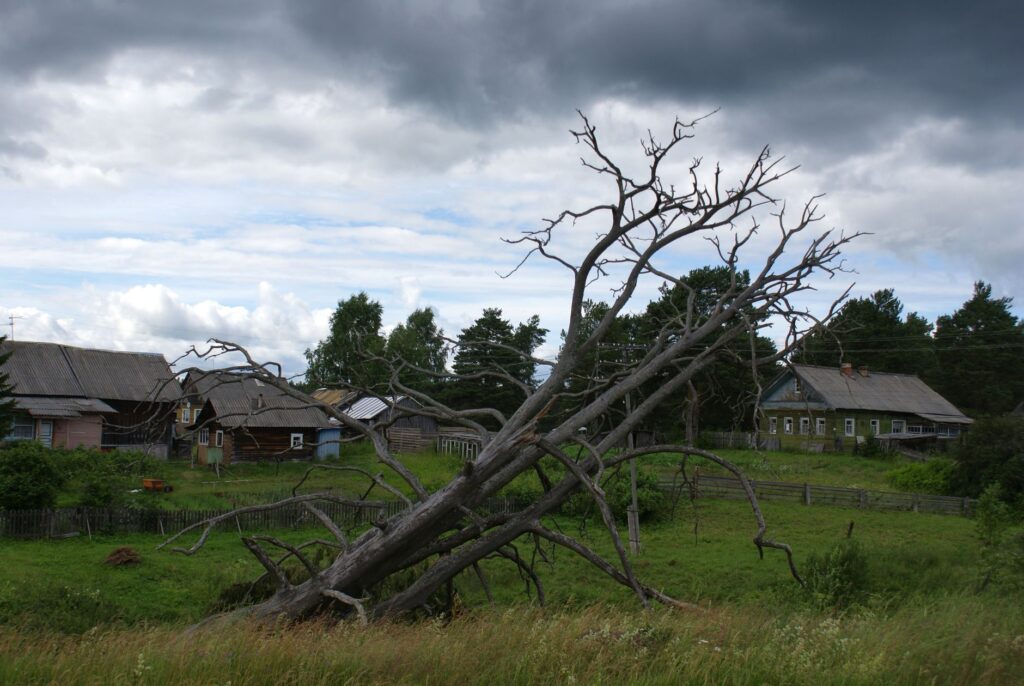
Deadwood is exactly what it sounds like, branches that have died but haven’t fallen yet, and it’s usually the easiest hazard sign to spot from the ground. Look up on a bright day and scan the silhouette of the crown against the sky. Live branches in summer are covered in leaves. Dead ones are bare, often gray or silvery rather than brown, and the bark may be sloughing off in patches.
A little deadwood scattered through a big oak is normal, especially after a stressful year. But dense clusters of dead branches, particularly ones larger than two or three inches in diameter sitting directly over a roof, deck, or driveway, are a real risk during wind events. Dead wood loses flexibility long before it falls, so it snaps in gusts that a living branch would simply bend through. The USDA Forest Service lists significant deadwood accumulation as one of the standard indicators used in formal tree risk assessment protocols, and it’s usually the first thing I flag on a walk-through.
Sign Two: Cracks, Splits, and Included Bark
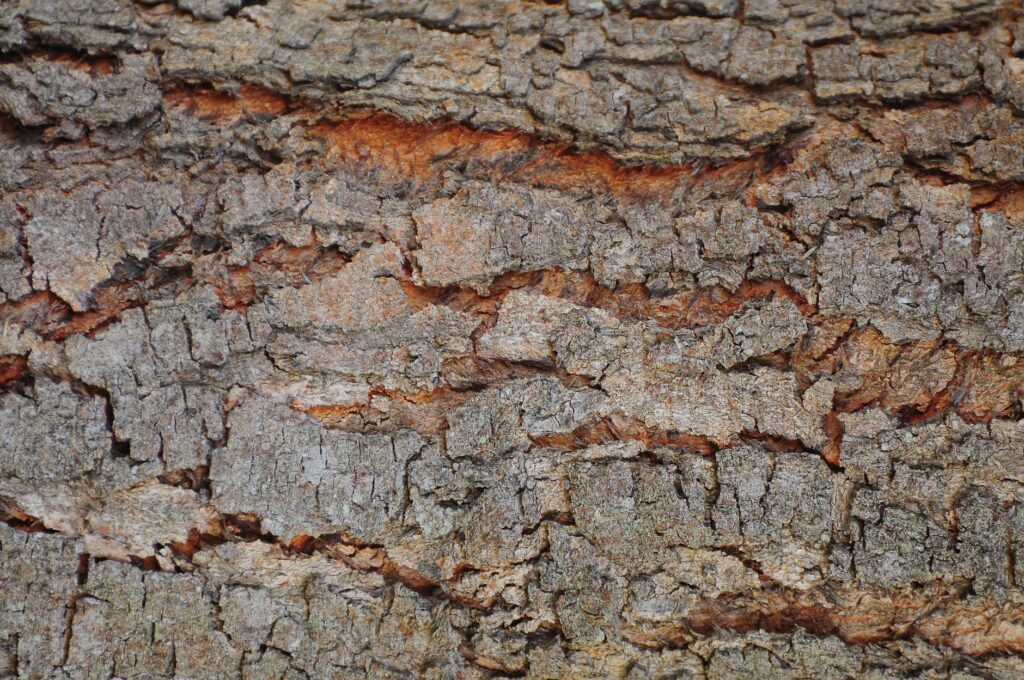
Trunk and branch cracks are more urgent than deadwood because they signal a structural failure already underway, not just a future one. Walk the base of the trunk and look for vertical seams, especially ones that open and close slightly if you press near them, or that run up from a root flare. A crack running through a branch union, where two major limbs meet, is even more concerning.
Pay close attention to what arborists call included bark, a V-shaped union where two stems grow so tightly together that bark gets pinched inside the joint instead of forming solid wood. It looks like a seam or a dark crease rather than a smooth, rounded union, and it’s structurally weak by nature. Codominant stems with included bark are a leading cause of storm failure in mature shade trees across Monmouth County, and they’re worth pointing a certified arborist toward even if nothing looks obviously broken yet. Trees Are Good, the International Society of Arboriculture’s homeowner resource, has clear photo references if you want to compare what you’re seeing in your own yard.
Middletown's #1 Tree Expert Company
FREE Inspection & Estimate | Certified Arborists | Trimming, Pruning, Removal, More!
Sponsored
Sign Three: Fungal Conks and Cavities at the Base
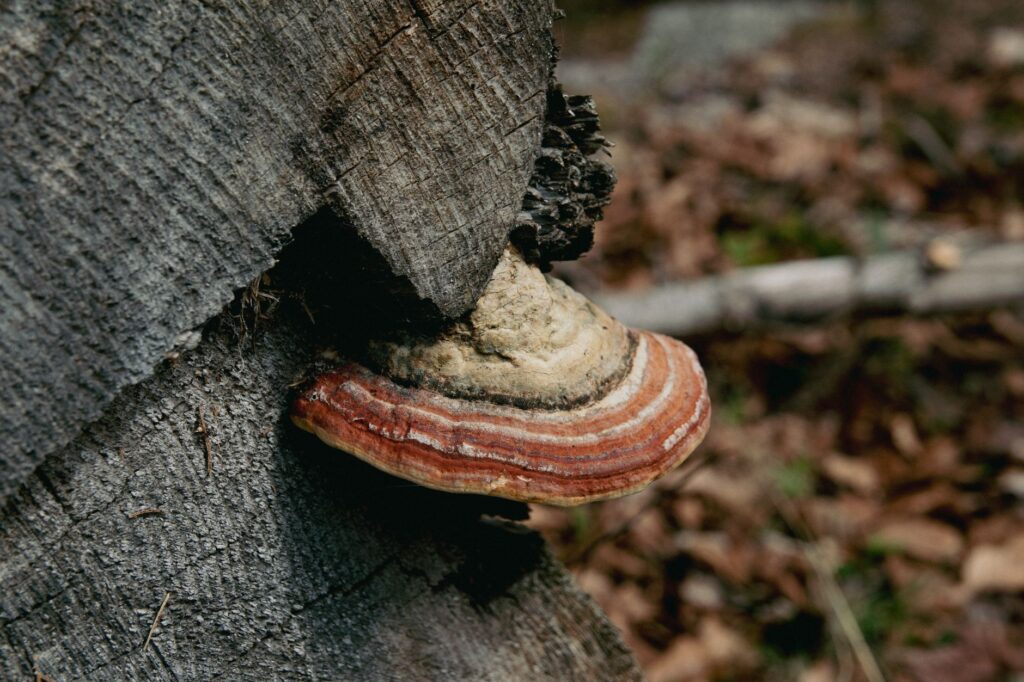
Mushrooms growing out of a tree trunk are not decoration. Shelf-like fungal conks, sometimes called bracket fungi, growing from the base, the root flare, or partway up the trunk are visible evidence of internal decay. The fungus is only fruiting where it can reach the surface; the actual damage is usually well inside the wood, hollowing out the structural core the tree depends on for strength.
Cavities tell a similar story. An open wound or hollow at the base, especially one big enough to see daylight through or that a small animal could den in, means a meaningful percentage of the tree’s cross-section is no longer solid wood. A tree can look perfectly healthy in the canopy while the base is compromised, which is exactly why base-level decay is one of the more dangerous signs to miss. If you see conks or a cavity on any tree near your house, that’s a call-a-pro situation rather than a wait-and-see one. The International Society of Arboriculture trains and certifies arborists specifically in assessing this kind of internal decay using resistance drills and sonic tomography when a visual check isn’t conclusive on its own.
Sign Four: Sudden Lean or Heaving Soil
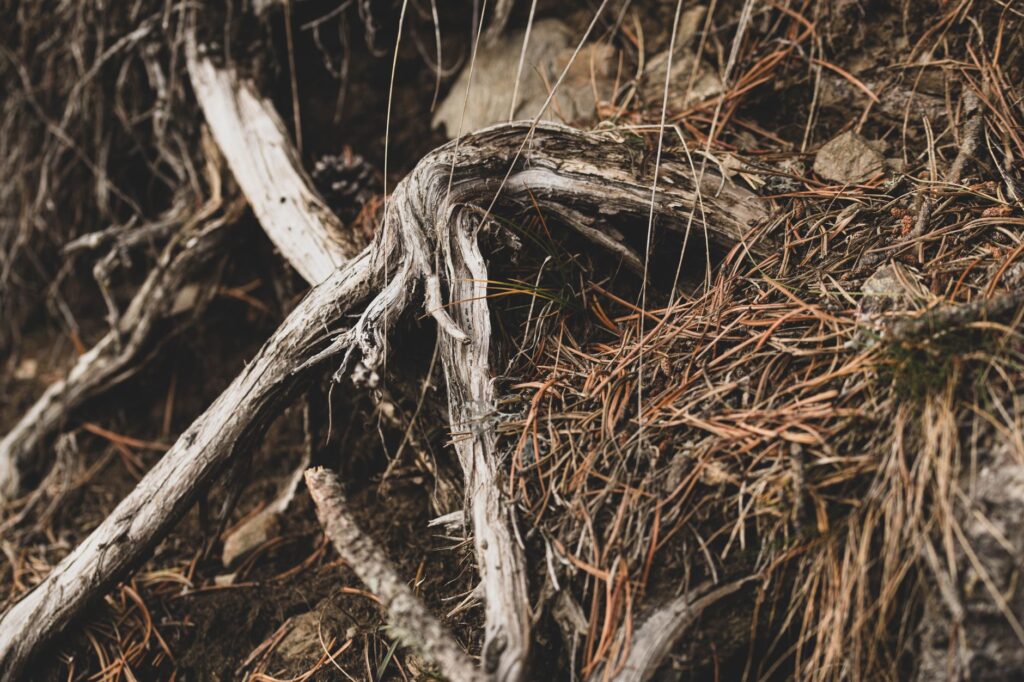
A tree that has always grown at a slight angle toward the sun is not automatically a problem, that’s just how it grew. What matters is change. A lean that’s new, or soil that’s heaving, cracking, or lifting on one side of the root zone, especially after heavy rain or wind, can mean the root plate is starting to fail. This is common after the saturated soil events we get during a wet nor’easter or a slow-moving summer storm off Raritan Bay, when waterlogged clay-loam soil loses the grip it normally has on a root system.
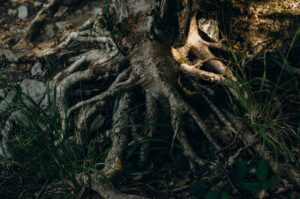
Check the ground on the side opposite the lean for cracking or lifted turf, and check for exposed roots that look freshly pulled rather than long-established. A tree that has always leaned is usually fine. A tree that started leaning this month is a different situation entirely, and it belongs on a certified arborist’s schedule quickly, not next season.
Sign Five: Thin, Small, or Off-Color Leaves Across the Whole Canopy
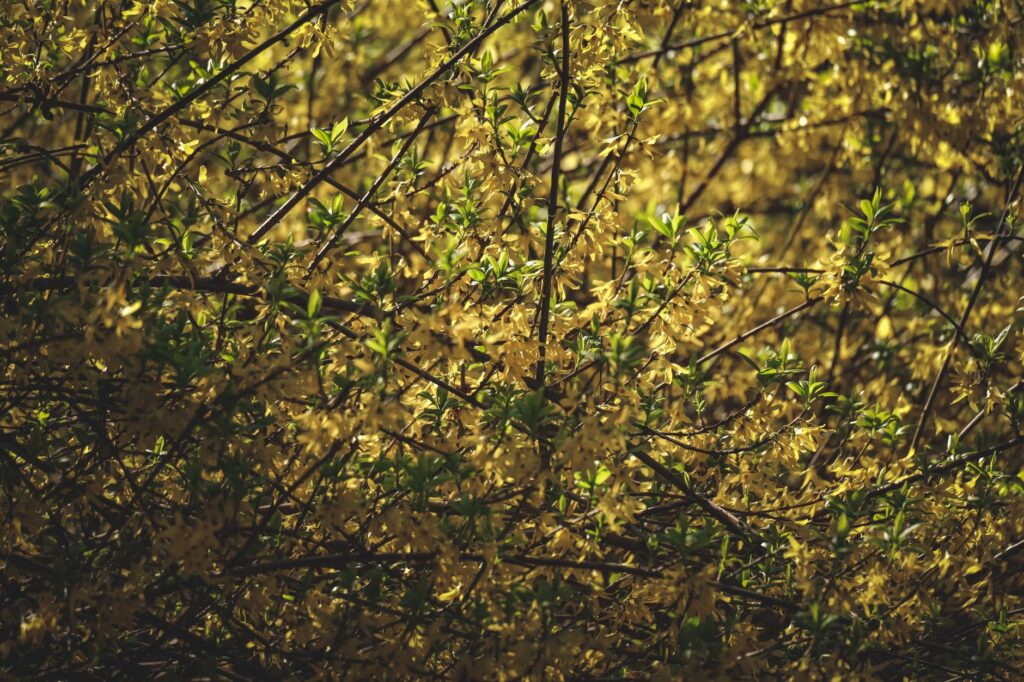
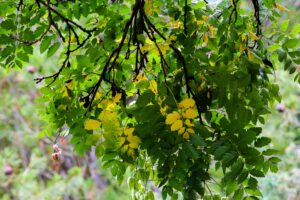
The first four signs are mostly mechanical. This one is about the tree’s overall vigor, and it matters because a stressed tree is slower to compartmentalize wounds and more vulnerable to the decay organisms behind signs two and three. Look at leaf size and density compared to a healthy tree of the same species nearby. Smaller-than-normal leaves, thin canopy you can see sky through where it used to be dense, or leaves that are yellowing or browning early, in July or August rather than October, all point to a tree under significant stress.
Causes range from root damage during nearby construction, to soil compaction from years of foot traffic or parked vehicles, to simple drought stress in a summer with an uneven rainfall pattern. None of these alone means the tree is an immediate hazard, but a stressed tree earns a closer look at the other four signs, since decay and structural failure move faster in a tree that’s already struggling. Rutgers New Jersey Agricultural Experiment Station publishes seasonal guidance on diagnosing canopy stress in home landscape trees if you want to dig deeper into what’s causing a particular symptom.
Middletown's #1 Tree Expert Company
FREE Inspection & Estimate | Certified Arborists | Trimming, Pruning, Removal, More!
Sponsored
When to Call a Certified Arborist
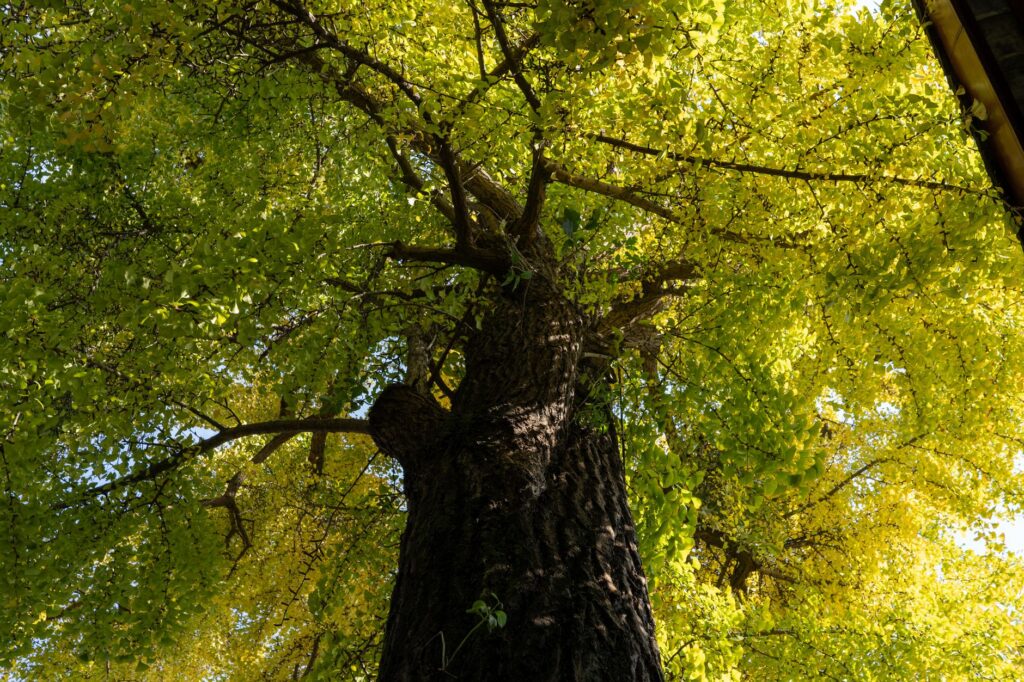
None of these five signs, on their own, means a tree is coming down tomorrow. But any of them near a house, driveway, or spot where people regularly stand or park is worth a professional look before the next line of summer storms rolls through the Bayshore. A certified arborist can tell the difference between a tree that needs a simple deadwood pruning and one that needs cabling, crown reduction, or removal, and can put that judgment in writing if you ever need documentation for an insurance claim or a neighbor dispute.
Walk your yard this week while the light is good and the leaves are full. Note anything that matches the signs above, take a few photos for your own records, and if something concerns you, get a certified arborist out for an assessment before the storm decides the timeline for you. A twenty-minute walk now is a lot cheaper than a fallen limb later.
Photo credits: Featured image by Sergeich 03 on Pexels; Section 1 by Grigoriy on Pexels; Section 2 by Valentin Cvetanoski on Pexels; Section 3 by Pixabay on Pexels; Section 4 by Jan Dvorak on Pexels; Section 5 by Walter Cunha on Pexels; Section 6 by Francesco Ungaro on Pexels; Section 7 by Peter Xie on Pexels.