

Middletown's #1 Tree Expert Company
FREE Inspection & Estimate | Certified Arborists | Trimming, Pruning, Removal, More!
Sponsored
Why I'm Already Talking About October Planting in July

Every year around this time, a client calls me convinced their yard needs a tree in the ground right now — usually because a storm just took one down, or because they finally noticed the bare, sun-baked strip along the driveway. I always give the same answer: wait for fall. Here in Middletown, with our clay-loam soils and salt-tinged Bayshore air, a tree planted in the dead heat of late July has to fight its way through establishment stress while also fighting 90-degree afternoons. A tree planted in October gets to spend the cooler months building roots with almost no demand to push new leaves.
But “wait for October” doesn’t mean “do nothing until October.” The best fall plantings I’ve supervised over the years all had one thing in common: the homeowner started paying attention in mid-summer. Right now, while your yard is under maximum stress from heat and (some years) drought, it’s showing you exactly where it struggles and exactly where it thrives — information that disappears once things cool off and green back up. This is the checklist I’d hand a client who wants a tree in the ground by Halloween and wants it to actually survive.
The Science Behind an October Planting Window
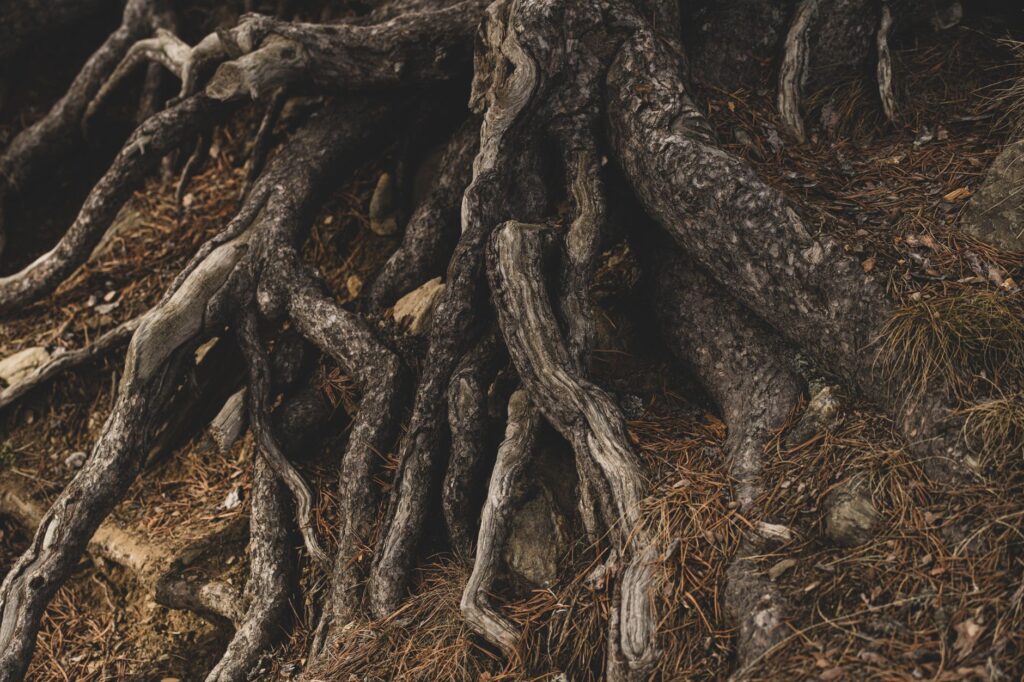
Trees don’t stop growing roots when their leaves start turning — root growth in most species continues until soil temperatures drop into the low 40s (Fahrenheit), which around the Bayshore is often not until December. A tree planted in October gets roughly two to three months of root establishment before the ground truly locks up, with none of the transpiration stress that comes from a full leaf canopy demanding water in July heat. Rutgers Cooperative Extension has long recommended fall planting for most deciduous species in New Jersey for exactly this reason — the tree spends its energy on roots instead of splitting effort between roots, leaves, and heat survival.
There’s a second, more local reason fall works so well here: our clay-loam soils hold summer heat and moisture unevenly, drying out fast on top while staying compacted and airless underneath. A tree planted in July often sits in a planting hole that behaves like a bathtub — either baked dry or waterlogged after a downpour, with roots barely established enough to cope with either extreme. By October, soil moisture in Middletown tends to even out, and the risk of a flash summer drought killing a brand-new root system drops considerably.
What Your Yard Is Telling You Right Now
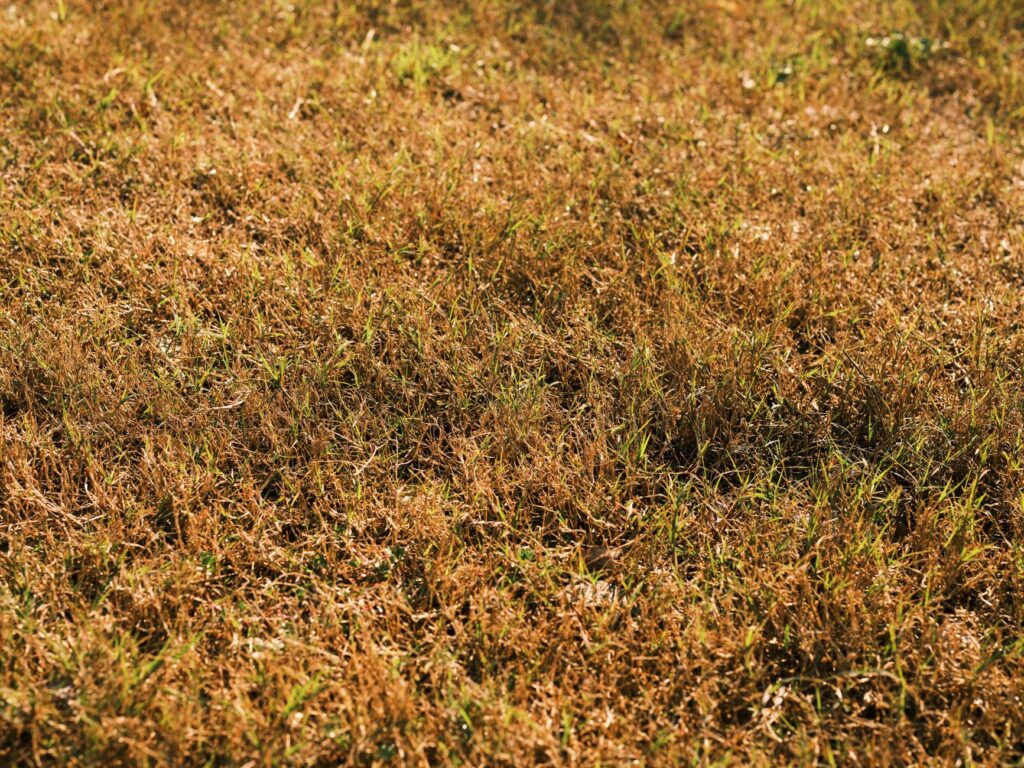
This is the part homeowners skip, and it’s the part I’d argue matters most. Walk your property this week — not in October — and look for the signals that only show up under summer stress:
- Brown or thin patches of lawn that appear even with regular watering often mark shallow soil, buried construction debris, or a ledge of compacted subsoil. These are bad planting spots unless you’re prepared to amend them significantly.
- Standing water after a storm, even 30 minutes later, tells you drainage is poor. Some species (river birch, red maple) tolerate that; most shade trees don’t.
- Deer browse lines are easiest to spot now while deer are actively feeding — note where damage is heaviest so you can plan protection or pick a less palatable species.
- Afternoon shade patterns from existing structures and trees are at their most extreme in July. A spot that looks sunny in April light can be shaded out by August, which matters enormously for a young tree’s first few summers.
Take a few phone photos and jot notes now. By the time you’re ready to plant in October, the lawn will be green again and half these clues will have vanished.
Middletown's #1 Tree Expert Company
FREE Inspection & Estimate | Certified Arborists | Trimming, Pruning, Removal, More!
Sponsored
Choosing a Species That Actually Fits Middletown
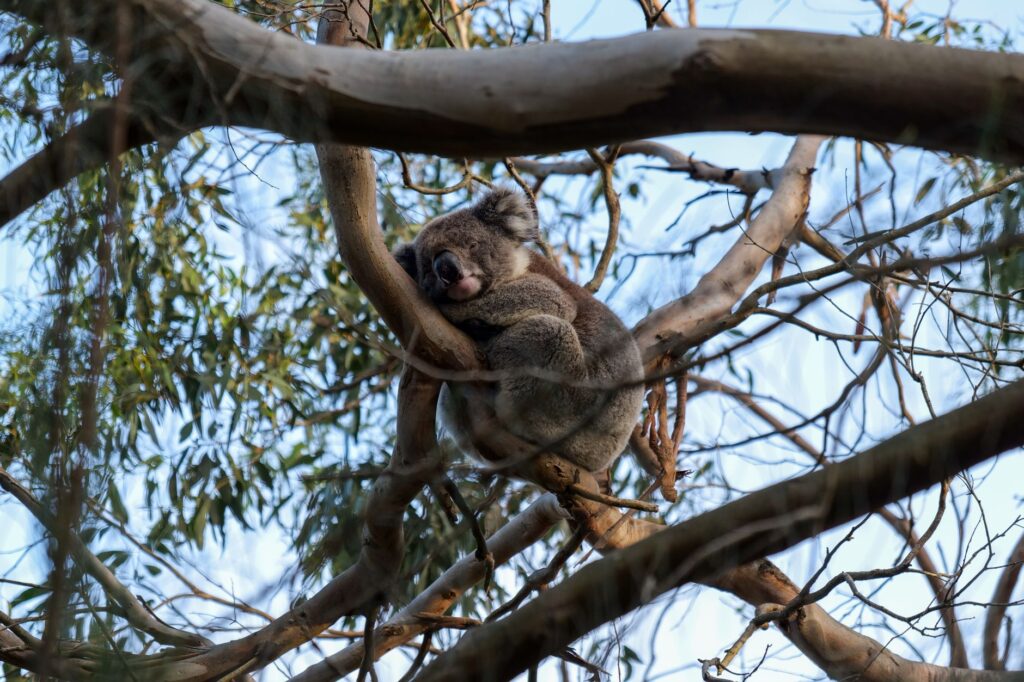
“Right tree, right place” isn’t a slogan — it’s the single biggest predictor of whether a tree is still standing in 20 years. For most Middletown lots, that means matching the species to our clay-loam soil, our occasional salt spray near the Bayshore, and whatever specific microclimate your July walk-around just revealed.
For properties within a mile or two of Raritan Bay or the Navesink, lean toward salt- and wind-tolerant natives — black gum (Nyssa sylvatica), American holly (Ilex opaca), and eastern red cedar (Juniperus virginiana) all handle coastal exposure far better than the maples and hemlocks that struggle once salt spray reaches them. Farther inland, native oaks, river birch, and serviceberry tend to do well in our soils without extensive amendment. The International Society of Arboriculture’s tree selection guide is a good starting point for matching mature size and root habit to your actual planting site — not just the spot that looks good on day one.
Avoid anything you noted growing poorly nearby during your July walk. If your neighbor’s Norway maple is struggling in the same soil type you’re working with, that’s useful data, not bad luck.
Order Early, and Inspect Before You Buy
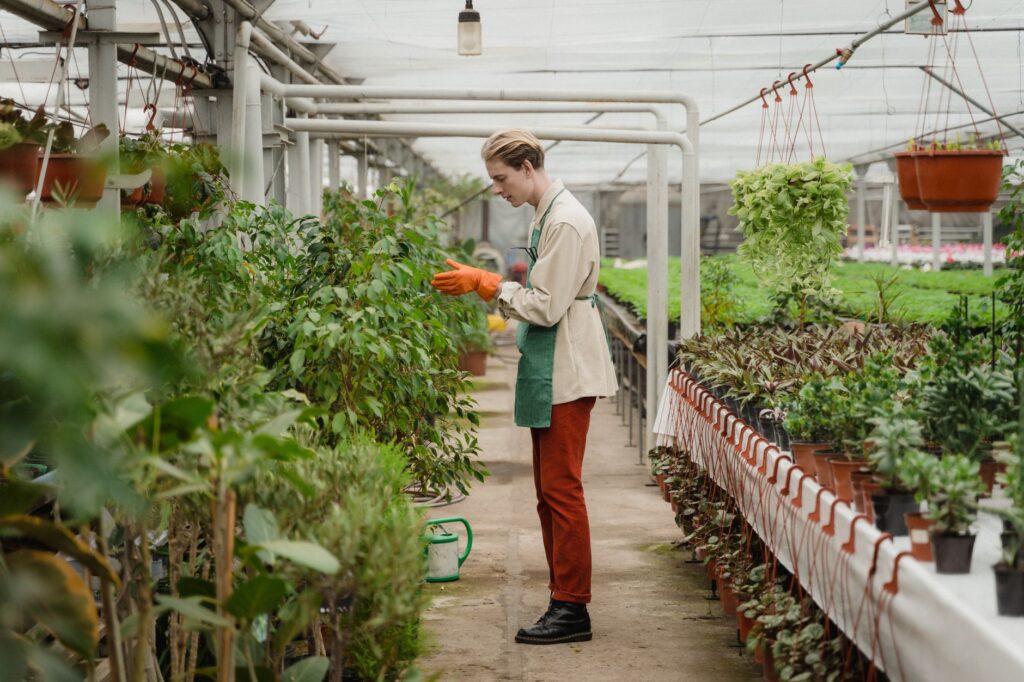
Good nursery stock in Monmouth County sells out fast once the fall planting rush starts in September, and the trees left on the lot by mid-October are often the ones nobody else wanted — root-bound, poorly pruned, or planted too deep in their own pots. Ordering or reserving your tree in late July or August means first pick of healthy stock.
When you do inspect a tree, before it ever comes home, check for the root flare — the point where the trunk widens into the roots. If it’s buried in the pot’s soil, that tree may already have girdling roots forming, a slow strangulation that often doesn’t show symptoms for five or ten years. Gently pull back the top inch of soil at the nursery if the staff allows it. A tree with a clearly visible flare and roots that spread outward rather than circle the pot is worth the extra search.
Prep the Site Now, Plant the Tree Later
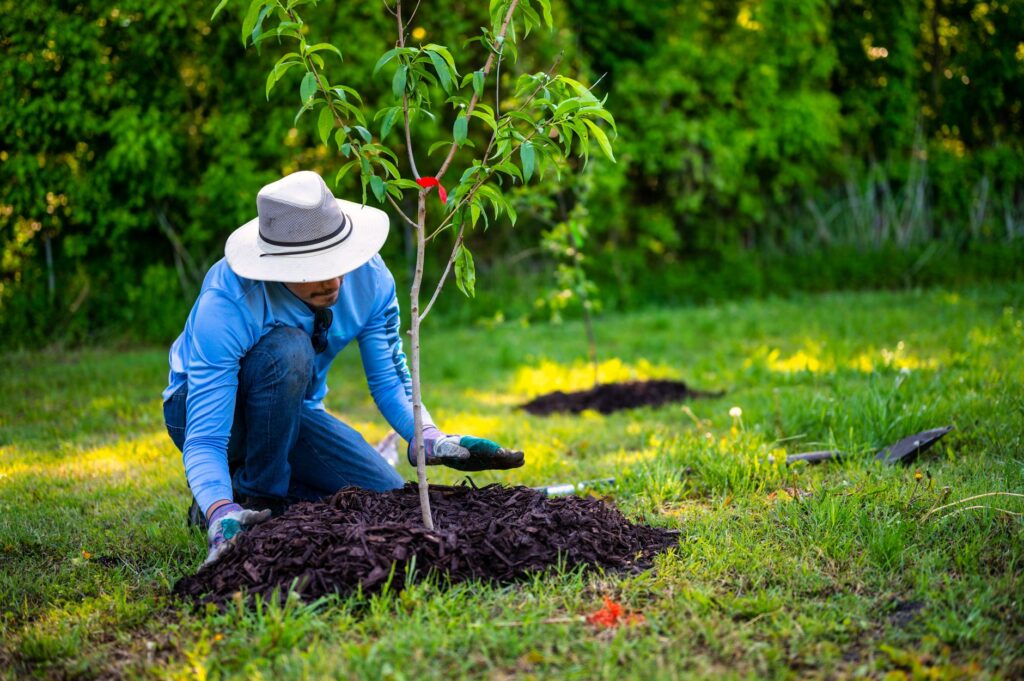
The single best thing you can do this summer is get a soil test started, since results can take a couple of weeks to come back. Rutgers runs an affordable soil testing lab that will tell you your pH and nutrient levels well before your planting date, giving you time to amend if needed rather than guessing after the tree is already in the ground.
Beyond that, resist the urge to dig the planting hole now. A hole sitting open and drying out for two months does more harm than good. Instead, use this window to clear a generous mulch ring — three feet across at minimum — of turf and weeds around your intended planting spot, so grass roots aren’t already competing with your new tree’s roots on day one. If the site has heavy foot traffic or sits over compacted fill, aerating the area now gives the soil a head start on loosening before planting.
Middletown's #1 Tree Expert Company
FREE Inspection & Estimate | Certified Arborists | Trimming, Pruning, Removal, More!
Sponsored
When to Bring in a Certified Arborist
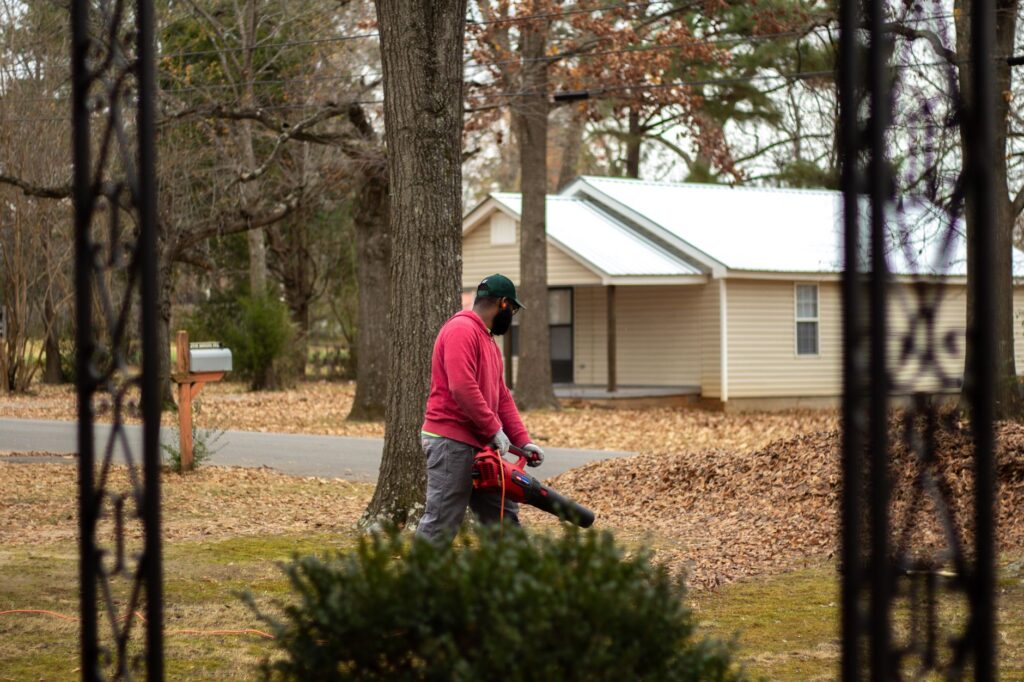
A lot of this you can absolutely do yourself — the site scouting, the species research, the soil test. Where I’d bring in a professional is anywhere the stakes are higher than a single tree: planting near a septic field or underground utilities, replacing a tree that came down near a structure, or choosing species for a lot with drainage or grading issues that go beyond a simple test. A certified arborist can also flag long-term hazards a homeowner might not think to check, like proximity to overhead lines that will force topping later, or soil compaction from construction that will need correcting before roots have any chance.
Either way, the trees that thrive longest in Middletown yards are almost always the ones someone thought about back in July — not the ones grabbed off a nursery lot in a rush come October. Take the walk this week. Your future tree will thank you for it.
Photo credits: Featured image by Gustavo Fring on Pexels; Section 1 by Gustavo Fring on Pexels; Section 2 by Walter Cunha on Pexels; Section 3 by Engin Akyurt on Pexels; Section 4 by Mark Direen on Pexels; Section 5 by Tima Miroshnichenko on Pexels; Section 6 by Alfo Medeiros on Pexels; Section 7 by Paris Lopez on Pexels.