
Middletown's #1 Tree Expert Company
FREE Inspection & Estimate | Certified Arborists | Trimming, Pruning, Removal, More!
Sponsored
The Growth Nobody Asked For

Walk your yard this week and you may notice something odd: a shag of skinny, dead-straight shoots crowding the base of your oak, or a broom of thin twigs erupting straight up out of a limb that looked perfectly normal in June. Homeowners across Middletown Township call me about this every late July, usually worried it’s a disease. It isn’t. It’s a second flush of growth, and for once, it’s something you’re allowed — encouraged, even — to deal with yourself.
Here’s the part that trips people up: almost everything I write this time of year tells you to keep the pruning saw in the garage until the tree goes dormant. That’s still true for structural cuts, crown work, and anything that opens a large wound. But suckers and water sprouts are the exception. They’re weak, poorly attached, and only getting more expensive to remove the longer you wait. Late July is exactly when to deal with them, and this is a job most Bayshore homeowners can handle safely with hand tools and twenty minutes.
Why Your Tree Is Doing This Right Now
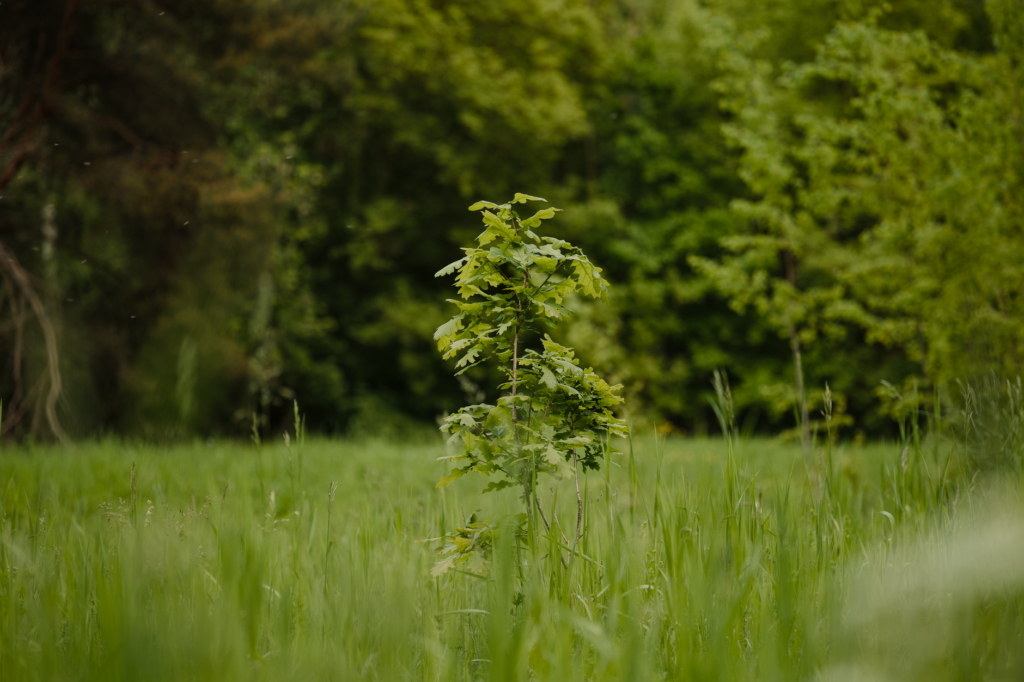
The technical name for this midsummer growth spurt is Lammas growth, named for the old August 1st harvest feast because it shows up like clockwork in the same window every year. Oaks, especially, are famous for it. After the first flush of spring leaves has hardened off, a warm, moist stretch of July can trigger a second round of shoot elongation — a kind of biological second wind. It’s normal. It’s also, not coincidentally, when dormant buds low on the trunk or at the root collar decide to activate.
Those low, opportunistic shoots are what arborists call epicormic growth — suckers when they come from the roots or root collar, water sprouts when they erupt from the trunk or main limbs. Both draw on energy the tree would otherwise be putting into its permanent structure, and both are usually a sign the tree is compensating for something: a stressed root zone, a prior topping cut, storm damage, or simply the genetics of a species — like many oaks, hybrid maples, and crabapples — that’s prone to it. Rutgers Cooperative Extension has good background on how seasonal growth patterns affect pruning timing for the trees we grow in New Jersey’s clay-loam soils.
Suckers: The Root-Level Freeloaders
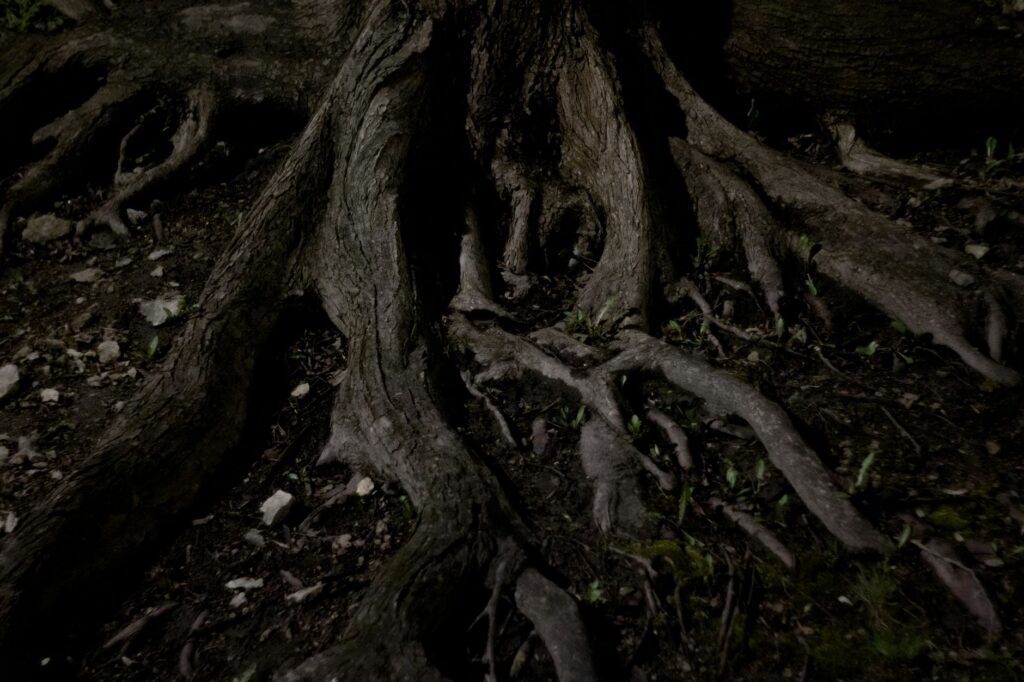
Root suckers push up from the root system or from just below the graft union on grafted ornamentals — think flowering crabapples, many Japanese maples, and fruit trees. If your tree is grafted and you let a sucker grow, you’re not growing more of the tree you planted; you’re growing the rootstock, which is usually a scrappier, less ornamental variety chosen for its roots, not its looks.
- Look for thin, whip-like shoots emerging from soil level or the base of the trunk, often growing much faster and more vertically than the rest of the canopy.
- Trace each sucker back to where it emerges and cut it flush at the point of origin — at the root or root collar, not partway up the shoot.
- Never just mow them off. Cutting above the base leaves dormant buds behind, and the tree responds by sending up two or three shoots for every one you removed.
- If suckers are coming from a surface root several feet from the trunk, you can usually clip them at ground level without digging.
A hand pruner or loppers handle nearly all of this. If you find a thick, woody sucker that’s been growing for a couple of seasons, a pruning saw works better than forcing loppers through it.
Middletown's #1 Tree Expert Company
FREE Inspection & Estimate | Certified Arborists | Trimming, Pruning, Removal, More!
Sponsored
Water Sprouts: The Trunk-Level Version
Water sprouts show up higher up — straight, fast-growing shoots along the trunk or major scaffold limbs, often in dense clusters. They’re weakly attached at the bark surface rather than knit into the wood the way a normal branch is, which is exactly why they’re the first thing to snap off in a summer thunderstorm and land on a fence or a car.
If you had a large limb removed in the past few years, or if the tree was topped by a previous owner or a less careful contractor, expect water sprouts around those old cuts — it’s the tree’s stress response to a wound or an abrupt loss of canopy. The International Society of Arboriculture’s pruning guidance is a good plain-English reference on where a cut belongs and why sprout clusters tend to follow bad ones.
To remove them: cut each sprout back to the branch collar — the slightly swollen ring where it meets the limb — rather than leaving a stub. Don’t try to thin an entire sprout cluster in one afternoon if it’s extensive; removing more than about a quarter of a tree’s live growth at once, even weak growth, can stress it further. Spread heavy sprout removal over two seasons if the cluster is dense.
Why This Job Is Safe Now and Structural Pruning Isn't

The distinction matters. Removing a pencil-thin water sprout or root sucker takes off almost no leaf area, creates a wound smaller than a dime, and doesn’t touch the tree’s permanent scaffold branches. Structural pruning — reducing a heavy limb, correcting a co-dominant stem, thinning a crown — removes real photosynthetic capacity and opens larger wounds right when trees are already running a summer energy deficit from heat and, most years, a dry stretch. That’s the work that belongs in the dormant season, typically recommended by the USDA Forest Service and most state extension programs for the majority of deciduous species.
There’s also a practical safety argument for doing sucker and sprout removal now rather than later: the earlier you catch this growth, the smaller and easier it is to cut. A pencil-width sprout in July is a two-inch stub with real bark attachment by October, and by next July it’s a small limb that needs loppers instead of hand pruners. Staying on top of it in real time is genuinely less work over the life of the tree.
Doing It Right — and Knowing Your Limit
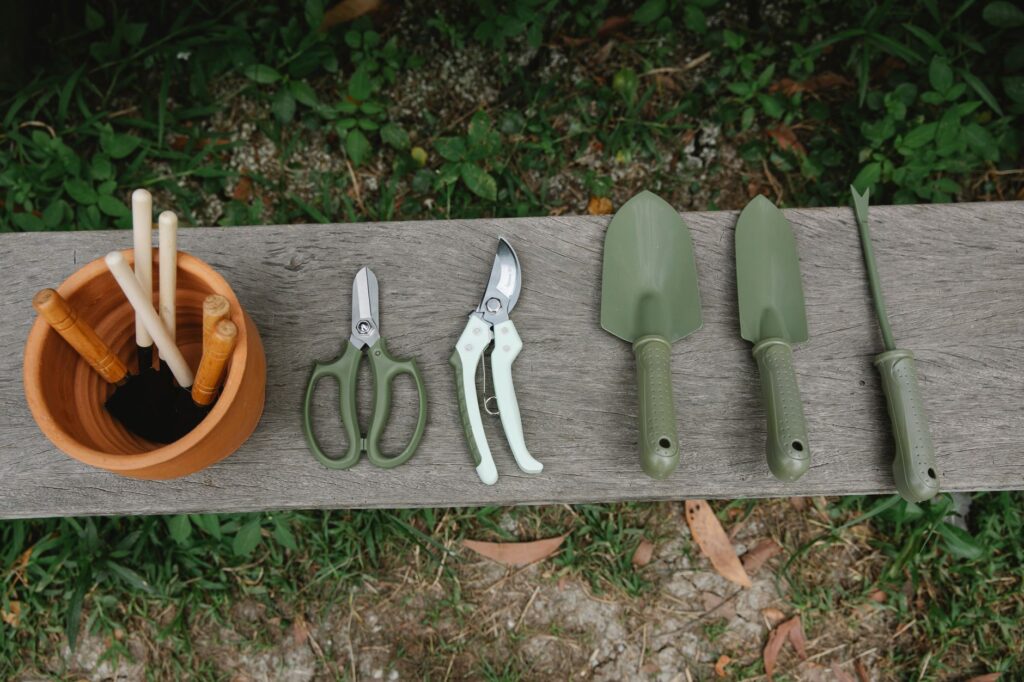
A few ground rules before you head out with pruners this weekend:
- Work from the ground. If a cluster of water sprouts is more than about ten feet up and you’d need a ladder to reach it, that’s a job for a professional with the right rigging, not a homeowner on an extension ladder.
- Cut clean, at the collar or point of origin — never leave stubs, and never rip growth off by hand, which tears bark and invites decay fungi in.
- Check for wasps and yellowjackets before you reach into dense growth. Late July is peak season for ground and cavity nests in Monmouth County, and a sucker thicket at the base of a tree is a common hiding spot.
- Skip any tree that’s recently been storm-damaged, leaning, or showing large cavities — sprout removal is the least of that tree’s problems, and it needs a professional risk assessment first.
If you’re unsure whether a given shoot is a normal side branch or true epicormic growth, a quick photo comparison against the rest of the canopy usually settles it — normal branches taper and angle outward; suckers and sprouts shoot straight up and grow noticeably faster than everything around them.
Middletown's #1 Tree Expert Company
FREE Inspection & Estimate | Certified Arborists | Trimming, Pruning, Removal, More!
Sponsored
When to Bring in a Certified Arborist
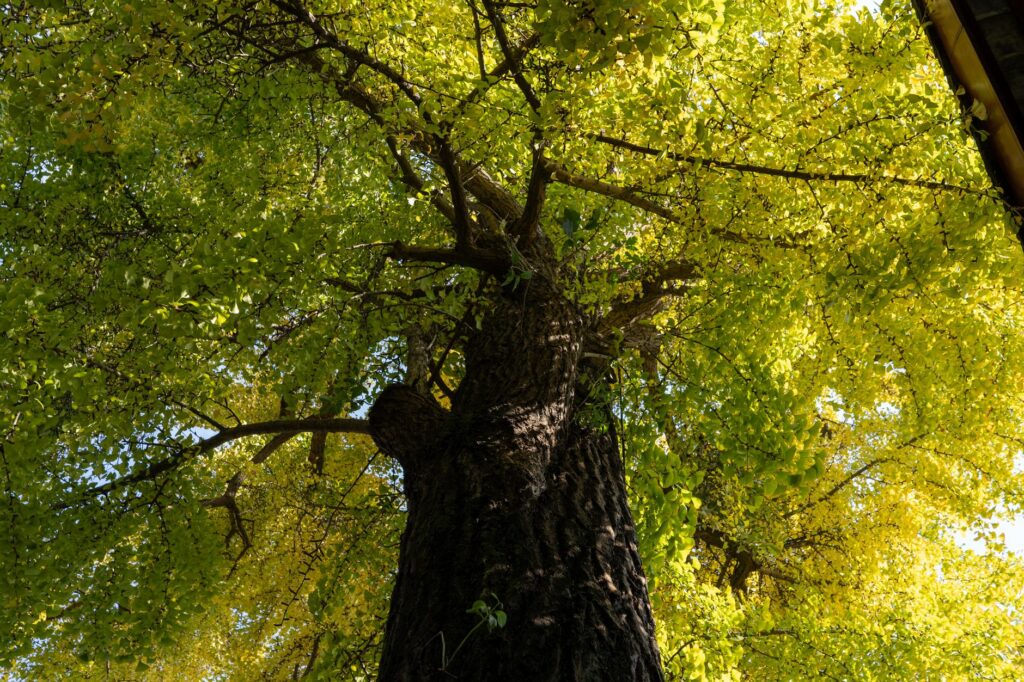
Small-scale sucker and water sprout removal is genuinely homeowner-friendly work, and doing it consistently every July is one of the better habits you can build for a young or recovering tree. But it’s also a good moment to take stock of the rest of the tree. Heavy, repeated sprouting all over a mature tree — rather than just around one old wound — is often the tree telling you something bigger is going on underground: compacted soil, root damage from nearby construction, or drought stress that’s been building for more than one season.
If that’s what you’re seeing, or if the sprout clusters are clustered around a large old pruning wound that looks cracked or discolored, it’s worth having a certified arborist take a look before the next round of summer storms rolls through the Bayshore. A proper site visit can tell you whether the tree is simply doing its normal midsummer thing or compensating for a problem that’s worth addressing before autumn’s dormant pruning window opens. Either way, keeping a small pair of loppers by the back door and making a habit of this one job now will save your trees — and your pruning budget — down the road.
Photo credits: Featured image by Gelgas Airlangga on Pexels; Section 1 by Helena Lopes on Pexels; Section 2 by Lauri Poldre on Pexels; Section 3 by Plato Terentev on Pexels; Section 4 by Gelgas Airlangga on Pexels; Section 5 by Jimmy Chan on Pexels; Section 6 by Gary Barnes on Pexels; Section 7 by Peter Xie on Pexels.