
Middletown's #1 Tree Expert Company
FREE Inspection & Estimate | Certified Arborists | Trimming, Pruning, Removal, More!
Sponsored
Something Is Wrong With the Oaks on Your Street
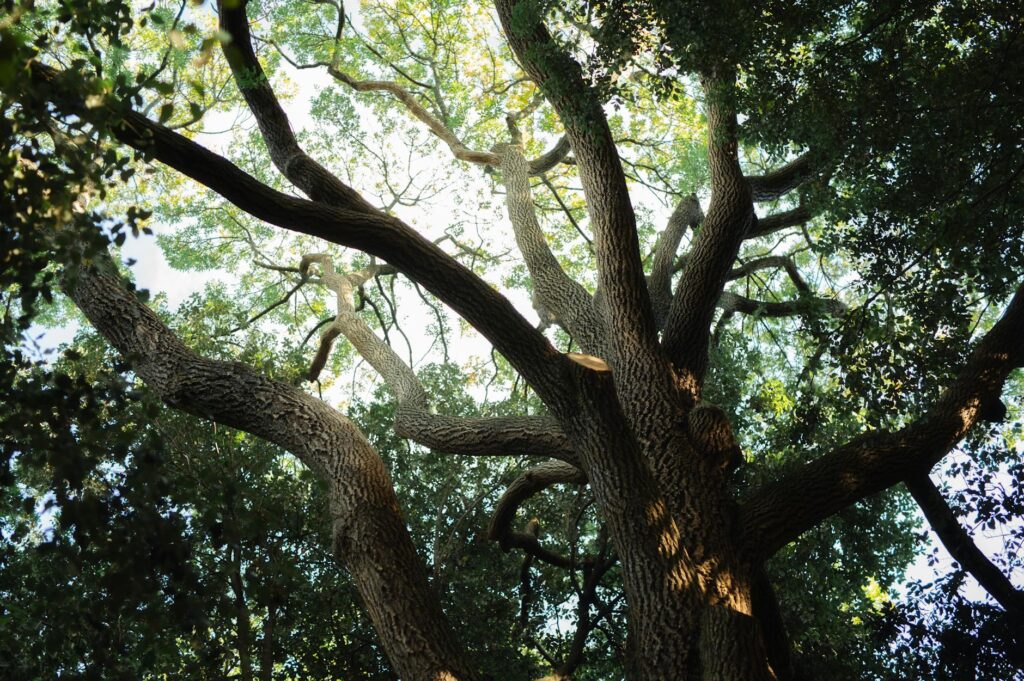
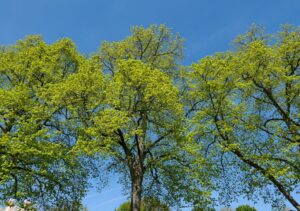
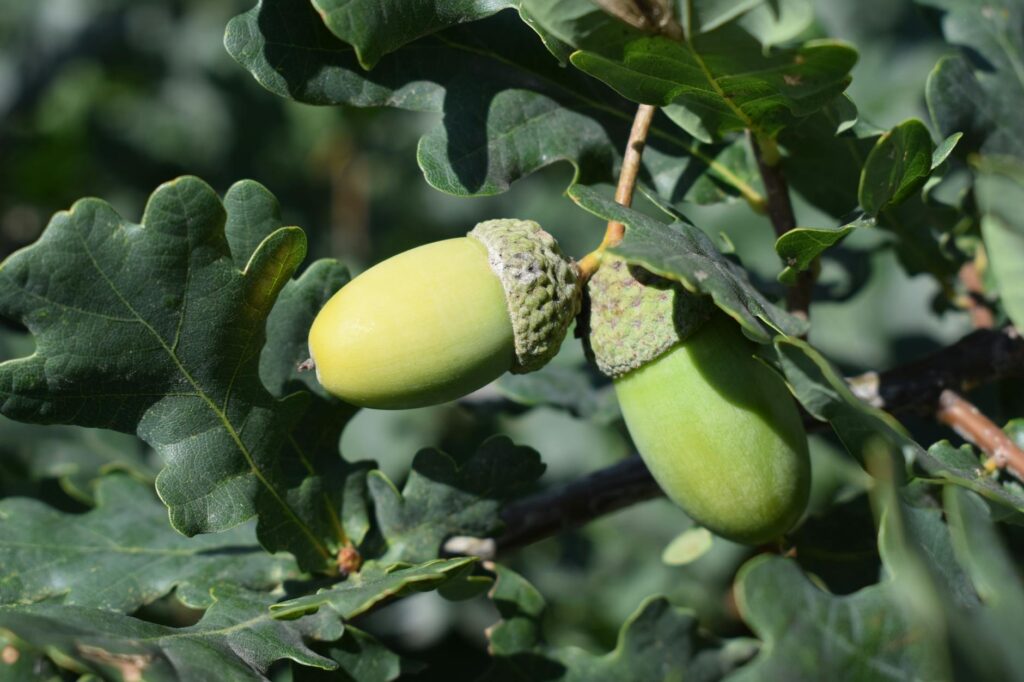
By mid-May in Middletown Township, most oaks are in full leaf — that flush of pale green deepening by the day, the red oaks fanning out their broad, seven-lobed leaves while the white oaks unfurl in silvery tufts along back roads near Hartshorne Woods Park and the slopes above the Navesink. So when a client calls me this time of year to say their oak looks “off” — pale, almost silvery on top, leaves that seem bleached when everything else is lush — I know what I’m probably going to find before I even pull up.
Turn over a few of those leaves. Look at the undersides. If you see tiny dark specks — sticky, varnish-like dots scattered across the leaf tissue — and the upper surface has a fine stippled or mottled pattern, as though someone took a very fine pin to every single cell, you’ve got oak lace bugs (Corythucha arcuata). They’re small enough that most homeowners never actually see the insect itself, just the damage it leaves behind. And by the time that damage becomes visible from the ground, a full first generation has already been at work.
Oak lace bugs are one of the most underdiagnosed insect problems I see on Monmouth County properties. They don’t kill trees the way an emerald ash borer does — not quickly, anyway — but they grind away at a tree’s capacity to photosynthesize all summer long, weakening it exactly when it should be building reserves for the year ahead. In Middletown’s often sandy, drought-prone soils near the Bayshore, that kind of accumulated stress matters more than most people realize.
Meet Corythucha arcuata: A Tiny Insect With an Outsized Impact
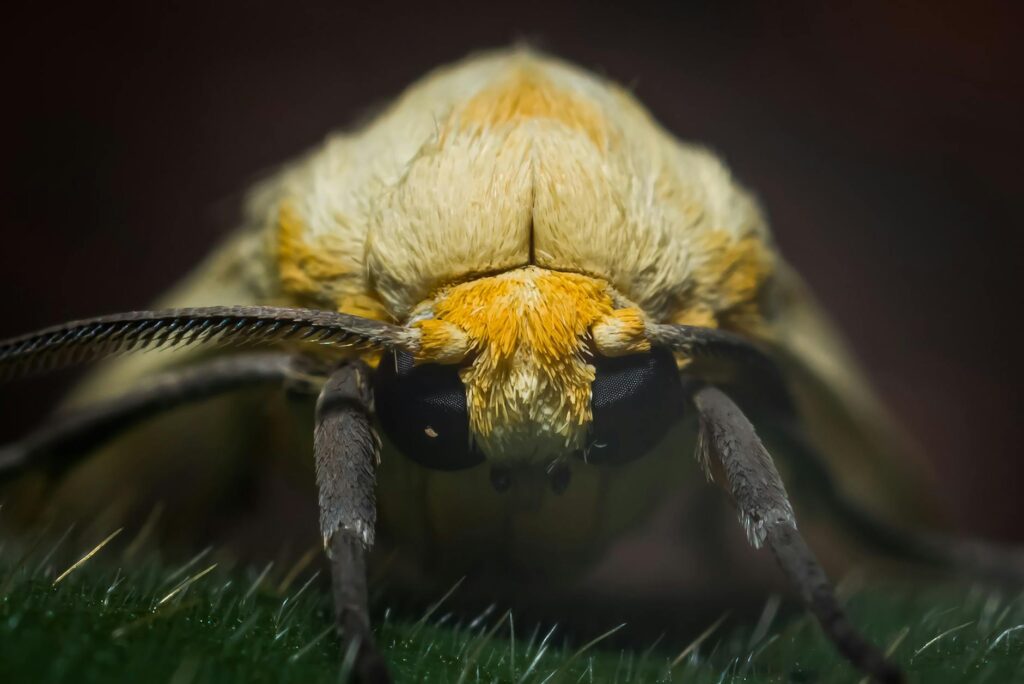
The oak lace bug (Corythucha arcuata) is a native North American insect, barely 3–4 millimeters as an adult — smaller than a sesame seed. The name comes from the distinctive lacy, net-like pattern on the adult’s wings and pronotum, which you can appreciate if you hold a hand lens to a suspect leaf. But finding an individual adult is less important than recognizing the colony dynamics at work.
Lace bugs overwinter as adults tucked beneath loose bark scales and in leaf litter at the base of host trees, emerging in early spring when temperatures reliably warm above 60°F. Through April and into May, females deposit eggs along the midrib and larger veins on the undersides of oak leaves, fixing them in place with a brown, sticky secretion. Nymphs hatch within two weeks and are darker, spiny little creatures that feed alongside adults in aggregated groups, all piercing the leaf tissue and extracting cell contents through their sucking mouthparts. In New Jersey, we typically see two to three generations per season, with populations peaking by late summer if left unchecked.
What makes lace bugs tricky is that they’re never where you’re looking. You see the damage on the upper leaf surface — that stippled, bleached look — but the insects themselves are working the underside, often in dense clusters near the leaf veins, surrounded by their characteristic dark, varnish-like fecal deposits. Oak lace bugs strongly prefer Quercus species and won’t spread to your maples or dogwoods; their host range is specific, which is actually useful when you’re making a diagnosis.
Identifying Lace Bug Damage on Your Middletown Oaks
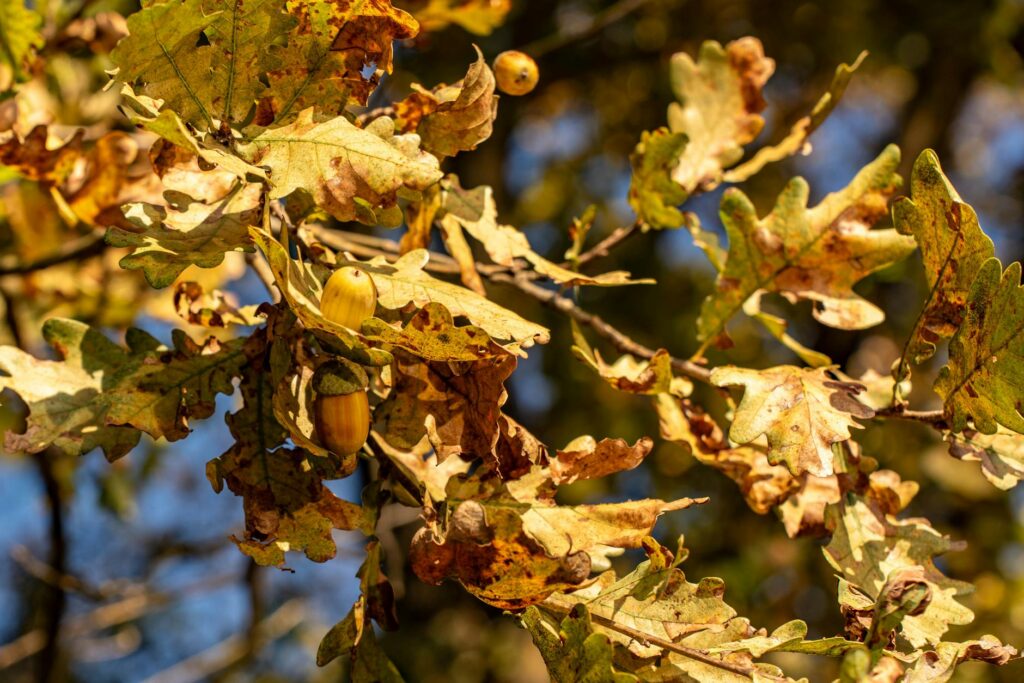
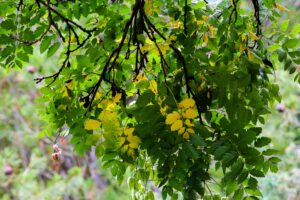
The first thing most homeowners notice is a tree that looks wrong from a distance — too pale, too muted for the time of year. Up close, the leaves look as though they’ve been stippled with thousands of tiny white or pale yellow dots, giving the upper surface a grayed-out, bleached, or almost silvery cast. Heavily infested leaves may turn completely yellowish-tan by late summer and drop earlier than healthy foliage. This pattern is distinct from nutrient deficiency, which tends to show as interveinal chlorosis, and from drought stress, which causes leaf curl or browning at the margins first.
Turn a leaf over. Oak lace bug damage has a signature: the underside will show dark brown to black speckling — the dried fecal deposits the nymphs leave behind. In heavy infestations you’ll see actual adults and nymphs clustered along the midribs, often dozens per leaf. That’s your confirmation.
One important distinction: lace bug damage looks somewhat similar to the stippling caused by spider mites, which also work the undersides of leaves in summer. The key difference is the coarse, dark fecal speckling and the distinctively winged adults you can see with a magnifying glass, which mites won’t produce. If you’re uncertain about the diagnosis, Rutgers NJAES Cooperative Extension maintains plant diagnostic resources and county agricultural agents can confirm an ID from a leaf sample — it’s a free service worth using before committing to any treatment.
Middletown's #1 Tree Expert Company
FREE Inspection & Estimate | Certified Arborists | Trimming, Pruning, Removal, More!
Sponsored
Which Oaks Are Most at Risk in Middletown Township
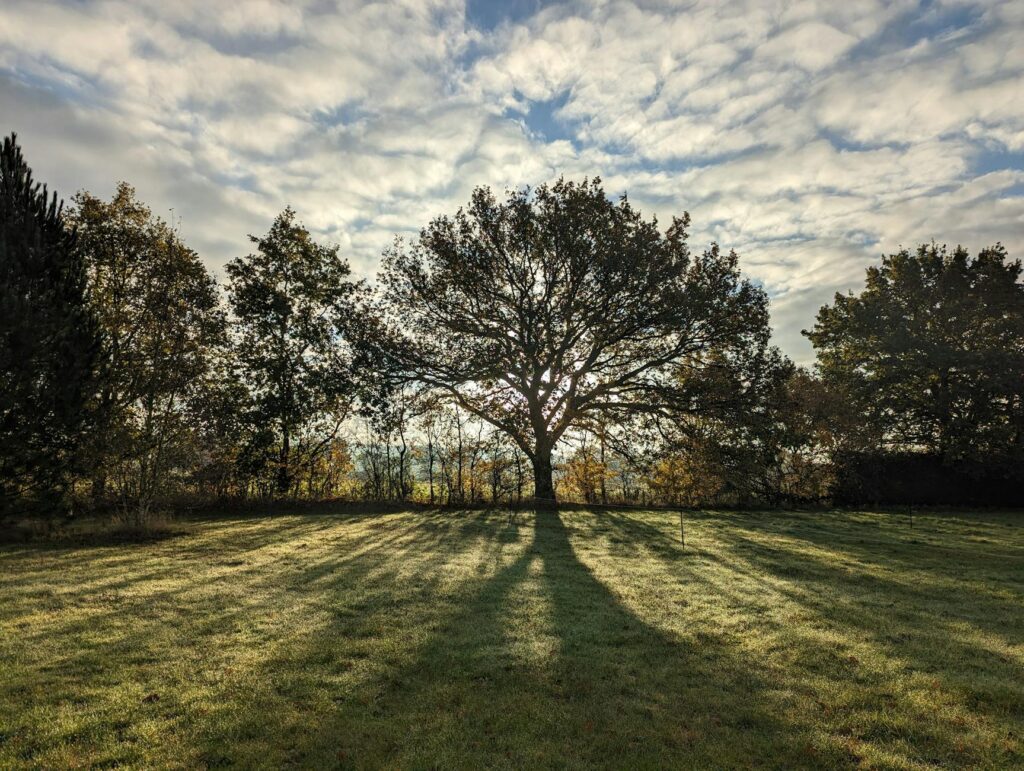
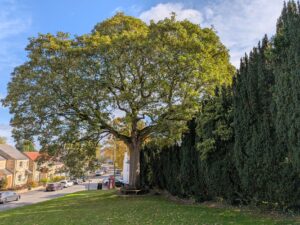
Nearly all true oaks are susceptible to Corythucha arcuata, but pin oak (Quercus palustris), red oak (Quercus rubra), and scarlet oak (Quercus coccinea) tend to see the heaviest infestations in New Jersey. These are also some of the most commonly planted street trees and yard trees across Middletown Township, which means the pest has no shortage of hosts to work with in neighborhoods from Lincroft to Atlantic Highlands.
White oak (Quercus alba) and chestnut oak (Quercus montana) — both native species you’ll find throughout Hartshorne Woods Park and Poricy Park — are somewhat less heavily impacted than the red oak group, though they’re not immune. In years with high lace bug pressure, I’ve seen extensive stippling on mature white oaks in Lincroft that were clearly under drought stress from the prior summer.
Location matters enormously. Trees in full sun — especially in drier, sandy soils near the Bayshore in Port Monmouth and Leonardo — face heavier pressure than the same species growing in partial shade or richer loam. Oak lace bug populations explode in hot, dry conditions, and Middletown’s coastal plain soils drain fast. According to the New Jersey Division of Parks and Forestry, oak-dominant stands throughout coastal Monmouth County have faced increasing insect and disease pressure as summer drought episodes have become more pronounced in recent decades.
The Compounding Stress Problem: Why Lace Bugs Are More Than Cosmetic

A healthy, deep-rooted oak with good soil and adequate moisture can tolerate moderate lace bug pressure without catastrophic consequences. The insect rarely kills a vigorous tree outright. But oak lace bugs don’t attack in isolation. A Middletown oak that spent a dry summer losing photosynthetic capacity to lace bugs enters fall with reduced carbohydrate reserves — the energy it needs to close wounds, compartmentalize decay, and support fine root growth through autumn. That same tree is less equipped to handle the next stressor: drought the following summer, a wet spring that invites root pathogens, or the attention of two-lined chestnut borer (Agrilus bilineatus), which specifically targets oaks already weakened by other pressures.
This is the compounding stress model that arborists talk about, and it’s one reason I encourage homeowners not to dismiss lace bug damage as purely cosmetic. A tree that looks raggedy by August and drops leaves early in September has lost two full months of photosynthetic capacity. Do that for three or four consecutive seasons and you start to see structural decline, canopy thinning, and the kind of branch dieback that’s hard to reverse.
The International Society of Arboriculture emphasizes that tree vitality — the capacity to generate new tissue and tolerate stressors — is the most reliable predictor of long-term survival. Management strategies that keep trees vigorous (proper mulching, irrigation during dry spells, avoiding soil compaction around the root zone) pay compounding dividends against all insect and disease pressures, not just lace bugs.
What You Can Do — and When to Hold Off

The first thing I tell clients is: do not reach for a pesticide before you’ve assessed the severity. Oak lace bugs have a robust set of natural enemies — assassin bugs (Zelus spp.), lacewing larvae, parasitic wasps, and predatory mites all feed on lace bug populations and can keep them in check through most seasons. Spraying broadly with a general contact insecticide will eliminate these beneficials and often make the following year’s lace bug problem worse, not better. Patience and observation are legitimate management strategies for mild infestations on otherwise healthy trees.
For mild to moderate infestations, especially on large trees where you can’t effectively reach the leaf undersides anyway, the best approach is often supportive care: a 3-inch ring of organic mulch over the root zone (kept well back from the trunk flare), supplemental watering during dry stretches in late May and June, and soil aeration if compaction is an issue. A healthy tree manages lace bug pressure better, every time.
When infestations are severe and the tree is already under cumulative stress, horticultural oil applied to leaf undersides in late May — when egg hatch is peaking and nymphs are small — can reduce first-generation numbers effectively. Timing matters; once nymphs are large and the season is advanced, oil treatments lose much of their value. Systemic soil-applied insecticides (imidacloprid and related compounds) are effective for serious infestations but carry meaningful risks to pollinators and soil biology. They should only be considered when other options have failed on high-value trees — and the decision should involve a certified arborist who can weigh the tradeoffs against the specific tree’s condition and surrounding landscape.
Middletown's #1 Tree Expert Company
FREE Inspection & Estimate | Certified Arborists | Trimming, Pruning, Removal, More!
Sponsored
Summary: When to Call a Certified Arborist
If your Middletown oaks look pale, stippled, or silvery by mid-May, don’t wait for the damage to compound before making a call. Oak lace bugs are manageable — but like most tree problems, they’re easier and less expensive to address early than after two or three seasons of accumulated stress have set the tree up for secondary pests and structural decline.
A certified arborist can confirm the diagnosis, ruling out spider mites, nutrient deficiency, or other look-alikes that produce similar symptoms. They can assess the overall vitality of the tree, identify any compounding stressors already in play, and recommend a targeted management strategy that preserves the natural predator community whenever possible. For trees in sandy Bayshore soils or in full-sun exposures, an arborist can also evaluate whether a soil amendment program or supplemental irrigation makes sense before summer’s heat fully arrives.
Middletown’s oak trees — the red oaks lining neighborhood streets, the ancient white oaks in Hartshorne Woods and Poricy Park, the scrub oaks on the Bayshore bluffs above Raritan Bay — are worth protecting. A single season of stippling won’t topple a mature oak, but a series of inattentive summers can, and the time to look closely is right now, while the leaves are still holding their shape and a treatment window remains open.
Photo credits: Featured image by klaas wauben on Pexels; Section 1 by Grigoriy on Pexels; Section 2 by Macro Photography on Pexels; Section 3 by Vladimir Srajber on Pexels; Section 4 by Karen Waters on Pexels; Section 5 by Feyza Daştan on Pexels; Section 6 by Gustavo Fring on Pexels; Section 7 by Henk Schuurmans on Pexels.